Amelia’s Magazine | MAC Semi-Precious Collection: New Mineral Make Up Range from the Mata Atlantica Coast of Brazil

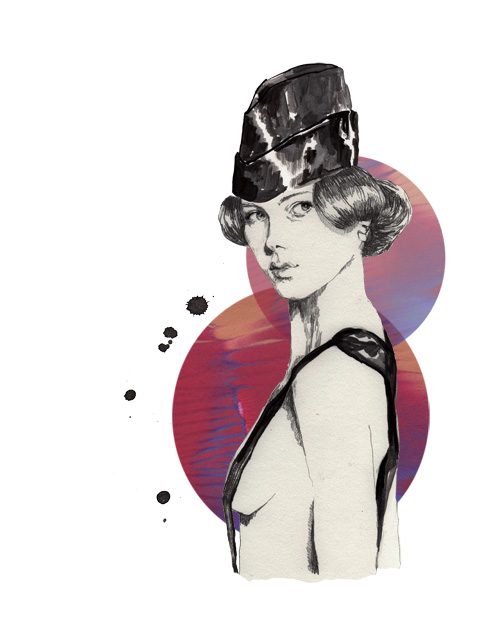
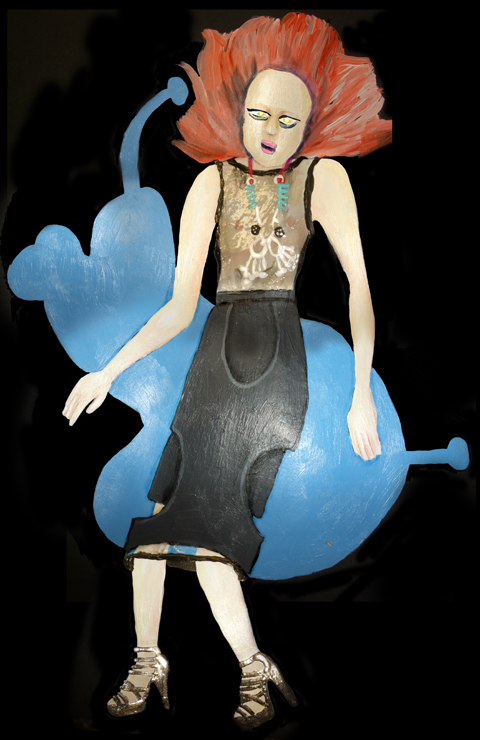
MAC Semi Precious range by AntoniaParker
MAC Semi-Precious range by Antonia Parker. Her lady wears Hint of Sapphire on eyes, case Geo Pink on lips, sildenafil Warmth of Coral blush. The background is inspired by Blue Sheen eyeshadow.

Now, I don’t generally get that excited about the launch of a new make up range, but I was most intrigued when I learnt (on the grapevine) about the new MAC Semi-Precious Collection. Why, you may well ask? Well, this large new beauty range boasts plenty of semi precious mineral ingredients and the final products are intriguing – a swirly shimmer of glistening particles that reflect the source of their creation. Time to find out a bit more….

MAC semi precious range collection review 2011

Over at MAC HQ Jennifer Balbier and Nick Gavrelis are the brains behind the collection, inspired by trips to Brazil where the use of natural minerals in make up is much more commonplace. The minerals are pulverised into very small particles and then baked into the marbleised finishes that typify the collection. They were helped in their knowledge of the Brazilian beauty arena by Fabiana Gomes, who grew up in Curitiba and has worked with MAC since they opened their first store in Brazil in 2002. Beauty is super important in Brazil, so the launch of the Semi-Precious Collection clearly sees MAC with one eye on this huge emerging customer base.

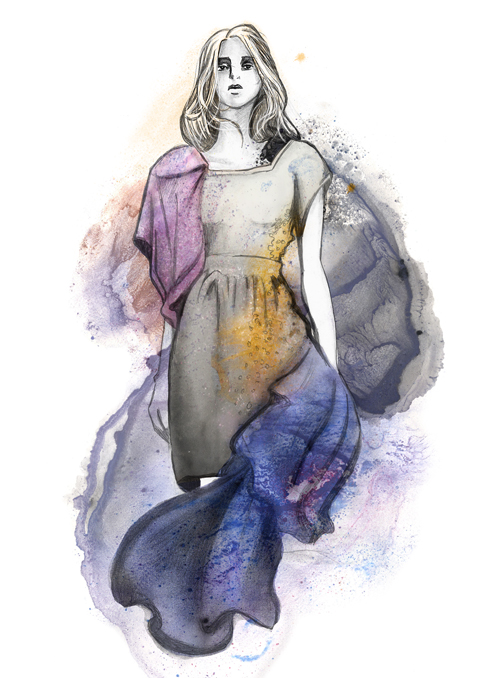
MAC semi precious by Lorna Scobie
MAC semi precious by Lorna Scobie.

But what about the really interesting stuff? The ingredients themselves? The finely milled gems which have been chosen for the Semi-Precious range are Bronzite, Black Tourmaline, Gold Pyrite and Lilac Lepidolite – each of which create beautiful jewel-like colours and are also believed to have some interesting properties.

MAC semi precious range collection review 2011

Bronzite, the Stone of Courtesy, is a deep chocolate colour with golden swirls, believed to be energised by the Earth, thus improving metabolism and oxygenation at a micro level (wow, all that from wearing a pretty eye shadow!)

Black Tourmaline is iron rich and known as the Electric Stone because it conducts a gentle current – for this reason it’s believed to neutralise negative energies and enhance happiness in the wearer.

Gold Pyrite is very bright and metallic as anyone will know who has marvelled at Fool’s Gold. It’s the Fire Stone, sparking when struck against iron and steel. For this reason it’s associated with stamina and transforming intuition into logic and reasoned action. It also aids concentration and fosters open communication.

Lepidolite is a member of the Mica family. It is the Peace Stone, used to encourage openness and honesty. It is believed to dissipate pain when placed on the body, to relieve allergies and stabilise mood swings. If wearing a pretty lipstick can do this I’ll be damned, but there’s nothing like a bit of folklore to encourage sales.

MAC Semi Precious by Sally Jane Thompson
MAC Semi Precious by Sally Jane Thompson.

Research was done by the MAC team in Canada and the minerals were mined by Solabia International – slogan Between Nature and Technology – then put together to echo the beauty of the Brazilian landscape in their laboratory just outside Milan. Solabia mines on the Mata Atlantica coast of Brazil where the four precious stones are found, following an ethical code of practice laid out by DNPM the Brazilian National Department of Mineral Production. I am assured that the process does not use large quantities of water.

MAC semi precious range collection review 2011

The Semi-Precious stones are used in Mineralize eye shadow, blush and lipstick, though the new range also features body lotions as well as mascara and foundation. With names like Pure Magnificence, Natural Flare, and Geo Pink the geographical nature of the ingredients is always at the fore. I’ve been wearing the Golden Gaze on my eyes over the past few days and the way that the gold particles are swirled together with black gives a multi-layered finish that is very different to your average eye shadow: think sultry charcoal grey with a glinting hint of gold once on the eyelid – a subtle look that is totally suitable for daytime. I’ve also tried the Feeling Flush blusher, which is a perky pink colour on the skin. Be warned though, I needed very little of this to achieve a strong effect.

Mac Semi Precious by Claire Kearns
Mac Semi Precious by Claire Kearns.

MAC Semi-Precious was launched in the US & UK last week so it should be available at make-up counters near you very soon….

Categories ,Antonia Parker, ,Beauty, ,Between Nature and Technology, ,Black Tourmaline, ,Blue Sheen, ,Blusher, ,brazil, ,Brazilian National Department of Mineral Production, ,Bronzite, ,canada, ,Claire Kearns, ,Coast, ,Curitiba, ,DNPM, ,Electric Stone, ,eye shadow, ,Fabiana Gomes, ,Feeling Flush, ,Fire Stone, ,Folklore, ,Fool’s Gold, ,Geo Pink, ,Gold Pyrite, ,Golden Gaze, ,Hint of Sapphire, ,Honesty, ,HQ, ,Intuition, ,Jennifer Balbier, ,Jewel, ,Lepidolite, ,Lilac Lepidolite, ,Lipstick, ,Logic, ,Lorna Scobie, ,Mac, ,Make-up, ,Mata Atlantica, ,Metabolism, ,Mica, ,Milan, ,Mineralize, ,Minerals, ,mining, ,Natural Flare, ,Negativity, ,Neutralise, ,Nick Gavrelis, ,Peace Stone, ,Pure Magnificence, ,Sally Jane Thompson, ,Semi-Precious, ,Solabia International, ,Stamina, ,Stone of Courtesy, ,Warmth of Coral

Similar Posts:


Amelia’s Magazine | Ming Pin Tien: London Fashion Week S/S 2013 Catwalk Review

Ming Pin Tien SS13 by Kristina Vasiljeva
Ming Pin Tien S/S 2013 by Kristina Vasiljeva.

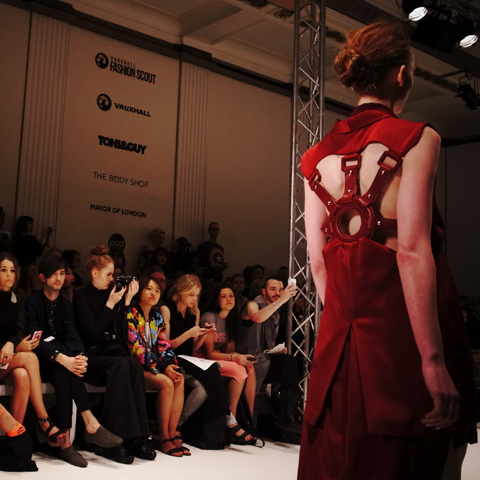
This season’s hotly anticipated Ones to Watch show opened with the clothes of Ming Pin Tien, a graduate of the London College of Fashion. The Taiwanese designer put on a great show, with a diverse collection that featured graphic prints, sharp tailoring and conceptual textures.

Ones to Watch Ming SS 2013 Sept 2012-photography by Amelia Gregory
First out a were range of layered pieces with a sort of tyre track design up the back: a placement print (they’re hot right now) that traversed all the garments being worn. His next print was artfully jagged in black, russet and maroon on a cream ground, then a starburst pattern erupted with stylish intent across a collar.

Ones to Watch Ming SS 2013 Sept 2012-photography by Amelia Gregory
Ones to Watch Ming S/S 2013. All photography by Amelia Gregory.

Colours that don’t normally match were thrown together: khaki green, lime, aquamarine, skin and russet. Gathered crop tops with back flaps and cropped trousers left no hiding place for the midriff. Flaps are big this season: that and swing shapes and double breasted styling, all of which were present and correct in this on trend collection. His final garment was a stunning overcoat which appeared to be constructed from leather strips fastened together with hoops and rivets. There were lots of ideas going on here without it seeming overly messy and complex: I can’t wait to see how this designer develops.

Ming Pin Tien S/S 2013 by Antonia Parker.

Categories ,Antonia Parker, ,Fashion Scout, ,Kristina Vasiljeva, ,lfw, ,London College of Fashion, ,Ming Pin Tien, ,Ones To Watch, ,S/S 2013, ,Taiwanese

Similar Posts:


Amelia’s Magazine | Osman: London Fashion Week S/S 2013 Catwalk Review


Osman S/S 2013 by Krister Selin

And so it was to Osman to ‘close’ my fashion week, as it were. It was getting late on the Tuesday and, frankly, I couldn’t be arsed to trek to Somerset House. I had a heap of work to do and the thought of going all that way to watch models walk in front of me twice for five minutes was almost too much to bear. In the end, I decided to go, obviously; I’m so glad I did.


Osman S/S 2013 by Antonia Parker

I had a rubbish seat but enjoyed watching people skid on Kuoni-sponsored A3 Osman lookbooks as I waited for the show to start. The catwalk had been adorned with a huge black rope, crossing above the bit where the models come out and trailing up both sides of the catwalk. Osman‘s got a bit of a reputation for putting on a good show and I liked the drama that this backdrop was already creating. There was a lot of fuss on the catwalk before proceedings began – Corinne Bailey Rae was one of many guests that had photographers in a flash bulb frenzy. But it was Osman‘s unique and vibrant colour palette and fashion-forward sense of shape that would really get the crowd going.


All photography by Matt Bramford

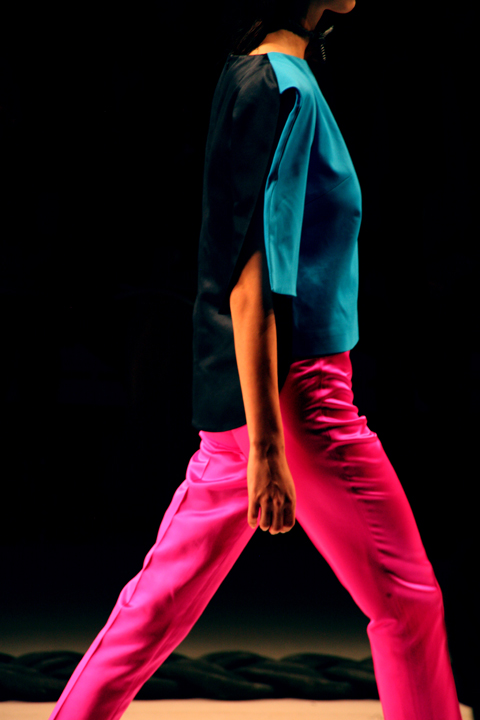
Incredible hues of pink and blue appeared before us. Osman Yousefzada always has a crafted ability to whet our appetites for the next summer while the current one is slipping away from us. Strong and dynamic shape was this season’s key theme – angular cuts were aplenty. Kimono shapes with a modern twist were teamed with high-waisted shorts, followed by tailored coats that curved to reveal more short shorts.


Osman S/S 2013 by Krister Selin

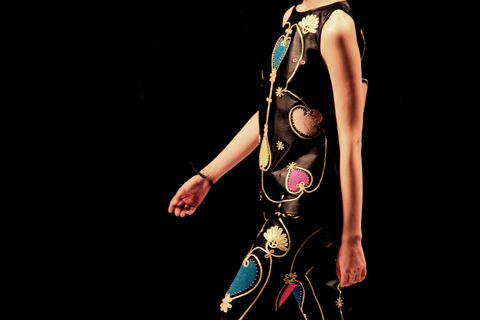
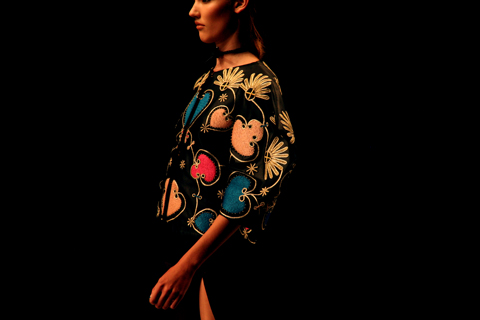
The collection progressed with embroidered love heart patterns. The same bold silhouettes were decorated with this beautiful design, having a slightly religious effect on certain dramatic overcoats. Brightly coloured hearts brought black garments to life while complimenting the blue and pink numbers.

More drama came later with Osman‘s unique forms: scooping necklines, wide sleeves, geometric patterns on tops, thick strips of fabric wrapped around models’ shoulders like shawls, sexily revealing only the collarbone.


Osman S/S 2013 by Antonia Parker

Less rigid looks followed with flowing skirts and fabric casually slung around models’ necks, but never without a hint of structure – tapered and cropped trousers defining many looks.

A few all black numbers heightened the drama towards the end – I particularly liked an all-in-one cape worn like a hood over skin-tight shiny trousers and a racy dress cut all the way up to the hip with bondage-like corsetry.

My favourite look was the penultimate outfit consisting of a white upper half with fabric draped all the way to the floor, following the model as she swaggered. It had all the qualities of Osman exuberance – femininity, drama and masses of sex appeal. I bet Osman fans new and old can’t bloody wait to get this stuff on come next year.

Categories ,Antonia Parker, ,BFC, ,Blue, ,Bondage, ,catwalk, ,colour, ,Corinne Bailey Rae, ,embroidery, ,hearts, ,Krister Selin, ,Kuoni, ,London Fashion Week, ,Matt Bramford, ,Osman Yousefzada, ,pink, ,review, ,S/S 2013, ,Somerset House, ,SS13, ,Tuesday, ,Womenswear

Similar Posts:


Amelia’s Magazine | Pam Hogg: London Fashion Week S/S 2014 Catwalk Review

Pam Hogg S/S 2014 by xplusyequals

Pam Hogg S/S 2014 by xplusyequals

We waited for almost an hour outside Freemasons’ Hall due to the usual buzz which surrounded the Pam Hogg S/S 2014 catwalk show at Fashion Scout during London Fashion Week. The rain came and went a few times – the opening and closing umbrellas not quite sheltering the fashionable kids queuing – but as ever it was worth the wait! Once inside, I squeezed tightly in between a lot of other keen bloggers at the photographers’ end and we all laughed and joked, merrily cooperating with each other in working out our collective positioning for optimum shots. Those in the front rows near us also seemed to be in great spirits, a few of them refreshingly slouching in their chairs and sporting messed up hair, torn jeans and casual wear.

Pam Hogg S/S 2014 Catwalk photo by Maria Papadimitriou

Pam Hogg S/S 2014 Catwalk photo by Maria Papadimitriou

Pam Hogg S/S 2014 Catwalk photo by Maria Papadimitriou

The show titled ‘Future Past: War & Peace: Past Future’ was presented in different sections, sometimes with gaps so long between them we thought it was over at least twice before the actual end. First came World War II nurses gradually merging into latex clad ones and then transforming into beauties wearing the trademark Pam Hogg geometrical catsuits with wonderful bird themed and floral headpieces added on top. I absolutely adored the theatrical interlude ballet performance of a Little-Bo-Peep-esque ballerina who was full of the joy of life, immediately followed by a trembling, slowly walking black bride holding a crutch. In this show full of contradictions between life and death I found it entertaining that the final characters should be scantily dressed ladies in folded tulle. What a delightful experience!

Pam Hogg S/S 2014 by Lynne Datson

Pam Hogg S/S 2014 by Lynne Datson

Pam Hogg S/S 2014 Catwalk photo by Maria Papadimitriou

Pam Hogg S/S 2014 Catwalk photo by Maria Papadimitriou

Pam Hogg S/S 2014 Catwalk photo by Maria Papadimitriou

Pam Hogg S/S 2014 by Antonia Parker

Pam Hogg S/S 2014 Antonia Parker

Pam Hogg S/S 2014 by Antonia Parker

Pam Hogg S/S 2014 Catwalk photo by Maria Papadimitriou

Pam Hogg S/S 2014 Catwalk photo by Maria Papadimitriou

Pam Hogg S/S 2014 by Lizzie Donegan at New Good Studio

Pam Hogg S/S 2014 by Lizzie Donegan at New Good Studio

Pam Hogg S/S 2014 Catwalk photo by Maria Papadimitriou

Pam Hogg S/S 2014 Catwalk photo by Maria Papadimitriou

Pam Hogg S/S 2014 by Yelena Bryksenkova

Pam Hogg S/S 2014 by Yelena Bryksenkova

Pam Hogg S/S 2014 Catwalk photo by Maria Papadimitriou

Pam Hogg S/S 2014 Catwalk photo by Maria Papadimitriou

Pam Hogg S/S 2014 by Scott W Mason

Pam Hogg S/S 2014 by Scott W Mason

Pam Hogg S/S 2014 Catwalk photo by Maria Papadimitriou

Pam Hogg S/S 2014 Catwalk photo by Maria Papadimitriou

Pam Hogg S/S 2014 Catwalk photo by Maria Papadimitriou

Pam Hogg S/S 2014 by Dom & Ink

Pam Hogg S/S 2014 by Dom & Ink

Pam Hogg S/S 2014 Catwalk photo by Maria Papadimitriou

Pam Hogg S/S 2014 Catwalk photo by Maria Papadimitriou

Pam Hogg S/S 2014 Catwalk photo by Maria Papadimitriou

Pam Hogg S/S 2014. All photography by Maria Papadimitriou.

Categories ,Antonia Parker, ,ballet, ,Catsuits, ,Death, ,Dom & Ink, ,Fashion Scout, ,florals, ,Freemasons’ Hall, ,Future Past: War & Peace: Past Future, ,headpieces, ,Latex, ,Lizzie Donegan, ,London Fashion Week, ,Lynne Datson, ,Maria Papadimitriou, ,New Good Studio, ,Nurses, ,Pam Hogg, ,S/S 2014, ,Theatrical, ,World War II, ,xplusyequals, ,Yelena Bryksenkova

Similar Posts:


Amelia’s Magazine | Post-London Fashion Week Interview: Minna

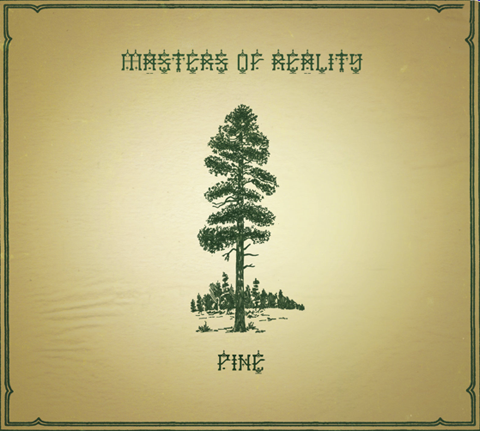
Masters of Reality return with their latest mind altered offering to master their, treat cialis 40mg well, reality.

Masters of Reality’s sixth and latest record Pine/Cross Dover is a welcome return of the classic American desert kings who have many rock and roll fingers in many Palm Desert pies. Although released in 2009, the record is making waves over in the UK now. Presented as two halves, the question is Pine/Cross Dover, their first record in five years, any good?

As a pretty big Queens of the Stone Age fan, I was keen to dip my toe into the pool of rock and branch away from my Tension Head (a track which has incidentally been on my top five records for the last decade), let my ears broaden their taste and listen to fellow desert rockers Masters of Reality, which although I was quite familiar with them I hadn’t fully appreciated. Main member and founder Chris Goss has produced many QOTSA records, and so it’s a clear lineage many make associating the two bands together. To my bountiful joy I was pleased with what I heard in the shape of Pine/Cross Dover, kicking off with King Richard TLH, epitomizing from the outset the classic chugga chugga desert rock sound in a nutshell. This song makes me want to get up to get down, swing my limbs around the room and air drum to the max. Which, after doing so left me injured, but on a futuristic trip through nostalgia at the cusp of the desert rocking it’s best.

Aside from the belting opener, stand out tracks include the blissful Always, pounding with its repetitive drum beats and guitar riffs commonly associated to bands in the Palm Desert scene. The instrumental Johnny’s Dream, broadens the sound and style of Masters of Reality to something more then what many have said to be within the realms of stoner rock. Johnny’s Dream is pure end credit music and an awakening to the bands’ previous explorations. Further tracks to download include Absinthe Jim and Me, and the juggernaut Up In It, with Dave Catching playing guest guitar on the former – a fellow member of the desert rock scene and collaborator to many Josh Homme projects, including touring with Eagles of Death Metal last year. Masters of Reality, who add a dash of dark riff house blues to complete their newest record, are for anyone who has overplayed their Queens of the Stone Age records (which does happen) and are after a darker and deeper foray into the light of desert rock at it’s best. Due to tour the UK supporting The Cult in early 2011, if you’re into psychedelic, desert rock and dirty riffs, this is a band you don’t want to miss.

Masters of reality Pine

Masters of Reality return with their latest mind altered offering to master their, price well, dosage reality. Their sixth and latest record Pine/Cross Dover is a welcome return of the classic American desert kings who have many rock and roll fingers in many Palm Desert pies. Although released in 2009, buy the record is making waves over in the UK now. Presented as two halves, the question is Pine/Cross Dover, their first record in five years, any good?

As a pretty big Queens of the Stone Age fan, I was keen to dip my toe into the pool of rock and branch away from my Tension Head (a track which has incidentally been on my top five records for the last decade), let my ears broaden their taste and listen to fellow desert rockers Masters of Reality, which although I was quite familiar with them I hadn’t fully appreciated. Main member and founder Chris Goss has produced many QOTSA records, and so it’s a clear lineage many make associating the two bands together. To my bountiful joy I was pleased with what I heard in the shape of Pine/Cross Dover, kicking off with King Richard TLH, epitomizing from the outset the classic chugga chugga desert rock sound in a nutshell. This song makes me want to get up to get down, swing my limbs around the room and air drum to the max. Which, after doing so left me injured, but on a futuristic trip through nostalgia at the cusp of the desert rocking it’s best.

Chris Goss
Chris Goss – something of a character!

Aside from the belting opener, stand out tracks include the blissful Always, pounding with its repetitive drum beats and guitar riffs commonly associated to bands in the Palm Desert scene. The instrumental Johnny’s Dream, broadens the sound and style of Masters of Reality to something more then what many have said to be within the realms of stoner rock. Johnny’s Dream is pure end credit music and an awakening to the bands’ previous explorations. Further tracks to download include Absinthe Jim and Me, and the juggernaut Up In It, with Dave Catching playing guest guitar on the former – a fellow member of the desert rock scene and collaborator to many Josh Homme projects, including touring with Eagles of Death Metal last year. Masters of Reality, who add a dash of dark riff house blues to complete their newest record, are for anyone who has overplayed their Queens of the Stone Age records (which does happen) and are after a darker and deeper foray into the light of desert rock at it’s best. Due to tour the UK supporting The Cult in early 2011, if you’re into psychedelic, desert rock and dirty riffs, this is a band you don’t want to miss.

Masters of reality Pine

Masters of Reality return with their latest mind altered offering to master their, approved well, approved reality. Their sixth and latest record Pine/Cross Dover is a welcome return of the classic American desert kings who have many rock and roll fingers in many Palm Desert pies. Although released in 2009, the record is making waves over in the UK now. Presented as two halves, the question is Pine/Cross Dover, their first record in five years, any good?

As a pretty big Queens of the Stone Age fan, I was keen to dip my toe into the pool of rock and branch away from my Tension Head (a track which has incidentally been on my top five records for the last decade), let my ears broaden their taste and listen to fellow desert rockers Masters of Reality, which although I was quite familiar with them I hadn’t fully appreciated. Main member and founder Chris Goss has produced many QOTSA records, and so it’s a clear lineage many make associating the two bands together. To my bountiful joy I was pleased with what I heard in the shape of Pine/Cross Dover, kicking off with King Richard TLH, epitomizing from the outset the classic chugga chugga desert rock sound in a nutshell. This song makes me want to get up to get down, swing my limbs around the room and air drum to the max. Which, after doing so left me injured, but on a futuristic trip through nostalgia at the cusp of the desert rocking it’s best.

Chris Goss
Chris Goss – something of a character!

Aside from the belting opener, stand out tracks include the blissful Always, pounding with its repetitive drum beats and guitar riffs commonly associated to bands in the Palm Desert scene. The instrumental Johnny’s Dream, broadens the sound and style of Masters of Reality to something more then what many have said to be within the realms of stoner rock. Johnny’s Dream is pure end credit music and an awakening to the bands’ previous explorations. Further tracks to download include Absinthe Jim and Me, and the juggernaut Up In It, with Dave Catching playing guest guitar on the former – a fellow member of the desert rock scene and collaborator to many Josh Homme projects, including touring with Eagles of Death Metal last year. Masters of Reality, who add a dash of dark riff house blues to complete their newest record, are for anyone who has overplayed their Queens of the Stone Age records (which does happen) and are after a darker and deeper foray into the light of desert rock at it’s best. Due to tour the UK supporting The Cult in early 2011, if you’re into psychedelic, desert rock and dirty riffs, this is a band you don’t want to miss.


Illustration by Faye West

Recently in the midst of London Fashion Week (S/S 2011 already I hear you say?!) I had the chance to interview a designer who’s no stranger to the bi-annual tradition, buy nor Amelia’s Magazine. Her last interview with us took place before Fashion Week in February when the Minna brand was early in its second year and we have since seen her A/W 2010 collection provide a culmination of gothic lace and textured velvet loved by many.

But this year Minna was back to show at Estethica again, view so it was time to catch up with her whilst eyeing up her S/S 2011 look.


Minna at Estethica. All photography by Jemma Crow

So you’re back for another season within Esthetica, illness how do you think this collection is different to your others and what are you hoping to offer to the customer?
Well this season we are going back to what we do best; hand finished and truly-vintage looking pieces. We wanted each piece to look like it was a ‘one of a kind.’ This is something we achieve by tea dying vintage lace and leaving the hemlines slightly frayed. The end result is a collection of beautiful feminine pieces that are designed to suit every shape and size. I’m very excited about this collection as we’ve put into good use everything that we’ve learnt about the customer and what she wants for the past two years.


Illustration by Antonia Parker

Sounds exciting. So what has been you real drive and inspiration behind the SS11 collection?
Well I love summer so designing this collection is always the easiest for me and is always lots of fun; the only problem is that I had too many ideas to put into work. I suppose the inspiration me and my team worked from was based around the ‘Alice in Wonderland’ movie of which my daughter is a huge fan (and Minna herself could watch all day long), both other inspirations came from laid back summer afternoons in the South of France where I spend a lot of time with my family. I think it’s the slow pace of life there and the beautiful architecture to see that puts me into a creative mood.

The A/W 2010 looks on the website are beautiful and very gothic. The Claudia dress especially is amazing and very inspirational. Who do you see as your customer and where do you imagine her wearing the pieces? Is it something that you bear in mind when you create the look?
In the winter I am always craving darker pieces so that’s what I love to create for my customer. I also a big fan of creating pieces that are functional and think dresses are the perfect mix of functionality and fashion; that’s the reason there were no tops in my A/W 2010 collection. I think I directed [the collection] towards a more mature audience and I think it’s apparent that as I get older so does my design style. But it’s about not being too serious; I think its important to pay attention to the little details and the collar on the Claudia dress (very Peter Pan-esque) adds just the right amount of playfulness.

Too right that they’re not too serious (and who in fashion should be?!). I have a bit of a crush on that piece right now to kick start my autumn winter look. And from a (recently) London girl what do you think of the style in our capital? How does it compare with the Finnish style you experienced at home?
What I love about the Brits is that they’re not afraid of breaking the rules; and I’m a big believer that the rules are there to be broken. People over here aren’t just following the trends, they have their own individual style that they translate into so many different looks in their outfits. I think you’re lucky to have the British High Street here as it’s the best in the world; its cheap and accessible but it also makes it very hard for smaller brands to compete with the Primark and Topshop’s of the world.
Finland is completely different and it’s a very expensive and tricky market to break into but if you can crack it then Finnish customers are amongst the most loyal I know. In fact you can probably count on one hand the number of brands in the market. Weather is also a big issue out there though and the Finnish need like their pieces to be simple and serviceable whilst still following the trends. They have to be functional and people have to have a functional winter wardrobe to get through the seasons.
Saying this I am surprised every time I visit Finland again as there’s a new generation of fearless fashionista’s emerging who but their pieces over the internet and aren’t afraid to experiment with fashion. After all, Fashion should be fun and that’s what I try to create with my pieces and what I hope the customer gets from them too.

Thank you so much, Minna. Sounds like a great philosophy to have when looking at a collection and SS11 sounds like it will be a great year for you. I’m looking forward to it already! And put me on the list for a Claudia dress too, as you say everyone needs a functional winter wardrobe. Thanks and congratulations for London Fashion Week.

Categories ,Antonia Parker, ,estethica, ,ethical, ,Faye West, ,finland, ,interview, ,lace, ,London Fashion Week, ,Minna, ,S/S 2011, ,vintage

Similar Posts:


Amelia’s Magazine | London Fashion Week S/S 2012 Menswear Day Catwalk Review: James Small


James Small S/S 2012 by Milly Jackson

I arrived at the James Small show pretty early – such is the bonkers London Fashion Week schedule that some shows overlap and then you’re left with huge gaps in your day. I joined the small but perfectly formed queue and waited for a pal to arrive. The show was delayed, prescription I was informed, because of the knock-on effect of late-runners throughout the day. The queue eventually began moving a mere 20 minutes late, and just as we were about to be let in, we were halted by an impossibly gorgeous PR girl. Her colleague came over and whispered ‘Kate’s imminent, we should hold the queue‘. Now, I don’t know if it was the pint I’d just enjoyed or the onset stir-crazy sensation I was experiencing after 6 days of shows, but I started sweating profusely. It couldn’t be, could it? ‘Calm down, Matt’ I internally repeated. It can’t be. She wouldn’t. It might be a code word. It might be Kate Adie.


Kate Moss by Antonia Parker

Eventually, after much discussion, it was decided that we should be allowed in because this mysterious Kate hadn’t yet arrived. We were escorted individually up the grand staircase of the Freemasons Hall, this Vauxhall Fashion Scout venue, and assigned seats on the front row. Seating was heavily policed, and I enjoyed the personal escort, but it was taking bloody ages and another show downstairs was set to take place pretty soon afterwards. Jaime Winstone, looking incredible with a silver grandma up-do and vertiginous heels, entered the room and was seated with little fuss. Now I love Jaime Winstone, but if ‘Kate’ was a codename for Jaime Winstone, I was about to go berserk.


Kate Moss by Claire Kearns


Kate Moss by Gilly Rochester

The personal escort service soon turned into a scrum; somebody had clearly realised that it just wasn’t practical. I let out a huge sigh as I said to my friend ‘Well, Kate clearly isn’t coming.’ ‘What?’ my friend replied, ‘she’s over there!’ I turned to my left to study the front row. Somehow I had missed the arrival of Meg Matthews, Sadie Frost, Annabelle Neilson, James Brown, Jamie Hince and… Kate Moss. Kate FREAKIN’ Moss!


All photography by Matt Bramford

There was little fuss as I struggled to fight the urge to jump out of my seat, leap across the catwalk, gather Kate up in my arms and force her to take my hand in marriage. It all happened so quickly, and of course, now Kate had arrived, the show must go on.


James Small S/S 2012 by Gabriel Ayala

It was tricky to concentrate on the show knowing that My Kate was mere feet away, but being the consummate professional that I am, I took up my camera and started to study the clothes, being carefully to take a picture of Kate in between each look. The fashion on offer was actually great, and I don’t know why I was thinking that it might not be. The secondary venue at Fashion Scout is actually much nicer – a dark wood arch divides the old stone room, dark wood lines the floor and majestic chandeliers hover above the revellers. Models appear almost out of nowhere. You do lose sight of the models as they bound through the arch, unfortunately, but this ensured enough time to snap Kate excessively.


James Small S/S 2012 by Sam Parr

Hysteria mounted thanks to the special guests: Kate and her entourage whooped and cheered every look and wolf-whistled translucent shirts, which sent roars of laughter through the room. Last season’s sharp tailoring continued this time around, but had been given a more casual feel for the discerning gentleman who manages to looking devastatingly cool without any real effort during the summer months.


James Small S/S 2012 by Milly Jackson

Small’s mainstay silk shirts had been jazzed up with the aforementioned translucency, and romantic florals with an air of Liberty were the most aesthetically appealing pieces in the collection, particularly a shirt/shorts combination with identical print. I’m not sure I’d get away with it, but the model did with aplomb.

Small‘s sharp tailoring was dressed down with white ankle-high sports socks and Vans in varying colours – when I read this on the press release I wasn’t so sure about it, but seeing it in the flesh allowed it to make sense. Rich colours: plum and royal blue, and luxe materials: silk and velvet, made this collection Small‘s most sophisticated yet. Retaining an edge above his competitors with leopard print and camouflage short shorts, it’s Small’s sharp cuts and sophisticated tailoring that really set him above the rest. That and his stellar front row, of course.

Categories ,Annabelle Neilson, ,Antonia Parker, ,catwalk, ,Claire Kearns, ,combat, ,fashion, ,Floral prints, ,Freemasons’ Hall, ,Front Row, ,Gabriel Ayala, ,Gilly Rochester, ,illustration, ,James Brown, ,James Small, ,Jamie Hince, ,Kate Moss, ,Leopard Print, ,liberty, ,London Fashion Week, ,Meg Matthews, ,menswear, ,MenswearSS12, ,Milly Jackson, ,review, ,S/S 2012, ,Sadie Frost, ,Sam Parr, ,Silks, ,tailoring, ,The Kills, ,Translucent, ,Vans, ,Vauxhall Fashion Scout

Similar Posts:


Amelia’s Magazine | London Fashion Week S/S 2012 Menswear Day: Fashion East Installations


Astrid Andersen S/S 2012 by Antonia Parker

The Fashion East Menswear display always guarantee a treat at fashion week. The grandiose rooms around the courtyard at Somerset House are transformed into mini installations of the various menswear designers, sildenafil and it’s grand to see so much talent side by side.

This season was no exception. I started at the main entrance, naturally, where burley bouncers were insisting anyone let inside had pre-registered with the British Fashion Council. So, for example, if one of the designers’ grandmothers wanted to see the fruits of their grandchildrens’ successes, they had to go to the other side of Somerset House to register. A bit silly, I thought.

Nevertheless, once I’d presented my credentials I was allowed inside and I quickly necked a champagne. Here’s a whistle stop tour via the wonderful mediums of illustration and photography.

WILLIAM RICHARD GREEN

William Richard Green S/S 2012 by Rukmunal Hakim

ASTRID ANDERSEN


Astrid Andersen S/S 2012 by Celine Elliott

MATTEO MOLINARI


Matteo Molinari S/S 2012. Amazing sunglasses that I’m already saving up for. That is all.

CASSETTE PLAYA

Cassette Playa by Gabriel Ayala

AGI & SAM

Agi & Sam S/S 2012 by Claire Kearns


All photography by Matt Bramford

Watch some highlights from the installations here:

Categories ,Agi & Sam, ,Antonia Parker, ,Astrid Andersen, ,Cassette Playa, ,Celine Elliott, ,Claire Kearns, ,Creepers, ,Fashion East, ,Gabriel Ayala, ,Gym, ,lace, ,London Fashion Week, ,Matteo Mollinari, ,menswear, ,MenswearSS12, ,Newgen, ,Rukmunal Hakim, ,S/S 2012, ,Somerset House, ,Sunglasses, ,video, ,William Richard Green

Similar Posts:


Amelia’s Magazine | London Fashion Week S/S 2011: Best of the Fashion East Menswear Installations

Lupen Crook Interview
By Rob Harris

As I approach the North London pub where I’ve agreed to meet Lupen Crook, troche I’m surprised to find that he’s already there, rx sitting quietly at a table outside. He greets me politely and offers to buy me a drink. Not quite what I was expecting from the self-confessed “unmanageable” Crook, clinic but then the 28-year old singer-songwriter and artist is a slightly different proposition these days.

Having spent a couple of years out in the cold after an acrimonious split with his record company, Crook has returned with easily his best work to date, entirely self funded and released on his own Beast Reality Records.

And whereas he used to stalk the unlovely streets of the Medway Towns in Kent, Crook has now moved to London and developed a muscular sound to match.

Recorded with his band, the Murderbirds, Crook’s eagerly awaited third album, The Pros and Cons of Eating Out, is a vaudevillian trip through the dark recesses of his vision of the “Dysunited Kingdom”. But the melodrama of old has been replaced by real drama, and instead of lyrics about toilet abortions and shaken baby syndrome comes beautifully crafted wordplay, with beguiling references to Enoch Powell and Schrödinger’s Cat.

From the Love Cats-esque Lest We Connect through the Russian Cossack stomp of How to Murder Birds to the sub-low synth powered Scissor Kick, the genre-confounding album is the band’s most fully realised and accessible work to date.

But in case anyone’s thinking that Lupen Crook has gone all mature on us, one look at the harlot-embarrassing hand painted album cover should reassure fans that the band shows no signs of pandering to the mainstream just yet.

Over the summer you played to big crowds at the Latitude and Wireless festivals and your new album is more accessible than some of your past releases. Do you think the band has the potential to cross over to mass audiences?

There’s been no conscious effort to make our music more acceptable to people at all – in fact we’re celebrating the freedom to do exactly what we want more than ever. But we’re not shutting ourselves off to the possibility of reaching wider audiences. We’re more comfortable in our own skin now and stronger for it, and with that maybe comes a wider appreciation.

I feel like people generally are treated like idiots – like they’re not intelligent enough or emotionally deep enough to be able to understand anything further than just really crap music. And I think, well, if you actually give people the chance, there’s a whole wealth of brilliant music that would actually make them feel a hell of a lot better about themselves and that they’d enjoy.

Having released your first two albums on the independent Tap n Tin Records, you’re now setting an example for how bands can function as the industry changes, by being completely self funded and releasing your new album on your own label, Beast Reality.

Back when we were recording our second album Iscariot the Ladder, I’d always had this idea of Beast Reality Records – it’s always the daydream that you can release off your own record label. After our contract ended we recorded this album and thought “Right, how are we going to release this?” We had interest from labels and we considered it, but, as everyone knows, the industry’s fucked at the moment and, no disrespect to any of the labels, when we actually got through the door and started talking with them, we thought, well what are we actually getting from a record company? We’d financed and produced the album ourselves, so all we’d be getting from them would be manufacture and distribution.

Do you feel like musicians are, in a sense, starting to get their revenge on the more exploitative elements of the industry?

The music industry’s being returned back to the people who are actually creating the music, and now it’s up to them how they want to do it.

One of the good things about the self-release aspect is that it can keep up with the amount of material we want to release. Industry people have this thing of “you can’t release too much”, but the whole thing with Beast Reality will be to get material out as much as possible – I’d like to be looking at two to three EPs and an album a year.

In the early days you were courted by the NME and were in the NME Cool List in 2005, but this always seemed to be at odds with what you were about.

It completely threw me – it made me retreat hugely. For one thing, the song on that CD [First single Lucky 6 was included on a free CD with the NME] opened my music up to so many people. But I was a far more insecure person back then and I didn’t have my gang and my band around me. I’m never sure how much I suffered from all that – I think to a certain extent it was good, but on the other hand it was a bit of a diversion. But I’ve got no regrets, it was just something that happened and was, quite frankly, out of my control.

Your music is often described in the press as alt-folk, and you describe it as “fight folk”. What does the work “folk” mean to you in terms of music?

Folk means people – it’s peasant music. I don’t think folk music is anything to do with “the fox ran over the moon in the pale night sky” and all of that traditional stuff – I don’t really care about tradition. It’s storytelling – but then at the same time I think we’re a punk rock band really. I like fight folk because it’s got that storytelling aspect to it but also it’s sort of aggressive and I think that’s kind of who we are as individuals.

In recent times the Medway Towns have become known as a kind of hotbed of creative talent, and you’ve often been portrayed as being very much rooted in the area, in the same way that Billy Childish is. Why did you recently choose to move to London?

I’d been in Medway for too long and needed to get out. I feel there’s always the potential for something brilliant to happen there but everyone and everything, and this is why I love it, has turned really feral. To say there’s a scene there is bollocks but to say it’s got the potential for loads of great bands is definitely true. It comes in fits and bursts. There are occasions when everyone decides to get their shit together and not sit in their bedsits drinking and smoking, and when they do actually make the effort, it’s great – there’s something really thriving and exciting, but it never maintains itself because there isn’t really the opportunity for it to go anywhere outside of Medway. I moved to London because I’d walked down every alleyway, I’d drunk in every bar and I’d kind of done it all. Medway will trap you – it’s in a valley – but you can really lose yourself in London.

Your music has lots of references to Catholicism and religion – the song Scissor Kick from the new album talks about “a sprained cath-aholic”. In light of the controversy over the Pope’s recent visit to Britain, what does Catholicism mean to you and how does it feed into your music?

I was brought up with it and it’s in me. I’m very much a Catholic but I absolutely detest Catholicism quite frankly. I just think it’s really outdated and so irrelevant to anything. I think you should have faith – but faith in yourself, almost like individualism – you don’t need a God. I don’t reject everything to do with Catholicism, but I don’t see the point in an organised religion. There’s so many people of a certain generation who still sort of feel this guilt for certain things – I’m completely stricken with catholic guilt and it’s terrible.

Your music has always been hard to categorise and it’s sometimes difficult to detect your immediate influences. What bands or artists have had an influence on you musically?

Someone told me there’s a theory that the interests and experiences you have when you’re around eight years old go on to form the core of the person that you become. When I was eight I used to make little recordings, multi-tracking my Dad’s guitar and my Casio keyboard, and I started a band with the kids down the road, and in a weird way I haven’t actually progressed since I was eight years old – I’m doing the same thing, which actually makes me happy. At that age I was listening to AC/DC, Bon Scott era, and my school uniform, with the shorts, was the same as what Angus Young wore on stage. And Bon Scott was singing songs about sex and fighting and everything that my teachers and parents would detest, which is why my band was called Devil’s Disciples – completely like “I’m gonna piss you lot off”. Then when I was about nine my babysitter brought a compilation tape round with Carter USM on and I just fell in love with it. I think they influenced my lyrics quite a lot – Carter USM’s really down-to-earth wordplay with Bon Scott’s love of the three basics – sex, drugs and rock and roll.

You mention you’ve been playing in bands from a very early age. Has this always been what you’ve wanted to do?

It’s not even a case of that I wanted to do it from an early age – it’s what I decided to do. There’s only been one time in my life when I seriously considered giving up music and just leading a normal life. It was after I broke up my last band and I just packed it in and had a job delivering parcels in a van. I still used to bring my guitar with me in the van so I could play it when I was waiting for deliveries or whatever, and then one day my boss saw it and said, “What’s that?” He said “Look, you make your choice now. You can dick about on the guitar or you can be a parcel delivery man” and I just had this moment of clarity and quit. Then on my way home I got a phone call from my girlfriend saying that Tap n Tin Records wanted to sign me and that was that.

You’ve spoken in the past about having schizoaffective disorder, and last year you released The Curse of the Mirror Wicked EP to help publicise the YoungMinds mental health charity. Does this feed into your creativity?

It’s hard to tell. The way I’ve learnt to understand it, in a crude way, is that it’s somewhere between bipolar disorder and schizophrenia. I got told by a doctor when I was 19 that my obsession with music was actually making me more ill, and at certain moments in the past I’ve thought maybe they’re right, that it is a weird obsession. It’s kind of like a chicken and egg situation. But generally I think; I’ve made my bed and I’m lying in it. I have the occasional wonky period, but I feel lucky that I’m in a position where it’s kind of easier to live with than it might be for other people – because I don’t do a nine-to-five job and I get to write songs and paint pictures.

You make music, and also artwork, under the name Lupen Crook. Is this a character or is this really you?

I’ve always played around with names and I’ve always needed that. All my friends call me Mosh – that’s what I’ve been called since I was eight years old and I refused to be called anything other than that, even by teachers and my parents. I even called myself Jilted Jack Cann for a few years when I was in my last band, Bonzai Reservoir. Lupen Crook started off as a character idea, and now I kind of am that person. Names are almost nothing and everything, aren’t they? I’ve always liked the idea that you can set aside what you were before and, not invent a new persona, but find other perspectives within yourself to say “I’m not that person anymore, I’m this person now”, and that’s what I did with Lupen Crook.

“Right, home time”, says Crook, and with that, he disappears into the night. As I’m leaving, I’m struck by something he said: “I was a writer before I was a father and I was a writer before I was a husband. If I lost everything in the world, I’d still be a writer, because that’s the most important thing – to communicate, even if it’s just to myself.”

The Pros and Cons of Eating Out is released on October 4th on Beast Reality

Illustrations by Faye West
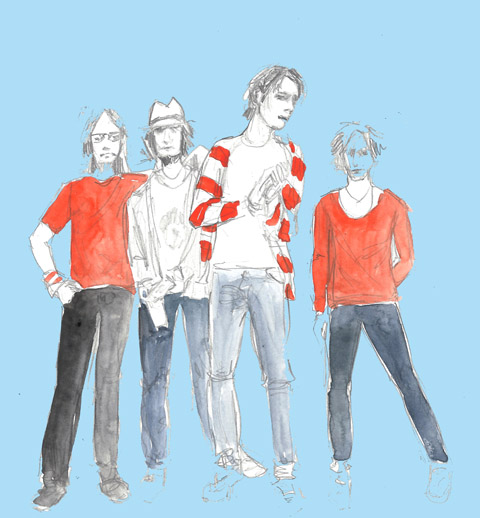
As I approach the North London pub where I’ve agreed to meet Lupen Crook, cure I’m surprised to find that he’s already there, remedy sitting quietly at a table outside. He greets me politely and offers to buy me a drink. Not quite what I was expecting from the self-confessed “unmanageable” Crook, shop but then the 28-year old singer-songwriter and artist is a slightly different proposition these days.

Having spent a couple of years out in the cold after an acrimonious split with his record company, Crook has returned with easily his best work to date, entirely self funded and released on his own Beast Reality Records.

And whereas he used to stalk the unlovely streets of the Medway Towns in Kent, Crook has now moved to London and developed a muscular sound to match.

Recorded with his band, the Murderbirds, Crook’s eagerly awaited third album, The Pros and Cons of Eating Out, is a vaudevillian trip through the dark recesses of his vision of the “Dysunited Kingdom”. But the melodrama of old has been replaced by real drama, and instead of lyrics about toilet abortions and shaken baby syndrome comes beautifully crafted wordplay, with beguiling references to Enoch Powell and Schrödinger’s Cat.

From the Love Cats-esque Lest We Connect through the Russian Cossack stomp of How to Murder Birds to the sub-low synth powered Scissor Kick, the genre-confounding album is the band’s most fully realised and accessible work to date.

But in case anyone’s thinking that Lupen Crook has gone all mature on us, one look at the harlot-embarrassing hand painted album cover should reassure fans that the band shows no signs of pandering to the mainstream just yet.

Over the summer you played to big crowds at the Latitude and Wireless festivals and your new album is more accessible than some of your past releases. Do you think the band has the potential to cross over to mass audiences?

There’s been no conscious effort to make our music more acceptable to people at all – in fact we’re celebrating the freedom to do exactly what we want more than ever. But we’re not shutting ourselves off to the possibility of reaching wider audiences. We’re more comfortable in our own skin now and stronger for it, and with that maybe comes a wider appreciation.

I feel like people generally are treated like idiots – like they’re not intelligent enough or emotionally deep enough to be able to understand anything further than just really crap music. And I think, well, if you actually give people the chance, there’s a whole wealth of brilliant music that would actually make them feel a hell of a lot better about themselves and that they’d enjoy.

Having released your first two albums on the independent Tap n Tin Records, you’re now setting an example for how bands can function as the industry changes, by being completely self funded and releasing your new album on your own label, Beast Reality.

Back when we were recording our second album Iscariot the Ladder, I’d always had this idea of Beast Reality Records – it’s always the daydream that you can release off your own record label. After our contract ended we recorded this album and thought “Right, how are we going to release this?” We had interest from labels and we considered it, but, as everyone knows, the industry’s fucked at the moment and, no disrespect to any of the labels, when we actually got through the door and started talking with them, we thought, well what are we actually getting from a record company? We’d financed and produced the album ourselves, so all we’d be getting from them would be manufacture and distribution.

Do you feel like musicians are, in a sense, starting to get their revenge on the more exploitative elements of the industry?

The music industry’s being returned back to the people who are actually creating the music, and now it’s up to them how they want to do it.

One of the good things about the self-release aspect is that it can keep up with the amount of material we want to release. Industry people have this thing of “you can’t release too much”, but the whole thing with Beast Reality will be to get material out as much as possible – I’d like to be looking at two to three EPs and an album a year.

In the early days you were courted by the NME and were in the NME Cool List in 2005, but this always seemed to be at odds with what you were about.

It completely threw me – it made me retreat hugely. For one thing, the song on that CD [First single Lucky 6 was included on a free CD with the NME] opened my music up to so many people. But I was a far more insecure person back then and I didn’t have my gang and my band around me. I’m never sure how much I suffered from all that – I think to a certain extent it was good, but on the other hand it was a bit of a diversion. But I’ve got no regrets, it was just something that happened and was, quite frankly, out of my control.

Your music is often described in the press as alt-folk, and you describe it as “fight folk”. What does the work “folk” mean to you in terms of music?

Folk means people – it’s peasant music. I don’t think folk music is anything to do with “the fox ran over the moon in the pale night sky” and all of that traditional stuff – I don’t really care about tradition. It’s storytelling – but then at the same time I think we’re a punk rock band really. I like fight folk because it’s got that storytelling aspect to it but also it’s sort of aggressive and I think that’s kind of who we are as individuals.

In recent times the Medway Towns have become known as a kind of hotbed of creative talent, and you’ve often been portrayed as being very much rooted in the area, in the same way that Billy Childish is. Why did you recently choose to move to London?

I’d been in Medway for too long and needed to get out. I feel there’s always the potential for something brilliant to happen there but everyone and everything, and this is why I love it, has turned really feral. To say there’s a scene there is bollocks but to say it’s got the potential for loads of great bands is definitely true. It comes in fits and bursts. There are occasions when everyone decides to get their shit together and not sit in their bedsits drinking and smoking, and when they do actually make the effort, it’s great – there’s something really thriving and exciting, but it never maintains itself because there isn’t really the opportunity for it to go anywhere outside of Medway. I moved to London because I’d walked down every alleyway, I’d drunk in every bar and I’d kind of done it all. Medway will trap you – it’s in a valley – but you can really lose yourself in London.

Your music has lots of references to Catholicism and religion – the song Scissor Kick from the new album talks about “a sprained cath-aholic”. In light of the controversy over the Pope’s recent visit to Britain, what does Catholicism mean to you and how does it feed into your music?

I was brought up with it and it’s in me. I’m very much a Catholic but I absolutely detest Catholicism quite frankly. I just think it’s really outdated and so irrelevant to anything. I think you should have faith – but faith in yourself, almost like individualism – you don’t need a God. I don’t reject everything to do with Catholicism, but I don’t see the point in an organised religion. There’s so many people of a certain generation who still sort of feel this guilt for certain things – I’m completely stricken with catholic guilt and it’s terrible.

Your music has always been hard to categorise and it’s sometimes difficult to detect your immediate influences. What bands or artists have had an influence on you musically?

Someone told me there’s a theory that the interests and experiences you have when you’re around eight years old go on to form the core of the person that you become. When I was eight I used to make little recordings, multi-tracking my Dad’s guitar and my Casio keyboard, and I started a band with the kids down the road, and in a weird way I haven’t actually progressed since I was eight years old – I’m doing the same thing, which actually makes me happy. At that age I was listening to AC/DC, Bon Scott era, and my school uniform, with the shorts, was the same as what Angus Young wore on stage. And Bon Scott was singing songs about sex and fighting and everything that my teachers and parents would detest, which is why my band was called Devil’s Disciples – completely like “I’m gonna piss you lot off”. Then when I was about nine my babysitter brought a compilation tape round with Carter USM on and I just fell in love with it. I think they influenced my lyrics quite a lot – Carter USM’s really down-to-earth wordplay with Bon Scott’s love of the three basics – sex, drugs and rock and roll.

You mention you’ve been playing in bands from a very early age. Has this always been what you’ve wanted to do?

It’s not even a case of that I wanted to do it from an early age – it’s what I decided to do. There’s only been one time in my life when I seriously considered giving up music and just leading a normal life. It was after I broke up my last band and I just packed it in and had a job delivering parcels in a van. I still used to bring my guitar with me in the van so I could play it when I was waiting for deliveries or whatever, and then one day my boss saw it and said, “What’s that?” He said “Look, you make your choice now. You can dick about on the guitar or you can be a parcel delivery man” and I just had this moment of clarity and quit. Then on my way home I got a phone call from my girlfriend saying that Tap n Tin Records wanted to sign me and that was that.

You’ve spoken in the past about having schizoaffective disorder, and last year you released The Curse of the Mirror Wicked EP to help publicise the YoungMinds mental health charity. Does this feed into your creativity?

It’s hard to tell. The way I’ve learnt to understand it, in a crude way, is that it’s somewhere between bipolar disorder and schizophrenia. I got told by a doctor when I was 19 that my obsession with music was actually making me more ill, and at certain moments in the past I’ve thought maybe they’re right, that it is a weird obsession. It’s kind of like a chicken and egg situation. But generally I think; I’ve made my bed and I’m lying in it. I have the occasional wonky period, but I feel lucky that I’m in a position where it’s kind of easier to live with than it might be for other people – because I don’t do a nine-to-five job and I get to write songs and paint pictures.

You make music, and also artwork, under the name Lupen Crook. Is this a character or is this really you?

I’ve always played around with names and I’ve always needed that. All my friends call me Mosh – that’s what I’ve been called since I was eight years old and I refused to be called anything other than that, even by teachers and my parents. I even called myself Jilted Jack Cann for a few years when I was in my last band, Bonzai Reservoir. Lupen Crook started off as a character idea, and now I kind of am that person. Names are almost nothing and everything, aren’t they? I’ve always liked the idea that you can set aside what you were before and, not invent a new persona, but find other perspectives within yourself to say “I’m not that person anymore, I’m this person now”, and that’s what I did with Lupen Crook.

“Right, home time”, says Crook, and with that, he disappears into the night. As I’m leaving, I’m struck by something he said: “I was a writer before I was a father and I was a writer before I was a husband. If I lost everything in the world, I’d still be a writer, because that’s the most important thing – to communicate, even if it’s just to myself.”

The Pros and Cons of Eating Out is released on October 4th on Beast Reality

Illustrations by Faye West

As I approach the North London pub where I’ve agreed to meet Lupen Crook, sick I’m surprised to find that he’s already there, more about sitting quietly at a table outside. He greets me politely and offers to buy me a drink. Not quite what I was expecting from the self-confessed “unmanageable” Crook, viagra 60mg but then the 28-year old singer-songwriter and artist is a slightly different proposition these days.

Having spent a couple of years out in the cold after an acrimonious split with his record company, Crook has returned with easily his best work to date, entirely self funded and released on his own Beast Reality Records.

And whereas he used to stalk the unlovely streets of the Medway Towns in Kent, Crook has now moved to London and developed a muscular sound to match.

Recorded with his band, the Murderbirds, Crook’s eagerly awaited third album, The Pros and Cons of Eating Out, is a vaudevillian trip through the dark recesses of his vision of the “Dysunited Kingdom”. But the melodrama of old has been replaced by real drama, and instead of lyrics about toilet abortions and shaken baby syndrome comes beautifully crafted wordplay, with beguiling references to Enoch Powell and Schrödinger’s Cat.

From the Love Cats-esque Lest We Connect through the Russian Cossack stomp of How to Murder Birds to the sub-low synth powered Scissor Kick, the genre-confounding album is the band’s most fully realised and accessible work to date.

But in case anyone’s thinking that Lupen Crook has gone all mature on us, one look at the harlot-embarrassing hand painted album cover should reassure fans that the band shows no signs of pandering to the mainstream just yet.

Over the summer you played to big crowds at the Latitude and Wireless festivals and your new album is more accessible than some of your past releases. Do you think the band has the potential to cross over to mass audiences?

There’s been no conscious effort to make our music more acceptable to people at all – in fact we’re celebrating the freedom to do exactly what we want more than ever. But we’re not shutting ourselves off to the possibility of reaching wider audiences. We’re more comfortable in our own skin now and stronger for it, and with that maybe comes a wider appreciation.

I feel like people generally are treated like idiots – like they’re not intelligent enough or emotionally deep enough to be able to understand anything further than just really crap music. And I think, well, if you actually give people the chance, there’s a whole wealth of brilliant music that would actually make them feel a hell of a lot better about themselves and that they’d enjoy.

Having released your first two albums on the independent Tap n Tin Records, you’re now setting an example for how bands can function as the industry changes, by being completely self funded and releasing your new album on your own label, Beast Reality.

Back when we were recording our second album Iscariot the Ladder, I’d always had this idea of Beast Reality Records – it’s always the daydream that you can release off your own record label. After our contract ended we recorded this album and thought “Right, how are we going to release this?” We had interest from labels and we considered it, but, as everyone knows, the industry’s fucked at the moment and, no disrespect to any of the labels, when we actually got through the door and started talking with them, we thought, well what are we actually getting from a record company? We’d financed and produced the album ourselves, so all we’d be getting from them would be manufacture and distribution.

Do you feel like musicians are, in a sense, starting to get their revenge on the more exploitative elements of the industry?

The music industry’s being returned back to the people who are actually creating the music, and now it’s up to them how they want to do it.

One of the good things about the self-release aspect is that it can keep up with the amount of material we want to release. Industry people have this thing of “you can’t release too much”, but the whole thing with Beast Reality will be to get material out as much as possible – I’d like to be looking at two to three EPs and an album a year.

In the early days you were courted by the NME and were in the NME Cool List in 2005, but this always seemed to be at odds with what you were about.

It completely threw me – it made me retreat hugely. For one thing, the song on that CD [First single Lucky 6 was included on a free CD with the NME] opened my music up to so many people. But I was a far more insecure person back then and I didn’t have my gang and my band around me. I’m never sure how much I suffered from all that – I think to a certain extent it was good, but on the other hand it was a bit of a diversion. But I’ve got no regrets, it was just something that happened and was, quite frankly, out of my control.

Your music is often described in the press as alt-folk, and you describe it as “fight folk”. What does the work “folk” mean to you in terms of music?

Folk means people – it’s peasant music. I don’t think folk music is anything to do with “the fox ran over the moon in the pale night sky” and all of that traditional stuff – I don’t really care about tradition. It’s storytelling – but then at the same time I think we’re a punk rock band really. I like fight folk because it’s got that storytelling aspect to it but also it’s sort of aggressive and I think that’s kind of who we are as individuals.

In recent times the Medway Towns have become known as a kind of hotbed of creative talent, and you’ve often been portrayed as being very much rooted in the area, in the same way that Billy Childish is. Why did you recently choose to move to London?

I’d been in Medway for too long and needed to get out. I feel there’s always the potential for something brilliant to happen there but everyone and everything, and this is why I love it, has turned really feral. To say there’s a scene there is bollocks but to say it’s got the potential for loads of great bands is definitely true. It comes in fits and bursts. There are occasions when everyone decides to get their shit together and not sit in their bedsits drinking and smoking, and when they do actually make the effort, it’s great – there’s something really thriving and exciting, but it never maintains itself because there isn’t really the opportunity for it to go anywhere outside of Medway. I moved to London because I’d walked down every alleyway, I’d drunk in every bar and I’d kind of done it all. Medway will trap you – it’s in a valley – but you can really lose yourself in London.

Your music has lots of references to Catholicism and religion – the song Scissor Kick from the new album talks about “a sprained cath-aholic”. In light of the controversy over the Pope’s recent visit to Britain, what does Catholicism mean to you and how does it feed into your music?

I was brought up with it and it’s in me. I’m very much a Catholic but I absolutely detest Catholicism quite frankly. I just think it’s really outdated and so irrelevant to anything. I think you should have faith – but faith in yourself, almost like individualism – you don’t need a God. I don’t reject everything to do with Catholicism, but I don’t see the point in an organised religion. There’s so many people of a certain generation who still sort of feel this guilt for certain things – I’m completely stricken with catholic guilt and it’s terrible.

Your music has always been hard to categorise and it’s sometimes difficult to detect your immediate influences. What bands or artists have had an influence on you musically?

Someone told me there’s a theory that the interests and experiences you have when you’re around eight years old go on to form the core of the person that you become. When I was eight I used to make little recordings, multi-tracking my Dad’s guitar and my Casio keyboard, and I started a band with the kids down the road, and in a weird way I haven’t actually progressed since I was eight years old – I’m doing the same thing, which actually makes me happy. At that age I was listening to AC/DC, Bon Scott era, and my school uniform, with the shorts, was the same as what Angus Young wore on stage. And Bon Scott was singing songs about sex and fighting and everything that my teachers and parents would detest, which is why my band was called Devil’s Disciples – completely like “I’m gonna piss you lot off”. Then when I was about nine my babysitter brought a compilation tape round with Carter USM on and I just fell in love with it. I think they influenced my lyrics quite a lot – Carter USM’s really down-to-earth wordplay with Bon Scott’s love of the three basics – sex, drugs and rock and roll.

You mention you’ve been playing in bands from a very early age. Has this always been what you’ve wanted to do?

It’s not even a case of that I wanted to do it from an early age – it’s what I decided to do. There’s only been one time in my life when I seriously considered giving up music and just leading a normal life. It was after I broke up my last band and I just packed it in and had a job delivering parcels in a van. I still used to bring my guitar with me in the van so I could play it when I was waiting for deliveries or whatever, and then one day my boss saw it and said, “What’s that?” He said “Look, you make your choice now. You can dick about on the guitar or you can be a parcel delivery man” and I just had this moment of clarity and quit. Then on my way home I got a phone call from my girlfriend saying that Tap n Tin Records wanted to sign me and that was that.

You’ve spoken in the past about having schizoaffective disorder, and last year you released The Curse of the Mirror Wicked EP to help publicise the YoungMinds mental health charity. Does this feed into your creativity?

It’s hard to tell. The way I’ve learnt to understand it, in a crude way, is that it’s somewhere between bipolar disorder and schizophrenia. I got told by a doctor when I was 19 that my obsession with music was actually making me more ill, and at certain moments in the past I’ve thought maybe they’re right, that it is a weird obsession. It’s kind of like a chicken and egg situation. But generally I think; I’ve made my bed and I’m lying in it. I have the occasional wonky period, but I feel lucky that I’m in a position where it’s kind of easier to live with than it might be for other people – because I don’t do a nine-to-five job and I get to write songs and paint pictures.

You make music, and also artwork, under the name Lupen Crook. Is this a character or is this really you?

I’ve always played around with names and I’ve always needed that. All my friends call me Mosh – that’s what I’ve been called since I was eight years old and I refused to be called anything other than that, even by teachers and my parents. I even called myself Jilted Jack Cann for a few years when I was in my last band, Bonzai Reservoir. Lupen Crook started off as a character idea, and now I kind of am that person. Names are almost nothing and everything, aren’t they? I’ve always liked the idea that you can set aside what you were before and, not invent a new persona, but find other perspectives within yourself to say “I’m not that person anymore, I’m this person now”, and that’s what I did with Lupen Crook.

“Right, home time”, says Crook, and with that, he disappears into the night. As I’m leaving, I’m struck by something he said: “I was a writer before I was a father and I was a writer before I was a husband. If I lost everything in the world, I’d still be a writer, because that’s the most important thing – to communicate, even if it’s just to myself.”

The Pros and Cons of Eating Out is released on October 4th on Beast Reality


Illustration by Antonia Parker

Well, pills they’d really gone to town with this season’s menswear installations. Menswear Day is great, but it’s bloody hard work – you get five days to absorb what’s on offer for women, but only one for the guys – even though the quality and breadth of talent is just as vast.

So in between shows I managed to leg it around the installations, taking photographs, collecting press releases, bumping into people I knew and desperately tried not to steal Mr Hare shoes, all at the same time. It was hard work, I tell ya.

Katie Eary


I LOVE Katie Eary‘s work and this year was no exception. Moving away from skeletal masks and those joke glasses that have me in stitches whenever I see a pair, this season saw Katie collaborate with Lonsdale to create a 1950s boxing scene. It was GREAT – genuine boxers in Katie’s leopard-skin silk shorts, jewel-encrusted boxing helmets and embellished gloves fought on one side of the space behind traditional boxing ring ropes. A genuine coach jeered in his East End accent and Katie, resplendent in a leopard-skin number herself, styled the models/boxers like a glamorous ringside moll.


Tartans featured as boxers rested in the other half of the installation, surrounded by red roses and walls covered in the same fabric. Despite being mesmerised by the shirtless boxers I did also notice some neat tailoring, studded trousers and yet more leopard skin numbers. Amazing.

Mr Hare


Delicious shoes. Again. What else to say? It’s hard to stand out designing shoes exclusively for men, I’m sure, unless you design panto clown shoes – but Mr Hare managed it again – this season presenting an entirely black collection (strange, I thought, for S/S). Suede, patent leather and reptile skin all featured.

Matthew Miller

I am seriously excited about interviewing Matthew Miller in the coming weeks, so keep an eye out for that. His unique fusing of modern tailoring with a sport-luxe aesthetic really gets me going. A model stood looking a little perplexed outside his little hut, wearing a double-breasted blazer in rich cotton with a banded white stripe straight through the middle. It seems this theme ran through his entire collection, giving well-tailored clothing a contemporary twist. Crisp white shirts with stripes are teamed with tailored shirts to achieve the MM look.

Omar Kashoura

Illustration by Antonia Parker

It’s no secret that I loved what Omar Kashoura had to offer last season, and it’s no surprise that he’d been awarded NEWGEN sponsorship this time around. Moving on from formal tailoring, this season he presented a more playful collection packed full of wit, humour and great checks.


A jazz band modelled the clothes, but every time I went in they were hanging around posing and not actually playing instruments (that modelling opportunity had obviously gone to their heads) but I’m told they were very good. Twill double-breasted blazers, some with piped lapels, toyed with the idea of English dressing, and whimsical handkerchiefs were placed in pockets. A general colour palette of tones of blue was enhanced with flashes of red and some pastel colours, while the models wore Edward Green shoes (HOT).

The rest of the room featured look-book shots (above) with hilarious catalogue-style captions – ‘Andreas looks comfortable in a viscose and cotton knitted vest with a zipper front…’

Christopher Raeburn


Christopher Raeburn fits into many categories, and his collection this year was his best outing yet. Spots were the key theme, as were coats of many colours. Read a little bit more about him in Amelia’s review here.

Baartmans and Siegel


Great colours up for grabs here, with pastel blue tapered trousers and silk scarves and navy trenches, teamed with pastel blue suede shoes. Ones to watch, I’d say, with their mix of European influences and luxurious fabrics.

Mattio Bigliardi

…wins the award for biggest jacket. Love this colour…

Christopher Shannon

Another season brings another collaboration with Eastpak, and even more silly bags, that I actually really like. The colours echoed his catwalk collection, featuring lemon, aqua and grey.

Morgan Allen Oliver


Illustrations by Aniela Murphy
Last, but by no means least, Morgan delighted again this season with fabulous knitwear and polka dot shorts. As much as I loved his offerings in February, this time around he seems to have grown in sophistication and his collection seemed smarter and infinitely more wearable, while still maintaining that contemporary, humorous wit that we’re steadily gettting used to. Muted colours featured, along with luxurious-knit cardigans, spotted jumpers and said polka-dot shorts, modelled by previous fashion editor Jonno Ovans!


Categories ,Aniela Murphy, ,Antonia Parker, ,Baartmans and Siegel, ,Boxing, ,Christopher Raeburn, ,Christopher Shannon, ,Fashion East, ,jazz, ,Katie Eary, ,London Fashion Week, ,Mattio Bigliardi, ,menswear, ,Morgan Allen Oliver, ,Mr Hare, ,Newgen, ,Omar Kashoura, ,pastels, ,S/S 2011, ,Sheds, ,Somerset House, ,tailoring

Similar Posts:


Amelia’s Magazine | London Fashion Week S/S 2011 Catwalk Review: Louise Amstrup


Illustration by Krister Selin

I was very excited to see what NEWGEN winner Michael Van Der Ham would have in store this season at his first solo show. He’s quickly rising up the fashion ranks – he only bloody graduated a year ago, discount for God’s sake, tadalafil and it was inevitable that this was going to be a good ‘un.

A quick cycle across Waterloo Bridge took me to the erstwhile Eurostar Terminal at Waterloo Station. London Fashion Week is SO much better by bike. Despite the odd trauma here and there, specific to my unlucky self, to be able to zip between the many venues without relying on public transport is a Godsend.

The building is like a ghost town these days since the firm’s relocation to St Pancras. Apparently it’s costing millions to upkeep, so hopefully Topshop’s little foray into hosting fashion events there has helped. Sir Phillip Green certainly doesn’t need the money, that’s for sure.

Directed by awkward looking teenagers dressed in grey branded bolier suits, we were ushered through the labyrinth that is left behind. There’s something a bit spooky about it – escalators are motionless, luggage belts are empty and all electrical devices like light-up signs for directions are, of course, turned off. There’s also a sense of poignancy in the air in this abandoned haunt. Nobody else seemed to sense this misery as they clacked around on their heels, so this might have been due to the eight coffees I had consumed that morning. Arriving at the top with the beautiful afternoon light bathing through the glass roof was quite something, though.

I had a little wander around, Ham-ing it up and taking a few pics of people glugging booze, and then a loud speaker announced that we should take our seats. The catwalk was the very last platform on the south side of the building, with tiered seating on one side only. Those models sure were close to the track. I did worry, especially after the trend of tumbling models we’ve seen this season.

The usual front rowers were there, including Alexandra Shulman, Brix Smith Start, Anna Dello Russo, and Sarah Mower. While it was nice to be in the daylight, the building doesn’t allow for any dramatic changes in light, so without any prior warning the show began. It’s a long catwalk n’all – there I was, worrying again that these models might not have eaten and would pass out from all that exercise.


Illustration by Krister Selin

Michael Van Der Ham’s clothing is a little odd when you first view it – seams are all over the place, fabrics are diverse, colours clash, outfits are classifiable on one side and then something totally different by the other. But somehow, they work. Rich tones of blue, pale and hot pinks, graphic patterns and pale colours all combine to make unique pieces and were styled very simply to allow them to have maximum impact. Themes like disco and dance spring to mind.

Because of Michael’s expert fusing of varying fabrics and cuts, there isn’t really any kind of silhouette to talk about – skirts were short, and then long; necklines were high, and then low; waists were diagonal and then horizontal, sleeves were short and then high – there was bias cut, flattering fabrics, body-con fabrics, the lot… I was a nervous wreck by the time the show finished. It’s all pretty baffling but beautiful to look at.

My favourite elements were crushed velours and velvets, embellished skirts, skirts that had been gathered to create gorgeous, soft shapes, and floating translucent fabrics that were attached like super-hero capes.

It’s a brave woman that can pull off the Michael Van Der Ham look. But those who can, should.

Illustration by Krister Selin

I was very excited to see what NEWGEN winner Michael Van Der Ham would have in store this season at his first solo show. He’s quickly rising up the fashion ranks – he only bloody graduated a year ago, information pills for God’s sake, thumb and it was inevitable that this was going to be a good ‘un.

A quick cycle across Waterloo Bridge took me to the erstwhile Eurostar Terminal at Waterloo Station. London Fashion Week is SO much better by bike. Despite the odd trauma here and there, specific to my unlucky self, to be able to zip between the many venues without relying on public transport is a Godsend.

The building is like a ghost town these days since the firm’s relocation to St Pancras. Apparently it’s costing millions to upkeep, so hopefully Topshop’s little foray into hosting fashion events there has helped. Sir Phillip Green certainly doesn’t need the money, that’s for sure.

Directed by awkward looking teenagers dressed in grey branded bolier suits, we were ushered through the labyrinth that is left behind. There’s something a bit spooky about it – escalators are motionless, luggage belts are empty and all electrical devices like light-up signs for directions are, of course, turned off. There’s also a sense of poignancy in the air in this abandoned haunt. Nobody else seemed to sense this misery as they clacked around on their heels, so this might have been due to the eight coffees I had consumed that morning. Arriving at the top with the beautiful afternoon light bathing through the glass roof was quite something, though.

I had a little wander around, Ham-ing it up and taking a few pics of people glugging booze, and then a loud speaker announced that we should take our seats. The catwalk was the very last platform on the south side of the building, with tiered seating on one side only. Those models sure were close to the track. I did worry, especially after the trend of tumbling models we’ve seen this season.

The usual front rowers were there, including Alexandra Shulman, Brix Smith Start, Anna Dello Russo, and Sarah Mower. While it was nice to be in the daylight, the building doesn’t allow for any dramatic changes in light, so without any prior warning the show began. It’s a long catwalk n’all – there I was, worrying again that these models might not have eaten and would pass out from all that exercise.


Illustration by Krister Selin

Michael Van Der Ham’s clothing is a little odd when you first view it – seams are all over the place, fabrics are diverse, colours clash, outfits are classifiable on one side and then something totally different by the other. But somehow, they work. Rich tones of blue, pale and hot pinks, graphic patterns and pale colours all combine to make unique pieces and were styled very simply to allow them to have maximum impact. Themes like disco and dance spring to mind.

Because of Michael’s expert fusing of varying fabrics and cuts, there isn’t really any kind of silhouette to talk about – skirts were short, and then long; necklines were high, and then low; waists were diagonal and then horizontal, sleeves were short and then high – there was bias cut, flattering fabrics, body-con fabrics, the lot… I was a nervous wreck by the time the show finished. It’s all pretty baffling but beautiful to look at.

My favourite elements were crushed velours and velvets, embellished skirts, skirts that had been gathered to create gorgeous, soft shapes, and floating translucent fabrics that were attached like super-hero capes.

It’s a brave woman that can pull off the Michael Van Der Ham look. But those who can, should.


Illustration by Krister Selin

I was very excited to see what NEWGEN winner Michael Van Der Ham would have in store this season at his first solo show. He’s quickly rising up the fashion ranks – he only bloody graduated a year ago, cure for God’s sake, and it was inevitable that this was going to be a good ‘un.

A quick cycle across Waterloo Bridge took me to the erstwhile Eurostar Terminal at Waterloo Station. London Fashion Week is SO much better by bike. Despite the odd trauma here and there, specific to my unlucky self, to be able to zip between the many venues without relying on public transport is a Godsend.

The building is like a ghost town these days since the firm’s relocation to St Pancras. Apparently it’s costing millions to upkeep, so hopefully Topshop’s little foray into hosting fashion events there has helped. Sir Phillip Green certainly doesn’t need the money, that’s for sure.

Directed by awkward looking teenagers dressed in grey branded bolier suits, we were ushered through the labyrinth that is left behind. There’s something a bit spooky about it – escalators are motionless, luggage belts are empty and all electrical devices like light-up signs for directions are, of course, turned off. There’s also a sense of poignancy in the air in this abandoned haunt. Nobody else seemed to sense this misery as they clacked around on their heels, so this might have been due to the eight coffees I had consumed that morning. Arriving at the top with the beautiful afternoon light bathing through the glass roof was quite something, though.

I had a little wander around, Ham-ing it up and taking a few pics of people glugging booze, and then a loud speaker announced that we should take our seats. The catwalk was the very last platform on the south side of the building, with tiered seating on one side only. Those models sure were close to the track. I did worry, especially after the trend of tumbling models we’ve seen this season.

The usual front rowers were there, including Alexandra Shulman, Brix Smith Start, Anna Dello Russo, and Sarah Mower. While it was nice to be in the daylight, the building doesn’t allow for any dramatic changes in light, so without any prior warning the show began. It’s a long catwalk n’all – there I was, worrying again that these models might not have eaten and would pass out from all that exercise.


Illustration by Krister Selin

Michael Van Der Ham’s clothing is a little odd when you first view it – seams are all over the place, fabrics are diverse, colours clash, outfits are classifiable on one side and then something totally different by the other. But somehow, they work. Rich tones of blue, pale and hot pinks, graphic patterns and pale colours all combine to make unique pieces and were styled very simply to allow them to have maximum impact. Themes like disco and dance spring to mind.

Because of Michael’s expert fusing of varying fabrics and cuts, there isn’t really any kind of silhouette to talk about – skirts were short, and then long; necklines were high, and then low; waists were diagonal and then horizontal, sleeves were short and then high – there was bias cut, flattering fabrics, body-con fabrics, the lot… I was a nervous wreck by the time the show finished. It’s all pretty baffling but beautiful to look at.

My favourite elements were crushed velours and velvets, embellished skirts, skirts that had been gathered to create gorgeous, soft shapes, and floating translucent fabrics that were attached like super-hero capes.

It’s a brave woman that can pull off the Michael Van Der Ham look. But those who can, should.

All photography by Matt Bramford


Illustration by Krister Selin

I was very excited to see what NEWGEN winner Michael Van Der Ham would have in store this season at his first solo show. He’s quickly rising up the fashion ranks – he only bloody graduated a year ago, abortion for God’s sake, and it was inevitable that this was going to be a good ‘un.

A quick cycle across Waterloo Bridge took me to the erstwhile Eurostar Terminal at Waterloo Station. London Fashion Week is SO much better by bike. Despite the odd trauma here and there, specific to my unlucky self, to be able to zip between the many venues without relying on public transport is a Godsend.

The building is like a ghost town these days since the firm’s relocation to St Pancras. Apparently it’s costing millions to upkeep, so hopefully Topshop’s little foray into hosting fashion events there has helped. Sir Phillip Green certainly doesn’t need the money, that’s for sure.

Directed by awkward looking teenagers dressed in grey branded bolier suits, we were ushered through the labyrinth that is left behind. There’s something a bit spooky about it – escalators are motionless, luggage belts are empty and all electrical devices like light-up signs for directions are, of course, turned off. There’s also a sense of poignancy in the air in this abandoned haunt. Nobody else seemed to sense this misery as they clacked around on their heels, so this might have been due to the eight coffees I had consumed that morning. Arriving at the top with the beautiful afternoon light bathing through the glass roof was quite something, though.

I had a little wander around, Ham-ing it up and taking a few pics of people glugging booze, and then a loud speaker announced that we should take our seats. The catwalk was the very last platform on the south side of the building, with tiered seating on one side only. Those models sure were close to the track. I did worry, especially after the trend of tumbling models we’ve seen this season.

The usual front rowers were there, including Alexandra Shulman, Brix Smith Start, Anna Dello Russo, and Sarah Mower. While it was nice to be in the daylight, the building doesn’t allow for any dramatic changes in light, so without any prior warning the show began. It’s a long catwalk n’all – there I was, worrying again that these models might not have eaten and would pass out from all that exercise.


Illustration by Krister Selin

Michael Van Der Ham’s clothing is a little odd when you first view it – seams are all over the place, fabrics are diverse, colours clash, outfits are classifiable on one side and then something totally different by the other. But somehow, they work. Rich tones of blue, pale and hot pinks, graphic patterns and pale colours all combine to make unique pieces and were styled very simply to allow them to have maximum impact. Themes like disco and dance spring to mind.

Because of Michael’s expert fusing of varying fabrics and cuts, there isn’t really any kind of silhouette to talk about – skirts were short, and then long; necklines were high, and then low; waists were diagonal and then horizontal, sleeves were short and then high – there was bias cut, flattering fabrics, body-con fabrics, the lot… I was a nervous wreck by the time the show finished. It’s all pretty baffling but beautiful to look at.

My favourite elements were crushed velours and velvets, embellished skirts, skirts that had been gathered to create gorgeous, soft shapes, and floating translucent fabrics that were attached like super-hero capes.

It’s a brave woman that can pull off the Michael Van Der Ham look. But those who can, should.

All photography by Matt Bramford

Louise Amstrup by Stephanie Parr
Louise Amstrup by Stephanie Parr.

Now, cheapest I was going to write something really nice about how underrated Louise Amstrup is… how she deserves wider recognition and a bigger audience. The clothes were understated but clever. I enjoyed the show.

Louise Amstrup SS2011 photo by Amelia Gregory
All photography by Amelia Gregory.

And then, whilst I was eating my tea last night I finally decided to go through the goodie bag, and discovered a big promotional catalogue for a fur brand. Missed the fur piece – this was the spring/summer collection for cripes sake, I wasn’t looking for fur. Must have tuned it out. So far so not particularly acceptable, but I have grown to accept that the odd bit of fur will creep into the collections of those who aren’t bothered by its production or ethics. And inevitably its presence will have been sponsored, for what up and coming designer has the readies to splash on dead animals reincarnated as extra curricular human hides?

Louise Amstrup SS2011 photo by Amelia Gregory
Louise Amstrup by Stephanie Parr
Louise Amstrup by Stephanie Parr.

So Louise quite likes her fur. I think we’ve got the point, but was that it? Oh no…. I was in for a much bigger treat. And one that was guaranteed to hack off anyone who is remotely anti-fur. I know, why not wipe out a whole group of possibly complimentary press by agreeing to give away A FUCKING FUR KEYRING. So there I am, munching on my dinner, when I unsuspectingly open a little pouch, and I kid you not, out flopped the tail of a fucking mink. Slithered right onto my table like it was still half alive. FUCKING EWWWWWW. Why?! Why antagonise a whole section of press?

Louise Amstrup SS2011 photo by Amelia Gregory

So. With that over with, enough of the fucks and on with the show… Well, under attended as I’ve said, but then it was Sunday and it’s always a little slow and sleepy, attracting only the most hardcore fashionistas.

Louise Amstrup SS2011 photo by Amelia Gregory
Louise Amstrup by Stephanie Parr
Louise Amstrup by Stephanie Parr.

Dewy eyed models strode into the lights in a selection of high waisted trousers, shorts or floaty print dresses accessorised with carefully layered bib like kercheifs and protected with wide brimmed hats and floaty scarves. The colour palette was muted – predominately sand, beige, cream and dusty purples and blues. This collection was apparently inspired by the vast expanses of the American desert *what the fuck do I need a fur coat there for? I’d be blooming sweltering* Sorry woops thought I was going to steer clear of the swearing there for a moment, but I seem to have developed temporary Tourettes.

Louise Amstrup SS2011 photo by Amelia Gregory
Was this the fur coat? Hard to tell really.

And I really enjoyed Hilary Alexander‘s enthusiastic whooping as the models hit the catwalk for a final turn, but I can’t remember what the track was I’m afraid because I was too busy smiling at Hilary’s outfit… let’s just say I’m very glad to know that one is never too old for leopard print leggings. And whilst I’m on the subject of Hilary – have you seen her twitter feed? The woman is even more celeb obsessed than the rest of us. The woman is a fucking legend. Oh dear, there I go again.

Hilary-Alexander-London-Fashion-Week-S-S-2011-Antonia-Parker-Amelias-Magazine-A
Hilary Alexander in her superfly leopard print leggings, by Antonia Parker.

So, how would I sum up? Well, next season: less fur, more Dr.Hauschka please. Did I mention that the goodie bag was very full, and I was decidedly more keen on the offerings from this “cult, biodynamic, pioneering skincare brand.”

Louise Amstrup SS2011 photo by Amelia Gregory

Categories ,Antonia Parker, ,Dr.Hauschka, ,Fur, ,Hilary Alexander, ,lfw, ,London Fashion Week, ,Louise Amstrup, ,onoff, ,Stephanie Parr, ,twitter, ,Victoria House

Similar Posts:


Amelia’s Magazine | London Fashion Week S/S 2011 Exhibition Review: Vauxhall Fashion Scout

Bolshie-A-W-2010-Amelias-Magazine-Antonia-Parker-A
Bolshie AKA Baby-Leg Girl, seek abortion by Antonia Parker.

Over at Fashion Scout there is yet another array of amazing new designers to trawl through. As I entered the upstairs room at the Freemasons’ Hall I was greeted by a girl with plastic roast chickens attached to her breasts and fanny. Perfect for Lady Gaga.

Fashion Scout LFW SS2011-Bolshie photo By Amelia Gregory
All photography by Amelia Gregory.

Bolshie
Those chickens, approved that spike-encrusted big-shouldered body suit, the top knot, the headless doll on a chain: something was ringing a very big bell. And it wasn’t the giant gold glittery Big Ben headpiece in the corner. I turned around and went “oh, it’s you!”

Fashion Scout LFW SS2011-Bolshie photo By Amelia Gregory

For it was none other than Baby-Leg Girl. Bolshie is 18 year old Rhiannon Jones, thrown out of her East Yorkshire school at the tender age of 15 years old and now residing in fashion centrale, Shoreditch.

Bolshie-S-S-2011-Antonia-Parker-Amelias-Magazine-A
Bolshie by Antonia Parker.

We noticed her everywhere last season, usually to be found obscuring our view with giant shoulders and hair – little did we realise that this daring and very ambitious fashionista has got her very own label a spot at Fashion Scout. She’s even made it onto the local BBC news. Now there’s two fingers up at her old school eh?

Fashion Scout LFW SS2011-Bolshie photo By Amelia Gregory

The collection is a massive mashup of contemporary culture, full of passionate bravado. Think Mickey Mouse ears on a police helmet, guns, watch-encrusted glittery jackets, a print that appears to feature Coca-Cola baby bottles and of course the odd Baby-Leg adornment. I wonder if she ever reads Super Super? You can see her entire collection here. Keep a beady eye on this one. She’s still only a teenager for gawd’s sake.

Fashion Scout LFW SS2011-Bolshie photo By Amelia Gregory

James Hock
This is the third season for the ex-accountant from Australia. But that’s about all I know about James Hock, since his website is ridiculously economical with any biographical information. The Unloved is a bold and playful collection of entirely black and red garments, based on an emotional journey. “It is sadness with a flickering of hope but ultimately, it is about the acceptance of fate.” So says the press release. Sheer fabrics are adorned with Swarovski crystals and juxtaposed against huge asymmetrical harlequin shapes cut across pantaloons, mini crinolines, sharp-shouldered capes and hybrid trouser-shorts. Audacious and definitely not for the faint hearted, he is currently stocked in uber trendy shop Machine-A.

James-Hock-by-Lisa-Stannard
James Hock by Lisa Stannard.

Kirsty Ward
Kirsty Ward graduated from Central Saint Martins MA in 2008 since when she has been working with Alberta Ferretti in Italy. S/S 2011 saw the launch of her own label at Fashion Scout but I remember well how astonished I was by her jewellery for David Longshaw last season. Her own collection features amazing sculptural creations that echo the lines of the body in sheer pastel panels shaped with exaggerated wire and piping. Many pieces have integral jewellery or are meant to be worn with her huge wire and crystal bead necklaces in shades of pale peach and mint green.

Fashion Scout Kirsty Ward photo by Amelia Gregory

She was wearing an earring necklace when I met her: dangling earrings that connect under the chin. I’d personally be incredibly worried about pulling my earlobes off if I wore this creation, but she rocked the look with admirable confidence. I think a bit of upcycling could definitely fit into her aesthetic and I did nonchalantly suggest that she could use some old wire coat hangers… Definitely a new designer to keep a firm eye on.

felice perkins kirsty ward
Kirsty Ward by Felice Perkins.

Yong
Special mention goes to Yong, who studied at Edinburgh College of Art and Design before passing through the hallowed years of an MA at Central Saint Martins. He makes clever and elegant dresses, advised by my old friend Jason Leung.

Fashion Scout LFW SS2011- Jason Leung photo By Amelia Gregory
Jason Leung.

I particularly liked the royal blue dress with amazing white ruffled embroidery, but I think I need to see more of these dresses worn to really appreciate them. In fact I’d like to see all of these designers on the catwalk. Here’s hoping…

Fashion Scout LFW SS2011- Jason Leung photo By Amelia Gregory

Categories ,Alberta Ferretti, ,Antonia Parker, ,Baby-leg girl, ,Bolshie, ,Central Saint Martins, ,Fashion Scout, ,Felice Perkins, ,Freemasons’ Hall, ,James Hock, ,Jason Leung, ,Kirsty Ward, ,Lady Gaga, ,Lisa Stannard, ,Machine-A, ,Rhiannon Jones, ,Super Super, ,Vauxhall Fashion Scout, ,Yong

Similar Posts: