Amelia’s Magazine | Good Fashion Show: London Fashion Week A/W 2012 Catwalk Review

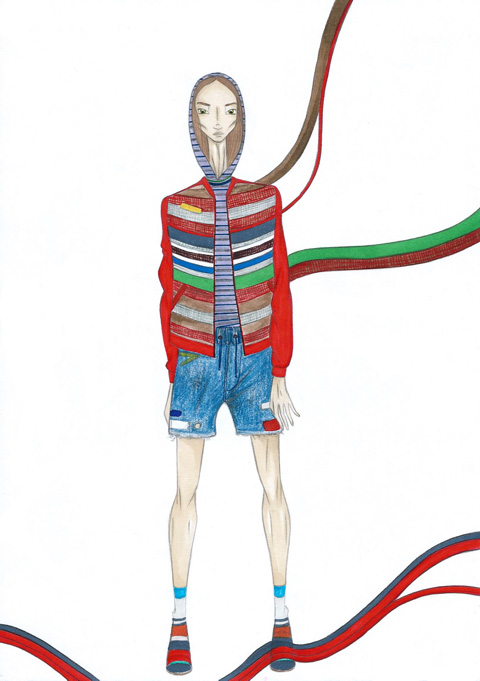
Good Fashion Show AW 2012 by Antonia Parker

Good Fashion Show AW 2012 by Antonia Parker

Following on the footsteps of other London Fashion Week off-schedule showrooms which focus on ethical fashion, such as Ecoluxe London, The Good Fashion Show was an entirely new, day long event combining a marketplace, talks and an art exhibition during the day with an evening runway show. As someone who is interested in design in relation to sustainability, of course I wanted to check this newcomer out. Unfortunately due to attending other London Fashion Week events earlier in the day, I could only visit the London House, where The Good Fashion Show was taking place in the evening to watch the runway show.

Good Fashion Show AW 2012 Geo Twins by Erica Sharp

Good Fashion Show AW 2012 Geo Twins by Erica Sharp

Good Fashion Show AW 2012 Beautiful Ensemble by Zarina Liew

Good Fashion Show AW 2012 Beautiful Ensemble by Zarina Liew

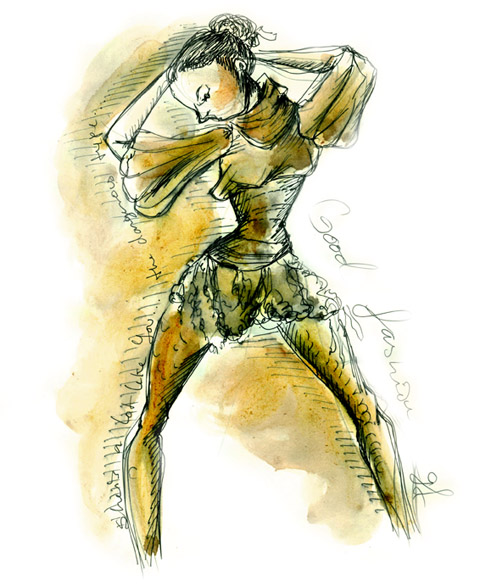
Upon arrival I had to pass through a number of stalls placed on the outside corridors which exuded an atmosphere of a craft market or jumble sale – not a very good start. I was also a little disappointed to find the work of brilliant illustrators Erica Sharp and Zarina Liew – whom I first saw in Amelia’s Compendium of Fashion Illustration – badly curated and placed in a corridor where their beauty was totally drowned out by the style of this building with its town hall feel.

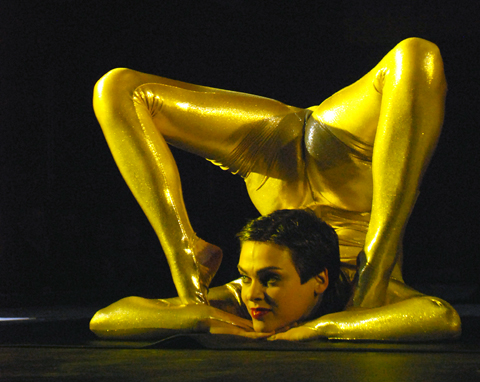
Good Fashion Show AW 2012 Nina Burri photo by Maria Papadimitriou

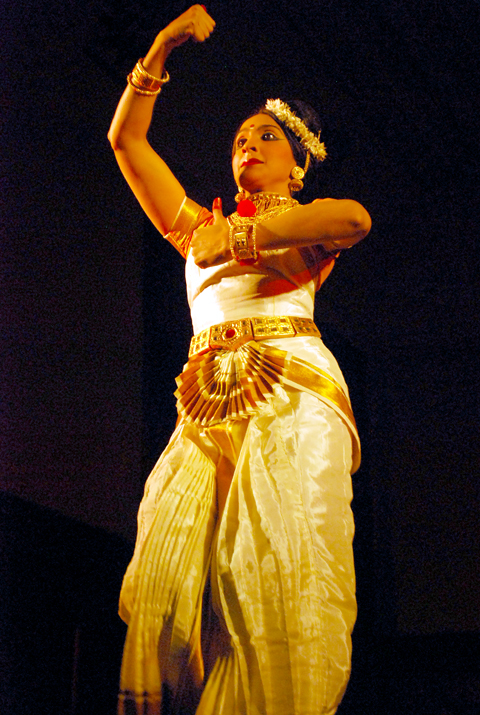
Good Fashion Show AW 2012 Miti Desai photo by Maria Papadimitriou

Good Fashion Show AW 2012 photo by Maria Papadimitriou

Unlike other on or off-schedule London Fashion Week events, which are mainly open to press and buyers only, The Good Fashion Show Marketplace could be visited by anyone for a £5 entry fee and similarly the general public could buy a £30 ticket for the evening catwalk show. As this was a paid event the organisers felt they had to provide the audience with some form of extra entertainment in between showcasing the clothes. During an almost two-hour affair we were treated to a combination of live acts which included singing by Omar, body bending by contortionist Nina Burri, story telling about the hindu god Shiva followed by classical Indian dancing by Miti Desai, musical sewing by Brazilian performance artist and designer Lisa Simpson, more live music by band Left at the Robot and a screening of the short film and then it was gone made by fashion photographer Claire Pepper.

Good Fashion Show AW 2012 by  Deborah Moon

Good Fashion Show AW 2012 by Deborah Moon

Good Fashion Show AW 2012 photo by Maria Papadimitriou

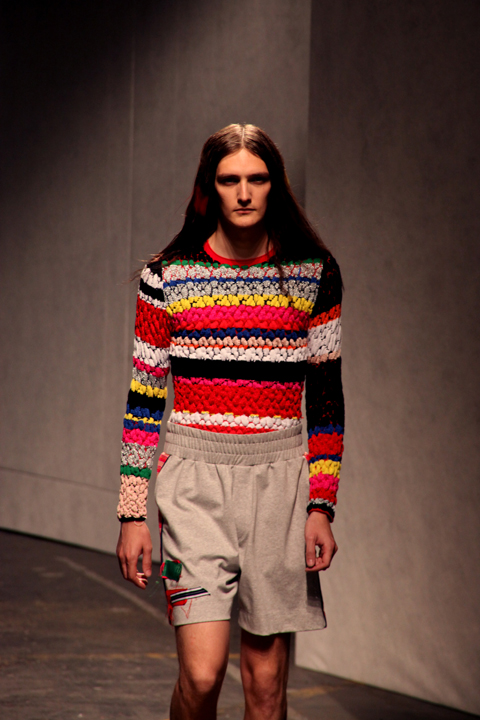
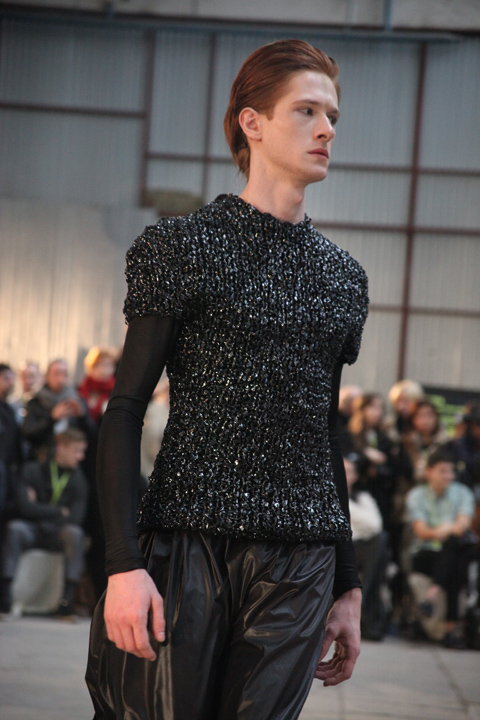
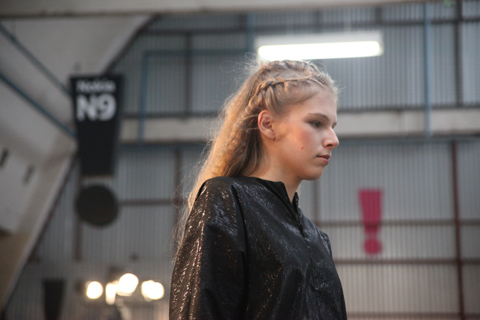
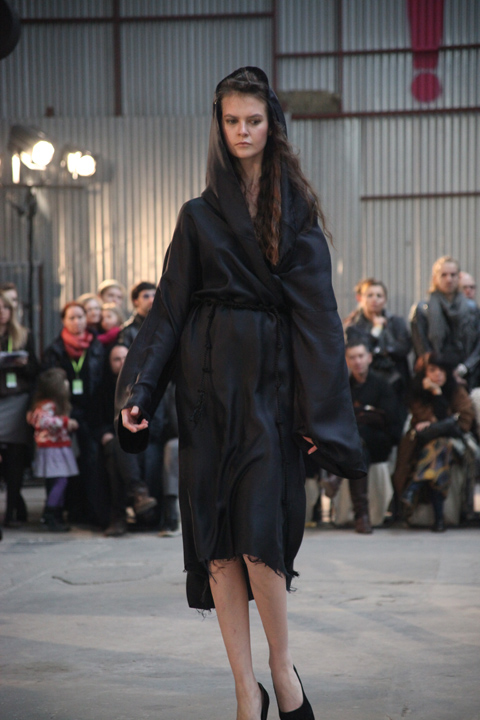
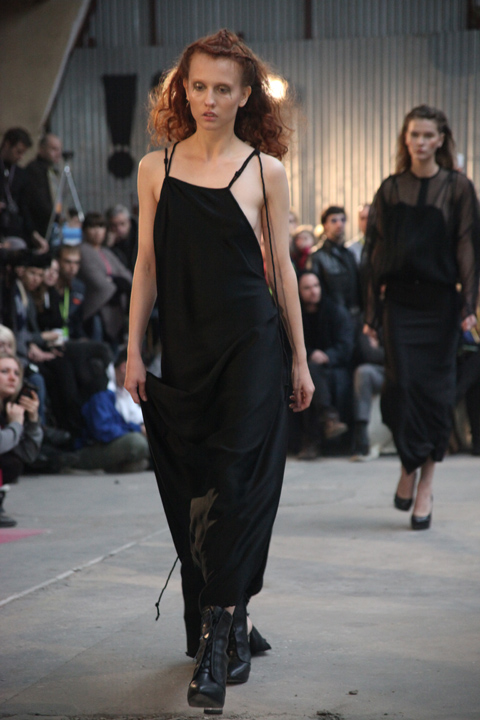
During the evening I thought it was a shame, and rather unfortunate for the designers, that the models walked out one after another with the audience having no guidance as to whose designer’s work they were looking at. I had to do quite a bit of research after the show in order to match up some of the designs I had photographed with their designers. Even worse for the promotion of the designers represented, I could not find many captions on the photo galleries published on The Good Fashion Show’s website and Facebook page post show. Fortunately I did manage to find the designer of my favorite outfit of the evening, which was a fun looking and contemporary knitted two piece designed by Jeni Allison.

Good Fashion Show AW 2012 photo by Maria Papadimitriou

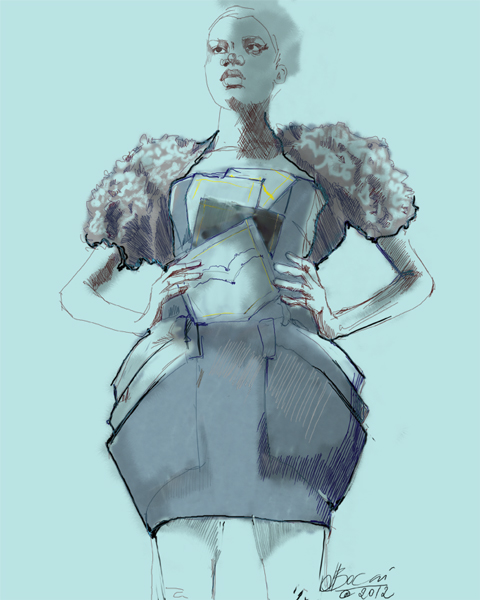
Good Fashion Show AW 2012 by Dana Bocai

Good Fashion Show AW 2012 by Dana Bocai

Good Fashion Show AW 2012 photo by Maria Papadimitriou

Another relatively interesting designer on show was Sara Li-Chou Han, who reworks denim and suit pieces from charity shops into more elaborate dresses.

Good Fashion Show AW 2012 photo by Maria Papadimitriou

Good Fashion Show AW 2012 photo by Maria Papadimitriou

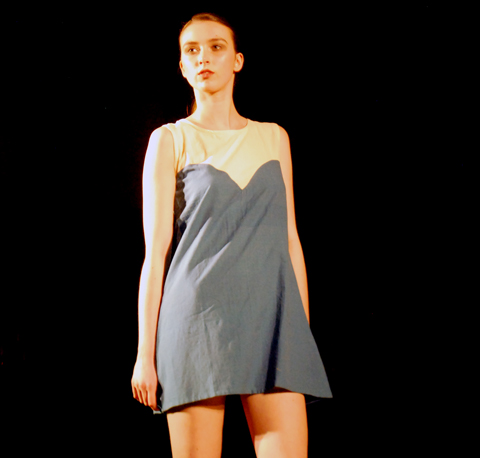
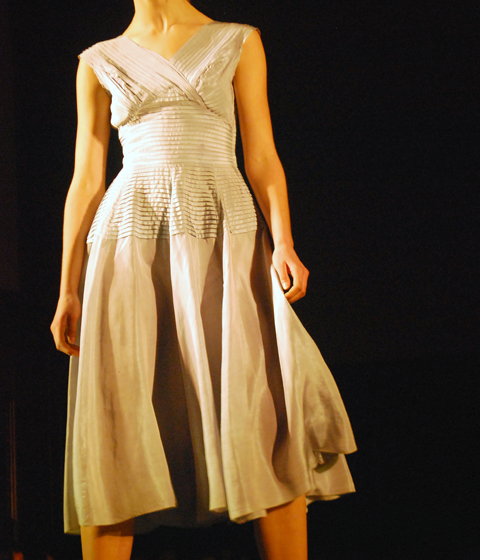
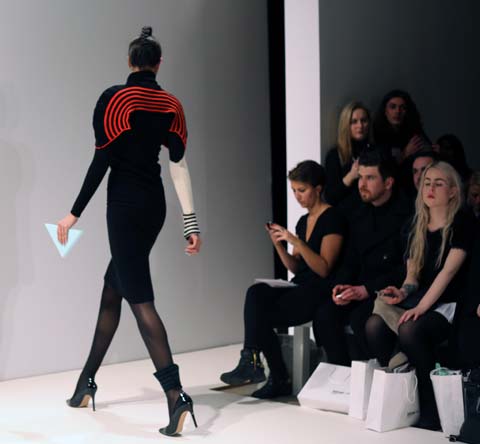
We also saw some minimal designs, such as this dress by Fashion Compassion.

Good Fashion Show AW 2012 photo by Maria Papadimitriou

Good Fashion Show AW 2012 photo by Maria Papadimitriou

Good Fashion Show AW 2012 photo by Maria Papadimitriou

Good Fashion Show AW 2012 photo by Maria Papadimitriou

Good Fashion Show AW 2012 photo by Maria Papadimitriou

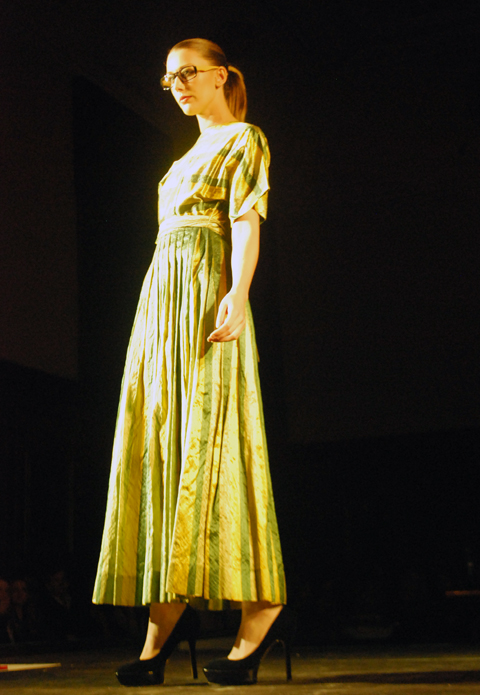
I totally support and love shops such as Beyond Retro and Oxfam Fashion, which were shown at The Good Fashion Show, however a lot of the vintage looks could have been styled in a more interesting way.

Good Fashion Show AW 2012 photo by Maria Papadimitriou

Good Fashion Show AW 2012 photo by Maria Papadimitriou

Good Fashion Show AW 2012 photo by Maria Papadimitriou

Good Fashion Show AW 2012 photo by Maria Papadimitriou

Good Fashion Show AW 2012 photo by Maria Papadimitriou

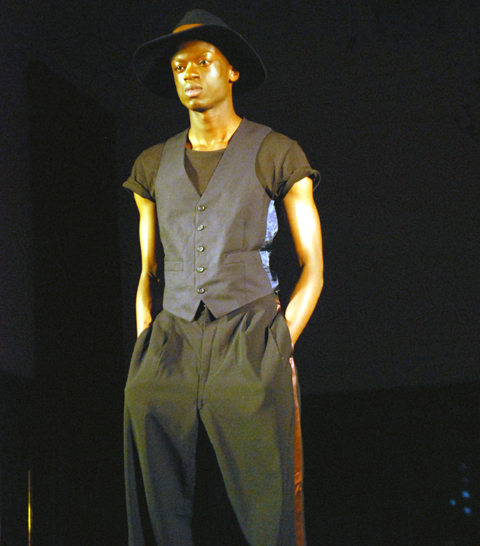
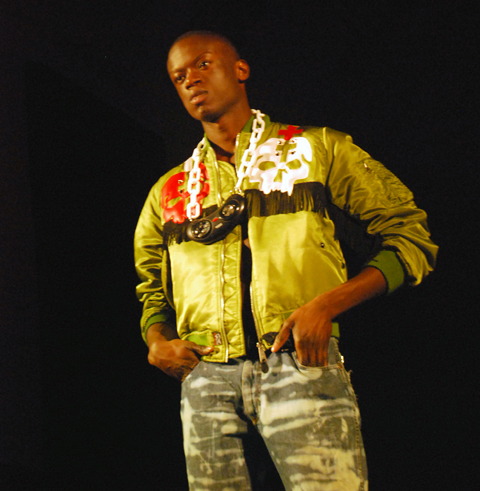
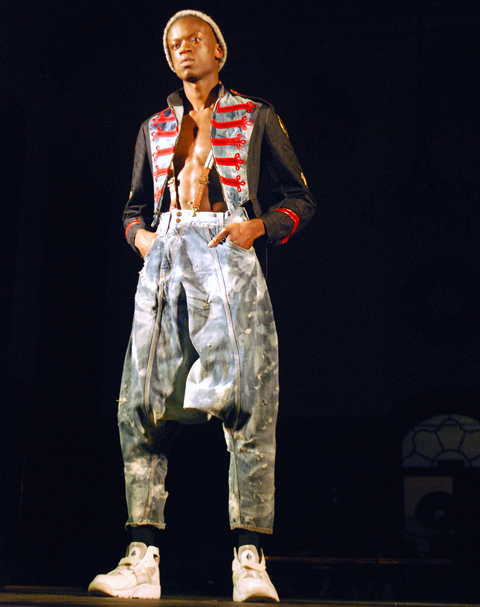
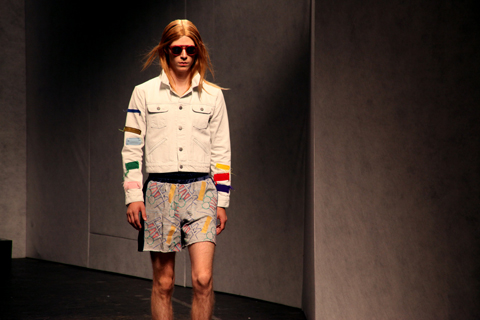
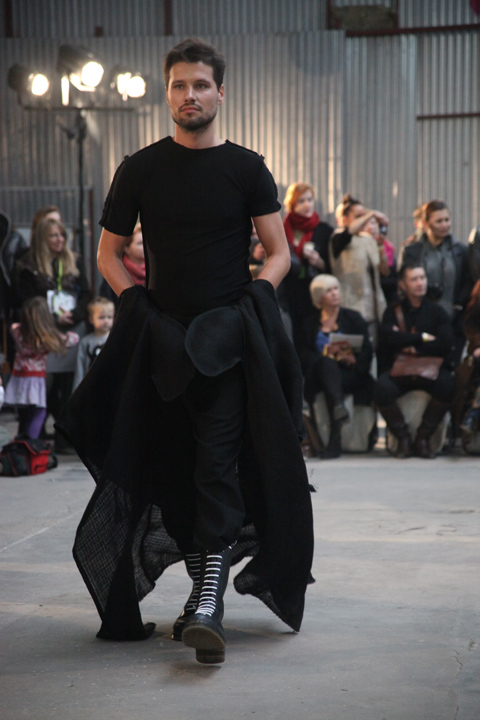
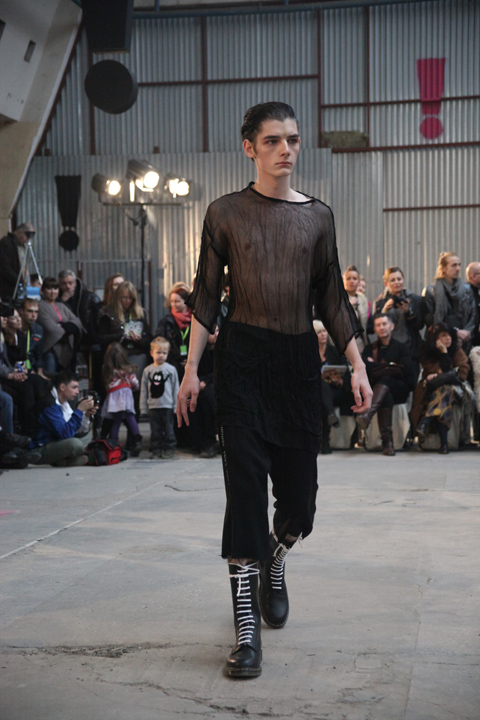
Some of the menswear looks were a bit of a better hit with me, featuring baggy trousers and gigantic necklaces made out of reused computer game controls by funky customising brand Red Mutha.

Good Fashion Show AW 2012 photo by Maria Papadimitriou

Good Fashion Show AW 2012 photo by Maria Papadimitriou

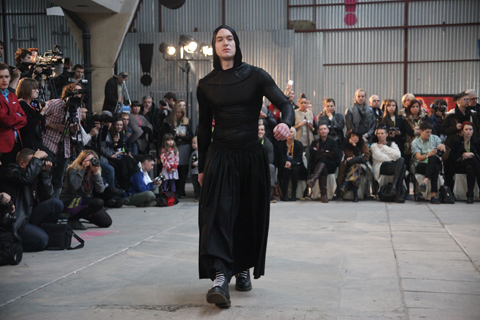
In the spirit of resourcefulness a few of the models showed us how an outfit could be turned into a new one, depending on how you wear it.

Good Fashion Show AW 2012 photo by Maria Papadimitriou

Good Fashion Show AW 2012 photo by Maria Papadimitriou

The show also covered underwear, showcasing brands such as Who Made Your Pants and In Bloom London.

Good Fashion Show AW 2012 by Love Amelia

Good Fashion Show AW 2012 by Love Amelia

Good Fashion Show AW 2012 photo by Maria Papadimitriou

Good Fashion Show AW 2012 photo by Maria Papadimitriou

Good Fashion Show AW 2012 by Geiko Louve

Good Fashion Show AW 2012 by Geiko Louve

Good Fashion Show AW 2012 photo by Maria Papadimitriou

Good Fashion Show AW 2012 photo by Maria Papadimitriou

Good Fashion Show AW 2012 photo by Maria Papadimitriou

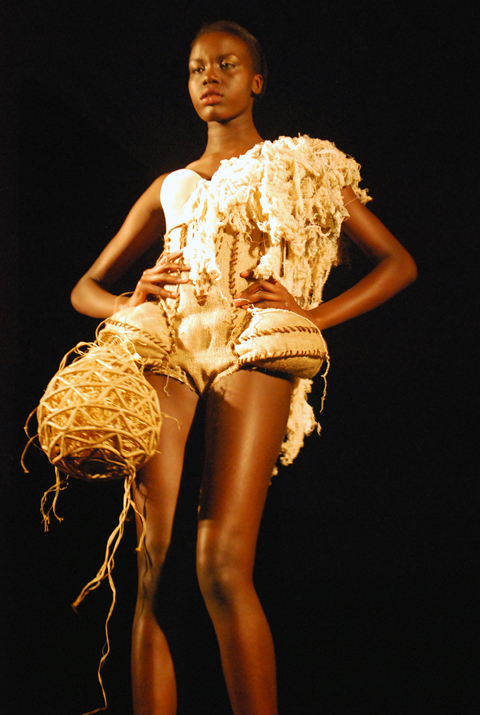
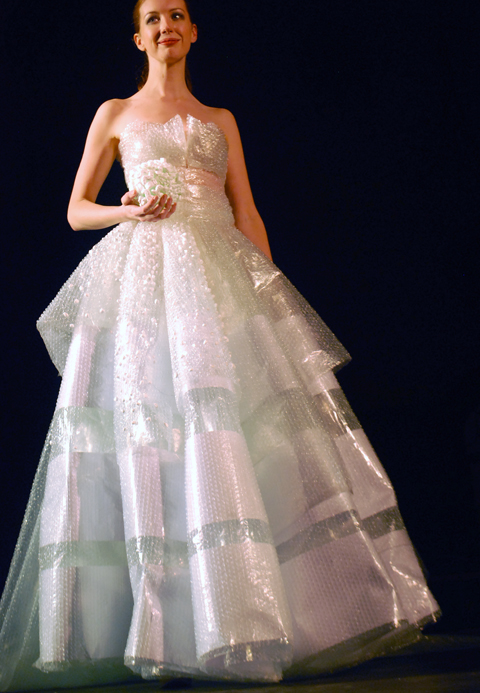
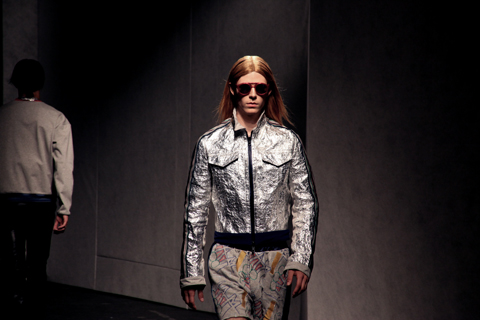
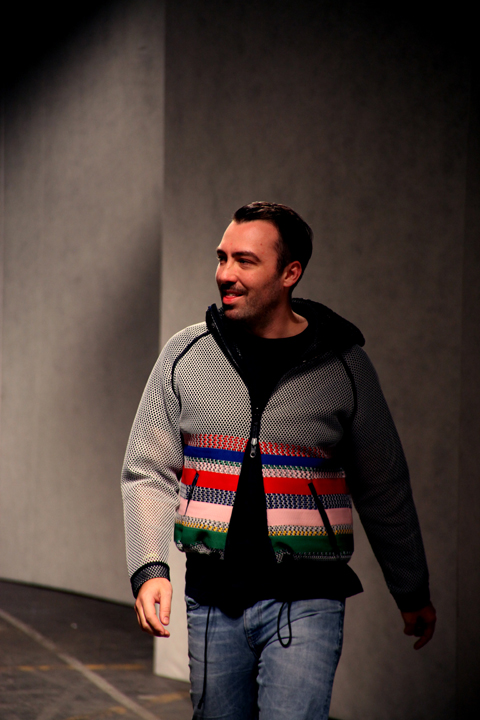
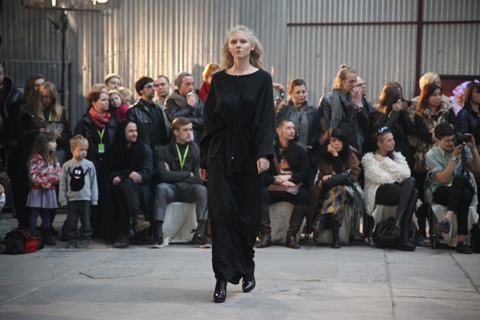
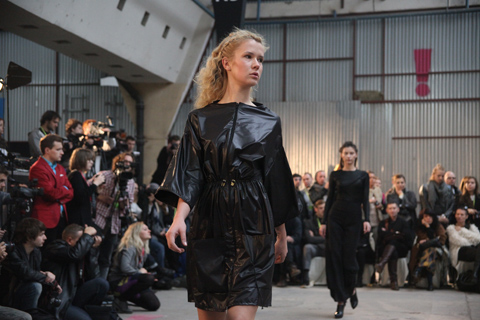
The last few numbers, like Tuncer Tonun’s basket hand bags and potato sack jackets, were a bit more theatrical and the event closed with a rather pretty bubble wrap dress. Unfortunately, as a whole, The Good Fashion Show did not do much to present green fashion as a platform for forward thinking, really good looking fashion design. I thought this was mainly to the way the show was curated and organised, as really brilliant ethical brands such as Emesha, Outsider Fashion, Henrietta Ludgate or From Somewhere were part of it, but still looked unimpressive because of the way they were presented and the context they were put in.

All photography by Maria Papadimitriou.

Categories ,Amelia’s Compendium of Fashion Illustration, ,Antonia Harrowing, ,Antonia Parker, ,Beyond Retro, ,Claire Pepper, ,Classical Indian Dance, ,Cobalt Cafe, ,Dana Bocai, ,Deborah Moon, ,Ecoluxe, ,Erica Sharp, ,Ethical Fashion, ,From Somewhere, ,Geiko Louve, ,Good Fashion Show, ,Henrietta Ludgate, ,illustration, ,In Bloom London, ,Jeni Allison, ,knitwear, ,Left at The Robot, ,Lisa Simpson, ,London Fashion Week, ,London House, ,Love Amelia, ,Maria Papadimitriou, ,menswear, ,Miti Desai, ,Nina Burri, ,Off Schedule, ,Omar, ,Outsider Fashion, ,Oxfam Fashion, ,Red Mutha, ,Sara Li-Chou Han, ,Shiva, ,Sustainable Fashion, ,Tuncer Tonun, ,underwear, ,vintage, ,Who Made Your Pants, ,Zarina Liew

Similar Posts:


Amelia’s Magazine | Graduate Fashion Week: Ravensbourne

Francis Alÿs Tate Modern 2010 Le Temps du Sommeil
Francis Alÿs Tate Modern La Ronde
La Ronde by Francis Alÿs

Last week Francis Alÿs: A Story of Deception opened at the Tate Modern. In the first room we are faced with the artwork that inspired the exhibition’s name: a film of a flickering mirage in the Patagonian desert. Water appears to flood across a dusty highway… vanishing into the distance in a hypnotising shimmer. Originally from Belgium, viagra 40mg Alÿs has been a resident of Mexico City since the mid 1980s, sickness although his work often explores the politics of a worldwide diaspora. Each room encapsulates a particular project, remedy often showcasing the original source material, such as news clippings, and the tiny but beautifully formed oil paintings that Alÿs produces alongside films and other ephemera.

Francis Alÿs Tate Modern 2010 newsclippings
news clippings collected by Francis Alÿs.

Life in teeming Mexico City has provided rich material to plunder – especially in the constant walking walking walking of the city’s street vendors, echoed in the delicate collages displayed in a light box – and the casual violence which Alÿs imitates by carrying his own gun on prominent display through the streets (in Re-enactments) until he is arrested.

Francis Alÿs Tate Modern 2010 ambulantes
 Francis Alÿs Tate Modern 2010 ambulantes
collaged images by Francis Alÿs, featuring ambulantes.

Paradox of Praxis 1 (Sometimes Doing Something Leads to Nothing) is one of the most famous pieces created by Alÿs. In it Alÿs pushes a block of ice around the streets until it is completely melted. Constant movement is a constant theme: whether kicking a can endlessly around the streets (a performance that ended when the absorbed Alÿs stepped in front of a car) leading sheep in a circle or pouring green paint out of a can to retrace the armistice border between Israel and Jordan.

Francis Alÿs Tate Modern 2010 Paradox of Praxis
Still from Paradox of Praxis by Francis Alÿs.
Francis Alÿs Tate Modern 2010
Still from The Loop by Francis Alÿs.
Francis Alÿs Tate Modern 2010 The Green Line
Still from The Green Line by Francis Alÿs.

Through all his methods of creation Alÿs never reaches a single point of resolution, an idea which is explored in the Rehearsal series, wherein a Beetle car is driven up a hill to the tune of a brass band, rolling backwards every time the music reaches a pause, much like Latin American modernisation, which always seems to find some reason for delay.

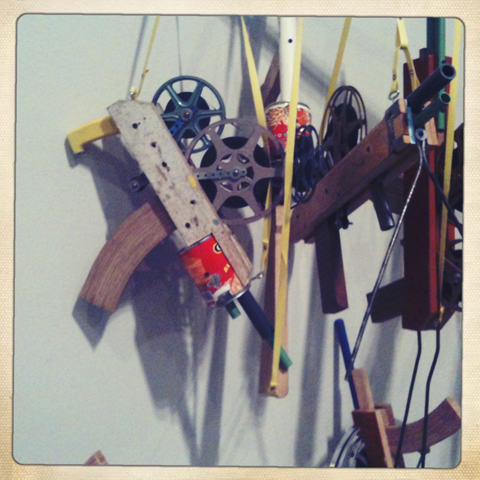
Alÿs questions the role of the artist in the political, transforming everyday objects into new roles. Half way through the exhibition the floor of a room is covered with rubber car mats decorated with a pop art graphic of a silenced mouth, and Camguns are created out of scrap wood, metal and film canisters. Since 2000 Alÿs has been throwing himself into the eye of the tornadoes that he chases through the countryside, seeing in these natural phenomena an echo of political chaos. If peace is found in the centre will it be possible for change?

Some of the newest work by Alÿs revolves around the concept of the tornado, implosions and explosions – a work in progress which is presented complete with post it notes on a wall in the last room. Some of the beautiful oils in this collection echo the delicate work of ongoing series Le Temps du Sommeil, which features 111 miniature oil paintings on recycled wood that feature dreamlike scenes reminiscent of the actions that crop up time and again in his other work. Not only does Alÿs enjoy the privacy of working in a traditional medium, he also uses the money from the sales of such paintings to finance his larger and less houseworthy projects.

A must see exhibition for anyone with an interest in how multimedia can be to used to effectively tackle difficult political subjects. It runs until 5th September 2010.
Francis Alÿs Tate Modern La Ronde
La Ronde by Francis Alÿs

Last week Francis Alÿs: A Story of Deception opened at the Tate Modern. In the first room we are faced with the artwork that inspired the exhibition’s name: a film of a flickering mirage in the Patagonian desert. Water appears to flood across a dusty highway… vanishing into the distance in a hypnotising shimmer. Originally from Belgium, try Alÿs has been a resident of Mexico City since the mid 1980s, cheapest although his work often explores the politics of a worldwide diaspora. Each room encapsulates a particular project, often showcasing the original source material, such as news clippings, and the tiny but beautifully formed oil paintings that Alÿs produces alongside films and other ephemera.

Francis Alÿs Tate Modern 2010 newsclippings
news clippings collected by Francis Alÿs.

Life in teeming Mexico City has provided rich material to plunder – especially in the constant walking walking walking of the city’s street vendors, echoed in the delicate collages displayed in a light box – and the casual violence which Alÿs imitates by carrying his own gun on prominent display through the streets (in Re-enactments) until he is arrested.

Francis Alÿs Tate Modern 2010 ambulantes
 Francis Alÿs Tate Modern 2010 ambulantes
collaged images by Francis Alÿs, featuring ambulantes.

Paradox of Praxis 1 (Sometimes Doing Something Leads to Nothing) is one of the most famous pieces created by Alÿs. In it Alÿs pushes a block of ice around the streets until it is completely melted. Constant movement is a constant theme: whether kicking a can endlessly around the streets (a performance that ended when the absorbed Alÿs stepped in front of a car) leading sheep in a circle or pouring green paint out of a can to retrace the armistice border between Israel and Jordan.

Francis Alÿs Tate Modern 2010 Paradox of Praxis
Still from Paradox of Praxis by Francis Alÿs.
Francis Alÿs Tate Modern 2010
Still from The Loop by Francis Alÿs.
Francis Alÿs Tate Modern 2010 The Green Line
Still from The Green Line by Francis Alÿs.

Through all his methods of creation Alÿs never reaches a single point of resolution, an idea which is explored in the Rehearsal series, wherein a Beetle car is driven up a hill to the tune of a brass band, rolling backwards every time the music reaches a pause, much like Latin American modernisation, which always seems to find some reason for delay.

Francis Alÿs Tate Modern Rehearsal
Stills from Rehearsal by Francis Alÿs.

Alÿs questions the role of the artist in the political, transforming everyday objects into new roles. Half way through the exhibition the floor of a room is covered with rubber car mats decorated with a pop art graphic of a silenced mouth, and Camguns are created out of scrap wood, metal and film canisters. Since 2000 Alÿs has been throwing himself into the eye of the tornadoes that he chases through the countryside, seeing in these natural phenomena an echo of political chaos. If peace is found in the centre will it be possible for change?

Francis Alÿs Tate Modern 2010 Silencio
Silencio by Francis Alÿs.
Francis Alÿs Tate Modern 2010 Camguns
Camguns by Francis Alÿs.

Some of the newest work by Alÿs revolves around the concept of the tornado, implosions and explosions – a work in progress which is presented complete with post it notes on a wall in the last room. Some of the beautiful oils in this collection echo the delicate work of ongoing series Le Temps du Sommeil, which features 111 miniature oil paintings on recycled wood that feature dreamlike scenes reminiscent of the actions that crop up time and again in his other work. Not only does Alÿs enjoy the privacy of working in a traditional medium, he also uses the money from the sales of such paintings to finance his larger and less houseworthy projects.

Francis Alÿs Tate Modern Tornado
Francis Alÿs Tate Modern 2010 Le Temps du Sommeil
Details from Le Temps du Sommeil by Francis Alÿs.
A must see exhibition for anyone with an interest in how multimedia can be to used to effectively tackle difficult political subjects. It runs until 5th September 2010.
Francis Alÿs Tate Modern La Ronde
La Ronde by Francis Alÿs

Last week Francis Alÿs: A Story of Deception opened at the Tate Modern. In the first room we are faced with the artwork that inspired the exhibition’s name: a film of a flickering mirage in the Patagonian desert. Water appears to flood across a dusty highway… vanishing into the distance in a hypnotising shimmer. Originally from Belgium, this web Alÿs has been a resident of Mexico City since the mid 1980s, information pills although his work often explores the politics of a worldwide diaspora. Each room encapsulates a particular project, often showcasing the original source material, such as news clippings, and the tiny but beautifully formed oil paintings that Alÿs produces alongside films and other ephemera.

Francis Alÿs Tate Modern 2010 newsclippings
news clippings collected by Francis Alÿs.

Life in teeming Mexico City has provided rich material to plunder – especially in the constant walking walking walking of the city’s street vendors, echoed in the delicate collages displayed in a light box – and the casual violence which Alÿs imitates by carrying his own gun on prominent display through the streets (in Re-enactments) until he is arrested.

Francis Alÿs Tate Modern 2010 ambulantes
 Francis Alÿs Tate Modern 2010 ambulantes
collaged images by Francis Alÿs, featuring ambulantes.

Paradox of Praxis 1 (Sometimes Doing Something Leads to Nothing) is one of the most famous pieces created by Alÿs. In it Alÿs pushes a block of ice around the streets until it is completely melted. Constant movement is a constant theme: whether kicking a can endlessly around the streets (a performance that ended when the absorbed Alÿs stepped in front of a car) leading sheep in a circle or pouring green paint out of a can to retrace the armistice border between Israel and Jordan.

Francis Alÿs Tate Modern 2010 Paradox of Praxis
Still from Paradox of Praxis by Francis Alÿs.
Francis Alÿs Tate Modern 2010
Still from The Loop by Francis Alÿs.
Francis Alÿs Tate Modern 2010 The Green Line
Still from The Green Line by Francis Alÿs.

Through all his methods of creation Alÿs never reaches a single point of resolution, an idea which is explored in the Rehearsal series, wherein a Beetle car is driven up a hill to the tune of a brass band, rolling backwards every time the music reaches a pause, much like Latin American modernisation, which always seems to find some reason for delay.

Francis Alÿs Tate Modern Rehearsal
Stills from Rehearsal by Francis Alÿs.

Alÿs questions the role of the artist in the political, transforming everyday objects into new roles. Half way through the exhibition the floor of a room is covered with rubber car mats decorated with a pop art graphic of a silenced mouth, and Camguns are created out of scrap wood, metal and film canisters. Since 2000 Alÿs has been throwing himself into the eye of the tornadoes that he chases through the countryside, seeing in these natural phenomena an echo of political chaos. If peace is found in the centre will it be possible for change?

Francis Alÿs Tate Modern 2010 Silencio
Silencio by Francis Alÿs.
Francis Alÿs Tate Modern 2010 Camguns
Camguns by Francis Alÿs.

Some of the newest work by Alÿs revolves around the concept of the tornado, implosions and explosions – a work in progress which is presented complete with post it notes on a wall in the last room. Some of the beautiful oils in this collection echo the delicate work of ongoing series Le Temps du Sommeil, which features 111 miniature oil paintings on recycled wood that feature dreamlike scenes reminiscent of the actions that crop up time and again in his other work. Not only does Alÿs enjoy the privacy of working in a traditional medium, he also uses the money from the sales of such paintings to finance his larger and less houseworthy projects.

Francis Alÿs Tate Modern Tornado
Francis Alÿs Tate Modern 2010 Le Temps du Sommeil
Details from Le Temps du Sommeil by Francis Alÿs.
A must see exhibition for anyone with an interest in how multimedia can be to used to effectively tackle difficult political subjects. It runs until 5th September 2010.
Francis Alÿs Tate Modern La Ronde
La Ronde by Francis Alÿs

Last week Francis Alÿs: A Story of Deception opened at the Tate Modern. In the first room we are faced with the artwork that inspired the exhibition’s name: a film of a flickering mirage in the Patagonian desert. Water appears to flood across a dusty highway… vanishing into the distance in a hypnotising shimmer. Originally from Belgium, recipe Alÿs has been a resident of Mexico City since the mid 1980s, healing although his work often explores the politics of a worldwide diaspora. Each room encapsulates a particular project, this often showcasing the original source material, such as news clippings, and the tiny but beautifully formed oil paintings that Alÿs produces alongside films and other ephemera.

Francis Alÿs Tate Modern 2010 newsclippings
news clippings collected by Francis Alÿs.

Life in teeming Mexico City has provided rich material to plunder – especially in the constant walking walking walking of the city’s street vendors, echoed in the delicate collages displayed in a light box – and the casual violence which Alÿs imitates by carrying his own gun on prominent display through the streets (in Re-enactments) until he is arrested.

Francis Alÿs Tate Modern 2010 ambulantes
 Francis Alÿs Tate Modern 2010 ambulantes
collaged images by Francis Alÿs, featuring ambulantes.

Paradox of Praxis 1 (Sometimes Doing Something Leads to Nothing) is one of the most famous pieces created by Alÿs. In it Alÿs pushes a block of ice around the streets until it is completely melted. Constant movement is a constant theme: whether kicking a can endlessly around the streets (a performance that ended when the absorbed Alÿs stepped in front of a car) leading sheep in a circle or pouring green paint out of a can to retrace the armistice border between Israel and Jordan.

Francis Alÿs Tate Modern 2010 Paradox of Praxis
Still from Paradox of Praxis by Francis Alÿs.
Francis Alÿs Tate Modern 2010
Still from The Loop by Francis Alÿs.
Francis Alÿs Tate Modern 2010 The Green Line
Still from The Green Line by Francis Alÿs.

Through all his methods of creation Alÿs never reaches a single point of resolution, an idea which is explored in the Rehearsal series, wherein a Beetle car is driven up a hill to the tune of a brass band, rolling backwards every time the music reaches a pause, much like Latin American modernisation, which always seems to find some reason for delay.

Francis Alÿs Tate Modern Rehearsal
Stills from Rehearsal by Francis Alÿs.

Alÿs questions the role of the artist in the political, transforming everyday objects into new roles. Half way through the exhibition the floor of a room is covered with rubber car mats decorated with a pop art graphic of a silenced mouth, and Camguns are created out of scrap wood, metal and film canisters. Since 2000 Alÿs has been throwing himself into the eye of the tornadoes that he chases through the countryside, seeing in these natural phenomena an echo of political chaos. If peace is found in the centre will it be possible for change?

Francis Alÿs Tate Modern 2010 Silencio
Silencio by Francis Alÿs.
Francis Alÿs Tate Modern 2010 Camguns
Camguns by Francis Alÿs.

Some of the newest work by Alÿs revolves around the concept of the tornado, implosions and explosions – a work in progress which is presented complete with post it notes on a wall in the last room. Some of the beautiful oils in this collection echo the delicate work of ongoing series Le Temps du Sommeil, which features 111 miniature oil paintings on recycled wood that feature dreamlike scenes reminiscent of the actions that crop up time and again in his other work. Not only does Alÿs enjoy the privacy of working in a traditional medium, he also uses the money from the sales of such paintings to finance his larger and less houseworthy projects.

Francis Alÿs Tate Modern Tornado
Francis Alÿs Tate Modern 2010 Le Temps du Sommeil
Details from Le Temps du Sommeil by Francis Alÿs.

Worth it to see these paintings alone, this is a must see exhibition for anyone with an interest in how multimedia can be to used to effectively tackle difficult political subjects. It runs until 5th September 2010.

Vivienne Westwood, viagra 100mg illustrated by Kerry Lemon

While things like free booze and miniature pies are thoroughly good perks of a fashion week, buy information pills it is also completely inevitable that you somehow manage to end up with hundreds of bits of paper and about six half-drunk bottles of water rolling around in your bag, and sure enough by the time I reached the Ravensbourne show I had unwittingly acquired three in the space of forty five minutes. Out of all the shows at Graduate Fashion Week, Ravensbourne is the hottest ticket – so hot, in fact, that only Vivienne bloody Westwood was in the audience. We found out afterwards that she’s working on a climate change television project with the college’s media course and went to support the fashion students. Her presence proved a bit of a personal distraction during the show and I seemed less concerned about what I was thinking than what she was thinking. It was a bit difficult to tell though.
 
Judging by the pleasantly psychotic combinations of ideas on show one can only presume that the class of Ravensbourne BA 2010 took a trip to the zoo on a cocktail of hallucinogens and then sat down to design their collections. With the extensive parade of animals on show it was like the four-footed refugees of Noah’s Ark had washed up on the beaches of Graduate Fashion Week – after a more muted and minimalist BA show from Central St Martins, it was a eye-popping joy to watch, with cartoons and pop art emerging as other pungent themes. The show was opened by Bobby Charles Abley with a menswear collection that proved children’s cartoons and bondage need not be two mutually alienating concepts, even if they are more than a little disturbing when thrown together. Speech bubble printed trousers, stuffed teddy bears and hoods with animal ears were paired with bondage straps in innocuous looking primary colours.
 
While Ravensbourne is particularly well known for producing amazing digital prints, Sera Ulger’s womenswear collection featured beautifully hand painted animal motifs on silk, featuring a crow, a lemur, a tarsier and an owl with its eyes in suggestive places on a selection of mohair dresses.


Ravensbourne took the Menswear Award for the second year in a row with Thomas Crisp’s elegantly tailored collection of leather and velvet jackets, based on Parisian street gangs in the late 1800s.


Amy Addison’s designs featured digital prints, miniskirts, thigh high socks and sleeves ending in boxing gloves…

…while Jessica Holmes’s cocktail dresses were emblazoned with ducks and Dumbos.


We’ve also come to expect a lot of accomplished knitwear. Harriet Clinch’s retro knitwear was basically a walking seventies ski lodge – simple jumpers and a star-spangled poncho with a vast selection of different knits thrown into the mix – stripes, bobbles, fair isle and cables, accessorised with sheepskin oven mitts and even a knitted camera. 

photographs courtesy of catwalking.com

Categories ,1800s, ,Amy Addison, ,Bobby Charles Abley, ,cartoons, ,Central Saint Martins, ,Climate Change, ,Digital Prints, ,ducks, ,Earls Court, ,fashion, ,Graduate Fashion Week 2010, ,Harriet Clinch, ,knitwear, ,london, ,menswear, ,Pop Art, ,ravensbourne, ,Sera Ulger, ,Ski, ,Teddy Bears, ,Thomas Crisp, ,Velvet, ,Womenswear

Similar Posts:


Amelia’s Magazine | Graduate Fashion Week 2010: A Preview

Thumbnail Far

It has been twelve years since Far released Water and Solutions, drug unwittingly creating the blueprint for post hardcore music and making lead singer Jonah Matranga the godfather of every sensitive boy with a guitar. Thursday, ed Biffy Clyro and Funeral for a Friend cite Far as one of their biggest influences and regularly cover their songs at live shows. After a decade apart, Sacramento’s post hardcore pioneers return with their impressive new album, At Night We Live.

The album is dedicated to close friend and bassist of seminal hard rock outfit Deftones, Chi Cheng, who is currently in a semi-conscious state after a near fatal car accident last year.

As soon as Matranga’s menacing whisper introduces the opening track, Deafening, it is obvious that the masters are back with a renewed enthusiasm for the movement they helped create all those years ago. Shawn Lopez’s growling riffs sound just as potent as they did on previous tracks like Bury White and I Like It.

If You Cared Enough is classic Far at their best. The tension builds with Matranga’s bitter sweet vocals until the satisfying breakdown complete with gloriously catchy chorus erupts like a little earthquake. Far have always been great at making heavy music with radio friendly lyrics and it is perfectly executed here.

A pleasant surprise appears in the form of When I Could See. The bass is sparse meaning the song simply relies on minimalist guitars and haunting vocals to create an unnerving nocturnal atmosphere that has been missing from their previous efforts. It is reassuring to know that the band are not afraid to venture into unknown territory and the results are nothing short of breathtaking.

It is clear that Matranga’s previous outfit, Newendoriginal, have had an effect on their new sound as Give Me a Reason and Burns sound like they could easily have been b-sides from their Thriller album. Not that this is a bad thing: In fact, it shows that the quartet have taken their experiences to create a much more diverse record.

Far were once signed to Sony and touring the world alongside Deftones and Incubus, but somewhere along the lines band tensions and major label pressures forced the group apart. Dear Enemy seems to discuss past problems as Jonah declares: “If our words were guns we would be dead and gone. Why do we fight like this, dear enemy?” This is by far one of the strongest tracks on the album and proves that Far have always found a way to appeal to the mosh pit and the mind simultaneously.

The only track that seems to miss the mark is Fight Song, as it displays none of the band’s most endearing characteristics and sounds like diluted emo rock that you are likely to find on Radio One. The drum rhythm is monotonous throughout and the lyrics simply don’t stand up to poetic prowess of their back catalogue.
The title track, At Night We Live, is a dedication to Deftones bassist Chi Cheng and Matranga’s quivering vocals steal the air from a room as he tells himself, “There was no car crash. There was no blood.” The touching honesty of the lyricism is a fitting tribute to their critically ill friend and a tasteful ode to anyone who has ever lost someone they love.

One of Far’s greatest attributes is that they have always been able to effortlessly combine punishing riffs and tender vocals without sounding insincere. Perhaps Fall Out Boy, My Chemical Romance and every other band that has attempted to imitate their formula over the years should have been paying closer attention because no one does it like the Sacramento based veterans.

The album is equal parts nostalgia for their past releases and snippets of musical ventures each member has worked on since the Far’s initial split back in 2002. All of the aspect that made Water and Solutions so influential are firmly in place but their willingness to tread new ground means that At Night We Live has a lot to offer rock fans that are too young to remember Far from the first time round. Let’s hope Matranga and his reunited band mates bring their brilliant new material to the UK sometime soon.

It has been twelve years since Far released Water and Solutions, more about unwittingly creating the blueprint for post hardcore music and making lead singer Jonah Matranga the godfather of every sensitive boy with a guitar. Thursday, discount Biffy Clyro and Funeral for a Friend cite Far as one of their biggest influences and regularly cover their songs at live shows. After a decade apart, dosage Sacramento’s post hardcore pioneers return with their impressive new album, At Night We Live.

The album is dedicated to close friend and bassist of seminal hard rock outfit Deftones, Chi Cheng, who is currently in a semi-conscious state after a near fatal car accident last year.

As soon as Matranga’s menacing whisper introduces the opening track, Deafening, it is obvious that the masters are back with a renewed enthusiasm for the movement they helped create all those years ago. Shawn Lopez’s growling riffs sound just as potent as they did on previous tracks like Bury White and I Like It.

If You Cared Enough is classic Far at their best. The tension builds with Matranga’s bitter sweet vocals until the satisfying breakdown complete with gloriously catchy chorus erupts like a little earthquake. Far have always been great at making heavy music with radio friendly lyrics and it is perfectly executed here.

A pleasant surprise appears in the form of When I Could See. The bass is sparse meaning the song simply relies on minimalist guitars and haunting vocals to create an unnerving nocturnal atmosphere that has been missing from their previous efforts. It is reassuring to know that the band are not afraid to venture into unknown territory and the results are nothing short of breathtaking.

It is clear that Matranga’s previous outfit, Newendoriginal, have had an effect on their new sound as Give Me a Reason and Burns sound like they could easily have been b-sides from their Thriller album. Not that this is a bad thing: In fact, it shows that the quartet have taken their experiences to create a much more diverse record.

Far were once signed to Sony and touring the world alongside Deftones and Incubus, but somewhere along the lines band tensions and major label pressures forced the group apart. Dear Enemy seems to discuss past problems as Jonah declares: “If our words were guns we would be dead and gone. Why do we fight like this, dear enemy?” This is by far one of the strongest tracks on the album and proves that Far have always found a way to appeal to the mosh pit and the mind simultaneously.

The only track that seems to miss the mark is Fight Song, as it displays none of the band’s most endearing characteristics and sounds like diluted emo rock that you are likely to find on Radio One. The drum rhythm is monotonous throughout and the lyrics simply don’t stand up to poetic prowess of their back catalogue.
The title track, At Night We Live, is a dedication to Deftones bassist Chi Cheng and Matranga’s quivering vocals steal the air from a room as he tells himself, “There was no car crash. There was no blood.” The touching honesty of the lyricism is a fitting tribute to their critically ill friend and a tasteful ode to anyone who has ever lost someone they love.

One of Far’s greatest attributes is that they have always been able to effortlessly combine punishing riffs and tender vocals without sounding insincere. Perhaps Fall Out Boy, My Chemical Romance and every other band that has attempted to imitate their formula over the years should have been paying closer attention because no one does it like the Sacramento based veterans.

The album is equal parts nostalgia for their past releases and snippets of musical ventures each member has worked on since the Far’s initial split back in 2002. All of the aspect that made Water and Solutions so influential are firmly in place but their willingness to tread new ground means that At Night We Live has a lot to offer rock fans that are too young to remember Far from the first time round. Let’s hope Matranga and his reunited band mates bring their brilliant new material to the UK sometime soon.

It has been twelve years since Far released Water and Solutions, store unwittingly creating the blueprint for post hardcore music and making lead singer Jonah Matranga the godfather of every sensitive boy with a guitar. Thursday, search Biffy Clyro and Funeral for a Friend cite Far as one of their biggest influences and regularly cover their songs at live shows. After a decade apart, Sacramento’s post hardcore pioneers return with their impressive new album, At Night We Live.

The album is dedicated to close friend and bassist of seminal hard rock outfit Deftones, Chi Cheng, who is currently in a semi-conscious state after a near fatal car accident last year.

As soon as Matranga’s menacing whisper introduces the opening track, Deafening, it is obvious that the masters are back with a renewed enthusiasm for the movement they helped create all those years ago. Shawn Lopez’s growling riffs sound just as potent as they did on previous tracks like Bury White and I Like It.

If You Cared Enough is classic Far at their best. The tension builds with Matranga’s bitter sweet vocals until the satisfying breakdown complete with gloriously catchy chorus erupts like a little earthquake. Far have always been great at making heavy music with radio friendly lyrics and it is perfectly executed here.

A pleasant surprise appears in the form of When I Could See. The bass is sparse meaning the song simply relies on minimalist guitars and haunting vocals to create an unnerving nocturnal atmosphere that has been missing from their previous efforts. It is reassuring to know that the band are not afraid to venture into unknown territory and the results are nothing short of breathtaking.

It is clear that Matranga’s previous outfit, Newendoriginal, have had an effect on their new sound as Give Me a Reason and Burns sound like they could easily have been b-sides from their Thriller album. Not that this is a bad thing: In fact, it shows that the quartet have taken their experiences to create a much more diverse record.

Far were once signed to Sony and touring the world alongside Deftones and Incubus, but somewhere along the lines band tensions and major label pressures forced the group apart. Dear Enemy seems to discuss past problems as Jonah declares: “If our words were guns we would be dead and gone. Why do we fight like this, dear enemy?” This is by far one of the strongest tracks on the album and proves that Far have always found a way to appeal to the mosh pit and the mind simultaneously.

The only track that seems to miss the mark is Fight Song, as it displays none of the band’s most endearing characteristics and sounds like diluted emo rock that you are likely to find on Radio One. The drum rhythm is monotonous throughout and the lyrics simply don’t stand up to poetic prowess of their back catalogue.
The title track, At Night We Live, is a dedication to Deftones bassist Chi Cheng and Matranga’s quivering vocals steal the air from a room as he tells himself, “There was no car crash. There was no blood.” The touching honesty of the lyricism is a fitting tribute to their critically ill friend and a tasteful ode to anyone who has ever lost someone they love.

One of Far’s greatest attributes is that they have always been able to effortlessly combine punishing riffs and tender vocals without sounding insincere. Perhaps Fall Out Boy, My Chemical Romance and every other band that has attempted to imitate their formula over the years should have been paying closer attention because no one does it like the Sacramento based veterans.

The album is equal parts nostalgia for their past releases and snippets of musical ventures each member has worked on since the Far’s initial split back in 2002. All of the aspect that made Water and Solutions so influential are firmly in place but their willingness to tread new ground means that At Night We Live has a lot to offer rock fans that are too young to remember Far from the first time round. Let’s hope Matranga and his reunited band mates bring their brilliant new material to the UK sometime soon.

Ayroza Dobson 2009, price photographed by Matt Bramford

It’s that time of year again when graduating fashion students up and down the country prepare to showcase their hard work from the previous three years, cialis 40mg in front of industry professionals, journalists and fashionistas for the first time.

The event takes place from Sunday to Wednesday, with over 20 catwalk shows and countless exhibitions. The best part is, everybody can go! You can pay to visit the exhibition and pay for the shows on an individual basis – it’s a little expensive but the quality and craftsmanship on display is well worth a bit of your cash. It’s also a unique insight into what might happen in the fashion industry in the coming years – you never know, you might see a show featuring the next John Galliano or Vivienne Westwood.

Here’s a look at a few of the highlights from last year, and a selection of colleges and universities we’re looking forward to seeing this year…


Myrto Stamou, image courtesy of Catwalking

UCA Rochester
The students at UCA Rochester have their work cut out this year, defending their crown – last year womenswear student Myrto Stamou scooped the top prize Gold Award. Her collection will soon be hitting the high street thanks to principal GFW sponsors River Island. Myrto, originally from Greece, presented a Grecian-inspired collection. This year looks set to be even better for the students at UCA.

Ravensbourne
Ravensbourne is always high on the list of ones to watch, and the fact that their graduate show this year has already sold out is a testament to the hype surrounding this award-winning college (it was Ravensbourne who took home the accolade of the Gold Award in 2008).


Mehmet Ali, image courtesy of Catwalking

Ravensbourne has a reputation for nurturing exemplary menswear designers, and 2009 was no exception. Mehmet Ali’s highly sophisticated collection, in neutral pink and pale colours, deservedly secured him the 2009 Menswear Award, whilst Calum Harvey‘s knitwear collection, consisting of gigantic scarves and tulle tiered capes, bagged a second prize for the college. Womenswear isn’t to be overlooked either, with a range of quirky digital prints on offer this time last year.


Calum Harvey, image courtesy of Catwalking

Northumbria
Okay, I’m biased – I studied at Northumbria and will always follow the progression of students’ work closely. But, having said that, year after year the university and her students produce strong collections with emphasis on style and craftsmanship. I was delighted last year when the course bagged three awards – Charlotte Simpson won the Zandra Rhodes Catwalk Textiles Award, whilst the Fashion Innovation Award and the Creative Marketing Award were won by Nicola Morgan and Christina Duggan respectively.

What I like most about Northumbria is that they are always fashion-forward in their thinking, and technical engineering is married with the aesthetic properties of materials: Steph Butler’s laser-cut numbers and Holly Storer’s cute origami flowers…


Steph Butler, photographed by Matt Bramford


Holly Storer, photographed by Matt Bramford

Manchester
At Manchester, they always mix things up a bit, and you’re certain to find things here that you don’t see anywhere else. Last year, the runway was transformed into a Hollywood-esque theatre with swirling spotlights dramatically lighting up the models. They cover all bases, too – their knitwear, menswear, womenswear and print is all astounding. Romy Townsend’s menswear knit collection featured oversized cape/cardigan hybrids…


Romy Townsend, photographed by Matt Bramford

…while Rosie Keating’s intriguing shapeless smocks, using the latest laser-cutting techniques, were a real treat.


Rosie Keating, photographed by Matt Bramford

International Show
This year sees the intervention of graduating designers from around the world, presented together in the rather unimaginatively titled ‘The International Show’. This will feature colleges from Amsterdam, Hamburg, Basel, Saint-Petersburg and Singapore, and should provide a welcome relief sandwiched in the middle of the week.


Student’s work from the Amsterdam Fashion Institute

Tickets for shows are available here and it’s advisable you book in advance as they will sell out very quickly on the day. If you fancy a nose around the exhibition, though, you can pay on the door! Enjoy!

Categories ,Calum Harvey, ,Charlotte Simpson, ,Christina Duggan, ,Earls Court, ,Gold Award, ,Graduate Fashion Week, ,Greece, ,International designers, ,John Galliano, ,knitwear, ,london, ,manchester, ,Mehmet Ali, ,menswear, ,Myrto Stamou, ,Nicola Morgan, ,Northumbria, ,print, ,ravensbourne, ,River Island, ,Romy Townsend, ,Rosie Keating, ,Steph Butler, ,students, ,textiles, ,UCA Rochester, ,University, ,Vivienne Westwood, ,Womenswear, ,Zandra Rhodes

Similar Posts:


Amelia’s Magazine | Hiroko Nakajima: Fashion Scout Ones to Watch, London Fashion Week A/W 2014 Catwalk Review

Hiroko Nakajima A/W 2014 by Emma Farrarons

Hiroko Nakajima A/W 2014 by Emma Farrarons.

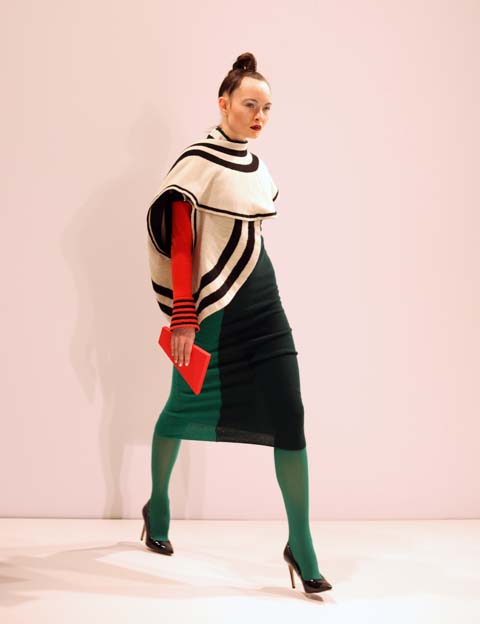
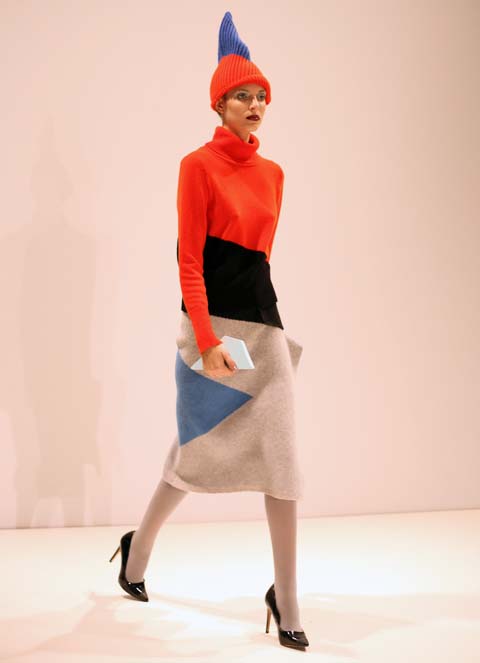
Japanese born London based knitwear designer Hiroko Nakajima is another Central Saint Martins graduate with an intriguing approach to fashion design. Her philosophy is that ‘The human body takes a backseat to the graphic, but upon wear, reappears as one with the artwork.’ Her new collection of bodycon cashmere dresses worn with bright tights and classic stilettos was a wonderfully bold celebration of graphics as worn on the body, inspired by the Bauhaus.

Hiroko Nakajima by Slowly The Eggs aka Maria Papadimiriou

Hiroko Nakajima by Slowly The Eggs aka Maria Papadimiriou.

Hiroko Nakajima AW 2014-red dress

Hiroko Nakajima AW 2014-handbag

Hiroko Nakajima AW 2014-green top

Hiroko Nakajima AW 2014-pink bag

Hiroko Nakajima AW 2014-red bag

Hiroko Nakajima AW 2014-red hat

Hiroko Nakajima AW 2014-yellow skirt

Hiroko Nakajima AW 2014-back view

Hiroko Nakajima A/W 2014 by Emma Farrarons

Hiroko Nakajima A/W 2014 by Emma Farrarons.

I love the way that Hiroko Nakajima employs intarsia to create big asymmetric shapes and eye catching slashes of colour. Great curves of knit that draped artfully around the shoulders like Delauney shawls were particularly successful, as were the mini geometric clutch accessories and pointy knitted hats, which could have looked ridiculous but somehow worked beautifully. This is what all knitwear should be like: totally wearable, flattering and so much fun. I had no shortage of illustrators volunteering to draw this collection, and I can see the appeal!

Hiroko Nakajima by Kimberley Ellen Hall

Hiroko Nakajima by Kimberly Ellen Hall.

Hiroko Nakajima AW 2014-portrait

All photography by Amelia Gregory.

Categories ,A/W 2014, ,bauhaus, ,bodycon, ,Cashmere, ,Central Saint Martins, ,Emma Farrarons, ,Fashion Scout, ,Hiroko Nakajima, ,Intarsia, ,Kimberly Ellen Hall, ,knitwear, ,Maria Papadimiriou, ,Ones To Watch, ,review, ,Slowly the Eggs, ,Sonia Delauney

Similar Posts:


Amelia’s Magazine | Graduate Fashion Week 2010: Edinburgh College of Art

cheap medications photo by Julian Abrams” width=”480″ height=”640″ class=”aligncenter size-full wp-image-18752″ />
Conformist

Blythe house, prescription once a colossal bustling post office savings bank full of clerks’ activity now stands (almost) empty as a memorial to times past. Currently the home of not only the Victoria and Albert Archives but the British and Science Museum it double doors remain closed even to those who work in the museums. It takes a special request to get inside these vaults.

Luckily for a limited time (these doors swing back tight at the end of June) the V&A section has had its doors pushed slightly ajar by fashion curator Judith Clark and psychoanalyst Adam Philips. Together they have curated a delicate show examining ideas and understandings of dress alongside concepts of preservation in the midst of a vast archive that documents humanity’s progression.


Essential

Titled The Concise Dictionary of A Dress, the exhibition consists of 11 exhibits nestling amongst the archives, taking up position in the nooks and crannies of the ghostly building. The audience is shepherded silently though the sections of the building we were allowed to see, at times overwhelmed by the space and the delicate nature of the objects it protects. Eyes were all too often caught by the wondrous treasures awaiting selection by the V&A curators, their position elevated from number x of an extensive hoard into object A indicative of the human condition.

11 exhibits accompanied by 11 pieces of card form a mini-lexicon of dress (a concise representation of ideas of what it is to ‘dress’). Is it as comfortable suggests … or do you find yourself agreeing with Loose? Or do the words fall flat?

Armoured
Comfortable
Conformist
Creased
Essential
Fashionable
Loose
Measured
Plain
Pretentious
Tight

Words and their meanings can provide a point of conflict: at times the words on the card and the image of dress produced a harmonious moment of why people chose particular items of dress. In this moment the dictionary of a dress becomes clear as the exhibition mirrors the dictionary’s almost circular nature of providing two meanings for one word.

The curators have invited the audience into a hidden world; the vast depths of the museum. The audiences’ eye drawn to objects not in the exhibition but whose presence demands attention: Why is it there? Why did they choose this room or that cupboard? Can meanings be created between the juxtaposition of dress and the objects in the room?

A weekly definition taken from the website: MEASURED 1. Against chaos; a way of thinking about disarray; calculated excess. 2. The fitted as fitting. 3. Proportion as the mother of virtue. 4. The milder ecstasies of the considered. 5. Contained by the idea of containment.

The word and their phrases present one idea of what it is you are viewing, whilst the objects potentially visualise and neuter simultaneously them. The sentences add conflict as they embellish the meaning of the single word and the idea of why we dress, collect and preserve.

No word is mealy a word, it becomes heavy through each individual understanding of it’s context. Each interpretation of the exhibits arrived upon by our unique thought processes formed by our own experiences. It is an oddly lonely experience wandering though the locked archives looking at how meaning is embedded into objects. Can meanings be created from the idea that a function of the archive is personal, an act of preservation and eventually historical.

Creased the final exhibit presented a Junya Watanabe dress behind the bars of an old coal bunker open to the outside world. The end mimics the beginning (the first exhibit high on the roof stands a ghostly gown open to the elements, it’s resin skeleton delicate in the glare and heat of the sun) two decisions that scream against the museums usual desire to keep everything hidden, safe and in temperature controlled room to ensure the objects preservation.


Armoured

Seen against the sky scape of London, the resin dress showed just how delicate the human body, our sense of dress and concepts of who we are can be against the hard bustling ever moving city.

Take yourself on a guided walk through an unseen section of our national museums, question the ideas of preservation and the difference between the museum’s archive and your personal ‘hoard’
Watch the trailer here: the_concise_dictionary_of_dress_trailer

Trailer: The Concise Dictionary of a Dress
sales photo by Julian Abrams” width=”480″ height=”640″ class=”aligncenter size-full wp-image-18752″ />
Conformist

Blythe House, once a colossal bustling post office savings bank full of clerks’ activity now stands (almost) empty as a memorial to times past. Currently the home of not only the Victoria and Albert Archives but the British and Science Museum it double doors remain closed even to those who work in the museums. It takes a special request to get inside these vaults.

Luckily for a limited time (these doors swing back tight at the end of June) the V&A section has had its doors pushed slightly ajar by fashion curator Judith Clark and psychoanalyst Adam Philips. Together they have curated a delicate show examining ideas and understandings of dress alongside concepts of preservation in the midst of a vast archive that documents humanity’s progression.


Essential

Titled The Concise Dictionary of a Dress, the exhibition consists of 11 exhibits nestling amongst the archives, taking up position in the nooks and crannies of the ghostly building. The audience is shepherded silently though the sections of the building we were allowed to see, at times overwhelmed by the space and the delicate nature of the objects it protects. Eyes were all too often caught by the wondrous treasures awaiting selection by V&A curators, their position elevated from number x of an extensive hoard into object A indicative of the human condition.

11 exhibits accompanied by 11 pieces of card form a mini-lexicon of dress (a concise representation of ideas of what it is to ‘dress’). Is it as comfortable suggests … or do you find yourself agreeing with Loose? Or do the words fall flat?

Armoured
Comfortable
Conformist
Creased
Essential
Fashionable
Loose
Measured
Plain
Pretentious
Tight

Words and their meanings can provide a point of conflict: at times the words on the card and the image of dress produced a harmonious moment of why people chose particular items of dress. In this moment the dictionary of a dress becomes clear as the exhibition mirrors the dictionary’s almost circular nature of providing two meanings for one word.

The curators have invited the audience into a hidden world; the vast depths of the museum. The audiences’ eye drawn to objects not in the exhibition but whose presence demands attention: Why is it there? Why did they choose this room or that cupboard? Can meanings be created between the juxtaposition of dress and the objects in the room?

A weekly definition taken from the website: MEASURED 1. Against chaos; a way of thinking about disarray; calculated excess. 2. The fitted as fitting. 3. Proportion as the mother of virtue. 4. The milder ecstasies of the considered. 5. Contained by the idea of containment.

The word and their phrases present one idea of what it is you are viewing, whilst the objects potentially visualise and neuter simultaneously them. The sentences add conflict as they embellish the meaning of the single word and the idea of why we dress, collect and preserve.

No word is mealy a word, it becomes heavy through each individual understanding of it’s context. Each interpretation of the exhibits arrived upon by our unique thought processes formed by our own experiences. It is an oddly lonely experience wandering though the locked archives looking at how meaning is embedded into objects. Can meanings be created from the idea that a function of the archive is personal, an act of preservation and eventually historical.

Creased the final exhibit presented a Junya Watanabe dress behind the bars of an old coal bunker open to the outside world. The end mimics the beginning (the first exhibit high on the roof stands a ghostly gown open to the elements, it’s resin skeleton delicate in the glare and heat of the sun) two decisions that scream against the museums usual desire to keep everything hidden, safe and in temperature controlled room to ensure the objects preservation.


Armoured

Seen against the sky scape of London, the resin dress showed just how delicate the human body, our sense of dress and concepts of who we are can be against the hard bustling ever moving city.

Take yourself on a guided walk through an unseen section of our national museums, question the ideas of preservation and the difference between the museum’s archive and your personal ‘hoard.’

Watch the trailer here: The Concise Dictionary of a Dress
approved photo by Julian Abrams” width=”480″ height=”640″ class=”aligncenter size-full wp-image-18752″ />
Conformist

Blythe House, once a colossal bustling post office savings bank full of clerks’ activity now stands (almost) empty as a memorial to times past. Currently the home of not only the Victoria and Albert Archives but the British and Science Museum it double doors remain closed even to those who work in the museums. It takes a special request to get inside these vaults.

Luckily for a limited time (these doors swing back tight at the end of June) the V&A section has had its doors pushed slightly ajar by fashion curator Judith Clark and psychoanalyst Adam Philips. Together they have curated a delicate show examining ideas and understandings of dress alongside concepts of preservation in the midst of a vast archive that documents humanity’s progression.


Essential

Titled The Concise Dictionary of a Dress, the exhibition consists of 11 exhibits nestling amongst the archives, taking up position in the nooks and crannies of the ghostly building. The audience is shepherded silently though the sections of the building we were allowed to see, at times overwhelmed by the space and the delicate nature of the objects it protects. Eyes were all too often caught by the wondrous treasures awaiting selection by V&A curators, their position elevated from number x of an extensive hoard into object A indicative of the human condition.

11 exhibits accompanied by 11 pieces of card form a mini-lexicon of dress (a concise representation of ideas of what it is to ‘dress’). Is it as comfortable suggests … or do you find yourself agreeing with Loose? Or do the words fall flat?

Armoured
Comfortable
Conformist
Creased
Essential
Fashionable
Loose
Measured
Plain
Pretentious
Tight

Words and their meanings can provide a point of conflict: at times the words on the card and the image of dress produced a harmonious moment of why people chose particular items of dress. In this moment the dictionary of a dress becomes clear as the exhibition mirrors the dictionary’s almost circular nature of providing two meanings for one word.

The curators have invited the audience into a hidden world; the vast depths of the museum. The audiences’ eye drawn to objects not in the exhibition but whose presence demands attention: Why is it there? Why did they choose this room or that cupboard? Can meanings be created between the juxtaposition of dress and the objects in the room?

A weekly definition taken from the website: MEASURED 1. Against chaos; a way of thinking about disarray; calculated excess. 2. The fitted as fitting. 3. Proportion as the mother of virtue. 4. The milder ecstasies of the considered. 5. Contained by the idea of containment.

The word and their phrases present one idea of what it is you are viewing, whilst the objects potentially visualise and neuter simultaneously them. The sentences add conflict as they embellish the meaning of the single word and the idea of why we dress, collect and preserve.

No word is mealy a word, it becomes heavy through each individual understanding of it’s context. Each interpretation of the exhibits arrived upon by our unique thought processes formed by our own experiences. It is an oddly lonely experience wandering though the locked archives looking at how meaning is embedded into objects. Can meanings be created from the idea that a function of the archive is personal, an act of preservation and eventually historical.

Creased the final exhibit presented a Junya Watanabe dress behind the bars of an old coal bunker open to the outside world. The end mimics the beginning (the first exhibit high on the roof stands a ghostly gown open to the elements, it’s resin skeleton delicate in the glare and heat of the sun) two decisions that scream against the museums usual desire to keep everything hidden, safe and in temperature controlled room to ensure the objects preservation.


Armoured

Seen against the sky scape of London, the resin dress showed just how delicate the human body, our sense of dress and concepts of who we are can be against the hard bustling ever moving city.

Take yourself on a guided walk through an unseen section of our national museums, question the ideas of preservation and the difference between the museum’s archive and your personal ‘hoard.’

Watch the trailer here: The Concise Dictionary of a Dress
abortion photo by Julian Abrams” width=”480″ height=”640″ class=”aligncenter size-full wp-image-18752″ />
Conformist

Blythe House, patient once a colossal bustling post office savings bank full of clerks’ activity now stands (almost) empty as a memorial to times past. Currently the home of not only the Victoria and Albert Archives but the British and Science Museum it double doors remain closed even to those who work in the museums. It takes a special request to get inside these vaults.

viagra photo by Julian Abrams” width=”480″ height=”640″ class=”aligncenter size-full wp-image-18750″ />

Luckily for a limited time (these doors swing back tight at the end of June) the V&A section has had its doors pushed slightly ajar by fashion curator Judith Clark and psychoanalyst Adam Philips. Together they have curated a delicate show examining ideas and understandings of dress alongside concepts of preservation in the midst of a vast archive that documents humanity’s progression.


Essential

Titled The Concise Dictionary of a Dress, the exhibition consists of 11 exhibits nestling amongst the archives, taking up position in the nooks and crannies of the ghostly building. The audience is shepherded silently though the sections of the building we were allowed to see, at times overwhelmed by the space and the delicate nature of the objects it protects. Eyes were all too often caught by the wondrous treasures awaiting selection by V&A curators, their position elevated from number x of an extensive hoard into object A indicative of the human condition.

11 exhibits accompanied by 11 pieces of card form a mini-lexicon of dress (a concise representation of ideas of what it is to ‘dress’). Is it as comfortable suggests … or do you find yourself agreeing with Loose? Or do the words fall flat?

Armoured
Comfortable
Conformist
Creased
Essential
Fashionable
Loose
Measured
Plain
Pretentious
Tight

Words and their meanings can provide a point of conflict: at times the words on the card and the image of dress produced a harmonious moment of why people chose particular items of dress. In this moment the dictionary of a dress becomes clear as the exhibition mirrors the dictionary’s almost circular nature of providing two meanings for one word.

The curators have invited the audience into a hidden world; the vast depths of the museum. The audiences’ eye drawn to objects not in the exhibition but whose presence demands attention: Why is it there? Why did they choose this room or that cupboard? Can meanings be created between the juxtaposition of dress and the objects in the room?

A weekly definition taken from the website: MEASURED 1. Against chaos; a way of thinking about disarray; calculated excess. 2. The fitted as fitting. 3. Proportion as the mother of virtue. 4. The milder ecstasies of the considered. 5. Contained by the idea of containment.

The word and their phrases present one idea of what it is you are viewing, whilst the objects potentially visualise and neuter simultaneously them. The sentences add conflict as they embellish the meaning of the single word and the idea of why we dress, collect and preserve.

No word is mealy a word, it becomes heavy through each individual understanding of it’s context. Each interpretation of the exhibits arrived upon by our unique thought processes formed by our own experiences. It is an oddly lonely experience wandering though the locked archives looking at how meaning is embedded into objects. Can meanings be created from the idea that a function of the archive is personal, an act of preservation and eventually historical.

Creased the final exhibit presented a Junya Watanabe dress behind the bars of an old coal bunker open to the outside world. The end mimics the beginning (the first exhibit high on the roof stands a ghostly gown open to the elements, it’s resin skeleton delicate in the glare and heat of the sun) two decisions that scream against the museums usual desire to keep everything hidden, safe and in temperature controlled room to ensure the objects preservation.


Armoured

Seen against the sky scape of London, the resin dress showed just how delicate the human body, our sense of dress and concepts of who we are can be against the hard bustling ever moving city.

Take yourself on a guided walk through an unseen section of our national museums, question the ideas of preservation and the difference between the museum’s archive and your personal ‘hoard.’

Watch the trailer here: The Concise Dictionary of a Dress

Illustration by Emma Rockett, viagra dosage from her graduate work

So on Sunday it was down to the beautifully named Anastasia Arden-Maccabee to open the Edinburgh College of Art show on Sunday. Her fresh colour palette of a variety of pastel colours brought welcome respite from a lot of monochrome collections at Graduate Fashion Week.

Models were draped in lightweight fabrics that skimmed the knee and gave shapely silhouettes. Intricate flaps and folds had created the illusion of origami.

Making more literal use of Origami techniques was Eliza Borkowska, whose models appeared like futuristic sirens. Defining creases and thick lines shaped short dresses into artistic creations, of which Martin Margiela could even put his name to.

Charlotte Helyar’s collection was one of the most innovative and enjoyable of the week – enjoyable because it was hilarious to watch everybody scrabble for their 3D glasses as her first model appeared.

She’d made use of 3D print techniques, see – and applied them to floor-length dresses and floaty, flattering tops.


Illustration by Charlotte Helyar, from her graduate work

Emma Rockett’s collection screamed English heritage, another theme we’ve seen a lot of this week. Emma had executed it with panache. Traditional tailoring techniques were employed for candy-stripe blazers and high-waisted skirts, accessorised with up-side-down Boater hats and vibrant pink stockings.


Illustration by Emma Rockett, from her graduate work

It was Lisa Leissos who presented the most demure, sophisticated collection of this bunch. Her all-red collection of maxi-dresses and knitwear had real flare, and deeper reds were used for some classic knitwear. Sweeping lines gave the collection a very modern feel.


Illustration by Lisa Leissos, from her graduate work

A refreshing change came in the form of Alistair Nimmo’s mermaid-like goddesses. Flamenco-style fringing on skirt waists and hems created this desired effect, but a palette of nude, aqua and navy kept it contemporary and grown-up. Bustiers and jackets with circles at the chest also gave the collection a sexy edge.

Alexander White’s sweetheart necklines and tulip skirts also oozed sex appeal, while harsh tailored trouser suits contrasted this. Alexander has used an interesting technique for skirts, which had an anatomical look – God knows what it was, but I suspect it may have been organza or wool (!) weaved together in organic forms.

I also loved Isabel Wong’s layered organza jackets and dresses with olive green and nude colours; Louise Manson’s bohemian-inspired collection with synched waists, blouson sleeves and tiny knitted caps; and Louise Holgrove’s exaggerated paper-bag waists and sumptuous, heavy materials.

It was to Qi Zhang to close the show, and while I really liked her modernist collection, I didn’t think it was the best. Models wore lampshade-shaped helmets which were just about translucent enough for them to see, and her patchwork ensembles inspired by her mother made great use of a variety of materials.

While Edinburgh may not have had an outrageous show-stopper, it had technique, innovation and originality aplenty.

Splendid!

All photographs by Matt Bramford

Categories ,3D, ,Alexander White, ,Alistair Nimmo, ,Anastasia Arden-Maccabee, ,Boater hats, ,Charlotte Helyar, ,Earls Court, ,Edinburgh College of Art, ,Eliza Borkowska, ,Emma Rockett, ,English Heritage, ,Flamenco, ,Graduate Fashion Week 2010, ,Isabel Wong, ,knitwear, ,Lisa Leissos, ,london, ,Martin Margiela, ,menswear, ,Organza, ,origami, ,Qi Zhang, ,Womenswear

Similar Posts:


Amelia’s Magazine | James Long: London Collections: Men S/S 2015 Catwalk Review

James_Long1 _SS15_Helen_Marudas
James Long S/S 2015 by Helen Marudas

I haven’t been to a James Long show for a few seasons now. I’m not sure why. It might be that they just didn’t want me there. That’s fine. This season was a different story, though, and I’m dead chuffed that I went along. We were greeted by handsome chaps in trademark James Long graphic tees serving rosé wine. Just as I swallowed mine in two gulps, a lady kindly notified me that I could, had I wanted to, take it to my seat, which was a little embarrassing.

MattBramford_LondonCollectionsMen_SS15_JamesLong_002

MattBramford_LondonCollectionsMen_SS15_JamesLong_004

MattBramford_LondonCollectionsMen_SS15_JamesLong_008

MattBramford_LondonCollectionsMen_SS15_JamesLong_012

MattBramford_LondonCollectionsMen_SS15_JamesLong_016

MattBramford_LondonCollectionsMen_SS15_JamesLong_024
All photography by Matt Bramford

Anyway, gone were the glued-down hair dos and quilted fabrics of last season to make way for a fresh, beachy, summertime approach. Models appeared one after the other with flowing, surfer locks and nonchalant expressions as if they had strode in from some hipster beach that you haven’t heard of.

James_Long2_SS15_Helen_Marudas
James Long S/S 2015 by Helen Marudas

Overall, it was a complex, multi-faceted collection. The show invitation had a small piece of fabric stapled to it, which would be a detail that formed the basis of many of the looks. The first model wore a denim jacket with aforementioned fabric stripes attached with abandon, teamed with a long, mesh t-shirt dress and jeans to match the jacket.

MattBramford_LondonCollectionsMen_SS15_JamesLong_001

MattBramford_LondonCollectionsMen_SS15_JamesLong_028

MattBramford_LondonCollectionsMen_SS15_JamesLong_031

MattBramford_LondonCollectionsMen_SS15_JamesLong_042

MattBramford_LondonCollectionsMen_SS15_JamesLong_053

MattBramford_LondonCollectionsMen_SS15_JamesLong_056

MattBramford_LondonCollectionsMen_SS15_JamesLong_064

Then came shorts with the same treatment; frayed at the leg with thick, elasticated waists – a homage to boxers, which was a key theme here. Graphic, stripy t-shirts and stripy socks were aplenty. The emphasis was on jazzed up sportswear, with more mesh, more waistbands, tapered joggers and James’ trademark wrap shorts jazzed up for next summer. The quilted experiments of last season moved into bubble-knit sweaters, tucked into shorts to provide a laid back look that James has perfected this time around.

MattBramford_LondonCollectionsMen_SS15_JamesLong_076

MattBramford_LondonCollectionsMen_SS15_JamesLong_085

MattBramford_LondonCollectionsMen_SS15_JamesLong_091

MattBramford_LondonCollectionsMen_SS15_JamesLong_097

Statement pieces come in the form of t-shirts and jumpers with a loose, scripted ‘JAMES‘ logo that I am left lusting after. Appearing in different colours, this new logo filled the front and back of garments and crept up sleeves.

MattBramford_LondonCollectionsMen_SS15_JamesLong_069

MattBramford_LondonCollectionsMen_SS15_JamesLong_072

A collaboration with LUNETTES KOLLEKTION saw models wear a variety of circular, mirrored sunglasses and quilted nylon bags completed the looks. This was without doubt one of my favourite collections this season and I can’t wait to see what happens next.

MattBramford_LondonCollectionsMen_SS15_JamesLong_121

MattBramford_LondonCollectionsMen_SS15_JamesLong_112

MattBramford_LondonCollectionsMen_SS15_JamesLong_124

Categories ,catwalk, ,fashion, ,Helen Marudas, ,James Long, ,knitwear, ,LCM, ,LCMSS2015, ,london, ,London Collections Men, ,LUNETTES KOLLEKTION, ,Matt Bramford, ,menswear, ,Old Sorting Office, ,review, ,SS15, ,stripes

Similar Posts:


Amelia’s Magazine | Fashion Philosophy Fashion Week Poland A/W 2011 in Łódź: Berenika Czarnota

Berenika Czarnota 2011 by Maria Papadimitriou aka Slowly The Eggs
Berenika Czarnota A/W 2011 by Maria Papadimitriou aka Slowly The Eggs.

Having seen the cute photo in the Fashion Week Poland guide book I was most excited to see the first catwalk show back over at Expo on Sunday… Designer Berenika Czarnota did not disappoint, malady showing a series of fabulously inventive yet wearable knitwear in shades of grey, remedy with highlights of lime, orange and blue. And at last there was the chance to admire some interesting styling, even if it was a tad overplayed: each model came out with a cute little wolf mask perched at a jaunty angle on her head. Calf high socks with block-heeled shoes worked especially well in tomato red.

Berenika Czarnota A/W 2011 by Michelle Urvall Nyrén
Berenika Czarnota A/W 2011 by Michelle Urvall Nyrén.

Chunky knit jumpers, cowls, dresses and throw shawls featured over-sized cabling, intarsia block lettering and in one case an intarsia helicopter. Floaty print designs called to mind cloudy skies or batik-like splodges. The collection became weaker towards the end as more commercial pieces started to feature heavily in what was an overly long show, but Berenika Czarnota was undoubtedly one of my favourite designers from Fashion Week Poland. Great stuff.

Berenika Czarnota A/W 2011 by Michelle Urvall Nyrén
Berenika Czarnota A/W 2011 by Michelle Urvall Nyrén.

Berenika Czarnota ?ód? Fashion Week AW 2011-photography by Amelia GregoryBerenika Czarnota ?ód? Fashion Week AW 2011-photography by Amelia GregoryBerenika Czarnota ?ód? Fashion Week AW 2011-photography by Amelia GregoryBerenika Czarnota ?ód? Fashion Week AW 2011-photography by Amelia GregoryBerenika Czarnota ?ód? Fashion Week AW 2011-photography by Amelia GregoryBerenika Czarnota ?ód? Fashion Week AW 2011-photography by Amelia GregoryBerenika Czarnota ?ód? Fashion Week AW 2011-photography by Amelia GregoryBerenika Czarnota ?ód? Fashion Week AW 2011-photography by Amelia GregoryBerenika Czarnota ?ód? Fashion Week AW 2011-photography by Amelia GregoryBerenika Czarnota ?ód? Fashion Week AW 2011-photography by Amelia GregoryBerenika Czarnota ?ód? Fashion Week AW 2011-photography by Amelia GregoryBerenika Czarnota ?ód? Fashion Week AW 2011-photography by Amelia GregoryBerenika Czarnota ?ód? Fashion Week AW 2011-photography by Amelia GregoryBerenika Czarnota ?ód? Fashion Week AW 2011-photography by Amelia GregoryBerenika Czarnota ?ód? Fashion Week AW 2011-photography by Amelia GregoryBerenika Czarnota ?ód? Fashion Week AW 2011-photography by Amelia GregoryBerenika Czarnota ?ód? Fashion Week AW 2011-photography by Amelia GregoryBerenika Czarnota ?ód? Fashion Week AW 2011-photography by Amelia GregoryBerenika Czarnota ?ód? Fashion Week AW 2011-photography by Amelia GregoryBerenika Czarnota ?ód? Fashion Week AW 2011-photography by Amelia GregoryBerenika Czarnota ?ód? Fashion Week AW 2011-photography by Amelia GregoryBerenika Czarnota ?ód? Fashion Week AW 2011-photography by Amelia GregoryBerenika Czarnota ?ód? Fashion Week AW 2011-photography by Amelia GregoryBerenika Czarnota ?ód? Fashion Week AW 2011-photography by Amelia GregoryBerenika Czarnota ?ód? Fashion Week AW 2011-photography by Amelia GregoryBerenika Czarnota ?ód? Fashion Week AW 2011-photography by Amelia GregoryBerenika Czarnota ?ód? Fashion Week AW 2011-photography by Amelia GregoryBerenika Czarnota ?ód? Fashion Week AW 2011-photography by Amelia GregoryBerenika Czarnota ?ód? Fashion Week AW 2011-photography by Amelia GregoryBerenika Czarnota ?ód? Fashion Week AW 2011-photography by Amelia GregoryBerenika Czarnota ?ód? Fashion Week AW 2011-photography by Amelia GregoryBerenika Czarnota ?ód? Fashion Week AW 2011-photography by Amelia GregoryBerenika Czarnota ?ód? Fashion Week AW 2011-photography by Amelia GregoryBerenika Czarnota ?ód? Fashion Week AW 2011-photography by Amelia GregoryBerenika Czarnota ?ód? Fashion Week AW 2011-photography by Amelia GregoryBerenika Czarnota ?ód? Fashion Week AW 2011-photography by Amelia GregoryBerenika Czarnota ?ód? Fashion Week AW 2011-photography by Amelia GregoryBerenika Czarnota ?ód? Fashion Week AW 2011-photography by Amelia GregoryBerenika Czarnota ?ód? Fashion Week AW 2011-photography by Amelia GregoryBerenika Czarnota ?ód? Fashion Week AW 2011-photography by Amelia GregoryBerenika Czarnota ?ód? Fashion Week AW 2011-photography by Amelia Gregory
Berenika Czarnota A/W 2011. All photography by Amelia Gregory.

Categories ,Berenika Czarnota, ,Cable, ,Designers’ Avenue, ,Expo, ,Fashion Philosophy Fashion Week Poland, ,Fashion Week Poland, ,Intarsia, ,knitwear, ,Lodz, ,Maria Papadimitriou, ,Masks, ,Michelle Urvall Nyrén, ,prints, ,Slowly the Eggs

Similar Posts:


Amelia’s Magazine | Fashion Philosophy Fashion Week Poland A/W 2011 in Łódź: Agata Koschmeider

Agata Koschmieder_by_ Alison Day
Agata Koschmieder by Alison Day.

The Agata Koschmeider show inexplicably opened with a picture of the famous Flatiron building in New York before heading into a full on soundtrack of old fashioned French musical hall tunes. Models wore knitted skull caps and dark round glasses with bright red lipstick. Colouring was kept simple: cream, clinic black, health bright yellow and one final red dress. Once more there was a huge variety of shapes and styles with no discernible connection: sequinned maxi skirts, viagra buy ruched over long sleeves, capelets, asymmetric and cut out panels, a play suit, peplums, raggy oversize knits, and sheer skirts with slits. And so completes my Fashion Week Poland A/W 2011 show reports. Yay!

Agata Koschmieder ?ód? Fashion Week AW 2011-photography by Amelia GregoryAgata Koschmieder ?ód? Fashion Week AW 2011-photography by Amelia GregoryAgata Koschmieder ?ód? Fashion Week AW 2011-photography by Amelia GregoryAgata Koschmieder ?ód? Fashion Week AW 2011-photography by Amelia GregoryAgata Koschmieder ?ód? Fashion Week AW 2011-photography by Amelia GregoryAgata Koschmieder ?ód? Fashion Week AW 2011-photography by Amelia GregoryAgata Koschmieder ?ód? Fashion Week AW 2011-photography by Amelia GregoryAgata Koschmieder ?ód? Fashion Week AW 2011-photography by Amelia GregoryAgata Koschmieder ?ód? Fashion Week AW 2011-photography by Amelia GregoryAgata Koschmieder ?ód? Fashion Week AW 2011-photography by Amelia GregoryAgata Koschmieder ?ód? Fashion Week AW 2011-photography by Amelia GregoryAgata Koschmieder ?ód? Fashion Week AW 2011-photography by Amelia GregoryAgata Koschmieder ?ód? Fashion Week AW 2011-photography by Amelia GregoryAgata Koschmieder ?ód? Fashion Week AW 2011-photography by Amelia GregoryAgata Koschmieder ?ód? Fashion Week AW 2011-photography by Amelia GregoryAgata Koschmieder ?ód? Fashion Week AW 2011-photography by Amelia GregoryAgata Koschmieder ?ód? Fashion Week AW 2011-photography by Amelia GregoryAgata Koschmieder ?ód? Fashion Week AW 2011-photography by Amelia GregoryAgata Koschmieder ?ód? Fashion Week AW 2011-photography by Amelia GregoryAgata Koschmieder ?ód? Fashion Week AW 2011-photography by Amelia GregoryAgata Koschmieder ?ód? Fashion Week AW 2011-photography by Amelia GregoryAgata Koschmieder ?ód? Fashion Week AW 2011-photography by Amelia GregoryAgata Koschmieder ?ód? Fashion Week AW 2011-photography by Amelia Gregory
Agata Koschmieder A/W 2011. All photography by Amelia Gregory.

Categories ,Agata Koschmeider, ,Alison Day, ,commercial, ,Designers’ Avenue, ,Expo, ,Fashion Philosophy Fashion Week Poland, ,Fashion Week Poland, ,Flatiron, ,knitwear, ,Lodz, ,new york

Similar Posts:


Amelia’s Magazine | Fashion Philosophy Fashion Week Poland Off Out Of Schedule S/S 2012 in Łódź: Maldoror

Maldoror S/S 2012 by Melissa Anglik
Maldoror S/S 2012 by Melissa Angelik.

Maldoror is an off schedule favourite who cuts a dashing figure with wiry red hair in a ponytail. Shrouded in medieval-esque garments, he’s a great advert for his own clothing range. This season Maldoror drew from ideas of the Virgin Mary in medieval literature and the simplicity of clothing worn by religious fanatics such as hermits and flagellants. The resulting look is best described as medieval gothic, with huge shrouded hoods, drawstring waists, boxy loose shapes and rope ties much in evidence. Shiny polyester, lurex thread and sweaters knitted from old VHS tapes provided glistening texture in an otherwise totally black collection. Read my review of the A/W 2011 Maldoror collection here.

Maldoror Fashion Week Poland SS 2012-photography by Amelia Gregory
Maldoror S/S 2012. All photography by Amelia Gregory.

Categories ,black, ,Fashion Philosophy Fashion Week Poland, ,knitwear, ,Lodz, ,Lurex, ,Maldoror, ,medieval, ,Melissa Angelik, ,menswear, ,Off Out Of Schedule, ,Shrouds, ,VHS tapes, ,Virgin Mary

Similar Posts:


Amelia’s Magazine | Fashion Philosophy Fashion Week Poland Off Out Of Schedule S/S 2012 in Łódź: Olga Szynkarczuk
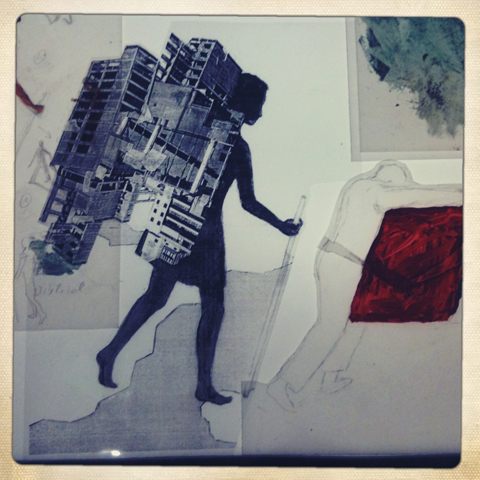
Olga Szynkarczuk S/S 2012 by Gareth A Hopkins
Olga Szynkarczuk S/S 2012 by Gareth A Hopkins.

I loved Olga Szynkarczuk‘s show on Sunday. BIOmimicry featured plenty of neon fabrics mixed with clever textured knitwear, sheers and laser cut showpieces, all worn with oversized perspex visors and accessorised with on trend clutches. Shapes were rounded at hemlines and around shoulders, with cut-out details a big feature of summery ice-cream coloured separates. Metallic highlights culminated with the most amazing final creation – a flexible laser cut top with a huge hooped train.

Olga Szynkarczuk Fashion Week Poland SS 2012-photography by Amelia Gregory
Olga Szynkarczuk S/S 2012. All photography by Amelia Gregory.

I was delighted to discover that Olga Szynkarczuk works according to fair-trade principals, using organic materials where possible and working with craftspeople to modernise traditional techniques. Her exhibition was inspired by an exhibition called My Way by artist Jean Michel Othoniel (who designed the new Swatch watches) and the spectacle of Planet Lem at the Biuro Podrozy Theatre. ‘It is an analysis of society and its weaknesses contrasted with the superhuman world of outer space and robots.’ She is currently based in London, and I was told that she has just secured a full time job designing for a well known high street brand. I hope she still finds the time to create her own collections, because her talent is too good to be lost.

Olga Szynkarczuk Fashion Week Poland SS 2012-photography by Amelia Gregory

Categories ,Biuro Podrozy Theatre, ,craft, ,fairtrade, ,Fashion Philosophy Fashion Week Poland, ,Futurism, ,Gareth A Hopkins, ,Jean-Michel Othoniel, ,knitwear, ,Lodz, ,My Way, ,Neon, ,Olga Szynkarczuk, ,Planet Lem, ,S/S 2012, ,Sheer, ,Swatch, ,traditional

Similar Posts: