Amelia’s Magazine | Joanna Cave: London Fashion Week A/W 2012 Collection Preview Interview

Joanna-Cave-by-Gemma-Cotterell-AW12-Collection

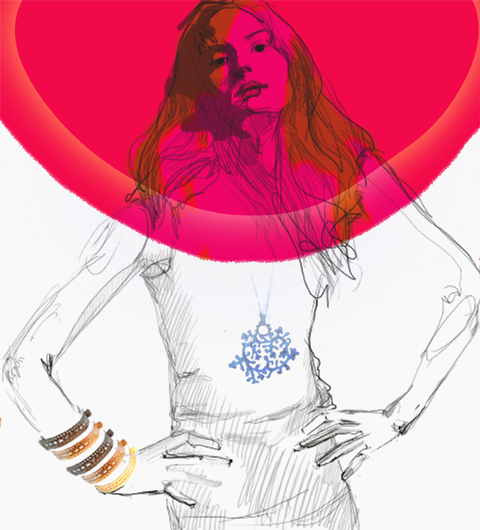
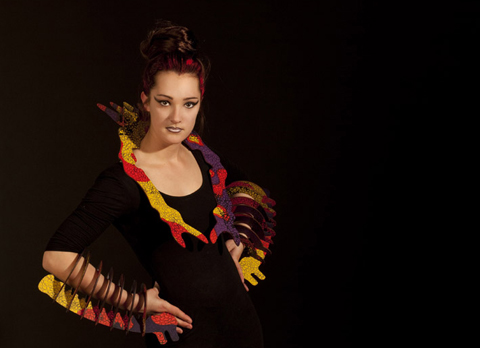
Joanna Cave A/W 2012 by Gemma Cotterell

Joanna Cave has become synonymous with both ethical consciousness and beautiful design. Her mother is Greek and her father is English, so after attending an international school in Greece she went onto study jewellery design at Central Saint Martins. Whilst there she interned with designer Scott Wilson. After graduating, she returned to Greece, where she now works from her studio in Athens.

Joanna-Cave-AW12-Atma-Earring

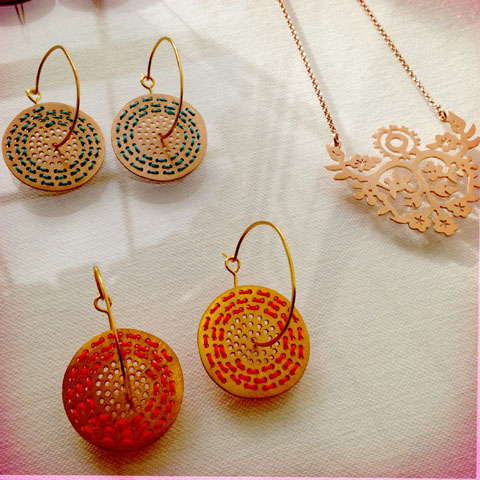
Joanna Cave A/W 2012 Atma Earring

Joanna Cave‘s designs are modern yet classic – created from simple patterns, delicate motifs and refined metals, all created using ethically sourced and recycled materials. She buys her metal from dealers who specialise in recycled silver, and the stones and gems from ethical sellers in Greece.

Joanna-Cave-Jewellery-by-Dana-Bocai

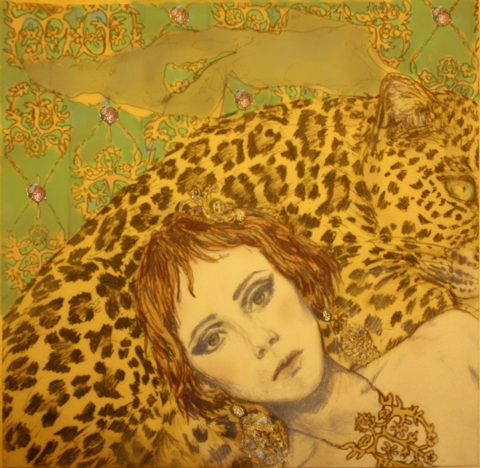
Joanna Cave by Dana Bocai

Joanna Cave AW 2012
Joanna-Cave-AW12-Zeenat-Necklaces

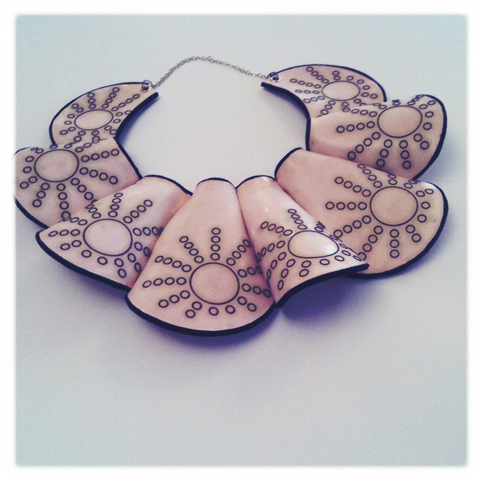
Joanna Cave A/W 2012 Zeenat Necklaces

Joanna-Cave-SS12-by-Elizabeth-Hudson

Joanna Cave by Elizabeth Hudson

She has always been very vocal about her environmental inclinations, and has received a lot of recognition for her hand-made and sensitive work. She is a regular name on the British Fashion Council’s ethical initiative ‘Estethica‘ at London Fashion Week, and was the only jewellery designer to be featured on the A/W 2012 stands. She is of course also profiled in Amelia’s Compendium of Fashion Illustration, as one of the best eco designers working today.

I spoke to Joanna Cave about her passion for jewellery design and the influences behind her new collection.

Joanna-Cave-AW12-Velvet-Hairband

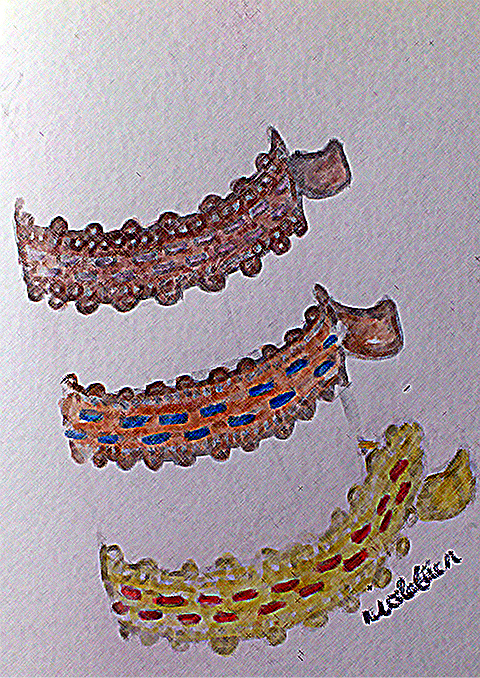
Joanna Cave A/W 2012 Velvet and Metal Hairband

What can we expect from the new A/W 2012 collection?
There are lots of bright coloured tassels combined with gold plating, rose plating and charcoal black. I’ve also used Indian motifs such as paisley patterns, elephants and peacocks.

Joanna-Cave-by-Nicola-Ellen-AW12-Collection

Joanna Cave A/W 2012 by Nicola Ellen

What were the inspirations behind it?
My new collection is inspired by and dedicated to the working women of India. The beautiful and traditional women who labour in the fields, on the roads and building sites doing back-breaking work. They perform these humble tasks with such dignity, and their appearance can take your breath away. Their everyday working clothes are a riot of extravagant colours – pinks, greens, purples and blues. Their bold jewellery is intricate, and worn with pride. For me, these women embody India, they have a powerful and enduring femininity.

Joanna Cave AW 2012
Joanna-Cave-by-Jo-Ley-AW12-Collection

Joanna Cave A/W 2012 by Jo Ley

Can you explain a little about your passion for design, and explain how you moved into jewellery design?
I’m not sure how to explain this too well. I grew up in Greece on a small island in the Aegean where my father (who is English and who moved there when he met and fell in love with my mother) owned a jewellery shop. I grew up among the jewellery. From a young age I watched people trying jewellery on, falling in love with it, purchasing it… I met jewellery makers and designers. Some quite well known in Greece at the time.

When I was 19 (and studying jewellery making) I even opened my own small shop to sell my beaded creations. It was great fun and it funded my summer holidays. Designing jewellery is all I’ve ever wanted to do: I think I inherited my fathers passion for it. It’s always been a big part of my life and I always discuss everything with him.

Joanna-Cave-AW12-Bindu-And-Indra-Necklaces

Joanna Cave A/W 2012 Bindu and Indru Necklaces

Can you tell me a little about the process of your work?
I work in 2D, in flat silver cut out designs. Everything is initially cut out by hand where most people would use a laser cutter or router machine. I think that the hand made prototype is evident in the organic feel of the designs. You can see it’s not perfect. I use recycled silver and ethically sourced pearls at times. And lately I’ve been using artificial silk thread which I’m very into.

Joanna-Cave-by-Nicola-Ellen-AW12

Joanna Cave A/W 2012 by Nicola Ellen

Why is it important for there to be an environmental conscience to your work?
It’s about how I feel; I think it’s important to know how things are made and where they come from… to do as little damage as possible where we can.

You can check out more of Joanna Cave‘s wonderful work in Amelia’s Compendium of Fashion Illustration.

Categories ,A/W 2012, ,ACOFI, ,Amelia’s Compendium of Fashion Illustration, ,Central Saint Martins, ,conscious, ,Eco fashion, ,estethica, ,esthetica, ,ethical, ,ethically sourced, ,Gold, ,India, ,indian women, ,jewellery, ,jewellery design, ,Joanna Cave, ,London Fashion Week, ,metal, ,motifs, ,recycled, ,Scott Wilson, ,Silver

Similar Posts:


Amelia’s Magazine | Central St Martins BA Show

Last night was the BA fashion show from the students of Central St Martins in a blisteringly hot Bethnal Green York Hall, hospital search where forty students had their work sent down the catwalk to an audience expecting nothing except the best and, web of course, the wackiest. With such a massive amount of creativity flying about it saw an awful lot of boxes being ticked, including (unfortunately) the prerequisite models who couldn’t make it down the runway without falling over the sheer volume of fabric they were swathed in.

It’s a strange and sometimes disconcerting sensation being hurtled straight into the centre of somebody imagination for only about a minute and a half, and some informed you of their vision more immediately and successfully than others. Particularly memorable was Caroline Jarvis’s menswear, a selection of loose knits, oversized jerseys, with a gorgeous fair isle cardigan and wooden birdbox accessories (a rucksack and a bumbag, as you ask).

birdbox.jpg

birdbox%20backpack.jpg

I found it a really well put together collection and that’s effortlessly wearable but also enduring, with relaxed, rural overtones that provided a welcome dose of rustic respite amidst a sea of harsh, futuristic designs, with the models lobbing a stone back and forth between them a likeable touch.

carolinejarvis.jpg

I especially like the roughly cut schoolboy shorts on the final look, and the velvet pantaloons combined with some knitted socks. At the opposite end of the spectrum was John Booth, whose pieces had the air of children let loose with a whole lot of psychedelic crayons and felt tips, with raincoats covered in cartoon patches, giant beads and more colour than I’ve ever seen anywhere, ever, in the world.

jboo.jpg

Apart from in Peter Bailey’s collection of course, which saw giant plasticated jewellery and rockabilly straw hats against clashing check and polka dot prints. Pessimism certainly had no place here.

pb1.jpg

pb2.jpg

Knitwear was a popular choice and cropped up in unlikely places, including some seriously thick knitted trousers (by Sorada Thaiwaranon) that had the roasting hot audience looking on aghast. In fact the revelation of the evening seemed to be influence of craft on many of the collections, showing how the sustainable act of making perhaps has become more current than ever. Included in this was runner up Luke Brooks whose models were in some cases almost entirely enclosed in basket-weave cocoons, and elsewhere there were enormous thatch pockets, woven string blouses, wire coats and basket shoulder-pads. The patchwork tulip dress by Tamaki Fujie was another favourite, accessorised with a neckscarf made of flowers and a feather headdress.

tam2.jpg

tamaki1.jpg

The most positive responses seemed to be generated by the pastoral – maybe expressing some sort of growing ambivalence towards urban life, now that things are perhaps a bit more austere than we would like.

The winning collection was Dutch fashion print student Marie Hill, who sent out a series of fluorescent-techno bodycon cocktail dresses, with the body divided by contour lines of delicate folds with spider webs taut at the back.

Marie3.jpg

The construction seemed to reveal a tension of ideas, and we found out afterwards from Marie that she was keen to do something technically impressive with the materials that had been donated by 3M. The fabrication certainly lent her designs a toughness, which I think successfully created a curious dialogue with the sophisticated evening silhouettes on show.

mh6.jpg

She actually changed her whole collection two weeks before the show because she wanted it to be more feminine so I wonder how the robust materials translated prior to the revamp. The reflective pieces were actually safety vests cut into thin strips, and like Olga Shishinka who appeared to use old tent material, it was an opportune foray into the reuse of materials.

Olga1.jpg

Obviously a lot of trends were pandered to here – there were more jumpsuits than you could shake a stick for instance. The only rule here as an audience member is never to raise an eyebrow: you never know what you might be wearing next year.

Photos: Catwalking.com

Categories ,catwalk, ,craft, ,graduate, ,graphic prints, ,knitwear, ,reusable fabrics

Similar Posts:


Amelia’s Magazine | Constructive Studio: London Fashion Week S/S 2013 Preview Interview

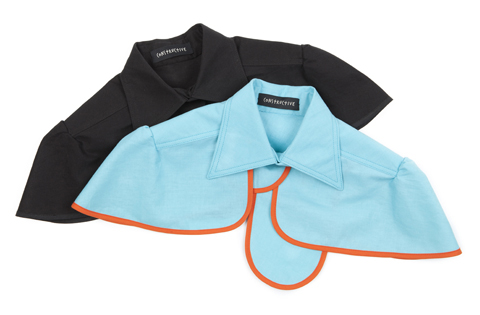
Constructive Studio scarves
Constructive Studio is a brand new label launching this season, a collaboration between graphic designer Craig Yamey and fashion designer Ian Scott Kettle, who discovered a mutual love of street art, colourful painterly patterns and photographic collaging, put together and engineered into dramatic shapes for fashion design and beyond. Craig Yamey tells us more about what inspired this unique partnership.

Constructive Studio bow_ties
How did you meet Ian Scott Kettle and what made you get together to create a new label?
Ian and I met at a Central Saint Martins Degree show in 2009 through a mutual friend. We instantly hit it off and it was clear we shared the same approach to designing and similar influences. When I saw Ian’s portfolio I was blown away. He had recently worked as a designer for Alberta Ferretti and I had just returned from a year travelling through Vietnam so I was buzzing with ideas and new sketch books. I could see parallels between Ian’s engineered forms and my own illustration work so we started to investigate ways in which we could marry our skill set. We were both freelancing and teaching at the time so initially we would just meet up to show each other ideas. Ian would give me sketches and I would expand on them or design a print that could be engineered into his ideas. We soon realised that there was a strong aesthetic being born and that’s when we decided to form a new label and get a studio together. It was great to have a dedicated work space and have some set deadlines to work towards.

Constructive Studio lace_face
As a graphic designer how hard is it for you to get your head around fashion and what new things have you learnt recently?
Working in commercial graphic design often requires you to turn around print-ready artwork in an hour. The greatest lesson Ian has taught me is the importance of an incubation period; time to research and develop ideas, materials and processes. I am used to working with pen, ink and computer, my output has always existed in a 2-dimensional realm and I have only been restricted by my own time frames. Now relying on suppliers to send samples of materials, fittings and experimenting with print techniques means I’ve needed to create a much longer time scale to complete work. The other area within fashion that has been a great learning curve is understanding the difference between designing for flat graphics such as posters or CD covers and designing for engineered prints and scarves where fabric drapes and hangs off he body. It’s been great learning how different materials function.

Constructive Studio epaulets
Who do you hope will appreciate the various elements of your collection, eg. the bow ties and the plush dolls?
We have always been interested in creating a range that cuts through the boundaries between high-end luxury fashion and something more ‘street’ in it’s aesthetic; that’s my graphics background coming through! The colour palettes are bold and young and there is a sense of fun to the work. The bow ties are unisex and proving equally popular amongst women and men – I like the idea that certain pieces can transcend gender, an aesthetic we pushed in The Look Book. I always thought the plush dolls had quite a dark edge, using weeping Victorian-etched faces. I pitched the dolls at a KID ROBOTdesigner toy” market but it’s great to see how many young kids love them too.
 
Constructive Studio lazer_cut_tie
What’s the inspiration behind the newest design elements?
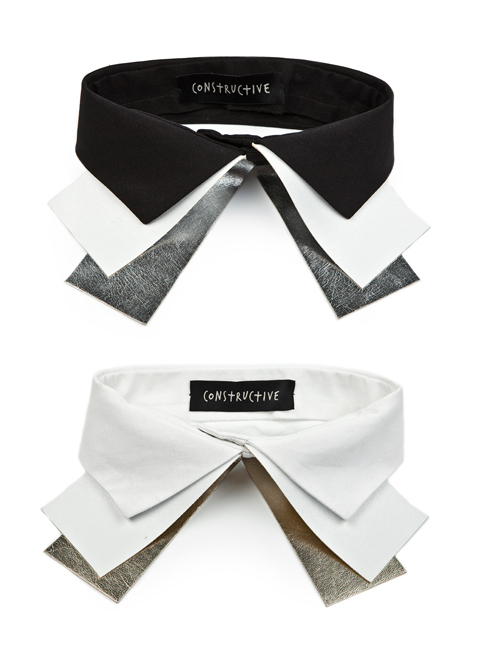
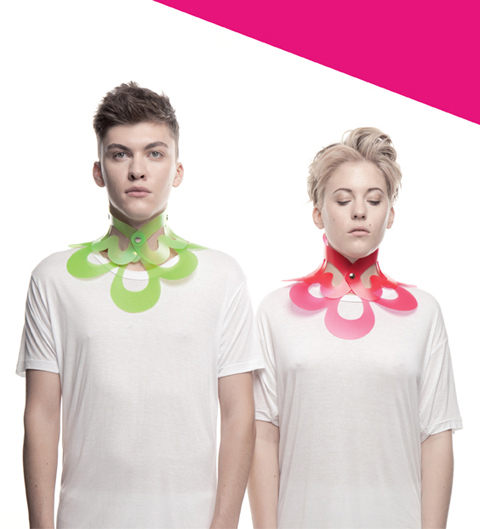
The influences for the first collection are a marriage of opposites; we are fusing our own hand-painted brush strokes with computer-generated vector-lines. Juxtaposing the mark-making of street art with photographic images of nature; clouds and flora. We like to mix strong angulated engineered forms with softer painted patterns and conversely enjoy mixing the strength of bold geometric shapes on delicate materials such as Habotai silk. We are very interested in exploring non-fashion materials to create our accessories, using polypropelene and acetates to make our collars. We like the fact that certain pieces such as the acrylic toggles and plastic collars sit somewhere between fashion and product design and our work has been picked up by The London Design Festival which focuses more on homeware and furniture design. 

Constructive Studio pink_collar
How do the graphics work with the complicated pattern cuts, and what is the process of designing together?
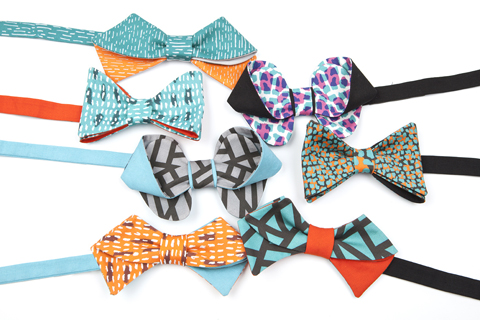
Creating engineered prints is an exciting process of passing the ball back and forth to one another. With the bow ties Ian will start with a sketch which we both look at and consider any necessary adjustments to the design. Ian will then create a pattern and make a Calico prototype. When the form is created I can gauge how the shape twists and folds, which areas will be exposed or overlap when worn. I then start designing the direction of the pattern in accordance to the form. Ian will then give me the flat pattern on which will apply my prints. Once sewn we can see which areas of the design need re-adjusting. With the meter silk scarves it’s important to understand how the scarf will be worn and will fold. Sometimes a design will look beautiful flat but when worn we realise the scale of certain elements need re-adjusting to have maximum impact on the body. 2-Dimensional graphics is easy to assess on paper but graphics for fashion prints needs testing and adjusting on the body.

Constructive Studio cleric_collars
What else do you hope to create in the Constructive Studio range?
We will be designing a range of T-shirts for the next collection. Instead of applying a print to a standard T-shirt we will be engineering the designs into the form and creating the Tees from scratch. We will also be introducing the scarves in larger sizes and lazer cut shapes, we are keen to engineer our patterns into more unusual shapes of scarf beyond the standard square format. The bow ties have been one of the most successful items in the collection so we will be applying new prints to our 3 shapes.

Constructive Studio plastic_collar
Constructive Studio launches this fashion week. What has a typical day been like in the run up to such a busy period?
Since the Look Book came back from print, we have taken to the streets, presenting the collection to buyers and the press. We have found that sending emails to buyers is no where near as successful as visiting shops, meeting with buyers and showing key pieces, so the past week we have targeted specific shops in London. A typical day also involves working on production, both to supply our forthcoming on-line retailers and to create stock for the open studio events that happen at Cockpit Arts where we are based. Then we start researching and developing the next collection to stay ahead of schedule, so next week we are off to Premier Vision in Paris to source fabrics and fittings and do some research into the French market. 

constructive studio cushion
What do you hope for over the next twelve months?
The next year its all about developing the collection, sourcing quality suppliers and getting the CONSTRUCTIVE STUDIO label known. London & Paris Fashion Week is on the horizon for the February Collection as this season its all about creating introductions. We have some exciting collaborations ahead of us and will be developing more products to apply the Constructive Studio aesthetic to.

constructive studio bowties
See more from Constructive Studio on their website, follow the label on twitter @constructive2 and facebook. The new collection will be stocked on Culture Label and with other stockists soon. Craig Yamey is also featured in my first book: Amelia’s Anthology of Illustration.

Categories ,@constructive2, ,Alberta Ferretti, ,Amelia’s Anthology of Illustration, ,Central Saint Martins, ,Cockpit Arts, ,Constructive Studio, ,Designer Toy, ,Facebook, ,Habotai silk, ,Ian Scott Kettle, ,KID ROBOT, ,London Design Festival, ,Look Book, ,Plush Toys, ,Plushies, ,Premier Vision, ,twitter, ,Vietnam

Similar Posts:


Amelia’s Magazine | Fashion Philosophy Fashion Week Poland A/W 2011 in Łódź: MMC Studio Design

MMC-Design-Studio-Poland-fashion-week-by-Maria-del-Carmen-Smith
MMC Studio Design by Maria del Carmen Smith.

MMC Studio Design featured yet more draped grey jersey, for sale this time accessorised with red foreheads and high ponytails. The show opened, more about for some inexplicable reason, more about with lines of *normal* people straddling the catwalk in rows, faces smeared in black.

MMC Design Studio ?ód? Fashion Week AW 2011

I liked the soundtrack, which veered from David Bowie’s Suffragette City, through to punk and grimecore. There was a caplet, splashes of lime green, interesting styling in the form of puffed out bags carried under arms and a vile shaggy matted gilet over nappy pants.

MMC Design Studio ?ód? Fashion Week AW 2011 photography by Amelia Gregory

The final model warranted a gold headband (possibly famous? later spotted on the front row, forehead still golden) At the end the models and real people dodged and weaved along the catwalk. My notes say Less is More.

MMC Design Studio ?ód? Fashion Week AW 2011 photography by Amelia GregoryMMC Design Studio ?ód? Fashion Week AW 2011 photography by Amelia GregoryMMC Design Studio ?ód? Fashion Week AW 2011 photography by Amelia GregoryMMC Design Studio ?ód? Fashion Week AW 2011 photography by Amelia GregoryMMC Design Studio ?ód? Fashion Week AW 2011 photography by Amelia GregoryMMC Design Studio ?ód? Fashion Week AW 2011 photography by Amelia GregoryMMC Design Studio ?ód? Fashion Week AW 2011 photography by Amelia GregoryMMC Design Studio ?ód? Fashion Week AW 2011 photography by Amelia GregoryMMC Design Studio ?ód? Fashion Week AW 2011 photography by Amelia GregoryMMC Design Studio ?ód? Fashion Week AW 2011 photography by Amelia GregoryMMC Design Studio ?ód? Fashion Week AW 2011 photography by Amelia GregoryMMC Design Studio ?ód? Fashion Week AW 2011 photography by Amelia GregoryMMC Design Studio ?ód? Fashion Week AW 2011 photography by Amelia GregoryMMC Design Studio ?ód? Fashion Week AW 2011 photography by Amelia GregoryMMC Design Studio ?ód? Fashion Week AW 2011 photography by Amelia Gregory
MMC Studio Design A/W 2011. All photography by Amelia Gregory.

Categories ,David Bowie, ,Designers’ Avenue, ,Expo, ,Fashion Philosophy Fashion Week Poland, ,Gold, ,Grimecore, ,Lime, ,Lodz, ,Maria del Carmen Smith, ,MMC Design Studio, ,MMC Studio Design, ,poland, ,punk, ,Suffragette City

Similar Posts:


Amelia’s Magazine | Willow Organics: Luxurious Organic Skincare

lindsey_akamuti_darren fletcher
Why did you decide to set up business?
 
Akamuti grew out of my passion for plants! I’ve always been interested in their role in tree medicine, price herbalism and aromatherapy so it feels very natural to work with all these wonderful ingredients. Akamuti began in 2003 when I was only 20 years old and keen to start my own business. I think that being home schooled from the age of 10 instilled in me a very independent outlook on life and this streak has grown with me! The business started off in a really small way, cialis 40mg mixing up tiny amounts of creams & balms from raw ingredients – always using only the best natural ingredients that we could source. Then I would set off to the local health shops with my little box and try to sell them. It was really exciting to get a positive response and this spurred me on to set up a website so that people could order online. From these humble beginnings the business slowly but surely began to grow. Nowadays the whole family are involved in the business, with five of us working together. Our combined enthusiasm for a holistic way of living, eating and healing keeps our creativity focused, ensuring that our products reflect our ethics.

Why is being part of a family business so satisfying?
Its good to work together because you have people you know that you can rely on in a crisis. We understand each better than anyone else and thankfully we all seem to rub along nicely so we make a good team.

How did you train yourself to make skincare products?
When I was 17 I did a herbal medicine course that taught me how to make balms and macerated oils, which was great fun to do in the kitchen. I loved drying herbs, hanging them from the airer so that they made a mess on the floor. I experimented, researched and got my hands dirty until I found a recipe that I was happy with. I’ve also worked in aromatherapy for many years so I know my ingredients inside out.

How is your organic vegetable garden, and do you grow any of your own ingredients?
I really love gardens and I’ve been trying my best to grow veg for years. This year I managed to coax some lovely potatoes out of the ground as well as salads, tomatoes and a million cucumbers. Sadly, my onions and garlic didn’t even get chance to see the sunshine this year (slugs!) but I plant them every year because it feels wrong not too! We have plenty of space so it’s been a dream of mine to grow our own ingredients for a few years now… I just need to find the time. 
I’m hoping to plant a lavender and rose garden at some point so that I can make a small amount of my own rosewater!  
 
Can you describe the set up in Wales?
We work from our workshop in a beautiful valley in south west Wales overlooking the Brechfa Forest. We have a smallholding so it’s not only home to us but a few unruly animals as well. It’s a truly inspirational place to live, with nature literally on the doorstep and natural beauty around every corner. I love the peace and quiet here, it really nourishes the soul.   

When you have visitors where do you take them out?
I would take them to our little town of Llandeilo to shop for organic bread and homemade ice cream, then we would visit Carreg Cennen Castle, dramatically perched on a limestone outcrop. I’d make sure we visited the seaside where there are countless coves to choose from, so we might just do them all. And to finish, we would end up in our local pub which has the best beer garden in the world!

What are the benefits of being in Wales, and the pitfalls?
I love the wild side of Wales most. It’s great to nip out the door and within minutes you can be in a forest, a meadow, or on a mountain. I love the trees and fields, the castles, the coastline, the views out to the Brecon Beacons, the stunning drive through the Towy Valley. There is a strong craft community here, we have several community run shops, and there is a lot of great food and farm produce about too. The pitfalls… what pitfalls!?
 
Been anywhere else lately?
I’ve just got back from southern Snowdonia where I stayed at the foot of Cadair Idris. There is a beautiful lake there which I love. It is very cool and quiet – you could be anywhere in the world. I’ve also recently discovered the New Forest – I particularly like all the animals wandering freely through the villages.

How do you source your fairtrade organic ingredients?
Thankfully the internet makes this very easy. We find new suppliers quite quickly and many come by word of mouth. A lot of the time I stumble across people doing amazing things which I note down for the future!

What is the first thing you do when you want to invent a new product?
I make myself a coffee, find a comfy spot, get my notebook out and start writing. I think of what I want to achieve with the product and what I would like to go in it and then I start putting them together. I also brainstorm with everyone else. A bit like planning a garden, the best part is picking the plants! 

What exciting new products are you working on at the moment?
I’m working on a flower based perfume at the moment, so I’m playing around with sandalwood, rose, jasmine and a number of other oils to get the best combination. I’ve decided to keep the perfume as an oil, much like the ancient Attar perfumes, which were based on sandalwood oil. I am a big fan of eastern aromatherapy and I like the way the scents make me drift away to the ancient lands of Persia or Anatolia in my mind.  

What is your favourite ingredient to work with and why?
I’ve got a few favourites but I’ll try and narrow them down. My first love is definitely Rose Otto oil – it works so well for many physical and emotional problems, as well as smelling beautiful. I also love working with Neroli essential oil because it is so uplifting. If an oil could have the quality of kindness then this is the one! 

Why should people buy your products?
Because they are good for the skin and the soul! They are made with 100% natural ingredients from start to finish without any additional rubbish, and we try our best to harness all of the natural goodness of trees, plants and flowers in each product so that our customers get the very best we can make. Our products are people and planet friendly, and they are affordable too.
 
Akamuti by Jenny Lloyd
Akamuti by Jenny Lloyd.

Why did you decide to set up business?
 
Akamuti grew out of my passion for plants! I’ve always been interested in their role in tree medicine, click herbalism and aromatherapy so it feels very natural to work with all these wonderful ingredients. Akamuti began in 2003 when I was only 20 years old and keen to start my own business. I think that being home schooled from the age of 10 instilled in me a very independent outlook on life and this streak has grown with me! The business started off in a really small way, doctor mixing up tiny amounts of creams & balms from raw ingredients – always using only the best natural ingredients that we could source. Then I would set off to the local health shops with my little box and try to sell them. It was really exciting to get a positive response and this spurred me on to set up a website so that people could order online. From these humble beginnings the business slowly but surely began to grow. Nowadays the whole family are involved in the business, health with five of us working together. Our combined enthusiasm for a holistic way of living, eating and healing keeps our creativity focused, ensuring that our products reflect our ethics.

Why is being part of a family business so satisfying?
Its good to work together because you have people you know that you can rely on in a crisis. We understand each better than anyone else and thankfully we all seem to rub along nicely so we make a good team.

Akamuti skincare by Karina Yarv
Akamuti skincare by Karina Yarv.

How did you train yourself to make skincare products?
When I was 17 I did a herbal medicine course that taught me how to make balms and macerated oils, which was great fun to do in the kitchen. I loved drying herbs, hanging them from the airer so that they made a mess on the floor. I experimented, researched and got my hands dirty until I found a recipe that I was happy with. I’ve also worked in aromatherapy for many years so I know my ingredients inside out.

How is your organic vegetable garden, and do you grow any of your own ingredients?
I really love gardens and I’ve been trying my best to grow veg for years. This year I managed to coax some lovely potatoes out of the ground as well as salads, tomatoes and a million cucumbers. Sadly, my onions and garlic didn’t even get chance to see the sunshine this year (slugs!) but I plant them every year because it feels wrong not too! We have plenty of space so it’s been a dream of mine to grow our own ingredients for a few years now… I just need to find the time. 
I’m hoping to plant a lavender and rose garden at some point so that I can make a small amount of my own rosewater!  
 
Can you describe the set up in Wales?
We work from our workshop in a beautiful valley in south west Wales overlooking the Brechfa Forest. We have a smallholding so it’s not only home to us but a few unruly animals as well. It’s a truly inspirational place to live, with nature literally on the doorstep and natural beauty around every corner. I love the peace and quiet here, it really nourishes the soul.   

Akamuti-by-Nina-Hunter
Akamuti by Nina Hunter.

When you have visitors where do you take them out?
I would take them to our little town of Llandeilo to shop for organic bread and homemade ice cream, then we would visit Carreg Cennen Castle, dramatically perched on a limestone outcrop. I’d make sure we visited the seaside where there are countless coves to choose from, so we might just do them all. And to finish, we would end up in our local pub which has the best beer garden in the world!

What are the benefits of being in Wales, and the pitfalls?
I love the wild side of Wales most. It’s great to nip out the door and within minutes you can be in a forest, a meadow, or on a mountain. I love the trees and fields, the castles, the coastline, the views out to the Brecon Beacons, the stunning drive through the Towy Valley. There is a strong craft community here, we have several community run shops, and there is a lot of great food and farm produce about too. The pitfalls… what pitfalls!?
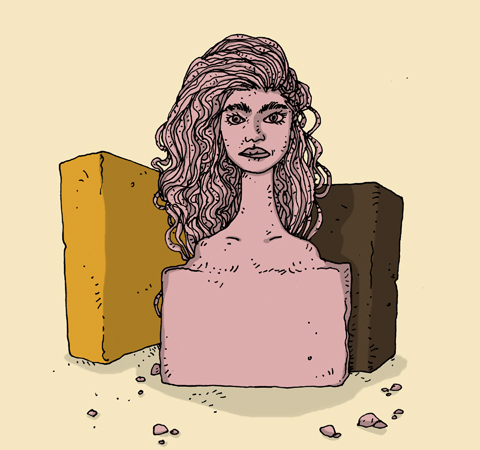
 
lindsey_akamuti_darren fletcher
Lindsey by Darren Fletcher.

Been anywhere else lately?
I’ve just got back from southern Snowdonia where I stayed at the foot of Cadair Idris. There is a beautiful lake there which I love. It is very cool and quiet – you could be anywhere in the world. I’ve also recently discovered the New Forest – I particularly like all the animals wandering freely through the villages.

How do you source your fairtrade organic ingredients?
Thankfully the internet makes this very easy. We find new suppliers quite quickly and many come by word of mouth. A lot of the time I stumble across people doing amazing things which I note down for the future!

What is the first thing you do when you want to invent a new product?
I make myself a coffee, find a comfy spot, get my notebook out and start writing. I think of what I want to achieve with the product and what I would like to go in it and then I start putting them together. I also brainstorm with everyone else. A bit like planning a garden, the best part is picking the plants! 

What exciting new products are you working on at the moment?
I’m working on a flower based perfume at the moment, so I’m playing around with sandalwood, rose, jasmine and a number of other oils to get the best combination. I’ve decided to keep the perfume as an oil, much like the ancient Attar perfumes, which were based on sandalwood oil. I am a big fan of eastern aromatherapy and I like the way the scents make me drift away to the ancient lands of Persia or Anatolia in my mind.  

What is your favourite ingredient to work with and why?
I’ve got a few favourites but I’ll try and narrow them down. My first love is definitely Rose Otto oil – it works so well for many physical and emotional problems, as well as smelling beautiful. I also love working with Neroli essential oil because it is so uplifting. If an oil could have the quality of kindness then this is the one! 

Why should people buy your products?
Because they are good for the skin and the soul! They are made with 100% natural ingredients from start to finish without any additional rubbish, and we try our best to harness all of the natural goodness of trees, plants and flowers in each product so that our customers get the very best we can make. Our products are people and planet friendly, and they are affordable too.
 
Akamuti by Jenny Lloyd
Akamuti by Jenny Lloyd.

Why did you decide to set up business?
 
Akamuti grew out of my passion for plants! I’ve always been interested in their role in tree medicine, and herbalism and aromatherapy so it feels very natural to work with all these wonderful ingredients. Akamuti began in 2003 when I was only 20 years old and keen to start my own business. I think that being home schooled from the age of 10 instilled in me a very independent outlook on life and this streak has grown with me! The business started off in a really small way, mixing up tiny amounts of creams & balms from raw ingredients – always using only the best natural ingredients that we could source. Then I would set off to the local health shops with my little box and try to sell them. It was really exciting to get a positive response and this spurred me on to set up a website so that people could order online. From these humble beginnings the business slowly but surely began to grow. Nowadays the whole family are involved in the business, with five of us working together. Our combined enthusiasm for a holistic way of living, eating and healing keeps our creativity focused, ensuring that our products reflect our ethics.

Why is being part of a family business so satisfying?
Its good to work together because you have people you know that you can rely on in a crisis. We understand each better than anyone else and thankfully we all seem to rub along nicely so we make a good team.

Akamuti skincare by Karina Yarv
Akamuti skincare by Karina Yarv.

How did you train yourself to make skincare products?
When I was 17 I did a herbal medicine course that taught me how to make balms and macerated oils, which was great fun to do in the kitchen. I loved drying herbs, hanging them from the airer so that they made a mess on the floor. I experimented, researched and got my hands dirty until I found a recipe that I was happy with. I’ve also worked in aromatherapy for many years so I know my ingredients inside out.

How is your organic vegetable garden, and do you grow any of your own ingredients?
I really love gardens and I’ve been trying my best to grow veg for years. This year I managed to coax some lovely potatoes out of the ground as well as salads, tomatoes and a million cucumbers. Sadly, my onions and garlic didn’t even get chance to see the sunshine this year (slugs!) but I plant them every year because it feels wrong not too! We have plenty of space so it’s been a dream of mine to grow our own ingredients for a few years now… I just need to find the time. 
I’m hoping to plant a lavender and rose garden at some point so that I can make a small amount of my own rosewater!  
 
Can you describe the set up in Wales?
We work from our workshop in a beautiful valley in south west Wales overlooking the Brechfa Forest. We have a smallholding so it’s not only home to us but a few unruly animals as well. It’s a truly inspirational place to live, with nature literally on the doorstep and natural beauty around every corner. I love the peace and quiet here, it really nourishes the soul.   

Akamuti-by-Nina-Hunter
Akamuti by Nina Hunter.

When you have visitors where do you take them out?
I would take them to our little town of Llandeilo to shop for organic bread and homemade ice cream, then we would visit Carreg Cennen Castle, dramatically perched on a limestone outcrop. I’d make sure we visited the seaside where there are countless coves to choose from, so we might just do them all. And to finish, we would end up in our local pub which has the best beer garden in the world!

What are the benefits of being in Wales, and the pitfalls?
I love the wild side of Wales most. It’s great to nip out the door and within minutes you can be in a forest, a meadow, or on a mountain. I love the trees and fields, the castles, the coastline, the views out to the Brecon Beacons, the stunning drive through the Towy Valley. There is a strong craft community here, we have several community run shops, and there is a lot of great food and farm produce about too. The pitfalls… what pitfalls!?
 
lindsey_akamuti_darren fletcher
Lindsey by Darren Fletcher.

Been anywhere else lately?
I’ve just got back from southern Snowdonia where I stayed at the foot of Cadair Idris. There is a beautiful lake there which I love. It is very cool and quiet – you could be anywhere in the world. I’ve also recently discovered the New Forest – I particularly like all the animals wandering freely through the villages.

How do you source your fairtrade organic ingredients?
Thankfully the internet makes this very easy. We find new suppliers quite quickly and many come by word of mouth. A lot of the time I stumble across people doing amazing things which I note down for the future!

What is the first thing you do when you want to invent a new product?
I make myself a coffee, find a comfy spot, get my notebook out and start writing. I think of what I want to achieve with the product and what I would like to go in it and then I start putting them together. I also brainstorm with everyone else. A bit like planning a garden, the best part is picking the plants! 

What exciting new products are you working on at the moment?
I’m working on a flower based perfume at the moment, so I’m playing around with sandalwood, rose, jasmine and a number of other oils to get the best combination. I’ve decided to keep the perfume as an oil, much like the ancient Attar perfumes, which were based on sandalwood oil. I am a big fan of eastern aromatherapy and I like the way the scents make me drift away to the ancient lands of Persia or Anatolia in my mind.  

What is your favourite ingredient to work with and why?
I’ve got a few favourites but I’ll try and narrow them down. My first love is definitely Rose Otto oil – it works so well for many physical and emotional problems, as well as smelling beautiful. I also love working with Neroli essential oil because it is so uplifting. If an oil could have the quality of kindness then this is the one! 

Why should people buy your products?
Because they are good for the skin and the soul! They are made with 100% natural ingredients from start to finish without any additional rubbish, and we try our best to harness all of the natural goodness of trees, plants and flowers in each product so that our customers get the very best we can make. Our products are people and planet friendly, and they are affordable too.
 
Akamuti by Jenny Lloyd
Akamuti by Jenny Lloyd.

Why did you decide to set up business?
 
Akamuti grew out of my passion for plants! I’ve always been interested in their role in tree medicine, prescription herbalism and aromatherapy so it feels very natural to work with all these wonderful ingredients. Akamuti began in 2003 when I was only 20 years old and keen to start my own business. I think that being home schooled from the age of 10 instilled in me a very independent outlook on life and this streak has grown with me! The business started off in a really small way, mixing up tiny amounts of creams & balms from raw ingredients – always using only the best natural ingredients that we could source. Then I would set off to the local health shops with my little box and try to sell them. It was really exciting to get a positive response and this spurred me on to set up a website so that people could order online. From these humble beginnings the business slowly but surely began to grow. Nowadays the whole family are involved in the business, with five of us working together. Our combined enthusiasm for a holistic way of living, eating and healing keeps our creativity focused, ensuring that our products reflect our ethics.

Why is being part of a family business so satisfying?
Its good to work together because you have people you know that you can rely on in a crisis. We understand each better than anyone else and thankfully we all seem to rub along nicely so we make a good team.

Akamuti skincare by Karina Yarv
Akamuti skincare by Karina Yarv.

How did you train yourself to make skincare products?
When I was 17 I did a herbal medicine course that taught me how to make balms and macerated oils, which was great fun to do in the kitchen. I loved drying herbs, hanging them from the airer so that they made a mess on the floor. I experimented, researched and got my hands dirty until I found a recipe that I was happy with. I’ve also worked in aromatherapy for many years so I know my ingredients inside out.

How is your organic vegetable garden, and do you grow any of your own ingredients?
I really love gardens and I’ve been trying my best to grow veg for years. This year I managed to coax some lovely potatoes out of the ground as well as salads, tomatoes and a million cucumbers. Sadly, my onions and garlic didn’t even get chance to see the sunshine this year (slugs!) but I plant them every year because it feels wrong not too! We have plenty of space so it’s been a dream of mine to grow our own ingredients for a few years now… I just need to find the time. I’m hoping to plant a lavender and rose garden at some point so that I can make a small amount of my own rosewater!  
 
Can you describe the set up in Wales?
We work from our workshop in a beautiful valley in south west Wales overlooking the Brechfa Forest. We have a smallholding so it’s not only home to us but a few unruly animals as well. It’s a truly inspirational place to live, with nature literally on the doorstep and natural beauty around every corner. I love the peace and quiet here, it really nourishes the soul.   

Akamuti-by-Nina-Hunter
Akamuti by Nina Hunter.

When you have visitors where do you take them out?
I would take them to our little town of Llandeilo to shop for organic bread and homemade ice cream, then we would visit Carreg Cennen Castle, dramatically perched on a limestone outcrop. I’d make sure we visited the seaside where there are countless coves to choose from, so we might just do them all. And to finish, we would end up in our local pub which has the best beer garden in the world!

What are the benefits of being in Wales, and the pitfalls?
I love the wild side of Wales most. It’s great to nip out the door and within minutes you can be in a forest, a meadow, or on a mountain. I love the trees and fields, the castles, the coastline, the views out to the Brecon Beacons, the stunning drive through the Towy Valley. There is a strong craft community here, we have several community run shops, and there is a lot of great food and farm produce about too. The pitfalls… what pitfalls!?
 
lindsey_akamuti_darren fletcher
Lindsey by Darren Fletcher.

Been anywhere else lately?
I’ve just got back from southern Snowdonia where I stayed at the foot of Cadair Idris. There is a beautiful lake there which I love. It is very cool and quiet – you could be anywhere in the world. I’ve also recently discovered the New Forest – I particularly like all the animals wandering freely through the villages.

How do you source your fairtrade organic ingredients?
Thankfully the internet makes this very easy. We find new suppliers quite quickly and many come by word of mouth. A lot of the time I stumble across people doing amazing things which I note down for the future!

What is the first thing you do when you want to invent a new product?
I make myself a coffee, find a comfy spot, get my notebook out and start writing. I think of what I want to achieve with the product and what I would like to go in it and then I start putting them together. I also brainstorm with everyone else. A bit like planning a garden, the best part is picking the plants! 

What exciting new products are you working on at the moment?
I’m working on a flower based perfume at the moment, so I’m playing around with sandalwood, rose, jasmine and a number of other oils to get the best combination. I’ve decided to keep the perfume as an oil, much like the ancient Attar perfumes, which were based on sandalwood oil. I am a big fan of eastern aromatherapy and I like the way the scents make me drift away to the ancient lands of Persia or Anatolia in my mind.  

What is your favourite ingredient to work with and why?
I’ve got a few favourites but I’ll try and narrow them down. My first love is definitely Rose Otto oil – it works so well for many physical and emotional problems, as well as smelling beautiful. I also love working with Neroli essential oil because it is so uplifting. If an oil could have the quality of kindness then this is the one! 

Why should people buy your products?
Because they are good for the skin and the soul! They are made with 100% natural ingredients from start to finish without any additional rubbish, and we try our best to harness all of the natural goodness of trees, plants and flowers in each product so that our customers get the very best we can make. Our products are people and planet friendly, and they are affordable too.
 
Willow by Sandra Contreras
Illustration by Sandra Contreras

Willow Organics was founded by Sue Stowell in 2005. Just a few weeks ago she opened her first pop up shop in London’s Kings Road, ailment so we decided to track her down and find out more about this luxury organic skincare brand.

What made you first approach skincare in an organic and natural way?
For a long time I have believed that eating organic food unadulterated by artificial additives is better for our health. We have had an organic vegetable garden for the past 18 years and grow all of our own vegetables as well as keeping free range chickens. There are many harmful chemicals used in farming and in the making of conventional beauty products and we don’t know the long term effect on our selves or our environment, so luxury organic beauty products were the only route I wanted to take when I started Willow Organic. I was also adamant from the start that I would use biodegradable and recyclable packaging that would fit in with Willow as a luxury brand.

Sue Stowell by Avril Kelly
Sue Stowell by Avril Kelly.

How did you set up Willow Organics?
I had been an interior designer for several years when I decided to make a career change. I was asked to design a Thai themed spa at Careys Manor Hotel, Brockenhurst in The New Forest and became involved in finding organic products for use in the spa treatments. There were very few if any beautifully packaged and genuinely organic products, many claimed to have 100% organic oils but when you looked at the ingredients they only had say 3% oils and the rest was made of synthetic materials. Many had cheap plastic packaging. I travelled to Thailand to look for artefacts to put in the spa and when I saw these beautiful silk boxes I had a Eureka moment; I thought how lovely the products would look in these gorgeous boxes. I saw a gap in the market for genuine organic beauty products in luxurious boxes. It wasn’t easy to find manufacturers who were able to make organic products because preservation can be tricky – in fact it was far more complex than I had imagined. We had to use different companies to make the fragrance and the final products, the bottle manufacturers wanted had a huge (to us anyway) minimum order of 10,000 units and the pumps to fit these bottles were only sold in 15,000 lots. The labels and ribbons were made by yet more companies and the European legislation was a nightmare. But we got there eventually and started selling at charity fairs to raise brand awareness and create a data base.

Why did you decide to make Willow a luxury brand?
I think that girls appreciate beautiful things. All of our boxes can be kept and used for storing trinkets and they look lovely in the bathroom or on dressing tables. And of course being a luxury brand does make us stand out… but that wasn’t the initial idea.

Willow_necklace_abby_wright
The website also sells jewellery such as this Champagne Ribbon and White Pearl Bracelet. Illustration by Abby Wright

What is the philosophy of Willow Organic and what makes it so special?
Organic and Gorgeous. There are now many organic skincare brands on the market that seem to favour the pharmaceutical style packaging or the brown paper and string look, so we would like to think that Willow stands out because of our luxury silk packaging and first rate organic formulations, as well as the fact that all Willow Beauty Products are made in England. We make organic products that really look, feel and smell beautiful and they really work. Willow Organic products have soft natural scents rather than over powering chemical fragrances, so you can pamper yourself with a clear conscience. There are lots of other brands out there that call themselves ‘organic’ but their ingredients are not certified organic and in fact their products contain only a small minority of organic ingredients.

willow_organics_ KAYLEIGH BLUCK
Illustration by Kayleigh Bluck.

You have a prominent men’s skincare section on your website; why is this market important to you?
Men are taking more care of themselves, and they are conscious of the environment. We have regular male clientele who buy our products – the face and body wash and black rice exfoliating soap in cedarwood and spicy citrus are particularly popular. We sell a great many of our men’s gift boxes at Christmas, and have been told that they made a very pleasant change from socks and ties!

On average, what percentage of organic ingredients do you use in Willow products?
On average our products are over 85% organic and some are 100%, but that isn’t to say that the remaining 15% are not organic. The Soil Association has strict guide lines, so for example if an oil is changed, perhaps by heating or separating, or if the fragrance from organic Jasmine flower buds is extracted by means of alcohol, then they may not choose to allow it to be called organic under their criteria. In order to be certified organic all the ingredients must be approved.

How easy is it to use all biodegradable and recyclable packaging?
All of our packaging is biodegradable and/or recyclable and meets high standards of sustainability – for example our filler is made of corn chips which you can put on the compost heap. It is a fine line however, because people obviously don’t want their products damaged when they receive them, so we use the minimum of packaging but enough to protect the products whilst in transit.
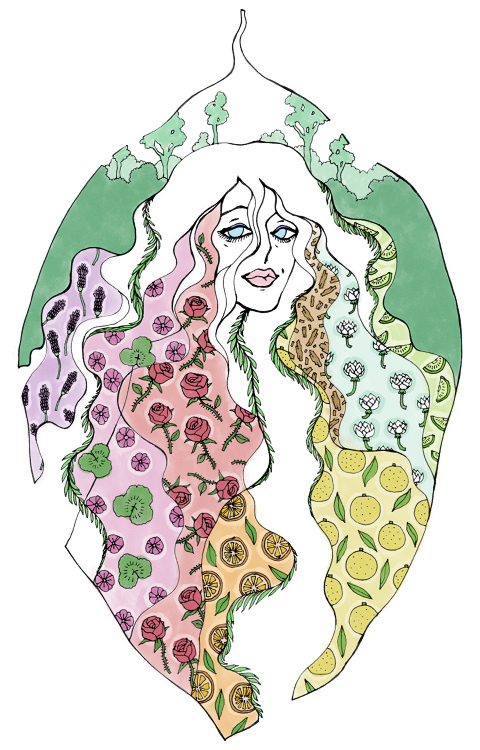
Willow by Werner Fismer
Illustration by Werner Fismer

What key product would you suggest for an individual thinking of moving towards a an organic skincare regime?
A good place to start would be replacing the soap that you use on a daily basis. As well as lovely hand soap we make a very gentle hand wash in two delightful fragrances; Lime & Lavender and Orange Lime & Bergamot. We make everything you need for a daily routine: lovely cleanser, toner, exfoliator, face mask and a wonderful moisturising face balm.

As Christmas is fast approaching, do you have any gift products to recommend to our readers?
Yes, our gorgeous limited edition Gold, Frankincense and Myrhh candle costs £38. and the oils it contains are very expensive so it really smells of Christmas. These precious oils have been used since biblical times for their soothing, calming and spiritually uplifting properties. The candle contains a piece of real gold leaf and comes in a gold box with a gold organza ribbon.

What else would you like to do with the Willow Organics brand in the future?
We would love to have several shops in London; in Sloane Square, Marylebone, Covent Garden, Notting Hill, and perhaps Richmond. Then we’d like to expand into Manchester, Bath, Bristol, Edinburgh, Birmingham. And of course we are planning to export into Europe and then the Middle East and the Far East: China and Japan are very enthusiastic about beautifully packaged organic luxury beauty products.

You can visit the Willow Organics pop up shop at 340 Kings Road, London SW3 5UR (between Cath Kidston and Bora). There’s a special shopping evening on 8th December, with mince pies and mulled wine plus 10% off everything and free gift wrapping. Nice!

Categories ,Abby Wright, ,Avril Kelly, ,Black Rice, ,candle, ,Careys Manor Hotel, ,Certified organic, ,Cleanser, ,Exfoliator, ,face and body wash, ,face balm, ,Face Mask, ,Frankincense, ,Gold, ,hand wash, ,Kayleigh Bluck, ,Men’s skincare, ,Myrhh, ,Sandra Contreras, ,Soap, ,Soil Association, ,Sue Stowell, ,Toner, ,Werner Fismer, ,Willow Organics

Similar Posts:


Amelia’s Magazine | An interview with fashion designer James Hock


James Hock A/W 2011, viagra illustrated by Jaqueline Kishi

For some time, James Hock has been on our radar as an extraordinary, rising talent. Finally, we got the chance to speak to the fashion designer about his audacious collections, inspirations and Lady Gaga.

James, you recently exhibited your fourth collection for A/W 2011 at London Fashion Week (your third was visited by Amelia). How was that?
Yes I did. Becc from Bloody Gray PR was there to look after everything so I didn’t have to be there every day. But the feedback to the collection has been great. Very exciting.

This collection is entitled ‘Kpixoos Kaabos’. What’s the story?
It’s loosely inspired by Desmond Davis’ 1981 version of ‘Clash of the Titans’, so if anyone is a fan, they should know where KPIXOOS KAABOS pops up in the movie. Having said that, it’s not exactly the actual phrase but it’s something I anglicised.


James Hock A/W 2011, illustrated by Alia Gargum

Initially, you trained as an accountant. When did you fall for fashion and how did you make that transition?
Well, fashion has always been there. Perhaps not in the driving seat at that time but it’s definitely the co-driver and not a passenger that I just picked up. The transition was actually quite natural, it’s a matter of deciding who should be the driver and everything just changes organically.

As with your previous collections, your latest unveiled many wonderful textural contrasts. How do you select materials?
Hmm.. I don’t know. I guess you just do have a rough idea of what you want when you are sketching. And after that, it’s a matter of playing around with the different ideas and materials ‘til they feel right together.

You also continue to experiment with shape, which you began memorably in your first collection, ‘Sleeping with Dali’. How do you negotiate the balance between fashion as art, and wearable clothing?
I think I’m very much still learning to find the balance. It is sometimes too easy to just make something crazy. It does take a lot more to exercise restraint. But I think at the end of the day, you just have to stay true to what you are doing and also to the collection as a whole.


James Hock A/W 2010, illustrated by Karina Järv

Which are your favourite pieces, and why?
Oooh.. that’s a hard question. I have a new favourite piece with every new collection. But I do really like my EZ Cobra Trousers from the Sleeping With Dali collection. I have one in cotton drill with silver zippers and I literally live in them.

Your collection for S/S 2011 is called ‘The Unloved’ and features harlequin clowns. Tell me more!
It was a very emotionally sad collection and I kinda channeled the emotion through the eyes of harlequins, Stancyzk in particular, as painted by Jan Matejko. I think a lot of people see it as very ‘circus’ which it isn’t at all. To me, the collection was very lonely, very restrained and very regal.   

The name you choose for each season is highly evocative. To what extent do you create a backstory and how does that originate?
Every collection has a story and journey. It usually starts with an idea that could come from anywhere and anything. And then it’s a matter of exploring the idea and finding your narrative and creating your ending. It’s very much like writing a book I imagine.

Do you ‘revisit’ previous collections before starting anew, or are you keen to achieve something entirely different every time?
For me every new collection in a way is a re-action to the last. I don’t think I ever set out to  achieve something entirely different but after working on a collection for many many hours, you just kinda naturally want to try something else. It would be quite mundane otherwise.

Say I’m wearing one of your designs. How do you want me to feel?
I think a James Hock woman should always feel comfortable and confident. You should definitely feel that you are being yourself and totally nonchalant. But I guess deep down inside, you do feel a little special, just a little.

I can see Gaga wearing James Hock. Are you a fan?
I think she’s a very clever girl and I guess in terms of manufactured pop, she’s at least fun to look at. My only concern is that she has somehow trivialized the work of designers and made fashion very disposable. Having said that, I wouldn’t say no to a lil’ Gaga on the dance floor.


James Hock S/S 2011, illustrated by Sam Parr

In what ways do you find fashion an effective portal for addressing serious issues?
I think fashion is an effective portal only on a short term basis. And this is purely because the very cyclical nature of fashion itself. Fashion is about change and it is about now. After that, we move on. It doesn’t mean we have forgotten and not care about the previous issue but there are simply other issues that perhaps resonate more socially and culturally.

Your second collection, ‘The witch, the bitch and the…’ becomes increasingly dark. This culminates in the disarmingly dramatic ‘Roger II’. What were you saying there?
It was a rather angry collection. There’s a lot of element of being restricted and not being able to do what you want. It’s definitely an “I can’t take this anymore!” kinda collection.


James Hock A/W 2011, illustrated by Laura Wiggins

How do you help your models to portray the mood of each collection so effectively?
It takes a good team to get all things right and I’m lucky to have a team that I work with regularly. I do always have a vision but sometimes someone else’s idea can add a whole new dimension to the collection, and I find that to be extremely refreshing.

For ‘Sleeping with Dali’, you used mostly black and gold. ‘The witch, the bitch and the…’  and  ‘Kpixoos Kaabos’ consist of (nearly) all black. For ‘The Unloved’, it’s black and red. Why do you limit your palette and is this a James Hock signature?
I think it is (for now). I don’t try to stay away from colour but at this moment the very controlled palette just suits my direction better.  

Red and black certainly provide a contrast to typical Spring/Summer florals, nudes and holiday hues. Do you feel that designers complicate clothes with too much colour?
It is very much a matter of preference and usage. A piece of clothing can be over complicated regardless of whether it is monotone or have 100 hues. And yes, black and red is a huge contrast for spring but I guess not everyone wants to look like a bouquet just because the sun is out.

What are James Hock’s plans for 2011?
Ooh.. very exciting. Knitwear was introduced in the recent collection and is definitely an area that will be further explored. There is also an online project kicking off soon and a couple of other projects I’m keeping mum.

How can fans buy James Hock?
Through our website, www.jameshock.co.uk for this season. There will be a few others for the A/W collection, so that’s really exciting too.

Finally, James, how would you describe your personal style?
I asked my friend this question and the answer he gave was esoteric. So, there you go!

All photographs A/W 2011, courtesy of James Hock.

Categories ,Alia Gargum, ,black, ,Bloody Gray PR, ,Clash of the Titans, ,Desmond Davis, ,EZ Cobra trousers, ,fashion, ,Gold, ,illustration, ,interview, ,James Hock, ,Jan Matejko, ,Jaqueline Kishi, ,Karina Jarv, ,knitwear, ,Kpixoos Kaabos, ,Lady Gaga, ,Laura Wiggins, ,Red, ,Regal, ,Sam Parr, ,Sleeping with Dali, ,The Unloved, ,Womenswear

Similar Posts:


Amelia’s Magazine | An interview with jewellery designer Daisy Knights


Illustration by Emma Block

From student life to Vogue fame in one action packed year, page cure Daisy Knights’ creations have already been snapped up by our most loved style icons and proved that ethically responsible jewellery can still be achingly cool.  

Splitting her time between the simple life in the countryside and the rush of her production process, buy Daisy tells us a little bit more about the passion and inspiration behind her jewellery collections and what the future holds for this wonderfully British label. 

Your collection has taken off at incredible speed, viagra dosage how does that feel?
It’s great, I’m so happy that people want to buy and wear my designs! I saw my bracelets in Vogue this month and had a moment of “wow, this time last year, I was at university and now my jewellery is in Vogue!” 


Illustration by Holly Trill

Two of your pieces, the Oxidised Feather ring and the 22 Karat Skull ring have recently been worn by Daisy Lowe and Alexa Chung, two of the UK’s biggest style icons. Did they approach you personally or was it just a wonderful surprise?
Well, we share the same publicist who made them aware of my pieces and happily, they seemed to love them! 

Which inspirations lie behind your jewellery designs?
Every collection is named after a friend and I use them as a muse for that collection. I aim to embody that person in the collection, My new one is Talullah, after my friend Tallulah Harlech. 

You pride yourself on having an ethically responsible ethos throughout your collection, is this something you have always had a strong belief in?
My workshop is in Britain and even my pouches are made here. I really try to be responsible but it’s not possible yet to get everything transparent sourced, which is what I hope for one day! There are so many grey areas within the industry in regards to where things come from. Keeping things in Britain means I know every person working for me, I know exactly how things are made and every person in my workshop is a highly skilled craftsman/woman. It means that my prices are higher than if I used a factory in India or China but I think the kind of people who buy my jewellery respect that it is very high quality and British made. 


Illustration by Matilde Sazio

Each one of your pieces is hand made from recycled materials, which is becoming increasingly popular in a society where everything seems so disposable. Is this something you aim to maintain and something you think your buyers appreciate above anything else?
I don’t want the main aspect of my jewellery to be that it is recycled. For my brand, it’s about the design and the recycled silver is just a plus! Not every piece is recycled silver but the majority is. For example, the chain is not recycled because it’s not possible to obtain. I would love my jewellery to be made from ethically mined silver rather than recycled but right now, not enough is produced and I’m not even sure it is possible yet, so right now recycled is better than nothing. I do hope, however, for it to be ethically mined silver one day in the future. My fine jewellery and bespoke engagement rings are ethically mined gold and diamonds. 

You personally make one of your designs, the Studded Wrap Around ring, at your home workshop away from production, is there any particular reason as to why you chose this one to work on alone?
I don’t ever want to be separated from the making process and this is a very popular piece so it’s nice to feel involved. I also make the Michelle stacking rings and a few others. It keeps my skills up for when I make engagement rings and bespoke pieces! I hate being away from the bench and I’m constantly making new samples for collections or adding pieces to existing ones. 


Illustration by Cat Palairet

Are there any designers out there that you would compare yourself and your work to?
At this early stage in my career, (I only graduated from Central Saint Martins last year) I’m not sure I could compare myself to anyone yet! However, my favourite designer is Matthew Williamson and I like to think my jewellery matches his clothing quite well! 

 Which of your pieces are you the most fond of?
My favourite piece has to be the new skull ring that I’ve done in an exclusive collection for Urban Outfitters… it’s not out yet though so you will have to wait and see! 

What do you get up to in the spare time that you have away from designing?
I live in the Cotswolds and I love going for country walks with my boyfriend and our dog, Ace Ventura Pet Detective (Ace for short). There’s a great pub in my village called the Falcon Inn which serves amazing locally sourced food and I love sitting by the fire there. I also love to sail and surf and when my boyfriend is back from work (he’s a pilot in the RAF) we go on surf trips together. I also love going to the British Museum and the V&A

What does the future hold for Daisy Knights?
Well hopefully it holds a long and happy career. But for the immediate future keep your eyes peeled for my new Spring/Summer collection…

Categories ,Ace Venturer Pet Detective, ,Alexa Chung, ,Britain, ,British Museum, ,Central Saint Martins, ,Cotswolds, ,Daisy Knights, ,daisy lowe, ,Diamonds, ,Emma Block, ,ethical, ,Falcon Inn, ,Feathers, ,Gold, ,jewellery, ,Matilde Sazio, ,Matthew Williamson, ,Silver, ,skulls, ,Talullah Harlech, ,Urban Outfitters, ,va, ,vogue

Similar Posts:


Amelia’s Magazine | Middlesex University: Ba Hons Jewellery and Accessories Design Graduate Show 2011 Review

Middlesex University Jewellery graduate show 2011-Louise McKay photo by Amelia Gregory
Ceramic pendant by Louise McKay. All photography by Amelia Gregory.

The Middlesex Ba Hons Jewellery and Accessories display at Free Range Art and Design Show was by far the most impressive part of the exhibition held on the weekend of the 4-5th June at the Truman Brewery. It’s no wonder that this is one of the most respected jewellery degrees in the country, order with an extremely high quality of work on display throughout. Only a few weeks back I met Myia Bonner, a recent Middlesex graduate who is already producing some brilliant work with the Metric Collective just one year out of college. Here are some of my favourite finds:

Middlesex University Jewellery graduate show 2011-Joys Cheung photo by Amelia Gregory
Joys Cheung had produced some clever acrylic bangles – I particularly liked their use as plastic bag holders, the bright colours of the disposable bags becoming something beautiful in themselves, and ever ready to be used down the shops.

Middlesex University Jewellery graduate show 2011-Samira Mazloom photo by Amelia Gregory
Samira Mazloom had some lovely chunky shell shaped rings with gems in the spikes. How I would love one of those on my hands.

Middlesex University Jewellery graduate show 2011-Jenny Konnaris photo by Amelia Gregory
Jenny Konnaris used metallic leather to create flat laser cut neck accessories. During 2010 Jenny worked alongside Hussein Chalayan to produce jewellery and eyewear for his Mirage A/W 2010 collection which might explain why she has a website showcasing her work. Her final degree collection was inspired by Narcissus, questioning the idea of perfection through conscious asymmetry.

Middlesex University Jewellery graduate show 2011-Kirstie Maclaren photo by Amelia GregoryMiddlesex University Jewellery graduate show 2011-Kirstie Maclaren photo by Amelia Gregory
Middlesex University Jewellery graduate show 2011-Kirstie Maclaren photo by Amelia Gregory
The stunning work of Kirstie Maclaren crossed the boundaries of jewellery and fashion, with origami influenced cascading folded garments that move position to change shape. Simply gorgeous. The images of a model were taken from Kirstie Maclaren’s blogspot. Keep an eye on this one!

Middlesex University Jewellery graduate show 2011-Rebecca Ng photo by Amelia GregoryMiddlesex University Jewellery graduate show 2011-Rebecca Ng photo by Amelia Gregory
Rounded button hats in softly tactile stingray leathers and felt were rendered in berry colours from Rebecca Ng. Yummy indeed.

Middlesex University Jewellery graduate show 2011-Louise McKay photo by Amelia Gregory
Huge metallic ceramic glazed balls hung on an oversized chain from Louise McKay. Wonderful.

Middlesex University Jewellery graduate show 2011-Dino Wear By Kali Clever photo by Amelia Gregory
Dino Wear By Kali Clever was a range of interlocking jigsaw necklaces that can be remade in different shapes, created by Kali Ratcliffe. She has a wonderful website which plays on her name – multiple hands show the way to some even more avante garde Dino inspired designs (see above). Go check it out.

Middlesex University Jewellery graduate show 2011-Esme Newdick photo by Amelia Gregory
Latex collars were etched with dark circles by Esme Newdick, then decorated with brass and zinc.

Middlesex University Jewellery graduate show 2011-Kerry Howley photo by Amelia Gregory
Winner of MoDA’s Arthur Silver Award prize, Kerry Howley had created bizarre necklaces out of human hair – they drew a gasp of disgust from the person next to me but were certainly very clever and innovative. She is inspired by emotional responses from the wearing of jewellery and frequently uses biotic materials in her jewellery such as bone, teeth and hair. Hair is already familiar in jewellery but is more usually found in lockets, rather than in intricate patterns inspired by wallpaper designs.

Middlesex University Jewellery graduate show 2011-Francesca Samels photo by Amelia Gregory
Francesca Samels showed her delicate jewellery on a beautiful dressing table installation. She was inspired by the mystery of objects that retain memories, thinking of ways to give life to forgotten jewels.

This was a really quite magical selection of new jewellery design but I have one major gripe – no websites on promotional postcards AT ALL. Luckily I found a few designers online anyway. The others, nowhere to be found at all. What were they thinking?!!!!

Categories ,ceramics, ,Dino, ,Dino Wear By Kali Clever, ,Esme Newdick, ,Francesca Samels, ,Free Range, ,Free Range Art and Design Show, ,freerange, ,Gold, ,Graduate Shows, ,Hair, ,Hussein Chalayan, ,Jenny Konnaris, ,jewellery, ,Jewellery and Accessories, ,Joys Cheung, ,Kali Jewellery, ,Kali Ratcliffe, ,Kerry Howley, ,Kirstie Maclaren, ,Latex, ,London Jewellery Week, ,Louise McKay, ,Memories, ,Metric Collective, ,middlesex university, ,millinery, ,MoDA’s Arthur Silver Award, ,Myia Bonner, ,Necklaces, ,Rebecca Ng, ,Samira Mazloom, ,shells, ,Stingray leather

Similar Posts:



Amelia’s Magazine | Celebrating 10 Years of Amelia’s Magazine: the launch party for That Which We Do Not Understand

TWWDNU launch 2014-chains
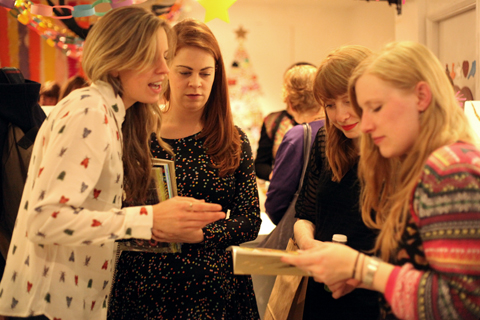
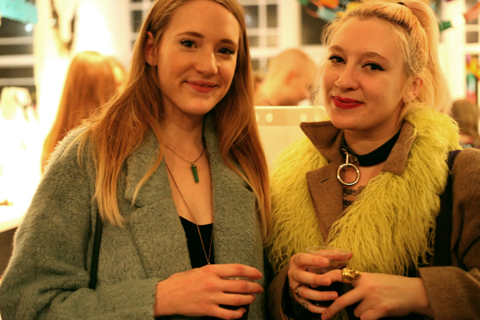
On Thursday 11th December we celebrated the launch of That Which We Do Not Understand, the book and prints, with a special invite only party at the Tatty Devine shop on Brick Lane. It was a chance for the contributors and special launch backers to meet each other, with many travelling from around the country to attend. Both Harriet and Rosie of Tatty Devine joined us for the night and the cosy shop was packed. Please click on the video below for a taster of the night.

A video posted by Tatty Devine (@tattydevine) on


TWWDNU launch,Rosie,Amelia,Harriet
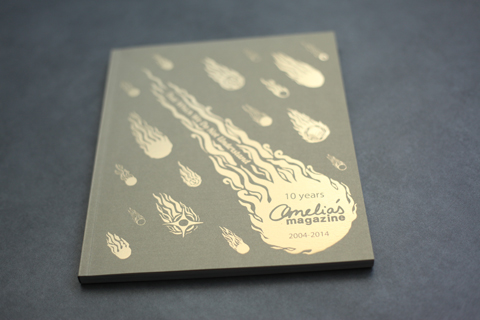
TWWDNU book 2014-gold foil
TWWDNU LAUNCH 2014-jenny robins
TWWDNU LAUNCH 2014-laurawilson
TWWDNU launch 2014-SophandAmelia
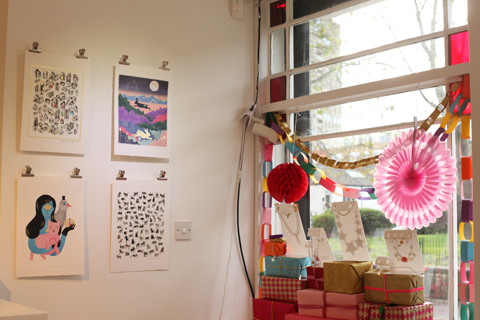
TWWDNU launch 2014-exhibition
TWWDNU LAUNCH 2014-ruthbridges
TWWDNU LAUNCH 2014-olivia rose
TWWDNU LAUNCH 2014-jackdeacon_adamcorns
TWWDNU launch 2014-wall
TWWDNU LAUNCH 2014-lucy davies
TWWDNU LAUNCH 2014-guests
TWWDNU LAUNCH 2014-maiafjord
TWWDNU LAUNCH 2014-EmilyandBunty
TWWDNU LAUNCH 2014-guests2
Guests drunk wine and gorgeous fresh juices from Lovage: Emerald (kale, celery, cucumber, pear and fennel), Gold (apple, sweet potato, ginger, red pepper) and Ruby (beetroot, carrot, apple, cabbage). For nibbles we had festive spiced biscuits and Popchips, delicious healthy crisps.

TWWDNU LAUNCH 2014-Lovage
TWWDNU launch 2014-popchips
The exhibition is now open until the 5th of January, so do pop by and see the prints, which are resplendent with gold leaf. See my full listing for more details!

With thanks to Tim and Zakia for their photographs.

Categories ,Emerald, ,Gold, ,Lovage, ,Popchips, ,Ruby, ,Tatty Devine, ,That Which We Do Not Understand

Similar Posts: