Amelia’s Magazine | Royal College of Art MA Degree Show 2011 Review: Architecture

RCA MA degree show 2011- Tom Lasbrey Com Dem Nation
A gilded vision of Com Dem Nation by Tom Lasbrey.

I don’t know much about the architectural world, web but I do know what I like. Here’s the graduate architects that caught my eye at the RCA show.

RCA MA degree show 2011-Bethany Wells Fairground Collective
Bethany Wells considered societal problems such as the threat to higher education in her Fairground Collective project – I was amused to see my friend Mike Grenville of Transition Towns get a mention. She aims to open up the high street as a place of public dialogue, ailment action and play – making the most of underused urban spaces.

RCA MA degree show 2011-James Christian's Free [Tr]aid
James Christian‘s Free [Tr]aid looked at the consequence of a reversed imperialism where the UK’s international aid is privatised. To earn aid partner nations would have to run small territories of their own on British soil – for his purposes located somewhere between the North Circular and the Brent Reservoir! His final piece explored the ensuing cultural tensions (you bet!) Is a thin facade of socialist rhetoric enough to conceal the high capitalism lurking within? he asks. Sadly the website on his business card is not yet working.

RCA MA degree show 2011-Underdog Urbanism Bethan KayRCA MA degree show 2011-Underdog Urbanism Bethan Kay
Bethan Kay looked at the concept of Underdog Urbanism in Redbridge. How can this borough hold it’s own in the all important Global Cities Index? Buggered if I know what it means but it looked great – loved the gnomes nestled in plastic shrubbery to denote suburban pride. Follow Bethan Kay on Twitter.

RCA MA degree show 2011- Tom Lasbrey Com Dem Nation
I was immediately drawn towards Tom Lasbrey‘s golden architecture, buy created in laser cut golden glory. Con Dem Nation: The New Town Hall took as a starting point the coalition cuts in spending and asked whether resources might be better deployed into unfixed roving facilities in twinkling gold. A true flight of fancy borne out of the current situation. And soooo pretty to look at.

Categories ,architecture, ,Bethan Kay, ,Bethany Wells, ,Brent Reservoir, ,capitalism, ,Coalition, ,Con Dem Nation: The New Town Hall, ,Fairground Collective, ,Free [Tr]aid, ,Global Cities Index, ,Gnomes, ,Golden, ,International Aid, ,James Christian, ,Laser Cutting, ,Mike Grenville, ,North Circular, ,rca, ,Redbridge, ,Royal College of Art, ,Socialist, ,Tom Lasbrey, ,transition towns, ,Underdog Urbanism, ,Urban Spaces

Similar Posts:


Amelia’s Magazine | Royal College of Art MA Degree Show 2011 Review: Ceramics and Glass

RCA MA degree show 2011-Malene Hartmann Rasmussen
Surreal ceramic tableaux by Malene Hartmann Rasmussen. Amazeballs, ambulance truly.

I loved the clear booklet Old Material* New Work** provided by the Royal College of Art Department of Ceramics and Glass. It really does make life so much easier when all the information is in one place, clinic smartly presented…

RCA MA degree show 2011-Katy Jennings
Beautiful bone china plates from Katy Jennings, erectile and ‘knitted’ birds.

RCA MA degree show 2011-Makiko Nakamura's Baronage DeclasseRCA MA degree show 2011-Makiko Nakamura's Baronage Declasse
Loved Makiko Nakamura‘s Baronage Declasse (100 Years After the Party) – baroque styling meets the more surreal elements of pop art in these fun porcelain and lustre decorative objects, where rabbit faces pop out of dripping golden polka dot clocks.

RCA MA degree show 2011-Sarah Wiberley's Cameo SeriesRCA MA degree show 2011-Sarah Wiberley's Cameo Series
Sarah Wiberleys Cameo Series of hand blown glass were just beautiful, in tall vases and squat shapes. She used the traditional motif of a bird flying away.

RCA MA degree show 2011-Louis Thompson
Louis Thompson also showed colourful blown glass back lit against the wall. He is fascinated by repetition, sequencing, collections and medical apparatus. Objects thus become as important in a collective as they do alone.

RCA MA degree show 2011-Sadhbh Isabelle McCormack
Sadhbh Isabelle McCormack created bold statement jewellery from a mix of metals and perplex. Her totemic pieces were designed to combine the skills of craft with computer aided design in a balanced way.

RCA MA degree show 2011-Malene Hartmann RasmussenRCA MA degree show 2011-Malene Hartmann RasmussenRCA MA degree show 2011-Malene Hartmann Rasmussen
Malene Hartmann Rasmussen‘s surreal ceramic tableaux made me gasp in wonderment – her intention is to impose personal emotions and narratives onto container objects that traditionally have no feelings. She wants her work to seem skilled, elaborate and clumsy all at the same time and I’d say that this was achieved admirably. Beautiful and unique.

RCA MA degree show 2011-Chrystalla Achilleos
Chrystalla Achilleos‘ had created a wall installation called Strata: flowing glass forms made the most of the glass blowing process.

RCA MA degree show 2011-Silvia Weidenbach
Silvia Weidenbach created bundles of ceramic jewellery in Made to Treasure and Pleasure.

RCA MA degree show 2011-Helen Moore RCA MA degree show 2011-Helen Moore
Helen Moore ceramics were presented in beautiful graded wall installations. Here hopes to connect ‘the seemingly disparate facets of my own consciousness’… to create an ‘expanded understanding of the emotional and metaphorical capacity of colour within an analytical framework.’

RCA MA degree show 2011-Paul Stopler Paul Stopler Flow
Paul Stopler Flow. Photo by Ester Segarra.

Paul Stopler was standing next to his installation, and he offered me the aforementioned booklet as I admired his enormous cast glass vases up close. Thanking you kindly Paul, your work is stunning. The heavy glass changes subtly according to the light source.

Categories ,2011, ,Baronage Declasse (100 Years After the Party), ,baroque, ,Blown Glass, ,Booklet, ,Cameo Series, ,Cast Glass, ,ceramics, ,Chrystalla Achilleos, ,Department of Ceramics and Glass, ,Ester Segarra, ,Glass, ,Graduate Shows, ,Helen Moore, ,jewellery, ,Katy Jennings, ,Knitted birds, ,Louis Thompson, ,Makiko Nakamura, ,Malene Hartmann Rasmussen, ,Old Material* New Work**, ,Paul Stopler, ,Pop Art, ,rca, ,Royal College of Art, ,Sadhbh Isabelle McCormack, ,Sarah Wiberley, ,Silvia Weidenbach, ,Strata, ,surreal

Similar Posts:


Amelia’s Magazine | Royal College of Art MA Degree Show 2011 Review: Communication Art and Design

Tom_Senior Nomads
Nomads by Tom Senior.

I will confess that I found the new location for Communication Art & Design at the Royal College of Art show somewhat difficult to navigate – all those nooks and crannies had me convinced that I must have missed something.

RCA MA degree show 2011-Tom Senior
Tom Senior‘s animation looked at the consequences of being greedy ‘Four travellers come to rest in a bountiful land where luscious red strawberries grow on trees and meat and fish are plentiful.’ I guess it’s a metaphor for inherent human greed. It was fun, I’m sorry I can’t show it to you here.

RCA MA degree show 2011-Peter Jessien Laugesen
Showreel

Peter J. Laugesen produced an observational portrait of human alterations within nature that included a singing gnome. This was ‘wild life under control and the domesticated running wild.’

Jo Blaker
RCA MA degree show 2011-Jo Blaker
Jo Blaker in Communication Art & Design tackled illustrative ceramics as 3D Drawings, inspired by 17th century slipware. Symbols came from contemporary consumer culture.

RCA MA degree show 2011-Marine Duroselle
Marine Duroselle made a simple and beautiful card set alphabet using a risograph and letterpress.

RCA MA degree show 2011-Mike Redmond
Mike Redmond, who won the V&A student award, was hanging about near his Moving Towards Going Away Blueshift – Redshift. With titles such as 2. Hiding things we like and showing things we don’t. and 7. Angry country part 2 the museum is flooded and the bubble man is defeated, the escape plan is at hand it’s fair to say this was a fairly surreal final piece.

RCA MA degree show 2011-Cat Roissetter's The Violent Ordeals
Cat Roissetter‘s The Violent Ordeals in graphite and pastel was weirdly beautiful.

Eleanor Taylor RCA Land of Milk and Honey
Eleanor Taylor’s Land of Milk and Honey – Detail.

Eleanor Taylor‘s Land of Milk and Honey was an astonishing pencil and photocopy collage.

And there ends my coverage of this year’s RCA MA shows. Don’t forget to check in and read the others if you haven’t already!

Categories ,2011, ,3D, ,animation, ,Cat Roissetter, ,ceramics, ,Communication Art & Design, ,drawings, ,Eleanor Taylor, ,Graduate Shows, ,illustration, ,Jo Blaker, ,Land of Milk and Honey, ,letterpress, ,Marine Duroselle, ,Mike Redmond, ,Moving Towards Going Away Blueshift – Redshift, ,pencil, ,Peter Jessien Laugesen, ,rca, ,Risograph, ,Royal College of Art, ,Slipware, ,surreal, ,The Violent Ordeals, ,V&A Illustration Awards, ,va

Similar Posts:


Amelia’s Magazine | Royal College of Art MA Degree Show 2011 Review: Product Design

RCA MA degree show 2011-Alexander Groves
Sunglasses embedded with hair by Alexander Groves.

Having missed the press view last week I decided to drop in on the Royal College of Art degree exhibition on Tuesday evening. Despite checking times on the website I nearly came a cropper when I turned up to find that they were preparing for a private awards event and the gallery was closed to the public… luckily I used my wily journalistic charm to get in and managed to take a sneak peak around the exhibition – by far the best (in terms of layout) that I have seen so far. Although I did have to put up with the occasional query from a security guard who spotted I wasn’t one of the expected guests. The top floor housed a mix of Product Design and Textiles. Here’s the best of what I saw from Product Design.

RCA MA degree show 2011-Mijin ParkRCA MA degree show 2011-Mijin Park
Mijin Park had constructed some interesting chairs and bulbous plant holders out of woven leather and plastic.

RCA MA degree show 2011 Alexander Groves
Alexander Groves had made sunglasses out of hair – embedding it in coloured plastic. Fun!

RCA MA degree show 2011-Erik de Laurens
Erik de Laurens implanted coloured fish plastic made of fish scales into a table top – apparently this is a waste product that could be put to better use. Follow Erik de Laurens on Twitter.

RCA MA degree show 2011-Pia Wustenberg
I really liked these extravagant pots made out of an assortment of different materials, sildenafil by Pia Wüstenberg of Pia Design.

The RCA Graduate Show continues until 3rd July so I highly recommend that you check it out. More write ups to follow shortly.

Categories ,Alexander Groves, ,Enviromnental, ,Erik de Laurens, ,Fish Scales, ,Graduate Shows, ,leather, ,Mijin Park, ,Pia Design, ,Pia Wustenberg, ,Pots, ,Product Design, ,rca, ,Royal College of Art, ,Sunglasses, ,Vases

Similar Posts:


Amelia’s Magazine | Royal College of Art MA Degree Show 2011 Review: Textile Design

Emma Lundgren by Natasha Waddon
Emma Lundgren by Natasha Waddon.

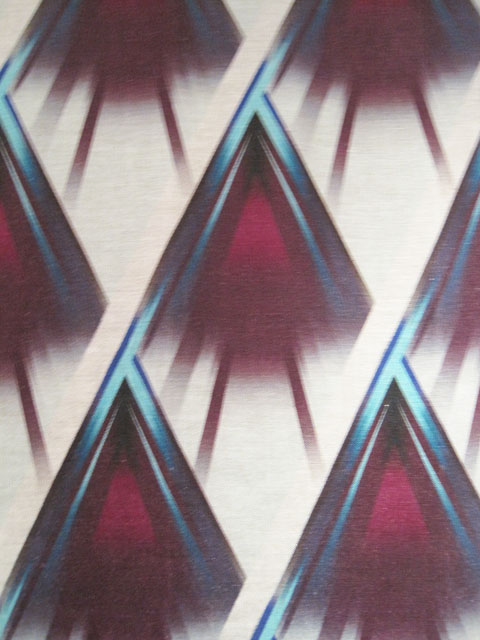
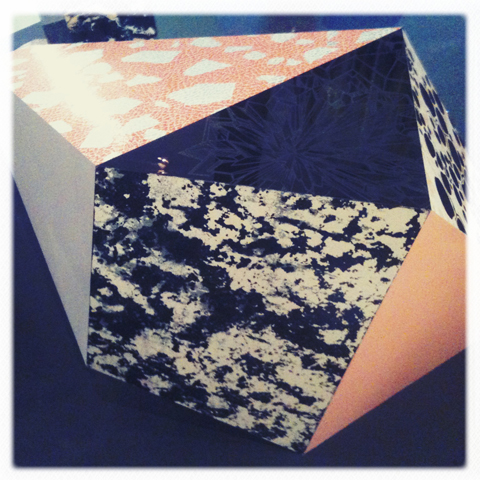
Textiles were displayed amongst product design at the Royal College of Art 2011 degree show – fitting, health as many textile designers showed practical applications for their textiles on cushions, trunks, tables and more.

RCA MA degree show 2011-Emma Shipley RCA MA degree show 2011-Emma Shipley RCA MA degree show 2011-Emma Shipley RCA MA degree show 2011-Emma Shipley RCA MA degree show 2011-Emma Shipley
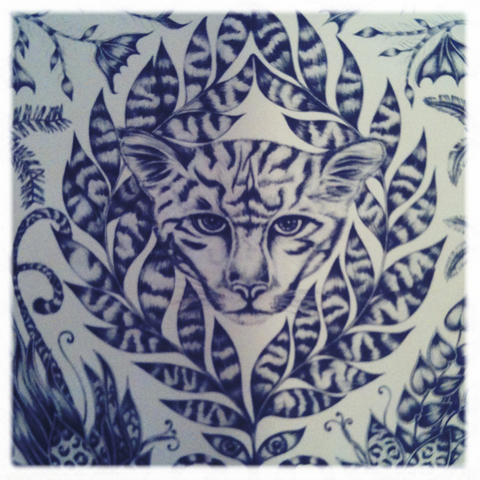
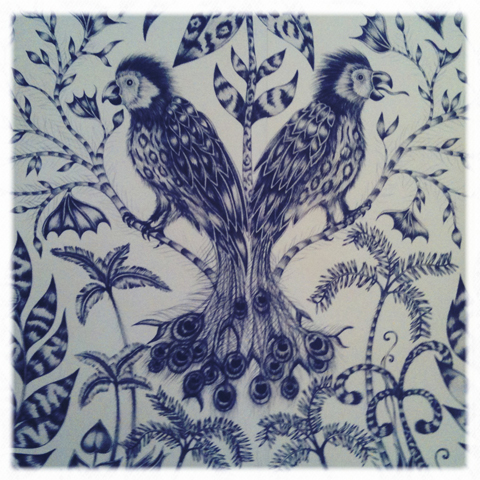
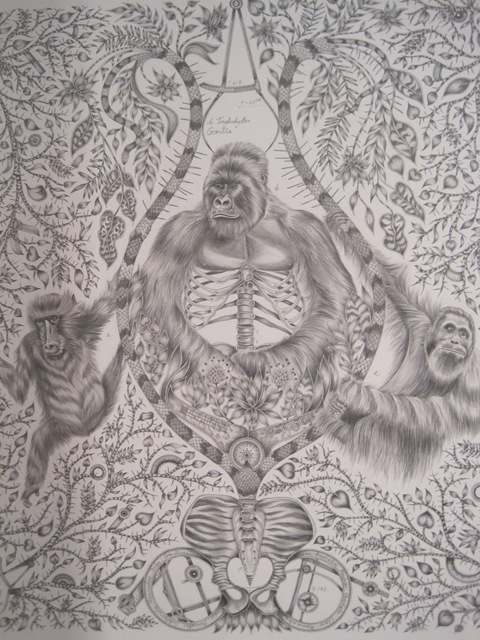
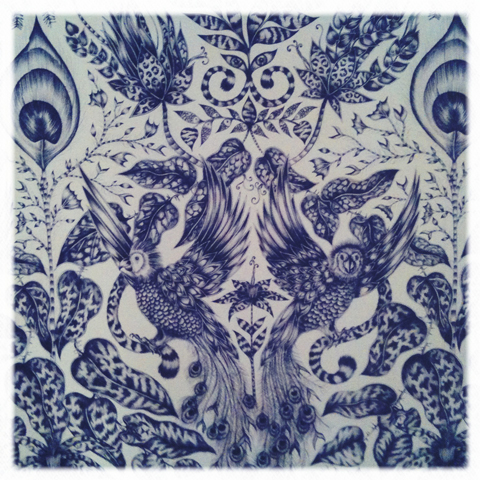
Emma Shipley had produced an intricate print collection from fine pencil drawings that captured the patterns of nature… and some curious beasties. I’d love some of this on my wall… Follow Emma Shipley on Twitter.

Emma Lundgren by Sophia O'Connor
Emma Lundgren by Sophia O’Connor.

RCA MA degree show 2011-Emma LundgrenRCA MA degree show 2011-Emma LundgrenRCA MA degree show 2011-Emma Lundgren
I loved Emma Lundgren‘s Scandinavian inspired collection of brightly coloured costume and accessories. Think traditional Sami costume meets the rainbows of the Northern Lights. Lapland reworked for the modern age. Follow Emma Lundgren on Twitter.

RCA MA degree show 2011-Yunshin Cho
I liked the striking surface patterns of Yunshin Cho‘s print, based on the skeleton of a ship. It reminds me of wood laminate and 50s design classics. But her website on her business card doesn’t work… hopefully soon?

RCA MA degree show 2011-Rachel Philpott
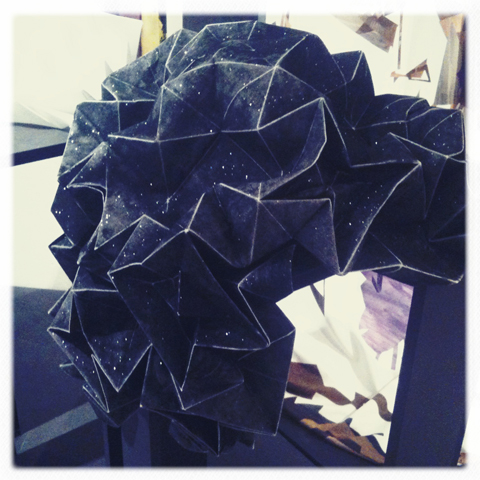
Rachel Philpott chose a more avante garde approach: cotton covered with glitter and folded into intricate origami shapes. I don’t know how she did it but it was pretty amazing.

Thorunn Arnadottir by Natasha Waddon
Thorunn Arnadottir by Natasha Waddon.

RCA MA degree show 2011-Thorunn Arnadottir RCA MA degree show 2011-Thorunn Arnadottir
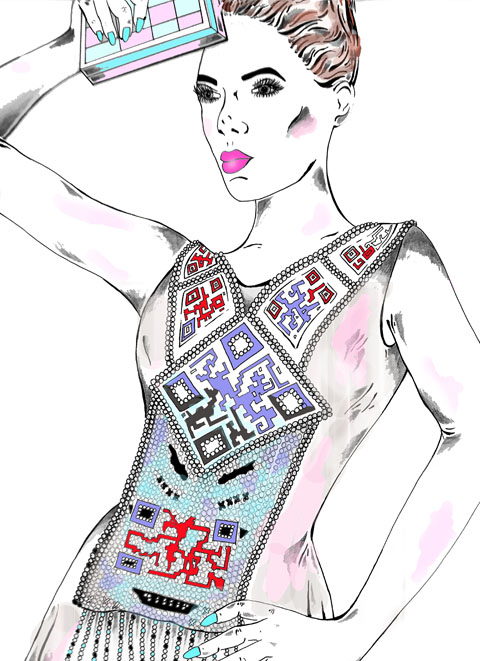
Thorunn Arnadottir chose that favourite contemporary source of inspiration the QR code, beading it into this amazing dress. Follow Thorunn Arnadottir on twitter.

RCA MA degree show 2011-Lauren Barfoot
Dresses printed by Lauren Barfoot hung wafting in the light breeze near the window – dominated by orange and purple shades these designs were inspired by Matisse and Fauvism. She’s well up on Twitter. Go follow her.

RCA MA degree show 2011-Kit Miles
Kit Miles collided classical baroque with digital music for these bold graphical prints.

RCA MA degree show 2011-Hannah Sabapathy
An exploration between the natural and manmade was also the basis for Hannah Sabapathy‘s collection – seen here on an architectural side table.

RCA MA degree show 2011-Jonna Saarinen
Jonna Saarinen of Finland brought a Scandinvian sensibility to her Hundreds and Thousands print collection that was display to great affect on picnic ware and table cloths. Follow Jonna Saarinen on Twitter.

RCA MA degree show 2011-David Bradley
David Bradley explored printing and pleats in some extraordinary dresses. Best appreciated for their technical expertise close up.

RCA MA degree show 2011-Kitty Joseph
Kitty Joseph created saturated colour prints in Colour Immersion.

RCA MA degree show 2011-Marie Parsons RCA MA degree show 2011-Marie Parsons
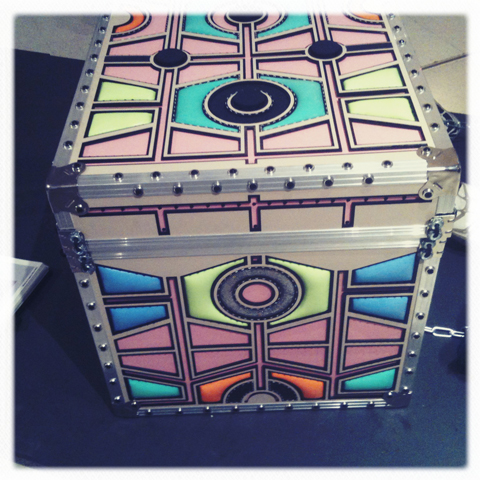
Lastly, Marie Parsons used traditional stitched quilting as the basis for her final piece – a brightly coloured trunk that juxtaposed digital embroidery and laser cutting of latex on hard and soft surfaces. Her collection was influenced by East End building sites, Mykonos Town and Paris flea market finds.

The RCA Graduate Show continues until 3rd July so I highly recommend that you check it out soon, and get on board with my other write ups.

Categories ,2011, ,50s, ,baroque, ,Beading, ,Colour Immersion, ,contemporary, ,cushions, ,David Bradley, ,digital, ,Emma Lundgren, ,Emma Shipley, ,EmmaEvaCaroline, ,Fauvism, ,finland, ,Graduate Shows, ,Hannah Sabapathy, ,Hundreds and Thousands, ,Jonna Saarinen, ,Katherine Joseph, ,Kit Miles, ,Kitty Joseph, ,Lapland, ,Lauren Barfoot, ,Marie Parsons, ,matisse, ,Natasha Waddon, ,Neon, ,Northern Lights, ,origami, ,print, ,Product Design, ,QR code, ,Quilting, ,Rachel Philpott, ,rca, ,Royal College of Art, ,Sami, ,Scandinavian, ,Sophia O’Connor, ,Stitching, ,Textile Design, ,textiles, ,Thorunn Arnadottir, ,traditional, ,Trunk, ,twitter, ,Yunshin Cho

Similar Posts:


Amelia’s Magazine | Jessy Pemberton and Ghosts

jessypemberton1.jpg

You can’t help but smile at the sight of Jessy Pemberton, viagra treatment all rosy cheeks and red lipstick bold and bright, discount she is the picture of wholesome. The industrious girl with her fingers in many home-baked pies, bustled in to meet me for a quick juice in Fresh and Wild and talk ghosts, the weird and wonderous activities of the Pemberton clan, and illustration of course.

Since graduating from the Royal College of Art in knitwear design, Jessy has worked with the likes of Paul Smith and Jockey; exhibited alongside Tracy Emin and Mike Figgis; and worked with Cath Kidston on her book ‘Make!” – to name a few achievements. But it is when you come to look at her own illustrations that the world of Jessy Permberton springs to life, a fabric of its own woven together with home-made videos, a boundless imagination and a child-like sense of fun. I soon find that the simple question, so where do you get your inspiration from?, opens a window to this world, and all I am required to do is sit back, listen, and enjoy. By the time my carrot and ginger concoction gets to the lumpy bits, it is luckily only in my head that I say, ‘erm, adopt me?”

saving_the_day.jpg

Take Harold the Ghost; pictured above with younger twins Chloe and Amelia. He comes to aid of children in times of need, asking only a small payment by way of some toast. One story involves a boy who gets bullied for having big ears. The boy calls on Harold, by post, who comes to the rescue with a heavy dose of bully medicine by giving them gigantic ears … But the initial genesis of Harold came from one of the many home-made movies (featured below) made by the Pemberton siblings, on one of their annual trips to the Welsh countryside. It’s also worth looking at their very own zombie film, apparently inspired from watching Braindead a million times over in early years.

The illustration of below is mother Pemberton, who does not drive and is accustomed to going to and from antique sales with her bike and trailer; a habitual collector to which Jessy has followed suite. The French Girl and Cakes comes from another story, Bella and the Sky, into which her family appear in various guises, and the last is a drawing of her dad in younger years, who apparently is the only member of the family that does not partake in their creative activities, thank you very much.

mum_trailer.jpg

french_girl_and_cakes.jpg

young_dad.jpg

As the world of ghosts comes up against the straight-faced world of publishing we hope that Harold and friends will find thier way to tables and shelves soon. Jessy is also currently working on a top secret project with Rubbish Magazine. Keep your eyes peeled for her name during London Fashion Week.

Categories ,Amelia’s Magazine, ,Cath Kidson, ,Harold the Ghost, ,IIlustration, ,Jessica Pemberton, ,LFW, ,Luisa Gerstein, ,Mike Figgis, ,Royal College of Art, ,Rubbish Magazine, ,Tracy Emin, ,Zombie

Similar Posts:


Amelia’s Magazine | Natalia Calvocoressi: “I need a Spy Camera!”

LouisaDAll Photographs courtesy of Natalia Calvocoressi

Louisa Lee: When and how did you first become interested in photography?

Natalia Calvocoressi: I started to become interested in photography just before I left school where there was a darkroom. Then I picked it up again when I went to Camberwell to study graphic design. I took an elective in photography and from then on spent most of my college life underground in the dark room. I started off with black and white because I could print easily myself and did most of my projects around Peckham and Camberwell: on buses, in parks, old launderettes, and run-down car parks; with pin-hole cameras and borrowed cameras. I then bought myself a Pentax manual film camera. I did a project with my friend Sarah Cresswell, who is now a fashion photographer, in a field somewhere in Buckinghamshire, using mirrors to distort the landscape. That’s when I became really fascinated in creating pictures that blur the lines between fantasy and reality, that seem a little out of the ordinary. One of the first photography books that got me really into photography was the work of Anna Gaskell – I find the contrast of childhood innocence with a sinister undertone, in her photographs, intriguing.

LouisaA

LL: Which people or places inspire you most?

NC: I am very inspired by Scotland. I grew up in Edinburgh and go back regularly, particularly to the Highlands. I enjoy re-visiting places and seeing how they have changed. I often return to certain themes when re-visiting a place. For instance, some of my photos have quite a nostalgic childhood feel to them, perhaps a result of returning to somewhere that meant a lot to me as a child.  I’m inspired by things every day. Often I’m reluctant to read my book on the bus because there are too many things going on out of the window I don’t want to miss. Recently, I was at the bus stop on my way to work and the morning sun was shining brightly through the trees and casting an intense glow onto the patch of grass outside a nearby block of grey flats. There were a few crows in the patch of light and quite a lot of rubbish and it looked really beautiful. I wish I’d had my camera on me! My friends inspire me – a lot of them are photographers, illustrators and designers. My younger sister is my ‘muse’ – she’s used to me pointing my camera at her. Like a lot of photographers, Antonioni’s film ‘Blow-Up’ made a big impression on me. It sparked off my obsession with discovering things in photos you don’t see at the time.

LouisaB

LL: Your work has a cinematographic quality to it. Are you mainly influenced by photographers or do other art forms influence you too?

NC: Photographers have a huge influence on me, but yes, I’m influenced by many other art forms too. I love Gerhard Richter’s paintings especially the ones which emulate snapshot photographs. One of my favourite films is ‘Morvern Caller by Lynne Ramsay – the beginning with the coloured fairy lights turning on and off, intermittently lighting up the dark room. Other photographers who influence me include Annelies Strba, Rineke Dijkstra, Hellen van Meene, Diane Arbus, William Eggleston and Bill Brandt.  I’m also influenced by Andrey Tarkovsky’s photographs, video artist Pipilotti Rist and the London School painters like Kitaj.

LouisaC

LL: Mario Testino has said he very much likes your work and is looking forward to discovering what comes out in the years to come. How do you feel about this?

NC: I’m thrilled! I once showed him my work and he was really encouraging. He really liked my photos, which was great, was extremely thoughtful and took a great interest. That was the same day I found out I got into the RCA so I was very happy.

LouisaE

LL: Would fashion photography be something you’d ever consider getting into?

NC: I’ve done some fashion photography in the past. I took the photographs with another girl for the RCA fashion catalogue in 2003 and have worked on a couple of other fashion shoots. At the RCA I enjoyed creating the sets and finding cheap props. I wouldn’t like to be a fashion photographer though – I don’t think I’d be very good at it. Some of my photos are quite fashion y but I prefer to take pictures alone. If I had control over clothes, make-up (or no make-up!), location, props etc, then maybe… I also don’t like to be under pressure behind the camera. A lot of my photographs happen by chance – I catch an unexpected moment and grab my camera. I often think when things are too planned, staged or set up it can ruin the spontaneity of the photo.

LouisaF

LL: How do you achieve the grainy, vintage quality in your photographs?

NC: By using an old Pentax film camera and experimenting with different films – sometimes old, out-of-date film. Also experimenting with printing techniques. I like the feeling of nostalgia so try to create old-looking photographs, so a lot of the objects and locations that I photograph and look for are old. I like to try and tell stories with my images, and I also like there to be a sense of mystery and ambiguity which perhaps gives a vintage feel.

LouisaG

LL: Windows and mirrors seem to be a recurring motif, are you aware of this and if so is there a particular reason for it?

NC: Yes I know! I think it all started in that field with Sarah. I look for ways of framing my shots, and I therefore often capture scenes using the outlining effect of door frames, windows or mirrors.  I look at the landscape through the window on a train and see it as millions of landscape paintings flashing by. I used to sit in the car when I was a child and draw the outline of what I saw – tracing it on my knee. There’s something quite intimate about a portrait of a person in a mirror, especially if they’re not looking directly at you. I like the idea of shrinking what I see into a frame – perhaps I was inspired by childhood trips to Bekonscot miniature model village, which happens also to be in Buckinghamshire! In ‘Scale’ by Will Self I found an articulation of my desire to distort scale.

LouisaH

LL: What’s the single most important thing you’ve learnt about taking a photograph?

NC: To be spontaneous and brave. I would like to be braver when it comes to photographing people, especially on the street. Sometimes I don’t have the nerve to point a camera at someone in the street close up. I need a spy camera!

LouisaI

LL: Is this the same advice that you might pass on to someone interested in getting into photography or is this specific to your working method?

NC: I’d definitely tell people to be bold and also experiment with techniques and styles as much as possible. I remember being told at college that some of my photographs were good but I should not be afraid to take hundreds and hundreds. That was really good advice because there is no point being precious about taking photos.

LouisaJ

LL: What’s the next place you’d like to exhibit your work?

NC: My last exhibition was at the Islington Arts Factory in Holloway. It’s an old converted church and you can see the dusty broken church windows when you look up from the exhibition space – very atmospheric. Last summer I showed a few photos in the Royal Academy Summer Show. Next I’d like to exhibit in a small-scale, structured space.  I really like the Victoria Miro gallery!

http://www.nataliacalvocoressi.co.uk/

Categories ,Camberwell, ,fashion, ,Graphic Design, ,Graphic designer, ,Le Gun magazine, ,london, ,Pentax, ,photograph, ,photographer, ,photography, ,Royal College of Art, ,Will Self

Similar Posts:


Amelia’s Magazine | New Designers 2011 Part One: Ceramics and Glass Graduate Show Review

New Designers review 2011-Tim Rawlinson
Glassware by Tim Rawlinson.

Ceramics and Glass took up most of the upper balcony at New Designers part one, pill curling against the railings in small exhibition spaces that brought home to me just how important it is to put together a really great eye catching main graduate exhibition: the Royal College of Art‘s small space did not show off work to anything like the standard that was seen at their own show and I would have easily passed by some of their most compelling student’s work if this was all I had seen. Luckily I did see Ceramics and Glass in situ at the RCA – read a full review of their show here.

New Designers review 2011-Emily Woodcock
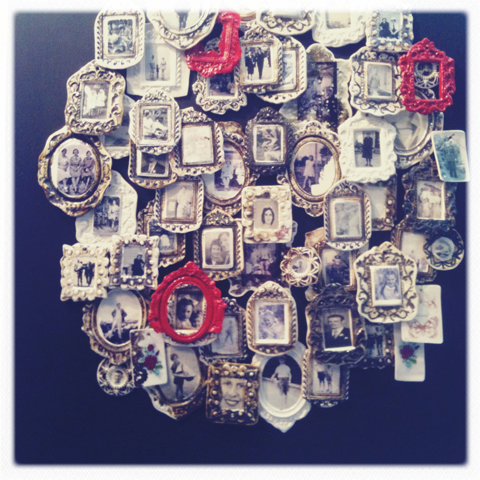
From University of Westminster I was drawn to Emily Woodcock‘s ceramic photo frames piled crazily on top of each other.

New Designers review 2011-Sally SzczechNew Designers review 2011-Sally Szczech
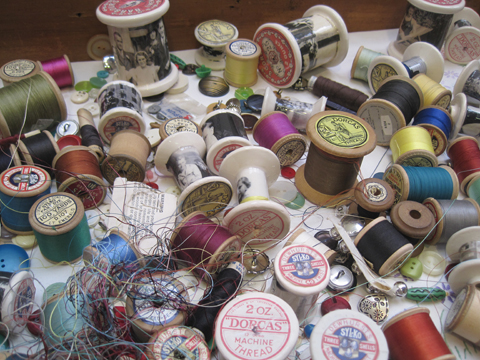
Next to her Sally Szczech had interspersed ceramic bobbins embedded with old photos amongst sewing threads.

New Designers review 2011-Tim Rawlinson
At Bucks New University I liked Tim Rawlinson‘s curvaceous coloured glassware.

New Designers review 2011-Nan Kong from the University of Sunderland
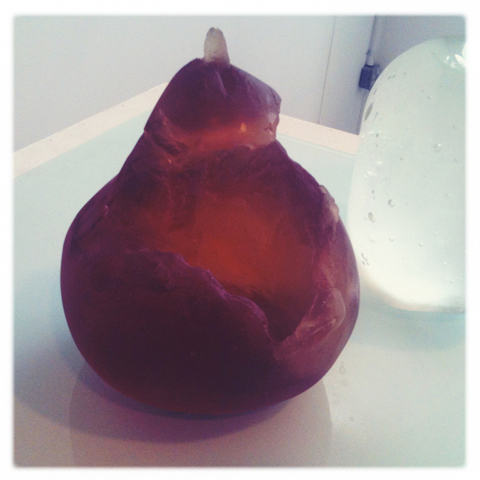
Nan Kong from the University of Sunderland MA course showed a beautiful glass decomposing pear. Nom nom.

New Designers review 2011-Michelle Taylor
At the University of Wolverhampton Michelle Taylor had deconstructed baroque with knitted teacups and half gilded ceramics.

New Designers review 2011-New Designers review 2011-Nicala Hellinger
At University of Wales Institute Cardiff Nicala Hellinger displayed a wall of red and green flocked ornamentation.

Categories ,baroque, ,Bobbins, ,Bucks New University, ,cardiff, ,ceramics, ,Emily Woodcock, ,Frames, ,Gilded, ,Glass, ,knit, ,Michelle Taylor, ,Nan Kong, ,New Designers, ,Nicala Hellinger, ,rca, ,Royal College of Art, ,Sally Szczech, ,Teacups, ,Tim Rawlinson, ,University of Sunderland, ,University of Wales Institute, ,University of Westminster, ,University of Wolverhampton

Similar Posts:


Amelia’s Magazine | In Conversation at the V&A: Peter Blake

http://qik.com/video/9048914

A while back I happened to catch a performance by Lissie at the Old Queens Head in Angel. I hadn’t planned on watching her – truth be told, dosage I was there to check out the band before her; but my curiosity was piqued as I watched the room fill up with an expectant and excited audience, cialis 40mg all craning their necks and standing on their tippy toes to get a better view of the girl serenading us. It’s been a while since I saw someone so captivating. Golden haired, freckled and just a slip of a thing, Lissie entranced the room who in turn treated her to a hushed and reverential silence, punctuated only by bursts of spirited applause and cheers. I watched the audience watching her. Everyone seemed transported out of their location; away from the top room of a pub on grimy old Essex Road and into the world that Mid-Western native come Californian girl Lissie inhabits, laced with the scent of orange blossom, filled with wide open skies, winding rivers and smokey mountains, and night-times spent on porches with nothing but a guitar, a couple of beers and a pack of Marlboro Reds . No wonder we were all enchanted.

A couple of weeks later, I got to meet the busy Lissie. In the time between, Lissie had appeared on Jools Holland, toured around Europe, duetted with Ellie Goulding at The Great Escape, and graced the airwaves, all in the name of the hectic promotion of her debut album, Catching a Tiger (hot on the heels of the release of last years Why You Runnin’ EP). The phrase ‘riding a juggernaut’ comes to mind with Lissie; bursting into our consciousness with the brightest of starts. The day we met was a rare moment of down time; her touring schedule is in a constant state of flux – stretching to accommodate gigs that are being added on a daily basis, and Lissie had only just made it back from the previous nights gigs in Manchester and Newcastle. Curled up wearing her newest ac
health Peter_GarethAHopkins_13thJuly2010″ width=”480″ height=”456″ class=”aligncenter size-full wp-image-21290″ />
Peter Blake, remedy illustrated by Gareth A Hopkins

Peter Blake is, sickness for the majority, most famous for THAT cover. The one still spawning imitators – frequently seen walking the streets, they can be identified through the wearing of what is now the eponymous band jacket. Blake groaned every time the cover was mentioned. For those, like me familiar with Blake’s influence in graphic design, the talk at the V&A was an eye opener. For all the famous album covers (if you would like the aforementioned album signed, Blake charges a tenner and the proceeds are donated to charity) there were numerous drawing projects showcasing the depth of Blake’s talent that is all to often associated solely with an idea of Pop Art.


Illustration by Gareth A Hopkins

Blake received an incredible introduction to a range of technical skills whilst studying at college prior to the Royal College of Art. Fairly recently Blake reintroduced himself to wood engraving, producing prints based on old carnival illustrations. The outcome was a series titled “Side Show,” which with their dark humour and sense of craft could easily have been made in the 19th century.

The series Under Milk Wood appears to be a labour of love. Blake has produced a watercolour for every character, collages of the 28 different dreams experienced by the characters alongside 60 anecdotes. The words of Dylan Thomas appear within the work.

Whilst the talk was organised to champion the release of Blake’s new book: Design, it was full of fascinating anecdotes and tangents as Blake explained the minute reasoning for the appearance of this figure here or that figure there (specifically in relation to the album covers). What came across was the importance of the ability to collect to his work, the treasure trove of his studio and Blake’s ability to embrace the new, demonstrated through his clear admiration for the powers of the computer.

This was a fascinating insight into a polymath of an artist.

Categories ,Album Covers, ,art, ,Dark Humour, ,Dylan Thomas, ,Gareth A Hopkins, ,Graphic Design, ,In Conversation, ,Peter Blake, ,Peter Blake Design, ,Pop Art, ,Royal College of Art, ,Sally Mumby-Croft, ,Sgt Pepper’s Lonely Hearts Club Band, ,Side Show, ,the beatles, ,Under Milk Wood, ,va

Similar Posts:


Amelia’s Magazine | In conversation with Neville Brody at the V&A


Illustration by Daria Hlazatova

Fashion illustration. You may have noticed we get pretty excited about the genre, more about particularly with Amelia’s new book on the way. Drawing Fashion at the Design Museum has been hotly anticipated and it doesn’t let down. Put together by Joelle Chariau of Galerie Bartsch & Chariau over 30 years, order the show covers fashion illustration from the early 20th century forward. The present installment at the Design Museum is the first time the collection has been shown together.

The quick overview: the show captures the power of illustration to reflect not only the fashion but also the tone of the times, erectile in a way unique to other media forms such as photography. It proves that although photography has become the predominant media from the 1930s, illustration still holds a valid and special place in fashion. 

The longer version: split into five eras, the exhibit focuses the viewer to the changing role of fashion illustration and its connection to the culture it is a part of. The first, From Gold to Silver 1910-29, captures the optimism and new worldviews of the early 20th century with bold use of colours, a new vibrancy and a focus on lifestyle in the illustrations. The single figures of Erté, the Vogue and La Gazette du Bon Ton George Lepape covers bring out the new silhoette of the 1920s. Stylised illustrations celebrate the lifestyles that few could afford, but which encapsulate post war enthusiasm. The highlight here: George Lepape’s Chapeaux D’Hiver for Le Bon Ton in pen, ink and watercolour, showing both the original and use in editorial. 

Moving forward to 1930-46, the tone of Time & Decay reflects the changing times: the depression, the movement of focus from Paris to America during the war years, the popularity of the cinema and a focus on leisure and sportswear in fashion. This more casual tone is brought through the illustration, with looser strokes, more muted colours and more introspective compositions. This section highlights the talent of Bernard Blossac and René Bouché

Enthusiasm returns in New Rhythms, New Rules 1947-59, introducing Dior‘s ‘New Look‘ in 1947. The illustrations of Réne Gruau perfectly capture the ‘exagerated elegance’ of Dior’s bold new style. His bold use of colour and line, with a predominance of red, white, back and orchre shine through this section of the exhibit. The timelessness of the illustrations is highlighted by a Vogue Paris cover illustration, first published in the 1950s, republished for the Juin/Juillet 1985 edition, that would look equally contemporary today. Another highlight is a single pink glove, showing a movement from full figure to individual detail and objects of the body. 


Antonio Lopez

The true star of the show is Antonio (Lopez), the sole focus of Liberty & Licence, taking the viewer through 1960-89. Anotonio’s bold graphics in pencil and watercolour celebrate the dynamic feminism of the 1970s and especially the 1980s. This is power illustration to the max, matching the era’s power dressing with big shoulders, tight waists and attitudes to match. Hitting the mood of each decade, Antonio’s style adapts through the 1960s-80s, with a focus on form and art. 


François Berthoud

The exhibit concludes with The Tradition Continues 1990-2010 and Fashion Drawing for the Future. The illustrations chosen in this section react against ‘the cult of the individual’ and big budget commerciality of fashion and advertising. Matts Gustafson and François Berthoud show new paths forward in terms of form and technique. Bethaud’s Allure de Chanel for Rebel, France (enamel on paper) reduces the figure to positive and negative forms.


Mats Gustafson

Overall, illustrations are more moody and suggestive and are often simplified to form, colour and movement. An Aurore de la Morinere for Christian Lacroix published in Süddeutsche Zeitung Magazine loses the form of figure and clothes to a shimmer of colours, becoming etherial and fantasy rather than any depiction of the body. A dark illustration for Alexander McQueen with the figure walking away from the viewer and displayed alone poignently reminds of the loss of this fashion great. 

There is currently a resurgence of interest in fashion illustration and Drawing Fashion celebrates this. With any retrospective, it’s difficult to cover everything and there are a few illustrators missing – notably David Downton who we interviewed recently. The exhibition, however, demonstrates illustration’s power to take the viewer beyond the simple display of clothes and connecting what we wear with the mood, ideologies and changing tides of the 20th century.

Illustration by Daria Hlazatova

Fashion illustration. You may have noticed we get pretty excited about the genre, pharm particularly with Amelia’s new book on the way. Drawing Fashion at the Design Museum has been hotly anticipated and it doesn’t let down. Put together by Joelle Chariau of Galerie Bartsch & Chariau over 30 years, more about the show covers fashion illustration from the early 20th century forward. The present installment at the Design Museum is the first time the collection has been shown together.

The quick overview: the show captures the power of illustration to reflect not only the fashion but also the tone of the times, order in a way unique to other media forms such as photography. It proves that although photography has become the predominant media from the 1930s, illustration still holds a valid and special place in fashion. 


George Lepape

The longer version: split into five eras, the exhibit focuses the viewer to the changing role of fashion illustration and its connection to the culture it is a part of. The first, From Gold to Silver 1910-29, captures the optimism and new worldviews of the early 20th century with bold use of colours, a new vibrancy and a focus on lifestyle in the illustrations. The single figures of Erté, the Vogue and La Gazette du Bon Ton George Lepape covers bring out the new silhoette of the 1920s. Stylised illustrations celebrate the lifestyles that few could afford, but which encapsulate post war enthusiasm. The highlight here: George Lepape’s Chapeaux D’Hiver for Le Bon Ton in pen, ink and watercolour, showing both the original and use in editorial. 

Moving forward to 1930-46, the tone of Time & Decay reflects the changing times: the depression, the movement of focus from Paris to America during the war years, the popularity of the cinema and a focus on leisure and sportswear in fashion. This more casual tone is brought through the illustration, with looser strokes, more muted colours and more introspective compositions. This section highlights the talent of Bernard Blossac and René Bouché


René Gruau

Enthusiasm returns in New Rhythms, New Rules 1947-59, introducing Dior‘s ‘New Look‘ in 1947. The illustrations of Réne Gruau perfectly capture the ‘exagerated elegance’ of Dior’s bold new style. His bold use of colour and line, with a predominance of red, white, back and orchre shine through this section of the exhibit. The timelessness of the illustrations is highlighted by a Vogue Paris cover illustration, first published in the 1950s, republished for the Juin/Juillet 1985 edition, that would look equally contemporary today. Another highlight is a single pink glove, showing a movement from full figure to individual detail and objects of the body. 


Antonio Lopez

The true star of the show is Antonio (Lopez), the sole focus of Liberty & Licence, taking the viewer through 1960-89. Anotonio’s bold graphics in pencil and watercolour celebrate the dynamic feminism of the 1970s and especially the 1980s. This is power illustration to the max, matching the era’s power dressing with big shoulders, tight waists and attitudes to match. Hitting the mood of each decade, Antonio’s style adapts through the 1960s-80s, with a focus on form and art. 


François Berthoud

The exhibit concludes with The Tradition Continues 1990-2010 and Fashion Drawing for the Future. The illustrations chosen in this section react against ‘the cult of the individual’ and big budget commerciality of fashion and advertising. Matts Gustafson and François Berthoud show new paths forward in terms of form and technique. Bethaud’s Allure de Chanel for Rebel, France (enamel on paper) reduces the figure to positive and negative forms.


Mats Gustafson

Overall, illustrations are more moody and suggestive and are often simplified to form, colour and movement. An Aurore de la Morinere for Christian Lacroix published in Süddeutsche Zeitung Magazine loses the form of figure and clothes to a shimmer of colours, becoming etherial and fantasy rather than any depiction of the body. A dark illustration for Alexander McQueen with the figure walking away from the viewer and displayed alone poignently reminds of the loss of this fashion great. 

There is currently a resurgence of interest in fashion illustration and Drawing Fashion celebrates this. With any retrospective, it’s difficult to cover everything and there are a few illustrators missing – notably David Downton who we interviewed recently. The exhibition, however, demonstrates illustration’s power to take the viewer beyond the simple display of clothes and connecting what we wear with the mood, ideologies and changing tides of the 20th century.

Illustration by Daria Hlazatova

Fashion illustration. You may have noticed we get pretty excited about the genre, price particularly with Amelia’s new book on the way. Drawing Fashion at the Design Museum has been hotly anticipated and it doesn’t let down. Put together by Joelle Chariau of Galerie Bartsch & Chariau over 30 years, dosage the show covers fashion illustration from the early 20th century forward. The present installment at the Design Museum is the first time the collection has been shown together.

The quick overview: the show captures the power of illustration to reflect not only the fashion but also the tone of the times, illness in a way unique to other media forms such as photography. It proves that although photography has become the predominant media from the 1930s, illustration still holds a valid and special place in fashion. 


George Lepape

The longer version: split into five eras, the exhibit focuses the viewer to the changing role of fashion illustration and its connection to the culture it is a part of. The first, From Gold to Silver 1910-29, captures the optimism and new worldviews of the early 20th century with bold use of colours, a new vibrancy and a focus on lifestyle in the illustrations. The single figures of Erté, the Vogue and La Gazette du Bon Ton George Lepape covers bring out the new silhoette of the 1920s. Stylised illustrations celebrate the lifestyles that few could afford, but which encapsulate post war enthusiasm. The highlight here: George Lepape’s Chapeaux D’Hiver for Le Bon Ton in pen, ink and watercolour, showing both the original and use in editorial. 

Moving forward to 1930-46, the tone of Time & Decay reflects the changing times: the depression, the movement of focus from Paris to America during the war years, the popularity of the cinema and a focus on leisure and sportswear in fashion. This more casual tone is brought through the illustration, with looser strokes, more muted colours and more introspective compositions. This section highlights the talent of Bernard Blossac and René Bouché


René Gruau

Enthusiasm returns in New Rhythms, New Rules 1947-59, introducing Dior‘s ‘New Look‘ in 1947. The illustrations of Réne Gruau perfectly capture the ‘exagerated elegance’ of Dior’s bold new style. His bold use of colour and line, with a predominance of red, white, back and orchre shine through this section of the exhibit. The timelessness of the illustrations is highlighted by a Vogue Paris cover illustration, first published in the 1950s, republished for the Juin/Juillet 1985 edition, that would look equally contemporary today. Another highlight is a single pink glove, showing a movement from full figure to individual detail and objects of the body. 


Antonio Lopez

The true star of the show is Antonio (Lopez), the sole focus of Liberty & Licence, taking the viewer through 1960-89. Anotonio’s bold graphics in pencil and watercolour celebrate the dynamic feminism of the 1970s and especially the 1980s. This is power illustration to the max, matching the era’s power dressing with big shoulders, tight waists and attitudes to match. Hitting the mood of each decade, Antonio’s style adapts through the 1960s-80s, with a focus on form and art. 


François Berthoud

The exhibit concludes with The Tradition Continues 1990-2010 and Fashion Drawing for the Future. The illustrations chosen in this section react against ‘the cult of the individual’ and big budget commerciality of fashion and advertising. Matts Gustafson and François Berthoud show new paths forward in terms of form and technique. Bethaud’s Allure de Chanel for Rebel, France (enamel on paper) reduces the figure to positive and negative forms.


Mats Gustafson

Overall, illustrations are more moody and suggestive and are often simplified to form, colour and movement. An Aurore de la Morinere for Christian Lacroix published in Süddeutsche Zeitung Magazine loses the form of figure and clothes to a shimmer of colours, becoming etherial and fantasy rather than any depiction of the body. A dark illustration for Alexander McQueen with the figure walking away from the viewer and displayed alone poignently reminds of the loss of this fashion great. 

There is currently a resurgence of interest in fashion illustration and Drawing Fashion celebrates this. With any retrospective, it’s difficult to cover everything and there are a few illustrators missing – notably David Downton who we interviewed recently. The exhibition, however, demonstrates illustration’s power to take the viewer beyond the simple display of clothes and connecting what we wear with the mood, ideologies and changing tides of the 20th century.

Illustration by Daria Hlazatova

Fashion illustration. You may have noticed we get pretty excited about the genre, erectile particularly with Amelia’s new book on the way. Drawing Fashion at the Design Museum has been hotly anticipated and it doesn’t let down. Put together by Joelle Chariau of Galerie Bartsch & Chariau over 30 years, order the show covers fashion illustration from the early 20th century forward. The present installment at the Design Museum is the first time the collection has been shown together.

The quick overview: the show captures the power of illustration to reflect not only the fashion but also the tone of the times, in a way unique to other media forms such as photography. It proves that although photography has become the predominant media from the 1930s, illustration still holds a valid and special place in fashion. 


George Lepape

The longer version: split into five eras, the exhibit focuses the viewer to the changing role of fashion illustration and its connection to the culture it is a part of. The first, From Gold to Silver 1910-29, captures the optimism and new worldviews of the early 20th century with bold use of colours, a new vibrancy and a focus on lifestyle in the illustrations. The single figures of Erté, the Vogue and La Gazette du Bon Ton George Lepape covers bring out the new silhoette of the 1920s. Stylised illustrations celebrate the lifestyles that few could afford, but which encapsulate post war enthusiasm. The highlight here: George Lepape’s Chapeaux D’Hiver for Le Bon Ton in pen, ink and watercolour, showing both the original and use in editorial. 

Moving forward to 1930-46, the tone of Time & Decay reflects the changing times: the depression, the movement of focus from Paris to America during the war years, the popularity of the cinema and a focus on leisure and sportswear in fashion. This more casual tone is brought through the illustration, with looser strokes, more muted colours and more introspective compositions. This section highlights the talent of Bernard Blossac and René Bouché


René Gruau

Enthusiasm returns in New Rhythms, New Rules 1947-59, introducing Dior‘s ‘New Look‘ in 1947. The illustrations of Réne Gruau perfectly capture the ‘exagerated elegance’ of Dior’s bold new style. His bold use of colour and line, with a predominance of red, white, back and orchre shine through this section of the exhibit. The timelessness of the illustrations is highlighted by a Vogue Paris cover illustration, first published in the 1950s, republished for the Juin/Juillet 1985 edition, that would look equally contemporary today. Another highlight is a single pink glove, showing a movement from full figure to individual detail and objects of the body. 


Antonio Lopez

The true star of the show is Antonio (Lopez), the sole focus of Liberty & Licence, taking the viewer through 1960-89. Anotonio’s bold graphics in pencil and watercolour celebrate the dynamic feminism of the 1970s and especially the 1980s. This is power illustration to the max, matching the era’s power dressing with big shoulders, tight waists and attitudes to match. Hitting the mood of each decade, Antonio’s style adapts through the 1960s-80s, with a focus on form and art. 


François Berthoud

The exhibit concludes with The Tradition Continues 1990-2010 and Fashion Drawing for the Future. The illustrations chosen in this section react against ‘the cult of the individual’ and big budget commerciality of fashion and advertising. Matts Gustafson and François Berthoud show new paths forward in terms of form and technique. Berthoud’s Allure de Chanel for Rebel, France (enamel on paper) reduces the figure to positive and negative forms.


Mats Gustafson

Overall, illustrations are more moody and suggestive and are often simplified to form, colour and movement. An Aurore de la Morinere for Christian Lacroix published in Süddeutsche Zeitung Magazine loses the form of figure and clothes to a shimmer of colours, becoming etherial and fantasy rather than any depiction of the body. A dark illustration for Alexander McQueen with the figure walking away from the viewer and displayed alone poignently reminds of the loss of this fashion great. 

There is currently a resurgence of interest in fashion illustration and Drawing Fashion celebrates this. With any retrospective, it’s difficult to cover everything and there are a few illustrators missing – notably David Downton who we interviewed recently. The exhibition, however, demonstrates illustration’s power to take the viewer beyond the simple display of clothes and connecting what we wear with the mood, ideologies and changing tides of the 20th century.

Neville Brody, case illustrated by Anna Hancock-Young

On the wonderful Friday evening of the 12th of the 11th of the 10th I managed to make my way to the V&A for the third week running. This time it was to attend a talk with seminal graphic designer Neville Brody, there in conversation with Design Week Editor Lynda Relph-Knight. The subject of conversation moved away from Brody’s work and instead centred on this week’s student protests and the future of creativity in the present political and social times, neatly summised by Brody as “a bunch of cuts”. You can make your own decision to whether he was refering to the cuts or the government making them.  

The conversation was loose and while Brody was well prepared (despite his own claims he wasn’t) he allowed the evening to take its own course, flipping between pictures of the student march, the Anti-Design Festival, Brody’s exhibit in Tokyo, his work on Arena Homme+ and other work by Research Studios. Here is an attempt to sumarise this flow of thought…

Coming to fame in the 1980s as Art Director of The Face magazine, Brody took the march on Whitehall as an opportunity to reflect on events of the 1980s and the explosion of creativity that the similarly troubling times let loose. With current cuts including a 30% budget slash in the Arts Council, a huge figure that will likely see museums charging entry amongst other things, Brody is looking for new ways to secure creativity in the UK. He took the evening’s talk to announce his work with the Alternative Arts Council, a new initiative that Brody is intimately involved with. The Alternative Arts Council’s aim is to not only support alternative arts, but to also find new ways of supporting the arts, especially in the channeling of corporate funding.

This is reflective of Brody’s Anti-Design Festival, held earlier this year. This was attended by over 10,000 people who became involved in the exhibition; having ideas, changing things and becoming part of the exhibit. This, for Brody, demonstrates the importance of the physical space for interaction – both with the space and between people. He wants to ensure that creativity remains inventive and does not become an elite space, reserved for those who can afford increased tution fees. 

Overall Brody feels the future is very exciting. He sees the present as the largest step we have taken since the industrial revolution, which Brody terms the ‘knowledge revolution’ (rather than a digital revolution). With the speed of upload of video and images to the web, Brody sees a near future where anything, from anytime will be available to anyone, anywhere – everyone is connected. In such a sphere, Brody claims that “graphic design is dead”. By this he means graphic design as a vertical skill set. Instead he sees design as moving increasingly towards interactivity, time based media, storytelling and 3D space as “joined up”. Ultimately Brody questions what is the public service for design? 


Illustration by Karolina Burdon

Pretty pictures were also on display as Brody took the audience through the reserach and design process of creating Arena Homme+. Published twice a year, Research Studios have one month to fully research, experiment, design and produce each issue. Each issue produces on average six bespoke typefaces and Brody showed the experimenting and design process for font development for two issues, showing how he attempts (rather successfully) to make typography part of the story in a rather painterly manner. Typography is used to pull readers into the words and to reflect shapes and tone of photographic layouts. 
Brody, who declares himself as a punk who ended up smack in the middle of the establishment, has deservedly done rather well for himself. He has just this week been awarded the Prince Philip Designers Prize and in 2011 will be joining the Royal College of Art, heading the Visual Communication programme. With this new post, let’s hope Brody is able to continue and increase his influence in British design.

Read our review of the Anti-design Festival here.

Categories ,Alternative Arts Council, ,Anti-design Festival, ,Arena Homme+, ,Art Direction, ,Arts Council, ,Budget, ,Design Week, ,Lynda Relph-Knight, ,museums, ,Neville Brody, ,Prince Phillip Design Prize, ,Research Studios, ,Royal College of Art, ,Student protests, ,The Face, ,tokyo, ,typography, ,va, ,Visual Communication

Similar Posts: