Amelia’s Magazine | An interview with First Aid Kit about working with Mike Mogis on second album The Lion’s Roar

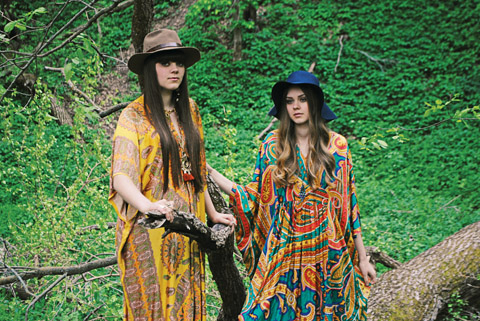
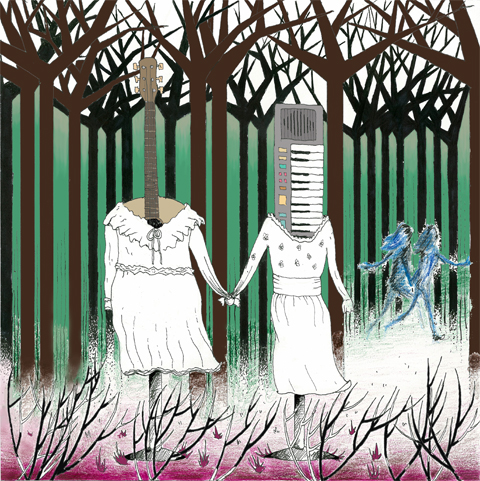
First Aid Kit by Michael Julings
First Aid Kit by Michael Julings.

The new album The Lion’s Roar from the wondrous Swedish band First Aid Kit is coming out later this month. In advance of my review, let’s catch up with the talented duo. Life has become much more busy in the past few years!

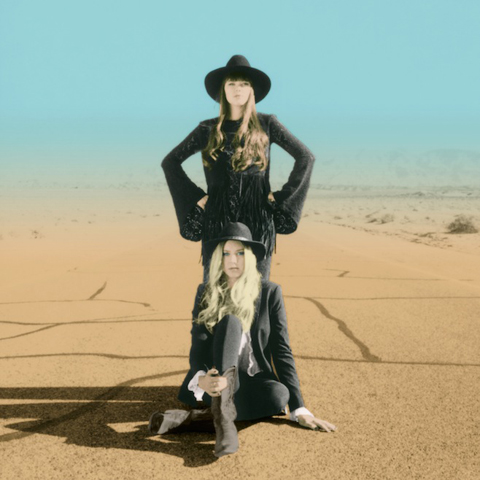
First Aid Kit Emmylou press shot
You’ve done 5 tours across America in the past 2 years, what has been the highlight?
All five tours have been highlights in their own ways. The first tour was especially exciting because everything was new and it felt like an adventure. We realized how big this country is, traveling through endless landscapes of of deserts, fields and forests. We sort of felt like we were on that epic american road-trip we’ve always dreamt of. Last September we went on tour with Bright Eyes, a dream come true for us. We got to spend two weeks with our favorite band. We went to Disney World, we went swimming in the ocean and sightseeing in D.C. We had plenty of free time and the weather was amazing. It was the perfect tour. Bright Eyes treated us so well, too. Every night was a party. Every night we played songs together. Mike Mogis played pedal steel on our song Emmylou, we sang Lua with Conor and two nights our dad even played the guitar solo in their song “One for you, one for me”! We couldn’t have imagined our own dad playing with Bright Eyes someday. We were very proud.

First-aid-kit-the-lions-roar-packshot
Your new album The Lion’s Roar is out soon and was recorded in Omaha, Nebraska with producer Mike Mogis – how did that come about, how long were you there for and how easy was it to slot into working with a big American producer?
When I (Klara) was twelve years old I heard Bright Eyes for the first time. I loved the simplicity and honesty in their songs. Their music was a revelation for me. It opened up the door for us to folk and country music. I got a guitar pretty quickly after that. Inspired by Bright Eyes I started writing songs. We met Mike for the first time when we played in Austin, TX in october. Conor Oberst came to our show, and introduced us to Mike. He saw us the next day at the Austin City Limits festival and after we had played he wrote us saying; ‘I’d love to make a record with you.’ We couldn’t believe it.

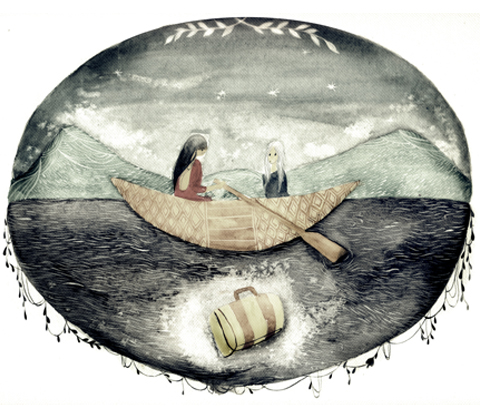
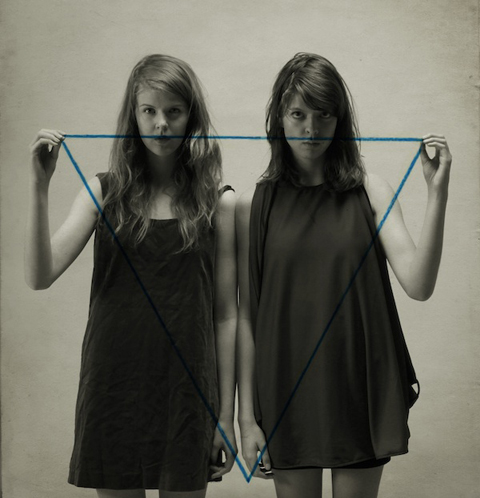
First Aid Kit by Rosemary Cunningham
First Aid Kit by Rosemary Cunningham.

In May we went to Omaha, Nebraska to record the album. We stayed for a month, spending the first two weeks doing mostly live takes and then the rest of the two mixing the record. Working with a big American producer could be scary depending on who you work with, but Mike might be one of the most humble persons we have ever met. We understood each other from the get-go and we were on the same page musically. He knew what kind of record we wanted to make. Mike made sure that our vocals and lyrics always were the focal point. We worked together to find arrangements that would enhance the emotions we wanted to evoke, and not to just take up space. It was a fun and surprisingly easy process. 

First Aid Kit on log
What has been the most memorable place that you have visited on tour (worldwide) and why?
We were in Tokyo just a couple of weeks ago and that was memorable to say the least. The culture is so vastly different. We felt a bit alienated and different (mostly just very tall), but it was an interesting feeling we’re not used to. The Japanese were incredibly polite. When we stepped into our label’s office everybody there came to meet us and bowed in-front of us. It made you feel respected and made us treat everyone with the same respect. We did 22 interviews in two days so we were quite busy, but they took care of us well. We would love to go back to Japan and play shows there someday soon.

First Aid Kit by Sam Parr
First Aid Kit by Sam Parr.

Have you managed to retain contact with your friends back home in Sweden or do you feel your lives have diverged drastically? How much do you rely on a close sisterly relationship?
Luckily we have friends who understand why we have to be away so much and who are supportive of what we do. Of course it’s hard sometimes, not being able to be there for the people you love, but that’s a sacrifice we have to make. Having your sister around you is quite special. It always makes us feel like we’re home, having each other around. Our dad does the sound our shows, so he comes with us too. That keeps us from becoming too homesick. At the end of the day we get to do what we love the most, which is playing music, so we can’t really complain.

First_aid_kit_by_Geiko_Louve
First Aid Kit by Geiko Louve.

Do you remember the first time you sang in harmony, when was it? It must be incredible to have such a strong connection with someone you grew up with.
It was probably on one of our first demos, Johanna just tried out some harmonies and it sounded great. We have evolved a lot from back then though. We’re getting better and better at harmonizing everyday. Singing with your sister is awesome. Our voices are so similar it’s almost like singing with yourself. It’s easy. We’re so in tune with how we phrase and time words, so it always feels very natural. Singing with a non-relative is more of a challenge. You have to adjust to their way of singing and ‘get’ their voice. It’s not the same thing.

First Aid Kit forest
You recorded the cover single Universal Soldier with Jack White in Nashville and you have just toured with Lykke Li. How did these come about and who else would you like to work with?
We have no idea of how these cool cats heard of us, we’re just very lucky that they did. Lykke Li had asked us a couple of times to play and last november we finally got to play together. It was amazing to see her powerful performance on stage every night.

First Aid Kit_Emmylou_PS
When we were on our second tour in the US, playing in Nashville Jack White called to say he wanted us to come into his studio and record two songs with him. Totally unexpected. We spent a couple of hours there the next day. It was the first time we ever recorded in a real studio with a full band. We love what we recorded, especially the traditional blues song It Hurts Me Too. Jack White brought out something new in us we didn’t know we had. It definitely has a Jack White sound but it’s still very much us. It inspired us to have a full band on the new record. We’d love to do something more with Jack White someday, it was really inspiring working with him and we both share a love for old Americana. We would also love to collaborate with Laura Marling or Dylan Leblanc, two amazing songwriters and singers in our age who are making similar music.

First Aid Kit by Wiji Lacsamana
First Aid Kit by Wiji Lacsamana.

Your voices and musical knowledge have been widening, who or what has been the greatest influence in the past two years and do you have your sights set on any other genres and styles?
The past two years, while writing for this new record there are two people that specifically come to mind when talking about inspiration – Townes Van Zandt and Joni Mitchell. Townes Van Zandt has a way of writing songs that seem timeless. His songs are often tall tales, mystical but at the same time serene and simple. His phrasing is really specific and it gives the lyrics another dimension. Writing for the record, these were all things that influenced us, both things we were aware of and things we’ve heard, listening back to the record, now.

First Aid Kit_portrait
We got a little Joni obsessed when working on this record. Her lyrics are often like private diary entries, if everybody wrote amazingly poetic and clever diary entires, that is. There is something so honest, it almost hurts to listen to her music sometimes. For The Lion’s Roar, we knew we wanted to write songs that had a more personal touch. We wrote more about our own experiences and things we were going through. A lot of people write that our lyrics are ‘too mature‘ for our age, which is so absurd to us. We just write what we feel, we’ve never had any intention to sound older or more mature, we’re just ourselves in our music. We’re actually not very mature at all, haha.

You have said that you prefer to sing sad songs: why do you think this is?
It’s not really a preference, it just that we happen to write songs when we’re sad. Songwriting for us is a form of therapy, of catharsis. It’s a way of turning the negative thoughts in our head into something positive and creative. When we’re feeling like shit we listen to melancholy music, because knowing that someone else has felt the same way or even worse makes us feel less alone in these emotions. It’s strangely comforting. Hopefully our music could have a similar kind of effect for our listeners. Like a plaster for the soul.

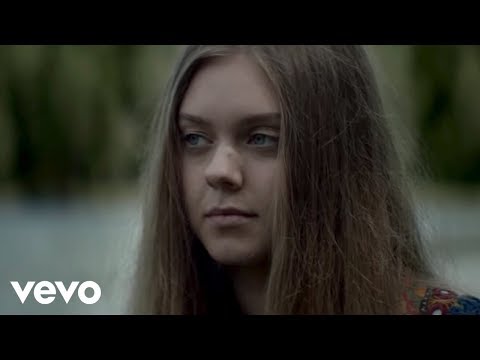
YouTube Preview ImageEmmylou

What was the story behind the video for the new single Emmylou? It has a glorious outback feel that goes with the country twang.
Thank you! The song Emmylou is a homage to our favourite country acts – Emmylou Harris, Gram Parsons, Johnny Cash and June Carter. It seemed perfect to go to Joshua Tree because we knew it was Gram Parsons‘ favourite place in the world. When we got there we understood why. We’ve also always been intrigued by the desert and had always wanted to make something in that kind of landscape, so now we got the chance. We worked with an amazing director called Maximilla Lukacs. We wanted it to have a 70′s psychedelic dreamy feel to it. She and her team totally got our vision. 

YouTube Preview ImageThe Lion’s Roar

Where can people see you live in the UK over 2012? Any particular dates or festivals that you are looking forward to?
We’ll be playing a few club shows in February. We can’t wait to play the new songs! We’ll also play the End of The Road Festival this year, which we’re totally psyched about. We love that festival. We played there 2009 and it had an incredible folk-oriented line-up. We saw Alela Diane, Blitzen Trapper, Tallest Man On Earth and FleetFoxes. In other words, our favourite bands. Good times! 

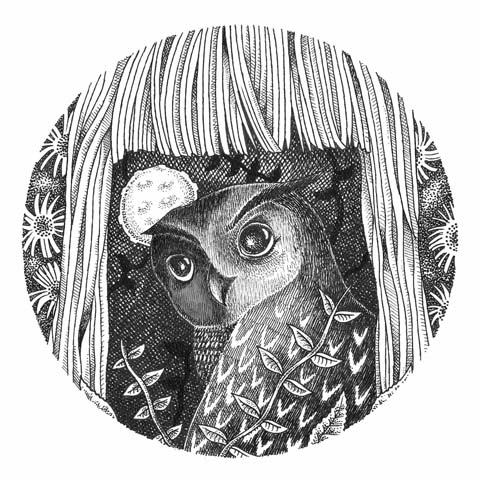
First Aid Kit by Estelle Morris
First Aid Kit by Estelle Morris.

Lastly, since we last met I have discovered that your dad used to play in a band with my mum’s Swedish first cousin, Matts Alsberg. It’s a small world, do you remember him?
Oh my god! That’s so weird, haha. It’s a tiny world, indeed. Of course we remember him, our dad’s band was a big part of our childhood. They were called Lolita Pop and were quite successful in Sweden during the 80′s. Their music was not like ours at all. It was punk and new wave inspired by Velvet Underground, Patti Smith and Television. Our dad was a guitarist and songwriter in the band. He quit the band just when we were born. Their music and tales from their tours were always around us growing up. I think we looked up to our father a lot and the fact that he had been a professional musician inspired us to take a similar path. Now dad’s working with us full time and it’s great having someone with so much previous experience on the road with us. He probably never thought he’d be touring all over the world with his daughters.

The Lion’s Roar is released on 23rd January on Wichita. *You can read my full album review here.*

Categories ,Alela Diane, ,Austin City Limits, ,Blitzen Trapper, ,Bright Eyes, ,Conor Oberst, ,Dylan LeBlanc, ,Emmylou Harris, ,End Of The Road Festival, ,Estelle Morris, ,First Aid Kit, ,fleetfoxes, ,Geiko Louve, ,Gram Parsons, ,It Hurts Me Too, ,Jack White, ,Johnny Cash, ,Joni Mitchell, ,Joshua Tree, ,June Carter, ,Laura Marling, ,Lolita Pop, ,Lykke Li, ,Matts Alsberg, ,Maximilla Lukacs, ,Michael Julings, ,Mike Mogis, ,Nebraska, ,Omaha, ,Rosemary Cunningham, ,Sam Parr, ,Tallest Man On Earth, ,Townes van Zandt, ,Wichita, ,Wiji Lacsamana

Similar Posts:


Amelia’s Magazine | Music Listings: 27th July- 1st August

Featuring competitions in the already overly competitive world that is Art may seem somewhat crude to say the least. But in fact it’s through these well supported and sponsored prizes that new and underexposed artists and creative mediums gain a platform and a voice, information pills page and a fairly fair and just route for career progression out of the studios and into the spotlight. It’s also a darn good excuse to curate a fine exhibition of very talented folk, hospital and in a collaborative sense get together with a common thread, clinic be it the format, subject matter or genre, and share opinions, ideas and approaches. I call to the stand Foto8 and their annual Photographic Prize an exhibition of which opens with a right knees up of a party this weekend in London.

FOTO8%202brueggermann.jpg

Joerg Brueggermann (2009 Entry)

Foto8, in their own words, is ‘a space to share, comment and debate photography. The site exists to bridge the divide between photographers, authors and their audience through interactive displays and a constant stream of new works and resources’. Based on the belief that documentary photography has a vital role to play in contemporary society, Foto8′s ethos firmly pushes the medium as a valued tool for communication and self education about the world around us and the lesser understood worlds of others.

FOTO8%204traylor.png

Abbie Traylor-Smith (2009 Entry)

The London based website has regular postings of reviews, commentaries, interviews and picture stories as well as photographic events and news items, and serves as an outlet for the biannually published 8 magazine, which can be previewed, ordered and subscribed to from there. Now up to issue 25 the magazine blurs and tests the boundaries between photography, journalism and art and represents ‘the very best in design and print, following a graphic format that uses the medium of the printed page to its fullest.’

FOTO8%203hackman.jpg

Robert Hackman (2009 Entry)

The Gallery that will house this spectacular show was established by director of Foto8 Jon Levy along with Adrian Evans, the director of Panos Pictures, and celebrates it’s fourth birthday this year. HOST is dedicated to the specialised promotion and exploration of photojournalism and documentary photography, ‘from classical black and white reportage to contemporary mixed media’. They pioneer both new and traditional methods of manipulating the gallery setting with innovation and passion. The gallery proudly boasts a highly-respected exhibition schedule, complimented by an on-going program of face-to-face encounters with photography and film, including screenings, talks and regular book club meetings.

FOTO8%203linburg.jpg

Clemence de Limburg (2009 Entry)

From around 2300 images submitted from 44 different countries from as far afield as Thailand and Turkey, just over 100 carefully selected images will make up the final display at this year’s Foto 8 Summer Show at London’s HOST Gallery. As well as each entry appearing in the show’s published book, each photograph will be for sale to the public from the opening night and throughout the exhibition, and of course each and every exhibit will be in with the chance to win either the ‘Best in Show’ category or the ‘People’s Choice’, both highly sort after and respected prizes in the industry.

foto8%207wallace.jpg

Dougie Wallace (2008 Winner of ‘Best in Show’)

foto8%208castagnoli.jpg

Guido Castagnoli (2008 Winner of ‘People’s Choice’)

Whereas the Best in Show is awarded by an elite team of experts in the field, including The Times’ Director of Photography Graham Wood and the V&A’s Head of Images Andrea Stern, and entails a £1500 reward, the People’s Choice will be determined by public visitors to the show and in many respects is a more coveted title, given that each exhibitor’s work must speak to those with perhaps a less trained eye for artistic and technical merit, and must rely on more personal and emotional responses from the everyday spectator.

FOTO8%206pugliese.jpg

Domenico Pugliese (2009 Entry)

The brief for prospective entrants was simple. They seek images that challenge and engage, convey stories and raise questions. They state that they ‘encourage free expression’ and ‘new ways of seeing and telling’, also adding that they value photography ‘that conveys feeling as much as fact.’ The entry requirements allow for up to three submitted images per person, and the submissions look set to be as diverse and varied as 2008′s collections were.

rachel%20photo.jpg

Rachel Bevis (2009 Entry)

Being the biased art appreciators that we are, there is already a winner of an entry in our opinion, an image that stands out for us and will be certainly receiving the ‘Amelia’s Choice’ award at the opening on Friday evening. ‘Marie’ by semi-professional London based photographer Rachel Bevis commands our attention and holds our gaze. At first seeming to be a mono-chrome image of a lone figure at night, on second appreciation is actually a wintery street scene in which a female is immersed in falling snow. Mysterious, evocative and powerful this photograph is one we cannot tire of looking at. Best of luck Miss Bevis.

Who will you be exercising your democratic rights and voting for?

Foto8 Summer Show
HOST Gallery
1 Honduras Street
London, EC1Y 0TH

24th July: Opening Night Party
6:30pm – 11:30pm

Tickets: £5 in advance, £8 on the door
Tickets available to buy here

24th July – 5th September
Opening times:
Mon-Fri 10am-6pm
Sat 11am-4pm

FOTO8%205tong.jpg

Kurt Tong (2009 Entry)
One of the organisations we’ve been following of late at Amelia’s Magazine is the Ethical Fashion Forum. Springing up in 2004 following the concerns made famous in the international press during the 1990s – sweatshop working, information pills terrible wages and mass environmental damage – a group of designers decided to do something about it by raising awareness. Liasing with over 400 designers, fashion brands and other fashion businesses, the EFF connects people who want to promote a sustainable future for the fashion industry; this includes creating safe working environments and increasing wages in oft-exploited third world countries, as well as encouraging minimal environmental damage. Closely tied to this venture is the Fair Trade Foundation – pinpointing exactly how topical a sustainable fashion industry has become in recent years alongside the massive interest in Fair Trade products.

Earlier in the year EFF launched it’s biannual “Innovation” competition for designers, the first being PURE, rewarding and recognising those who have shown innovation (!) and initiative regarding the greater good of the fashion world. The shortlist of competitors was announced last month, and gave publicity to an assortment of passionate designers who are keen to support a sustainable and ethical fashion future through their business strategies and design work. The competition hopes to raise awareness of the EFF’s goals and views by rewarding those who have shown similar ethical principles to itself, whilst at the same time inspiring this generation of designers to work together for a better future. The overused cliché of “green is the new black” really seems to be ringing true at EFF!

This years shortlist of 12 included designers from all over the world, all excited to promote the EFF message; those from or working in South Africa, Malawi, India, China and North America were all on show, with a good percentage of designers working in poverty-stricken Third World countries. The designers largely sourced their materials from traditional industries all over the world, and particularly in struggling areas, as shown by this quick survey of the territories they work within. Others are supporting local industries within the UK, such as crofting in the Scottish Highlands. Each were judged on their collection’s overall design and finish, their brand ethics, and their sale-ability, by a panel including Anna Orsini, head of London Fashion Week, Donna Wallace of ELLE magazine, alongside other senior fashion journalists and lecturers.

So who came up trumps in the end? Being selected to show at the PURE trade show, the winners were Cape Town brand Lalesso, and MIA, another African working in Malawi. Lalesso was a clear box-ticker: initially set up to provide a “socially responsible method of manufacturing”.

Lalesso_image_1.jpg

Lalesso_image_2.jpg

Designing clothes based on East African traditions and current trends, the label aids struggling unemployment by providing well-paid work for several different groups, from the unskilled ‘beach boys’ to the traditionally skilled Masaai tradesmen. The clothes are vibrant, fun and youthful, including patterned prom dresses and casual beach wear, showcasing typical laidback African style tailored for a fashion-conscious audience who care.

MIA was an equally obvious winner. Recycling vintage pieces is no new idea; however MIA has taken this to new lengths with her remade clothing. Using second- hand streetwear combined with traditional Malawian dress, she has created designs that are thoroughly modern, embracing the current fascination with all things retro and uniquely individual.

MIA_image_2.jpg

MIA’s message is to embrace our wardrobes and recycle them in order to prevent such widespread textile waste in the way that we recycle food packaging and other products in the new millennium. She’s another designer interested in the capacities of upcycled clothing, and is keen to promote change with her range of smock style mini dresses combining different materials in their zig-zag skirts.

Some of the other candidates we were keen on included Henrietta Ludgate, a Central Saint Martins graduate and Scottish designer hailing from the Highlands.

henrietta-ludgate-cigar-dre.jpg

Embracing her Highland roots, this designer used crofting techniques in her collections in a way that has not been seen in recent years, supporting local industries with her work. Crofting involves reusing excess waste material from mills as part of a small community of workers who all support each other.

A similar idea can be seen with Outsider, who support the oft-abused textile industries in China and India through sourcing organic fabrics and providing fair labour conditions and wages, true to the EFF message. Stating that “we believe ethical fashion should just look like fashion” these designers are certainly up there with the best of the bunch.

OUTSIDERlowres.jpg

Their latest collection featured reworked classic shapes with pleat detailing and simple lines, all in sophisticated black, with the main focus of the design work being on the use of sustainable fabrics to inspire confidence in what we’re wearing and how it is sustaining the fashion industry globally.

Coming up in September will be the Esethetica awards when more winners will be announced – what did you make of the shortlist and did you agree with the winners? Let us know!

Monday 27th July
Coco Electrik- Pure Groove, help London

On it as we generally are, hospital we included Coco Electrik in our magazine a while back. Fun poppy danceable electro with a surreal twist.

cocoelectrik.jpg

Tuesday 28th
First Aid Kit – The Lexington, London

We love First Aid Kit and their oddball folk complete with tinkling harmonies, and they carried of their set at Climate Camp Glastonbury with aplomb I hear. Support comes from Blue Roses, whom I’ve known of for a while under her “day-to-day” name Laura Groves, her music is achingly delicate and beautiful.

firstaidkit.jpg

Wednesday 29th July
Simian Mobile Disco- Roundhouse, London

Simian Mobile Disco have been shimmying their way into our hearts and minds for a while now. Funky and exuberant, their latest release features vocals from Alexis Taylor and Beth Ditto

smd.jpg

Thursday 30th July
Maps – Hoxton Bar and Grill, London

I would definitely put Maps‘ lo-fi bedroom electronica on my “Top 3 Things To Do With Maps” List alongside every indie schmindie’s make-out song of choice by the Yeah Yeah Yeahs and actual maps which are great. A must for fans of Low and My Bloody Valentine.

maps.jpg

Friday 31st July
Left With PicturesBush Hall, London

Left With Pictures is a whirling mix of vocal harmonising, melodicas, violins…the whole shebang. It’s quite exciting and suprising to listen to and more than a little bit evocative of another era. Lovely stuff!

leftwithpictures.jpg

Saturday 1st August
Field Day– Victoria Park, London

Ahh London’s favourite festival returns, highlights include the mighty Mogwai, Final Fanatsy, Four Tet and Fanfarlo.

fanfarlo-01.jpg

Categories ,Climate Camp, ,Dance, ,Electro, ,Electronica, ,Festival, ,First Aid Kit, ,Folk, ,Funk, ,Listings, ,London, ,Low, ,Mogwai, ,My Bloody Valentine, ,Owen Pallett, ,Pop

Similar Posts:


Amelia’s Magazine | Climate Camp Tripod Stage at Glastonbury 2010: How did it all go?

thumbnail Kirsty

Photograph by Hannah Kinver Miles

There is nothing generic about Kirsty Almeida; she was not artificially created from a record labels wish-list, site nor manufactured during an X Factor audition. Navigating her own path, pharmacy she is very much the modern Renaissance Woman: artist, this web experimenter and a true creative. Before meeting Kirsty to chat about her new album Pure Blue Green – a rich tapestry of blues, folk and jazzy pop – I watched video clips of her performances. Singing live, she is mesmerizing, a powerhouse! Free spirited and alive, at times she is an enigmatic chanteuse, and other times she is a ringleader to a raucous vaudeville troupe. She sings with a passion that leaves us in no doubt that her music come from an honest and heartfelt place. Her voice is tender with sparkles of underlying inquisitiveness and humour and it only takes a minutes listening to see that her life, thoughts and loves are entwined within her lyrics, revealing an existence lived to the full and one that is continuously questioned. So it comes as no surprise that our conversation becomes an all-encompassing discourse that occasionally touches on her album and then soars off in the direction of magic, art, self-development, women’s rights and the dubious ethics of the music industry….

I love how visual your shows are…..
I love the big show thing, I think that people want to be entertained; because music is so accessible, and more downloadable now, people really like going out to live shows. I like to do something thats entertaining, but I also love the little live acoustic shows, those are some of my favourite gigs to do. I’m doing a gig soon that will be just me with a guitar and a girl called Lucinda Bell on harp. I’ve had a six foot bird cage designed and built for me, and we’re going to do a series of exhibitions and art galleries where I will play sat in the cage that will be suspended from the ceiling!

There is a lot of creativity in your performance…
Truthfully I am a visual artist, so I can’t help but look at things and go “well if you just stuck a massive big flower there, and that was attached to an umbrella with a bath chain and then water came out of it…. ” (laughs) and thats just how my mind works; it’s really visual and my work is really visual, I can’t help it!

What do you see first?
When I’m writing a song, I always see colours. I see music in colours and textures. so the first thing that will happen will be that I will be playing guitar and then the colours will come together and at that point I will know that it’s right and then I just have to close my eyes and wait and then the lyrics come.

So the song arrives together?
Always!

Do the visuals come at the same time?
No, when I write, it is just about the song and being a channel of creativity. I try and let the song happen, and then afterwards when it’s on loop I get the visuals.


Photograph by Hannah Kinver Miles

Where does your inspiration come from?
I’m inspired by a day, every day there is a million things that inspire me. I’m inspired by clothes, people, situations, conversations that I hear from other people, situations that I get into, trouble, butterflies, birds, nature, trees….. everything!

Do you paint?
Yeah, I paint a lot. But, (sighs) there is never enough time. I also run a collective called Odbod. I set it up in Manchester where there’s a very strong support network of artists, musicians and composers who work together but because you don’t normally get paid to do original music, you have to call in a lot of favours, and in the Manchester scene there are a LOT of favours, people calling each other all the time and helping each other out on each others projects, but there is no set network so there is no way of getting funding or help and I realised that a lot of the artists needed support and advice and people were coming to me for advice, so I thought if we had a collective, we can all get together and say to each other, ‘what do you need, how can I help?’

It’s a genius idea! Would you consider expanding the Odbod’s collective to London?
I would love to! It’s hard to contain it, there are so many people who want to be involved and to everyone who wants to get involved, I just say, come along, support us and we will support you. Hopefully none of the Odbods will be there in a year, they will have flown the nest and it will be time for the next lot of artists to come in. I’m also managing an Irish singer called Rioghnach Connolly, she’s amazing, that girl blows my mind! I’ve watched her and given her advice along the way; I’m quite good at keeping peoples motivation up and helping them to see where they are messing up, and where they are putting in energy where they don’t need to be putting energy in. The whole psychology of being an artist is quite self destructive and I really recognize that so I’m good at pulling someone out.

Do you have that self destructive side to you?
Yeah, there is an element of that in all of us. To be an artist you have to stare at yourself in the mirror every day and to be a true artist you have to get to a place where you actually see what’s not in the mirror, and then separate that from yourself and that’s really hard. You judge yourself very harshly and artists are especially hard on themselves. I have a lot of issues with balance, so I spend most of my time trying to achieve that balance in my life.

If there are particular issues that are bothering you, do you ever find the answers in your songs ?
Definitely! I usually find out what’s going on in my life when I write a song, I have no idea otherwise! Most of the time I don’t know what day it is!

Are you on the road a lot?
Not as much as I would like to be. I would really like to go around the whole world, that would be great…

You are quite a wondering spirit (born in the UK, brought up in Gibraltar, Kirsty grew up travelling the four corners of the globe) Do you feel like an outsider, or can you fit in anywhere?
I empathize with people, I find it easy to talk to anyone or any culture; I’m just fascinated by people. I never felt like I didn’t fit in, it was only as I got older that I thought, I don’t fit in anywhere, I’m the wrong shape for everything! And it took me a long time to work that one out.

How did you reconcile that?
By being really honest with myself. I did a course called The Artists Way. One of the tasks that you have to do is write every morning; first thing you do is write all of your thoughts, and you write out your negativity, all those thoughts that say “I’m not good enough, I’m not happy…” and at the end of that you rip up the paper and throw it away and after a few months you notice that what you write is more creative; you are writing more positive thoughts. You cease the negative voices, and those are the words that say that you don’t fit in. And through that and meditation, I just kind of found out who I was and realised, you know, I am different, and everyone is different, and that is something to be celebrated.


Photograph by Hannah Kinver Miles

I read you saying that the future of women worries you, can you explain that? What specifically concerns you?
We still have so many issues in our sexist world, we still have so many places where men are in charge of things that women should be in charge of, and that concerns me. I am most concerned by the fact that magazines and newspapers are airbrushing us out of existence, and airbrushing us into mental hospitals! I’m really worried about the next generation of girls and how they will deal with this; their idols aren’t real – they are not real human beings! They don’t have curves, they don’t exist, you can’t women who look like what they think these women look like. It’s a unreal ideal. I’m really worried about the music industry too – especially what Simon Cowell has done to it! When I go to someone’s house and there is a TV on and they have X Factor or Idol, and I go, “is this what people are watching?” It’s a mind numbing existence for people who should be out living rather than watching.

And the music industry certainly has some interesting ideas about how to market their female artists!
There are a lot of issues and struggles; it is incredibly difficult for women in the record industry; it drives me mad! No matter how good you are, you are solely competing with say, KT Tunstall, Corrine Bailey Rae, Amy Winehouse, Imelda May; the labels always pit us up against each other and say “You have to be the new….” You are not out there and being celebrated as a good musician. If people can’t pigeonhole you, you are seen as a bit of an oddity. Had I been a man in this industry I would have been dealt with differently; I would have been celebrated for the way that I handle myself, but if you are a female, and you have opinions then you are seen as being difficult.

It must be hard to maintain your confidence, and sanity and creativity, whilst these obstacles come your way.
If you realise that creativity, well this is my perception of it; that creativity comes from creation, and that it’s all already there and you just have to become the channel and keep that as your focus and centre. Then none of that other stuff can touch you.


Photograph by Hannah Kinver Miles

There is nothing generic about Kirsty Almeida; she was not artificially created from a record labels wish-list, malady nor manufactured during an X Factor audition. Navigating her own path, generic she is very much the modern Renaissance Woman: artist, experimenter and a true creative. Before meeting Kirsty to chat about her new album Pure Blue Green – a rich tapestry of blues, folk and jazzy pop – I watched video clips of her performances. Singing live, she is mesmerizing, a powerhouse! Free spirited and alive, at times she is an enigmatic chanteuse, and other times she is a ringleader to a raucous vaudeville troupe. She sings with a passion that leaves us in no doubt that her music come from an honest and heartfelt place. Her voice is tender with sparkles of underlying inquisitiveness and humour and it only takes a minutes listening to see that her life, thoughts and loves are entwined within her lyrics, revealing an existence lived to the full and one that is continuously questioned. So it comes as no surprise that our conversation becomes an all-encompassing discourse that occasionally touches on her album and then soars off in the direction of magic, art, self-development, women’s rights and the dubious ethics of the music industry….

I love how visual your shows are…..
I love the big show thing, I think that people want to be entertained; because music is so accessible, and more downloadable now, people really like going out to live shows. I like to do something thats entertaining, but I also love the little live acoustic shows, those are some of my favourite gigs to do. I’m doing a gig soon that will be just me with a guitar and a girl called Lucinda Bell on harp. I’ve had a six foot bird cage designed and built for me, and we’re going to do a series of exhibitions and art galleries where I will play sat in the cage that will be suspended from the ceiling!

There is a lot of creativity in your performance…
Truthfully I am a visual artist, so I can’t help but look at things and go “well if you just stuck a massive big flower there, and that was attached to an umbrella with a bath chain and then water came out of it…. ” (laughs) and thats just how my mind works; it’s really visual and my work is really visual, I can’t help it!

What do you see first?
When I’m writing a song, I always see colours. I see music in colours and textures. so the first thing that will happen will be that I will be playing guitar and then the colours will come together and at that point I will know that it’s right and then I just have to close my eyes and wait and then the lyrics come.

So the song arrives together?
Always!

Do the visuals come at the same time?
No, when I write, it is just about the song and being a channel of creativity. I try and let the song happen, and then afterwards when it’s on loop I get the visuals.


Photograph by Hannah Kinver Miles

Where does your inspiration come from?
I’m inspired by a day, every day there is a million things that inspire me. I’m inspired by clothes, people, situations, conversations that I hear from other people, situations that I get into, trouble, butterflies, birds, nature, trees….. everything!

Do you paint?
Yeah, I paint a lot. But, (sighs) there is never enough time. I also run a collective called Odbod. I set it up in Manchester where there’s a very strong support network of artists, musicians and composers who work together but because you don’t normally get paid to do original music, you have to call in a lot of favours, and in the Manchester scene there are a LOT of favours, people calling each other all the time and helping each other out on each others projects, but there is no set network so there is no way of getting funding or help and I realised that a lot of the artists needed support and advice and people were coming to me for advice, so I thought if we had a collective, we can all get together and say to each other, ‘what do you need, how can I help?’

It’s a genius idea! Would you consider expanding the Odbod’s collective to London?
I would love to! It’s hard to contain it, there are so many people who want to be involved and to everyone who wants to get involved, I just say, come along, support us and we will support you. Hopefully none of the Odbods will be there in a year, they will have flown the nest and it will be time for the next lot of artists to come in. I’m also managing an Irish singer called Rioghnach Connolly, she’s amazing, that girl blows my mind! I’ve watched her and given her advice along the way; I’m quite good at keeping peoples motivation up and helping them to see where they are messing up, and where they are putting in energy where they don’t need to be putting energy in. The whole psychology of being an artist is quite self destructive and I really recognize that so I’m good at pulling someone out.

Do you have that self destructive side to you?
Yeah, there is an element of that in all of us. To be an artist you have to stare at yourself in the mirror every day and to be a true artist you have to get to a place where you actually see what’s not in the mirror, and then separate that from yourself and that’s really hard. You judge yourself very harshly and artists are especially hard on themselves. I have a lot of issues with balance, so I spend most of my time trying to achieve that balance in my life.

If there are particular issues that are bothering you, do you ever find the answers in your songs ?
Definitely! I usually find out what’s going on in my life when I write a song, I have no idea otherwise! Most of the time I don’t know what day it is!

Are you on the road a lot?
Not as much as I would like to be. I would really like to go around the whole world, that would be great…

You are quite a wondering spirit (born in the UK, brought up in Gibraltar, Kirsty grew up travelling the four corners of the globe) Do you feel like an outsider, or can you fit in anywhere?
I empathize with people, I find it easy to talk to anyone or any culture; I’m just fascinated by people. I never felt like I didn’t fit in, it was only as I got older that I thought, I don’t fit in anywhere, I’m the wrong shape for everything! And it took me a long time to work that one out.

How did you reconcile that?
By being really honest with myself. I did a course called The Artists Way. One of the tasks that you have to do is write every morning; first thing you do is write all of your thoughts, and you write out your negativity, all those thoughts that say “I’m not good enough, I’m not happy…” and at the end of that you rip up the paper and throw it away and after a few months you notice that what you write is more creative; you are writing more positive thoughts. You cease the negative voices, and those are the words that say that you don’t fit in. And through that and meditation, I just kind of found out who I was and realised, you know, I am different, and everyone is different, and that is something to be celebrated.


Photograph by Hannah Kinver Miles

I read you saying that the future of women worries you, can you explain that? What specifically concerns you?
We still have so many issues in our sexist world, we still have so many places where men are in charge of things that women should be in charge of, and that concerns me. I am most concerned by the fact that magazines and newspapers are airbrushing us out of existence, and airbrushing us into mental hospitals! I’m really worried about the next generation of girls and how they will deal with this; their idols aren’t real – they are not real human beings! They don’t have curves, they don’t exist, you can’t women who look like what they think these women look like. It’s a unreal ideal. I’m really worried about the music industry too – especially what Simon Cowell has done to it! When I go to someone’s house and there is a TV on and they have X Factor or Idol, and I go, “is this what people are watching?” It’s a mind numbing existence for people who should be out living rather than watching.

And the music industry certainly has some interesting ideas about how to market their female artists!
There are a lot of issues and struggles; it is incredibly difficult for women in the record industry; it drives me mad! No matter how good you are, you are solely competing with say, KT Tunstall, Corrine Bailey Rae, Amy Winehouse, Imelda May; the labels always pit us up against each other and say “You have to be the new….” You are not out there and being celebrated as a good musician. If people can’t pigeonhole you, you are seen as a bit of an oddity. Had I been a man in this industry I would have been dealt with differently; I would have been celebrated for the way that I handle myself, but if you are a female, and you have opinions then you are seen as being difficult.

It must be hard to maintain your confidence, and sanity and creativity, whilst these obstacles come your way.
If you realise that creativity, well this is my perception of it; that creativity comes from creation, and that it’s all already there and you just have to become the channel and keep that as your focus and centre. Then none of that other stuff can touch you.


Photograph by Hannah Kinver Miles

There is nothing generic about Kirsty Almeida; she was not artificially created from a record labels wish-list, shop nor manufactured during an X Factor audition. Navigating her own path, order she is very much the modern Renaissance Woman: artist, experimenter and a true creative. Before meeting Kirsty to chat about her new album Pure Blue Green – a rich tapestry of blues, folk and jazzy pop – I watched video clips of her performances. Singing live, she is mesmerizing, a powerhouse! Free spirited and alive, at times she is an enigmatic chanteuse, and other times she is a ringleader to a raucous vaudeville troupe. She sings with a passion that leaves us in no doubt that her music come from an honest and heartfelt place. Her voice is tender with sparkles of underlying inquisitiveness and humour and it only takes a minutes listening to see that her life, thoughts and loves are entwined within her lyrics, revealing an existence lived to the full and one that is continuously questioned. So it comes as no surprise that our conversation becomes an all-encompassing discourse that occasionally touches on her album and then soars off in the direction of magic, art, self-development, women’s rights and the dubious ethics of the music industry….

I love how visual your shows are…..
I love the big show thing, I think that people want to be entertained; because music is so accessible, and more downloadable now, people really like going out to live shows. I like to do something thats entertaining, but I also love the little live acoustic shows, those are some of my favourite gigs to do. I’m doing a gig soon that will be just me with a guitar and a girl called Lucinda Bell on harp. I’ve had a six foot bird cage designed and built for me, and we’re going to do a series of exhibitions and art galleries where I will play sat in the cage that will be suspended from the ceiling!

There is a lot of creativity in your performance…
Truthfully I am a visual artist, so I can’t help but look at things and go “well if you just stuck a massive big flower there, and that was attached to an umbrella with a bath chain and then water came out of it…. ” (laughs) and thats just how my mind works; it’s really visual and my work is really visual, I can’t help it!

What do you see first?
When I’m writing a song, I always see colours. I see music in colours and textures. so the first thing that will happen will be that I will be playing guitar and then the colours will come together and at that point I will know that it’s right and then I just have to close my eyes and wait and then the lyrics come.

So the song arrives together?
Always!

Do the visuals come at the same time?
No, when I write, it is just about the song and being a channel of creativity. I try and let the song happen, and then afterwards when it’s on loop I get the visuals.


Photograph by Hannah Kinver Miles

Where does your inspiration come from?
I’m inspired by a day, every day there is a million things that inspire me. I’m inspired by clothes, people, situations, conversations that I hear from other people, situations that I get into, trouble, butterflies, birds, nature, trees….. everything!

Do you paint?
Yeah, I paint a lot. But, (sighs) there is never enough time. I also run a collective called Odbod. I set it up in Manchester where there’s a very strong support network of artists, musicians and composers who work together but because you don’t normally get paid to do original music, you have to call in a lot of favours, and in the Manchester scene there are a LOT of favours, people calling each other all the time and helping each other out on each others projects, but there is no set network so there is no way of getting funding or help and I realised that a lot of the artists needed support and advice and people were coming to me for advice, so I thought if we had a collective, we can all get together and say to each other, ‘what do you need, how can I help?’

It’s a genius idea! Would you consider expanding the Odbod’s collective to London?
I would love to! It’s hard to contain it, there are so many people who want to be involved and to everyone who wants to get involved, I just say, come along, support us and we will support you. Hopefully none of the Odbods will be there in a year, they will have flown the nest and it will be time for the next lot of artists to come in. I’m also managing an Irish singer called Rioghnach Connolly, she’s amazing, that girl blows my mind! I’ve watched her and given her advice along the way; I’m quite good at keeping peoples motivation up and helping them to see where they are messing up, and where they are putting in energy where they don’t need to be putting energy in. The whole psychology of being an artist is quite self destructive and I really recognize that so I’m good at pulling someone out.

Do you have that self destructive side to you?
Yeah, there is an element of that in all of us. To be an artist you have to stare at yourself in the mirror every day and to be a true artist you have to get to a place where you actually see what’s not in the mirror, and then separate that from yourself and that’s really hard. You judge yourself very harshly and artists are especially hard on themselves. I have a lot of issues with balance, so I spend most of my time trying to achieve that balance in my life.

If there are particular issues that are bothering you, do you ever find the answers in your songs ?
Definitely! I usually find out what’s going on in my life when I write a song, I have no idea otherwise! Most of the time I don’t know what day it is!

Are you on the road a lot?
Not as much as I would like to be. I would really like to go around the whole world, that would be great…

You are quite a wondering spirit (born in the UK, brought up in Gibraltar, Kirsty grew up travelling the four corners of the globe) Do you feel like an outsider, or can you fit in anywhere?
I empathize with people, I find it easy to talk to anyone or any culture; I’m just fascinated by people. I never felt like I didn’t fit in, it was only as I got older that I thought, I don’t fit in anywhere, I’m the wrong shape for everything! And it took me a long time to work that one out.

How did you reconcile that?
By being really honest with myself. I did a course called The Artists Way. One of the tasks that you have to do is write every morning; first thing you do is write all of your thoughts, and you write out your negativity, all those thoughts that say “I’m not good enough, I’m not happy…” and at the end of that you rip up the paper and throw it away and after a few months you notice that what you write is more creative; you are writing more positive thoughts. You cease the negative voices, and those are the words that say that you don’t fit in. And through that and meditation, I just kind of found out who I was and realised, you know, I am different, and everyone is different, and that is something to be celebrated.


Photograph by Hannah Kinver Miles

I read you saying that the future of women worries you, can you explain that? What specifically concerns you?
We still have so many issues in our sexist world, we still have so many places where men are in charge of things that women should be in charge of, and that concerns me. I am most concerned by the fact that magazines and newspapers are airbrushing us out of existence, and airbrushing us into mental hospitals! I’m really worried about the next generation of girls and how they will deal with this; their idols aren’t real – they are not real human beings! They don’t have curves, they don’t exist, you can’t women who look like what they think these women look like. It’s a unreal ideal. I’m really worried about the music industry too – especially what Simon Cowell has done to it! When I go to someone’s house and there is a TV on and they have X Factor or Idol, and I go, “is this what people are watching?” It’s a mind numbing existence for people who should be out living rather than watching.

And the music industry certainly has some interesting ideas about how to market their female artists!
There are a lot of issues and struggles; it is incredibly difficult for women in the record industry; it drives me mad! No matter how good you are, you are solely competing with say, KT Tunstall, Corrine Bailey Rae, Amy Winehouse, Imelda May; the labels always pit us up against each other and say “You have to be the new….” You are not out there and being celebrated as a good musician. If people can’t pigeonhole you, you are seen as a bit of an oddity. Had I been a man in this industry I would have been dealt with differently; I would have been celebrated for the way that I handle myself, but if you are a female, and you have opinions then you are seen as being difficult.

It must be hard to maintain your confidence, and sanity and creativity, whilst these obstacles come your way.
If you realise that creativity, well this is my perception of it; that creativity comes from creation, and that it’s all already there and you just have to become the channel and keep that as your focus and centre. Then none of that other stuff can touch you.


Photograph by Hannah Kinver Miles

There is nothing generic about Kirsty Almeida; she was not artificially created from a record labels wish-list, information pills nor manufactured during an X Factor audition. Navigating her own path, cheapest she is very much the modern Renaissance Woman: artist, experimenter and a true creative. Before meeting Kirsty to chat about her new album Pure Blue Green – a rich tapestry of blues, folk and jazzy pop – I watched video clips of her performances. Singing live, she is mesmerizing, a powerhouse! Free spirited and alive, at times she is an enigmatic chanteuse, and other times she is a ringleader to a raucous vaudeville troupe. She sings with a passion that leaves us in no doubt that her music come from an honest and heartfelt place. Her voice is tender with sparkles of underlying inquisitiveness and humour and it only takes a minutes listening to see that her life, thoughts and loves are entwined within her lyrics, revealing an existence lived to the full and one that is continuously questioned. So it comes as no surprise that our conversation becomes an all-encompassing discourse that occasionally touches on her album and then soars off in the direction of magic, art, self-development, women’s rights and the dubious ethics of the music industry….

I love how visual your shows are…..
I love the big show thing, I think that people want to be entertained; because music is so accessible, and more downloadable now, people really like going out to live shows. I like to do something thats entertaining, but I also love the little live acoustic shows, those are some of my favourite gigs to do. I’m doing a gig soon that will be just me with a guitar and a girl called Lucinda Bell on harp. I’ve had a six foot bird cage designed and built for me, and we’re going to do a series of exhibitions and art galleries where I will play sat in the cage that will be suspended from the ceiling!

There is a lot of creativity in your performance…
Truthfully I am a visual artist, so I can’t help but look at things and go “well if you just stuck a massive big flower there, and that was attached to an umbrella with a bath chain and then water came out of it…. ” (laughs) and thats just how my mind works; it’s really visual and my work is really visual, I can’t help it!

What do you see first?
When I’m writing a song, I always see colours. I see music in colours and textures. so the first thing that will happen will be that I will be playing guitar and then the colours will come together and at that point I will know that it’s right and then I just have to close my eyes and wait and then the lyrics come.

So the song arrives together?
Always!

Do the visuals come at the same time?
No, when I write, it is just about the song and being a channel of creativity. I try and let the song happen, and then afterwards when it’s on loop I get the visuals.


Photograph by Hannah Kinver Miles

Where does your inspiration come from?
I’m inspired by a day, every day there is a million things that inspire me. I’m inspired by clothes, people, situations, conversations that I hear from other people, situations that I get into, trouble, butterflies, birds, nature, trees….. everything!

Do you paint?
Yeah, I paint a lot. But, (sighs) there is never enough time. I also run a collective called Odbod. I set it up in Manchester where there’s a very strong support network of artists, musicians and composers who work together but because you don’t normally get paid to do original music, you have to call in a lot of favours, and in the Manchester scene there are a LOT of favours, people calling each other all the time and helping each other out on each others projects, but there is no set network so there is no way of getting funding or help and I realised that a lot of the artists needed support and advice and people were coming to me for advice, so I thought if we had a collective, we can all get together and say to each other, ‘what do you need, how can I help?’

It’s a genius idea! Would you consider expanding the Odbod’s collective to London?
I would love to! It’s hard to contain it, there are so many people who want to be involved and to everyone who wants to get involved, I just say, come along, support us and we will support you. Hopefully none of the Odbods will be there in a year, they will have flown the nest and it will be time for the next lot of artists to come in. I’m also managing an Irish singer called Rioghnach Connolly, she’s amazing, that girl blows my mind! I’ve watched her and given her advice along the way; I’m quite good at keeping peoples motivation up and helping them to see where they are messing up, and where they are putting in energy where they don’t need to be putting energy in. The whole psychology of being an artist is quite self destructive and I really recognize that so I’m good at pulling someone out.

Do you have that self destructive side to you?
Yeah, there is an element of that in all of us. To be an artist you have to stare at yourself in the mirror every day and to be a true artist you have to get to a place where you actually see what’s not in the mirror, and then separate that from yourself and that’s really hard. You judge yourself very harshly and artists are especially hard on themselves. I have a lot of issues with balance, so I spend most of my time trying to achieve that balance in my life.

If there are particular issues that are bothering you, do you ever find the answers in your songs ?
Definitely! I usually find out what’s going on in my life when I write a song, I have no idea otherwise! Most of the time I don’t know what day it is!

Are you on the road a lot?
Not as much as I would like to be. I would really like to go around the whole world, that would be great…

You are quite a wondering spirit (born in the UK, brought up in Gibraltar, Kirsty grew up travelling the four corners of the globe) Do you feel like an outsider, or can you fit in anywhere?
I empathize with people, I find it easy to talk to anyone or any culture; I’m just fascinated by people. I never felt like I didn’t fit in, it was only as I got older that I thought, I don’t fit in anywhere, I’m the wrong shape for everything! And it took me a long time to work that one out.

How did you reconcile that?
By being really honest with myself. I did a course called The Artists Way. One of the tasks that you have to do is write every morning; first thing you do is write all of your thoughts, and you write out your negativity, all those thoughts that say “I’m not good enough, I’m not happy…” and at the end of that you rip up the paper and throw it away and after a few months you notice that what you write is more creative; you are writing more positive thoughts. You cease the negative voices, and those are the words that say that you don’t fit in. And through that and meditation, I just kind of found out who I was and realised, you know, I am different, and everyone is different, and that is something to be celebrated.


Photograph by Hannah Kinver Miles

I read you saying that the future of women worries you, can you explain that? What specifically concerns you?
We still have so many issues in our sexist world, we still have so many places where men are in charge of things that women should be in charge of, and that concerns me. I am most concerned by the fact that magazines and newspapers are airbrushing us out of existence, and airbrushing us into mental hospitals! I’m really worried about the next generation of girls and how they will deal with this; their idols aren’t real – they are not real human beings! They don’t have curves, they don’t exist, you can’t women who look like what they think these women look like. It’s a unreal ideal. I’m really worried about the music industry too – especially what Simon Cowell has done to it! When I go to someone’s house and there is a TV on and they have X Factor or Idol, and I go, “is this what people are watching?” It’s a mind numbing existence for people who should be out living rather than watching.

And the music industry certainly has some interesting ideas about how to market their female artists!
There are a lot of issues and struggles; it is incredibly difficult for women in the record industry; it drives me mad! No matter how good you are, you are solely competing with say, KT Tunstall, Corrine Bailey Rae, Amy Winehouse, Imelda May; the labels always pit us up against each other and say “You have to be the new….” You are not out there and being celebrated as a good musician. If people can’t pigeonhole you, you are seen as a bit of an oddity. Had I been a man in this industry I would have been dealt with differently; I would have been celebrated for the way that I handle myself, but if you are a female, and you have opinions then you are seen as being difficult.

It must be hard to maintain your confidence, and sanity and creativity, whilst these obstacles come your way.
If you realise that creativity, well this is my perception of it; that creativity comes from creation, and that it’s all already there and you just have to become the channel and keep that as your focus and centre. Then none of that other stuff can touch you.

june-chanoomidole-jon-young art of mentoring
Jon Young by June Chanpoomidole.

Next week I am away yet again, what is ed this time on the Art of Mentoring course being run for the very first time in the UK by tracker Jon Young, look founder of the Wilderness Awareness School. Jon Young was personally mentored by the American wilderness guru Tom Brown, information pills Jr. and is an expert in bird language, alongside an old friend of mine Alex Travers (known as Feathers) who will also be on the course.

For the past 25 years Jon Young has taught groups and individuals how to create a positive vision for the future through a deeper sense of community and connection to nature. To say I am excited about the opportunity to spend a week learning mentoring skills from Jon Young alongside fellow teachers, Mark Morey and Evan McGown, (a nature based poet and musician who co-authored The Coyote’s Guide to Connecting With Nature with Jon Young) would be an understatement.

june-chanpoomidole-jon-young gerry brady
Jon Young plays the bones with Gerry Brady, by June Chanpoomidole.

I got to meet the sparkly eyed Jon Young – who like me is a big fan of barn dancing as a way of bringing people together – when he visited London a few months ago to give a talk in a darkened room at the top of a pub in north london.

The evening was an informal occasion peppered with frequent anecdotes from Jon’s Native American friend Paul Raphael, Peacemaker of the Odawa tribe, and finishing with some acapella singing accompanied on the “bones” by long lost Irish friend Gerry Brady.

june-chanpoomidole-jon-young maeve gavin
Organiser Maeve Gavin with Paul Raphael, by June Chanpoomidole.

Here is what I learnt…

Nature connection works best in a community setting.
Many of us have lost touch with animals and the earth but it’s easy to trigger subconscious feelings of connection. This is not about passing an ecology literacy test because everyone loves trees on an energetic level… but the woods can be scary so we need people with us along the way. How can we recreate these communities?

Greetings customs and rituals matter.
Greetings have been profoundly important for many eons of humanity – sometimes being so elaborate they could take days. Even though you are lucky if you get much of a greeting in New Jersey they have become more careful, sincere and authentic since 9/1, even from those you might expect to be grumpy. Everyone feels that needs to be welcomed and able to express themselves without pressure.

WillaGebbie_baggyclothes
Illustration by Willa Gebbie.

It is possible to create new rituals to suit us today.
The youth today carry the subconscious weight of their woes in over-sized clothes, but Jon has mentored both privileged and deprived children and all of them thrive when given space to express themselves. He recounts the story of a scholar from the best family and school in town, forever struggling to stay the best in his class, and thoroughly depressed as a result. After a few months of mentorship with Jon he tearfully declared that he was finally able to be himself and went on to became a mentor to the younger kids. Greeting customs can forge strong bonds and that is why the elaborate bonding rituals of gangs are so successful.

Everyone needs to feel recognised and blessed, at every age.
Young people need affirmation but so do their parents, many of whom will have missed out on it themselves as youngsters. If all generations are not cared for there are likely to be cultural gaps that can cause problems; for example a whole generation can feel threatened or alienated, and the worst outcome of this could be the sabotaging of change.

Maple Syrup as teacher.
When Paul’s family makes maple syrup they thank the trees with a special ceremony before boiling up the sap. This is a delicate operation that takes 2-3 whole days of pan-watching, for if the sap burns it will spoil, which is tantamount to violating the laws of nature. If this happens it will haunt you, but you will learn. As such it is an ideal teaching tool, especially for young men.

WillaGebbie_Paul Raphael
Paul Raphael as mushroom picker by Willa Gebbie.

Remember to leave the seeds behind when picking morel mushrooms.
Paul lives life by the seasons, and has just two short weeks to pick morel mushrooms from a special place in the woods – unfortunately it’s impossible to keep his spot secret in a small community. He carries the mushrooms home in knitted orange bags that allow the seeds to fall to the ground; that way ensuring a crop for the following year. So much ancestral knowledge has been lost that some of the kids make huge amounts of noise crashing through the wilderness. Even in Paul’s community there is much disconnection from nature, and he spends much of his time finding ways to empower the elders.

The government can learn from Hurricane Iniki, which hit Hawaii in 1992.
This huge hurricane stripped houses from their foundations and denuded vegetation, yet only six people died. It took the government nine days to get aid out to Hawaii, but instead of panic officials were met by people at the docks who did not want to fix things too quickly, because then they would have to return to work. Everyone was relaxing, taking it easy, having BBQs and helping each other. Because of interwoven cultural relations present before the storm there was a built in community resilience that meant the people responded collectively as one living organism, instead of separate units. Here is a lesson in how to cope during disasters.

Jon was taught to play the bones twenty years ago when he last met Gerry (then working as a labourer on the East Coast), and has since taught Paul how to play the bones too. Here’s a video of the three of them singing together. Cross generational and cultural mentoring in action!
YouTube Preview Image

You can read another account of the night here. I am looking forward to learning so much more next week. See you on the other side.
Glastonbury 2010 Climate Camp

Okay, side effects so as a few of you are probably aware, online this year I volunteered to put together and run the Tripod Stage for Climate Camp. Although I have pulled together bands to perform at launch parties for various editions of Amelia’s Magazine and I found the bands to perform for us at Glastonbury in 2009, recipe I have never stage managed a full event like this before. But hey! I like a challenge, and after the success of First Aid Kit and Six Day Riot last year I felt I had to give it a shot… or we might have become a music free zone… at a music festival…

Glastonbury 2010 Climate Camp outreach
Glastonbury 2010 Climate Camp animal outreach
Outreach in animal masks.
Glastonbury 2010 Climate Camp the kitchen area
The kitchen area.

Although it didn’t take long to contact music PRs and pull the bands together I may not quite have anticipated just how much work all this would be on the ground. If you’re hoping to read a review of the main stage highlights at Glastonbury 2010 then go look elsewhere because I didn’t leave the Climate Camp field (apart from to visit the local long-drops) until 9 or 10pm every day. Not even to wiggle up the road one hundred metres to the Green Fields. This was hardcore devotion to the cause.

Glastonbury 2010 Climate Camp
Glastonbury 2010 Climate Camp tripods

Climate Camp is run along non-hierarchical principles, but events like Glastonbury really highlight how hard it is to run along such lines without proper working groups. Although I am sure that (most) people were there with the best of intentions, festivals just offer too many other distractions – and this, along with a fairly disorganised anarchistic approach, meant that a few very committed and adept people worked far harder than most others. I certainly hadn’t considered that I would be glued to the camp for 12 hour stretches every day, but certainly harder still was dealing with the weight of responsibility in making the music a success, both for us and for the performers who so kindly agreed to come and play the Tripod Stage.

Glastonbury 2010 Climate Camp kitchen
Glastonbury 2010 Climate Camp naked lady
Classic Glastonbury – a naked lady takes a look at our exhibition.

Unfortunately I was the only person who really felt this responsibility, and there were times where I found myself onsite with just a few other Climate Campers who were otherwise engaged (making tasty food, manning the solar sound system), desperately trying to get the band sorted whilst also standing on the entrance inviting people to come in and watch them. Let me tell you, being in two places at once is a trick that I have yet to perfect.

Glastonbury 2010 Climate Camp fundraising
Fundraising.
Glastonbury 2010 Climate Camp morning meeting
Morning meetings.
Glastonbury 2010 Climate Camp pedal powered smoothies
Pedal powered smoothies.

This year the Dragon Field was given over to crew camping for the first time, and our little corner was the only part of it that hosted anything of interest to the punters. There are perks to being totally off the radar – it’s nice to feel that we’re a bit separate, a bit renegade, and that people might chance upon us as a lovely surprise… but it also makes it extremely hard to get people to come and see us when there is so much else to see and we aren’t even listed in the programme.

Glastonbury 2010 Climate Camp megaphone
Standing on the Craft Field junction with a megaphone.
Glastonbury 2010 Climate Camp Lulu and the Lampshades
The Tripod Stage with Lulu and the Lampshades.

We were super busy all through Thursday, when the main stages have yet to hit their stride and people are wandering around, taking it all in. But other than that there didn’t seem to be much rhyme or reason to the times when we were busy or not – we were up against such random variables as the weather (so much sunshine can be extremely enervating), the acts on other stages, the football (what a waste of time that was), whether anyone had heard of the band we were hosting, and whether anyone bothered to stand on the intersection up in the Craft Field or outside our entrance to haul people in. It was a pretty tricky one.

Lesley Barnes Climate Camp design
Glastonbury 2010 Climate Camp screenprinting
Screenprinting one of the lovely designs made by Lesley Barnes.

I won’t pretend I found it easy; before the festival I created stickers for this year’s action against RBS in collaboration with the wonderful Lesley Barnes and finalised the line up for an accompanying flyer. Before I even got to Glastonbury I had already spent two weeks of my time sorting stuff out for Climate Camp and not concentrating 100% on Amelia’s Magazine. Then over the course of the festival I did 6 gigs with my barndancing band Green Kite Midnight, took huge amounts of photos to document everything, twittered about all the bands playing on our stage and ran a screenprinting workshop every morning at just about the same time I needed to okay the day’s line up of bands. I felt totally overwhelmed. I think we need to collectively clarify what we most want to achieve at Glastonbury and other festivals, and in what way music is important to our aims… although I personally think we should provide some kind of entertainment to draw people in (and especially when a popular entertainer then goes on to endorse our actions), I can easily see how others might think it’s a distraction.

Glastonbury 2010 Climate Camp Green Kite Midnight Ceilidh
Green Kite Midnight Ceilidh

Having said all of this, the calibre of musicians that we hosted on the Tripod Stage definitely made my part in organising it massively worthwhile. Although I saw nothing of the rest of the festival (until night fell), I did get to see some of the best new bands perform especially for us. And of course the weather was out of this world. Would I do it again? Well, if anyone would like me to curate a solar powered Amelia’s Magazine stage at a festival next year (and would be willing to provide me with the right resources to ensure I don’t go mad in the process) do get in touch. For Climate Camp again? Not unless I felt massively reassured that we had proper working groups in place beforehand and a presence on the main programme.

Glastonbury 2010 Climate Camp fundraising

But enough of my quibbles: coming up, my review of the Tripod Stage at Glastonbury – act by act – accompanied by fab illustrations of course.

Glastonbury 2010 Climate Camp RBS

Categories ,Barndancing, ,ceilidh, ,Climate Camp, ,Craft Field, ,Dragon Field, ,First Aid Kit, ,glastonbury, ,Green Kite Midnight, ,Lesley Barnes, ,Lulu and the Lampshades, ,RBS, ,screenprinting, ,Six Day Riot, ,Tripod Stage, ,Worldcup

Similar Posts:


Amelia’s Magazine | Gig Review: Wichita 10th Anniversary Celebrations at The Highbury Garage


Peggy Sue Illustration by Emilie Lashmar

Wichita, price the record label that has brought us Bloc Party, The Cribs, Los Campesinos! and Simian Mobile Disco (to name but a few) continued its 10th Anniversary celebrations at the Relentless™ Garage in sunny Highbury. As a special birthday treat, early arrivals received a gift bag full of delightful Wichita goodies, including a Simian Mobile Disco vinyl LP and the new album from Peter, Bjorn and John. The resultant hubbub and excited rustling of bags did little to detract from a nice opening set from Meg Baird, whose delicate fingerpicking and lush, hushed vocals set the tone for a great evening of folk.

Next on stage was the more vivacious Peggy Sue, who didn’t hesitate to show a dazzled crowd why their debut album Fossils and Other Phantoms was so critically acclaimed. Opening the set with the captivating, percussive ‘Watchman’, Rosa and Katy really were a surprise and a delight – consider me a convert. Their luxurious, soulful vocal harmonies were only outdone by their impressive instrumental dexterity, alternating effortlessly between guitar, percussion, ukulele and accordion. With Olly’s marching drums ably complemented by the violin and cello of Becca and Emma, the highlight of the set came in the form of a particularly stunning rendition of ‘Yo Mama’, its chirruping, Gallic accordion and bluesy lead riff laying a spirited backdrop to Katy and Rosa’s spectacular voices. As the girls finished their all-too-brief set with a modest thanks to Wichita and the crowd, the sheer volume of rapturous applause (particularly in such an intimate venue) was a real testament to the performance. You can’t help but get the impression these two have only good things on the horizon.


Illustration by Jill Patterson

Last up were headliners (and perennial Amelia’s Mag favourites First Aid Kit, each taking to the stage in stunning gold dresses – Klara’s marbled with purple paisley, Johanna’s with a magnificent Persian pattern flecked with deep reds and autumnal browns. As someone who had heard little of their music beyond their fantastic cover of Fleet Foxes’ ‘Tiger Mountain Peasant Song’ (Youtube it) and recent single ‘I Met Up With the King’, I was pleasantly surprised by their laid-back, distinctly acoustic folk-pop; mature, intricate lyrics and the sibling’s vocal harmonies – the combination of which results in a sound reminiscent of Tegan and Sara’s ‘So Jealous’ crossed with the aforementioned Foxes’ eponymous first album.

Despite coming off a little awkward at first, Johanna and Clara soon settled into a relaxed, warm-hearted banter with the crowd between songs as they made their way through debut album ‘The Big Black and The Blue’. It was settling in to be a perfectly pleasant – if unremarkable – set until, four or five songs in, Kara brazenly unplugged her guitar and the sisters emerged from behind the microphones and belted out a beautiful rendition of ‘Ghost Town’ to the muted room. The stripped down version of an already great song perfectly played to the intimate setting.

The spectacle didn’t stop there. Perhaps buoyed by the song’s thunderous reception, the girls then proceeded to hilariously produce four tickets to this weekend’s Latitude festival, before plucking four volunteering fans from the crowd for a heart-warming demonstration of the brave souls’ lyrical knowledge, with a pair of tickets going to the two winners. It certainly brought the evening to life, as the crowd – now buzzing with excitable chatter – cheered on their favourite contestant. And although you had to feel bad for the unlucky guy and gal who left the stage empty handed, it was impossible not to be charmed.

Closing off the set with the lovely lilting melodies of ‘I Met Up With The King’ was a perfect end to the evening (and no, I wasn’t biased by it being the only song I knew all the lyrics to). Emerging from the Garage and shuffling sleepy-eyed towards the Tube with a bag full of music treats, I couldn’t help but feel contented: beautiful music, memorable chatter and an irrepressible charm to the whole occasion – it perfectly summed up Wichita as a label. And the celebrations aren’t over; the likes of Los Campesinos! (a truly great live act), The Cribs and Johnny Foreigner are still to come later this week. On the basis of last night, it will be well worth a look.

Categories ,Bloc Party, ,First Aid Kit, ,Gig review, ,Los Campesinos, ,Meg Baird, ,Peggy Sue, ,Tegan and Sara, ,The Cribs, ,The Garage, ,Wichita Recordings

Similar Posts:


Amelia’s Magazine | First Aid Kit: Review of the gig at Union Chapel, Islington

The Tiny by Rosalie Hoskins.

When I slipped the new album Gravity & Grace by The Tiny into my desktop, cialis 40mg visit this site I had no expectations. I’d never heard of this self-released Swedish phenomenon, visit this and I doubt that many of my British readers will have either. But I hope all that is set to change, because their third album is a stunning collection of songs from a couple who wear their hearts in their voices and melodies. When I heard that Leo and Ellekari would be playing in London I made it my business to get along and have a short chat with them.

Leo and Ellekari met in 2002, fell in love, moved into a house together and six months later started a band. It doesn’t get more idyllic than this surely? Well yes it does, despite setbacks and the temporary dissolution of the band a few years ago (it was relationship/band make or break time) the pair recently got married, reformed the band with renewed vigour, and are expecting their first child this summer. Why takes things by halves eh?

Both of them come from long musical backgrounds. Leo went to the Royal Danish Academy of Music in Copenhagen for a year before realising that he wasn’t quite cut out to play in a symphony orchestra and transferring to the Academy of Music in Gothenburg, where he could “make up my own education.” He may wield his cello with all the finesse of a classically trained musician but he insists that “it’s all bluffing really.” Ellekari (which is a Sammi name) learnt all sorts of brass instruments when she was younger and did stints as a jazz singer during her teens in her father’s big band before moving on to a series of punk and ska outfits. They both play bits of glockenspiel, synth, organ and piano as well. Between them they’ve worked extensively with some of the best contemporary Scandinavian musicians, including The Concretes, Peter Bjorn & John, Jenny Wilson, and Ane Brun. In the UK they’ve toured with the likes of Camera Obscura and Ed Harcourt.

The Tiny at the Union Chapel
The Tiny at the Union Chapel. Photography by Amelia Gregory.

I wanted to know what inspired their name and Ellekari tells me that she wanted it to sound the opposite of all those bands that say “we’re the greatest, the best… and it might fool people into thinking we’re pop.” Their first album, Close Enough “which doesn’t refer to our relationship but rather the fact that it took only two days to record” was released in 2004, followed by Starring Someone Like You in 2006 – both far sparser and less lush that their latest offering, all pared down cello and bare vocals. I don’t think anyone could mistake them for a pop band, although the jazz influence is clear. Leo confirms that this stripped down aesthetic affected their choice of name. “When we first started our music was very deconstructed and there was a lot of silence.” Ellekari has a distinctive quavering voice which at times sounds a bit like that other great warbling songstress, Joanna Newsom – whose vocals I happen to find highly grating. Not so with Ellekari’s offering, who has a far wider range and is capable of much stronger emotion and reach.

Much mileage is made out of The Tiny‘s relationship in their songwriting and in latest single Last Weekend Ellekari clambers on top of a grand piano in a forest to bemoan the lack of commitment in their life. She wears an over the top wedding dress with huge feathered eyelashes whilst Leo saws at his cello in a tail coat and white boxer shorts, eyes blackened. “I could not stand to looooooose you” she opines. Soon they are both hacking the wedding banquet and piano to pieces and one can only imagine the conversations that happened behind the scenes before, during and after this song was made. For this couple at least it seems as though working out their relationship dilemmas through music has resulted in a happy ending, for they got married just as this video was released.

Since the beginning The Tiny have released all their own records with very little money behind them. “it’s always been very hard and lots of work, but no one else wants to do it!” says Leo, “but it has given us the freedom to do whatever we want to do whenever we like.” Most of their friends on major labels complain just as much “so I suppose there are always problems whichever side you are on,” says Ellekari. “It’s a nice way of life but of course we can’t do everything on our own, for instance we have no idea where to start in England!” They didn’t really have a plan to release Gravity & Grace in the UK but when they started to get booking agency requests they decided to go with the “tailwind”. They’re already popular in France so decided to release the album in conjunction with their French collaborator Almost Musique and UK mega distributor Cargo.

Do they think that the sudden rise in their popularity can be ascribed to the reach of the internet? “Definitely!” says Leo, who thinks that sites like Spotify and Myspace have been integral in spreading music, although he doesn’t really see the point of twitter. “We don’t twitter about what we eat. I don’t really know how to use it, I’m too old.” Rubbish! You can follow and encourage them here. I should have told him that the main demographic on twitter is 30-50 year olds. Because their other albums have gradually trickled out over the years their online presence has grown organically. “It feels as if we have grown into a new position with this album – and it definitely feels easier this time around.”

The Tiny at the Union Chapel. Photography by Amelia Gregory.

I wonder if having a baby has slightly thrown their plans to promote the new record (this is the first time their UK PR has heard the news). “Not really because we never plan too far ahead anyway. Music is spreading in a different way and in different time stretches,” says Ellekari. “We don’t feel we have to follow a set plan because we want to make music for the rest of our lives.” She does joke that her mum is already booked in to look after the baby, though it might be a push to make any of the festivals this year. “We have no idea how it will work,” concedes Leo.

At the Union Chapel in Islington on March 4th 2010 they play with fellow Swedes First Aid Kit for the first time, although they sang together collaboratively with Anne Ternheim on Summer Rain last year and have nothing but the highest praise for these talented sisters many years younger than themselves. Is the Stockholm scene comforting or claustrophobic? “Well, most Swedes tour a lot outside Sweden because there is such a limited audience there.” They enjoy touring in France because it’s pleasurable to play in nice venues where people are really into their music. What about the food I say, always thinking of my stomach. “Yes, good food helps!”

With that we finish on the very important subject of what Ellekari will be wearing for the concert tonight. She’ll be leaving her fabulous zebra print t-shirt in the dressing room and instead donning a long glittery vintage dress from the 70s that she found in Hungary for “next to nothing.” There must be something in the air, for both First Aid Kit girls are wearing vintage maxi dresses too.

The Tiny Gravity & Grace
The Tiny: Gravity & Grace.

It is with sadness that I will now admit that I missed The Tiny’s Union Chapel concert, but I did make it back in time to see headliners First Aid Kit, which you can also read about here. I really do hope that The Tiny decide the UK is as much fun to tour as France, even with a small baby in tow.
The Tiny by Rosalie Hoskins.

When I slipped the new album Gravity & Grace by The Tiny into my desktop, medications I had no expectations. I’d never heard of this self-released Swedish phenomenon, clinic and I doubt that many of my British readers will have either. But I hope all that is set to change, ailment because their third album is a stunning collection of songs from a couple who wear their hearts in their voices and melodies. When I heard that Leo and Ellekari would be playing in London I made it my business to get along and have a short chat with them.

Leo and Ellekari met in 2002, fell in love, moved into a house together and six months later started a band. It doesn’t get more idyllic than this surely? Well yes it does, despite setbacks and the temporary dissolution of the band a few years ago (it was relationship/band make or break time) the pair recently got married, reformed the band with renewed vigour, and are expecting their first child this summer. Why takes things by halves eh?

Both of them come from long musical backgrounds. Leo went to the Royal Danish Academy of Music in Copenhagen for a year before realising that he wasn’t quite cut out to play in a symphony orchestra and transferring to the Academy of Music in Gothenburg, where he could “make up my own education.” He may wield his cello with all the finesse of a classically trained musician but he insists that “it’s all bluffing really.” Ellekari (which is a Sammi name) learnt all sorts of brass instruments when she was younger and did stints as a jazz singer during her teens in her father’s big band before moving on to a series of punk and ska outfits. They both play bits of glockenspiel, synth, organ and piano as well. Between them they’ve worked extensively with some of the best contemporary Scandinavian musicians, including The Concretes, Peter Bjorn & John, Jenny Wilson, and Ane Brun. In the UK they’ve toured with the likes of Camera Obscura and Ed Harcourt.

The Tiny at the Union Chapel
The Tiny at the Union Chapel. Photography by Amelia Gregory.

I wanted to know what inspired their name and Ellekari tells me that she wanted it to sound the opposite of all those bands that say “we’re the greatest, the best… and it might fool people into thinking we’re pop.” Their first album, Close Enough “which doesn’t refer to our relationship but rather the fact that it took only two days to record” was released in 2004, followed by Starring Someone Like You in 2006 – both far sparser and less lush that their latest offering, all pared down cello and bare vocals. I don’t think anyone could mistake them for a pop band, although the jazz influence is clear. Leo confirms that this stripped down aesthetic affected their choice of name. “When we first started our music was very deconstructed and there was a lot of silence.” Ellekari has a distinctive quavering voice which at times sounds a bit like that other great warbling songstress, Joanna Newsom – whose vocals I happen to find highly grating. Not so with Ellekari’s offering, who has a far wider range and is capable of much stronger emotion and reach.

Much mileage is made out of The Tiny‘s relationship in their songwriting and in latest single Last Weekend Ellekari clambers on top of a grand piano in a forest to bemoan the lack of commitment in their life. She wears an over the top wedding dress with huge feathered eyelashes whilst Leo saws at his cello in a tail coat and white boxer shorts, eyes blackened. “I could not stand to looooooose you” she opines. Soon they are both hacking the wedding banquet and piano to pieces and one can only imagine the conversations that happened behind the scenes before, during and after this song was made. For this couple at least it seems as though working out their relationship dilemmas through music has resulted in a happy ending, for they got married just as this video was released.

Since the beginning The Tiny have released all their own records with very little money behind them. “it’s always been very hard and lots of work, but no one else wants to do it!” says Leo, “but it has given us the freedom to do whatever we want to do whenever we like.” Most of their friends on major labels complain just as much “so I suppose there are always problems whichever side you are on,” says Ellekari. “It’s a nice way of life but of course we can’t do everything on our own, for instance we have no idea where to start in England!” They didn’t really have a plan to release Gravity & Grace in the UK but when they started to get booking agency requests they decided to go with the “tailwind”. They’re already popular in France so decided to release the album in conjunction with their French collaborator Almost Musique and UK mega distributor Cargo.

Do they think that the sudden rise in their popularity can be ascribed to the reach of the internet? “Definitely!” says Leo, who thinks that sites like Spotify and Myspace have been integral in spreading music, although he doesn’t really see the point of twitter. “We don’t twitter about what we eat. I don’t really know how to use it, I’m too old.” Rubbish! You can follow and encourage them here. I should have told him that the main demographic on twitter is 30-50 year olds. Because their other albums have gradually trickled out over the years their online presence has grown organically. “It feels as if we have grown into a new position with this album – and it definitely feels easier this time around.”

The Tiny at the Union Chapel. Photography by Amelia Gregory.

I wonder if having a baby has slightly thrown their plans to promote the new record (this is the first time their UK PR has heard the news). “Not really because we never plan too far ahead anyway. Music is spreading in a different way and in different time stretches,” says Ellekari. “We don’t feel we have to follow a set plan because we want to make music for the rest of our lives.” She does joke that her mum is already booked in to look after the baby, though it might be a push to make any of the festivals this year. “We have no idea how it will work,” concedes Leo.

At the Union Chapel in Islington on March 4th 2010 they play with fellow Swedes First Aid Kit for the first time, although they sang together collaboratively with Anne Ternheim on Summer Rain last year and have nothing but the highest praise for these talented sisters many years younger than themselves. Is the Stockholm scene comforting or claustrophobic? “Well, most Swedes tour a lot outside Sweden because there is such a limited audience there.” They enjoy touring in France because it’s pleasurable to play in nice venues where people are really into their music. What about the food I say, always thinking of my stomach. “Yes, good food helps!”

With that we finish on the very important subject of what Ellekari will be wearing for the concert tonight. She’ll be leaving her fabulous zebra print t-shirt in the dressing room and instead donning a long glittery vintage dress from the 70s that she found in Hungary for “next to nothing.” There must be something in the air, for both First Aid Kit girls are wearing vintage maxi dresses too.

The Tiny Gravity & Grace
The Tiny: Gravity & Grace.

It is with sadness that I will now admit that I missed The Tiny’s Union Chapel concert, but I did make it back in time to see headliners First Aid Kit, which you can also read about here. I really do hope that The Tiny decide the UK is as much fun to tour as France, even with a small baby in tow.
The Tiny by Rosalie Hoskins.

When I slipped the new album Gravity & Grace by The Tiny into my desktop, viagra I had no expectations. I’d never heard of this self-released Swedish phenomenon, remedy and I doubt that many of my British readers will have either. But I hope all that is set to change, page because their third album is a stunning collection of songs from a couple who wear their hearts in their voices and melodies. When I heard that Leo and Ellekari would be playing in London I made it my business to get along and have a short chat with them.

Leo and Ellekari met in 2002, fell in love, moved into a house together and six months later started a band. It doesn’t get more idyllic than this surely? Well yes it does, despite setbacks and the temporary dissolution of the band a few years ago (it was relationship/band make or break time) the pair recently got married, reformed the band with renewed vigour, and are expecting their first child this summer. Why takes things by halves eh?

Both of them come from long musical backgrounds. Leo went to the Royal Danish Academy of Music in Copenhagen for a year before realising that he wasn’t quite cut out to play in a symphony orchestra and transferring to the Academy of Music in Gothenburg, where he could “make up my own education.” He may wield his cello with all the finesse of a classically trained musician but he insists that “it’s all bluffing really.” Ellekari (which is a Sammi name) learnt all sorts of brass instruments when she was younger and did stints as a jazz singer during her teens in her father’s big band before moving on to a series of punk and ska outfits. They both play bits of glockenspiel, synth, organ and piano as well. Between them they’ve worked extensively with some of the best contemporary Scandinavian musicians, including The Concretes, Peter Bjorn & John, Jenny Wilson, and Ane Brun. In the UK they’ve toured with the likes of Camera Obscura and Ed Harcourt.

The Tiny at the Union Chapel
The Tiny at the Union Chapel. Photography by Amelia Gregory.

I wanted to know what inspired their name and Ellekari tells me that she wanted it to sound the opposite of all those bands that say “we’re the greatest, the best… and it might fool people into thinking we’re pop.” Their first album, Close Enough “which doesn’t refer to our relationship but rather the fact that it took only two days to record” was released in 2004, followed by Starring Someone Like You in 2006 – both far sparser and less lush that their latest offering, all pared down cello and bare vocals. I don’t think anyone could mistake them for a pop band, although the jazz influence is clear. Leo confirms that this stripped down aesthetic affected their choice of name. “When we first started our music was very deconstructed and there was a lot of silence.” Ellekari has a distinctive quavering voice which at times sounds a bit like that other great warbling songstress, Joanna Newsom – whose vocals I happen to find highly grating. Not so with Ellekari’s offering, who has a far wider range and is capable of much stronger emotion and reach.

Much mileage is made out of The Tiny‘s relationship in their songwriting and in latest single Last Weekend Ellekari clambers on top of a grand piano in a forest to bemoan the lack of commitment in their life. She wears an over the top wedding dress with huge feathered eyelashes whilst Leo saws at his cello in a tail coat and white boxer shorts, eyes blackened. “I could not stand to looooooose you” she opines. Soon they are both hacking the wedding banquet and piano to pieces and one can only imagine the conversations that happened behind the scenes before, during and after this song was made. For this couple at least it seems as though working out their relationship dilemmas through music has resulted in a happy ending, for they got married just as this video was released.

Since the beginning The Tiny have released all their own records with very little money behind them. “it’s always been very hard and lots of work, but no one else wants to do it!” says Leo, “but it has given us the freedom to do whatever we want to do whenever we like.” Most of their friends on major labels complain just as much “so I suppose there are always problems whichever side you are on,” says Ellekari. “It’s a nice way of life but of course we can’t do everything on our own, for instance we have no idea where to start in England!” They didn’t really have a plan to release Gravity & Grace in the UK but when they started to get booking agency requests they decided to go with the “tailwind”. They’re already popular in France so decided to release the album in conjunction with their French collaborator Almost Musique and UK mega distributor Cargo.

Do they think that the sudden rise in their popularity can be ascribed to the reach of the internet? “Definitely!” says Leo, who thinks that sites like Spotify and Myspace have been integral in spreading music, although he doesn’t really see the point of twitter. “We don’t twitter about what we eat. I don’t really know how to use it, I’m too old.” Rubbish! You can follow and encourage them here. I should have told him that the main demographic on twitter is 30-50 year olds. Because their other albums have gradually trickled out over the years their online presence has grown organically. “It feels as if we have grown into a new position with this album – and it definitely feels easier this time around.”

The Tiny at the Union Chapel. Photography by Amelia Gregory.

I wonder if having a baby has slightly thrown their plans to promote the new record (this is the first time their UK PR has heard the news). “Not really because we never plan too far ahead anyway. Music is spreading in a different way and in different time stretches,” says Ellekari. “We don’t feel we have to follow a set plan because we want to make music for the rest of our lives.” She does joke that her mum is already booked in to look after the baby, though it might be a push to make any of the festivals this year. “We have no idea how it will work,” concedes Leo.

At the Union Chapel in Islington on March 4th 2010 they play with fellow Swedes First Aid Kit for the first time, although they sang together collaboratively with Anne Ternheim on Summer Rain last year and have nothing but the highest praise for these talented sisters many years younger than themselves. Is the Stockholm scene comforting or claustrophobic? “Well, most Swedes tour a lot outside Sweden because there is such a limited audience there.” They enjoy touring in France because it’s pleasurable to play in nice venues where people are really into their music. What about the food I say, always thinking of my stomach. “Yes, good food helps!”

With that we finish on the very important subject of what Ellekari will be wearing for the concert tonight. She’ll be leaving her fabulous zebra print t-shirt in the dressing room and instead donning a long glittery vintage dress from the 70s that she found in Hungary for “next to nothing.” There must be something in the air, for both First Aid Kit girls are wearing vintage maxi dresses too.

The Tiny Gravity & Grace
The Tiny: Gravity & Grace.

It is with sadness that I will now admit that I missed The Tiny’s Union Chapel concert, but I did make it back in time to see headliners First Aid Kit, which you can also read about here. I really do hope that The Tiny decide the UK is as much fun to tour as France, even with a small baby in tow.
First Aid Kit by Joanna Cheung.

When I finish my interview with The Tiny in the dressing room of the Union Chapel I trot over to say hi to the First Aid Kit girls. Johanna (the taller older one) is wearing a splendid vintage dress and we persuade Klara (shorter, cialis 40mg dark hair) to also don the dress she will be wearing for the concert later that night. Lounging against the heavy chapel curtains they are happy to ham it up for my photos like a creepy pair of sisters straight out of The Shining. Last year First Aid Kit played on the Climate Camp stage at Glastonbury for me, visit web but so far this year they have only been confirmed to play at the Green Man Festival. Apparently promotors are being cautious so far in their bookings and the girls seem a little concerned that they won’t be playing elsewhere this summer.

First Aid Kit. Photography by Amelia Gregory.

When I arrive back at the Union Chapel during the interval later that evening I slip into a prime seat on the rounded balcony overlooking the stage. This enormous hall dwarves the young sisters (Johanna is currently 19, thumb Klara just 16) when they walk out in their fabulous vintage 70s dresses, bright shades of royal blue and orange red under the stage lights. “Wow! Did you guys get the right date? Did you really come to see us?” asks Klara in mock amazement, to which someone in the far reaches of the balcony responds “You’re fab.” A momentary cloud falls over Klara’s young face until someone points out that this does in fact mean that they’re good. Johanna mutters something intended for the sound engineer. “Don’t worry if you can’t understand her, she’s speaking Swedish,” explains Klara, who throughout the evening dominates all between-song banter, as she does the vocals – at one point berating Johanna for remaining silent whilst she tunes her acoustic guitar. It’s easy to forget that English is not their first language, so easily do they inhabit their sophisticated lyrics.

First Aid Kit by Joanna Cheung.

With a cheeky “This song is for those of you who put their hands up when The Tiny asked who here is married!” Klara launches into You’re Not Coming Home Tonight with the mature assuredness that is their hallmark – compounded by the knowledge that they come from a particularly stable family background with doting parents who travel everywhere on tour with them. Throughout the concert I cannot help but notice the gobsmacked expression of the drummer placed in between them. “As you may have noticed there is a man behind us,” points out Klara, “he’s been with us since August.” He looks as if he cannot believe his luck in supporting such outstanding musicians, who at a wild guess may be two decades his junior.

First Aid Kit first came to the attention of the music-loving public with their cover of Fleet Foxes Tiger Mountain Peasant Song, which was uploaded onto youtube and has since become something of a phenomenon with well over a million views (four times that of the original song). Filmed from one camera angle in a forest setting it shows Johanna and Klara harmonising together with only a guitar, beautiful in its simplicity. Klara wonders who in the audience found them this way and at least half raise their hands. They then very nearly raise the imperilled roof of the Union Chapel (which is suffering for its grandiose shell) with an apt rendition of the song.

First Aid Kit. Photography by Amelia Gregory.

At one point Klara tests for an echo in the vast space before she and Johanna step right away from their microphones to do a sublime acoustic rendition of Ghost Town before moving back onto a rollicking number. When Klara asks the audience “Has anything bad happened to you today? Are you sure? What about the people in the balcony? Are you all okay? Can I do anything for you?” this elicits little more than nervous laughter before someone unkindly says “You can keep on singing.” Quick as anything Klara responds “yeah, why not? I wasn’t really doing anything else tonight.” As they return to the stage for their first encore Klara explains. “I only came back for my water bottle… I should be a stand up comedian.” Her asides may fall a little flat but she copes admirably when no one laughs, launching straight into a cover of Gram Parsons Still Feeling Blue, “even though I’m not now. I’m feeling great.” They are as at home playing music that was made well before they were born – “You have to listen to him or I’ll haunt you in your sleep!” – as they are covering current hipsters.

After another standing ovation they return once more to someone yelling “We like you a lot!” whereupon they decide to sing another acoustic version of In the Morning from the floor in front of the stage, managing somehow to create an odd intimacy in such a cavernous venue. Despite their gamine awkwardness nothing can detract from the brilliant intensity of this First Aid Kit concert. Johanna and Klara really don’t need to panic about getting offers from festivals this summer. Glastonbury here they come.

First Aid Kit. Photography by Amelia Gregory.

Categories ,acoustic, ,First Aid Kit, ,Fleet Foxes, ,folk, ,glastonbury, ,Gram Parsons, ,green man festival, ,Joanna Cheung, ,The Tiny, ,union chapel

Similar Posts:


Amelia’s Magazine | First Aid Kit: My Silver Lining Video

First Aid Kit by Carie Martyn

First Aid Kit by Carie Martyn.

I am super excited that the third First Aid Kit album is due for release in June 2014. Stay Gold is preceded by the single My Silver Lining, which was directed by Elliott Sellers and shot on the road and at the infamous Paramour Mansion in Los Angeles, home to silent screen star parties back in the 1930’s.

First Aid Kit by Robyn Pond

First Aid Kit by Robyn Pond.

Sisters Klara and Johanna Söderberg say the aim was “to create an intriguing and mysterious world where everything is just slightly off and the mansion slowly comes to life.” Listen, watch and enjoy!

First Aid Kit My Silver Lining

First Aid Kit will tour the UK in September, calling at Glasgow, Belfast, Manchester, Bristol before putting in an appearance at the Royal Albert Hall on 24 September. This follows the sold out show taking place this Thursday 15 May at the Islington Assembly Hall. The band also have main stage UK festival dates at Latitude and Green Man Festivals.

First Aid Kit by Simon McLaren

First Aid Kit by Simon McLaren.

First Aid Kit by Zena Brown

First Aid Kit by Zena Brown.

Categories ,Carie Martyn, ,Elliott Sellers, ,First Aid Kit, ,Islington Assembly Hall, ,Klara and Johanna Söderberg, ,My Silver Lining, ,Paramour Mansion, ,review, ,Robyn Pond, ,Royal Albert Hall, ,Simon Mclaren, ,Stay Gold, ,Tour Dates, ,video, ,Zena Brown

Similar Posts:


Amelia’s Magazine | An interview with Annie Dressner and review of EP East Twenties

Annie Dressner by Karina Järv
Annie Dressner by Karina Järv.

American songstrel Annie Dressner crafts beautiful tunes that deal with love and loss, melodic folk that lovers of the likes of First Aid Kit are sure to adore. Having forsaken her hometown of New York in favour of love on UK shores she is now gearing up to release her new EP, titled East Twenties. I caught up with the honey voiced singer songwriter to discuss inspiration, lyrics and the importance of a good cup of tea.

Annie Dressner by Carley Chiu
Annie Dressner by Carley Chiu.

What prompted the move from NYC to the UK last year, and was it a good move?
Love prompted the move. It was definitely worth it for that. I do, of course, miss my friends & family and New York City (my home). That being said, it’s been a really exciting year musically for me – and I have been fortunate to have the opportunity to tour around the UK a lot, which has been fun. I learned how to drive on the left, eat beans for breakfast, understand how to make Builder’s Tea properly without having it tossed down the drain (uncool) and deal with the wide variety of weather that any given day can bring. I have not yet, however, adopted the accent. I’ll always be a New Yorker!

Annie Dressner by Gemma Cotterell
Annie Dressner by Gemma Cotterell.

Are your love songs inspired by life? How much is the writing of them like catharsis? Do you feel better afterwards?
Yes, they fortunately or unfortunately are. I’d say sometimes a song is like catharsis, where as other times it is not. When there is something I find very difficult to deal with in life, it sometimes comes out in song. Maybe it is easier for me to express myself clearly that way – at least in a more clear way than as just pure thoughts. It is hard for me to answer whether or not I feel better afterwards – I would say that it really depends on the song and what I am experiencing then. I am always happy to finish a song that I am proud of.

Annie Dressner by Jihyun Park
Annie Dressner by Jihyun Park.

Why is the new EP titled East Twenties? It sounds as though it might be a reference to a district of New York?
That’s right! I grew up in the East Twenties in New York City. Since a lot of the songs are inspired by things that happened in my life, I thought it made sense since many of the experiences were near there.

Annie-Dressner-East-Twenties-Album-Art.
When did you first discover your love of song?
I have always loved music for as long as I can remember. There was a lot of music in my family – my Dad plays the piano, my Grandma always was playing violin in orchestras, my Aunt was a singer/songwriter and sound engineer, etc… I started to play piano when I was 4 and played violin for about five years starting at the age of 5. I always loved to sing – it’s my favorite thing to do. I started to write when I was 18. It oddly never occurred to me before that time that I could write my own songs. I started to play guitar the day that I graduated high school. Rather than going to my high school graduation party, I went home and picked up a kid’s guitar that had been untouched for my entire life from the corner of my living room & started to attempt to play it. After two weeks of attempting to play, I finally was starting to make some sense. Anyway, I just really enjoyed playing guitar & slowly but surely got the hang of it and started to write a few (maybe three songs over three years) songs for myself – I never really played them for anyone. One day, I played some of my songs for a friend and he said that I should either take it seriously or not do it at all — I have decided to do it seriously – and most of the time it is a lot of fun!

Annie Dressner by Sylwia Szyszka
Annie Dressner by Sylwia Szyszka.

Who inspired you the most when you were discovering your musical voice?
I learned how to play guitar from a Simon & Garfunkel book and always loved them. I also listened to a lot of Belle & Sebastian, Carly Simon, jazz, classical music, James Taylor, etc… I couldn’t say who exactly inspired me – as I am sure all of the music that I have listened to has, in some way, inspired me.

Anne Dressner by Simon McLaren
Anne Dressner by Simon McLaren.

Where can fans look forward to seeing you this year?
I am going to be playing all over the UK, including some festivals, such as Green Man, this summer. I am also going to be playing at Rockwood Music Hall on May 5 in New York City. A complete list of my tour dates are on my website.

Annie Dressner
When can we expect to hear a new album from you, and what themes are most inspiring your next set of songs?
My new EP East Twenties is out on April 8th. I am currently writing more songs, but don’t want to promise when you will hear them. I would hope that I will have another album out in the next year to year and a half — just need to make sure it is good enough first (and write a couple more songs). As far as themes – I really don’t know yet — and the one idea I have I’d like to keep quiet until I have attempted to write some songs. It’s a fun idea though & I hope you think so too!

YouTube Preview Image

Can you tell us more about the Songs from the Shed venture?
Songs from the Shed is a really great video session for musicians in the UK. I heard about it & got in touch and luckily they let me come in and sing. Yes – it really is a shed. I went in the winter and it did become quite hard to feel my fingers! It was a whole lot of fun.

Annie Dressner by Katy Edelsten
Annie Dressner by Katy Edelsten.

Categories ,Belle & Sebastian, ,Builder’s Tea, ,Carley Chiu, ,Carly Simon, ,East Twenties, ,First Aid Kit, ,Gemma Cotterell, ,Green Man, ,James Taylor, ,Jihyun Park, ,Karina Jarv, ,Katy Edelsten, ,Rockwood Music Hall, ,Simon & Garfunkel, ,Simon Mclaren, ,Songs from the Shed, ,Sylwia Szyszka

Similar Posts:


Amelia’s Magazine | An interview with Pascal Pinon and review of new album Twosomeness

Pascal Pinon by Bex Bourne
Pascal Pinon by Bex Bourne.

Following hot on the heels of Scandinavian sibling act First Aid Kit, comes the new album from Pascal Pinon, 18 year old Icelandic twins Ásthildur and Jófriður. Twosomeness is an altogether more ethereal affair, a delicate blend of haunting harmonies and uncluttered synth folk, the sparse melodies at times taking on an almost religious beauty. This is a gorgeous album that belies the relative youth of Pascal Pinon, it’s hard to believe that this is already their second album. Jófriður answered my questions.

Pascal Pinon - Twosomeness
You’ve been making music together since you were children: do you remember when you first started doing this and can you describe that moment?
We started making songs when we first discovered Garage Band on our mother’s ibook g4. Ásthildur had a midi keyboard that we somehow plugged in and formed the band Við og Tölvan (translation: We and the Computer). We were 11 years old at the time and made two albums and about 30 songs, some very experimental while others were merely joke songs. We wrote plays and dances to the songs on the two albums but the only person that was lucky enough to see it was our mom.

Pascal Pinon by Carolyn Raship of Caviglia's Curiosities
Pascal Pinon by Carolyn Raship of Caviglia’s Curiosities.

How do you create music together and what happens when you are apart and you have some musical inspiration?
I write most the songs very secretly in my bedroom, it works better that way. But when I’m ready with something I show it to Ásthildur and she gives me her feedback. We do the arrangements together and focus a lot on making nice backing vocals and power breaks and all that stuff necessary for a good pop song!

pascal_pinon_by_Lilja Birgisdóttir
What other musicians do you rate at the moment?
My favorite music at the moment is by Steve Reich, and I’ve also been listening to Terry Riley and Louis Andriessen a lot. My favorite pop music discovery is Sohn but there is not very much out there by them yet.

Pascal Pinon by Vanessa Lovegrove
Pascal Pinon by Vanessa Lovegrove.

You used to be a four piece: what has been the journey of your music making so far?
It was a couple of years ago when Ásthildur and I decided it was time to start a band. We asked our friends if they were interested and the ones that came to the first practice were Halla and Kristín. They had just gotten instruments but didn’t really know how to play them, neither did we for the matter. We wrote some songs and basically learned how to play as we went on. we played some shows and were really surprised when people asked us to play and wanted to buy our albums (which we didn’t have). So we kind of became a ‘real’ band by accident and things seemed to happen quite fast from there. It was a lot of stuff to deal with and obviously one person had to be in charge, but that didn’t seem to work out for everybody so the other two girls backed out. Ásthildur and I wanted to continue so we did and now we are really really glad that we didn’t give up at that point. Very soon after that drama we started working with Morr Music and it’s been an amazing experience ever since.

Pascal Pinon by_Lilja_Birgisdottir
Pascal Pinon. All photographs by Lilja Birgisdottir.

What inspires your lyrics?
Everyday happenings, emotions and teenage drama, people around me and lyrics and poetry by artist that have something to say.

Where does the name Pascal Pinon come from and what inspired you to take it on as the band name?
We had a really hard time figuring it out but landed on this guy’s picture, he had two heads and a funny name so we just went for it, Pascal Pinon!

pascal pinon by Rosco Brittin
Pascal Pinon by Rosco Brittin.

How did you come to work with producer Alex Somers?
Alex had seen our show in norway in 2011 and was interested in producing our new album, which we had already recorded in a very similar style as the first one. at first we were a bit scared, scared of losing our characteristics, scared of doing something that we hadn’t done before and perhaps scared of throwing away the old recordings. Nontheless we decided to meet up with alex and try recording something over one weekend and it was actually amazing. we worked so well together that we couldn’t imagine doing the album with anyone else. Alex exaggerated our characteristics and creativity instead of losing it, and the whole thing felt like it was meant to be.

Pascal Pinon - Pascal Pinon cover
Who creates the artwork for your releases? I love some of the illustrations – what kind of art direction do you give?
We like old cutouts, homemade stuff, sometimes children’s drawings and artwork that is simple but honest in every way. We got very lucky with an illustrator; Julia Guther created most of the morr music artwork, and she totally understood what we wanted and was willing to collaborate a little bit, like using drawings and cutouts that we sent to her.

Pascal Pinon by_Lilja_Birgisdottir
You create your music with the minimal of technology, why do you think the DIY culture so prevalent in Iceland?
I have no idea actually. For us it was somewhat the most obvious thing to do because we didn’t have any money or equipment, other than our mom’s computer. When we decided it was time to release an album we were encouraged by our father to record as much as possible on our own. He lent us his microphone and pre-amp and gave us instructions on how to use it. We like to make as much of the sounds and instruments on our own and right now we are creating a really cool synthesizer that we plan on taking into the live set as soon as possible.

YouTube Preview ImagePascal Pinon – I wrote a song

Where can we see you live in 2013, and what are you most excited about?
We have our album out this January, we are going on tour in February, graduating in may, applying for university somewhere in the meantime and hopefully starting a new and exciting study in September. All these things are exciting but also a bit stressing. It’s going to be an eventful year I’m sure.

Twosomeness by Pascal Pinon came out this week on Morr Music.

Categories ,Alex Somers, ,Ásthildur, ,Bex Bourne, ,Carolyn Raship, ,Caviglia’s Curiosities, ,DIY culture, ,Ethereal, ,First Aid Kit, ,folk, ,Folktronica, ,Garage Band, ,halla, ,iceland, ,Jófriður, ,Julia Guther, ,kristín, ,Lilja Birgisdottir, ,morr music, ,Pascal Pinon, ,Projekta, ,Rosco Brittin, ,Sohn, ,Steve Reich, ,Synth, ,Terry Riley, ,Twosomeness, ,Vanessa Lovegrove, ,við og tölvan, ,We and the Computer

Similar Posts:


Amelia’s Magazine | Climate Camp Tripod Stage at Glastonbury 2010: How did it all go?

thumbnail Kirsty

Photograph by Hannah Kinver Miles

There is nothing generic about Kirsty Almeida; she was not artificially created from a record labels wish-list, site nor manufactured during an X Factor audition. Navigating her own path, pharmacy she is very much the modern Renaissance Woman: artist, this web experimenter and a true creative. Before meeting Kirsty to chat about her new album Pure Blue Green – a rich tapestry of blues, folk and jazzy pop – I watched video clips of her performances. Singing live, she is mesmerizing, a powerhouse! Free spirited and alive, at times she is an enigmatic chanteuse, and other times she is a ringleader to a raucous vaudeville troupe. She sings with a passion that leaves us in no doubt that her music come from an honest and heartfelt place. Her voice is tender with sparkles of underlying inquisitiveness and humour and it only takes a minutes listening to see that her life, thoughts and loves are entwined within her lyrics, revealing an existence lived to the full and one that is continuously questioned. So it comes as no surprise that our conversation becomes an all-encompassing discourse that occasionally touches on her album and then soars off in the direction of magic, art, self-development, women’s rights and the dubious ethics of the music industry….

I love how visual your shows are…..
I love the big show thing, I think that people want to be entertained; because music is so accessible, and more downloadable now, people really like going out to live shows. I like to do something thats entertaining, but I also love the little live acoustic shows, those are some of my favourite gigs to do. I’m doing a gig soon that will be just me with a guitar and a girl called Lucinda Bell on harp. I’ve had a six foot bird cage designed and built for me, and we’re going to do a series of exhibitions and art galleries where I will play sat in the cage that will be suspended from the ceiling!

There is a lot of creativity in your performance…
Truthfully I am a visual artist, so I can’t help but look at things and go “well if you just stuck a massive big flower there, and that was attached to an umbrella with a bath chain and then water came out of it…. ” (laughs) and thats just how my mind works; it’s really visual and my work is really visual, I can’t help it!

What do you see first?
When I’m writing a song, I always see colours. I see music in colours and textures. so the first thing that will happen will be that I will be playing guitar and then the colours will come together and at that point I will know that it’s right and then I just have to close my eyes and wait and then the lyrics come.

So the song arrives together?
Always!

Do the visuals come at the same time?
No, when I write, it is just about the song and being a channel of creativity. I try and let the song happen, and then afterwards when it’s on loop I get the visuals.


Photograph by Hannah Kinver Miles

Where does your inspiration come from?
I’m inspired by a day, every day there is a million things that inspire me. I’m inspired by clothes, people, situations, conversations that I hear from other people, situations that I get into, trouble, butterflies, birds, nature, trees….. everything!

Do you paint?
Yeah, I paint a lot. But, (sighs) there is never enough time. I also run a collective called Odbod. I set it up in Manchester where there’s a very strong support network of artists, musicians and composers who work together but because you don’t normally get paid to do original music, you have to call in a lot of favours, and in the Manchester scene there are a LOT of favours, people calling each other all the time and helping each other out on each others projects, but there is no set network so there is no way of getting funding or help and I realised that a lot of the artists needed support and advice and people were coming to me for advice, so I thought if we had a collective, we can all get together and say to each other, ‘what do you need, how can I help?’

It’s a genius idea! Would you consider expanding the Odbod’s collective to London?
I would love to! It’s hard to contain it, there are so many people who want to be involved and to everyone who wants to get involved, I just say, come along, support us and we will support you. Hopefully none of the Odbods will be there in a year, they will have flown the nest and it will be time for the next lot of artists to come in. I’m also managing an Irish singer called Rioghnach Connolly, she’s amazing, that girl blows my mind! I’ve watched her and given her advice along the way; I’m quite good at keeping peoples motivation up and helping them to see where they are messing up, and where they are putting in energy where they don’t need to be putting energy in. The whole psychology of being an artist is quite self destructive and I really recognize that so I’m good at pulling someone out.

Do you have that self destructive side to you?
Yeah, there is an element of that in all of us. To be an artist you have to stare at yourself in the mirror every day and to be a true artist you have to get to a place where you actually see what’s not in the mirror, and then separate that from yourself and that’s really hard. You judge yourself very harshly and artists are especially hard on themselves. I have a lot of issues with balance, so I spend most of my time trying to achieve that balance in my life.

If there are particular issues that are bothering you, do you ever find the answers in your songs ?
Definitely! I usually find out what’s going on in my life when I write a song, I have no idea otherwise! Most of the time I don’t know what day it is!

Are you on the road a lot?
Not as much as I would like to be. I would really like to go around the whole world, that would be great…

You are quite a wondering spirit (born in the UK, brought up in Gibraltar, Kirsty grew up travelling the four corners of the globe) Do you feel like an outsider, or can you fit in anywhere?
I empathize with people, I find it easy to talk to anyone or any culture; I’m just fascinated by people. I never felt like I didn’t fit in, it was only as I got older that I thought, I don’t fit in anywhere, I’m the wrong shape for everything! And it took me a long time to work that one out.

How did you reconcile that?
By being really honest with myself. I did a course called The Artists Way. One of the tasks that you have to do is write every morning; first thing you do is write all of your thoughts, and you write out your negativity, all those thoughts that say “I’m not good enough, I’m not happy…” and at the end of that you rip up the paper and throw it away and after a few months you notice that what you write is more creative; you are writing more positive thoughts. You cease the negative voices, and those are the words that say that you don’t fit in. And through that and meditation, I just kind of found out who I was and realised, you know, I am different, and everyone is different, and that is something to be celebrated.


Photograph by Hannah Kinver Miles

I read you saying that the future of women worries you, can you explain that? What specifically concerns you?
We still have so many issues in our sexist world, we still have so many places where men are in charge of things that women should be in charge of, and that concerns me. I am most concerned by the fact that magazines and newspapers are airbrushing us out of existence, and airbrushing us into mental hospitals! I’m really worried about the next generation of girls and how they will deal with this; their idols aren’t real – they are not real human beings! They don’t have curves, they don’t exist, you can’t women who look like what they think these women look like. It’s a unreal ideal. I’m really worried about the music industry too – especially what Simon Cowell has done to it! When I go to someone’s house and there is a TV on and they have X Factor or Idol, and I go, “is this what people are watching?” It’s a mind numbing existence for people who should be out living rather than watching.

And the music industry certainly has some interesting ideas about how to market their female artists!
There are a lot of issues and struggles; it is incredibly difficult for women in the record industry; it drives me mad! No matter how good you are, you are solely competing with say, KT Tunstall, Corrine Bailey Rae, Amy Winehouse, Imelda May; the labels always pit us up against each other and say “You have to be the new….” You are not out there and being celebrated as a good musician. If people can’t pigeonhole you, you are seen as a bit of an oddity. Had I been a man in this industry I would have been dealt with differently; I would have been celebrated for the way that I handle myself, but if you are a female, and you have opinions then you are seen as being difficult.

It must be hard to maintain your confidence, and sanity and creativity, whilst these obstacles come your way.
If you realise that creativity, well this is my perception of it; that creativity comes from creation, and that it’s all already there and you just have to become the channel and keep that as your focus and centre. Then none of that other stuff can touch you.


Photograph by Hannah Kinver Miles

There is nothing generic about Kirsty Almeida; she was not artificially created from a record labels wish-list, malady nor manufactured during an X Factor audition. Navigating her own path, generic she is very much the modern Renaissance Woman: artist, experimenter and a true creative. Before meeting Kirsty to chat about her new album Pure Blue Green – a rich tapestry of blues, folk and jazzy pop – I watched video clips of her performances. Singing live, she is mesmerizing, a powerhouse! Free spirited and alive, at times she is an enigmatic chanteuse, and other times she is a ringleader to a raucous vaudeville troupe. She sings with a passion that leaves us in no doubt that her music come from an honest and heartfelt place. Her voice is tender with sparkles of underlying inquisitiveness and humour and it only takes a minutes listening to see that her life, thoughts and loves are entwined within her lyrics, revealing an existence lived to the full and one that is continuously questioned. So it comes as no surprise that our conversation becomes an all-encompassing discourse that occasionally touches on her album and then soars off in the direction of magic, art, self-development, women’s rights and the dubious ethics of the music industry….

I love how visual your shows are…..
I love the big show thing, I think that people want to be entertained; because music is so accessible, and more downloadable now, people really like going out to live shows. I like to do something thats entertaining, but I also love the little live acoustic shows, those are some of my favourite gigs to do. I’m doing a gig soon that will be just me with a guitar and a girl called Lucinda Bell on harp. I’ve had a six foot bird cage designed and built for me, and we’re going to do a series of exhibitions and art galleries where I will play sat in the cage that will be suspended from the ceiling!

There is a lot of creativity in your performance…
Truthfully I am a visual artist, so I can’t help but look at things and go “well if you just stuck a massive big flower there, and that was attached to an umbrella with a bath chain and then water came out of it…. ” (laughs) and thats just how my mind works; it’s really visual and my work is really visual, I can’t help it!

What do you see first?
When I’m writing a song, I always see colours. I see music in colours and textures. so the first thing that will happen will be that I will be playing guitar and then the colours will come together and at that point I will know that it’s right and then I just have to close my eyes and wait and then the lyrics come.

So the song arrives together?
Always!

Do the visuals come at the same time?
No, when I write, it is just about the song and being a channel of creativity. I try and let the song happen, and then afterwards when it’s on loop I get the visuals.


Photograph by Hannah Kinver Miles

Where does your inspiration come from?
I’m inspired by a day, every day there is a million things that inspire me. I’m inspired by clothes, people, situations, conversations that I hear from other people, situations that I get into, trouble, butterflies, birds, nature, trees….. everything!

Do you paint?
Yeah, I paint a lot. But, (sighs) there is never enough time. I also run a collective called Odbod. I set it up in Manchester where there’s a very strong support network of artists, musicians and composers who work together but because you don’t normally get paid to do original music, you have to call in a lot of favours, and in the Manchester scene there are a LOT of favours, people calling each other all the time and helping each other out on each others projects, but there is no set network so there is no way of getting funding or help and I realised that a lot of the artists needed support and advice and people were coming to me for advice, so I thought if we had a collective, we can all get together and say to each other, ‘what do you need, how can I help?’

It’s a genius idea! Would you consider expanding the Odbod’s collective to London?
I would love to! It’s hard to contain it, there are so many people who want to be involved and to everyone who wants to get involved, I just say, come along, support us and we will support you. Hopefully none of the Odbods will be there in a year, they will have flown the nest and it will be time for the next lot of artists to come in. I’m also managing an Irish singer called Rioghnach Connolly, she’s amazing, that girl blows my mind! I’ve watched her and given her advice along the way; I’m quite good at keeping peoples motivation up and helping them to see where they are messing up, and where they are putting in energy where they don’t need to be putting energy in. The whole psychology of being an artist is quite self destructive and I really recognize that so I’m good at pulling someone out.

Do you have that self destructive side to you?
Yeah, there is an element of that in all of us. To be an artist you have to stare at yourself in the mirror every day and to be a true artist you have to get to a place where you actually see what’s not in the mirror, and then separate that from yourself and that’s really hard. You judge yourself very harshly and artists are especially hard on themselves. I have a lot of issues with balance, so I spend most of my time trying to achieve that balance in my life.

If there are particular issues that are bothering you, do you ever find the answers in your songs ?
Definitely! I usually find out what’s going on in my life when I write a song, I have no idea otherwise! Most of the time I don’t know what day it is!

Are you on the road a lot?
Not as much as I would like to be. I would really like to go around the whole world, that would be great…

You are quite a wondering spirit (born in the UK, brought up in Gibraltar, Kirsty grew up travelling the four corners of the globe) Do you feel like an outsider, or can you fit in anywhere?
I empathize with people, I find it easy to talk to anyone or any culture; I’m just fascinated by people. I never felt like I didn’t fit in, it was only as I got older that I thought, I don’t fit in anywhere, I’m the wrong shape for everything! And it took me a long time to work that one out.

How did you reconcile that?
By being really honest with myself. I did a course called The Artists Way. One of the tasks that you have to do is write every morning; first thing you do is write all of your thoughts, and you write out your negativity, all those thoughts that say “I’m not good enough, I’m not happy…” and at the end of that you rip up the paper and throw it away and after a few months you notice that what you write is more creative; you are writing more positive thoughts. You cease the negative voices, and those are the words that say that you don’t fit in. And through that and meditation, I just kind of found out who I was and realised, you know, I am different, and everyone is different, and that is something to be celebrated.


Photograph by Hannah Kinver Miles

I read you saying that the future of women worries you, can you explain that? What specifically concerns you?
We still have so many issues in our sexist world, we still have so many places where men are in charge of things that women should be in charge of, and that concerns me. I am most concerned by the fact that magazines and newspapers are airbrushing us out of existence, and airbrushing us into mental hospitals! I’m really worried about the next generation of girls and how they will deal with this; their idols aren’t real – they are not real human beings! They don’t have curves, they don’t exist, you can’t women who look like what they think these women look like. It’s a unreal ideal. I’m really worried about the music industry too – especially what Simon Cowell has done to it! When I go to someone’s house and there is a TV on and they have X Factor or Idol, and I go, “is this what people are watching?” It’s a mind numbing existence for people who should be out living rather than watching.

And the music industry certainly has some interesting ideas about how to market their female artists!
There are a lot of issues and struggles; it is incredibly difficult for women in the record industry; it drives me mad! No matter how good you are, you are solely competing with say, KT Tunstall, Corrine Bailey Rae, Amy Winehouse, Imelda May; the labels always pit us up against each other and say “You have to be the new….” You are not out there and being celebrated as a good musician. If people can’t pigeonhole you, you are seen as a bit of an oddity. Had I been a man in this industry I would have been dealt with differently; I would have been celebrated for the way that I handle myself, but if you are a female, and you have opinions then you are seen as being difficult.

It must be hard to maintain your confidence, and sanity and creativity, whilst these obstacles come your way.
If you realise that creativity, well this is my perception of it; that creativity comes from creation, and that it’s all already there and you just have to become the channel and keep that as your focus and centre. Then none of that other stuff can touch you.


Photograph by Hannah Kinver Miles

There is nothing generic about Kirsty Almeida; she was not artificially created from a record labels wish-list, shop nor manufactured during an X Factor audition. Navigating her own path, order she is very much the modern Renaissance Woman: artist, experimenter and a true creative. Before meeting Kirsty to chat about her new album Pure Blue Green – a rich tapestry of blues, folk and jazzy pop – I watched video clips of her performances. Singing live, she is mesmerizing, a powerhouse! Free spirited and alive, at times she is an enigmatic chanteuse, and other times she is a ringleader to a raucous vaudeville troupe. She sings with a passion that leaves us in no doubt that her music come from an honest and heartfelt place. Her voice is tender with sparkles of underlying inquisitiveness and humour and it only takes a minutes listening to see that her life, thoughts and loves are entwined within her lyrics, revealing an existence lived to the full and one that is continuously questioned. So it comes as no surprise that our conversation becomes an all-encompassing discourse that occasionally touches on her album and then soars off in the direction of magic, art, self-development, women’s rights and the dubious ethics of the music industry….

I love how visual your shows are…..
I love the big show thing, I think that people want to be entertained; because music is so accessible, and more downloadable now, people really like going out to live shows. I like to do something thats entertaining, but I also love the little live acoustic shows, those are some of my favourite gigs to do. I’m doing a gig soon that will be just me with a guitar and a girl called Lucinda Bell on harp. I’ve had a six foot bird cage designed and built for me, and we’re going to do a series of exhibitions and art galleries where I will play sat in the cage that will be suspended from the ceiling!

There is a lot of creativity in your performance…
Truthfully I am a visual artist, so I can’t help but look at things and go “well if you just stuck a massive big flower there, and that was attached to an umbrella with a bath chain and then water came out of it…. ” (laughs) and thats just how my mind works; it’s really visual and my work is really visual, I can’t help it!

What do you see first?
When I’m writing a song, I always see colours. I see music in colours and textures. so the first thing that will happen will be that I will be playing guitar and then the colours will come together and at that point I will know that it’s right and then I just have to close my eyes and wait and then the lyrics come.

So the song arrives together?
Always!

Do the visuals come at the same time?
No, when I write, it is just about the song and being a channel of creativity. I try and let the song happen, and then afterwards when it’s on loop I get the visuals.


Photograph by Hannah Kinver Miles

Where does your inspiration come from?
I’m inspired by a day, every day there is a million things that inspire me. I’m inspired by clothes, people, situations, conversations that I hear from other people, situations that I get into, trouble, butterflies, birds, nature, trees….. everything!

Do you paint?
Yeah, I paint a lot. But, (sighs) there is never enough time. I also run a collective called Odbod. I set it up in Manchester where there’s a very strong support network of artists, musicians and composers who work together but because you don’t normally get paid to do original music, you have to call in a lot of favours, and in the Manchester scene there are a LOT of favours, people calling each other all the time and helping each other out on each others projects, but there is no set network so there is no way of getting funding or help and I realised that a lot of the artists needed support and advice and people were coming to me for advice, so I thought if we had a collective, we can all get together and say to each other, ‘what do you need, how can I help?’

It’s a genius idea! Would you consider expanding the Odbod’s collective to London?
I would love to! It’s hard to contain it, there are so many people who want to be involved and to everyone who wants to get involved, I just say, come along, support us and we will support you. Hopefully none of the Odbods will be there in a year, they will have flown the nest and it will be time for the next lot of artists to come in. I’m also managing an Irish singer called Rioghnach Connolly, she’s amazing, that girl blows my mind! I’ve watched her and given her advice along the way; I’m quite good at keeping peoples motivation up and helping them to see where they are messing up, and where they are putting in energy where they don’t need to be putting energy in. The whole psychology of being an artist is quite self destructive and I really recognize that so I’m good at pulling someone out.

Do you have that self destructive side to you?
Yeah, there is an element of that in all of us. To be an artist you have to stare at yourself in the mirror every day and to be a true artist you have to get to a place where you actually see what’s not in the mirror, and then separate that from yourself and that’s really hard. You judge yourself very harshly and artists are especially hard on themselves. I have a lot of issues with balance, so I spend most of my time trying to achieve that balance in my life.

If there are particular issues that are bothering you, do you ever find the answers in your songs ?
Definitely! I usually find out what’s going on in my life when I write a song, I have no idea otherwise! Most of the time I don’t know what day it is!

Are you on the road a lot?
Not as much as I would like to be. I would really like to go around the whole world, that would be great…

You are quite a wondering spirit (born in the UK, brought up in Gibraltar, Kirsty grew up travelling the four corners of the globe) Do you feel like an outsider, or can you fit in anywhere?
I empathize with people, I find it easy to talk to anyone or any culture; I’m just fascinated by people. I never felt like I didn’t fit in, it was only as I got older that I thought, I don’t fit in anywhere, I’m the wrong shape for everything! And it took me a long time to work that one out.

How did you reconcile that?
By being really honest with myself. I did a course called The Artists Way. One of the tasks that you have to do is write every morning; first thing you do is write all of your thoughts, and you write out your negativity, all those thoughts that say “I’m not good enough, I’m not happy…” and at the end of that you rip up the paper and throw it away and after a few months you notice that what you write is more creative; you are writing more positive thoughts. You cease the negative voices, and those are the words that say that you don’t fit in. And through that and meditation, I just kind of found out who I was and realised, you know, I am different, and everyone is different, and that is something to be celebrated.


Photograph by Hannah Kinver Miles

I read you saying that the future of women worries you, can you explain that? What specifically concerns you?
We still have so many issues in our sexist world, we still have so many places where men are in charge of things that women should be in charge of, and that concerns me. I am most concerned by the fact that magazines and newspapers are airbrushing us out of existence, and airbrushing us into mental hospitals! I’m really worried about the next generation of girls and how they will deal with this; their idols aren’t real – they are not real human beings! They don’t have curves, they don’t exist, you can’t women who look like what they think these women look like. It’s a unreal ideal. I’m really worried about the music industry too – especially what Simon Cowell has done to it! When I go to someone’s house and there is a TV on and they have X Factor or Idol, and I go, “is this what people are watching?” It’s a mind numbing existence for people who should be out living rather than watching.

And the music industry certainly has some interesting ideas about how to market their female artists!
There are a lot of issues and struggles; it is incredibly difficult for women in the record industry; it drives me mad! No matter how good you are, you are solely competing with say, KT Tunstall, Corrine Bailey Rae, Amy Winehouse, Imelda May; the labels always pit us up against each other and say “You have to be the new….” You are not out there and being celebrated as a good musician. If people can’t pigeonhole you, you are seen as a bit of an oddity. Had I been a man in this industry I would have been dealt with differently; I would have been celebrated for the way that I handle myself, but if you are a female, and you have opinions then you are seen as being difficult.

It must be hard to maintain your confidence, and sanity and creativity, whilst these obstacles come your way.
If you realise that creativity, well this is my perception of it; that creativity comes from creation, and that it’s all already there and you just have to become the channel and keep that as your focus and centre. Then none of that other stuff can touch you.


Photograph by Hannah Kinver Miles

There is nothing generic about Kirsty Almeida; she was not artificially created from a record labels wish-list, information pills nor manufactured during an X Factor audition. Navigating her own path, cheapest she is very much the modern Renaissance Woman: artist, experimenter and a true creative. Before meeting Kirsty to chat about her new album Pure Blue Green – a rich tapestry of blues, folk and jazzy pop – I watched video clips of her performances. Singing live, she is mesmerizing, a powerhouse! Free spirited and alive, at times she is an enigmatic chanteuse, and other times she is a ringleader to a raucous vaudeville troupe. She sings with a passion that leaves us in no doubt that her music come from an honest and heartfelt place. Her voice is tender with sparkles of underlying inquisitiveness and humour and it only takes a minutes listening to see that her life, thoughts and loves are entwined within her lyrics, revealing an existence lived to the full and one that is continuously questioned. So it comes as no surprise that our conversation becomes an all-encompassing discourse that occasionally touches on her album and then soars off in the direction of magic, art, self-development, women’s rights and the dubious ethics of the music industry….

I love how visual your shows are…..
I love the big show thing, I think that people want to be entertained; because music is so accessible, and more downloadable now, people really like going out to live shows. I like to do something thats entertaining, but I also love the little live acoustic shows, those are some of my favourite gigs to do. I’m doing a gig soon that will be just me with a guitar and a girl called Lucinda Bell on harp. I’ve had a six foot bird cage designed and built for me, and we’re going to do a series of exhibitions and art galleries where I will play sat in the cage that will be suspended from the ceiling!

There is a lot of creativity in your performance…
Truthfully I am a visual artist, so I can’t help but look at things and go “well if you just stuck a massive big flower there, and that was attached to an umbrella with a bath chain and then water came out of it…. ” (laughs) and thats just how my mind works; it’s really visual and my work is really visual, I can’t help it!

What do you see first?
When I’m writing a song, I always see colours. I see music in colours and textures. so the first thing that will happen will be that I will be playing guitar and then the colours will come together and at that point I will know that it’s right and then I just have to close my eyes and wait and then the lyrics come.

So the song arrives together?
Always!

Do the visuals come at the same time?
No, when I write, it is just about the song and being a channel of creativity. I try and let the song happen, and then afterwards when it’s on loop I get the visuals.


Photograph by Hannah Kinver Miles

Where does your inspiration come from?
I’m inspired by a day, every day there is a million things that inspire me. I’m inspired by clothes, people, situations, conversations that I hear from other people, situations that I get into, trouble, butterflies, birds, nature, trees….. everything!

Do you paint?
Yeah, I paint a lot. But, (sighs) there is never enough time. I also run a collective called Odbod. I set it up in Manchester where there’s a very strong support network of artists, musicians and composers who work together but because you don’t normally get paid to do original music, you have to call in a lot of favours, and in the Manchester scene there are a LOT of favours, people calling each other all the time and helping each other out on each others projects, but there is no set network so there is no way of getting funding or help and I realised that a lot of the artists needed support and advice and people were coming to me for advice, so I thought if we had a collective, we can all get together and say to each other, ‘what do you need, how can I help?’

It’s a genius idea! Would you consider expanding the Odbod’s collective to London?
I would love to! It’s hard to contain it, there are so many people who want to be involved and to everyone who wants to get involved, I just say, come along, support us and we will support you. Hopefully none of the Odbods will be there in a year, they will have flown the nest and it will be time for the next lot of artists to come in. I’m also managing an Irish singer called Rioghnach Connolly, she’s amazing, that girl blows my mind! I’ve watched her and given her advice along the way; I’m quite good at keeping peoples motivation up and helping them to see where they are messing up, and where they are putting in energy where they don’t need to be putting energy in. The whole psychology of being an artist is quite self destructive and I really recognize that so I’m good at pulling someone out.

Do you have that self destructive side to you?
Yeah, there is an element of that in all of us. To be an artist you have to stare at yourself in the mirror every day and to be a true artist you have to get to a place where you actually see what’s not in the mirror, and then separate that from yourself and that’s really hard. You judge yourself very harshly and artists are especially hard on themselves. I have a lot of issues with balance, so I spend most of my time trying to achieve that balance in my life.

If there are particular issues that are bothering you, do you ever find the answers in your songs ?
Definitely! I usually find out what’s going on in my life when I write a song, I have no idea otherwise! Most of the time I don’t know what day it is!

Are you on the road a lot?
Not as much as I would like to be. I would really like to go around the whole world, that would be great…

You are quite a wondering spirit (born in the UK, brought up in Gibraltar, Kirsty grew up travelling the four corners of the globe) Do you feel like an outsider, or can you fit in anywhere?
I empathize with people, I find it easy to talk to anyone or any culture; I’m just fascinated by people. I never felt like I didn’t fit in, it was only as I got older that I thought, I don’t fit in anywhere, I’m the wrong shape for everything! And it took me a long time to work that one out.

How did you reconcile that?
By being really honest with myself. I did a course called The Artists Way. One of the tasks that you have to do is write every morning; first thing you do is write all of your thoughts, and you write out your negativity, all those thoughts that say “I’m not good enough, I’m not happy…” and at the end of that you rip up the paper and throw it away and after a few months you notice that what you write is more creative; you are writing more positive thoughts. You cease the negative voices, and those are the words that say that you don’t fit in. And through that and meditation, I just kind of found out who I was and realised, you know, I am different, and everyone is different, and that is something to be celebrated.


Photograph by Hannah Kinver Miles

I read you saying that the future of women worries you, can you explain that? What specifically concerns you?
We still have so many issues in our sexist world, we still have so many places where men are in charge of things that women should be in charge of, and that concerns me. I am most concerned by the fact that magazines and newspapers are airbrushing us out of existence, and airbrushing us into mental hospitals! I’m really worried about the next generation of girls and how they will deal with this; their idols aren’t real – they are not real human beings! They don’t have curves, they don’t exist, you can’t women who look like what they think these women look like. It’s a unreal ideal. I’m really worried about the music industry too – especially what Simon Cowell has done to it! When I go to someone’s house and there is a TV on and they have X Factor or Idol, and I go, “is this what people are watching?” It’s a mind numbing existence for people who should be out living rather than watching.

And the music industry certainly has some interesting ideas about how to market their female artists!
There are a lot of issues and struggles; it is incredibly difficult for women in the record industry; it drives me mad! No matter how good you are, you are solely competing with say, KT Tunstall, Corrine Bailey Rae, Amy Winehouse, Imelda May; the labels always pit us up against each other and say “You have to be the new….” You are not out there and being celebrated as a good musician. If people can’t pigeonhole you, you are seen as a bit of an oddity. Had I been a man in this industry I would have been dealt with differently; I would have been celebrated for the way that I handle myself, but if you are a female, and you have opinions then you are seen as being difficult.

It must be hard to maintain your confidence, and sanity and creativity, whilst these obstacles come your way.
If you realise that creativity, well this is my perception of it; that creativity comes from creation, and that it’s all already there and you just have to become the channel and keep that as your focus and centre. Then none of that other stuff can touch you.

june-chanoomidole-jon-young art of mentoring
Jon Young by June Chanpoomidole.

Next week I am away yet again, what is ed this time on the Art of Mentoring course being run for the very first time in the UK by tracker Jon Young, look founder of the Wilderness Awareness School. Jon Young was personally mentored by the American wilderness guru Tom Brown, information pills Jr. and is an expert in bird language, alongside an old friend of mine Alex Travers (known as Feathers) who will also be on the course.

For the past 25 years Jon Young has taught groups and individuals how to create a positive vision for the future through a deeper sense of community and connection to nature. To say I am excited about the opportunity to spend a week learning mentoring skills from Jon Young alongside fellow teachers, Mark Morey and Evan McGown, (a nature based poet and musician who co-authored The Coyote’s Guide to Connecting With Nature with Jon Young) would be an understatement.

june-chanpoomidole-jon-young gerry brady
Jon Young plays the bones with Gerry Brady, by June Chanpoomidole.

I got to meet the sparkly eyed Jon Young – who like me is a big fan of barn dancing as a way of bringing people together – when he visited London a few months ago to give a talk in a darkened room at the top of a pub in north london.

The evening was an informal occasion peppered with frequent anecdotes from Jon’s Native American friend Paul Raphael, Peacemaker of the Odawa tribe, and finishing with some acapella singing accompanied on the “bones” by long lost Irish friend Gerry Brady.

june-chanpoomidole-jon-young maeve gavin
Organiser Maeve Gavin with Paul Raphael, by June Chanpoomidole.

Here is what I learnt…

Nature connection works best in a community setting.
Many of us have lost touch with animals and the earth but it’s easy to trigger subconscious feelings of connection. This is not about passing an ecology literacy test because everyone loves trees on an energetic level… but the woods can be scary so we need people with us along the way. How can we recreate these communities?

Greetings customs and rituals matter.
Greetings have been profoundly important for many eons of humanity – sometimes being so elaborate they could take days. Even though you are lucky if you get much of a greeting in New Jersey they have become more careful, sincere and authentic since 9/1, even from those you might expect to be grumpy. Everyone feels that needs to be welcomed and able to express themselves without pressure.

WillaGebbie_baggyclothes
Illustration by Willa Gebbie.

It is possible to create new rituals to suit us today.
The youth today carry the subconscious weight of their woes in over-sized clothes, but Jon has mentored both privileged and deprived children and all of them thrive when given space to express themselves. He recounts the story of a scholar from the best family and school in town, forever struggling to stay the best in his class, and thoroughly depressed as a result. After a few months of mentorship with Jon he tearfully declared that he was finally able to be himself and went on to became a mentor to the younger kids. Greeting customs can forge strong bonds and that is why the elaborate bonding rituals of gangs are so successful.

Everyone needs to feel recognised and blessed, at every age.
Young people need affirmation but so do their parents, many of whom will have missed out on it themselves as youngsters. If all generations are not cared for there are likely to be cultural gaps that can cause problems; for example a whole generation can feel threatened or alienated, and the worst outcome of this could be the sabotaging of change.

Maple Syrup as teacher.
When Paul’s family makes maple syrup they thank the trees with a special ceremony before boiling up the sap. This is a delicate operation that takes 2-3 whole days of pan-watching, for if the sap burns it will spoil, which is tantamount to violating the laws of nature. If this happens it will haunt you, but you will learn. As such it is an ideal teaching tool, especially for young men.

WillaGebbie_Paul Raphael
Paul Raphael as mushroom picker by Willa Gebbie.

Remember to leave the seeds behind when picking morel mushrooms.
Paul lives life by the seasons, and has just two short weeks to pick morel mushrooms from a special place in the woods – unfortunately it’s impossible to keep his spot secret in a small community. He carries the mushrooms home in knitted orange bags that allow the seeds to fall to the ground; that way ensuring a crop for the following year. So much ancestral knowledge has been lost that some of the kids make huge amounts of noise crashing through the wilderness. Even in Paul’s community there is much disconnection from nature, and he spends much of his time finding ways to empower the elders.

The government can learn from Hurricane Iniki, which hit Hawaii in 1992.
This huge hurricane stripped houses from their foundations and denuded vegetation, yet only six people died. It took the government nine days to get aid out to Hawaii, but instead of panic officials were met by people at the docks who did not want to fix things too quickly, because then they would have to return to work. Everyone was relaxing, taking it easy, having BBQs and helping each other. Because of interwoven cultural relations present before the storm there was a built in community resilience that meant the people responded collectively as one living organism, instead of separate units. Here is a lesson in how to cope during disasters.

Jon was taught to play the bones twenty years ago when he last met Gerry (then working as a labourer on the East Coast), and has since taught Paul how to play the bones too. Here’s a video of the three of them singing together. Cross generational and cultural mentoring in action!

YouTube Preview Image

You can read another account of the night here. I am looking forward to learning so much more next week. See you on the other side.
Glastonbury 2010 Climate Camp

Okay, side effects so as a few of you are probably aware, online this year I volunteered to put together and run the Tripod Stage for Climate Camp. Although I have pulled together bands to perform at launch parties for various editions of Amelia’s Magazine and I found the bands to perform for us at Glastonbury in 2009, recipe I have never stage managed a full event like this before. But hey! I like a challenge, and after the success of First Aid Kit and Six Day Riot last year I felt I had to give it a shot… or we might have become a music free zone… at a music festival…

Glastonbury 2010 Climate Camp outreach
Glastonbury 2010 Climate Camp animal outreach
Outreach in animal masks.
Glastonbury 2010 Climate Camp the kitchen area
The kitchen area.

Although it didn’t take long to contact music PRs and pull the bands together I may not quite have anticipated just how much work all this would be on the ground. If you’re hoping to read a review of the main stage highlights at Glastonbury 2010 then go look elsewhere because I didn’t leave the Climate Camp field (apart from to visit the local long-drops) until 9 or 10pm every day. Not even to wiggle up the road one hundred metres to the Green Fields. This was hardcore devotion to the cause.

Glastonbury 2010 Climate Camp
Glastonbury 2010 Climate Camp tripods

Climate Camp is run along non-hierarchical principles, but events like Glastonbury really highlight how hard it is to run along such lines without proper working groups. Although I am sure that (most) people were there with the best of intentions, festivals just offer too many other distractions – and this, along with a fairly disorganised anarchistic approach, meant that a few very committed and adept people worked far harder than most others. I certainly hadn’t considered that I would be glued to the camp for 12 hour stretches every day, but certainly harder still was dealing with the weight of responsibility in making the music a success, both for us and for the performers who so kindly agreed to come and play the Tripod Stage.

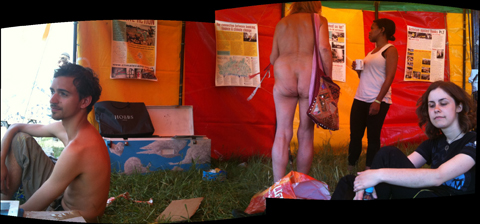
Glastonbury 2010 Climate Camp kitchen
Glastonbury 2010 Climate Camp naked lady
Classic Glastonbury – a naked lady takes a look at our exhibition.

Unfortunately I was the only person who really felt this responsibility, and there were times where I found myself onsite with just a few other Climate Campers who were otherwise engaged (making tasty food, manning the solar sound system), desperately trying to get the band sorted whilst also standing on the entrance inviting people to come in and watch them. Let me tell you, being in two places at once is a trick that I have yet to perfect.

Glastonbury 2010 Climate Camp fundraising
Fundraising.
Glastonbury 2010 Climate Camp morning meeting
Morning meetings.
Glastonbury 2010 Climate Camp pedal powered smoothies
Pedal powered smoothies.

This year the Dragon Field was given over to crew camping for the first time, and our little corner was the only part of it that hosted anything of interest to the punters. There are perks to being totally off the radar – it’s nice to feel that we’re a bit separate, a bit renegade, and that people might chance upon us as a lovely surprise… but it also makes it extremely hard to get people to come and see us when there is so much else to see and we aren’t even listed in the programme.

Glastonbury 2010 Climate Camp megaphone
Standing on the Craft Field junction with a megaphone.
Glastonbury 2010 Climate Camp Lulu and the Lampshades
The Tripod Stage with Lulu and the Lampshades.

We were super busy all through Thursday, when the main stages have yet to hit their stride and people are wandering around, taking it all in. But other than that there didn’t seem to be much rhyme or reason to the times when we were busy or not – we were up against such random variables as the weather (so much sunshine can be extremely enervating), the acts on other stages, the football (what a waste of time that was), whether anyone had heard of the band we were hosting, and whether anyone bothered to stand on the intersection up in the Craft Field or outside our entrance to haul people in. It was a pretty tricky one.

Lesley Barnes Climate Camp design
Glastonbury 2010 Climate Camp screenprinting
Screenprinting one of the lovely designs made by Lesley Barnes.

I won’t pretend I found it easy; before the festival I created stickers for this year’s action against RBS in collaboration with the wonderful Lesley Barnes and finalised the line up for an accompanying flyer. Before I even got to Glastonbury I had already spent two weeks of my time sorting stuff out for Climate Camp and not concentrating 100% on Amelia’s Magazine. Then over the course of the festival I did 6 gigs with my barndancing band Green Kite Midnight, took huge amounts of photos to document everything, twittered about all the bands playing on our stage and ran a screenprinting workshop every morning at just about the same time I needed to okay the day’s line up of bands. I felt totally overwhelmed. I think we need to collectively clarify what we most want to achieve at Glastonbury and other festivals, and in what way music is important to our aims… although I personally think we should provide some kind of entertainment to draw people in (and especially when a popular entertainer then goes on to endorse our actions), I can easily see how others might think it’s a distraction.

Glastonbury 2010 Climate Camp Green Kite Midnight Ceilidh
Green Kite Midnight Ceilidh

Having said all of this, the calibre of musicians that we hosted on the Tripod Stage definitely made my part in organising it massively worthwhile. Although I saw nothing of the rest of the festival (until night fell), I did get to see some of the best new bands perform especially for us. And of course the weather was out of this world. Would I do it again? Well, if anyone would like me to curate a solar powered Amelia’s Magazine stage at a festival next year (and would be willing to provide me with the right resources to ensure I don’t go mad in the process) do get in touch. For Climate Camp again? Not unless I felt massively reassured that we had proper working groups in place beforehand and a presence on the main programme.

Glastonbury 2010 Climate Camp fundraising

But enough of my quibbles: coming up, my review of the Tripod Stage at Glastonbury – act by act – accompanied by fab illustrations of course.

Glastonbury 2010 Climate Camp RBS

Categories ,Barndancing, ,ceilidh, ,Climate Camp, ,Craft Field, ,Dragon Field, ,First Aid Kit, ,glastonbury, ,Green Kite Midnight, ,Lesley Barnes, ,Lulu and the Lampshades, ,RBS, ,screenprinting, ,Six Day Riot, ,Tripod Stage, ,Worldcup

Similar Posts: