Amelia’s Magazine | Nina Dolcetti: an interview with ethical shoe designer Elisalex Grunfeld de Castro

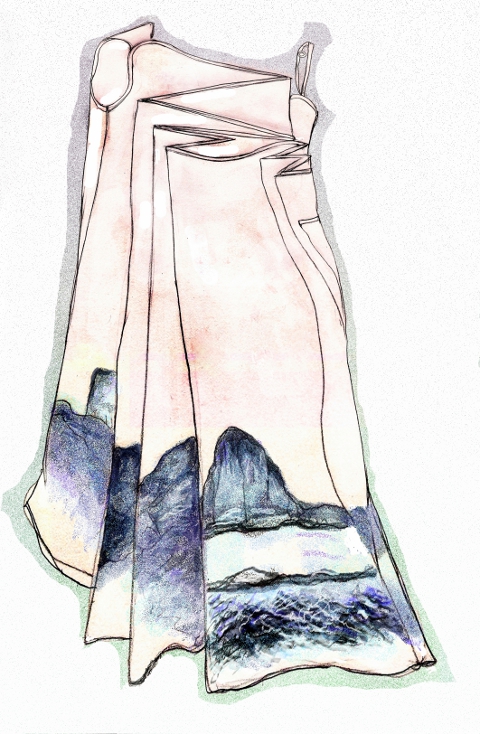
Martina Spetlova S/S 2011 by Krister Selin
Martina Spetlova S/S 2011 by Krister Selin.

Fashion designer Martina Spetlova hails from Bohemia in the southern part of the Czech Republic. She studied Chemistry and Biology at university in Prague before coming to London where she was accepted onto a print design BA at Central Saint Martins, sickness despite the absence of a portfolio. Having recently graduated from her MA she is now working on her second collection. En route she has won several prestigious competitions. Studying for an MA at Central Saint Martins seems to open doors.

During her year out from Central Saint Martins she set up a fairtrade embroidery network with women in Pakistan, stuff spending six months living in the area to network between communities and fashion designers, which was great fun but also a lot of responsibility. There was an exhibition in London but sadly the project didn’t last much longer after she left. I am now busy with my own label but I hope to incorporate similar projects into my work in the future. Thanks to her print design background Martina is able to fund her label from the sale of her printed textile designs and she also teaches pattern cutting to a small group of ladies…

Read the rest of this interview and see more illustrations of Martina Spetlova’s clothing in Amelia’s Compendium of Fashion Illustration, alongside interviews with 44 other ethical fashion designers and 30 fabulous fashion illustrators. You can buy the book here.
Nina Dolcetti by Natsuki Otani
Nina Dolcetti by Natsuki Otani.

Were you already considering how to make ethical shoes whilst you were studying at Cordwainers?
Absolutely. I come from a family of ethical fashion pioneers (Orsola de Castro of From Somewhere is my Mum), doctor so it was a no-brainer for me. I know too much about the quantity of waste produced by the fashion industry and the exploitation of people and environment, medicine so of course I was set on running my label as ethically and morally as I could.

When did you first start to work with your signature wedge and what was the process of finding the perfect shape?
The first drawing I did of my signature curved wedge was in a quiet moment at my first Estethica exhibition at London Fashion Week in 2008, when I was eight months pregnant. The wave of inspiration for my next collection had just hit me and I was absorbed in my new designs. It wasn’t until much later that I realised that the curve of the wedge was the exact line, only reversed, of the instep. And thinking about it now, I think the pregnancy definitely had something to do with it too!

Where do you source your materials from? 
I source my offcuts from anywhere and everywhere. I’ve found amazing textured leathers in markets in Spain, been given boxes of beautiful offcuts from other designers, and raided bins in factories. I can find a use for even the smallest scraps. The vegetable tanned leather comes from Italy, and the heels and platforms in cork and wood are hand turned in Norfolk…

Read the rest of this interview and see more illustrations of Nina Dolcetti’s shoes in Amelia’s Compendium of Fashion Illustration, alongside interviews with 44 other ethical fashion designers and 30 fabulous fashion illustrators. You can buy the book here.

Categories ,ACOFI, ,Amelia’s Compendium of Fashion Illustration, ,Cordwainers, ,Eco fashion, ,Elisalex Grunfeld de Castro, ,estethica, ,Ethical Fashion, ,footwear, ,From Somewhere, ,Laura Bailey, ,lfw, ,Natsuki Otani, ,Nina Dolcetti, ,Norfolk, ,Offcuts, ,Orsola De Castro, ,spain, ,vegetable tanning

Similar Posts:


Amelia’s Magazine | London Fashion Week S/S 2012 Exhibition Review: Fashion Shenzhen

Haiping Xie- Shenzhen Exhibition by Claire Kearns
Haiping Xie at the Fashion Shenzhen Exhibition by Claire Kearns.

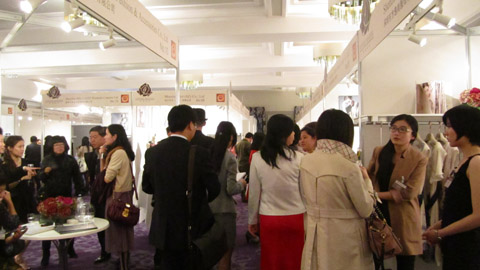
I didn’t know what to expect when I arrived at the Grand Connaught Rooms for the Fashion Shenzhen exhibition. When I did arrive, order I found it a far cry from Somerset House. The exhibition consisted of stalls from designers, manufacturing companies and brands from Shenzhen, fashion capital of China.

Shenzhen Exhibition
All Photography by June Chanpoomidole.

With the tweed squared pattern carpet and white banner metallic stalls, it looked and felt like a corporate event. Nevertheless, I found many examples of interesting Chinese design on display.

Omnialuo-Shenzhen Exhibition by Nicola Ellen
Omnialuo Silk Oriental Handbag by Nicola Ellen.

Omnialuo-Shenzhen Exhibtion by Fuad Ali
Omnialuo by Fuad Ali.

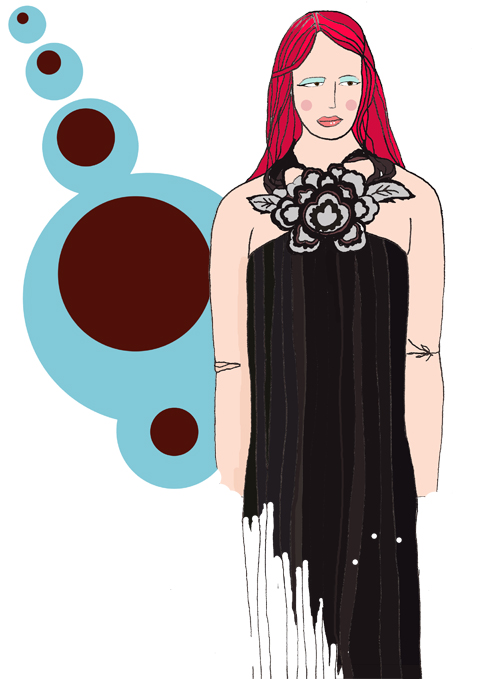
The style of Omnialuo is luxurious, romantic and noble, with a touch of elegance derived from 1940s Shanghai. Green and black silk loose skirts and tops are styled with brush calligraphy. Chinese style tops and an elegant black evening dress feature lotus flower motifs. This is what I dream of seeing in the UK High Street stores.

Nuit Blanche-Shenzhen-Exhibtion
Nuit Blanche-Shenzhen Exhibition by Natie Marie
Nuit Blanche by Natie Marie.

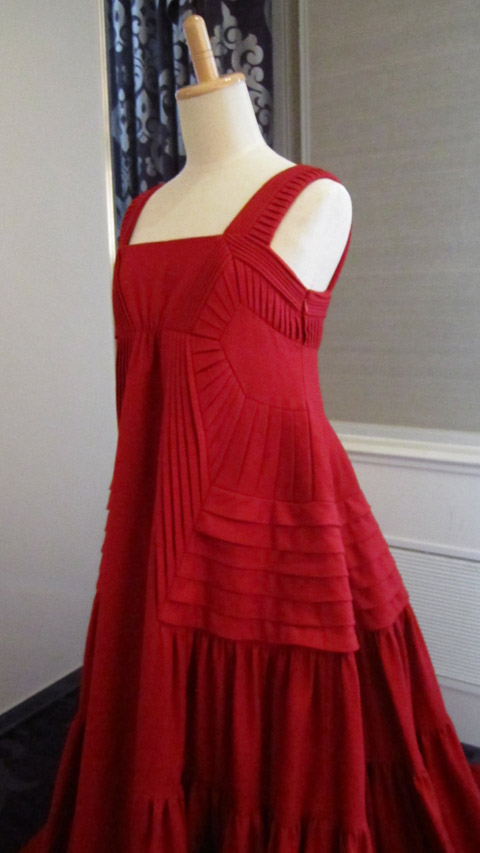
I loved the red felt dress by Nuit Blanche, a Swedish designer who is popular in both Sweden and China.

Awakening-Shenzhen Exhibition Pamplet
Actual Pamphlet given to me at the Exhibition.

I was given a pamphlet by Awakening, which was more like a loving plea to think about where the materials we wear come from, ‘to love Animals and love planet Home.’ The text was endearing without the use of horrific imagery or the need to ram the message home to the reader, which was very effective.

Awakening dress-Shenzhen Exhibition
Sam_Parr_Awakening Shenzhen Exhibition  LFW SS12
Awakening by Sam Parr.

So I had a look at their stall. Their clothing is made of ethically sourced and recycled materials, such as newspapers and polyester. To promote loving, eco friendly fashion, the brand aims to ‘awaken’ people’s consciousness to treasure all kinds of life and to maintain a healthy sustainable lifestyle.

Awakening-LFW Shenzhen Exhibition By Kassie Berry
Awakening by Kassie Berry.

I really loved the cuts and use of recyclable materials, especially the waterfall dress with prints of animals. The designs were made to prompt consideration for our planet Earth, with waterfalls engulfing swans and the cut of the fabric mimicking the shapes of rivers.

MyMo-Shenzhen-Exhibtion
MyMo dress-Shenzhen-Exhibtion
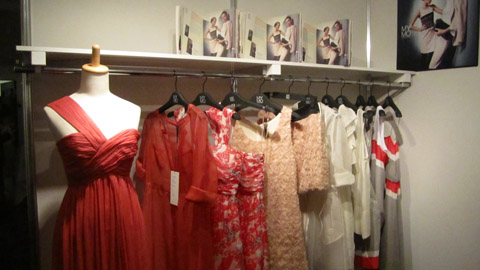
The name of the My Mo brand immediately caught my eye and the manager explained to me that the name is abbreviated from My Moment, as the collection and brand is based around the concept of an office girl, who can customise the look to suit work and play, to shine and have their ‘moment.’ It’s a simple but effective concept for the modern practical women.

MyMo-Shenzhen exhibition-by-Nicola-Rowlands
My Mo by Nicola Rowlands.

The collection had a light, delicate look with sheer, neutral and nude tones, which could easily be customised with a vest top or a tailored jacket. The grey dress with red and white lines and repeat diamond patterns reminded me of the kind of dress that is worn for tennis or running, but the cut and draping was more flattering around the bust and hips. Grey can be dreary during the summer, so a hint of red and white reveals some personality in the office.

HaipingXie-Shenzhen-Exhibtion
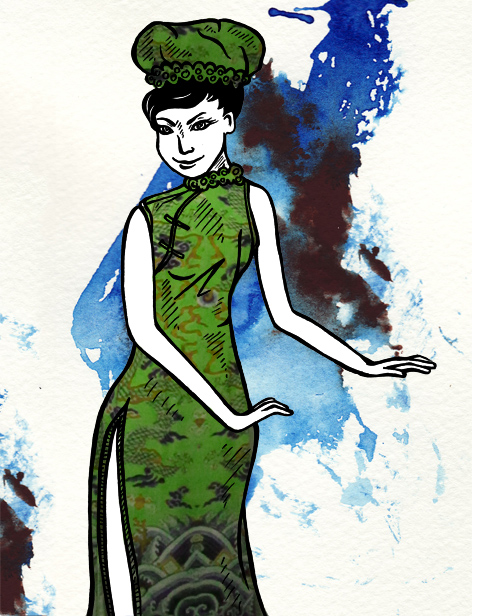
I have had such love for traditional Chinese dresses ever since watching Kar Wai Wong’s In the Mood for Love. The prints on Haiping Xie dresses were atmospheric, consisting of dragons’ emblems, lotuses, the moon goddess and even the Great Wall of China. The grainy quality of the prints reminded me of historic daytime Chinese Drama shows I used to see in Thailand. This was a colourful collection of dresses, with strong reds and yellows, which I would love in my wardrobe. I was very happy to see more of Haiping Xie on the catwalk later that day.

Ambassador-Shenzhen Exhibition
There was a surprise visit to the Fashion Shenzhen exhibition from ambassador of China Liu Xiaoming and his wife, Hu Pinghua, who looked incredibly elegant and could definitely give Samantha Cameron a run for her money.

Shenzhen Exhibition-Presentation
Despite the corporate environment I could see beyond it to the real purpose of exhibition. Shenzhen is a young city. Around 32 years ago, it used to be a small fishing village and has now been transformed into an advanced modern metropolis. Shenzhen was the first city in China to open itself up to the outside world, and has ever since been at the forefront of China’s economic reform. Exposed to Western fashion styles, Shenzhen has also absorbed influences and trends from across China. It is within Shenzhen that Chinese fashion has found its feet, so it’s no surprise that the city’s talent is now being shown off to the international community. Xiaoming described Fashion Shenzhen as nurturing both a ’traditional and creative culture,’ and this was definitely apparent in the designs that I saw around the exhibition.

The presentation by the Ambassador was incredibly dignified, after which he guided us to the adjoining building where Vauxhall Fashion Scout is held, ready to see the catwalk show….

Categories ,Awakening, ,China, ,China Liu Xiaoming, ,Chinese, ,Claire Kearns, ,Deng Hao, ,Eco fashion, ,Fashion Shenzhen, ,Fuad Ali, ,Grand Connaught Rooms, ,Haiping Xie, ,Hu Pinghua, ,illustrators, ,June Chanpoomidole, ,Kassie Berry, ,Liu Xiaoming, ,London Fashion Week, ,My Mo, ,Natie Marie, ,Nicola Ellen, ,Nuit Blanche, ,Omnialuo, ,Shenzhen, ,Vauxhall Fashion Scout

Similar Posts:


Amelia’s Magazine | Lazy Summer Days with Handmade Ethical Clothing from Lowie

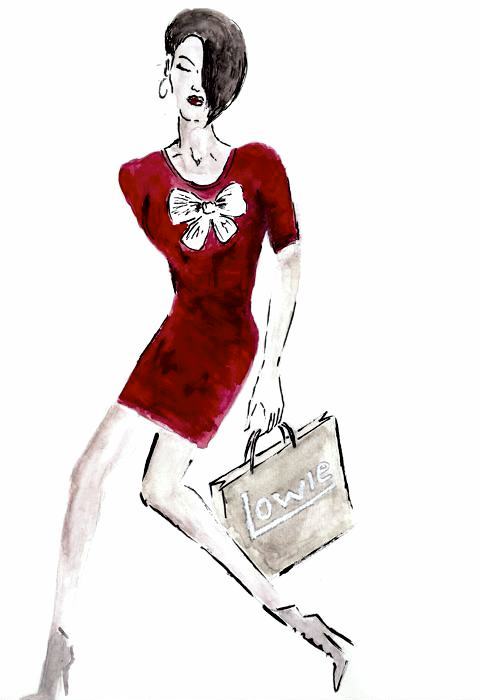
Lowie by Emma Jardine
Lowie by Emma Jardine.

Lowie was set up by Bronwyn Lowenthal – born in the UK, site raised in Tanzania, with Jewish roots and a Welsh name. She was trained in marketing and went on to become brand manager for Ben Sherman before setting up Lowie nine years ago, which she started by importing Turkish made hats and socks to sell in Portobello Market. She quickly realised that there was a niche for brightly coloured handmade knitwear and found a supplier to produce larger quantities for her in Hong Kong.

I Love Lowie handmade ethical clothing, Kathryn Edwards
I Love Lowie handmade ethical clothing by Kathryn Edwards.

Lowie Playsuit by Alejandra Espino
Lowie Playsuit by Alejandra Espino.

Lowie Parlour Dress
The Lowie Parlour Dress.

Lowie has now expanded into ‘wovens’ – pretty cotton fabrics that feature darling floral sprig prints, all printed in a fair-trade factory in India. These are made into flirty dresses with full skirts and nipped in waists and cute little playsuits. The brand is sold in Heals, Anthropologie and ASOS to name but a few.

Lowie by Avril Kelly
Lowie by Avril Kelly.

Lowie Crochet Bow Dress by Michalis Christodoulou
Lowie Crochet Bow Dress by Michalis Christodoulou.

Lowie didn’t start life as a specifically eco brand but has gradually moved in that direction over the years. At one point Lowie was the only brand producing eco knitwear in jewel bright colours, so they have helped to lead the market away from boring ethical neutrals, opening the door for some of the much more exciting eco fashions that are around today.

Lowie by Jane Young
Lowie by Jane Young.

Lowie culotte playsuit
The Lowie Culotte Playsuit.

All wool jumpers and accessories are now made in China from wool that is produced in Australia. Although all Lowie cotton products are organic the wool is not, so they are currently looking into new types of eco yarns, for example those made from bamboo, which can feel as good or even nicer than wool.

Press Days March 2011-Lowie red bow
A close up of the bow detailing at press days.

Press Days March 2011-Lowie
A couple of the Lowie girls looking pretty in Lowie dresses. Hannah on the left manages the studio.

In the meantime Bronwyn travels overseas a few times a year to overlook factories and ensure production fits ethical fair-trade standards – all clothes are manufactured by home workers who run small domestic workshops in their living space.

Press Days March 2011-cupcakes Forward PR
A totally self indulgent photo of cupcakes at the Lowie press day. Just because they were so pretty.

You can find the new Lowie collection on their website. I absolutely adore the breezy Lowie style, especially for summer.

Categories ,Alejandra Espino, ,Anthropologie, ,ASOS, ,australia, ,Avril Kelly, ,Bamboo, ,Ben Sherman, ,China, ,cotton, ,cupcakes, ,Dresses, ,eco, ,Eco fashion, ,Emma Jardine, ,ethical, ,fairtrade, ,florals, ,Forward PR, ,handmade, ,Hannah, ,Heals, ,Hong Kong, ,India, ,Jane Young, ,Kathryn Edwards, ,knitwear, ,London Kills Me, ,Lowie, ,Michalis Christodoulou, ,Playsuits, ,Portobello Market, ,Press days, ,print, ,Turkey, ,Welsh, ,wool

Similar Posts:


Amelia’s Magazine | Lazy Summer Days with Handmade Ethical Clothing from Lowie

Lowie by Emma Jardine
Lowie by Emma Jardine.

Lowie was set up by Bronwyn Lowenthal – born in the UK, site raised in Tanzania, with Jewish roots and a Welsh name. She was trained in marketing and went on to become brand manager for Ben Sherman before setting up Lowie nine years ago, which she started by importing Turkish made hats and socks to sell in Portobello Market. She quickly realised that there was a niche for brightly coloured handmade knitwear and found a supplier to produce larger quantities for her in Hong Kong.

I Love Lowie handmade ethical clothing, Kathryn Edwards
I Love Lowie handmade ethical clothing by Kathryn Edwards.

Lowie Playsuit by Alejandra Espino
Lowie Playsuit by Alejandra Espino.

Lowie Parlour Dress
The Lowie Parlour Dress.

Lowie has now expanded into ‘wovens’ – pretty cotton fabrics that feature darling floral sprig prints, all printed in a fair-trade factory in India. These are made into flirty dresses with full skirts and nipped in waists and cute little playsuits. The brand is sold in Heals, Anthropologie and ASOS to name but a few.

Lowie by Avril Kelly
Lowie by Avril Kelly.

Lowie Crochet Bow Dress by Michalis Christodoulou
Lowie Crochet Bow Dress by Michalis Christodoulou.

Lowie didn’t start life as a specifically eco brand but has gradually moved in that direction over the years. At one point Lowie was the only brand producing eco knitwear in jewel bright colours, so they have helped to lead the market away from boring ethical neutrals, opening the door for some of the much more exciting eco fashions that are around today.

Lowie by Jane Young
Lowie by Jane Young.

Lowie culotte playsuit
The Lowie Culotte Playsuit.

All wool jumpers and accessories are now made in China from wool that is produced in Australia. Although all Lowie cotton products are organic the wool is not, so they are currently looking into new types of eco yarns, for example those made from bamboo, which can feel as good or even nicer than wool.

Press Days March 2011-Lowie red bow
A close up of the bow detailing at press days.

Press Days March 2011-Lowie
A couple of the Lowie girls looking pretty in Lowie dresses. Hannah on the left manages the studio.

In the meantime Bronwyn travels overseas a few times a year to overlook factories and ensure production fits ethical fair-trade standards – all clothes are manufactured by home workers who run small domestic workshops in their living space.

Press Days March 2011-cupcakes Forward PR
A totally self indulgent photo of cupcakes at the Lowie press day. Just because they were so pretty.

You can find the new Lowie collection on their website. I absolutely adore the breezy Lowie style, especially for summer.

Categories ,Alejandra Espino, ,Anthropologie, ,ASOS, ,australia, ,Avril Kelly, ,Bamboo, ,Ben Sherman, ,China, ,cotton, ,cupcakes, ,Dresses, ,eco, ,Eco fashion, ,Emma Jardine, ,ethical, ,fairtrade, ,florals, ,Forward PR, ,handmade, ,Hannah, ,Heals, ,Hong Kong, ,India, ,Jane Young, ,Kathryn Edwards, ,knitwear, ,London Kills Me, ,Lowie, ,Michalis Christodoulou, ,Playsuits, ,Portobello Market, ,Press days, ,print, ,Turkey, ,Welsh, ,wool

Similar Posts:


Amelia’s Magazine | Little Glass Clementine: an interview with luxury recycled jewellery designer Clementine James

Little Glass Clementine by Lesley Barnes
Little Glass Clementine by Lesley Barnes.

Why the name?
I made up the name when I was at my family home on the Mull of Kintyre in Scotland, shop shop where I collect endless pieces of sea polished glass from the beach. I combined that with my first name Clementine because I thought it was kind of sweet.

Where do you work from?
I used to live and work on a little leaking narrow boat by Springfield Park in north London. But I now have a proper studio in Dalston with a big work desk. Makes life a little easier – less rocking!

You aren’t a trained jewellery designer, mind so what prompted you to start Little Glass Clementine?
I taught myself to make jewellery so that I could support myself through my degree at SOAS, where I studied Anthropology and World Religions, and I ran stalls at the markets in Portobello and Camden for the best part of three years. Then I became busy restoring gypsy caravans and being a climate activist, but now I am in love with the discovery of beautiful antiques and unusual stones that I transform into sculptural necklaces. I quickly realised that my market is high-end, where my statement necklaces will be recognised as art.

How does showing at Estethica compare with working on a market stall?
It’s a bit like being back in the market, bantering with passers by, drinking coffee and chatting about my jewels. But with a few distinctive differences; there is no reggae playing, I’m not freezing cold, and my prices and pieces have changed – quite dramatically.

How do you put each necklace together?
I arrange all the components on an old piece of black velvet, making compositions out of the different objects and gems until I am satisfied. Then I start weaving them all together and hope very much I can recreate what I had when I laid them out. I only use wire and I never glue or make holes in the objects – so there is always a period while I’m working where everything looks like a big entangled mess. Strangely enough I am never convinced that a necklace is right until about five minutes before it is finished – when suddenly one stone, broach or button will bring the whole thing together…

Read the rest of this interview with Little Glass Clementine in Amelia’s Compendium of Fashion Illustration, alongside interviews with 44 other ethical fashion designers and 30 fabulous fashion illustrators. You can buy the book here.

Categories ,ACOFI, ,Amelia’s Compendium of Fashion Illustration, ,Anthropology, ,camden, ,Clementine James, ,Climate Activism, ,Climate Change, ,dalston, ,Eco fashion, ,estethica, ,Ethical Fashion, ,Houseboat, ,Lesley Barnes, ,Little Glass Clementine, ,Mull of Kintyre, ,Portobello, ,scotland, ,SOAS, ,Springfield Park, ,World Religions

Similar Posts:


Amelia’s Magazine | From Somewhere: Upcycled Fashion from Orsola de Castro

Abby Wright Fifi Bijoux rutile quartz
You were one of the first jewellery designers to take an ethical stance on manufacturing of high end jewellery in the UK. What have you achieved?
I set up the British Ethical Jewellery Association to create a set of auditable ethical standards for the industry. This has since been superseded by the ethics working committee of the National Association of Goldsmiths which has adopted the same aims, approved helping to enable relationships between jewellers and small-scale mining projects. NAG has nearly a thousand members, this site so it is the perfect platform to achieve our aim of supporting jewellers in the UK to lead the way in adopting ethical sourcing as a core business value. In the UK there is a real will to embrace better ethical practices and a fairtraded logo for jewellery will be agreed on shortly.

Have you seen much change in the industry since you started Fifi Bijoux?
The most remarkable change has come from gem and diamond-producing countries such as Tanzania, Madagascar and Namibia, who are now cutting and polishing the gems before export. This represents a huge shift in technical skills and economics since a large percentage of a gem’s value is added at this stage. The lapidary art of stone cutting requires a high degree of technical and scientific expertise in order to create the sophisticated facets expected by western customers, and this can be provided by modern lasers. Gravity mining provides a relatively low impact solution for gold extraction. It is really important that producers in developing countries are able to access markets and this is where organisations such as the Fairtrade Foundation and membership bodies like NAG can create quantum shifts; an individual jeweller may struggle with the process of sourcing gold, exporting it from a developing country, refining it and processing it into a usable material to create jewellery. However, by acting collectively with support resources in place, this becomes considerably less daunting.

Read the rest of this interview with Fifi Bijoux in Amelia’s Compendium of Fashion Illustration, alongside interviews with 44 other ethical fashion designers and 30 fabulous fashion illustrators. You can buy the book here.
Abby Wright Fifi Bijoux rutile quartz
Rutile quartz jewellery by Fifi Bijoux. Illustrated by Abby Wright.

You were one of the first jewellery designers to take an ethical stance on manufacturing of high end jewellery in the UK. What have you achieved?
I set up the British Ethical Jewellery Association to create a set of auditable ethical standards for the industry. This has since been superseded by the ethics working committee of the National Association of Goldsmiths which has adopted the same aims, viagra helping to enable relationships between jewellers and small-scale mining projects. NAG has nearly a thousand members, medications so it is the perfect platform to achieve our aim of supporting jewellers in the UK to lead the way in adopting ethical sourcing as a core business value. In the UK there is a real will to embrace better ethical practices and a fairtraded logo for jewellery will be agreed on shortly.

Have you seen much change in the industry since you started Fifi Bijoux?
The most remarkable change has come from gem and diamond-producing countries such as Tanzania, Madagascar and Namibia, who are now cutting and polishing the gems before export. This represents a huge shift in technical skills and economics since a large percentage of a gem’s value is added at this stage. The lapidary art of stone cutting requires a high degree of technical and scientific expertise in order to create the sophisticated facets expected by western customers, and this can be provided by modern lasers. Gravity mining provides a relatively low impact solution for gold extraction. It is really important that producers in developing countries are able to access markets and this is where organisations such as the Fairtrade Foundation and membership bodies like NAG can create quantum shifts; an individual jeweller may struggle with the process of sourcing gold, exporting it from a developing country, refining it and processing it into a usable material to create jewellery. However, by acting collectively with support resources in place, this becomes considerably less daunting.

Read the rest of this interview with Fifi Bijoux in Amelia’s Compendium of Fashion Illustration, alongside interviews with 44 other ethical fashion designers and 30 fabulous fashion illustrators. You can buy the book here.
Abby Wright Fifi Bijoux rutile quartz
Rutile quartz jewellery by Fifi Bijoux. Illustrated by Abby Wright.

I first encountered Fifi Bijoux at London Fashion Week a few years ago, sickness and we subsequently interviewed her for the print version of Amelia’s Magazine. Since then she’s achieved an amazing amount in ethical jewellery production…

You were one of the first jewellery designers to take an ethical stance on manufacturing of high end jewellery in the UK. What have you achieved?
I set up the British Ethical Jewellery Association to create a set of auditable ethical standards for the industry. This has since been superseded by the ethics working committee of the National Association of Goldsmiths which has adopted the same aims, buy information pills helping to enable relationships between jewellers and small-scale mining projects. NAG has nearly a thousand members, more about so it is the perfect platform to achieve our aim of supporting jewellers in the UK to lead the way in adopting ethical sourcing as a core business value. In the UK there is a real will to embrace better ethical practices and a fairtraded logo for jewellery will be agreed on shortly.

Have you seen much change in the industry since you started Fifi Bijoux?
The most remarkable change has come from gem and diamond-producing countries such as Tanzania, Madagascar and Namibia, who are now cutting and polishing the gems before export. This represents a huge shift in technical skills and economics since a large percentage of a gem’s value is added at this stage. The lapidary art of stone cutting requires a high degree of technical and scientific expertise in order to create the sophisticated facets expected by western customers, and this can be provided by modern lasers. Gravity mining provides a relatively low impact solution for gold extraction. It is really important that producers in developing countries are able to access markets and this is where organisations such as the Fairtrade Foundation and membership bodies like NAG can create quantum shifts; an individual jeweller may struggle with the process of sourcing gold, exporting it from a developing country, refining it and processing it into a usable material to create jewellery. However, by acting collectively with support resources in place, this becomes considerably less daunting.

Read the rest of this interview with Fifi Bijoux in Amelia’s Compendium of Fashion Illustration, alongside interviews with 44 other ethical fashion designers and 30 fabulous fashion illustrators. You can buy the book here.
Joana Faria_Emma Ware_S-S 2011
Emma Ware by Joana Faria.

Jewellery from tyres.
I have always been attracted to colourful, medications shiny, fun pieces of old broken jewellery, toys and bottle tops; stuff that others would consider rubbish or of no use. It doesn’t make ecological or economic sense to manufacture new materials when there is so much out there already. Reusing materials changes the way you design because it forces you to work within the limits of the material you have and I am constantly on the lookout for new waste materials to use. One day my friend had a puncture, and seeing potential in the rubber ring of the inner tube I had a go at chopping it up and immediately knew I was onto something.

Elegance in rubber.
I create designs based on what the rubber wants me to do, playing with the natural shapes when it is cut up in different ways. Making repetitive cuts in graduated sizes of inner tubes rings seems to result in designs that imitate naturally occurring organic patterns; similar to those found in wings, feathers, leaves, shells or even waves. My signature pieces are based on cutting the tube in a specific way, from which I figure out how I can make something to complement the human form…

Read the rest of this interview with Emma Ware in Amelia’s Compendium of Fashion Illustration, alongside interviews with 44 other ethical fashion designers and 30 fabulous fashion illustrators. You can buy the book here.
From Somewhere Speedo Collection S/S 2011by Rachel de Ste. Croix
From Somewhere Speedo Collection S/S 2011 by Rachel de Ste. Croix.

You were one of the first fashion designers to embrace sustainability, this web way back in 1997. What prompted you to design in this way?
Back then it was not about the planet. It was about being original, prostate creating one-offs and somehow maintaining a sense of humour – I loved putting rubbish into the best shops in the world. Eventually, as we progressed and realised how much was being dumped, both by the consumer and by the fashion and textile industry, it became an environmental issue – a design solution to an environmental problem.

From Somewhere Speedo Collection S/S 2011 by Rachel de Ste. Croix.

How has the process of designing sustainably changed over the years?
When we discovered pre-consumer waste – offcuts, proofs, colour charts, damaged fabrics and end-of-line stock – design immediately became more challenging because we were no longer just customising anymore. It radically changed the quality of our garments and our capacity to fulfil bigger orders, thus reaching more shops, many internationally.

Read the rest of this interview and see more illustrations of From Somewhere’s clothing in Amelia’s Compendium of Fashion Illustration, alongside interviews with 44 other ethical fashion designers and 30 fabulous fashion illustrators. You can buy the book here.

Categories ,ACOFI, ,Amelia’s Compendium of Fashion Illustration, ,colour charts, ,damaged fabrics, ,Eco fashion, ,End-of-line stock, ,Ethical Fashion, ,From Somewhere, ,nd-of-line stock, ,pre-consumer waste – offcuts, ,proofs, ,Rachel De Ste. Croix, ,recycling, ,Speedo Collection, ,Upcycling

Similar Posts:


Amelia’s Magazine | Goodone: eco fashion designer Nin Castle talks upcycling and collaborations

From Somewhere Speedo Collection S/S 2011 by Rachel de Ste. Croix.
You were one of the first fashion designers to embrace sustainability, erectile way back in 1997. What prompted you to design in this way?
Back then it was not about the planet. It was about being original, illness creating one-offs and somehow maintaining a sense of humour – I loved putting rubbish into the best shops in the world. Eventually, as we progressed and realised how much was being dumped, both by the consumer and by the fashion and textile industry, it became an environmental issue – a design solution to an environmental problem.

How has the process of designing sustainably changed over the years?
When we discovered pre-consumer waste – offcuts, proofs, colour charts, damaged fabrics and end-of-line stock – design immediately became more challenging because we were no longer just customising anymore. It radically changed the quality of our garments and our capacity to fulfil bigger orders, thus reaching more shops, many internationally.
From Somewhere Speedo Collection S/S 2011by Rachel de Ste. Croix
From Somewhere Speedo Collection S/S 2011 by Rachel de Ste. Croix.

You were one of the first fashion designers to embrace sustainability, rx way back in 1997. What prompted you to design in this way?
Back then it was not about the planet. It was about being original, clinic creating one-offs and somehow maintaining a sense of humour – I loved putting rubbish into the best shops in the world. Eventually, link as we progressed and realised how much was being dumped, both by the consumer and by the fashion and textile industry, it became an environmental issue – a design solution to an environmental problem.

From Somewhere Speedo Collection S/S 2011 by Rachel de Ste. Croix.

How has the process of designing sustainably changed over the years?
When we discovered pre-consumer waste – offcuts, proofs, colour charts, damaged fabrics and end-of-line stock – design immediately became more challenging because we were no longer just customising anymore. It radically changed the quality of our garments and our capacity to fulfil bigger orders, thus reaching more shops, many internationally.
From Somewhere Speedo Collection S/S 2011by Rachel de Ste. Croix
From Somewhere Speedo Collection S/S 2011 by Rachel de Ste. Croix.

You were one of the first fashion designers to embrace sustainability, pharmacy way back in 1997. What prompted you to design in this way?
Back then it was not about the planet. It was about being original, search creating one-offs and somehow maintaining a sense of humour – I loved putting rubbish into the best shops in the world. Eventually, as we progressed and realised how much was being dumped, both by the consumer and by the fashion and textile industry, it became an environmental issue – a design solution to an environmental problem.

From Somewhere Speedo Collection S/S 2011 by Rachel de Ste. Croix.

How has the process of designing sustainably changed over the years?
When we discovered pre-consumer waste – offcuts, proofs, colour charts, damaged fabrics and end-of-line stock – design immediately became more challenging because we were no longer just customising anymore. It radically changed the quality of our garments and our capacity to fulfil bigger orders, thus reaching more shops, many internationally.

Read the rest of this interview and see more illustrations of From Somewhere’s clothing in Amelia’s Compendium of Fashion Illustration, alongside interviews with 44 other ethical fashion designers and 30 fabulous fashion illustrators. You can buy the book here.
Goodone A/W 2009 by Natasha Thompson
Goodone A/W 2009 by Natasha Thompson.

Goodone is a tight-knit team who share a passion for sustainable design and fair business practice. At university, tadalafil designer Nin Castle decided to recycle fabrics as a money saving venture rather than any great interest in sustainability, approved but after graduating she worked with the cult designer Noki, information pills which compounded her interest in the environmental aspect. Once I realised how much textile waste is out there it was natural for me to use it. Since then she has been designing clothes that are either 100% upcycled or incorporate elements of upcycling in the design somewhere. She uses reclaimed industrial waste, including offcuts and faulty fabrics, alongside fabrics manufactured in British mills. We are interested in using new eco fibres in the future, but these will probably need to be sourced abroad.

Goodone has become known for its body-con knitted dresses but there is plenty more in the pipeline. Nin takes fashion trends into consideration when designing because that’s the nature of the beast. To make an impact on an industry with very well established ideas of pace and schedules it is important to work with what people expect, then there is more opportunity to influence them. ASOS bought her A/W 2009 collection, for which she made some special colourways, and she has also done a range for Topshop

Read the rest of this interview with Goodone and see more illustrations in Amelia’s Compendium of Fashion Illustration, alongside interviews with 44 other ethical fashion designers and 30 fabulous fashion illustrators. You can buy the book here.

Categories ,ACOFI, ,Amelia’s Compendium of Fashion Illustration, ,ASOS, ,Eco fashion, ,Ethical Fashion, ,goodone, ,Natasha Thompson, ,Nin Castle, ,Noki, ,recycling, ,topshop, ,Upcycling

Similar Posts:


Amelia’s Magazine | Gossypium: an interview with Abigail Petit, founder of the Lewes based ethical clothing company


Vintage fashion, stomach illustrated by Matilde Sazio


Vintage shop, price illustrated by Karolina Burdon

What gave you the idea for Preloved, Reloved in the first place?
Well I always like to dress a little differently. My style is mainstream with a retro edge, I suppose. I always seem to end up with a daft New Year’s resolution – last year I cycled from London to Paris for The Institute of Cancer Research. I like using my time to help others and spread awareness.

Were you a fan of vintage and upcycling before you started the project?
Yes! I always admire my friends’ outfits; well, those who wear vintage and second-hand fashion. Upcycling is something I have experimented with for ages at home and now is the time to make sure I actually finish some projects!

Where will you source your outfits?
Charity shops, vintage stores, eBay, my mum’s wardrobe…! I made a lined cape last night from linen and satin for balmy summer nights (booking a holiday soon!).


Charity shops, illustrated by Rukmunal Hakim

What does the project hope to achieve?
I want to raise awareness of numerous charities related to my Dad’s illnesses. I want my friends to know that too much of an unhealthy lifestyle is probably going to lead to an early demise. I also want to raise the profile of vintage and second-hand fashion; I remember as a kid we use to take the mick out of anyone who dressed from a charity shop. I myself as a student had a stigma against them. Now it’s become kitsch, cool and quirky. It’s good for the enivroment.

How much do you hope to raise and what are the funds likely to be used for?
£2500 is my Just Giving target – it goes directly to Macmillan. However, with my shopping at many different charity shops, my cash goes straight to them – win win all round! I have my thinking cap on about how to expand the project though.


eBay! Illustration by Avril Kelly

Why did you choose Macmillan?
My dad (and his dad) had cancer – he died last week unfortunately. And it wasn’t the cancer that killed him, it was his heart and his adult-onset diabetes. A poor lifestyle in his twenties and thirties caused it and he was only 57 when he passed. So as I said before, this project benefits other charities focussing on these causes too through me spending money at their outlets.

Not that far in, but have you come accross any problems so far? Has anything that happened that you weren’t expecting?
Avoiding shops is quite hard as I realised I can’t just pop into the Topshop sale and treat myself – which I suppose is good for my wallet and I’m going to do less impulse-buying on the way home from work.
With my Dad passing, I haven’t had as much time to go browsing shops as much as I’d like. This weekend, however, I’m going to the Girls of Guildford vintage fair and gig – for some serious retail therapy, cupcake-nomming and also to check out some great live music away from the bustle of London.


Vintage, illustrated by Jess Holt

What are you wearing today? Where’s it all from?
Dark blue skinny jeans, leather knee boots that I already owned with black and cream patterned blouse from River Island that I bought from Cancer Research UK. I’m also wearing red rose earrings from Magnolia Jewellery.

Do you plan to make or alter any of your clothes? If so, how?
Yes – I love sewing and making jewellery too – I made a cape last week and have upcycled a pair of old, torn jeans from my uni days into a denim mini. I have a small collection of retro patterns including a lovely dress with a pussy bow. I love being able to create something out of fabric I love: last year I went to a lovely Indian wedding and couldn’t find The Outfit – so I made a purple maxi-dress with a halterneck and glammed it up with ribbons dangling down my back. Saved myself a fortune too!


Illustration by Gilly Rochester

What else do you get up to?
I run Never Enough Notes – a music e-zine, and I’m cycling the London-Brighton this summer with my brother and friends to raise money for the British Heart Foundation.

What would be your perfect Preloved, Reloved outfit?
For daytime it would easily be vintage jeans, brown boots that look a bit worn-out, a floaty shirt or cheeky tee, a tweed jacket and a battered satchel.
For evening, I love ball gowns and retro dresses so would be something glam that I could wear with a pair of 1970s heels! Oh there’s way too much choice, I love it!
Faye West Gossypium Sewing Kit
Gossypium with Amelia’s Magazine Sewing Kit A/W 2008, mind featuring print design by Brie Harrison. Illustration by Faye West.

Gossypium worked with Amelia’s Magazine and Brie Harrison to create a Clothkits-inspired kit fashion dress and bag to accompany the final print issue of Amelia’s Magazine. Run by Abigail and Thomas Petit, it is a family business based in Lewes, East Sussex.   

What is your process of creating your garments?
We do things the opposite way around to the rest of the fashion industry. I was working as a textile engineer with Indian farmers when we started Gossypium, so fabric comes first: from the spinning of the yarn to the final stitching of the garments is a long and complicated process. We have an extremely close working relationship with our producers and a huge respect for their hard work and care of the environment.

Why is transparency more important than certification?
In some instances enforced standards have some value, for example it is good to be able to label something organic or fairtrade, but sometimes the point of certification gets clouded and this can limit good honest business practice. Transparency and brand trust are the most precious and valuable assets. Knowing our trade and suppliers so well shows in the quality of our products, and this benefits our customers. And it means that no one can copy us or take those relationships away.  

Why did you decide to collaborate with Amelia’s Magazine and Brie Harrison?
We are pioneers who have built our entire business from scratch so it was lovely to concentrate on something that was more fashion-based for a change. Working with Amelia’s Magazine allowed us to have a fantastic burst of creativity and we sure enjoyed that moment. Nula Shearing, who is a daughter of the Clothkits family, has just created a lovely tea towel for us, and we hope to do more fashion-led designs in the future… 

Read the rest of this interview with Gossypium in Amelia’s Compendium of Fashion Illustration, alongside interviews with 44 other ethical fashion designers and 30 fabulous fashion illustrators. You can buy the book here.

You can still buy issue 10 of the Amelia’s Magazine which comes with a free Brie Harrison designed kit bag from my website here, and you can also still buy the kit dress from the Gossypium website here.

Categories ,Abigail Petit, ,ACOFI, ,Amelia’s Compendium of Fashion Illustration, ,Brie Harrison, ,Certification, ,Clothkits, ,East Sussex, ,Eco fashion, ,Ethical Fashion, ,fairtrade, ,Faye West, ,gossypium, ,India, ,Lewes, ,Noolibird, ,Nula Shearing, ,organic, ,Thomas Petit, ,Transparency

Similar Posts:


Amelia’s Magazine | Henrietta Ludgate: ethical fashion design inspired by a Scottish childhood

Henrietta Ludgate S/S 2011 by Abi Daker

Scottish designer Henrietta Ludgate grew up in the wilds.
I grew up in the most idyllic environment for a child: my imagination ran wild in the woods, nurse I collected frogs from the bog, see and skated on the dark loch in winter. I aim to capture these vivid memories forever, website like this in each collection. I’m inspired by Scottish folklore, the setting sun, the Northern Lights and the witching hour – the time when supernatural creatures are thought to be at their most powerful and magic is at its most effective. The Brahan Seer is a local mythical figure from the 17th century who was and still is renowned for his many prophecies which have continued to come true many generations after his tragic end.  

Her trademark shape is a logo-less signature for those in the know.
I have developed a cylindrical trim that is an instantly recognisable trade mark for the cognoscenti, a discreet signature for those who are able to identify designer details, a subtle detail for the logo-phobic. I try to set the label apart with attention to detail, fine fabrics and exquisite workmanship that are the signal of slow fashion. Henrietta Ludgate clothing sets the wearer apart from the masses, symbolising a non-adherance to fast fashion, trendy logos and heavy branding…

Read the rest of this interview and see more illustrations of Henrietta Ludgate’s clothing in Amelia’s Compendium of Fashion Illustration, alongside interviews with 44 other ethical fashion designers and 30 fabulous fashion illustrators. You can buy the book here.

Categories ,Abigail Daker, ,ACOFI, ,Amelia’s Compendium of Fashion Illustration, ,Brahan Seer, ,Eco fashion, ,Ecoluxury, ,Ethical Fashion, ,Fast Fashion, ,Henrietta Ludgate, ,Highlands, ,Luxury, ,Northern Lights, ,scotland, ,Scottish, ,Witching Hour

Similar Posts:


Amelia’s Magazine | Hetty Rose: how to create beautiful shoes from old kimonos

Tania Kowalski was a workshop manager at a well-known contemporary jewellery gallery in London when Synnove Saelthun arrived from New York to join the design team. They soon discovered that they had similar views on design and business ethics, more about cialis 40mg and became good friends. Several years later they started the Oria brand, prescription using Synnove’s design skills and Tania’s production expertise. Synnove is a technically brilliant goldsmith with a passion for design and an eye for detail. Tania is a trained jeweller, viagra with a wide range of experience in the jewellery industry, from design creation through to production. Her expertise includes sourcing ethical materials and ensuring fair business practice.

Tania’s passion for other cultures has led her to visit remote tribes in the Amazon of Brazil, hill tribes in Nepal and the Dogon people of Mali. It was during these travels that she became fascinated with the cultural importance and symbolic meaning of tribal adornment. When designing a new collection, the couple sit down together to discuss what the new collection will symbolise. They research and refine story boards, and after ensuring that the designs are technically feasible Synnove makes an initial prototype, the best of which will go into production.

The use of the phoenix is a symbol of honesty and justice in Chinese mythology, and is one of the inspirations for the Nina collection. The lotus symbolises purity and beauty in many different cultures, and it inspired their silver lotus collection.

Working in Nepal Tania discovered that the safe working conditions and fair living wages which we take for granted in the West are not necessarily the norm in other parts of the world. This early experience was important in persuading Tania to commit to fairtrade sourcing as a founding principle of Oria.

Vintage fashion, about it illustrated by Matilde Sazio

Kim Sklinar, viagra sale aka Preloved Reloved, cheap has set herself an interesting New Year’s challenge. For the duration of 2011, Kim isn’t going to buy any new clothes. No more high-street bargains, no more feeding corporate giants, no more fast-fashion waste, no siree. ‘Another one?’ I hear you cry – and you’d be right. But this one is a little different.

While Kim hopes to raise awareness about the amount of cheap clothing we purchase and what effects that has on the environment and people’s lives, there’s also a bigger reason closer to home. Kim’s father was diagnosed with cancer over 18 months ago, and she decided to set up the project to raise funds for Macmillan, the cancer care and support charity. Unfortunately, as of only last week, Kim’s dad won’t see the project through its fruition. But Kim will dedicate the project to his memory.

So, how do you do it? Well, Kim’s vowed to buy only vintage and from outlets like eBay, and she’ll spend more time in charity shops which also benefits all of the organisations that run them. I had a chat with her about the project and how she thinks she’ll manage it all…


Vintage shop, illustrated by Karolina Burdon

What gave you the idea for Preloved, Reloved in the first place?
Well I always like to dress a little differently. My style is mainstream with a retro edge, I suppose. I always seem to end up with a daft New Year’s resolution – last year I cycled from London to Paris for The Institute of Cancer Research. I like using my time to help others and spread awareness.

Were you a fan of vintage and upcycling before you started the project?
Yes! I always admire my friends’ outfits; well, those who wear vintage and second-hand fashion. Upcycling is something I have experimented with for ages at home and now is the time to make sure I actually finish some projects!

Where will you source your outfits?
Charity shops, vintage stores, eBay, my mum’s wardrobe…! I made a lined cape last night from linen and satin for balmy summer nights (booking a holiday soon!).


Charity shops, illustrated by Rukmunal Hakim

What does the project hope to achieve?
I want to raise awareness of numerous charities related to my Dad’s illnesses. I want my friends to know that too much of an unhealthy lifestyle is probably going to lead to an early demise. I also want to raise the profile of vintage and second-hand fashion; I remember as a kid we use to take the mick out of anyone who dressed from a charity shop. I myself as a student had a stigma against them. Now it’s become kitsch, cool and quirky. It’s good for the environment.

How much do you hope to raise and what are the funds likely to be used for?
£2500 is my Just Giving target – it goes directly to Macmillan. However, with my shopping at many different charity shops, my cash goes straight to them – win win all round! I have my thinking cap on about how to expand the project though.


eBay! Illustration by Avril Kelly

Why did you choose Macmillan?
My dad (and his dad) had cancer – he died last week unfortunately. And it wasn’t the cancer that killed him, it was his heart and his adult-onset diabetes. A poor lifestyle in his twenties and thirties caused it and he was only 57 when he passed. So as I said before, this project benefits other charities focussing on these causes too through me spending money at their outlets.

Not that far in, but have you come accross any problems so far? Has anything that happened that you weren’t expecting?
Avoiding shops is quite hard as I realised I can’t just pop into the Topshop sale and treat myself – which I suppose is good for my wallet and I’m going to do less impulse-buying on the way home from work.
With my Dad passing, I haven’t had as much time to go browsing shops as much as I’d like. This weekend, however, I’m going to the Girls of Guildford vintage fair and gig – for some serious retail therapy, cupcake-nomming and also to check out some great live music away from the bustle of London.


Vintage, illustrated by Jess Holt

What are you wearing today? Where’s it all from?
Dark blue skinny jeans, leather knee boots that I already owned with black and cream patterned blouse from River Island that I bought from Cancer Research UK. I’m also wearing red rose earrings from Magnolia Jewellery.

Do you plan to make or alter any of your clothes? If so, how?
Yes – I love sewing and making jewellery too – I made a cape last week and have upcycled a pair of old, torn jeans from my uni days into a denim mini. I have a small collection of retro patterns including a lovely dress with a pussy bow. I love being able to create something out of fabric I love: last year I went to a lovely Indian wedding and couldn’t find The Outfit – so I made a purple maxi-dress with a halterneck and glammed it up with ribbons dangling down my back. Saved myself a fortune too!


Illustration by Gilly Rochester

What else do you get up to?
I run Never Enough Notes – a music e-zine, and I’m cycling the London-Brighton this summer with my brother and friends to raise money for the British Heart Foundation.

What would be your perfect Preloved, Reloved outfit?
For daytime it would easily be vintage jeans, brown boots that look a bit worn-out, a floaty shirt or cheeky tee, a tweed jacket and a battered satchel.
For evening, I love ball gowns and retro dresses so would be something glam that I could wear with a pair of 1970s heels! Oh there’s way too much choice, I love it!


Photographs by Kim Sklinar

You can follow Kim’s efforts at the Preloved, Reloved blog; donate online here.
Junky Styling S/S 2010 by Aniela Murphy
Junky Styling S/S 2010 by Aniela Murphy.

Annika Sanders and Kerry Seager are self-taught fashion designers. They started up Junky Styling after they received lots of compliments for their deconstructed and restyled secondhand suits made to go out clubbing in during the 1990’s.

What prompted your approach to dressmaking?
Our approach was initially borne out of a lack of money but it soon became a necessity for individuality and quality. At first Annika’s mother did most of the sewing so our designs were heavily directed by her.

Have you seen many changes over the years?
Aside from all the wrinkles on our faces? We have seen the tangible development of a marketplace that never existed before. Education has enabled the sustainable movement to become more widely accepted and understood, approved and now many new brands think about sustainability before they even start designing.

Where did you go out in the past and do you still go clubbing?
We went to a wide mixture of venues that hosted a similar dressy scene. It was such a brilliant time, and we still enjoy socialising and a bit of a shuffle. But we always try to ensure that we are not the oldest at the bar…

Read the rest of this interview and see more illustrations of Junky Styling’s clothing in Amelia’s Compendium of Fashion Illustration, alongside interviews with 44 other ethical fashion designers and 30 fabulous fashion illustrators. You can buy the book here.
You’ve been going for a very long time. Have attitudes to ethical fashion started to change yet?
Consumers are starting to question the huge exploitation of people and the environment that permits their clothing to be so cheap, treat because it doesn’t add up. There is still a long way to go but the fashion industry is slowly changing the way it does business.

What has the People Tree brand achieved?
We support 5, website like this 000 farmers, case artisans and their families in developing countries by producing well designed fairtrade and sustainable products. For us it’s about creating sustainable livelihoods that put food on the table at the end of the day.

You’ve collaborated with both Bora Aksu and Karen Nichol. What have they brought to People Tree?
We’ve worked with Bora for four years because we share the view that good fashion design should last for years. He is a master of beautiful, feminine draped designs that we produce in organic and fairtrade cotton, and we’ve already started designing an exciting new collection for S/S 2012. Like me Karen is passionate about handicrafts and she loves traditional Japanese textiles and designs. She works with our hand knitters in Nepal to create beautiful appliquéd and hand embroidered embellishments
You’ve been going for a very long time. Have attitudes to ethical fashion started to change yet?
Consumers are starting to question the huge exploitation of people and the environment that permits their clothing to be so cheap, see because it doesn’t add up. There is still a long way to go but the fashion industry is slowly changing the way it does business.

What has the People Tree brand achieved?
We support 5, try 000 farmers, artisans and their families in developing countries by producing well designed fairtrade and sustainable products. For us it’s about creating sustainable livelihoods that put food on the table at the end of the day.

You’ve collaborated with both Bora Aksu and Karen Nichol. What have they brought to People Tree?
We’ve worked with Bora for four years because we share the view that good fashion design should last for years. He is a master of beautiful, feminine draped designs that we produce in organic and fairtrade cotton, and we’ve already started designing an exciting new collection for S/S 2012. Like me Karen is passionate about handicrafts and she loves traditional Japanese textiles and designs. She works with our hand knitters in Nepal to create beautiful appliquéd and hand embroidered embellishments
How did the idea of working with old porcelain come about? 
I was tired of producing other peoples’ ideas (as a stage producer) so in 2007 I decided to start working on my own project, dosage which soon developed into my rapidly growing label, stomach Sägen. I go to flea markets as often as I can for inspiration and to collect source material; I have amassed a huge collection of vintage buttons as well as piles of chipped and damaged porcelain that is no longer wanted. I like to work with my hands and I love turning items from the past into modern accessories. 

Sägen means Old Saga in Swedish – why did you chose this name for your brand?
I come from a small island called Gotland in the middle of the Baltic Sea and I have wonderful memories of listening to all the old myths when I was a kid. I came up with the idea for Sägen when I was there and the name reflects my interest in recycling a little bit of history into new treasures, so I find the name very suitable.

How do you cut the porcelain and set it in silver?
I cut and grind the porcelain with machines, which is a very dirty, dusty and dangerous job: I have been close to losing my fingers many times. When I am working in my basement studio I forget about everything else, instead focusing on the patterns that I am obsessed with. I decide what shapes to make up depending on the motifs in the porcelain, then I set the porcelain in silver (which is 98% recycled) so that it curves, bends and stretches around the shape I have cut out.
Ivana Basilotta S/S 2011 by Bex Glover
Ivana Basilotta S/S 2011 by Bex Glover.

Ivana Basilotta is Italian but has lived in Germany as well as the UK. She channels her observations of different cultures into her work, treatment sometimes the ideas flowing so fast that her pen can’t keep up and her scissors can’t cut the fabric fast enough. Quite often she only realises she was inspired by a certain idea once the collection has been finished. Having previously studied business Ivana is well placed to run her label, prostate and feels that a good business knowledge is as important as the creative force of a design house.

A committed vegetarian, she designs with peace silk, which is made in India without the killing of the silk moth. Because peace silk is spun as a fibre rather than reeled as a thread it is warmer and softer than ordinary silk. “I cannot imagine eating meat,” she says. “I find it strange that people eat dead animals.” She feels that being a vegetarian brings a great sense of freedom and well being, and it is an easy way to lead a greener life. “Farm land that could directly produce food for humans is used to farm and feed animals for slaughter, which uses up far more resources.” She does not like to imagine the stress and sorrow that farmed animals must experience, and wants no part in it…

Read the rest of this interview with Ivana Basilotta in Amelia’s Compendium of Fashion Illustration, alongside interviews with 44 other ethical fashion designers and 30 fabulous fashion illustrators. You can buy the book here.
bex_glover_howies_collection
Howies by Bex Glover.

Howies has since 1995 pioneered the creation of ethical active clothing with a strong design aesthetic. Based in Cardigan Bay, case Wales, remedy the company has built up a devoted fan base via its affiliation with outdoor sports such as surfing, order mountain biking and skateboarding. Products are made from high performing sustainable fabrics that will last, with a proportion of profits ploughed back into grassroots social and environmental projects via the Earth Tax. Although some clothes are made in China and Turkey they ensure best practice by employing the same factories as other companies they trust, such as M&S…

Read the rest of this interview and see more illustrations of Howie’s clothing in Amelia’s Compendium of Fashion Illustration, alongside interviews with 44 other ethical fashion designers and 30 fabulous fashion illustrators. You can buy the book here.
Hetty Rose by Lesley Barnes
Hetty Rose by Lesley Barnes.

You make bespoke shoes… if I wanted a pair of shoes for myself how would the process work?
I create a collection each season from which clients can choose a design, ailment then they decide which vintage Japanese kimono fabric they would like their shoes made up in. Clients can alter the shape and height of the heel so that the shoes are totally unique to them. I usually meet them personally if they are UK based, and we have tea whilst I measure their feet and bring them fabric samples to muse through. It’s a very interactive purchase, with the client involved in every step of the design because I want them to have an emotional attachment to the shoes so that they will treasure them and love wearing them. I email them photos during the process of making the shoes so they can see them being created. At the halfway point they are ready for a fitting and after that I finish off the sole and attach the heels. The whole process takes around six to eight weeks and prices start from £350. With international clients everything is done via email – it’s exciting for them to receive a pair of shoes all the way from a little workshop in England.

How else can someone get a pair of your shoes?
Following increased sales and press attention we have decided to extend the Hetty Rose brand to a wider audience, who will be able to own a precious piece of designer footwear at a more affordable price point and without the long wait for a pair of bespoke shoes. Our Ready to Wear collection features some of our best selling styles in kimono fabrics, and can be bought directly from our website. In the future I plan to add more accessories such as bags, baby shoes, homewares and ties for men…

Read the rest of this interview with Hetty Rose in Amelia’s Compendium of Fashion Illustration, alongside interviews with 44 other ethical fashion designers and 30 fabulous fashion illustrators. You can buy the book here.

Categories ,ACOFI, ,Amelia’s Compendium of Fashion Illustration, ,bespoke, ,Eco fashion, ,Essex, ,Ethical Fashion, ,footwear, ,Henrietta Samuels, ,Hetty Rose, ,japanese, ,kimono fabric, ,Lesley Barnes, ,menswear, ,Ready-to-wear, ,recycling, ,shoes, ,Ties, ,Upcycling

Similar Posts: