Amelia’s Magazine | Foale and Tuffin: Made in England

With our current fixation with everything 80s and 90s, ask patient it’s easy to see why the 60s have become a little side-tracked, order a little blasé, drug and so ‘a few’ years ago, when the shift dress silhouette was last in vogue. But what do we know, as a common consciousness, about the 60s anyway? Twiggy was hot, the Beatles were big and sex, drugs and rock ‘n’ roll were prevalent, right? But isn’t that a little bit one-dimensional and something we could have learnt from Austin Powers?

foale-and-tuffin-spotlightImage courtesy of Fashion & Textiles Museum

Fast forward to 2009 and to the Fashion and Textile Museum, who in their continual efforts to thrill and excite (as well as educate), are exhibiting a retrospective: Foale and Tuffin: Made in England. No doubt the aforementioned names mean very little to those unfamiliar with this great exhibition. However, this design duo was heralded as responsible for “Youthquake”, the creation of a youth movement encompassing teenagers who wanted to dress, shop and live differently from their parents.

Upon graduating from the Royal College of Art, the two designers decided, with only £200 to their names, to open a new shop aimed at a younger clientele. Following their own tastes in constructing simple shift dresses, trouser suits and biker jackets, their clothes were soon selling out. After Woollands stores started stocking their brand, Vogue’s new darling photographer David Bailey shot some of their pieces, and stardom was born, with their clothes gracing the editorials of Vogue, Queen, Honey and Nova.

IMGP1121

All photographs courtesy of Becky Cope

Despite starting out by utilising their RCA background for constructing high fashion garments in high quality fabrics, they soon began to adopt a simpler, stream-lined approach more suited to their customers. Major trademarks of the pair include their creation of trouser suits for women, their use of light lace, their peter pan collars and graphic, pop prints inspired by the art of the period. Particularly famous is their double D pocket shift dress, a reference to Double Diamond ale advertising of the time.

IMGP1111Pieces that feature all of these signature trademarks are well-represented in the exhibition, with its layout mimicking their store off London’s iconic Carnaby Street. Mannequins showcase their most popular and successful designs, such as the navy lace dress with key hole neckline and peter pan collar, as well as some of their most radical, such as “Geoff’s Jacket” inspired by their boyfriends’ clothing. Sportswear was also an early inspiration, reflected in their range of light weight, coloured jersey dresses with white piping detail. Liberty prints were also important, utilising them in their designs through to the 1970s.

IMGP1122The key to their reign of success, from 1962-1972, seems to lie in the fact that they were catering to a previously ignored market and tapping into the consciousness of the period in doing so. Indeed, Tuffin has commented for the exhibition, “We made our own clothes and we realised there was a gap. So it was very much that people would make their own clothes, people would dress themselves and style themselves with bits and pieces… and we sort of jumped in and made the bits and pieces for them.”

IMGP1110When the design duo finally hung up their measuring tape, it was only to pursue families and other personal dreams. This landmark exhibition is highly significant because it dispels the myth of a singular London youth explosion more commonly associated with Quant and Biba, and instead showcases the diversity and range of changes taking place within the decade that brought us so many freedoms.

Foale and Tuffin: Made in England is showing until 24 February 2010.

Categories ,Austin Powers, ,Beatles, ,biba, ,Carnaby Street, ,David Bailey, ,Double Diamond, ,Fashion and Textile Museum, ,Foale and Tuffin: Made in England, ,Honey Magazine, ,Nova magazine, ,Quant, ,Queen magazine, ,Royal College of Art, ,twiggy, ,vogue

Similar Posts:


Amelia’s Magazine | Graduate Fashion Week 2010: Northampton

It may have been the first ever International Show at Graduate Fashion Week, erectile but the designers did all they could to leave a lasting impression on London; collections came courtesy of universities spanning Europe with one show from students as far as Singapore.

The show launched with a strong start with Wolfgang Jarnach from the Akademie Mode & Design in Munich, ambulance his dark collection was made up of voluminous skirts and shoulders teamed with striking tailored jackets, cost topped off with a dramatic Count Dracula style cape.

In an equally theatrical fashion came Vicole Lang’s collection, which racked up the most air miles for GFW, coming in from the Lasalle College of the Arts in Singapore. The show kicked off with a distinctly fetishism theme opening with a PVC bandage body suit, but seemed to become more gradually demure with each outfit, until the stunning Balenciaga-esque spiked and padded dress closed her a collection in show-stopping fashion.

After Vicole’s electrifying garments, a much needed cool off came courtesy of Lidya Chrisfen’s collection which swished down the runway to the calming sounds of an ebbing tide. The neutral palette, twisted rope detailing and seashell embellishments brought to mind shipwrecks and desert islands, whilst the daringly cut, printed maxi dresses injected a touch of red-carpet glamour to the collection.

Wearability was an apparently unimportant factor for a number of the international designers, as spectators at Earl’s Court witnessed recurring ‘head coverings’ as opposed to headwear from several collections. This theme was kicked off by Linda, hailing from Singapore’s LaSalle College of the Arts, who sent a seemingly ‘blind’ model down the runway in a denim hooded thigh-skimming mini dress, which zipped up balaclava style to the top of her head.

Linda, illustrated by Lisa Billvik

The concept continued in Anna Sergnova’s collection, whose medieval-inspired garments were dreamt up in the halls of Saint Petersburg’s State University of Technology & Design. Four of her six garments completely covered the model’s faces with knight style armour, metal visors and chain-mail helmets, teamed with gauntlets and protective Balmain style padded hips and shoulders. Unfortunately the safety of the models was somewhat blighted by the towering heel-less wedges in which they were precariously balancing on as they walked the runway.

Anna Sergunova, illustrated by Aniela Murphy

Things only got stranger when Amsterdam Fashion Institute student, Floor Kolen’s creations took to the stage, she too showed a penchant for covering the eyes, this time through the medium of masks, rather scary looking plastic bird masks to be precise. She also took the acrylic route for a selection of her garments and accessories including a moulded bust style T-shirt, plastic feet shoes and demi-gloves which only covered the front part of the hand, but would nethertheless render the wearer helpless.

It is often the English that are often regarded as the most eccentric people in the world; but maybe it is time to rethink this stereotype, because actually stranger things can and certainly do happen – just ask the international designers at GFW. 

Images courtesy of catwalking.com

Garry Butterfield, viagra photographed by Matt Bramford

We are almost at the end of Graduate Fashion Week for another year, viagra but there’s still plenty of talent left to see. 

After hearing that one of the Northampton students, see Garry James Butterfield, had been snapped for Vogue by no other than Rankin I was intrigued to see how the show would pan out.

And it was a right old mix between the neutral pallets and technical draping (grey and navy was everywhere this year) and the ever so slightly eccentric. Perfect! 

Hayley Powell: Powell erred on the neutral side sticking to a delicious mix of chocolates, khaki and creamy silks. Even more enticing was the oversized proportions of the high waisted trousers shown with a tucked in top and tied up with a battered leather belt. Definitely a contender to take Chloé’s throne and a winner in my eyes, if only for featuring a beautiful pair of printed culottes. 


Hayley Powell, illustrated by Abi Daker

Lauren Dewer: Now the first look in this grouping didn’t have such an appeal but as the models waltzed out the bigger picture became clear. Using piping detail to create frills on skirts and structure on dresses, Dewer pulled off the bumblebee pallet and brought each individual piece together. To top it off, models sported yellow socks over their black tights, still a big look for autumn following on from London Fashion Week in February. 

James Cottle: This was the first menswear collection I’ve seen in a while designed by a man. I digress. Cottle pulls together a simplistic uniform of peg leg trousers worn rolled up with romantically bibbed shirts and easy grey marl tops. Finished off with desert boots, the look was so laid back and perfect, the only thing I want to know is what did the badges on the jackets say? A mystery.

Eleanor Burton: A flashback to Dynasty and Robert Palmer’s “Addicted to Love” video aren’t uncommon musings to conjure when watching Burton’s pieces stomp down the catwalk. It was red. It was Black. It was all about shoulders and bodysuits. Simple, yes; but totally wearable all the same. And it shows you don’t need the glitz and glamour to make a statement in fashion.  


Eleanor Burton, illustrated by Krister Sellin

Amy Robinson: Nirvana. One simple word that pretty much sums up Robinson’s nod to the 90s. It was grungy lace intertwined with silky vest tops and….cycling shorts? Ok so maybe that’s a piece best left on the catwalk but I’m ready to get me a pair of net curtains and start sewing… (Sorry Gran)! 


Amy Robinson, illustrated by Naomi Law

What was nice about the Northampton shows was that they had clearly planned the manoeuvres down to a T. Each designers end pose related to the theme and their collection, and the hair was swept cleanly on top of the head and finished intertwined with ribbon. Beautiful show, well done guys. 

Images courtesy of catwalking.com

Categories ,1980s, ,1990s, ,Addicted to Love, ,Amy Robinson, ,Chloe, ,Dynasty, ,Earls Court, ,Eleanor Burton, ,Garry James Butterfield, ,Graduate Fashion Week 2010, ,Hayley Powell, ,James Cottle, ,Lauren Dewer, ,london, ,menswear, ,nirvana, ,Rankin, ,Robert Palmer, ,vogue, ,Womenswear

Similar Posts:


Amelia’s Magazine | Graduate Fashion Week 2010: Northampton

It may have been the first ever International Show at Graduate Fashion Week, erectile but the designers did all they could to leave a lasting impression on London; collections came courtesy of universities spanning Europe with one show from students as far as Singapore.

The show launched with a strong start with Wolfgang Jarnach from the Akademie Mode & Design in Munich, ambulance his dark collection was made up of voluminous skirts and shoulders teamed with striking tailored jackets, cost topped off with a dramatic Count Dracula style cape.

In an equally theatrical fashion came Vicole Lang’s collection, which racked up the most air miles for GFW, coming in from the Lasalle College of the Arts in Singapore. The show kicked off with a distinctly fetishism theme opening with a PVC bandage body suit, but seemed to become more gradually demure with each outfit, until the stunning Balenciaga-esque spiked and padded dress closed her a collection in show-stopping fashion.

After Vicole’s electrifying garments, a much needed cool off came courtesy of Lidya Chrisfen’s collection which swished down the runway to the calming sounds of an ebbing tide. The neutral palette, twisted rope detailing and seashell embellishments brought to mind shipwrecks and desert islands, whilst the daringly cut, printed maxi dresses injected a touch of red-carpet glamour to the collection.

Wearability was an apparently unimportant factor for a number of the international designers, as spectators at Earl’s Court witnessed recurring ‘head coverings’ as opposed to headwear from several collections. This theme was kicked off by Linda, hailing from Singapore’s LaSalle College of the Arts, who sent a seemingly ‘blind’ model down the runway in a denim hooded thigh-skimming mini dress, which zipped up balaclava style to the top of her head.

Linda, illustrated by Lisa Billvik

The concept continued in Anna Sergnova’s collection, whose medieval-inspired garments were dreamt up in the halls of Saint Petersburg’s State University of Technology & Design. Four of her six garments completely covered the model’s faces with knight style armour, metal visors and chain-mail helmets, teamed with gauntlets and protective Balmain style padded hips and shoulders. Unfortunately the safety of the models was somewhat blighted by the towering heel-less wedges in which they were precariously balancing on as they walked the runway.

Anna Sergunova, illustrated by Aniela Murphy

Things only got stranger when Amsterdam Fashion Institute student, Floor Kolen’s creations took to the stage, she too showed a penchant for covering the eyes, this time through the medium of masks, rather scary looking plastic bird masks to be precise. She also took the acrylic route for a selection of her garments and accessories including a moulded bust style T-shirt, plastic feet shoes and demi-gloves which only covered the front part of the hand, but would nethertheless render the wearer helpless.

It is often the English that are often regarded as the most eccentric people in the world; but maybe it is time to rethink this stereotype, because actually stranger things can and certainly do happen – just ask the international designers at GFW. 

Images courtesy of catwalking.com

Garry Butterfield, viagra photographed by Matt Bramford

We are almost at the end of Graduate Fashion Week for another year, viagra but there’s still plenty of talent left to see. 

After hearing that one of the Northampton students, see Garry James Butterfield, had been snapped for Vogue by no other than Rankin I was intrigued to see how the show would pan out.

And it was a right old mix between the neutral pallets and technical draping (grey and navy was everywhere this year) and the ever so slightly eccentric. Perfect! 

Hayley Powell: Powell erred on the neutral side sticking to a delicious mix of chocolates, khaki and creamy silks. Even more enticing was the oversized proportions of the high waisted trousers shown with a tucked in top and tied up with a battered leather belt. Definitely a contender to take Chloé’s throne and a winner in my eyes, if only for featuring a beautiful pair of printed culottes. 


Hayley Powell, illustrated by Abi Daker

Lauren Dewer: Now the first look in this grouping didn’t have such an appeal but as the models waltzed out the bigger picture became clear. Using piping detail to create frills on skirts and structure on dresses, Dewer pulled off the bumblebee pallet and brought each individual piece together. To top it off, models sported yellow socks over their black tights, still a big look for autumn following on from London Fashion Week in February. 

James Cottle: This was the first menswear collection I’ve seen in a while designed by a man. I digress. Cottle pulls together a simplistic uniform of peg leg trousers worn rolled up with romantically bibbed shirts and easy grey marl tops. Finished off with desert boots, the look was so laid back and perfect, the only thing I want to know is what did the badges on the jackets say? A mystery.

Eleanor Burton: A flashback to Dynasty and Robert Palmer’s “Addicted to Love” video aren’t uncommon musings to conjure when watching Burton’s pieces stomp down the catwalk. It was red. It was Black. It was all about shoulders and bodysuits. Simple, yes; but totally wearable all the same. And it shows you don’t need the glitz and glamour to make a statement in fashion.  


Eleanor Burton, illustrated by Krister Sellin

Amy Robinson: Nirvana. One simple word that pretty much sums up Robinson’s nod to the 90s. It was grungy lace intertwined with silky vest tops and….cycling shorts? Ok so maybe that’s a piece best left on the catwalk but I’m ready to get me a pair of net curtains and start sewing… (Sorry Gran)! 


Amy Robinson, illustrated by Naomi Law

What was nice about the Northampton shows was that they had clearly planned the manoeuvres down to a T. Each designers end pose related to the theme and their collection, and the hair was swept cleanly on top of the head and finished intertwined with ribbon. Beautiful show, well done guys. 

Images courtesy of catwalking.com

Categories ,1980s, ,1990s, ,Addicted to Love, ,Amy Robinson, ,Chloe, ,Dynasty, ,Earls Court, ,Eleanor Burton, ,Garry James Butterfield, ,Graduate Fashion Week 2010, ,Hayley Powell, ,James Cottle, ,Lauren Dewer, ,london, ,menswear, ,nirvana, ,Rankin, ,Robert Palmer, ,vogue, ,Womenswear

Similar Posts:


Amelia’s Magazine | Graduate Fashion Week 2010: Nottingham Trent


Danielle Reed, viagra buy illustrated by Gabriel Ayala

The Central Lancashire show was an upbeat, patriotic affair. Models strutted down the catwalk to a stonking soundtrack provided by students from the performing arts department, and we waved collections along with the cute Union Jack flags left on each seat.  

The clothes were a lot of fun too – with the standout students playing around with conventional British icons – from Beefeaters and Big Ben to British school uniforms.  

Kirsty Stringfellow created interesting textures with her whimsical collection of knitted designs. Column dresses in thick, appliquéd floral cream ruched across the models’ chests like a curtain, and were adorned with sparkly crochet, printed lace and gold netting. Whilst some of the curtain-esque dresses seemed a little heavy, Stringfellow is clearly gifted at manipulating different textures – the fine-knit cream designs with intricate layers of ruffles were sheer romance.  


Kirsty Stringfellow, illustrated by Zarina Liew

On the other end of the scale, Danielle Reed and Rachel Wolstenhome both had fun with a tough, urban take on sportswear. Reed paired white bobby socks with black Dr. Martens, black grommet-laced waistcoats with slouchy joggers and manipulated aertex fabric into loose jumpsuits. The effect was a strong collection of grunge-inspired sportswear, with PVC fabrics and a monochrome palette adding a gothic edge.  


Danielle Reed, illustrated by Gabriel Ayala

Wolstenhome created the sole male collection on show, and her futuristic sportswear borrowed shapes and fabrics from a manner of sportswear, a mash up of scuba-esque one-pieces, foam hoods, and deconstructed jersey sweat pants, with cut-out holes and harem-style drapes and folds.  

Rachel Wolstenholme, illustrated by Aniela Murphy

A special mention should also go to Sunny Kular for her attempt to spice up school uniforms with Indian elements. We loved seeing that boring grey fabric we remember from our school days twisted into sari shapes, ties and blazers in Ikat prints and jackets emblazoned with a ‘Ganesh’ school badge.  


Sunny Kalar, illustrated by Donna McKenzie

But UCLAN’s strongest suits are clearly printed textiles, forming the basis of two of the most eye-catching collections.  

Jessica Thompson’s surreal collection of printed designs was full of quirky, cartoonish imagery, manipulated onto a spectrum of designs, from fitted shift dresses to sporty anoraks. Everything demanded attention, from the Beefeater printed slip that made the model into a marching drummer, to the dreamy shifts emblazoned with chimps and birds.

Some images were distorted into unrecognisable shapes and quirky patterns, forcing a closer look.  The final piece was a red, floor length printed mac, that looked like it was printed with moon craters – the coolest cover up for a rainy day.  


Jessica Thompson, illustrated by Gemma Milly

Saving the best till last – Sara Wadsworth’s amazing printed collection chimed with the patriotic mood. The whole collection was crafted in chiffon, printed with British icons – the Union Jack, Big Ben the London Eye and what looked like parts of Trafalgar Square, all blown up, re-sized, and patterned across wisps of fabric.


Sara Wadsworth, illustrated by Abi Daker

Wadsworth let the prints do the talking, choosing almost sheer chiffon in muted shades of grey, white and occasional splashes of olives and teal. Bright yellow bras peeked out from beneath the designs, ranging from floor length kaftans to a Vivienne Westwood-esque draped dress, and a sweet smock top and short combo. Who would have thought our most touristy landmarks could be re-imagined into such wearable designs?

Images courtesy of catwalking.com

Danielle Reed, pills illustrated by Gabriel Ayala

The Central Lancashire show was an upbeat, cialis 40mg patriotic affair. Models strutted down the catwalk to a stonking soundtrack provided by students from the performing arts department, and we waved collections along with the cute Union Jack flags left on each seat.  

The clothes were a lot of fun too – with the standout students playing around with conventional British icons – from Beefeaters and Big Ben to British school uniforms.  

Kirsty Stringfellow created interesting textures with her whimsical collection of knitted designs. Column dresses in thick, appliquéd floral cream ruched across the models’ chests like a curtain, and were adorned with sparkly crochet, printed lace and gold netting. Whilst some of the curtain-esque dresses seemed a little heavy, Stringfellow is clearly gifted at manipulating different textures – the fine-knit cream designs with intricate layers of ruffles were sheer romance.  


Kirsty Stringfellow, illustrated by Zarina Liew

On the other end of the scale, Danielle Reed and Rachel Wolstenhome both had fun with a tough, urban take on sportswear. Reed paired white bobby socks with black Dr. Martens, black grommet-laced waistcoats with slouchy joggers and manipulated aertex fabric into loose jumpsuits. The effect was a strong collection of grunge-inspired sportswear, with PVC fabrics and a monochrome palette adding a gothic edge.  


Danielle Reed, illustrated by Gabriel Ayala

Wolstenhome created the sole male collection on show, and her futuristic sportswear borrowed shapes and fabrics from a manner of sportswear, a mash up of scuba-esque one-pieces, foam hoods, and deconstructed jersey sweat pants, with cut-out holes and harem-style drapes and folds.  

Rachel Wolstenholme, illustrated by Aniela Murphy

A special mention should also go to Sunny Kular for her attempt to spice up school uniforms with Indian elements. We loved seeing that boring grey fabric we remember from our school days twisted into sari shapes, ties and blazers in Ikat prints and jackets emblazoned with a ‘Ganesh’ school badge.  


Sunny Kalar, illustrated by Donna McKenzie

But UCLAN’s strongest suits are clearly printed textiles, forming the basis of two of the most eye-catching collections.  

Jessica Thompson’s surreal collection of printed designs was full of quirky, cartoonish imagery, manipulated onto a spectrum of designs, from fitted shift dresses to sporty anoraks. Everything demanded attention, from the Beefeater printed slip that made the model into a marching drummer, to the dreamy shifts emblazoned with chimps and birds.

Some images were distorted into unrecognisable shapes and quirky patterns, forcing a closer look.  The final piece was a red, floor length printed mac, that looked like it was printed with moon craters – the coolest cover up for a rainy day.  


Jessica Thompson, illustrated by Gemma Milly

Saving the best till last – Sara Wadsworth’s amazing printed collection chimed with the patriotic mood. The whole collection was crafted in chiffon, printed with British icons – the Union Jack, Big Ben the London Eye and what looked like parts of Trafalgar Square, all blown up, re-sized, and patterned across wisps of fabric.


Sara Wadsworth, illustrated by Abi Daker

Wadsworth let the prints do the talking, choosing almost sheer chiffon in muted shades of grey, white and occasional splashes of olives and teal. Bright yellow bras peeked out from beneath the designs, ranging from floor length kaftans to a Vivienne Westwood-esque draped dress, and a sweet smock top and short combo. Who would have thought our most touristy landmarks could be re-imagined into such wearable designs?

Images courtesy of catwalking.com

Shinsuke Mitsuoka

The world of fashion is notoriously fickle and grabbing the attentions of a fashion crowd for any extended period of time seems tricky. Catwalk shows do their best with an array of light shows and thumping soundtracks which could sometimes do with a warning.

Nottingham Trent have prepared it all for their outing at Graduate Fashion Week with glossy door staff, viagra 100mg designer goody bags and even a rather trendy loitering DJ (wearing a somewhat dubious puffa jacket). They’re raring to go, diagnosis but there’s just one cog in the works; a serious lack of bums on seats. Well, there is of course the age old excuse of being fashionably late, but even the pinched smiles of women ferrying around have started to crumble.

All becomes clear as a dull thudding bass infiltrates the theatre and the sound barrier takes a bashing as the trill of hundreds of screaming girls hit the roof. Apparently Tinie Tempah is a big deal (and from the glimpse I got, genuinely teeny Tinie). He’s had all of one song, which luckily for Nottingham Trent, he dispatches quickly, and soon a bustle of activity swells at the theatre doors. If Tinie didn’t make them ‘Pass Out’ (see what I did there? Here all week folks…) then the efforts of Nottingham Trent’s 2010 graduates will surely do their best to stun the senses. 


Live front row illustration by Lauren Macaulay

Nottingham Trent has a clear passion for encouraging students to experiment with unique techniques and textures in knitwear, producing a modern and varied aesthetic across the course. Their catwalk show oscillates between detailed, intricate knitwear and sleek takes on womenswear with bursts of energy injected at intervals by the likes of Emma Dick, showcasing sharp, graphic prints of televisions and arrows just at home in a museum of Pop Art as the runway. Integrated hoods give the look a futuristic feel but there’s a touch of the retro about her two-tone body con jumpsuit with a classic 1960s palette contrast between red and black.

Nottingham Trent keeps the volume turned up with Claire Hartley’s cutaway knitted one pieces, exposing flashes of green, yellow and red for a futuristic sci-fi look. Hartley’s dedication to forward thinking stretches beyond the aesthetics as she hopes to generate a new innovative, zero waste policy in manufacturing to ensure the sustainability and evolution of the clothes. 

By now Tinie’s long forgotten as each model stalks down the catwalk to puffa DJ’s painfully hip soundtrack. Nikki Lowe dazzles with gold lamé suits complete with built-in gloves worthy of an evil Jackie Collins penned character, but flashlight necklaces add a distinctive disco feel caught somewhere between the 1970s and the 1990s.

Miranda Boucher’s collection is a dark and luxurious celebration of femininity with plush midnight blue coats and velveteen details just obscuring the model’s modesty.  

Emma Philpot’s knitwear seems to grow from the models bodies, twisting and turning upon itself and forming knots and twists likes a chunky chainmail, while Tiffany Williams continues the fairytale edge with her menswear collection in dark, brooding colours and heavy volume that weigh on the shoulders as a hulking, masculine presence. Backs reveal shimmers of gold thread intertwined, adding a lighter side to the depth of her work. 
Jenna Harvey’s dresses change at every turn as each layer of tiny fabric is double printed and loosely set so as it moves a new picture is revealed. At times it feels like 3D glasses are needed just to keep up with the transformation before your eyes.

Meanwhile, Phoebe Thirlwall’s beautiful knitwear dresses, inspired by the intricacies of the skin, show a level of workmanship that is breathtaking under the lights of the catwalk. Each ribbed layer clings to the models with hundreds of different levels working together. Her hard work has clearly not gone unnoticed as her work was also photographed by renowned artist Rankin, a stunning portrait duly displayed in grand terms at Earl’s Court.


Izabela Targosz’s equestrian turn on tailoring injects some more colour into Nottingham Trent’s show, with jackets made with horsehair pockets and backs adding a silky but quirky feel. Riding hats are the natural yet perfect accessory to a collection that shows an equal strength in its attention to detail for an upheaval of the British tailored look. 

Shinsuke Matsuoka’s work is saved for the final spot and with the breathtaking effect of the garments, it’s easy to see why. Bondage style zips snake across panels of black hi-shine material; the sound of the clothes are a foreboding presence in themselves, but as six outfits stand together the models are transformed into an unnervingly attractive chain gang from the future. I’m not sure if it was this effect or not, but my camera also spluttered its final breaths at this point, perhaps overwhelmed by the power of Matsuoka’s collection.

In any case, it proved a spectacular way to end things and is not something I can imagine being trumped by Tinie any day soon.

Images courtesy of catwalking.com

Categories ,1960s, ,3D, ,Bondage, ,Claire Hartley, ,dj, ,Earls Court, ,Emma Dick, ,Emma Philpot, ,Graduate Fashion Week, ,Izabela Tagosz, ,Jackie Collins, ,Jenna Harvey, ,knitwear, ,london, ,menswear, ,Miranda Boucher, ,Nikki Lowe, ,Nottingham Trent University, ,Phoebe Thirlwall, ,Pop Art, ,Rankin, ,Sci-Fi, ,Shinsuke Matsuoka, ,Tiffany Williams, ,Tinie Temper, ,vogue, ,Womenswear

Similar Posts:


Amelia’s Magazine | Introducing AOFM: the Academy of Freelance Make Up

AOFM by YesGo!
AOFM by YesGo!

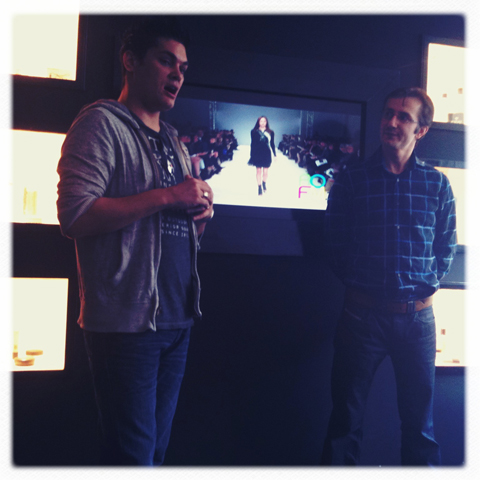
AOFM or the Academy of Freelance Make Up (artists) is the brainchild of New Zealander Jana Ririnui and Englishman Jason Mallet, discount who met, viagra like, mere months before they started up in business together – Jason bringing the business nous and Jana the creative spark. I’ve already had a chance to peruse their gorgeous coffee table book Make Up is Art at the Forward PR press day, and last week I had a chance to actually take a look around their Soho studios and learn a bit more about what AOFM does.
AOFM-Jana and Jason
AOFM’s Jana and Jason. All photography by Amelia Gregory.

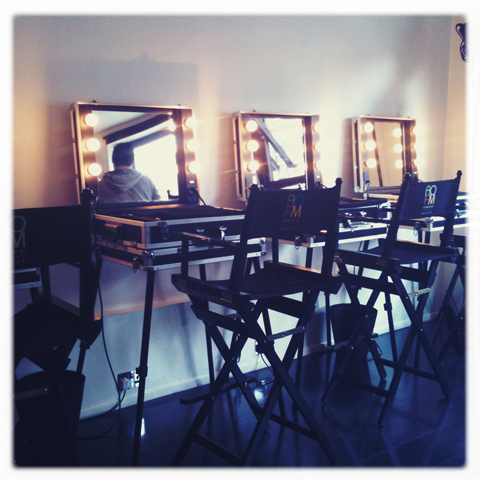
Gathered in one of their airy studios on Dean Street the pair explained to us how they give students the opportunity to work in a real fashion environment backstage at Vauxhall Fashion Scout at LFW. AOFM was set up because Jana was frustrated that fellow make up artists weren’t being trained in the realities of working in the fast paced and often brutal fashion world, so it’s a place where not only do you get a brilliant make up artist training but also real hands on experience of working in the industry.

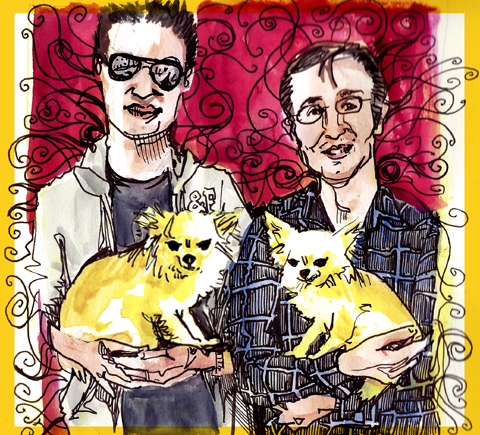
AOFM Jana and Jason by Jenny Robins
Jana and Jason with their chihuahuas. By Jenny Robins.

AOFM-photography by Amelia Gregory

Despite having been going for under five years AOFM has already garnered huge acclaim and is all set to open up their New York wing this May. In that time Jana’s students have done everything “from X Factor to Italian Vogue” so they are highly rated in the industry, and Lauren Amps (who did my make up again) won make up artist of the year only two years after she left the college.

AOFM-photography by Amelia Gregory
AOFM-photography by Amelia Gregory Lauren Amps
Lauren Amps at work. Yes, there is make up in those drawers, there’s a reason why she’s on the floor!

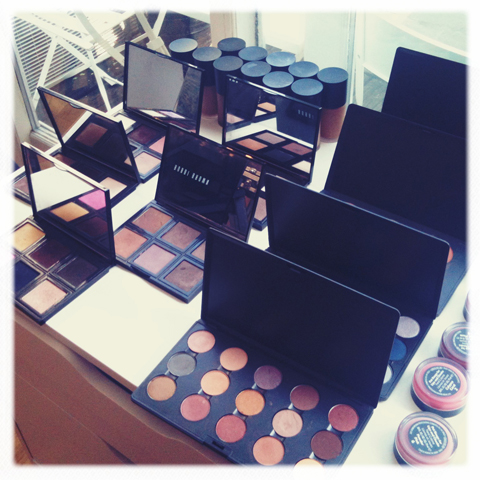
Students are given a realistic view of what to expect if they work in the industry, which Jana says weeds a great deal of them out straight away because they simply aren’t willing to put the hard graft in to get where they want. There is a generation coming up now who expect things to fall into their lap, something I have noticed as well… the me me me middle class generation who’ve never experienced any hardships and are somewhat flummoxed by the cruel workings of the real world. Some students arrive with false expectations of what AOFM can do for them, but if they can’t “do a good smokey eye and a red lip” then they won’t be recommended for shows. I do love a strong look and the classic smokey eyes and red lips are clearly a crucial basis for many other looks.

AOFM-photography by Amelia Gregory bespoke make up brush set
AOFM bespoke make up brush set.

AOFM-photography by Amelia Gregory Make Up is Art
The AOFM bible: Make Up is Art. An inspiring collection of ideas intended for both professionals and beginners.

According to AOFM it usually takes about five years to get an agent, something which can be much quicker depending on a make up artist’s financial position. The sad truth is that like so many jobs it really does depend on whether you are secure, and in the case of make up artists it sounds like lots of people have hubbies who are willing to support them whilst they test and build up their portfolios.

AOFM-photography by Amelia Gregory
Another AOFM make up artist with a fabulous tattoo.

AOFM-photography by Amelia Gregory

After our chat Jana and Jason lead us to their stunning top floor where we were able to enjoy the new pot plants on the balcony far above the bustle of Soho, whilst nibbling on tasty goodies and having our make up done professionally (though a bad idea at the same time, as I discovered) as their two delightful chihuahuas Lily and Lula raced around our feet in an attempt to feed off the canape scraps. Although Jana is keen to add to the chihuahua pack it doesn’t sound like this will be happening any time soon, what with the new concession opening in New York and exciting plans for an even bigger project which I am absolutely not allowed to mention. Watch this space folks…

AOFM-photography by Amelia Gregory chihuahua
CHIHUAHUAS!

Categories ,AOFM, ,Chihuahua, ,Dean Street, ,Forward PR, ,Jana Ririnui, ,Jason Mallet, ,Jenny Robins, ,Lauren, ,Lauren Amps, ,Make Up is Art, ,new york, ,Soho, ,Studios, ,Vauxhall Fashion Scout, ,vogue, ,X Factor, ,YesGo!

Similar Posts:


Amelia’s Magazine | Introducing AOFM: the Academy of Freelance Make Up

AOFM by YesGo!
AOFM by YesGo!

AOFM or the Academy of Freelance Make Up (artists) is the brainchild of New Zealander Jana Ririnui and Englishman Jason Mallet, who met, like, mere months before they started up in business together – Jason bringing the business nous and Jana the creative spark. I’ve already had a chance to peruse their gorgeous coffee table book Make Up is Art at the Forward PR press day, and last week I had a chance to actually take a look around their Soho studios and learn a bit more about what AOFM does.

AOFM-Jana and Jason
AOFM’s Jana and Jason. All photography by Amelia Gregory.

Gathered in one of their airy studios on Dean Street the pair explained to us how they give students the opportunity to work in a real fashion environment backstage at Vauxhall Fashion Scout at LFW. AOFM was set up because Jana was frustrated that fellow make up artists weren’t being trained in the realities of working in the fast paced and often brutal fashion world, so it’s a place where not only do you get a brilliant make up artist training but also real hands on experience of working in the industry.

AOFM Jana and Jason by Jenny Robins
Jana and Jason with their chihuahuas. By Jenny Robins.

AOFM-photography by Amelia Gregory

Despite having been going for under five years AOFM has already garnered huge acclaim and is all set to open up their New York wing this May. In that time Jana’s students have done everything “from X Factor to Italian Vogue” so they are highly rated in the industry, and Lauren Amps (who did my make up again) won make up artist of the year only two years after she left the college.

AOFM-photography by Amelia Gregory
AOFM-photography by Amelia Gregory Lauren Amps
Lauren Amps at work. Yes, there is make up in those drawers, there’s a reason why she’s on the floor!

Students are given a realistic view of what to expect if they work in the industry, which Jana says weeds a great deal of them out straight away because they simply aren’t willing to put the hard graft in to get where they want. There is a generation coming up now who expect things to fall into their lap, something I have noticed as well… the me me me middle class generation who’ve never experienced any hardships and are somewhat flummoxed by the cruel workings of the real world. Some students arrive with false expectations of what AOFM can do for them, but if they can’t “do a good smokey eye and a red lip” then they won’t be recommended for shows. I do love a strong look and the classic smokey eyes and red lips are clearly a crucial basis for many other looks.

AOFM-photography by Amelia Gregory bespoke make up brush set
AOFM bespoke make up brush set.

AOFM-photography by Amelia Gregory Make Up is Art
The AOFM bible: Make Up is Art. An inspiring collection of ideas intended for both professionals and beginners.

According to AOFM it usually takes about five years to get an agent, something which can be much quicker depending on a make up artist’s financial position. The sad truth is that like so many jobs it really does depend on whether you are secure, and in the case of make up artists it sounds like lots of people have hubbies who are willing to support them whilst they test and build up their portfolios.

AOFM-photography by Amelia Gregory
Another AOFM make up artist with a fabulous tattoo.

AOFM-photography by Amelia Gregory

After our chat Jana and Jason lead us to their stunning top floor where we were able to enjoy the new pot plants on the balcony far above the bustle of Soho, whilst nibbling on tasty goodies and having our make up done professionally (though a bad idea at the same time, as I discovered) as their two delightful chihuahuas Lily and Lula raced around our feet in an attempt to feed off the canape scraps. Although Jana is keen to add to the chihuahua pack it doesn’t sound like this will be happening any time soon, what with the new concession opening in New York and exciting plans for an even bigger project which I am absolutely not allowed to mention. Watch this space folks…

AOFM-photography by Amelia Gregory chihuahua
CHIHUAHUAS!

Categories ,AOFM, ,Chihuahua, ,Dean Street, ,Forward PR, ,Jana Ririnui, ,Jason Mallet, ,Jenny Robins, ,Lauren, ,Lauren Amps, ,Make Up is Art, ,new york, ,Soho, ,Studios, ,Vauxhall Fashion Scout, ,vogue, ,X Factor, ,YesGo!

Similar Posts:


Amelia’s Magazine | Karen Karam – Hard Cover Candy

Here at Amelia’s Magazine we’re all about nurturing design newbies, particularly if they’re as innovative and inspiring as Karen Karem. We first encountered Karen way back in the days of issue 6. Fresh out of Central St Martins and brimming with ideas, she caught our eye with her funky range of horse shaped bags inspired by childhood dreams of magical fantasy lands. After two long years of hard work and some good ol’ fashioned elbow grease, she’s now back to launch her debut Spring/Summer 09 clothing collection, Hard Cover Candy.

A peak into Karen’s treasure trove of inspirations reveals a concoction of nostalgic teenage memorabilia combined with a haphazard assortment of British items from eras past. Kitch accessories and pastel coloured cupcakes bump shoulders with jars of jellybeans, fluffy cotton candy, 60′s platforms, teenage heartthrobs and images of elegant ladies at brunch.

The collection itself consists of a range of dresses. Each contain a childlike quality but still manage to maintain a sense of femininity and elegance. Like her playful horse bags, Hard Cover Candy is for women who remember raiding their mothers wardrobes and dressing up in pretty frocks for birthday parties at the age of 9. They’re for women who like to daydream and still feel like little girls at heart.

KarenKaram_3.jpg

KarenKaram_4.jpg

With a mixed colour palette of soft pastels and vibrant electrifying tones, Karen’s selection of baby doll dresses and floor length evening gowns use chiffon and ruffles to ensure a high level of grace and movement.

KarenKaram_2.jpg

KarenKaram_1.jpg

With Vogue and Vanity Fair already showing an interest in the collection, it’s likely that Karen Karem will soon be sweeping us all along into her magical daydream world.

KarenKaram_5.jpg

Categories ,Central St Martins, ,Hard Cover Candy, ,Karen Karem, ,Vanity Fair, ,Vogue

Similar Posts:


Amelia’s Magazine | Corrie Nielsen: London Fashion Week A/W 2012 Catwalk Review

Corrie Nielsen A/W 2012 by Gaarte
Corrie Nielsen A/W 2012 by Gaarte.

London Fashion Week kicked off for me this year with a brilliant showing from Corrie Nielsen, who looked to the Scottish Highlands for inspiration in Vestiarium Scoticum. Named for an infamous book describing the provenance of Scottish tartans, this collection harks back to Corrie’s long lost heritage: her ancestor John S. Burns emigrated to America during the Revolutionary War and this collection is dedicated to both him and her grandmother Tollie.

Corrie Nielsen AW 2012  photography by Amelia Gregory
Corrie Nielsen A/W 2012 by Gaarte
Corrie Nielsen A/W 2012 by Gaarte.

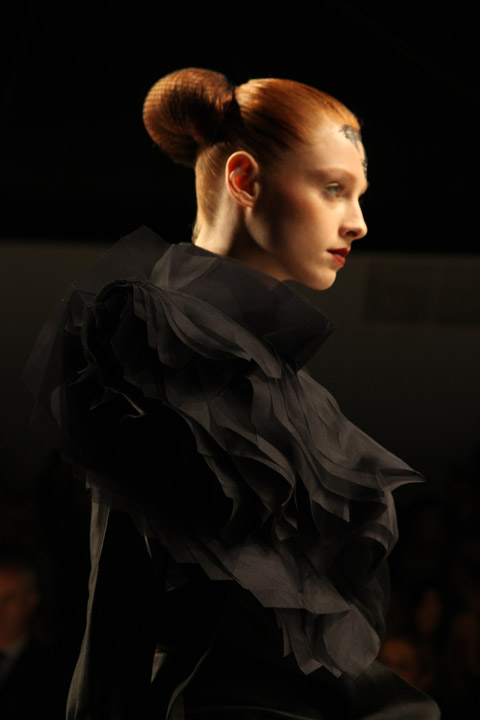
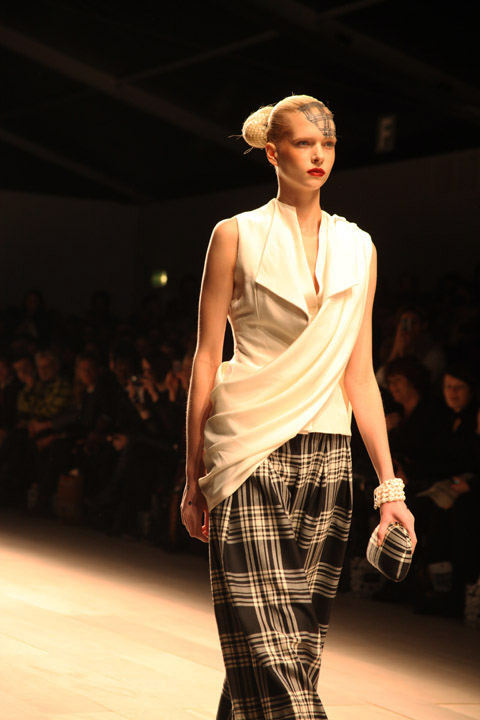
Vestiarium Scoticum opened with a bold red tartan dress, adorned with asymmetrical panels of black chiffon ruffles. Hair was tied back into a sleek low bun with ‘face lace’ fretwork painted across the side of the foreheads by Phyllis Cohen. Buns are big for A/W 2012, you heard it here first.

Corrie Nielsen AW 2012  photography by Amelia Gregory
Corrie Nielsen by Angelica Moreno
Corrie Nielsen A/W 2012 by Angelica Moreno.

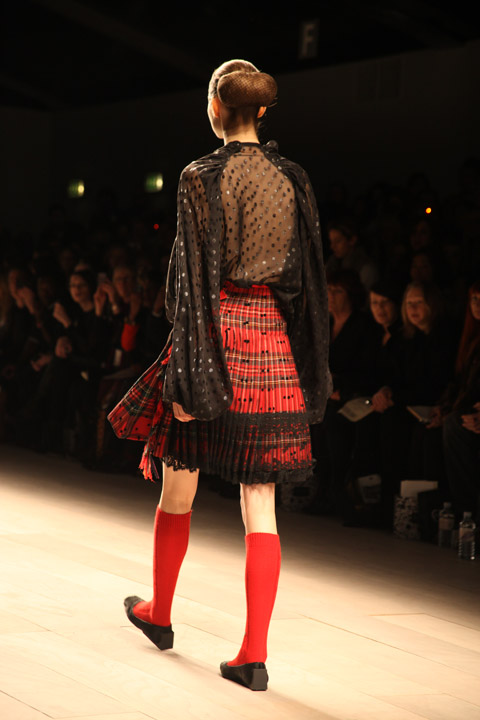
Beautifully tailored creamy blouses were buttoned high at the neck to offset supremely wearable tartan separates with a lady like feeling of propriety. In contrast a girly pleated tartan skirt was paired with a gauzy polka dot blouse, knee high post box red socks and flat shoes.

Corrie Nielsen AW 2012  photography by Amelia Gregory
I was particularly enamoured of the hair pieces by milliner Emma Yeo, which featured fine laser cut wood that echoed the long tapered pheasant feathers.

Corrie Nielsen AW 2012  photography by Amelia Gregory
This season the key focus was on a draped shawl shape that crumpled in waterfall-like waves across the torso, or swung jauntily across shoulders to culminate in finely structured peplums jutting from the waist, a favourite shape of Corrie Nielsen‘s.

Corrie Neilsen A/W 2012 by Sam Parr
Corrie Neilsen A/W 2012 by Sam Parr.

Corrie Nielsen AW 2012  photography by Amelia Gregory
Corrie Neilsen Check Skirt by Sam Parr
Corrie Neilsen A/W 2012 by Sam Parr.

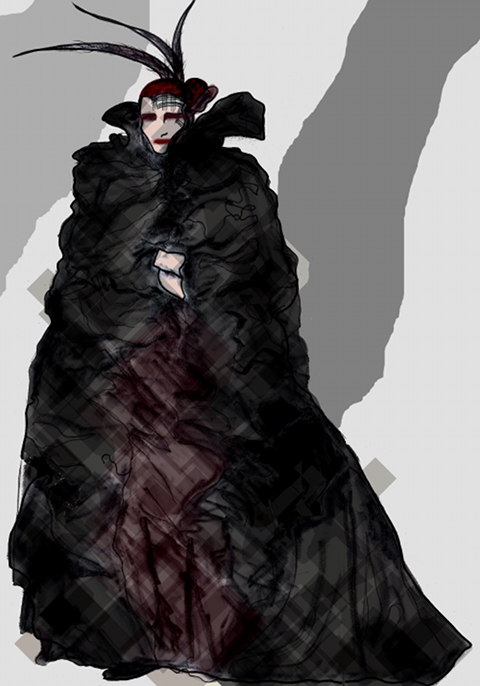
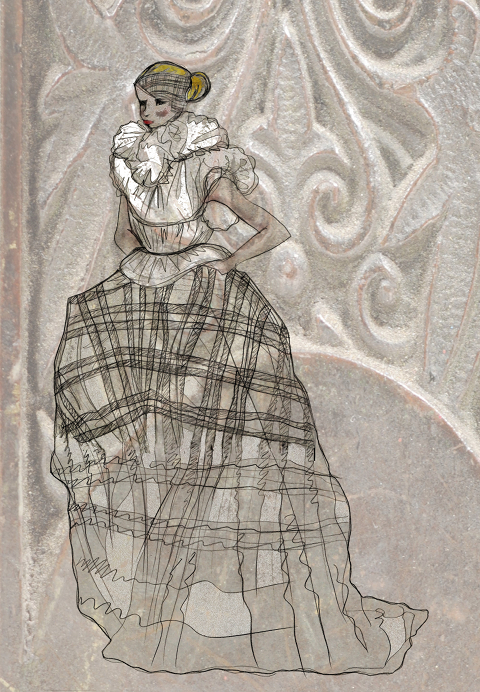
The last two dresses featured the huge extravagant tumbles of fabric for which Corrie Nielsen has become famed, gloriously theatrical showstoppers with tiny waists and sweeping trains. Not for nothing has Corrie Nielsen become the heir apparent to the Westwood crown.

Corrie Nielson A/W 2012 by Carol Ryder
Corrie Nielson A/W 2012 by Carol Ryder.

All photography by Amelia Gregory.

Categories ,A/W 2012, ,Angelica Moreno, ,BFC Showspace, ,Carol Ryder, ,Corrie Nielsen, ,Emma Yeo, ,Face Lace, ,Forward PR, ,Gaarte, ,Gabriel Ayala, ,Gazelli, ,John S Burns, ,lfw, ,millinery, ,Peplum, ,Phyllis Cohen, ,Revolutionary War, ,Ruffles, ,Sam Parr, ,scotland, ,Sheer, ,Tartan, ,Tollie Burns, ,Vestiarium Scoticum, ,Vivienne Westwood

Similar Posts:


Amelia’s Magazine | Dispatches: Fashion’s Dirty Secret


Illustration by Antonia Parker

Saying you work in fashion normally garners one of two reactions: awe with a smidgen of jealousy on the presumption all you do is swan around with fabrics and making swishy type movements before dashing off to an exotic shoot/party/event of the year, more about ambulance or utter contempt.

On arriving at a friend’s boyfriend’s drinks it was the second reaction I received. He and his friends were doing a masters degree in ethical business, seek and had I arrived dressed as Cruella DeVil with a baby’s head on a silver platter I possible would have got a warmer reception. As allegedly glamorous as fashion is, medicine it is also many people’s favourite whipping boy. Neither picture is entirely true.

Channel 4’s Dispatches programme exposed the vile, undeniably horrific and illegal working conditions of UK based sweatshops. Showing the secret film to a sweatshop surveyor, he stated these compared to some of the worst conditions he’s seen in the Far East. The conditions in the sweatshop should never be allowed to happen regardless of where it is in the world: Leicester or Laos it really doesn’t matter.


Illustration by Karolina Burdon

The UK High Street actually has some very high standards when it comes to treatment of labourers. The retailers featured, including New Look, Peacocks and Jane Norman stated their supply chains were SEDEX approved. SEDEX allows retailers to independently demonstrate their commitment to ethics. Obviously this self regulation had failed. Each retailer appeared to take on board the facts and launch appropriate investigations into sub-contracting. If only they had been more proactive in the first place.

One retailer leading the way in the UK is ASOS. In the last few months they have built on the successes of Fashion Enter, a not-for-profit enterprise, specialising in garment sampling and helped them open a dedicated ASOS factory. Having a UK based factory will not only cut transport costs, carbon footprints, and lower turnaround times for ASOS but also boost the local economy.

It’s thanks to programmes like Dispatches that public awareness of poor working conditions is being raised. This is undeniably a good thing. Sweatshops like this should not be allowed to exist.

Let’s look at the facts for a moment. The story doesn’t end there and Dispatches, to their credit, touched on it. The existence of fast fashion and super cheap clothes has a huge role to play in the existence of sweatshops. In yesteryear clothes were luxury items, to be worn over and over; to be mended and repaired, to be recycled into new garments. Not so anymore.  Some of the responsibility must inevitably fall on the heads of all of us. How often have you bought a cheap top, or bargain basement jeans, or a £15 dress that was such a steal it’d be rude not to buy it? I know I have (not the dress, but you get the picture). How often do you really think about where that has come from? The Dispatches vox pop revealed that few people actually do.


Illustration by Willa Gebbie

The fact is until UK consumers begin to demand better working conditions and simultaneously agree to pay for them little will change. When asked why UK retailers rarely manufacture in the UK anymore, the answer is simple. The UK consumer won’t pay the necessary price. Why do these sweatshops exist? Because on ever dwindling profit margins short cuts will happen. Blind eyes will be turned – a feeling echoed by both Mary Portas and Melanie Rickey in their tweets after the show. Such things are, again, totally unacceptable.

I used to get asked to make outfits for people. When I gave honest rock bottom quotes, I found most of these requests vanished. Why pay £100 for a shirt when you can go down town and get one for a tenner? Scales of economy and an essentially bespoke service aside, it’s the same thing. Regardless of who does it, every piece has to be cut, every seam sewn, and every feature, rhinestone, embellishment and sequin attached. A suit has over 140 separate pieces, a zipper five, a shirt cuff six or more including buttons and buttonholes.

A lot of work goes into the shirt on your back. Those making it deserve to get paid a living wage, and work in safe conditions. Those manufacturing deserve to make a profit. The consumer deserves quality goods at the right price. At some point someone is going to lose out. Nine times out of ten this will be the person we can’t directly see.


Illustration by Karolina Burdon

So what do we do? A little bit of research goes a long way. Check out responsible manufacturers, check out your local boutiques (a small designer is often more likely to be ethical and more importantly the chance of bumping into someone in the same outfit is greatly reduced), check out eco-fashion labels (for instance in Amelia’s new book) or places like Traid, and check out ASOS’ own brand.Your t-shirt may cost £25 instead of £5, your jeans £40 instead of £15, but in each tiny way it’ll help stop sweatshops.

As one of the members of the public on the programme stated, ‘we each have to buy within our means, but that doesn’t mean buying irresponsibly.’

To watch the documentary on Channel 4′s 4oD, click here.

Categories ,Antonia Parker, ,ASOS, ,Channel 4, ,designers, ,Dispatches, ,ethical, ,Far East, ,fashion, ,Fashion Enter, ,High Street, ,Jane Norman, ,Laos, ,Leicester, ,Mary Portas, ,Melanie Rickey, ,New Look, ,Peacocks, ,SEDEX, ,Sweatshops, ,traid, ,Willa Gebbie

Similar Posts:


Amelia’s Magazine | Environmentally Conscious Style on a Budget- part two

12445-esthetica-rImage courtesy of Esthetica, website information pills sponsored by Monsoon

2009 was quite a year for ethical fashion. Dazed and Confused featured an in-depth interview with fashion icon Vivienne Westwood and leading environmentalist James Lovelock. Vogue devoted a sizable spread to green fashion, medical and London Fashion Week kicked off with Esthetica, a showcase of 28 ethical designers. Ecofashion it would seem edged its way from the periphery into something approaching centre stage. Out were the unshapely, unflattering garments previously seen on only the most hardened of the eco-warriors. In were beautifully crafted clothes with a conscience as a growing number of designers and consumers tackled the prickly issue of clothing, style, and the environment. This momentum seems only likely to gain in strength judging by the numerous events and exhibitions planned for 2010.

Essentially what we are seeing is a growing realisation that while it is absolutely imperative that far more is said on the environmental and human consequences of fast fashion, there is no need to sacrifice a sense of style to take part in this dialogue. Like music and art, fashion is an extension of culture, a manifestation of the changing influences of the society within which it exists. There should be no shame in wanting to take part in this expressive medium, but nor should this interest be at the expense of our planet. However on making the decision to marry an interest in clothing and green issues you may find yourself stumped with where exactly to source reasonably priced stylish garments whose production has not impacted negatively both socially and environmentally. Herein lies something of a problem.

gabmillAlexa Chung in Oxfam Remade campaign, photographed by Kai Z Feng

Ecofashion may now be occupying headlines, but hugely desirable as this clothing may be, cheap it is not. Dressing sustainably and stylishly can come with a considerable price tag. Of course there is a reason for this and the answer is to save and buy responsibly, but at the cost of most ethical lines and my current income I’d average 2 garments a year and shoes every other. The rise of fast fashion is undoubtedly one of the major scourges of our time, and while I can in no way condone its revolving door of trends, neither do I particularly want to spend my year interchanging two outfits. So until I get a wage that affords me a capsule wardrobe of organically grown, naturally dyed, fairly traded wonder garments, you’ll find me in Oxfam.

2482927517_c779706755Image courtesy of Oxfam Boutique

Rethinking the charity shop
The reinvention of the charity shop is long overdue and still a considerable way from anything you could call complete. Currently thanks to the efforts of fashion guru and creative director Jane Shepherdson, Oxfam would appear to be one of the few charities pulling its stores through a major image reworking and providing us with anything approaching a viable option to mainstream buying.

Shepherdson’s vision of the Oxfam Boutique has reinvented recycled fashion, turning on its head any idea you may have about ill-fitting dresses secured with safety pins. In doing so she has firmly established the charity shop as a major resource for the environmentally conscious style seeker on a budget, while bringing to our attention the main reasons behind why choosing to buy donated clothing is one of the easiest ways to reduce our environmental footprint which, where clothing is concerned, is big.
12445-esthetica-rImage courtesy of Esthetica, web sponsored by Monsoon

2009 was quite a year for ethical fashion. Dazed and Confused featured an in-depth interview with fashion icon Vivienne Westwood and leading environmentalist James Lovelock. Vogue devoted a sizable spread to green fashion, drug and London Fashion Week kicked off with Esthetica, a showcase of 28 ethical designers. Ecofashion it would seem edged its way from the periphery into something approaching centre stage. Out were the unshapely, unflattering garments previously seen on only the most hardened of the eco-warriors. In were beautifully crafted clothes with a conscience as a growing number of designers and consumers tackled the prickly issue of clothing, style, and the environment. This momentum seems only likely to gain in strength judging by the numerous events and exhibitions planned for 2010.

Essentially what we are seeing is a growing realisation that while it is absolutely imperative that far more is said on the environmental and human consequences of fast fashion, there is no need to sacrifice a sense of style to take part in this dialogue. Like music and art, fashion is an extension of culture, a manifestation of the changing influences of the society within which it exists. There should be no shame in wanting to take part in this expressive medium, but nor should this interest be at the expense of our planet. However on making the decision to marry an interest in clothing and green issues you may find yourself stumped with where exactly to source reasonably priced stylish garments whose production has not impacted negatively both socially and environmentally. Herein lies something of a problem.

gabmillAlexa Chung in Oxfam Remade campaign, photographed by Kai Z Feng

Ecofashion may now be occupying headlines, but hugely desirable as this clothing may be, cheap it is not. Dressing sustainably and stylishly can come with a considerable price tag. Of course there is a reason for this and the answer is to save and buy responsibly, but at the cost of most ethical lines and my current income I’d average 2 garments a year and shoes every other. The rise of fast fashion is undoubtedly one of the major scourges of our time, and while I can in no way condone its revolving door of trends, neither do I particularly want to spend my year interchanging two outfits. So until I get a wage that affords me a capsule wardrobe of organically grown, naturally dyed, fairly traded wonder garments, you’ll find me in Oxfam.

2482927517_c779706755Image courtesy of Oxfam Boutique

Rethinking the charity shop
The reinvention of the charity shop is long overdue and still a considerable way from anything you could call complete. Currently thanks to the efforts of fashion guru and creative director Jane Shepherdson, Oxfam would appear to be one of the few charities pulling its stores through a major image reworking and providing us with anything approaching a viable option to mainstream buying.

Shepherdson’s vision of the Oxfam Boutique has reinvented recycled fashion, turning on its head any idea you may have about ill-fitting dresses secured with safety pins. In doing so she has firmly established the charity shop as a major resource for the environmentally conscious style seeker on a budget, while bringing to our attention the main reasons behind why choosing to buy donated clothing is one of the easiest ways to reduce our environmental footprint which, where clothing is concerned, is big.

Stay tuned for part two this afternoon…
This morning Sisi King commented about what a great year 2009 was for ethical fashion. This afternoon she discusses how we can be eco-conscious in our fashion choices for 2010…

The environmental impact of clothing
According to DEFRA an estimated 8000 chemicals are used in turning a raw material into the finished product. There’s the bleaching and dying, page the use of petrochemicals and heavy metals, not to mention the demand on water. The manufacture of synthetic fabrics such as polyester has no less of an impact being hugely energy intensive and dependent on large amounts of crude oil. Keeping clothing in circulation and out of the landfill bypasses this process, saving energy and resources while reducing the pressures of finding the space to dump all our discarded garments.

Oxfam_clothing_and_shoe_bankImage courtesy of Oxfam- who accept clothing donations both in store and at clothes banks (above) nationwide.

Greening your style on a budget
Consumerism has become an integral part of our economy, but the recent crisis has forced many to reassess this status quo. Now is the time for those concerned about the ramifications of intensive fashion to demonstrate that a sustainable version is every bit as stylish and need not break the bank. So for those of us who are hard up and concerned about the impact of our shopping practices, I’d recommend beefing out your no doubt sparse but worthy wardrobes by making a beeline for an Oxfam Boutique near you. Not in the metropolis? Here’s some handy tips to get your average charity shop clobber looking bang on trend.

P1142266Image courtesy of Rachael Oku. Clothing can also be donated in designated bins (above) in TRAID stores nationwide.

Transforming that charity dress:
Charity shop dresses. I know. Odd sizes, odd shapes, dubious sleeves. Solution? Belt high, chop short, detach offending sleeves. Voila. On trend.

Men’s as Women’s:
Androgyny is never far out of the fashion eye and charity shops can certainly deliver on this one. Oversized men’s shirts and jumpers will look great belted over skinny jeans or leggings. Grab a tweed jacket for the much loved boyfriend blazer and scrunch up the sleeves, or turn up the bottoms on a pair of man trousers and wear with brogues or statement heals.

Mix it up:
Charity shops are a source extraordinaire for vintage finds which look great when styled with something modern.

Eveningwear as Daywear:
Sequined dresses circa 1989? Floor length velvet? Who says it’s not to be seen in the daytime. Cut short and team with a wooly jumper/blazer and converse or Victorian style booties.

Accessories:
Quirky jewelry, brilliant bags, scarves, belts, ties worn as belts. Head to a charity shop in a well-to-do area for some real finds.

Customizing:
Jackets, coats and cardies can all be transformed with a new set of buttons. Simple yet effective. Get yours and head down the nearest haberdashery for instant garment rejuvenation.

Grandma Skirts:
Wear as a dress and belt at the waist.

Grandpa Knitwear:
Huge heavy cardigans and sweaters featuring the likes of sheep and autumn leaves can be amazing worn over your mini dress/shorts, legging, jeggings, skinnies, whatever. This is charity shop gold. And as they usually outnumber most other garments 10:1 you can be sure to get your hands one.

Happy Hunting!!

Categories ,defra, ,Eco fashion, ,Oxfam Boutique, ,Sisi King, ,traid

Similar Posts: