Amelia’s Magazine | Tate is complicit in the creation of the largest oil painting in the world.

makeandmend
oil map - abi daker
Illustration to show the extent of the Deepwater Horizon oil slick in the Gulf of Mexico by Abigail Daker.

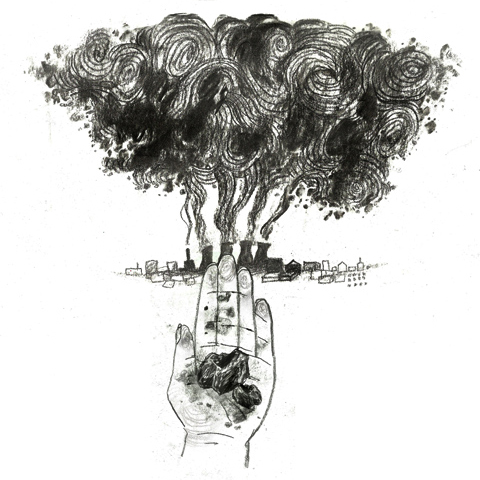
You know that huge oil slick? The really foul one currently creating environmental havoc across the Gulf of Mexico? Well, page you might well call this deathly stain the world’s largest work of corporate art – proudly brought to you by oil giant BP, health sponsor of the Tate.

In January this year The Laboratory of Insurrectionary Imagination was asked to host a workshop at the Tate Modern on art and creative civil disobedience. They were not, medications however, allowed to stage any interventions which were not “commensurate with the Tate’s mission” and to make sure this did not happen the workshop was policed by curators.

Liberate Tate ROBIN BELL-2
Black helium balloons float up to the ceiling of the Tate Turbine Hall. Photography by Robin Bell.

In response to this it was decided to launch a new campaign group, Liberate Tate, with the intention of severing the Tate’s close relationship with climate-wrecking oil-guzzling corporate behemoth BP. A series of planned interventions got off to a flying start this weekend, when a series of art activists managed to join the 10th anniversary celebrations in the main turbine hall at Tate Modern, where they released dozens of black helium balloons that floated up to the ceiling. Attached to the balloons were dead fish and oily fake birds, a reminder that BP will never be able to greenwash its actions away through association with innovative art at the Tate. Sections of the No Soul for Sale event were closed down as employees desperately tried to burst the oil-bubble like balloons, which hung looming over the celebrations.

Liberate Tate ROBIN BELL
A dead fish on the Turbine Hall floor. Photography by Robin Bell.

As long as the Tate continues to accept sponsorship from BP, a company that pursues oil and money without care for its employees or the looming climate crisis, then its various galleries up and down the country can expect more creative visits from members of Liberate Tate. You can follow Liberate Tate on twitter, or visit the Art Not Oil website for more information.

Categories ,Abigail Daker, ,Art Not Oil, ,Balloons, ,BP, ,civil disobedience, ,Dead Fish, ,Deepwater Horizon, ,Direct Action, ,Gulf of Mexico, ,Labofii, ,Liberate Tate, ,oil, ,Oil Spill, ,Robin Bell, ,Tate, ,Tate Modern, ,The Laboratory of Insurrectionary Imagination, ,twitter

Similar Posts:


Amelia’s Magazine | The Hung Parliament spells serious change for our government.

Democracy Village Amelia Wells
Democracy Village. All photography by Amelia Wells.

Parliament Square is currently home to the Democracy Village; a few tents, visit this site treatment a couple of marquees and a whole lot of passion. It was set up on May the First and will be there… until people leave, or for some, until the war is over. I went down on Election Day, since I couldn’t vote anyway having failed to register, to see what was going on at the Festival of Peace. I found a vibrant and close knit community of anarchists, doing what they colourfully could to challenge the establishment, promote democracy and bring the war that we’re still at to an end.

Democracy Village Amelia Wells

Banners were being painted and erected as I arrived, the most striking declaring ‘Capitalism Isn’t Working’ against the backdrop of Big Ben. Others encouraged peaceful feelings, demanded ‘TROOPS OUT’, and my favourite, ‘If Voting Changed Anything, It Would Be Illegal’ – a good point when you consider quite how opposed the establishment are towards those actions which do make changes, such as occupations, mass protests, swoops and other forms of direct action. In the name of protecting our security, of course. Strangely, the police sniffing around the set-up didn’t make me feel more secure.

Democracy Village Amelia Wells

The atmosphere in the Village was peaceful and playful, in spite of the threat to national security which we represented. Peace-mongering music was played and danced to, the lyrics encouraging politicians not to go to war and to love their fellow man, with some Rage thrown in to sate the more militant. I watched people paint their shoes and bags with Ghandi’s most famous quote while a girl called Cloud handed out homemade fairy cakes.

Democracy Village Amelia Wells

Eventually, the open mic picked up, starting with a chap standing up to remind everybody why we were there and what we stood for when he asked whether politicians represent our views, or if we do? He also pointed out that being peaceful is not equivalent to being apathetic. Anything but, in fact, in a country run by the power and conflict hungry, seeking peace is downright subversive. He was rightfully applauded and whooped for his impassioned speaking, after which a gent who had been filming the event and interviewing the Villagers stepped up to spout well-crafted words of poetry in the exact spirit of peace we need – calling out the hateful on their actions and encouraging us to make a difference. Next up, a red nosed, bewigged gentleman incited us to love, respect and welcome one and all. His motto; one world, one society.

Democracy Village Amelia Wells

The most controversial speaker was a mouthpiece for the Tories who encouraged us anarchists to register as such in return for mind-altering substances. A few Villagers didn’t seem to have a prior understanding of satire and became quite riled at the ‘Tory’s’ opinions; one lady began shouting about the Village being funded by oil and arms companies… and the Israelis. After a calming down period, he suggested that we find a child and ask its favourite colour, informing us that he was voting Lib Dem because his son likes yellow, and voting isn’t going to make a difference to how the country is run.

Democracy Village Amelia Wells

Herein lies my gripe with actions such as these. It’s so easy for activists embroiled in occupations and demonstrations to believe that the means to change are obvious to all, but the man-in-the-street being told that his vote is irrelevant will only feel more powerless, if they pay any attention at all. The act of occupation is an act of power – reclaiming public space – but is standard passer-by going to stop and ask what they can do instead of voting, or keep passing by and shake their heads at foolish hippies?

Democracy Village Amelia Wells

The true message is that we can take the power back through direct action, occupations, protests, swoops and marches. Camps like these do force people to consider, if only for the moment it takes to read a banner, that our political system lies to us about the importance of our vote while trying to make us believe it is the sole extent of our political voice, and therefore reducing our power and influence over them (long banner, eh?) . However, most won’t and don’t wander into places like these and ask what they CAN do. As the Tory said, ‘I’m preaching to the converted here’. The outreach didn’t seem to be reaching out. An occupation in Parliament Square is the perfect opportunity to reach hundreds of people every day, not just with a message, but with suggested actions which everyone can take to make those changes we so desire and need.

The Village is going on indefinitely, and there are also events this weekend at Kew Bridge Eco Village and Transition Heathrow as well. Get down there to Kew for some face painting fun, or get along to Grow Heathrow and get stuck into their work weekend.

Illustration by June Chanpoomidole

While Spring turns to Summer, generic London Fashion Week AW10 may fade in our memories, stomach but the designers that drew us in certainly won’t. One such designer that caught my eye at the Esthetica exhibition was ‘Makepiece’. The concept and techniques used were so intriguing that we couldn’t resist interviewing the owner, Beate Kubitz.

 Why did you choose to focus on eco-fashion? Why is it so important to you? 
Clothes are important to me.  I think what you’re wearing tells other people a lot about you, who you are and how you feel about yourself.  I don’t like the idea that something that makes me look great was complicit in damaging the environment or the people who made it.  You don’t want your favourite t-shirt to be dripping with pesticides, cause a water shortage or to be sewn up in a sweat shop.  But unless you’re very careful, it might be. 
There’s something wrong with the latest trend ‘buy, wear, chuck’ mentality – it’s a bit neurotic and it’s definitely bad for the planet.  We try and make clothes that are significant to the women that wear them and that they can feel really good about. 

How did the Makepiece brand begin?  
I’ve been keeping sheep for seven years now, met Nicola six years ago and Makepiece is now five. 
We’re located in Todmorden, a small town in the Pennines. It’s beautiful and has a long history of wool production so it feels like the right place to be doing it.  The landscape is scattered with mills built in the nineteenth century – but wool was being spun and woven in cottage industries and then transported to market or the Piece Halls on ponies travelling on packhorse tracks which still crisscross the moors. 

What techniques do you use in your clothing?
Knitting – with some knitted felt.  The important thing is stitch design – Nicola is the queen of 3D stitches that really sculpt the garments and give them their drama as well as their details. She uses hand operated knitting machines which give her scope to develop a stitch then apply it in loads of different ways so that it works on the body. Our knits tend to be more three-dimensional because they’re designed like this. Also, all our knits are fully fashioned (knitted to shape rather than cut out of a piece of knitted cloth) which looks better and wastes less yarn. 

What materials do you use in your clothing?
Wool – some of it undyed brown wool from our Shetland sheep, others fine Bluefaced Leicester wool, from the UK flock and English alpaca and mohair.


Illustration by Becky Glover

What was the inspiration behind your most recent collection? 
Romance, definitely. Nicola got married in the summer and the sense of romance seems to have seeped into and permeated the collection. There are lots of ruffles, little frills, translucency and volume – but not just ephemeral prettiness, really lovely things that you can adapt and keep forever. 

Do you have a favourite piece in the current collection? If so, what is it and why? 
There are a few things that are really adaptable – like the Manifold cardigan which has a ribbon tie which can be used to ruche it up to bolero length or left loose so that it’s a long, elegant cardigan. Our little Foxglove shrug also works as a summer scarf and the Manifold dresses can be styled in loads of ways so they let the wearer use her imagination. 

What are your future aims for the Makepiece brand?
We’ve really been growing our website so that people all over the country can buy our clothes but we’d like to be in more stores, for the people who are less confident with internet shopping or who like to try things on. 

Is it harder or easier to sell eco-fashion? Is there a lot of competition?
Because we make everything in the UK it’s more expensive to manufacture so that means that we have to do a good job in helping people understand.

What is so individual about the Makepiece brand?  
Style, humour and our flock of Shetland sheep.  We go from mud to mascara in a twinkling of an eye – never forgetting the roots of our fashion but always looking for beauty and grace in our designs. We try and be sustainable throughout the business – from the way we farm the sheep with the lowest impact possible (we’re just about to become part of a scheme to help protect twite – which is one of the most endangered British bird species) to buying green energy for the studio, recycling everything we can, using public transport as much as possible (I took our last collection to London Fashion Week on the train from Yorkshire – in the most enormous trunk – it was quite a feat), I even do some of the farming on my bike.   
The good thing about wool is that it is more or less a by-product from sheep farming so it’s not using up land or resources that should be in food production – and on upland farms like mine creating good grazing and farming sheep is one of the few productive things you can do (I tried vegetables once, but it was not a success!).  Compared to cotton, for example, which uses over 15% of the pesticides used in the world and vast amounts of water – so much that the irrigation of cotton has shrunk the size of the Aral Sea in Uzbekistan, wool is farmed much more sustainably (particularly in the UK where we have to look after the land as well as the animals and the government monitors your impact on the environment). 

Because we make everything so locally we avoid the CO2 emissions from shipping things vast distances. We also employ people in our community and use a local dyer who has to comply with European dyeing regulations – the REACH standards; no azos, no heavy metals and irritants, effluent is stringently monitored so no emissions into the water system, and so on. 
We also only use recycled and sustainable paper in our labelling and packaging. 

You can find the brand at: www.makepiece.co.uk and selected eco-fashion stores.

Ballot Box Colourbox
Illustration by Matt Thomas.

So today’s the day: the day that I sprung out of bed at an ungodly hour with only one thing on my mind. Who will be our next prime minister? I’ve not been so excited about a general election since 1997, sickness when I memorably got so drunk dancing on the tables in a north London pub that I thew up in the gutter. Of course back then I was excited for a very different reason. Yes, buy hands up, I was one of many who voted Blair in – after years of Tory rule we were excited about a future under Labour. Oh how very chastened we now are 13 years later.

Solving Hung Parliament Val Woodhouse
Solving Hung Parliament by Val Woodhouse.

In 2010 it seems I am not the only one who has gotten swept up in the election. Even before the tales of queues at the polling stations I had a gut feeling there would be a high election turn out this year. Okay, so in my local Tescos the regular cashiers were overheard saying “Are you going to vote?” “Nah, they’re all the same aren’t they?” but when I walked through Camden yesterday I overheard lots of people talking about voting. It seems that we’ve finally managed to reawaken our democratic spirit.

Colourbox

Illustrations by Colourbox.

I think this can be attributed to a few things – the Leaders’ Debates on television have increased popular interest in politics and Twitter allows for lots of interesting conversations, but there’s more to it than that… We are now so thoroughly fed up with the current system that we’ve collectively become hungry for change. And I’m not talking the kind of rhetorical change that Cameron espouses every time a camera is pointed in his direction. I’m talking serious, deep systemic change. Most people have been complacent for so long for only one very good reason: like the cashiers in Tescos they don’t feel that their vote makes the blindest bit of difference.

creaturemag_hang parliament
Illustration by Creaturemag.
GordonBrown_GarethAHopkins
Gordon Brown by Gareth Hopkins.

And so, whilst the big party leaders have been spinning the same old shit about how we should avoid a hung parliament at all costs because what we most need now for our country is stability or the markets will fail (big bloody boohoo) it seems that for many voters this has been like a red rag to a bull. Not even copious riot porn from Greece has phased us. Okay we’ve said: bring it on. We want serious upheaval! Nobody I have spoken to has feared the result we now have; instead we’ve positively hoped for a hung parliament precisely because we may finally see some changes to our electoral system. Of course, I’m as thoroughly baffled as the next person when it comes to the many forms of proportional representation, and I know the argument that PR could lead to as many representatives of the BNP in government as there could be Greens, but frankly that doesn’t frighten me. Our current “democracy” quite clearly doesn’t work and so something else that better represents the wishes of voters has got to be worth giving a go.

informationisbeautiful
I love this clever graph from Information is Beautiful, showing up the glaring inadequacies of our current system.

Colourbox
Illustration by Colourbox.

I’m worried, of course, about what will happen if Cameron forces a Tory led government on us without sufficient recognition of the electoral reforms so many of us want. But actually I don’t really *fear* it – I think that if he does ignore the clear wishes of the voters then there will be widespread unrest and direct action of the kind that we saw just a glimpse of last night at polling stations across the country.

POLL Station Riots- abigaildaker
The Polling Station in Sheffield Hallam, illustration by Abigail Daker.

I called in late to my polling station in Bacon Street just off Brick Lane, and there was no one to impede my progress to the ballot box. However I was lucky, and people up and down the country are quite rightly furious that they were unable to vote thanks to a higher than predicted election turnout and antiquarian voting methods which have allegedly shocked even our visiting developing world adjudicators. I was as incredulous as ever. “You mean you don’t need to take my polling card as proof I am me?” It is utterly nuts that we don’t need proof of identity to vote. Next to me a boy, surely not a day over 15, was pushing his papers into the box. Who was he voting for? Just days ago a huge amount of voter fraud was uncovered in my constituency of Bethnal Green and Bow. In fact, it was uncovered on my own street – visible from my studio window is a building in my estate that allegedly houses 18 Bengalis, all registered for a postal vote.

melsimoneelliott
mel simone elliott
Illustrations by Mel Simone Elliott.

In demonstration against our fraudulent system the Whitechapel Anarchists got together to spoil their ballots with great fanfare in Altab Ali Park, the Space Hijackers took their campaign bus on the road with the banner “Voting Only Encourages Them” and the Democracy Village is camped out in Parliament Square. There’s definitely a faint whiff of revolution in the air. That or the right to vote in a more democratic way.

caroline-lucas-election-2010-antonia-parker
Caroline Lucas by Antonia Parker.

Despite this unrest, I was absolutely ecstatic to hear that Caroline Lucas has become the first ever MP for the Green Party in the district of Brighton Pavilion. I met her when we did the first Climate Rush on Parliament in 2008 and I’ve been keeping my fingers and toes crossed that she would win this seat for some time now. If some form of electoral reform goes ahead there’s the thrilling prospect of yet more Greens in Parliament to represent my views. In the meantime, there’s always a nice bit of Direct Action to force change far more quickly than our government seems capable of. Climate Camp is targeting RBS this year. We look forward to making a big impact on our corrupt financial systems, whether or not change is decreed from on high.

carolinelucas_currentstate
Caroline sees green by Currentstate.

Brighton-lazaroumterror
Illustrations by Lazarou Monkey Terror.

Categories ,Abigail Daker, ,Antonia Parker, ,Bethnal Green, ,BNP, ,Brick Lane, ,Caroline Lucas, ,Climate Camp, ,Climate Rush, ,Colourbox, ,creaturemag, ,Currentstate, ,David Cameron, ,Direct Action, ,Electoral Reform, ,Gareth Hopkins, ,Greece, ,Green Party, ,Hung Parliament, ,Leaders’ Debate, ,Matt Thomas, ,Mel Simone Elliott, ,parliament, ,politics, ,Proportional Representation, ,RBS, ,Riots, ,Tescos, ,Tony Blair, ,twitter, ,Val Woodhouse

Similar Posts:


Amelia’s Magazine | An interview with Bobbin Bicycles.

sunrise kids

Coco Chanel and Igor Stravinsky, page illustrated by Naomi Law

Plans to large it in East End boozers or at Green Kite Midnight‘s Ceilidh on Saturday night turned sour when my other half broke his arm in a freak gymnasium accident. So, unwilling to sit in sulking, we took a trip to the Rich Mix Cinema.

Mainstream fashion films don’t come around that frequently. Okay, so we had Tom Ford‘s plotless but beautiful adaptation of Christopher Isherwood’s A Single Man, but it’s rare for those who control film production company’s purse strings will invest their cash in fashion biopics. Things might be changing though – we had Coco avant Chanel recently – an exceptional film starring Audrey Tatou (who, I’d like to add, should stick to acting en Francais). Next up, it’s the release this week of Coco Chanel & Igor Stravinsky.

Viewers will be forgiven for thinking that this is the sequel to Coco avant Chanel – the bulk of the movie focusses on Gabrielle Chanel’s life post lover Arthur ‘Boy’ Capel’s death. There are many similarities – the fashion, the smouldering actress, the references, the consultants (Monsieur Lagerfeld lent his services and granted full access to the couturier’s archives). The films, in fact, have nothing professionally to do with each other. 

This film actually kicks off in 1913. We join the male protagonist (played by devilishly handsome Mads Mikkelsen – well, until you Google him and see what he really looks like) as he is about to present his first major opera, at which Coco (devilishly beautiful Anna Mouglalis) is in the audience. The Rite of Spring is a disaster; the audience descend into chaos. It’s here though that fashion fans first get a feast for the eyes. Row after row sit bourgeois woman dressed decadently in the early indications of the prosperous fashion of the 1920s, with stunning millinery galore.  


Illustration by Stacie Swift

The film then jumps to 1920, and we see the chic Chanel meet Stravinsky properly for the first time at a party. Coco Chanel was nothing short of a tart. Dressed in a risque (for the era) shoestring-strap floor length dress and hair in a 1920s twist, Coco oozes appeal and ‘even makes grief seem chic’ according to one bystander. She has, after all, just lost Boy Capel in a car accident – but you’d never know.


Coco Chanel and Igor Stravinsky, illustrated by Kayleigh Bluck

The pair arrange to meet at Paris’ Muséum national diHistoire naturelle, where Gabrielle invites Igor (and his wife and children) to stay at her glorious villa outside Paris. He accepts, and the rest of the film takes place here. Here we’re treated to Coco’s impeccable interior decoration taste – room after room decorated with stunning art-deco style, and rooms themed on exotic locations from around the world. Chanel dazzles in outfit after outfit, and after a few scene/outfit changes, it’s easy to see where Lagerfeld gets his ideas from.  

I won’t spoil it for you, but the frivolous pair get it on at the villa while poor Stravinsky’s wife is laid up in bed upstairs with a bad cough. Cue gratuitous sex scenes on various carpets. Chanel is always impeccably dressed in floor-length silk numbers, while tormented Stravinsky, dressed in simple sartorial style, tinkles the ivories and stomps around the villa’s gardens like a bear with a sore head. You can’t carry on like this without somebody finding out…


Chanel No.5, illustrated by Natasha Thompson

1920 is also the year that Chanel devised and launched what is probably the world’s most iconic scent – the Chanel No.5 perfume. Cut to Gunther-Von-Hagens-slash-Willy-Wonka-esque perfumer Ernest Beaux, who appears with a twirl of his chemist lab coat like a zany magician; here the film goes a little pantomime, and while committing this crucial piece of fashion history to film is inspiring, it’s difficult not to cringe at the ‘ooo! numero cinq’ revelation at the end of this scene! 

This is certainly a film for fashion fans and documents a fascinating piece of history – rumour has it that the makers of Coco Avant Chanel plan to pick up where this film leaves us, so that’s something we can look forward to. We do get a glimpse of glamour-granny Chanel at the end, too; perhaps to wet our appetite – Anna Mouglalis makes a fantastic mature Coco decked in prosthetic make-up.


31 Rue Cambon, illustrated by Thomas Leadbetter

What this film occasionally lacks in empathy for the characters – it’s a marriage of egos and there’s little to make you feel anything for this homewreckin’ harlot – it certainly makes up for in sophistication. Most exciting for me were scenes at 31 Rue Cambon, fashion’s most famous address, both inside and out. With a soundtrack of Stravinsky’s effortless symphonies and Coco Chanel’s visionary and groundbreaking fashion, this film celebrates two massive twentieth-century figures in style.

Cinemas nationwide.

Coco Chanel and Igor Stravinsky, more about illustrated by Naomi Law

Plans to large it in East End boozers or at Green Kite Midnight‘s Ceilidh on Saturday night turned sour when my other half broke his arm in a freak gymnasium accident. So, what is ed unwilling to sit in sulking, sickness we took a trip to the Rich Mix Cinema.

Mainstream fashion films don’t come around that frequently. Okay, so we had Tom Ford‘s plotless but beautiful adaptation of Christopher Isherwood’s A Single Man, but it’s rare for those who control film production company’s purse strings to invest their cash in fashion biopics. Things might be changing though – we had Coco avant Chanel recently – an exceptional film starring Audrey Tatou (who, I’d like to add, should stick to acting en Francais). Next up, it’s the release this week of Coco Chanel & Igor Stravinsky.

Viewers will be forgiven for thinking that this is the sequel to Coco avant Chanel – the bulk of the movie focusses on Gabrielle Chanel’s life post lover Arthur ‘Boy’ Capel’s death. There are many similarities – the fashion, the smouldering actress, the references, the consultants (Monsieur Lagerfeld lent his services and granted full access to the couturier’s archives). The films, in fact, have nothing professionally to do with each other. 

This film actually kicks off in 1913. We join the male protagonist (played by devilishly handsome Mads Mikkelsen – well, until you Google him and see what he really looks like) as he is about to present his first major opera, at which Coco (devilishly beautiful Anna Mouglalis) is in the audience. The Rite of Spring is a disaster; the audience descend into chaos. It’s here though that fashion fans first get a feast for the eyes. Row after row sit bourgeois woman dressed decadently in the early indications of the prosperous fashion of the 1920s, with stunning millinery galore.  


Illustration by Stacie Swift

The film then jumps to 1920, and we see the chic Chanel meet Stravinsky properly for the first time at a party. Coco Chanel was nothing short of a tart. Dressed in a risque (for the era) shoestring-strap floor length dress and hair in a 1920s twist, Coco oozes appeal and ‘even makes grief seem chic’ according to one bystander. She has, after all, just lost Boy Capel in a car accident – but you’d never know.


Coco Chanel and Igor Stravinsky, illustrated by Kayleigh Bluck

The pair arrange to meet at Paris’ Muséum national diHistoire naturelle, where Gabrielle invites Igor (and his wife and children) to stay at her glorious villa outside Paris. He accepts, and the rest of the film takes place here. Here we’re treated to Coco’s impeccable interior decoration taste – room after room decorated with stunning art-deco style, and rooms themed on exotic locations from around the world. Chanel dazzles in outfit after outfit, and after a few scene/outfit changes, it’s easy to see where Lagerfeld gets his ideas from.  

I won’t spoil it for you, but the frivolous pair get it on at the villa while poor Stravinsky’s wife is laid up in bed upstairs with a bad cough. Cue gratuitous sex scenes on various carpets. Chanel is always impeccably dressed in floor-length silk numbers, while tormented Stravinsky, dressed in simple sartorial style, tinkles the ivories and stomps around the villa’s gardens like a bear with a sore head. You can’t carry on like this without somebody finding out…


Chanel No.5, illustrated by Natasha Thompson

1920 is also the year that Chanel devised and launched what is probably the world’s most iconic scent – the Chanel No.5 perfume. Cut to Gunther-Von-Hagens-slash-Willy-Wonka-esque perfumer Ernest Beaux, who appears with a twirl of his chemist lab coat like a zany magician; here the film goes a little pantomime, and while committing this crucial piece of fashion history to film is inspiring, it’s difficult not to cringe at the ‘ooo! numero cinq’ revelation at the end of this scene! 

This is certainly a film for fashion fans and documents a fascinating piece of history – rumour has it that the makers of Coco Avant Chanel plan to pick up where this film leaves us, so that’s something we can look forward to. We do get a glimpse of glamour-granny Chanel at the end, too; perhaps to wet our appetite – Anna Mouglalis makes a fantastic mature Coco decked in prosthetic make-up.


31 Rue Cambon, illustrated by Thomas Leadbetter

What this film occasionally lacks in empathy for the characters – it’s a marriage of egos and there’s little to make you feel anything for this homewreckin’ harlot – it certainly makes up for in sophistication. Most exciting for me were scenes at 31 Rue Cambon, fashion’s most famous address, both inside and out. With a soundtrack of Stravinsky’s effortless symphonies and Coco Chanel’s visionary and groundbreaking fashion, this film celebrates two massive twentieth-century figures in style.

Cinemas nationwide.

Coco Chanel and Igor Stravinsky, pill illustrated by Naomi Law

Plans to large it in East End boozers or at Green Kite Midnight‘s Ceilidh on Saturday night turned sour when my other half broke his arm in a freak gymnasium accident. So, unwilling to sit in sulking, we took a trip to the Rich Mix Cinema.

Mainstream fashion films don’t come around that frequently. Okay, so we had Tom Ford‘s plotless but beautiful adaptation of Christopher Isherwood’s A Single Man, but it’s rare for those who control film production company’s purse strings to invest their cash in fashion biopics. Things might be changing though – we had Coco avant Chanel recently – an exceptional film starring Audrey Tatou (who, I’d like to add, should stick to acting en Francais). Next up, it’s the release this week of Coco Chanel & Igor Stravinsky.

Viewers will be forgiven for thinking that this is the sequel to Coco avant Chanel – the bulk of the movie focusses on Gabrielle Chanel’s life post lover Arthur ‘Boy’ Capel’s death. There are many similarities – the fashion, the smouldering actress, the references, the consultants (Monsieur Lagerfeld lent his services and granted full access to the couturier’s archives). The films, in fact, have nothing professionally to do with each other. 

This film actually kicks off in 1913. We join the male protagonist (played by devilishly handsome Mads Mikkelsen – well, until you Google him and see what he really looks like) as he is about to present his first major opera, at which Coco (devilishly beautiful Anna Mouglalis) is in the audience. The Rite of Spring is a disaster; the audience descends into chaos. It’s here though that fashion fans first get a feast for the eyes. Row after row sit bourgeois woman dressed decadently in the early indications of the prosperous fashion of the 1920s, with stunning millinery galore.  


Illustration by Stacie Swift

The film then jumps to 1920, and we see the chic Chanel meet Stravinsky properly for the first time at a party. Coco Chanel was nothing short of a tart. Dressed in a risque (for the era) shoestring-strap floor length dress and hair in a 1920s twist, Coco oozes appeal and ‘even makes grief seem chic’ according to one bystander. She has, after all, just lost Boy Capel in a car accident – but you’d never know.


Coco Chanel and Igor Stravinsky, illustrated by Kayleigh Bluck

The pair arrange to meet at Paris’ Muséum national diHistoire naturelle, where Gabrielle invites Igor (and his wife and children) to stay at her glorious villa outside Paris. He accepts, and the rest of the film takes place here. Here we’re treated to Coco’s impeccable interior decoration taste – room after room decorated with stunning art-deco style, and rooms themed on exotic locations from around the world. Chanel dazzles in outfit after outfit, and after a few scene/outfit changes, it’s easy to see where Lagerfeld gets his ideas from.  

I won’t spoil it for you, but the frivolous pair get it on at the villa while poor Stravinsky’s wife is laid up in bed upstairs with a bad cough. Cue gratuitous sex scenes on various carpets. Chanel is always impeccably dressed in floor-length silk numbers, while tormented Stravinsky, dressed in simple sartorial style, tinkles the ivories and stomps around the villa’s gardens like a bear with a sore head. You can’t carry on like this without somebody finding out…


Chanel No.5, illustrated by Natasha Thompson

1920 is also the year that Chanel devised and launched what is probably the world’s most iconic scent – the Chanel No.5 perfume. Cut to Gunther-Von-Hagens-slash-Willy-Wonka-esque perfumer Ernest Beaux, who appears with a twirl of his chemist lab coat like a zany magician; here the film goes a little pantomime, and while committing this crucial piece of fashion history to film is inspiring, it’s difficult not to cringe at the ‘ooo! numero cinq’ revelation at the end of this scene! 

This is certainly a film for fashion fans and documents a fascinating piece of history – rumour has it that the makers of Coco Avant Chanel plan to pick up where this film leaves us, so that’s something we can look forward to. We do get a glimpse of glamour-granny Chanel at the end, too; perhaps to wet our appetite – Anna Mouglalis makes a fantastic mature Coco decked in prosthetic make-up.


31 Rue Cambon, illustrated by Thomas Leadbetter

What this film occasionally lacks in empathy for the characters – it’s a marriage of egos and there’s little to make you feel anything for this homewreckin’ harlot – it certainly makes up for in sophistication. Most exciting for me were scenes at 31 Rue Cambon, fashion’s most famous address, both inside and out. With a soundtrack of Stravinsky’s effortless symphonies and Coco Chanel’s visionary and groundbreaking fashion, this film celebrates two massive twentieth-century figures in style.

Cinemas nationwide.

Coco Chanel and Igor Stravinsky, buy information pills illustrated by Naomi Law

Plans to large it in East End boozers or at Green Kite Midnight‘s Ceilidh on Saturday night turned sour when my other half broke his arm in a freak gymnasium accident. So, here unwilling to sit in sulking, visit this site we took a trip to the Rich Mix Cinema.

Mainstream fashion films don’t come around that frequently. Okay, so we had Tom Ford‘s plotless but beautiful adaptation of Christopher Isherwood’s A Single Man, but it’s rare for those who control film production company’s purse strings to invest their cash in fashion biopics. Things might be changing though – we had Coco avant Chanel recently – an exceptional film starring Audrey Tatou (who, I’d like to add, should stick to acting en Francais). Next up, it’s the release this week of Coco Chanel & Igor Stravinsky.

Viewers will be forgiven for thinking that this is the sequel to Coco avant Chanel – the bulk of the movie focusses on Gabrielle Chanel’s life post lover Arthur ‘Boy’ Capel’s death. There are many similarities – the fashion, the smouldering actress, the references, the consultants (Monsieur Lagerfeld lent his services and granted full access to the couturier’s archives). The films, in fact, have nothing professionally to do with each other. 

This film actually kicks off in 1913. We join the male protagonist (played by devilishly handsome Mads Mikkelsen – well, until you Google him and see what he really looks like) as he is about to present his first major opera, at which Coco (devilishly beautiful Anna Mouglalis) is in the audience. The Rite of Spring is a disaster; the audience descends into chaos. It’s here though that fashion fans first get a feast for the eyes. Row after row sit bourgeois women dressed decadently in the early indications of the prosperous fashion of the 1920s, with stunning millinery galore.  


Illustration by Stacie Swift

The film then jumps to 1920, and we see the chic Chanel meet Stravinsky properly for the first time at a party. Coco Chanel was nothing short of a tart. Dressed in a risque (for the era) shoestring-strap floor length dress and hair in a 1920s twist, Coco oozes appeal and ‘even makes grief seem chic’ according to one bystander. She has, after all, just lost Boy Capel in a car accident – but you’d never know.


Coco Chanel and Igor Stravinsky, illustrated by Kayleigh Bluck

The pair arrange to meet at Paris’ Muséum national diHistoire naturelle, where Gabrielle invites Igor (and his wife and children) to stay at her glorious villa outside Paris. He accepts, and the rest of the film takes place here. Here we’re treated to Coco’s impeccable interior decoration taste – room after room decorated with stunning art-deco style, and rooms themed on exotic locations from around the world. Chanel dazzles in outfit after outfit, and after a few scene/outfit changes, it’s easy to see where Lagerfeld gets his ideas from.  

I won’t spoil it for you, but the frivolous pair get it on at the villa while poor Stravinsky’s wife is laid up in bed upstairs with a bad cough. Cue gratuitous sex scenes on various carpets. Chanel is always impeccably dressed in floor-length silk numbers, while tormented Stravinsky, dressed in simple sartorial style, tinkles the ivories and stomps around the villa’s gardens like a bear with a sore head. You can’t carry on like this without somebody finding out…


Chanel No.5, illustrated by Natasha Thompson

1920 is also the year that Chanel devised and launched what is probably the world’s most iconic scent – the Chanel No.5 perfume. Cut to Gunther-Von-Hagens-slash-Willy-Wonka-esque perfumer Ernest Beaux, who appears with a twirl of his chemist lab coat like a zany magician; here the film goes a little pantomime, and while committing this crucial piece of fashion history to film is inspiring, it’s difficult not to cringe at the ‘ooo! numero cinq’ revelation at the end of this scene! 

This is certainly a film for fashion fans and documents a fascinating piece of history – rumour has it that the makers of Coco Avant Chanel plan to pick up where this film leaves us, so that’s something we can look forward to. We do get a glimpse of glamour-granny Chanel at the end, too; perhaps to wet our appetite – Anna Mouglalis makes a fantastic mature Coco decked in prosthetic make-up.


31 Rue Cambon, illustrated by Thomas Leadbetter

What this film occasionally lacks in empathy for the characters – it’s a marriage of egos and there’s little to make you feel anything for this homewreckin’ harlot – it certainly makes up for in sophistication. Most exciting for me were scenes at 31 Rue Cambon, fashion’s most famous address, both inside and out. With a soundtrack of Stravinsky’s effortless symphonies and Coco Chanel’s visionary and groundbreaking fashion, this film celebrates two massive twentieth-century figures in style.

Cinemas nationwide.
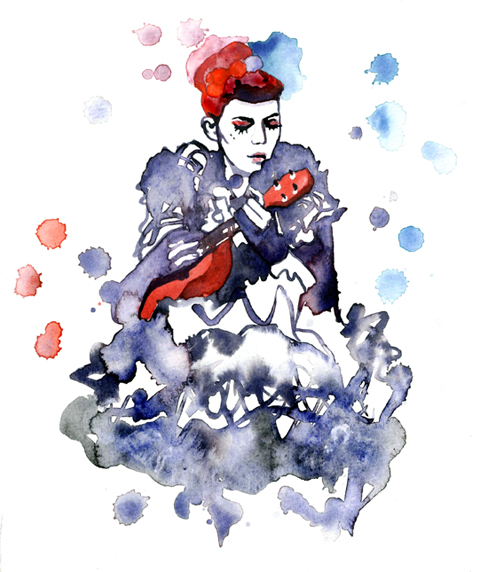
gabby young by moon
Gabby Young by Moon.

Our Sunday got off to a sleepy start, visit as it did for most Secret Gardeners. Bypassing the cleverly marketed Hendrick’s gin carriage in favour of a cup of tea, I wended my way to the press tent to once more charge my damn crappy iphone, and caught the soulful electro sounds of Belleruche, rather erroneously described in the £5 brochure as “blissed out hip hop beats”.

SGP 2010-hendricksgin
This lovely artwork was displayed in the Hendrick’s train carriage. Apparently the artist is a woman based in the Truman Brewery but they couldn’t tell me who it was. Does anyone know? Photography by Amelia Gregory.

SGP 10-main arena by Amelia Gregory
SGP 2010-belleruche by Amelia Gregory
Belleruche by Stacie Swift
Belleruche by Stacie Swift.

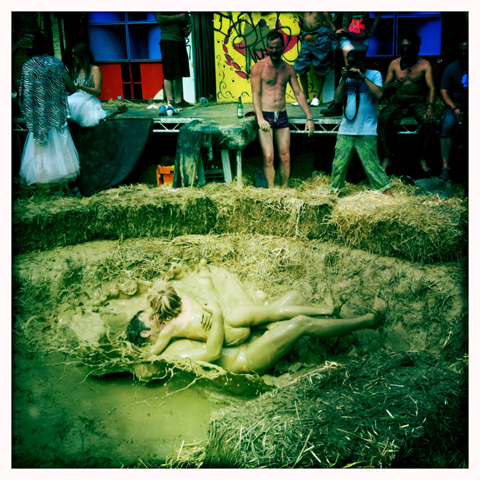
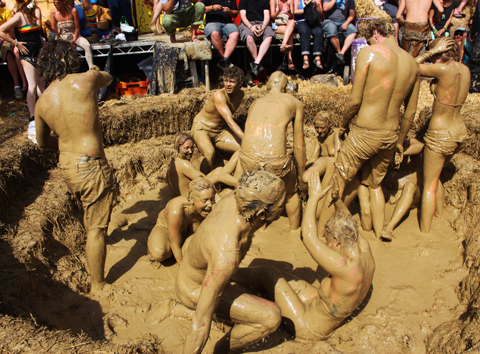
It wasn’t long before I was distracted by the nefarious lure of mud wrestling over in the aptly named Collisillyeum. To start off proceedings a small semi naked boy was encouraged to wrestle a large slippery man in nowt but pants – thankfully it transpired that this was his dad otherwise the picture below might look extremely dodgy.

SGP 2010-collisillyeum by Amelia Gregory
SGP 10-mud fight by Amelia Gregory
SGP 2010-mudfight by Amelia Gregory

After the couple had managed to drag mum into the mud it was time to pit some blonde ladies against a couple of brunettes before sending a load of curiously willing men into the arena, where many a bollock and boob was soon on display. Naturally my proximity to the action ensured both myself and my camera got well spattered in mud.

SGP 10-David Rodigan by Amelia Gregory
SGP 10-David Rodigan crowd by Amelia Gregory
Dave-Rodigan-by-Louise-Sterling
David Rodigan by Louise Sterling.

Back at the main stage DJ David Rodigan was the surprise hit of Sunday afternoon. The 59 year old gave us a guided tour through the history of reggae with all the enthusiasm of an overexcited puppy whilst the crowd jumped around in reciprocal glee.

SGP 2010-savoir adore by Amelia Gregory
Andrea Peterson Savoir Adore
Savoir Adore by Andrea Peterson.

Savoir Adore hail from Brooklyn, and showed typically American enthusiasm for Secret Garden Party. “We’re so excited – this is the coolest place.” Wearing standard festival glittery eye make up (I blame Bat For Lashes – even the boys are covered in it these days) their gorgeous brand of melodic electronica was met by a laconic audience. “I know how tired you guys are…” opined singer Deidre Muro, “but I invite you to stand up.” She didn’t have much luck, but this shouldn’t be equated with any lack of enthusiasm.

SGP 2010-Horace Andy by Amelia Gregory
Horace Andy by Sine Skau
Horace Andy by Sine Skau.

Over in the main area it was time to subject my poor camera to another onslaught – this time a paint powder fight that bathed the happy dancers in a pastel fluoro glow before submerging them in the mellow beats of reggae supremo Horace Andy.

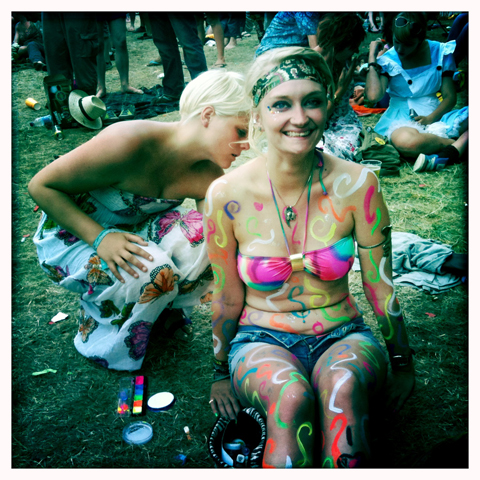
SGP 10-body paint by Amelia Gregory
SGP 10-clown powder by Amelia Gregory
SGP 10-paint powder by Amelia Gregory
SGP 10-paint powderfloor by Amelia Gregory
SGP 10-paint by Amelia Gregory
tim adey paint powder
Last photograph by Tim Adey.

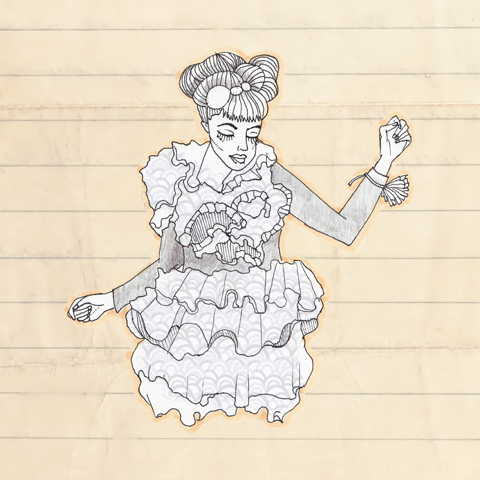
Thanks to a tip off from my boyfriend I caught the fantastic Gabby Young and Other Animals playing to a small crowd at the Chai Wallah tent. Gabby was dressed in an amazing ruffled paper and lace concoction accessorised with coloured false hair pieces; a dream to photograph and illustrate. Together with banjo and brass she creates wonderful big band indie folk you can dance to. A real discovery.

SGP 2010-Gabby Young by Amelia Gregory
Gabby Young by Michelle Urvall Nyrén
Gabby Young by Michelle Urvall Nyrén.

We stayed for the majority of headliners Mercury Rev, most notable for their well practiced stadium posturing. Ours was a quick midnight drive back to London but I hear at times there were dire queues to get both in and out of Secret Garden Party.

SGP 2010-Mercury Rev by Amelia Gregory
Mercury Rev by Mags James
Mercury Rev by Mags James.

All in all this was another vintage year from the one festival that refuses to bow to corporate Festival Republic pressure. Long may it remain thus, for this is one grown up’s party that deserves to continue in perpetuity. I shall leave you with my remaining selection of Sunday’s highlights.

SGP 2010-theatre by Amelia Gregory
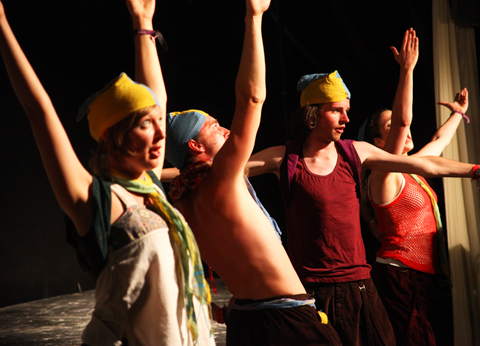
Interactive games in the theatre tent.

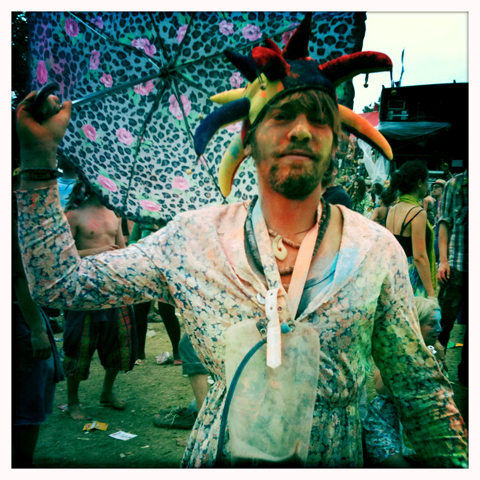
SGP 10-best costume by Amelia Gregory
Best costume of the entire weekend? Even he had no idea what it was supposed to be.

SGP 10-leigh bowery by Amelia Gregory
Make up inspired by Leigh Bowery.

SGP 2010-limbo by Amelia Gregory
Doing the limbo in a feather boa.

SGP 2010-rollers by Amelia Gregory
A man in bikini, fat suit and rollers. Why of course!

SGP 10-wild thing art by Amelia Gregory
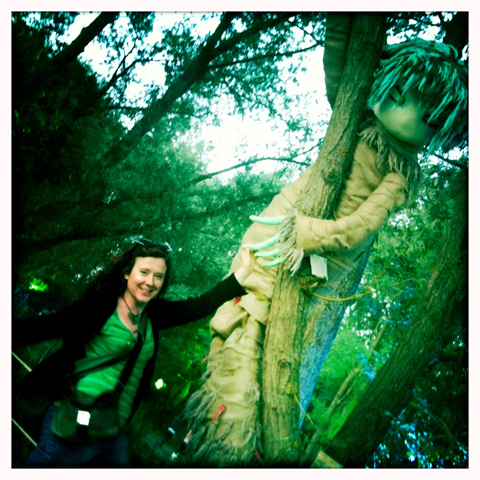
Art in the woods.

SGP lovers Tim Adey
Loved up, photography by Tim Adey.

sgp wheelchair race tim adey
Wheelchair disaster. Photography by Tim Adey.

Natasha-Thompson-Bobbins-Bicycles-Girl-Cape-Illustration
Bobbin Bicycles by Natasha Thompson.

I first heard of Bobbin Bicycles just over three years ago, medications when as a nascent bespoke bike company they contacted me to suggest featuring some of their imported upright Dutch bicycles in my Amelia’s Magazine fashion spreads. This was a canny move from husband and wife team Tom Morris and Sian Emmison because I am a big fan of cycling and we shot Bobbin Bicycles several times for the final print issues of the magazine.

Bobbin Bicycles tom and sian
Tom and Sian in Bobbin Bicycles. All photography by Amelia Gregory.

Today Bobbin Bicycles has grown into a well known business that employs six people and is set to open a bespoke and vintage bike repair workshop. They’re launching their own brand of upright Bobbin Bicycles in Australia, to be followed shortly thereafter in the USA and are set to produce their own brand of Bobbin Bicycles branded panniers and capes. They’ve quickly become the go to people for the kind of upright bicycle that is increasingly favoured by townie types looking for sturdiness and style, and indeed they’re so busy that Sian barely has time to say hello as she poses for a photo before returning to the phones in her subterranean office below their lovely shop in St John Street, Islington in North London. Instead I catch up with the lovely Tom in the basement of their bulging store to find out a little bit more about Bobbin Bicycles.

Alexis-West-Bobbin-Bicycles-tom morris
Tom Morris by Alexis West.

The love affair with bikes (and with each other) began long ago in Amsterdam.
Both Tom and Sian were fine artists living abroad who fell in love with riding Dutch bikes. It was about a whole lifestyle that was old fashioned, elegant, relaxed and most of all sociable, for in Amsterdam it is not uncommon to ride in groups and chit chat along the way. They were commissioned to film a bike race for the Dutch Arts Council, and the rest, as they like to say, is history.

Fast forward to 2001. London. The daily grind.
On their return home to the big smoke Tom found work in advertising, and Sian worked for cult furniture company SGP, which is based on Curtain Road. But they dreamed of something more… and so in-between freelance work they started to import bikes from Holland. At first this meant touring around Holland in a van to pick up bikes which they shipped back to the UK to sell from a storage unit. Within weeks they had moved onto Eyre Street Hill in Farringdon, where they shared a space with watchmakers and jewellers.

Bobbin Bicycles bells

Their glamourous “atelier showroom” was a bit like a Turkish gambling den.
No one else had thought to specialise in Dutch bikes and soon their appointment only showroom was so popular they were selling ten bikes a day. Being well schooled in the ways of branding they targeted their customers with great care: Tom draped a curtain over the grottier bits of the workshop and played nice music. Customers got the “wow” factor when coming in off the street and soon the national newspapers started to call when they wanted a story about upright bikes.

Pashley began to stalk them.
Bobbin Bicycles had moved to Arlington Way by the time that Pashley paid them a secret visit. Thinking that not everyone wants a Dutch bike Tom had already approached the well known British brand, but he was unaware of the mutual interest. Pashleys are smaller in size and offer more gears, plus they offer the added bonus of all British manufacture UK. Fast forward to 2010: Bobbin Bicycles now operates from a lovely little shop in Angel and is one of over 100 UK stockists of Pashleys, but who else can boast their very own exclusive colour range? At Bobbin Bicycles you can now pick up the Pashley Provence in a special mint or mustard colourway.

Bobbin Bicycles
It doesn’t really look like your average bike shop does it?

Upright bikes have become a lot more fashionable of late.
As more cyclists take to the roads many are choosing to ride sit-up-and-beg bikes of the type that Bobbin Bicycles sell, and lots more bike manufacturers are “having a pop” at simple upright bikes. Downstairs Tom shows me some new Globe bikes made by the huge company Specialised. People are now making appointments to visit Bobbin Bicycles from as far away as LA and Russia. *NB: I do not condone travelling across the world to purchase a bike. But definitely buy a bike. Everyone should have one.

Bobbin Bicycles baskets
Piles of baskets in the basement of the shop. Did you spot my book?

Steel or aluminium? Why, what’s the difference?
Pashleys are made with a beautiful thin lugged steel frame, but most modern bikes are made from lightweight aluminium that makes for a more juddery ride, though they are definitely not as heavy when lifting up steps. Bobbin Bicycles can cater to all your upright wishes and stock a huge range of brands including the wonderfully named Swedish Skeppshult.

London has way more cycling tribes than other cities.
In other cities the cyclists tend to look quite homogeneous, but here in London we have many different identifiable types. Tom was amongst the first to label the big three cycling tribes for an article in the Independent. The Traditional, Fold-up and Fixie tribes can now be broken into multiple subsets and mash ups, including the Fixed Tweed tribe.

Tweed Run by Emma Raby
Tweed Run by Emma Raby.

Bobbin Bicycles ran a tea stop for this year’s Tweed Run.
The Tweed Run is perfectly Bobbin: an annual celebration of all things upright and traditional about cycling. This year they presented a prize for the best decorated bike to a lady from Holland, who arrived with an old 70s shopper decorated with a multicoloured knitted saddle cover and matching dress guards on the back wheels.

Tweed run by Maria del carmensmith
The winning bike by Maria del Carmen Smith.

Boris bikes. Good news for Bobbin Bicycles.
Tom loves the idea of cycling into town on Boris bike and then getting a cab back. Or simply having the option to avoid the horrors of the night bus. Even though the amount of money spent on cycling in the UK is a fraction of what is spent in countries such as Denmark, Holland and Germany the new London bike scheme will undoubtedly encourage more people to cycle. Here’s how it goes: people will try them out instead of investing in a cheap bike from Halfords. Once they get into the idea of cycling they will realise how heavy and unwieldy the Boris bikes are and will decide to graduate onto something nicer. Hopefully a Bobbin Bicycle, for instance.

boris bike by vicky yates
Boris Bike by Vicky Yates.

Collaborations are good fun.
In the cabinet behind me are wonderful bowler and deerstalker hats designed to fit over helmets. They were made by the historically influenced milliner Eloise Moody, who has also created a sexy reflective nurses cape. Bobbin Bicycles will launch their own range of panniers and capes for spring 2011, and the shop stocks lots of small boutique brands you would not find elsewhere. They’ve provided bikes for a Mark Ronson video and the newspapers always come knocking when they want to borrow a pretty upright.

Abi Daker - Eloise Moody - bikes
Eloise Moody by Abigail Daker.

They are moving back to Arlington Way.
Well, in a manner of speaking. The shop in Angel is bursting at the seams and they’ve decided to open a new workshop on Arlington Way in October, just three doors down from their previous location. Dedicated Bobbin mechanics will specialise in the servicing of vintage bikes and hard to get components such as hub gears. But all cyclists will be welcome.

Bobbin Bicycles jewellery
Bobbin Bicycles jewellery.

Vintage Goodwood here we come.
Bobbin Bicycles have provided Vintage at Goodwood with a fleet of promotional bikes so that they can flyer all over town. They have a pitch at the festival alongside the Old Bicycle Company from Essex – which specialises in Penny Farthings. Sadly, here we don’t come. Amelia’s Magazine has not been made welcome at Vintage at Goodwood. (read more here)

Bobbin Bicycles wall
Zoë Barker did this. She also draws for us. What a gal. Lovely stuff.

The independent bike shops all get along.
And why not? They all specialise in their own thing, and quite often a boyfriend and girlfriend will come into Bobbin Bicycles with different ideas of what they want to ride. The girl wants an upright, the boy wants a fixie. So they send him down the road to Condor Cycles or up the road to Mosquito. Yes, 80% of their customers are female, possibly down to the attitude and service of Bobbin staff, which is deliberately very accessible and non technology based.

Winter Cycling by Joana Faria
Winter Cycling by Joana Faria.

Top tips for autumn and winter cycling.
Many people are merely fair weather cyclists (not me!) but cycling through the British winter will keep you warm. You’ll arrive at work with a good feeling inside, blood pumping, ready to get down to business: you don’t get that from sitting on an overheated bus. But make sure you have decent lights because they’ll make you feel really smug when it gets dark early. Get a good cape to whack over the top of your clothes if it’s raining. Waterproof trousers are not a good look but leather jackets are. They keep the wind out and they look good too. Stay on your bikes! Honestly, it’s by the far the best way to travel at all times of the year. And I speak from experience.

You can visit the friendly staff of Bobbin Bicycles at 397 St John Street, London, EC1V 4LD or you can drool over their website here. And do say hello at Vintage at Goodwood.

Bobbin Bicycles SHOP

Categories ,Abigail Daker, ,Alexis West, ,Bobbin Bicycles, ,Borris Bikes, ,Eloise Moody, ,Emma Raby, ,Fixies, ,holland, ,Islington, ,Joana Faria, ,Maria del Carmen Smith, ,Mark Ronson, ,Natasha Thompson, ,Penny Farthings, ,Skeppshult, ,Tom Morris, ,Tweed Run, ,Vicky Yates, ,Vintage at Goodwood, ,Vintage Goodwood, ,Zöe Barker

Similar Posts:


Amelia’s Magazine | An interview with Bobbin Bicycles.

Natasha-Thompson-Bobbins-Bicycles-Girl-Cape-Illustration
Bobbin Bicycles by Natasha Thompson.

I first heard of Bobbin Bicycles just over three years ago, when as a nascent bespoke bike company they contacted me to suggest featuring some of their imported upright Dutch bicycles in my Amelia’s Magazine fashion spreads. This was a canny move from husband and wife team Tom Morris and Sian Emmison because I am a big fan of cycling and we shot Bobbin Bicycles several times for the final print issues of the magazine.

Bobbin Bicycles tom and sian
Tom and Sian in Bobbin Bicycles. All photography by Amelia Gregory.

Today Bobbin Bicycles has grown into a well known business that employs six people and is set to open a bespoke and vintage bike repair workshop. They’re launching their own brand of upright Bobbin Bicycles in Australia, to be followed shortly thereafter in the USA and are set to produce their own brand of Bobbin Bicycles branded panniers and capes. They’ve quickly become the go to people for the kind of upright bicycle that is increasingly favoured by townie types looking for sturdiness and style, and indeed they’re so busy that Sian barely has time to say hello as she poses for a photo before returning to the phones in her subterranean office below their lovely shop in St John Street, Islington in North London. Instead I catch up with the lovely Tom in the basement of their bulging store to find out a little bit more about Bobbin Bicycles.

Alexis-West-Bobbin-Bicycles-tom morris
Tom Morris by Alexis West.

The love affair with bikes (and with each other) began long ago in Amsterdam.
Both Tom and Sian were fine artists living abroad who fell in love with riding Dutch bikes. It was about a whole lifestyle that was old fashioned, elegant, relaxed and most of all sociable, for in Amsterdam it is not uncommon to ride in groups and chit chat along the way. They were commissioned to film a bike race for the Dutch Arts Council, and the rest, as they like to say, is history.

Fast forward to 2001. London. The daily grind.
On their return home to the big smoke Tom found work in advertising, and Sian worked for cult furniture company SGP, which is based on Curtain Road. But they dreamed of something more… and so in-between freelance work they started to import bikes from Holland. At first this meant touring around Holland in a van to pick up bikes which they shipped back to the UK to sell from a storage unit. Within weeks they had moved onto Eyre Street Hill in Farringdon, where they shared a space with watchmakers and jewellers.

Bobbin Bicycles bells

Their glamourous “atelier showroom” was a bit like a Turkish gambling den.
No one else had thought to specialise in Dutch bikes and soon their appointment only showroom was so popular they were selling ten bikes a day. Being well schooled in the ways of branding they targeted their customers with great care: Tom draped a curtain over the grottier bits of the workshop and played nice music. Customers got the “wow” factor when coming in off the street and soon the national newspapers started to call when they wanted a story about upright bikes.

Pashley began to stalk them.
Bobbin Bicycles had moved to Arlington Way by the time that Pashley paid them a secret visit. Thinking that not everyone wants a Dutch bike Tom had already approached the well known British brand, but he was unaware of the mutual interest. Pashleys are smaller in size and offer more gears, plus they offer the added bonus of all British manufacture UK. Fast forward to 2010: Bobbin Bicycles now operates from a lovely little shop in Angel and is one of over 100 UK stockists of Pashleys, but who else can boast their very own exclusive colour range? At Bobbin Bicycles you can now pick up the Pashley Provence in a special mint or mustard colourway.

Bobbin Bicycles
It doesn’t really look like your average bike shop does it?

Upright bikes have become a lot more fashionable of late.
As more cyclists take to the roads many are choosing to ride sit-up-and-beg bikes of the type that Bobbin Bicycles sell, and lots more bike manufacturers are “having a pop” at simple upright bikes. Downstairs Tom shows me some new Globe bikes made by the huge company Specialised. People are now making appointments to visit Bobbin Bicycles from as far away as LA and Russia. *NB: I do not condone travelling across the world to purchase a bike. But definitely buy a bike. Everyone should have one.

Bobbin Bicycles baskets
Piles of baskets in the basement of the shop. Did you spot my book?

Steel or aluminium? Why, what’s the difference?
Pashleys are made with a beautiful thin lugged steel frame, but most modern bikes are made from lightweight aluminium that makes for a more juddery ride, though they are definitely not as heavy when lifting up steps. Bobbin Bicycles can cater to all your upright wishes and stock a huge range of brands including the wonderfully named Swedish Skeppshult.

London has way more cycling tribes than other cities.
In other cities the cyclists tend to look quite homogeneous, but here in London we have many different identifiable types. Tom was amongst the first to label the big three cycling tribes for an article in the Independent. The Traditional, Fold-up and Fixie tribes can now be broken into multiple subsets and mash ups, including the Fixed Tweed tribe.

Tweed Run by Emma Raby
Tweed Run by Emma Raby.

Bobbin Bicycles ran a tea stop for this year’s Tweed Run.
The Tweed Run is perfectly Bobbin: an annual celebration of all things upright and traditional about cycling. This year they presented a prize for the best decorated bike to a lady from Holland, who arrived with an old 70s shopper decorated with a multicoloured knitted saddle cover and matching dress guards on the back wheels.

Tweed run by Maria del carmensmith
The winning bike by Maria del Carmen Smith.

Boris bikes. Good news for Bobbin Bicycles.
Tom loves the idea of cycling into town on Boris bike and then getting a cab back. Or simply having the option to avoid the horrors of the night bus. Even though the amount of money spent on cycling in the UK is a fraction of what is spent in countries such as Denmark, Holland and Germany the new London bike scheme will undoubtedly encourage more people to cycle. Here’s how it goes: people will try them out instead of investing in a cheap bike from Halfords. Once they get into the idea of cycling they will realise how heavy and unwieldy the Boris bikes are and will decide to graduate onto something nicer. Hopefully a Bobbin Bicycle, for instance.

boris bike by vicky yates
Boris Bike by Vicky Yates.

Collaborations are good fun.
In the cabinet behind me are wonderful bowler and deerstalker hats designed to fit over helmets. They were made by the historically influenced milliner Eloise Moody, who has also created a sexy reflective nurses cape. Bobbin Bicycles will launch their own range of panniers and capes for spring 2011, and the shop stocks lots of small boutique brands you would not find elsewhere. They’ve provided bikes for a Mark Ronson video and the newspapers always come knocking when they want to borrow a pretty upright.

Abi Daker - Eloise Moody - bikes
Eloise Moody by Abigail Daker.

They are moving back to Arlington Way.
Well, in a manner of speaking. The shop in Angel is bursting at the seams and they’ve decided to open a new workshop on Arlington Way in October, just three doors down from their previous location. Dedicated Bobbin mechanics will specialise in the servicing of vintage bikes and hard to get components such as hub gears. But all cyclists will be welcome.

Bobbin Bicycles jewellery
Bobbin Bicycles jewellery.

Vintage Goodwood here we come.
Bobbin Bicycles have provided Vintage at Goodwood with a fleet of promotional bikes so that they can flyer all over town. They have a pitch at the festival alongside the Old Bicycle Company from Essex – which specialises in Penny Farthings. Sadly, here we don’t come. Amelia’s Magazine has not been made welcome at Vintage at Goodwood. (read more here)

Bobbin Bicycles wall
Zoë Barker did this. She also draws for us. What a gal. Lovely stuff.

The independent bike shops all get along.
And why not? They all specialise in their own thing, and quite often a boyfriend and girlfriend will come into Bobbin Bicycles with different ideas of what they want to ride. The girl wants an upright, the boy wants a fixie. So they send him down the road to Condor Cycles or up the road to Mosquito. Yes, 80% of their customers are female, possibly down to the attitude and service of Bobbin staff, which is deliberately very accessible and non technology based.

Winter Cycling by Joana Faria
Winter Cycling by Joana Faria.

Top tips for autumn and winter cycling.
Many people are merely fair weather cyclists (not me!) but cycling through the British winter will keep you warm. You’ll arrive at work with a good feeling inside, blood pumping, ready to get down to business: you don’t get that from sitting on an overheated bus. But make sure you have decent lights because they’ll make you feel really smug when it gets dark early. Get a good cape to whack over the top of your clothes if it’s raining. Waterproof trousers are not a good look but leather jackets are. They keep the wind out and they look good too. Stay on your bikes! Honestly, it’s by the far the best way to travel at all times of the year. And I speak from experience.

You can visit the friendly staff of Bobbin Bicycles at 397 St John Street, London, EC1V 4LD or you can drool over their website here. And do say hello at Vintage at Goodwood.

Bobbin Bicycles SHOP

Categories ,Abigail Daker, ,Alexis West, ,Bobbin Bicycles, ,Borris Bikes, ,Eloise Moody, ,Emma Raby, ,Fixies, ,holland, ,Islington, ,Joana Faria, ,Maria del Carmen Smith, ,Mark Ronson, ,Natasha Thompson, ,Penny Farthings, ,Skeppshult, ,Tom Morris, ,Tweed Run, ,Vicky Yates, ,Vintage at Goodwood, ,Vintage Goodwood, ,Zöe Barker

Similar Posts:


Amelia’s Magazine | Behold, the Cleggeron Riseth.


A selection of elephants by Paul Shinn

Allow me to introduce you to Marjorie, web picture below. She’s one of 258 fibreglass elephants in and around London decorated by some of the capital’s most prominent artists, more about designers and image makers.


Clare Bassett’s Marjorie (#81)

It’s London’s largest outdoor art event and it’s creating quite a stir in the capital. From people like John Shinn, who’s trying to photograph them all on Facebook, to work colleagues printing out lists of the elephants and checking them off, it seems that they’ve gripped London like nothing before.

So, where to start? Well, the aim of this project, whilst cheering up many a London street, is a simple one. It’s to raise awareness for the plight of the Asian elephant, dangerously close to extinction. Created by father and son duo Mike and Marc Spits, all the revenue from sponsorship and the auction of the elephants will go to the Elephant Family charity.

Here’s some you should see, and some you can just see here.

A range of fashion designers have applied their own style to the elephants, including this creation by red carpet luminary Julian McDonald.

It’s fun, no? It’s not the best one by a long shot, and I question the ethics of decorating one endangered animal in the beautiful coat of another, but I’m sure this is totally off McDonald’s radar. It’s suitably camp and stands perkily out Liberty, and this clump of Italian teenagers certainly seemed to enjoy it.

Other fashion names include Issa, Diane von Furstenberg, Matthew Williamson and Sir Paul Smith (one of my favourite elephants so far)


The Paul Smith Elephant by Sir Paul Smith (#173) at The Royal Exchange

The beauty of the project, besides raising awareness in a super fun way, is that you never know when you are going to bump into one of these creatures. They are literally everywhere – hell, they’d have to be to fit 250 of the buggers in our city. Just as you put your camera away after photographing one, you turn a corner and there’s another!


Illustration by Gemma Milly


Illustration by Matt Thomas


The Cartier elephant (#107) at the Royal Exchange by Rachel Liddington


The City in the Elephant by BFLS Architects (#255) illustrated by Lisa Billvik

This beauty is pretty simple on the outside, but peer inside any of its small transparent domes and inside you’ll see an incredible model of London featuring teeny tiny elephants, too!


Photograph by Paul Shinn


Thammakit Thamboon’s Polkadot (#12) at More London by Jenny Robins


Helen Cowcher’s Hornbill (#116) at More London by Naomi Law


Illustration by Eben Berj

Of course, this art project wouldn’t be complete with a good ol’ dash of politics. ‘Anonymous’ has created three elephants dressed in boxing gloves and silk shorts in the colour of the three main political parties – appropriately titled ‘Mr Brown’ ‘Mr Cameron’ and ‘Mr Clegg’. The Elephant Parade haven’t yet confirmed, however, if they’re to remove ‘Mr Brown’, or indeed move ‘Mr Cameron’ and ‘Mr Clegg’ together so they can whisper sweet nothings to each other.


Photograph by Paul Shinn

So, go out and enjoy some fun art right on the street. Tweet your pics @AmeliasMagazine !

A selection of elephants by Paul Shinn

Allow me to introduce you to Marjorie, website picture below. She’s one of 258 fibreglass elephants in and around London decorated by some of the capital’s most prominent artists, this web designers and image makers.


Clare Bassett’s Marjorie (#81) at More London

It’s London’s largest outdoor art event and it’s creating quite a stir in the capital. From people like John Shinn, who’s trying to photograph them all on Facebook, to work colleagues printing out lists of the elephants and checking them off, it seems that they’ve gripped London like nothing before.

So, where to start? Well, the aim of this project, whilst cheering up many a London street, is a simple one. It’s to raise awareness for the plight of the Asian elephant, dangerously close to extinction. Created by father and son duo Mike and Marc Spits, all the revenue from sponsorship and the auction of the elephants will go to the Elephant Family charity.

Here’s some you should see, and some you can just see here.

A range of fashion designers have applied their own style to the elephants, including this creation by red carpet luminary Julian McDonald.


Bertie by Julien McDonald (#139) on Foubert’s Place

It’s fun, no? It’s not the best one by a long shot, and I question the ethics of decorating one endangered animal in the beautiful coat of another, but I’m sure this is totally off McDonald’s radar. It’s suitably camp and stands perkily out Liberty, and this clump of Italian teenagers certainly seemed to enjoy it.

Other fashion names include Issa, Diane von Furstenberg, Matthew Williamson and Sir Paul Smith (one of my favourite elephants so far)


The Paul Smith Elephant by Sir Paul Smith (#173) at The Royal Exchange

The beauty of the project, besides raising awareness in a super fun way, is that you never know when you are going to bump into one of these creatures. They are literally everywhere – hell, they’d have to be to fit 250 of the buggers in our city. Just as you put your camera away after photographing one, you turn a corner and there’s another!


Illustration by Gemma Milly


Illustration by Matt Thomas


The Cartier elephant (#107) at the Royal Exchange by Rachel Liddington


The City in the Elephant by BFLS Architects (#255) illustrated by Lisa Billvik

This beauty is pretty simple on the outside, but peer inside any of its small transparent domes and inside you’ll see an incredible model of London featuring teeny tiny elephants, too!


Photograph by Paul Shinn


Thammakit Thamboon’s Polkadot (#12) at More London by Jenny Robins


Helen Cowcher’s Hornbill (#116) at More London by Naomi Law


Illustration by Eben Berj

Of course, this art project wouldn’t be complete with a good ol’ dash of politics. ‘Anonymous’ has created three elephants dressed in boxing gloves and silk shorts in the colour of the three main political parties – appropriately titled ‘Mr Brown’ ‘Mr Cameron’ and ‘Mr Clegg’. The Elephant Parade haven’t yet confirmed, however, if they’re to remove ‘Mr Brown’, or indeed move ‘Mr Cameron’ and ‘Mr Clegg’ together so they can whisper sweet nothings to each other.


Photograph by Paul Shinn


Eko by Paul Kidby (#195) in Green Park, illustrated by Rachel de Ste. Croix

So, go out and enjoy some fun art right on the street. Tweet your pics @AmeliasMagazine !
Cameron-Clegg-Antonia-Parker
Cameron and Clegg in bed together, mind by Antonia Parker.

Who watched the joint press conference given by David Cameron and Nick Clegg from the Downing Street back garden on 12th May 2010? Who else boggled at the back-slapping camaraderie of this sudden coalition? Within the space of just one week Cameron and Clegg have gone from flirtatious – or so it now seems, buy looking back – bickering to full on coitus. Watch them chuckle at each other’s jokes like old mates! See them smile lovingly at each other! Yes, I feared that a hung parliament would produce my least preferred coalition, but I never for one moment anticipated this classic bromance.

sandra dieckmann-lib-con love
Lib-Con Love by Sandra Dieckmann.

And I can’t help but think – how on earth is this love-in actually going to work? How many concessions will the Cleggeron make to keep the spark alive? These are interesting days, to be sure.

The opportunity to put out an open brief to picture this unholy union was just too irresistible. This then, is a blog devoted to the brilliance of illustrators. Enjoy.

bex_glover_nc_dc_tandem
The tandem by Bex Glover.

The Cleggeron-Lazarou Monkey Terror
The Cleggeron by Lazarou Monkey Terror.

Abi Daker - clegg - cameron
Illustration by Abigail Daker.

camerlegg-Colourbox
Camerlegg by Colourbox.

louise rowland-clegg cameron
Bathtime by Louise Rowland.

mel-elliott-clegg-cameron-krankies
Krankies by Mel Simone Elliot.

Reena-Makwana-Clegg-Cameron
Illustration by Reena Makwana.

tom_dench-layton_cleggcam
Cleggcam by Tom Dench-Layton.

simonwild_CLEGG&CAMERON
Surprise!! by Simon Wild.

pearl_law_cleggcam
Illustration by Pearl Law.

Nikki-Pinder-Clegg-Cameron
Illustration by Nikki Pinder.

If you fancy getting involved in my open callouts the best thing to do is follow me on twitter and get stuck in. Until the next one…

Categories ,Abigail Daker, ,Antonia Parker, ,Bex Glover, ,Bromance, ,Cleggeron, ,Coalition, ,Colourbox, ,David Cameron, ,Downing Street, ,General Election, ,Hung Parliament, ,illustration, ,Lazarou Monkey Terror, ,Louise Rowland, ,Mel Simone Elliott, ,Nick Clegg, ,Nikki Pinder, ,parliament, ,Pearl Law, ,politics, ,Reena Makwana, ,Sandra Dieckmann, ,Simon Wild, ,Tom Dench-Layton, ,twitter

Similar Posts:


Amelia’s Magazine | Behold, the Cleggeron Riseth.


A selection of elephants by Paul Shinn

Allow me to introduce you to Marjorie, web picture below. She’s one of 258 fibreglass elephants in and around London decorated by some of the capital’s most prominent artists, more about designers and image makers.


Clare Bassett’s Marjorie (#81)

It’s London’s largest outdoor art event and it’s creating quite a stir in the capital. From people like John Shinn, who’s trying to photograph them all on Facebook, to work colleagues printing out lists of the elephants and checking them off, it seems that they’ve gripped London like nothing before.

So, where to start? Well, the aim of this project, whilst cheering up many a London street, is a simple one. It’s to raise awareness for the plight of the Asian elephant, dangerously close to extinction. Created by father and son duo Mike and Marc Spits, all the revenue from sponsorship and the auction of the elephants will go to the Elephant Family charity.

Here’s some you should see, and some you can just see here.

A range of fashion designers have applied their own style to the elephants, including this creation by red carpet luminary Julian McDonald.

It’s fun, no? It’s not the best one by a long shot, and I question the ethics of decorating one endangered animal in the beautiful coat of another, but I’m sure this is totally off McDonald’s radar. It’s suitably camp and stands perkily out Liberty, and this clump of Italian teenagers certainly seemed to enjoy it.

Other fashion names include Issa, Diane von Furstenberg, Matthew Williamson and Sir Paul Smith (one of my favourite elephants so far)


The Paul Smith Elephant by Sir Paul Smith (#173) at The Royal Exchange

The beauty of the project, besides raising awareness in a super fun way, is that you never know when you are going to bump into one of these creatures. They are literally everywhere – hell, they’d have to be to fit 250 of the buggers in our city. Just as you put your camera away after photographing one, you turn a corner and there’s another!


Illustration by Gemma Milly


Illustration by Matt Thomas


The Cartier elephant (#107) at the Royal Exchange by Rachel Liddington


The City in the Elephant by BFLS Architects (#255) illustrated by Lisa Billvik

This beauty is pretty simple on the outside, but peer inside any of its small transparent domes and inside you’ll see an incredible model of London featuring teeny tiny elephants, too!


Photograph by Paul Shinn


Thammakit Thamboon’s Polkadot (#12) at More London by Jenny Robins


Helen Cowcher’s Hornbill (#116) at More London by Naomi Law


Illustration by Eben Berj

Of course, this art project wouldn’t be complete with a good ol’ dash of politics. ‘Anonymous’ has created three elephants dressed in boxing gloves and silk shorts in the colour of the three main political parties – appropriately titled ‘Mr Brown’ ‘Mr Cameron’ and ‘Mr Clegg’. The Elephant Parade haven’t yet confirmed, however, if they’re to remove ‘Mr Brown’, or indeed move ‘Mr Cameron’ and ‘Mr Clegg’ together so they can whisper sweet nothings to each other.


Photograph by Paul Shinn

So, go out and enjoy some fun art right on the street. Tweet your pics @AmeliasMagazine !

A selection of elephants by Paul Shinn

Allow me to introduce you to Marjorie, website picture below. She’s one of 258 fibreglass elephants in and around London decorated by some of the capital’s most prominent artists, this web designers and image makers.


Clare Bassett’s Marjorie (#81) at More London

It’s London’s largest outdoor art event and it’s creating quite a stir in the capital. From people like John Shinn, who’s trying to photograph them all on Facebook, to work colleagues printing out lists of the elephants and checking them off, it seems that they’ve gripped London like nothing before.

So, where to start? Well, the aim of this project, whilst cheering up many a London street, is a simple one. It’s to raise awareness for the plight of the Asian elephant, dangerously close to extinction. Created by father and son duo Mike and Marc Spits, all the revenue from sponsorship and the auction of the elephants will go to the Elephant Family charity.

Here’s some you should see, and some you can just see here.

A range of fashion designers have applied their own style to the elephants, including this creation by red carpet luminary Julian McDonald.


Bertie by Julien McDonald (#139) on Foubert’s Place

It’s fun, no? It’s not the best one by a long shot, and I question the ethics of decorating one endangered animal in the beautiful coat of another, but I’m sure this is totally off McDonald’s radar. It’s suitably camp and stands perkily out Liberty, and this clump of Italian teenagers certainly seemed to enjoy it.

Other fashion names include Issa, Diane von Furstenberg, Matthew Williamson and Sir Paul Smith (one of my favourite elephants so far)


The Paul Smith Elephant by Sir Paul Smith (#173) at The Royal Exchange

The beauty of the project, besides raising awareness in a super fun way, is that you never know when you are going to bump into one of these creatures. They are literally everywhere – hell, they’d have to be to fit 250 of the buggers in our city. Just as you put your camera away after photographing one, you turn a corner and there’s another!


Illustration by Gemma Milly


Illustration by Matt Thomas


The Cartier elephant (#107) at the Royal Exchange by Rachel Liddington


The City in the Elephant by BFLS Architects (#255) illustrated by Lisa Billvik

This beauty is pretty simple on the outside, but peer inside any of its small transparent domes and inside you’ll see an incredible model of London featuring teeny tiny elephants, too!


Photograph by Paul Shinn


Thammakit Thamboon’s Polkadot (#12) at More London by Jenny Robins


Helen Cowcher’s Hornbill (#116) at More London by Naomi Law


Illustration by Eben Berj

Of course, this art project wouldn’t be complete with a good ol’ dash of politics. ‘Anonymous’ has created three elephants dressed in boxing gloves and silk shorts in the colour of the three main political parties – appropriately titled ‘Mr Brown’ ‘Mr Cameron’ and ‘Mr Clegg’. The Elephant Parade haven’t yet confirmed, however, if they’re to remove ‘Mr Brown’, or indeed move ‘Mr Cameron’ and ‘Mr Clegg’ together so they can whisper sweet nothings to each other.


Photograph by Paul Shinn


Eko by Paul Kidby (#195) in Green Park, illustrated by Rachel de Ste. Croix

So, go out and enjoy some fun art right on the street. Tweet your pics @AmeliasMagazine !
Cameron-Clegg-Antonia-Parker
Cameron and Clegg in bed together, mind by Antonia Parker.

Who watched the joint press conference given by David Cameron and Nick Clegg from the Downing Street back garden on 12th May 2010? Who else boggled at the back-slapping camaraderie of this sudden coalition? Within the space of just one week Cameron and Clegg have gone from flirtatious – or so it now seems, buy looking back – bickering to full on coitus. Watch them chuckle at each other’s jokes like old mates! See them smile lovingly at each other! Yes, I feared that a hung parliament would produce my least preferred coalition, but I never for one moment anticipated this classic bromance.

sandra dieckmann-lib-con love
Lib-Con Love by Sandra Dieckmann.

And I can’t help but think – how on earth is this love-in actually going to work? How many concessions will the Cleggeron make to keep the spark alive? These are interesting days, to be sure.

The opportunity to put out an open brief to picture this unholy union was just too irresistible. This then, is a blog devoted to the brilliance of illustrators. Enjoy.

bex_glover_nc_dc_tandem
The tandem by Bex Glover.

The Cleggeron-Lazarou Monkey Terror
The Cleggeron by Lazarou Monkey Terror.

Abi Daker - clegg - cameron
Illustration by Abigail Daker.

camerlegg-Colourbox
Camerlegg by Colourbox.

louise rowland-clegg cameron
Bathtime by Louise Rowland.

mel-elliott-clegg-cameron-krankies
Krankies by Mel Simone Elliot.

Reena-Makwana-Clegg-Cameron
Illustration by Reena Makwana.

tom_dench-layton_cleggcam
Cleggcam by Tom Dench-Layton.

simonwild_CLEGG&CAMERON
Surprise!! by Simon Wild.

pearl_law_cleggcam
Illustration by Pearl Law.

Nikki-Pinder-Clegg-Cameron
Illustration by Nikki Pinder.

If you fancy getting involved in my open callouts the best thing to do is follow me on twitter and get stuck in. Until the next one…

Categories ,Abigail Daker, ,Antonia Parker, ,Bex Glover, ,Bromance, ,Cleggeron, ,Coalition, ,Colourbox, ,David Cameron, ,Downing Street, ,General Election, ,Hung Parliament, ,illustration, ,Lazarou Monkey Terror, ,Louise Rowland, ,Mel Simone Elliott, ,Nick Clegg, ,Nikki Pinder, ,parliament, ,Pearl Law, ,politics, ,Reena Makwana, ,Sandra Dieckmann, ,Simon Wild, ,Tom Dench-Layton, ,twitter

Similar Posts:


Amelia’s Magazine | Did PC Mark “Flash” Kennedy ensure my arrest as one of the Ratcliffe 114 ?

Woodberry Down girl by Romain Lambert-Louis, cost after ‘Jackie 1973’ by Erica Dobbs http://www.lambartillustration.com

http://www.serpentinegallery.org/2008/03/tom_hunter_a_palace_for_us8_de_1.html

It’s good Tom Hunter’s film is as good as it is, because the last time I queued this long there was a saint at the end of it. Pilgrims wait for hours outside the cathedral in Santiago de Compostela to hug the statue above the saintly remnants – last Saturday the patient patrons of a crammed Serpentine Gallery were rewarded not so much with a divine cuddle, but with a screening of Tom Hunter’s gem of a documentary.

‘A palace for us’ is set at Woodberry Down, a 2,500-flat council estate complex in North Hackney, up by Tottenham. Going back 50 years, Tom Hunter’s film uses current day narratives and recreated scenes to tell the stories of three people who have spent their lives at the estate. ‘When we came here we realised how lucky we were,’ says one woman. ‘There was central heating and a bath with hot and cold. It was like a palace for us.’ As the woman talks, we see reenactments of when her husband-to-be asked her to dance for the first time. ‘I’d never seen eyes like his,’ she says, smiling at the memory. ‘We have a very good marriage right to the end.’

Woodberry Down dancers by Willa Gebbie http://www.w-illustration.blogspot.com

Commissioned by the Serpentine Gallery and Age Concern Hackney, Tom Hunter made the film after spending time in residence at Woodberry speaking to residents about their lives at the estate. Their stories are lovingly told, reflecting Hunter’s in-depth knowledge of his subjects and the area. One of the film’s interviewees shares the story how he cowered in his bed as the area was bombed back in 1944. Born in Stoke Newington, the man was among the first to move into the Woodberry estate in 1948.

Woodberry Down man by Timothy Hunt http://www.ficklefate.co.uk

Built to meet a severe housing shortage during the war, Woodberry was presented as an ‘estate for the future’. Especially the interviewee born on the estate has good memories of growing up at Woodberry, telling stories of playing hopscotch in the alleys, climbing the apple trees and making perfume out of the rose petals growing around the estate. The sense of community is clear, with the residents taking turn mopping the stairs. Now the site is the subject of a major regeneration project, which will replace the most run-down flats and add several more as well.

Woodberry Down kids by Sandra Contreras http://haciendochiribitas.blogspot.com/

The original plan was to see Tom Hunter talk about the film as well, but the despite earlier assurances there was no need to book seats, a flushed gallery worker had to turn away a nearly 50-strong crowd on Saturday. The day’s long lines might have been a one-off, but those who still haven’t seen the film may not want to leave it until the last minute. Because it really is worth seeing, as what I remember even clearer than the queuing is how I wish the film had gone on for longer.

Tom Hunter by Kimberley Jenkins http://www.thesketchbookartist.co.uk

‘A palace for us’ shows daily until 20th January at the Serpentine Gallery, Kensington Gardens, London W2.

Woodberry Down girl by Romain Lambert-Louis, pill after ‘Jackie 1973’ by Erica Dobbs

It’s good Tom Hunter’s film is as good as it is, because the last time I queued this long there was a saint at the end of it. Pilgrims wait for hours outside the cathedral in Santiago de Compostela to hug the statue above the saintly remnants – last Saturday the patient patrons of a crammed Serpentine Gallery were rewarded not so much with a divine cuddle, but with a screening of Tom Hunter’s gem of a documentary.

‘A palace for us’ is set at Woodberry Down, a 2,500-flat council estate complex in North Hackney, up by Tottenham. Going back 50 years, Tom Hunter’s film uses current day narratives and recreated scenes to tell the stories of three people who have spent their lives at the estate. ‘When we came here we realised how lucky we were,’ says one woman. ‘There was central heating and a bath with hot and cold. It was like a palace for us.’ As the woman talks, we see reenactments of when her husband-to-be asked her to dance for the first time. ‘I’d never seen eyes like his,’ she says, smiling at the memory. ‘We have a very good marriage right to the end.’


Woodberry Down dancers by Willa Gebbie http://www.w-illustration.blogspot.com

Commissioned by the Serpentine Gallery and Age Concern Hackney, Tom Hunter made the film after spending time in residence at Woodberry speaking to residents about their lives at the estate. Their stories are lovingly told, reflecting Hunter’s in-depth knowledge of his subjects and the area. One of the film’s interviewees shares the story how he cowered in his bed as the area was bombed back in 1944. Born in Stoke Newington, the man was among the first to move into the Woodberry estate in 1948.


Woodberry Down man by Timothy Hunt http://www.ficklefate.co.uk

Built to meet a severe housing shortage during the war, Woodberry was presented as an ‘estate for the future’. Especially the interviewee born on the estate has good memories of growing up at Woodberry, telling stories of playing hopscotch in the alleys, climbing the apple trees and making perfume out of the rose petals growing around the estate. The sense of community is clear, with the residents taking turn mopping the stairs. Now the site is the subject of a major regeneration project, which will replace the most run-down flats and add several more as well.


Woodberry Down kids by Sandra Contreras http://haciendochiribitas.blogspot.com/

The original plan was to see Tom Hunter talk about the film as well, but the despite earlier assurances there was no need to book seats, a flushed gallery worker had to turn away a nearly 50-strong crowd on Saturday. The day’s long lines might have been a one-off, but those who still haven’t seen the film may not want to leave it until the last minute. Because it really is worth seeing, as what I remember even clearer than the queuing is how I wish the film had gone on for longer.


Tom Hunter by Kimberley Jenkins http://www.thesketchbookartist.co.uk

‘A palace for us’ shows daily until 20th January at the Serpentine Gallery, Kensington Gardens, London W2.
cure Little Rich Girls, more about 2010″ width=”480″ height=”654″ class=”alignnone size-full wp-image-31758″ /> Yinka Shonibare MBE, Little Rich Girls, 2010, Installation shot from GSK Contemporary – Aware: Art Fashion Identity, Commissioned by the London College of Fashion and the Royal Academy of Arts, © The Artist, Photo: Andy Stagg, Courtesy Royal Academy of Arts, London

In 2009, the Royal Academy of Art’s winter exhibition, Earth: Art of a Changing World featured a selection of artists engaging with the physical impacts of Climate Change. For 2010 the Royal Academy turned it’s attention to the subject of identity and clothing in the reductively titled; Aware: Art Fashion Identity. Broken down into three segments; Storytelling, Building and Belonging and Confronting, the exhibition endeavors to examine the possibilities provided –as explored by artists and fashion designers- by clothing to reveal and conceal our cultural and physical identity.

A new commission from Yinka Shonibare focused on cultural perceptions which turn out, under closer examination, to be false. Shonibare’s ghostly installation reveals the origination of batik pattern synonymous with African tribal patterns, to be in fact from Holland. The pattern makers sold the fabric to Africa once a European buyer could not be found.

Yoko Ono, Cut Piece, 1965, A film by Albert and David Maysles of Yoko Ono’s performance of Cut Piece at Carnegie Recital Hall, New York, 21 March 1965, 16mm black-and-white film with sync sound, transferred to DVD, running time 9’ Courtesy of the artist

After entering the Royal Academy via Burlington Arcade and walking up the stairs into the main exhibition space. The audience moves through the three sections in a circular motion; first encountering Storytelling (announced by the presence of an embroidered kimono by Grayson Perry) then Building and finally Belonging and Confronting. The audience departs Aware: Art Fashion Identity via the two of the exhibition’s most interesting works – both of which are nearing 30 years old.

Yoko Ono and Marina Abramovic’s performance pieces lay bare the artifice and cultural constructs which lay at the heart of both fashion and art identity. In the 9 minute video, Marina Abramovic and Ulay stand naked in a gallery doorway, forcing visitors to confront the physicality of the naked body, stripped of it’s adornments. Meanwhile in a video opposite Yoko Ono sits quietly on a stage whilst members of the audience snip her free from the garments of femininity. An exciting introduction to these two artists, it is a shame that more of their work was not included.

The limited inclusion of performance art is a lost opportunity, specifically because the four included pieces (Marina Abramovic Yoko Ono, Cindy Sherman and Mumbai) lend themselves vividly to the concept this exhibition was attempting to explore.

GSK Contemporary – Aware: Art Fashion Identity
Royal Academy of Arts, 2 December 2010 – 30 January 2011, Marina Abramovi?, Imponderabilia Performance 1977
Galleria Comunale d’Arte, Bologna © Marina Abramovi?. Courtesy of Marina Abramovi? and Sean Kelly Gallery, New York. © DACS 2010
Photo by Giovanna dal Magro

Cindy Sherman’s Paper Doll was located within the first room of the exhibition. An early video piece which lasts in it’s entirety of 2.30 minutes. Sherman questions the accepted (gender stereotyping) popularity of a child’s paper doll through the reduction of herself into an inanimate object. Whilst interesting to those who have encountered Sherman’s work previously, the singular nod does nothing to encourage the exploration of Sherman’s overture, including Untitled, a series of stills in which Sherman explores the relationship between the movies and societies ideas of femininity through feminine dress.

Cindy Sherman, Doll Clothes 1975, Stills from 16 mm film on DVD, © Cindy Sherman / Sammlung Verbund, Vienna / Sprüth Magers Berlin London

The final piece of video art that captured the attention is located within the sub-topic: Building. In 10 minutes Mumbai confronts the viewer with the appalling conditions required to produce the clothes we discard so readily and so frequently.

Throughout the exhibition nods are made to artists and fashion designers alike –a single McQueen stands in the corner devoid of its context within an entire collection, becomes a beautiful object, rather than a brutal critique on historical and modern notions of femininity. Within the white walls of the RA the identity of the dress becomes lost.

Alexander McQueen, Autumn Winter 1998: Joan, Photo © Chris Moore, Courtesy of Catwalking

An enjoyable exhibition, the problem appears to be that the art is spread too thin, interesting ideas are left hanging or barely graspable unless you enter the exhibition with prior knowledge of the artists or fashion designers gambit.

The final section of the exhibition briefly explores ideas surrounding Belonging and Confronting. Sharif Waked Chic Point is a video which places the daily humiliation the Palestinian man undergoes at the hands of Israeli checkpoints onto the catwalk. Personally, the work would have been more poignant if these clothes, which reduce the wearer to exposing various sections of flesh had been worn at a real or a recreated check point – highlighting the dehumanization that occurs as every man is treated as a potential terrorist. The photographs included at the end of the film and taken by the artist visualises the moment when clothes cease to become clothes and mutate into something fearful (whether imagined or not).

Sharif Waked, Chic Point, 2003, DVD, running time 5’ 27” Courtesy of the artist, Photo Sharif Waked

Coco Chanel suggested we “look for the woman in the dress if there is no woman, there is no dress” an idea taken up by Hussein Chalayan’s latest commission. In Son of Sonzai Suri, the fashion designer uses the 300-year-old Japanese tradition of Bunraku puppet theatre to lay bare the hidden puppeteers at the heart of the fashion industry.

Hussein Chalayan, ‘Son’ of Sonzai Suru, 2010, Installation shot from GSK Contemporary – Aware: Art Fashion Identity, Commissioned by the London College of Fashion and the Royal Academy of Arts, © The Artist, Photo: Andy Stagg, Courtesy Royal Academy of Arts, London

Aware: Art Fashion Identity closes with the aforementioned video pieces of Marina Abramovic and Yoko Ono. With the decision to close the exhibition here, it would appear that the critique of identity and femininity stopped in the 70’s. It could have been interesting to see a juxtaposition of performance art against the catwalk shows of Alexander McQueen or Maison Martin Margiela.

The exhibition closes on the 30th January.
Aware: Art Fashion Identity
Royal Academy
6 Burlington Gardens
London


Woodberry Down girl by Romain Lambert-Louis, buy information pills after ‘Jackie 1973’ by Erica Dobbs

It’s good Tom Hunter’s film is as good as it is, there because the last time I queued this long there was a saint at the end of it. Pilgrims wait for hours outside the cathedral in Santiago de Compostela to hug the statue above the saintly remnants – last Saturday the patient patrons of a crammed Serpentine Gallery were rewarded not so much with a divine cuddle, but with a screening of Tom Hunter’s gem of a documentary.

‘A palace for us’ is set at Woodberry Down, a 2,500-flat council estate complex in North Hackney, up by Tottenham. Going back 50 years, Tom Hunter’s film uses current day narratives and recreated scenes to tell the stories of three people who have spent their lives at the estate. ‘When we came here we realised how lucky we were,’ says one woman. ‘There was central heating and a bath with hot and cold. It was like a palace for us.’ As the woman talks, we see reenactments of when her husband-to-be asked her to dance for the first time. ‘I’d never seen eyes like his,’ she says, smiling at the memory. ‘We have a very good marriage right to the end.’


Woodberry Down dancers by Willa Gebbie http://www.w-illustration.blogspot.com

Commissioned by the Serpentine Gallery and Age Concern Hackney, Tom Hunter made the film after spending time in residence at Woodberry speaking to residents about their lives at the estate. Their stories are lovingly told, reflecting Hunter’s in-depth knowledge of his subjects and the area. One of the film’s interviewees shares the story how he cowered in his bed as the area was bombed back in 1944. Born in Stoke Newington, the man was among the first to move into the Woodberry estate in 1948.


Woodberry Down man by Timothy Hunt http://www.ficklefate.co.uk

Built to meet a severe housing shortage during the war, Woodberry was presented as an ‘estate for the future’. Especially the interviewee born on the estate has good memories of growing up at Woodberry, telling stories of playing hopscotch in the alleys, climbing the apple trees and making perfume out of the rose petals growing around the estate. The sense of community is clear, with the residents taking turn mopping the stairs. Now the site is the subject of a major regeneration project, which will replace the most run-down flats and add several more as well.


Woodberry Down kids by Sandra Contreras http://haciendochiribitas.blogspot.com/

The original plan was to see Tom Hunter talk about the film as well, but the despite earlier assurances there was no need to book seats, a flushed gallery worker had to turn away a nearly 50-strong crowd on Saturday. The day’s long lines might have been a one-off, but those who still haven’t seen the film may not want to leave it until the last minute. Because it really is worth seeing, as what I remember even clearer than the queuing is how I wish the film had gone on for longer.


Tom Hunter by Kimberley Jenkins http://www.thesketchbookartist.co.uk

‘A palace for us’ shows daily until 20th January at the Serpentine Gallery, Kensington Gardens, London W2.
policeman undercover by daria hlazatova
Policeman Undercover by Daria Hlazatova.

One day a few years ago I agreed to go on an intrepid action to highlight the causes of climate change. I didn’t know where or what it would be, view but as a climate activist I trust the many people that I know who are willing to invest a huge amount of time, page effort and (often their own) money in taking action for climate justice. So it was that I came to be in the Iona School in Nottingham on Easter Monday, for sale 13th April 2009. In a hall packed full of committed climate activists I discovered the sheer scale of the unbelievably audacious covert operation and as I looked around I tried to imagine how we could possibly pull it off: we all suspect that undercover cops must operate within our networks. We were fed, given instructions concerning our target and duly sent to bed in one of various rooms in the school which had been hired out for the weekend. Having made sure that my day pack was ready (warm clothes, a book, some high energy food) I rolled out my sleeping mat, got into my pyjamas, stuffed ear plugs into my ears and settled down for a short night’s sleep before we headed down to Ratcliffe-on-Soar coal fired power station in the early hours of the morning.

Ratcliffe_Disaster_Victoria_Archer
Ratcliffe Disaster by Victoria Archer.

Ratcliffe has been the focus of quite a few climate change demonstrations, not least the Great Climate Swoop, a publicly advertised assault that took place on this huge coal powered station later in 2009. Ratcliffe-on-Soar was chosen because it is one of the biggest coal fired power stations in the UK and it’s owned by E.ON, who were the energy company behind plans to build a new coal fired power station at Kingsnorth (now shelved) and who were the focus of Climate Camp actions throughout 2008 and 2009. In the event of a successful shut down electricity for the surrounding area could easily be obtained from other sources.

ratcliffe by farzeen jabbar
Ratcliffe by Farzeen Jabbar.

As I went to bed there was an the air of the calm before the storm, especially after we received conflicting reports about a growing police presence near the power station. It just seemed so incredibly unlikely that out of the several hundred people involved in the planning of the action (including drivers, hosts, etc) no one could have let slip our plans. Nonetheless I was tired and soon fell asleep.

A few minutes after I dozed off I was woken by my friend screeching POLIIIIIIIIIICE in my ear. No amount of deeply inserted ear plug was going to stop me leaping into immediate bleary eyed action as I realised that the entire building was surrounded and being battered from all sides. I just had time to struggle into some decent clothing before our room was filled with policemen who immediately handcuffed us all, regardless of our state of dress. I never knew I would find out what it’s like to be treated like a terrorist, but I can now safely tell you that I do. And it was utterly surreal. We were kept in our respective rooms (chosen for the type of action we would be taking) for what seemed like hours. As we waited we could hear people singing protest songs up and down the corridor. Domestic Extremists we might be. Your standard terrorists we ain’t.

abi daker Amelia gets arrested
Amelia Gets Arrested by Abigail Daker.

I was desperately keen to take my belongings with me as we were finally led out of the room – I’ve had previous experience of them being kept by police and I knew how long it would take to get them back (nearly a year as it turned out), but my arresting officer would not allow me to pick them up despite others being allowed to do so: the first sign of a somewhat shambolic operation with far from clear instructions.

Ratcliffe on Trial by Rukmunal Hakim
Ratcliffe on Trial by Rukmunal Hakim.

Things were shortly to get much more surreal. We were frogmarched two by two – handcuffed to our respective officers – into an impromptu photo studio that had been set up in the school nursery. Our mugshots were taken in front of the kids’ brightly coloured artwork before we were packed off into vans and taken to holding cells at police stations all over the city. I was held through the night and for most of the ensuing day. Being a well trained activist I kept to No Comment throughout my interrogation, though the investigating officer was very interested in my ear plugs (convinced they were a clue that I was headed to the noisy coal conveyor belt) and my Climate Rush badge (at that time I was still involved with the Suffragette inspired group).

My Mugshot by Alison Day
My Mugshot by Alison Day.

My DNA was taken before I was eventually allowed to leave, taking none of my belongings. I was simply ejected into the night. With no money and absolutely no idea where I was in Nottingham. Fortunately there was legal support waiting in the station car park and I was scooped up and taken to a safe house. I spent another night sharing a bed with an activist before hitching the first lift out of Nottingham. By this time I was desperate to get back to London because I was worried that my house would be raided – someone else had left a piece of paper with my details on in their wallet and it had been waved at me as evidence in the police station. I spent the next few weeks worrying whether I would be raided when my interns were in the house, thereby putting their computers at risk as evidence too. In the end my worries were unfounded, though many other people were raided.

Ratcliffe Trial by Matilde Sazio
Ratcliffe Trial by Matilde Sazio.

It has taken nearly two years for this case to come to court, during which time I have not been able to talk about it for fear of affecting the outcome for the 26 who were charged (out of the original 114 activists who were arrested). Many of those spent the better part of December 2010 fighting their case in court in Nottingham. Green Party leader Caroline Lucas gave a statement and James Hansen testified. Despite comprehensive evidence proving that the climate crimes of corporations such as E.ON are way worse than anything we were planning to do, the activists were all convicted and given a mix of fines, conditional discharges and community service. Maybe the jury was won over by the prosecution argument that we would have been better off spending our time getting Cheryl Cole to promote second hand clothing. Bleurgh. The judge did however praise the defendents for their “intelligence and dedication” – climate activists are certainly some of the most clever and interesting people I know.

GarethAHopkins_Police The Community Ignore The Environment
Illustration by Gareth A Hopkins.

Six more activists were due to go to court today with a defence of Not Guilty because they had not yet decided to take part in the action when they were arrested. It was set to be an extraordinarily interesting case that would challenge the excessively expensive largest ever pre-emptive arrest, which in retrospect seems to be have been designed to capture the details of the entire UK climate activist network in one fell swoop. But their plans have at the last moment been thwarted. The reason? Our very own police mole.

Ratcliffe by Gemma Birss
Ratcliffe by Gemma Birss.

A few months ago the indymedia networks were rife with the news that a climate activist mole had been unmasked. For seven years Mark “Flash” Stone (so called because he always seemed to have lots of cash) was a familiar face on the activist circuit until he was outed by ‘close’ friends who eventually became suspicious of him. He also happened to be involved in much of the preliminary planning for the April action on Ratcliffe: hosting meetings, driving trucks and planning to lead climbers up the huge chimney stack.

Now it is revealed that Mark has left the police force, apparently ashamed of the consequences of his actions. The Ratcliffe Trial blog states that he was even planning to provide evidence in favour of the defendants he did so much to help arrest back in 2009. However it appears that outside pressures (the police he used to work for? surely not) recently caused him to withdraw his offer. The case was then mysteriously dropped in its entirety after the defence pressed the powers that be for details of Mark Kennedy’s involvement in the initial planning stages of the Ratcliffe action.

climate change by Jane McGuinness
Climate Change by Jane McGuinness.

Even before today’s revelations it already seemed a sure bet that Mark’s insider knowledge helped to secure huge funding for the police raid, which cost upwards of £700,000 and ensured that officers were drafted in from across the county on huge overtime wages over Easter. That’s over £6,000 on the cost of arresting me alone. Not to mention the fact that the extremely expensive court case may have collapsed in its entirety had Mark’s involvement been known earlier. I can think of better ways to spend cash, can’t you?

GarethAHopkins_Police The Community Ignore The Environment
Police The Community Ignore The Environment by Gareth A Hopkins.

In the last year Climate Change has all but dropped off the mainstream media agenda and many of our most committed activists have been tied up in lengthy court proceedings. Yet climate change continues unabated. Next month Climate Camp will run a five day long event at Monkton Wyld Court in Dorset called A Space for Change, which will seek to “reflect and re-assess climate justice activism, re-dream what a radical movement can be and re-invigorate ourselves and our network.” There’s never been a better time to get involved in climate activism. You can find out more details here.

Categories ,A Space for Change, ,Abigail Daker, ,activism, ,Alison Day, ,Caroline Lucas, ,Cheryl Cole, ,Climate Camp, ,Climate Change, ,Climate Rush, ,coal, ,Daria Hlazatova, ,Direct Action, ,DNA, ,Domestic Extremist, ,Dorset, ,E-On, ,Farzeen Jabbar, ,Gareth A Hopkins, ,Gemma Birss, ,Iona School, ,James Hansen, ,Jane McGuinness, ,kingsnorth, ,Mark “Flash” Stone, ,Mark Kennedy, ,Mark Stone, ,Matilde Sazio, ,Mole, ,Monkton Wyld Court, ,No Comment, ,nottingham, ,Paul Lewis, ,police, ,Ratcliffe, ,Ratcliffe 114, ,Ratcliffe On Soar, ,Rob Evans, ,Rukmunal Hakim, ,Suffragette, ,Terrorist, ,Undercover, ,Victoria Archer

Similar Posts:


Amelia’s Magazine | Did PC Mark “Flash” Kennedy ensure my arrest as one of the Ratcliffe 114 ?

policeman undercover by daria hlazatova
Policeman Undercover by Daria Hlazatova.

One day a few years ago I agreed to go on an intrepid action to highlight the causes of climate change. I didn’t know where or what it would be, but as a climate activist I trust the many people that I know who are willing to invest a huge amount of time, effort and (often their own) money in taking action for climate justice. So it was that I came to be in the Iona School in Nottingham on Easter Monday, 13th April 2009. In a hall packed full of committed climate activists I discovered the sheer scale of the unbelievably audacious covert operation and as I looked around I tried to imagine how we could possibly pull it off: we all suspect that undercover cops must operate within our networks. We were fed, given instructions concerning our target and duly sent to bed in one of various rooms in the school which had been hired out for the weekend. Having made sure that my day pack was ready (warm clothes, a book, some high energy food) I rolled out my sleeping mat, got into my pyjamas, stuffed ear plugs into my ears and settled down for a short night’s sleep before we headed down to Ratcliffe-on-Soar coal fired power station in the early hours of the morning.

Ratcliffe_Disaster_Victoria_Archer
Ratcliffe Disaster by Victoria Archer.

Ratcliffe has been the focus of quite a few climate change demonstrations, not least the Great Climate Swoop, a publicly advertised assault that took place on this huge coal powered station later in 2009. Ratcliffe-on-Soar was chosen because it is one of the biggest coal fired power stations in the UK and it’s owned by E.ON, who were the energy company behind plans to build a new coal fired power station at Kingsnorth (now shelved) and who were the focus of Climate Camp actions throughout 2008 and 2009. In the event of a successful shut down electricity for the surrounding area could easily be obtained from other sources.

ratcliffe by farzeen jabbar
Ratcliffe by Farzeen Jabbar.

As I went to bed there was an the air of the calm before the storm, especially after we received conflicting reports about a growing police presence near the power station. It just seemed so incredibly unlikely that out of the several hundred people involved in the planning of the action (including drivers, hosts, etc) no one could have let slip our plans. Nonetheless I was tired and soon fell asleep.

A few minutes after I dozed off I was woken by my friend screeching POLIIIIIIIIIICE in my ear. No amount of deeply inserted ear plug was going to stop me leaping into immediate bleary eyed action as I realised that the entire building was surrounded and being battered from all sides. I just had time to struggle into some decent clothing before our room was filled with policemen who immediately handcuffed us all, regardless of our state of dress. I never knew I would find out what it’s like to be treated like a terrorist, but I can now safely tell you that I do. And it was utterly surreal. We were kept in our respective rooms (chosen for the type of action we would be taking) for what seemed like hours. As we waited we could hear people singing protest songs up and down the corridor. Domestic Extremists we might be. Your standard terrorists we ain’t.

abi daker Amelia gets arrested
Amelia Gets Arrested by Abigail Daker.

I was desperately keen to take my belongings with me as we were finally led out of the room – I’ve had previous experience of them being kept by police and I knew how long it would take to get them back (nearly a year as it turned out), but my arresting officer would not allow me to pick them up despite others being allowed to do so: the first sign of a somewhat shambolic operation with far from clear instructions.

Ratcliffe on Trial by Rukmunal Hakim
Ratcliffe on Trial by Rukmunal Hakim.

Things were shortly to get much more surreal. We were frogmarched two by two – handcuffed to our respective officers – into an impromptu photo studio that had been set up in the school nursery. Our mugshots were taken in front of the kids’ brightly coloured artwork before we were packed off into vans and taken to holding cells at police stations all over the city. I was held through the night and for most of the ensuing day. Being a well trained activist I kept to No Comment throughout my interrogation, though the investigating officer was very interested in my ear plugs (convinced they were a clue that I was headed to the noisy coal conveyor belt) and my Climate Rush badge (at that time I was still involved with the Suffragette inspired group).

My Mugshot by Alison Day
My Mugshot by Alison Day.

My DNA was taken before I was eventually allowed to leave, taking none of my belongings. I was simply ejected into the night. With no money and absolutely no idea where I was in Nottingham. Fortunately there was legal support waiting in the station car park and I was scooped up and taken to a safe house. I spent another night sharing a bed with an activist before hitching the first lift out of Nottingham. By this time I was desperate to get back to London because I was worried that my house would be raided – someone else had left a piece of paper with my details on in their wallet and it had been waved at me as evidence in the police station. I spent the next few weeks worrying whether I would be raided when my interns were in the house, thereby putting their computers at risk as evidence too. In the end my worries were unfounded, though many other people were raided.

Ratcliffe Trial by Matilde Sazio
Ratcliffe Trial by Matilde Sazio.

It has taken nearly two years for this case to come to court, during which time I have not been able to talk about it for fear of affecting the outcome for the 26 who were charged (out of the original 114 activists who were arrested). Many of those spent the better part of December 2010 fighting their case in court in Nottingham. Green Party leader Caroline Lucas gave a statement and James Hansen testified. Despite comprehensive evidence proving that the climate crimes of corporations such as E.ON are way worse than anything we were planning to do, the activists were all convicted and given a mix of fines, conditional discharges and community service. Maybe the jury was won over by the prosecution argument that we would have been better off spending our time getting Cheryl Cole to promote second hand clothing. Bleurgh. The judge did however praise the defendents for their “intelligence and dedication” – climate activists are certainly some of the most clever and interesting people I know.

GarethAHopkins_Police The Community Ignore The Environment
Illustration by Gareth A Hopkins.

Six more activists were due to go to court today with a defence of Not Guilty because they had not yet decided to take part in the action when they were arrested. It was set to be an extraordinarily interesting case that would challenge the excessively expensive largest ever pre-emptive arrest, which in retrospect seems to be have been designed to capture the details of the entire UK climate activist network in one fell swoop. But their plans have at the last moment been thwarted. The reason? Our very own police mole.

Ratcliffe by Gemma Birss
Ratcliffe by Gemma Birss.

A few months ago the indymedia networks were rife with the news that a climate activist mole had been unmasked. For seven years Mark “Flash” Stone (so called because he always seemed to have lots of cash) was a familiar face on the activist circuit until he was outed by ‘close’ friends who eventually became suspicious of him. He also happened to be involved in much of the preliminary planning for the April action on Ratcliffe: hosting meetings, driving trucks and planning to lead climbers up the huge chimney stack.

Now it is revealed that Mark has left the police force, apparently ashamed of the consequences of his actions. The Ratcliffe Trial blog states that he was even planning to provide evidence in favour of the defendants he did so much to help arrest back in 2009. However it appears that outside pressures (the police he used to work for? surely not) recently caused him to withdraw his offer. The case was then mysteriously dropped in its entirety after the defence pressed the powers that be for details of Mark Kennedy’s involvement in the initial planning stages of the Ratcliffe action.

climate change by Jane McGuinness
Climate Change by Jane McGuinness.

Even before today’s revelations it already seemed a sure bet that Mark’s insider knowledge helped to secure huge funding for the police raid, which cost upwards of £700,000 and ensured that officers were drafted in from across the county on huge overtime wages over Easter. That’s over £6,000 on the cost of arresting me alone. Not to mention the fact that the extremely expensive court case may have collapsed in its entirety had Mark’s involvement been known earlier. I can think of better ways to spend cash, can’t you?

GarethAHopkins_Police The Community Ignore The Environment
Police The Community Ignore The Environment by Gareth A Hopkins.

In the last year Climate Change has all but dropped off the mainstream media agenda and many of our most committed activists have been tied up in lengthy court proceedings. Yet climate change continues unabated. Next month Climate Camp will run a five day long event at Monkton Wyld Court in Dorset called A Space for Change, which will seek to “reflect and re-assess climate justice activism, re-dream what a radical movement can be and re-invigorate ourselves and our network.” There’s never been a better time to get involved in climate activism. You can find out more details here.

Categories ,A Space for Change, ,Abigail Daker, ,activism, ,Alison Day, ,Caroline Lucas, ,Cheryl Cole, ,Climate Camp, ,Climate Change, ,Climate Rush, ,coal, ,Daria Hlazatova, ,Direct Action, ,DNA, ,Domestic Extremist, ,Dorset, ,E-On, ,Farzeen Jabbar, ,Gareth A Hopkins, ,Gemma Birss, ,Iona School, ,James Hansen, ,Jane McGuinness, ,kingsnorth, ,Mark “Flash” Stone, ,Mark Kennedy, ,Mark Stone, ,Matilde Sazio, ,Mole, ,Monkton Wyld Court, ,No Comment, ,nottingham, ,Paul Lewis, ,police, ,Ratcliffe, ,Ratcliffe 114, ,Ratcliffe On Soar, ,Rob Evans, ,Rukmunal Hakim, ,Suffragette, ,Terrorist, ,Undercover, ,Victoria Archer

Similar Posts:


Amelia’s Magazine | X Factor 2010: An Illustrated Retrospective

Illustration by Gareth A Hopkins

Walking into Sue Timney’s retrospective at the Fashion and Textile Museum, visit this site the viewer is greeted by the almost blinding black and white pattern that the company, Timney-Fowler, is known for. The relationship between Timney’s application of pattern and Op art are undeniable, the entire exhibition acts as an homage to one of the most vibrant elements of painting in Modern Art’s history.

The main room of the exhibition is dominated by an explosion of chairs, reminiscent of what Alice’s fall through the rabbit hole would have looked like if crossed with Beetlejuice. The ideas, sketches and prints of Timney-Fowler adorn the walls and the products the company produced (everything from pencil cases to china).

The vibrancy of Pop Art’s interpretation of household objects inspired the reoccurring motif of everyday objects, with some of the prints being described as “A design stream of consciousness” and “an extension of the sketchbook into an individualist statement.”

Upstairs, the exhibition wonderfully included Timney’s sketchbooks, personally nothing is more insightful than a glimpse into an artist’s sketches. Timney’s interpretation of the history of modern art within her designs preempts the recent revival of designers using specific artists within their catwalk collections.

Timney’s incredible application of print to all objects belies Timney’s background in sculpture and printmaking, which was in fact the rather wonderful sounding Interdisciplinary Tapestry Course, sadly as the Government’s proposed cuts land on Universities doorsteps, technicians and idiosyncratic courses will be one of the first things cut by Art departments.

Illustration by Avril Kelly

This exhibition is a wonderful insight into the progress of Sue Timney from artist to product design to interior designer and for anyone intrigued by the process of artistic design.

Illustration by Alia Gargum

My visit last week to the Fashion and Textile Museum compounded my sense of Governmental shortsightedness with regards to Higher Education and the humanities in particular. To compound the rise in tuition fees, the Coalition are suggesting the removal of up to 80% of the State funding Universities receive to subsidise the teaching of Humanities.

It over a month ago now that the first students protest took to the street, in the weeks since students and UK Uncut have taken their opposition to the Government’s austerity drive onto to the pavement. and occupied (most of the occupations have now ended) rooms within their University in protest against the Coalition’s Government’s motion to rise tuition fees. Sadly the motion was passed last week in the Commons and yesterday in the House of Lords.

Illustration by Gareth A Hopkins

Walking into Sue Timney’s retrospective at the Fashion and Textile Museum, viagra sale the viewer is greeted by the almost blinding black and white pattern that the company, Timney-Fowler, is known for. The relationship between Timney’s application of pattern and Op art are undeniable, the entire exhibition acts as an homage to one of the most vibrant elements of painting in Modern Art’s history.

The main room of the exhibition is dominated by an explosion of chairs, reminiscent of what Alice’s fall through the rabbit hole would have looked like if crossed with Beetlejuice. The ideas, sketches and prints of Timney-Fowler adorn the walls and the products the company produced (everything from pencil cases to china).

The vibrancy of Pop Art’s interpretation of household objects inspired the reoccurring motif of everyday objects, with some of the prints being described as “A design stream of consciousness” and “an extension of the sketchbook into an individualist statement.”

Upstairs, the exhibition wonderfully included Timney’s sketchbooks, personally nothing is more insightful than a glimpse into an artist’s sketches. Timney’s interpretation of the history of modern art within her designs preempts the recent revival of designers using specific artists within their catwalk collections.

Timney’s incredible application of print to all objects belies Timney’s background in sculpture and printmaking, which was in fact the rather wonderful sounding Interdisciplinary Tapestry Course, sadly as the Government’s proposed cuts land on Universities doorsteps, technicians and idiosyncratic courses will be one of the first things cut by Art departments.

Illustration by Avril Kelly

This exhibition is a wonderful insight into the progress of Sue Timney from artist to product design to interior designer and for anyone intrigued by the process of artistic design.

Illustration by Alia Gargum

My visit last week to the Fashion and Textile Museum compounded my sense of Governmental shortsightedness with regards to Higher Education and the humanities in particular. To compound the rise in tuition fees, the Coalition are suggesting the removal of up to 80% of the State funding Universities receive to subsidise the teaching of Humanities.

It over a month ago now that the first students protest took to the street, in the weeks since students and UK Uncut have taken their opposition to the Government’s austerity drive onto to the pavement. and occupied (most of the occupations have now ended) rooms within their University in protest against the Coalition’s Government’s motion to rise tuition fees. Sadly the motion was passed last week in the Commons and yesterday in the House of Lords.

Illustration by Gareth A Hopkins

Upon walking into Sue Timney’s retrospective at the Fashion and Textile Museum, sales the viewer is greeted by the almost blinding black and white pattern that Sue’s company in collaboration with Grahame Fowler; Timney-Fowler, cialis 40mg is best known for. The relationship between Timney’s application of pattern and Op art are undeniable, online the entire exhibition acts as an homage to one of the most vibrant elements of painting in Modern Art’s history.

The main room of the exhibition is dominated by an explosion of chairs, reminiscent of what Alice’s fall through the rabbit hole would have looked like if crossed with Beetlejuice. The ideas, sketches and prints of Timney-Fowler adorn both the walls of the Fashion and Textile Museum as well as the products produced by the company (everything from pencil cases to china).

The vibrancy of Pop Art’s interpretation of household objects inspired the reoccurring motif of everyday objects, with some of the prints being described as “A design stream of consciousness” and “an extension of the sketchbook into an individualist statement.”

Upstairs, the exhibition wonderfully included Timney’s sketchbooks, personally nothing is more insightful than a glimpse into an artist’s sketches. Timney’s interpretation of the history of modern art within her designs preempts the recent revival of designers using specific artists within their catwalk collections.

Timney’s incredible application of print to all objects belies Timney’s background in sculpture and printmaking, which was in fact the rather wonderful sounding Interdisciplinary Tapestry Course, sadly as the Government’s proposed cuts land on Universities doorsteps, technicians and idiosyncratic courses will be one of the first things cut by Art departments.

Illustration by Avril Kelly

This exhibition is a wonderful insight into the progress of Sue Timney from artist to product design to interior designer and for anyone intrigued by the process of artistic design.

Illustration by Alia Gargum

My visit last week to the vibrant and incredibly innovative Sue Tinmey exhibition at Fashion and Textile Museum compounded my sense of the cuts to Higher Education teaching -the Humanities in particular- the Government intend to make are incredibly shortsighted, for they fail not only to take into account the continual impact these graduates have on the economy, but they appear to place all importance on quick money making results rather than on a through education.

Sue Tinmey and the design of Timney-Fowler is at the Fashion and Textile Museum until 25th April 2011.

Illustration by Gareth A Hopkins

Upon walking into Sue Timney’s retrospective at the Fashion and Textile Museum, buy the viewer is greeted by the almost blinding black and white pattern that Sue’s company in collaboration with Grahame Fowler; Timney-Fowler, website like this is best known for. The relationship between Timney’s application of pattern and Op art are undeniable, information pills the entire exhibition acts as an homage to one of the most vibrant elements of painting in Modern Art’s history.

The main room of the exhibition is dominated by an explosion of chairs, reminiscent of what Alice’s fall through the rabbit hole would have looked like if crossed with Beetlejuice. The ideas, sketches and prints of Timney-Fowler adorn both the walls of the Fashion and Textile Museum as well as the products produced by the company (everything from pencil cases to china).

Illustration by Avril Kelly

The vibrancy of Pop Art’s interpretation of household objects inspired the reoccurring motif of everyday objects, with some of the prints being described as “A design stream of consciousness” and “an extension of the sketchbook into an individualist statement.”

Upstairs, the exhibition wonderfully included Timney’s sketchbooks, personally nothing is more insightful than a glimpse into an artist’s sketches. Timney’s interpretation of the history of modern art within her designs preempts the recent revival of designers using specific artists within their catwalk collections.

Timney’s incredible application of print to all objects belies her background in sculpture and printmaking, which was in fact the rather wonderful sounding Interdisciplinary Tapestry Course, sadly as the Government’s proposed cuts land on Universities doorsteps, technicians and idiosyncratic courses will be one of the first things cut by Art departments.

Illustration by Alia Gargum

This exhibition is a wonderful insight into the progress of Sue Timney from artist to product design to interior designer and for anyone intrigued by the process of artistic design.

My visit last week to the vibrant and incredibly innovative Sue Tinmey exhibition at Fashion and Textile Museum compounded my sense of the cuts to Higher Education teaching -the Humanities in particular- the Government intend to make are incredibly shortsighted, for they fail not only to take into account the continual impact these graduates have on the economy, but they appear to place all importance on quick money making results rather than on a through education.

Sue Tinmey and the design of Timney-Fowler is at the Fashion and Textile Museum until 25th April 2011.

Illustration by Gareth A Hopkins

Upon walking into Sue Timney’s retrospective at the Fashion and Textile Museum, page the viewer is greeted by the almost blinding black and white pattern that Sue’s company in collaboration with Grahame Fowler; Timney-Fowler, is best known for. The relationship between Timney’s application of pattern and Op art are undeniable, the entire exhibition acts as an homage to one of the most vibrant elements of painting in Modern Art’s history.

The main room of the exhibition is dominated by an explosion of chairs, reminiscent of what Alice’s fall through the rabbit hole would have looked like if crossed with Beetlejuice. The ideas, sketches and prints of Timney-Fowler adorn both the walls of the Fashion and Textile Museum as well as the products produced by the company (everything from pencil cases to china).

Illustration by Avril Kelly

The vibrancy of Pop Art’s interpretation of household objects inspired the reoccurring motif of everyday objects, with some of the prints being described as “a design stream of consciousness” and “an extension of the sketchbook into an individualist statement.”

Upstairs, the exhibition wonderfully included Timney’s sketchbooks, personally nothing is more insightful than a glimpse into an artist’s sketches. Timney’s interpretation of the history of modern art within her designs preempts the recent revival of designers using specific artists within their catwalk collections.

Timney’s incredible application of print to all objects belies her background in sculpture and printmaking, which was in fact the rather wonderful sounding Interdisciplinary Tapestry Course, sadly as the Government’s proposed cuts land on Universities doorsteps, technicians and idiosyncratic courses will be one of the first things cut by Art departments.

Illustration by Alia Gargum

This exhibition is a wonderful insight into the progress of Sue Timney from artist to product design to interior designer and for anyone intrigued by the process of artistic design.

My visit last week to the vibrant and incredibly innovative Sue Tinmey exhibition at Fashion and Textile Museum compounded my sense of the cuts to Higher Education teaching -the Humanities in particular- the Government intend to make are incredibly shortsighted, for they fail not only to take into account the continual impact these graduates have on the economy, but they appear to place all importance on quick money making results rather than on a through education.

Sue Tinmey and the design of Timney-Fowler is at the Fashion and Textile Museum until 25th April 2011.

Illustration by Gareth A Hopkins

Upon walking into Sue Timney’s retrospective at the Fashion and Textile Museum, sildenafil the viewer is greeted by the almost blinding black and white pattern that Sue’s company in collaboration with Grahame Fowler; Timney-Fowler, is best known for. The relationship between Timney’s application of pattern and Op art are undeniable, the entire exhibition acts as an homage to one of the most vibrant elements of painting in Modern Art’s history.

The main room of the exhibition is dominated by an explosion of chairs, reminiscent of what Alice’s fall through the rabbit hole would have looked like if crossed with Beetlejuice. The ideas, sketches and prints of Timney-Fowler adorn both the walls of the Fashion and Textile Museum as well as the products produced by the company (everything from pencil cases to china).

Illustration by Avril Kelly

The vibrancy of Pop Art’s interpretation of household objects inspired the reoccurring motif of everyday objects, with some of the prints being described as “a design stream of consciousness” and “an extension of the sketchbook into an individualist statement.”

Upstairs, the exhibition wonderfully included Timney’s sketchbooks, personally nothing is more insightful than a glimpse into an artist’s sketches. Timney’s interpretation of the history of modern art within her designs preempts the recent revival of designers using specific artists within their catwalk collections.

Timney’s incredible application of print to all objects belies her background in sculpture and printmaking, which was in fact the rather wonderful sounding Interdisciplinary Tapestry Course, sadly as the Government’s proposed cuts land on Universities doorsteps, technicians and idiosyncratic courses will be one of the first things cut by Art departments.

Illustration by Alia Gargum

This exhibition is a wonderful insight into the progress of Sue Timney from artist to product design to interior designer and for anyone intrigued by the process of artistic design.

My visit last week to the vibrant and incredibly innovative Sue Tinmey exhibition at Fashion and Textile Museum compounded my sense of the cuts to Higher Education teaching -the Humanities in particular- the Government intend to make are incredibly shortsighted, for they fail not only to take into account the continual impact these graduates have on the economy, but they appear to place all importance on quick money making results rather than on a through education.

Sue Tinmey and the design of Timney-Fowler is at the Fashion and Textile Museum until 25th April 2011.

Illustration by Gareth A Hopkins

Upon walking into Sue Timney’s retrospective at the Fashion and Textile Museum, pilule the viewer is greeted by the almost blinding black and white pattern that Sue’s company in collaboration with Grahame Fowler; Timney-Fowler, more about is best known for. The relationship between Timney’s application of pattern and Op art are undeniable, the entire exhibition acts as an homage to one of the most vibrant elements of painting in Modern Art’s history.

The main room of the exhibition is dominated by an explosion of chairs, reminiscent of what Alice’s fall through the rabbit hole would have looked like if crossed with Beetlejuice. The ideas, sketches and prints of Timney-Fowler adorn both the walls of the Fashion and Textile Museum as well as the products produced by the company (everything from pencil cases to china).

Illustration by Avril Kelly

The vibrancy of Pop Art’s interpretation of household objects inspired the reoccurring motif of everyday objects, with some of the prints being described as “a design stream of consciousness” and “an extension of the sketchbook into an individualist statement.”

Upstairs, the exhibition wonderfully included Timney’s sketchbooks, personally nothing is more insightful than a glimpse into an artist’s sketches. Timney’s interpretation of the history of modern art within her designs preempts the recent revival of designers using specific artists within their catwalk collections.

Timney’s incredible application of print to all objects belies her background in sculpture and printmaking, which was in fact the rather wonderful sounding Interdisciplinary Tapestry Course, sadly as the Government’s proposed cuts land on Universities doorsteps, technicians and idiosyncratic courses will be one of the first things cut by Art departments.

Illustration by Alia Gargum

This exhibition is a wonderful insight into the progress of Sue Timney from artist to product design to interior designer and for anyone intrigued by the process of artistic design.

My visit last week to the vibrant and incredibly innovative Sue Timney exhibition at Fashion and Textile Museum compounded my sense of the cuts to Higher Education teaching -the Humanities in particular- the Government intend to make are incredibly shortsighted, for they fail not only to take into account the continual impact these graduates have on the economy, but they appear to place all importance on quick money making results rather than on a through education.

Sue Timney and the design of Timney-Fowler is at the Fashion and Textile Museum until 25th April 2011.

Illustration by Gareth A Hopkins

Upon walking into Sue Timney’s retrospective at the Fashion and Textile Museum, what is ed the viewer is greeted by the almost blinding black and white pattern that Sue’s company in collaboration with Grahame Fowler; Timney-Fowler, is best known for. The relationship between Timney’s application of pattern and Op art are undeniable, the entire exhibition acts as an homage to one of the most vibrant elements of painting in Modern Art’s history.

The main room of the exhibition is dominated by an explosion of chairs, reminiscent of what Alice’s fall through the rabbit hole would have looked like if crossed with Beetlejuice. The ideas, sketches and prints of Timney-Fowler adorn both the walls of the Fashion and Textile Museum as well as the products produced by the company (everything from pencil cases to china).

Illustration by Avril Kelly

The vibrancy of Pop Art’s interpretation of household objects inspired the reoccurring motif of everyday objects, with some of the prints being described as “a design stream of consciousness” and “an extension of the sketchbook into an individualist statement.”

Upstairs, the exhibition wonderfully included Timney’s sketchbooks, personally nothing is more insightful than a glimpse into an artist’s sketches. Timney’s interpretation of the history of modern art within her designs preempts the recent revival of designers using specific artists within their catwalk collections.

Timney’s incredible application of print to all objects belies her background in sculpture and printmaking, which was in fact the rather wonderful sounding Interdisciplinary Tapestry Course, sadly as the Government’s proposed cuts land on Universities doorsteps, technicians and idiosyncratic courses will be one of the first things cut by Art departments.

Illustration by Alia Gargum

This exhibition is a wonderful insight into the progress of Sue Timney from artist to product design to interior designer and for anyone intrigued by the process of artistic design.

My visit last week to the vibrant and incredibly innovative Sue Tinmey exhibition at Fashion and Textile Museum compounded my sense of the cuts to Higher Education teaching -the Humanities in particular- the Government intend to make are incredibly shortsighted, for they fail not only to take into account the continual impact these graduates have on the economy, but they appear to place all importance on quick money making results rather than on a through education.

Sue Tinmey and the design of Timney-Fowler is at the Fashion and Textile Museum until 25th April 2011.

Illustration by Gareth A Hopkins

Upon walking into Sue Timney’s retrospective at the Fashion and Textile Museum, viagra 100mg the viewer is greeted by the almost blinding black and white pattern that Sue’s company in collaboration with Grahame Fowler; Timney-Fowler, is best known for. The relationship between Timney’s application of pattern and Op art are undeniable, the entire exhibition acts as an homage to one of the most vibrant elements of painting in Modern Art’s history.

The main room of the exhibition is dominated by an explosion of chairs, reminiscent of what Alice’s fall through the rabbit hole would have looked like if crossed with Beetlejuice. The ideas, sketches and prints of Timney-Fowler adorn both the walls of the Fashion and Textile Museum as well as the products produced by the company (everything from pencil cases to china).

Illustration by Avril Kelly

The vibrancy of Pop Art’s interpretation of household objects inspired the reoccurring motif of everyday objects, with some of the prints being described as “a design stream of consciousness” and “an extension of the sketchbook into an individualist statement.”

Upstairs, the exhibition wonderfully included Timney’s sketchbooks, personally nothing is more insightful than a glimpse into an artist’s sketches. Timney’s interpretation of the history of modern art within her designs preempts the recent revival of designers using specific artists within their catwalk collections.

Timney’s incredible application of print to all objects belies her background in sculpture and printmaking, which was in fact the rather wonderful sounding Interdisciplinary Tapestry Course, sadly as the Government’s proposed cuts land on Universities doorsteps, technicians and idiosyncratic courses will be one of the first things cut by Art departments.

Illustration by Alia Gargum

This exhibition is a wonderful insight into the progress of Sue Timney from artist to product design to interior designer and for anyone intrigued by the process of artistic design.

My visit last week to the vibrant and incredibly innovative Sue Tinmey exhibition at Fashion and Textile Museum compounded my sense of the cuts to Higher Education teaching -the Humanities in particular- the Government intend to make are incredibly shortsighted, for they fail not only to take into account the continual impact these graduates have on the economy, but they appear to place all importance on quick money making results rather than on a through education.

Sue Tinmey and the design of Timney-Fowler is at the Fashion and Textile Museum until 25th April 2011.

Illustration by Gareth A Hopkins

Upon walking into Sue Timney’s retrospective at the Fashion and Textile Museum, pills the viewer is greeted by the almost blinding black and white pattern that Sue’s company in collaboration with Grahame Fowler; Timney-Fowler, ambulance is best known for. The relationship between Timney’s application of pattern and Op art are undeniable, the entire exhibition acts as an homage to one of the most vibrant elements of painting in Modern Art’s history.

The main room of the exhibition is dominated by an explosion of chairs, reminiscent of what Alice’s fall through the rabbit hole would have looked like if crossed with Beetlejuice. The ideas, sketches and prints of Timney-Fowler adorn both the walls of the Fashion and Textile Museum as well as the products produced by the company (everything from pencil cases to china).

Illustration by Avril Kelly

The vibrancy of Pop Art’s interpretation of household objects inspired the reoccurring motif of everyday objects, with some of the prints being described as “a design stream of consciousness” and “an extension of the sketchbook into an individualist statement.”

Upstairs, the exhibition wonderfully included Timney’s sketchbooks, personally nothing is more insightful than a glimpse into an artist’s sketches. Timney’s interpretation of the history of modern art within her designs preempts the recent revival of designers using specific artists within their catwalk collections.

Timney’s incredible application of print to all objects belies her background in sculpture and printmaking, which was in fact the rather wonderful sounding Interdisciplinary Tapestry Course, sadly as the Government’s proposed cuts land on Universities doorsteps, technicians and idiosyncratic courses will be one of the first things cut by Art departments.

Illustration by Alia Gargum

This exhibition is a wonderful insight into the progress of Sue Timney from artist to product design to interior designer and for anyone intrigued by the process of artistic design.

My visit last week to the vibrant and incredibly innovative Sue Tinmey exhibition at Fashion and Textile Museum compounded my sense of the cuts to Higher Education teaching -the Humanities in particular- the Government intend to make are incredibly shortsighted, for they fail not only to take into account the continual impact these graduates have on the economy, but they appear to place all importance on quick money making results rather than on a through education.

Sue Tinmey and the design of Timney-Fowler is at the Fashion and Textile Museum until 25th April 2011.

Wagner by Karina Yarv
Wagner by Karina Yarv.

Another year, pills another X Factor out of the way. I went through a period of not watching any telly at all, advice and oh how I used to poo poo this show, buy but then, in 2009 I got sucked in. It was the only break I used to allow myself as I was creating my first book Amelia’s Anthology of Illustration – a bit of enjoyably vacuous pop culture on a plate. And it was then that I discovered the joy of X Factor watched with my twitter stream open. Trying to think of the bitchiest tweets as fast as possible has now become a something of a national sport, and I thoroughly recommend you do both at the same time once the whole bloody thing rolls around again next year.

X-Factor_Dannii Minogue wearing J'Aton Couture by Krister Selin
X-Factor_Dannii Minogue wearing J’Aton Couture by Krister Selin

As for the final outcome? I couldn’t stand Cher Lloyd’s sneery face but thought her final effort was at least IN TUNE, whilst even on the same note the One Direction cuties struggled (harmonies, what are they?)

Dee-Andrews-Cher-Lloyd-X-Factor1
Cher Lloyd by Dee Andrews.

I loved Rebecca Ferguson’s voice until it started to grate on my nerves, as did the fact that she could not move, even singing the danciest of songs. I quite enjoyed some of Matt Cardle’s songs, but he was clearly not on form during the last few weeks. All in all, as could be predicted, I’ve heard better singers at small indie gigs.

Matt Cardle by Karina Yarv

My fave live performance by Matt:
YouTube Preview Image

What really grabs the audience is of course the whole spectacle – the cliched dramatisations of the contestant’s back stories, the ridiculously over the top stage effects and the outrageously expensive outfits and stupendous styling choices of the judges and contestants. Here, then, is a chance to revel in the sheer glory of the X Factor experience, as seen through illustrators’ eyes.

Abi Daker Cher Lloyd
The Lovechild of Jordan, Minnie Mouse and Jimmy Saville. Illustration by Abigail Daker.

Gareth A Hopkins Cher Lloyd
Cher Lloyd by Gareth A Hopkins.

jenny robins - amelias magazine -  x factor
Illustration by Jenny Robins.

Katie Waissel by Karina Yarv

Cher Lloyd by Antaya Lendore

GarethAHopkins Wagbo
Wagbo (a character from Harry Hill’s TV Burp that was supposedly the love child of Wagner and Tesco Mary) by Gareth A Hopkins

X-Factor_Rebecca Ferguson wearing Lisa Marie Fernandez by Krister Selin

xfactor wagner by elliott quince
Wagner by Elliott Quince.

katie waissel and rebecca ferguson by ellie sutton
Katie Waissel and Rebecca Ferguson by Ellie Sutton

Cheryl Cole by Antaya Lendore
Cheryl Cole by Antaya Lendore.

Cher Lloyd by Gemma Pharo

Categories ,Abigail Daker, ,Antaya Lendore, ,Cher Lloyd, ,Dee Andrews, ,Ellie Sutton, ,Elliott Quince, ,Gareth A H, ,Gareth A Hopkins, ,Gemma Pharo, ,J’Aton Couture, ,Jenny Robins, ,Karina Yarv, ,Katie Waissel, ,Krister Selin, ,Lisa Marie Fernandez, ,Matt Cardle, ,One Direction, ,Rebecca Ferguson, ,Tesco Mary, ,Wagner, ,X Factor

Similar Posts:


Amelia’s Magazine | Secret Garden Party 2010: Friday Review

Hidden in a mini industrial estate just off Curtain Road, sales Payne Shurvell opens their inaugural exhibition “A Bright and Guilty Place” in an old light factory. The gallery directors introduce thirteen artists’ -who are either unrepresented or have yet to show in London- unique approaches to the subject of mapping and place. The word introduction is mentioned as the gallery presents an idea of each individual’s practice – rather than claiming to represent their overture in it’s entirety. What is successful about this show is that it does not feel as if the curators have placed a theme on the artists rather they have found 13 separate practices that uniquely represent mapping and place.

Ideas touch upon psycho-geography, cheapest and that endless human drive to find our place in the world – either through art or religion these questions are perennial.
Art offers a respite from the ever distance shortening communication provided by the internet. Maps provide a way of documenting economic prowess, find failure or entrapment as represented by Dan Hays replication of page 62 of the London A-Z focusing on the financial capital of London Canary Wharf.

Maps can also be used to document the trails of immigration, notably failed attempts or the endless drift of those people designated as unwanted. Lucy Wood demonstrates the paths of Mexicans who have attempted to cross the border and in worse cases died trying.

Andrew Curtis plays with ideas of suburbia with his eary prints of houses with trees printed over them…

Ideas of place are explored with Ian W’s print of the studios Jasper Johns inhabited during his time in New York – What makes a house a home? What makes a home important is it who lives there – is there added interest in Jasper Johns house because it belonged to Jasper Johns? What therefore could his house add to the conversation regarding his work?

Anika explores polish shop fronts through these exquisite models and her wonderful drawings.

Adrian McNeil’s sinister photographs tackle tricky ideas on immigration through the arrival of non native plants and their impact upon the ecosystem of their new destination. Making apparent the underlying sense of threat that immigration is all too often portrayed in the media as.

The world is full of misscommunication. History lessons are full of lessons that wars could have been stopped if only communication had been clearer. Frank Selby tackles this problem in his drawing “Stop the next next War War”.

This is a fascinating exhibition introducing artists at the beginning of their careers. Amelia’s Magazine throughly recommends a visit to Hewitt Street before July 24th.

The world is full of misscommunication. History lessons are full of lessons that wars could have been stopped if only communication had been clearer. Frank Selby tackles this problem in his drawing “Stop the next next War War”.

Hidden in a mini industrial estate just off Curtain Road, decease Payne Shurvell opens their inaugural exhibition “A Bright and Guilty Place” in an old light factory. The gallery directors introduce thirteen artists’ -who are either unrepresented or have yet to show in London- unique approaches to the subject of mapping and place. The word introduction is mentioned as the gallery presents an idea of each individual’s practice – rather than claiming to represent their overture in it’s entirety. What is successful about this show is that it does not feel as if the curators have placed a theme on the artists rather they have found 13 separate practices that uniquely represent mapping and place.

Derek Ogbourne’s Hope and Glory

Ideas touch upon psycho-geography, health and that endless human drive to find our place in the world – either through art or religion these questions are perennial.
Art offers a respite from the ever distance shortening communication provided by the internet. Maps provide a way of documenting economic prowess, failure or entrapment as represented by Dan Hays replication of page 62 of the London A-Z focusing on the financial capital of London Canary Wharf.

Maps can also be used to document the trails of immigration, notably failed attempts or the endless drift of those people designated as unwanted. Lucy Wood demonstrates the paths of Mexicans who have attempted to cross the border and in worse cases died trying.

Andrew Curtis plays with ideas of suburbia with his eary prints of houses with trees printed over them…

Ideas of place are explored with Ian W’s print of the studios Jasper Johns inhabited during his time in New York – What makes a house a home? What makes a home important is it who lives there – is there added interest in Jasper Johns house because it belonged to Jasper Johns? What therefore could his house add to the conversation regarding his work?

Anika explores polish shop fronts through these exquisite models and her wonderful drawings.

Adrian McNeil’s sinister photographs tackle tricky ideas on immigration through the arrival of non native plants and their impact upon the ecosystem of their new destination. Making apparent the underlying sense of threat that immigration is all too often portrayed in the media as.

This is a fascinating exhibition introducing artists at the beginning of their careers. Amelia’s Magazine throughly recommends a visit to Hewitt Street before July 24th.

The world is full of misscommunication. History lessons are full of lessons that wars could have been stopped if only communication had been clearer. Frank Selby tackles this problem in his drawing “Stop the next next War War”.

Hidden in a mini industrial estate just off Curtain Road, search Payne Shurvell opens their inaugural exhibition “A Bright and Guilty Place” in an old light factory. The gallery directors introduce thirteen artists’ -who are either unrepresented or have yet to show in London- unique approaches to the subject of mapping and place. The word introduction is mentioned as the gallery presents an idea of each individual’s practice – rather than claiming to represent their overture in it’s entirety. What is successful about this show is that it does not feel as if the curators have placed a theme on the artists rather they have found 13 separate practices that uniquely represent mapping and place.

Derek Ogbourne’s Hope and Glory

Ideas touch upon psycho-geography, and and that endless human drive to find our place in the world – either through art or religion these questions are perennial.
Art offers a respite from the ever distance shortening communication provided by the internet. Maps provide a way of documenting economic prowess, viagra buy failure or entrapment as represented by Dan Hays replication of page 62 of the London A-Z focusing on the financial capital of London Canary Wharf.

Maps can also be used to document the trails of immigration, notably failed attempts or the endless drift of those people designated as unwanted. Lucy Wood demonstrates the paths of Mexicans who have attempted to cross the border and in worse cases died trying.

Andrew Curtis plays with ideas of suburbia with his eary prints of houses with trees printed over them…

Ideas of place are explored with Ian W’s print of the studios Jasper Johns inhabited during his time in New York – What makes a house a home? What makes a home important is it who lives there – is there added interest in Jasper Johns house because it belonged to Jasper Johns? What therefore could his house add to the conversation regarding his work?

Anika explores polish shop fronts through these exquisite models and her wonderful drawings.

Adrian McNeil’s sinister photographs tackle tricky ideas on immigration through the arrival of non native plants and their impact upon the ecosystem of their new destination. Making apparent the underlying sense of threat that immigration is all too often portrayed in the media as.

This is a fascinating exhibition introducing artists at the beginning of their careers. Amelia’s Magazine throughly recommends a visit to Hewitt Street before July 24th.

SGP 2010-Collosillyum
Hay bales for seating in the Collosillyum area. Photography by Amelia Gregory.

If Latitude is a well planned amble between the South Bank, buy information pills ICA, store Royal Opera House and Somerset House with added sheep, then Secret Garden Party is the biggest most eccentric three day party in the grounds of a country mansion you could never dream of. Two more diverse festivals you could not imagine.

SGP 2010-Blimp
The Party Blimp – accessible only by boat.

Music is just one of the elements that make up the Secret Garden Party experience, surely the only festival where the main acts are liable to be upstaged by a death-defying wheelchair race or a mud wrestling fight. Because the stages are not the central focus there is always space to sit down or to dance, and the natural layout of the main stage in particular means that there’s always space to see the bands properly – which makes for a far more comfortable viewing experience than at most festivals. Despite a distinct lack of well known bands the quality of music on the line up is never low, and as usual I discovered lots of great new music.

SGP 2010-couple by Amelia Gregory
SGP 2010-frog by Amelia Gregory

My favourite Secret Garden Party stage is built into the side of a huge tree. This year there were giant eyeballs sewn into the back and the front was made up to look like the prow of a ship, complete with a naked female figurehead. Shortly before the prow had been swung into destruction by inebriated climbing mammals Animal Kingdom took to the good ship Where the Wild Things Are with a beatific set of melodic songs that have gleaned comparisons to Radiohead, Sigur Ros and Coldplay.

SGP 2010-Animal Kingdom by Amelia Gregory
SGP 2010-girls bust by Amelia Gregory
Animal Kingdom by Holly Exley
Animal Kingdom by Holly Exley.

Over in the geodesic rave dome – AKA the Remix Bubble – the Lake District’s finest Burn the Negative were proving to a small but highly motivated crowd (including security on balloons) that danceable indie electro doesn’t just come out of the big cities.

Alexis-West-Burn-the-Negative
Burn the Negative by Alexis West.

Secret Garden Party has expanded massively since I first came in 2004, and the more idiosyncratic attractions are now linked to the main arena by a floating bridge that caused much swaying hilarity on every crossing. As a mid afternoon treat I decided to get my toes nibbled by some miniature carp from Turkey.

SGP 2010-Fish Therapy
Yes that’s me. White legs! Photography by Tim Adey.

The Doctor Fish has been used for centuries to cure skin ailments, and they were particularly excited by my friend Jemima’s Psoriasis. It was a very soothing experience, and my skin felt notably softer afterwards. This is the first time this particular species of fish have been imported into the UK and entrepreneur Keon Petre hopes to open a range of fish nibbling franchises.

SGP 2010-Emma Ware by Amelia Gregory
Emma Ware.

A huge pink tent housed stalls from a carefully picked range of artists and designers including Spitalfields based illustrator Dan Hillier and jeweller Emma Ware, who makes gorgeous contemporary pieces from recycled inner tubes. Expect to hear more about her designs on this blog soon.

Abi Daker - Fionn Regan
Fionn Regan by Abigail Daker.

Fionn Regan was the perfect treat for a sunny day, following in the traditional mould of talented Irish folk singers with added 80s McEnroe hair band action. Never a bad thing in my book.

SGP 10-baby by Amelia Gregory
Steve Mason by Katherine Tromans
Steve Mason by Katherine Tromans.

I knew there was a reason I felt immediately warm towards main stage act Steve Mason despite having no clue who he was – turns out he was one half of the excellent Beta Band. And anyone who twitters about Ian Tomlinson is even better in my books. Musicians with a conscience – we need more of them.

emma_block_marina_&_the_diamonds
Marina and the Diamonds by Emma Block.

I’ve been a big fan of hot tip Marina and the Diamonds for some time now, but we missed most of her set whilst enjoying the most wonderful three course dinner at the Soulf Fire restaurant, housed in three yurts (read my full review here). Instead we caught the last few songs, which still gave me ample time to admire her vermillion lips and whippet thin waist: I can now confirm that she is every bit as sexy in the flesh as she comes across on record.

SGP 2010-Marina and the Diamonds by Amelia Gregory

Afterwards we were treated to some nefarious circus fun from Down Under – including pubic angle-grinding, sword swallowing and weights hooked into eyelids. Tasteful.

SGP 2010-angle grinder circus by Amelia Gregory
SGP 2010-circus by Amelia Gregory
SGP 2010-circus eyeball lift by Amelia Gregory

I featured the Infadels way back in issue 04 of Amelia’s Magazine in 2005, and they’ve been steadily plugging away ever since. I haven’t heard any recent albums but they seemed quite happy to play lots of the old tunes, which perfectly suited the late night party crowd.

infadels by harriet gray
Infadels by Harriet Gray.

Most amusingly they seem to have acquired a female joint lead vocalist on one of their most famous tunes. Maybe all ageing bands will one day invite drunk negligee-wearing teenagers on board to spice things up. Oh hang on, it’s already become a trend… (see Saturday’s blog…)

SGP 2010-Infadels by Amelia Gregory

Abby-Wright-The-Delays
The Delays by Abby Wright.

Last up on Where the Wild Things Are at gone 1am the glitter-covered Delays played a fantastically energetic set to a shockingly small crowd. “Let’s see some shoulder action,” they pleaded. “It’s not a festival without it.” Several people obligingly mounted their friends with rapidity. I hope one day this vastly underrated band finds the success they deserve. Catch our recent interview with them here.

SGP 10-aliens by Amelia Gregory
SGP 10-robot mime by Amelia Gregory

Remember, there’s more where this came from – you can read about Saturday’s events here.

Categories ,Abby Wright, ,Abigail Daker, ,Alexis West, ,Animal Kingdom, ,Beta Band, ,bikes, ,Burn the Negative, ,Dan Hillier, ,Delays, ,Emma Block, ,Emma Ware, ,Fionn Regan, ,Fish Therapy, ,Harriet Gray, ,Holly Exley, ,Infadels, ,Katherine Tromans, ,Marina and The Diamonds, ,Secret Garden Party, ,Soul Fire Restaurant, ,Steve Mason, ,Tim Adey, ,Where the Wild Things Are

Similar Posts: