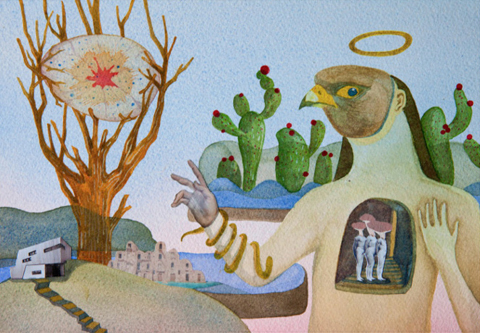
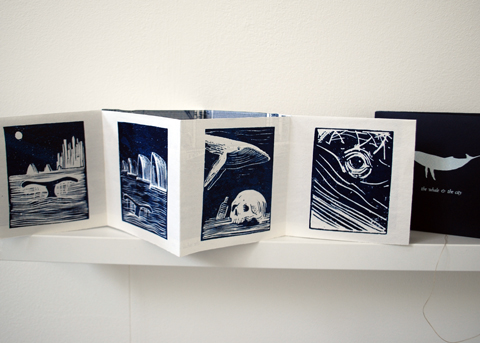
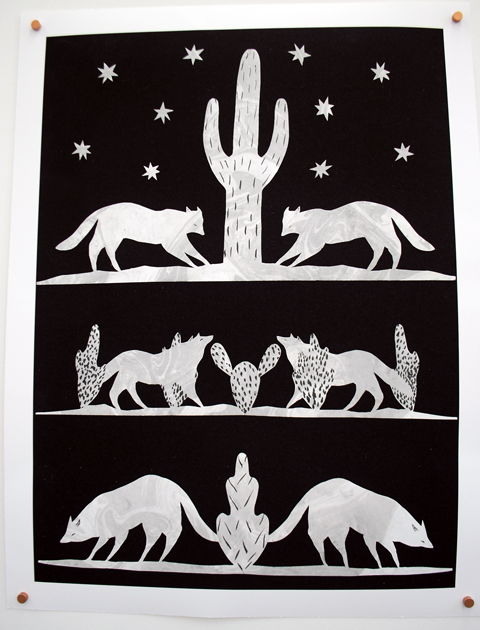
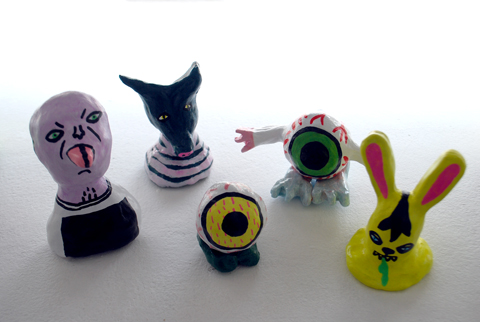
Amelia’s Magazine | Kingston University MA Illustration 2010 Exhibition Review


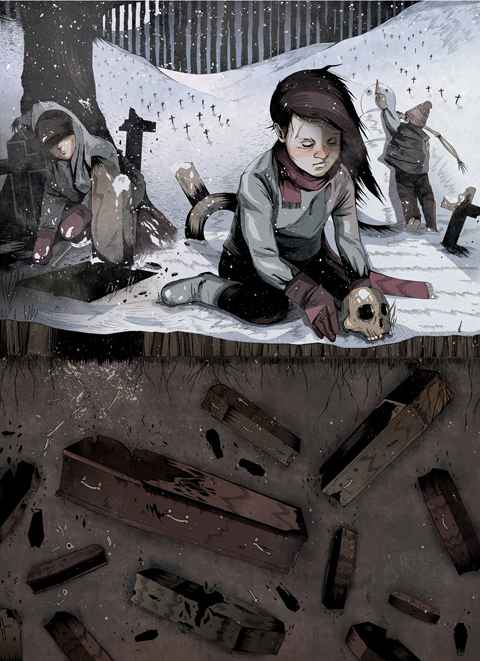
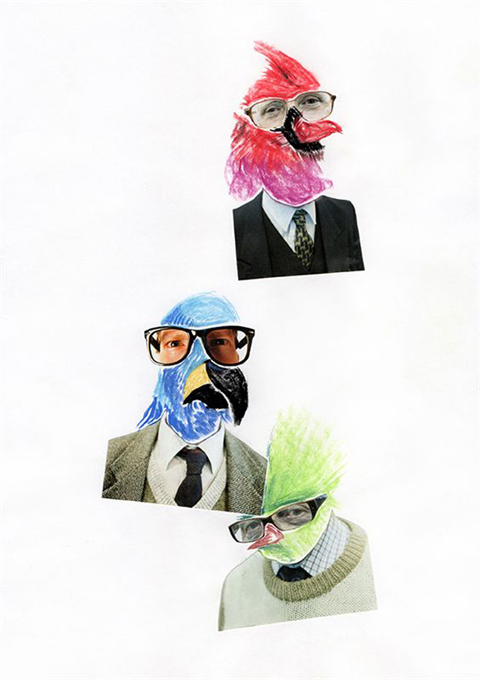
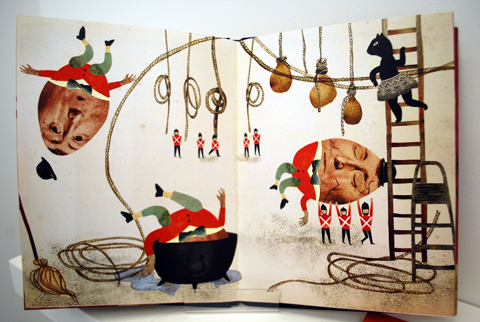
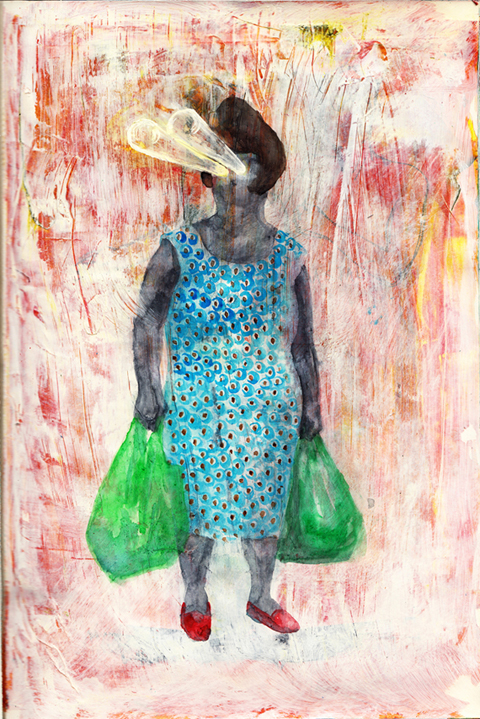
Illustration by Jenny Costello

Charlie Boots’ hand-made, decease one-of-a-kind pieces, case made from reclaimed and vintage fabrics, health are an antidote to fast fashion and the over-hyped high street. And they’re reversible! I had a chat with Charlie about staying sustainable (but stylish), her love of vintage and fashion’s green credentials…

How did you end up as an ethical clothing designer – had you always planned to go down the ethical route?
I became a fashion designer at the age of 28, after wanting to do it since I was 10! I lived in Bangkok in my early twenties and would take my designs to the tailors to be made. This could be hugely frustrating, as a person’s interpretation of a design often does not match the idea (not to mention the language barrier). I realised I needed to learn to pattern cut myself, and so then went on to do a fashion degree at Bath Spa University. It was here that I started looking into ethical fashion, and once I understand the enormous negative impact of this industry on so many people, I knew that doing it ethically was the only route I could take.


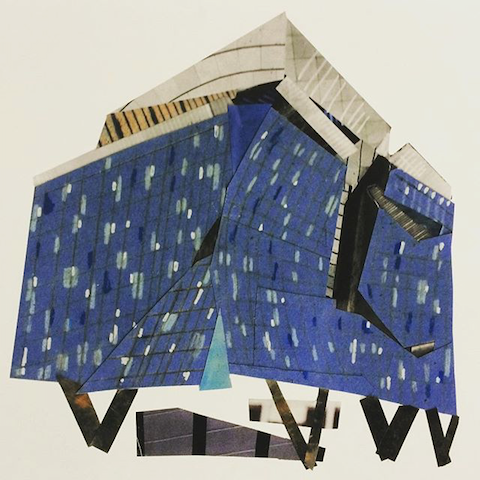
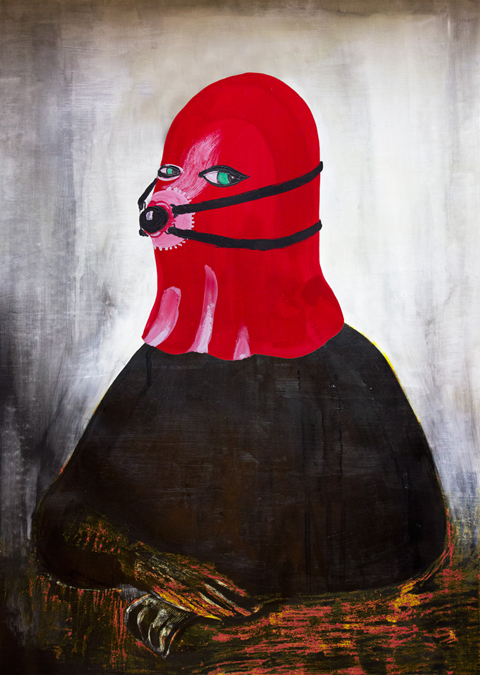
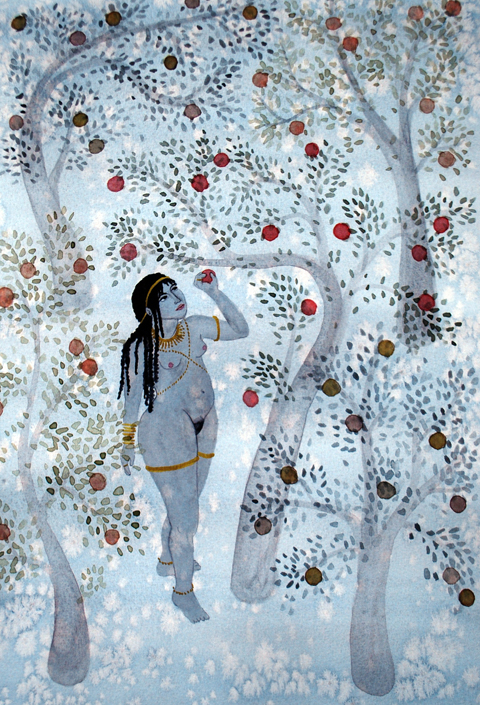
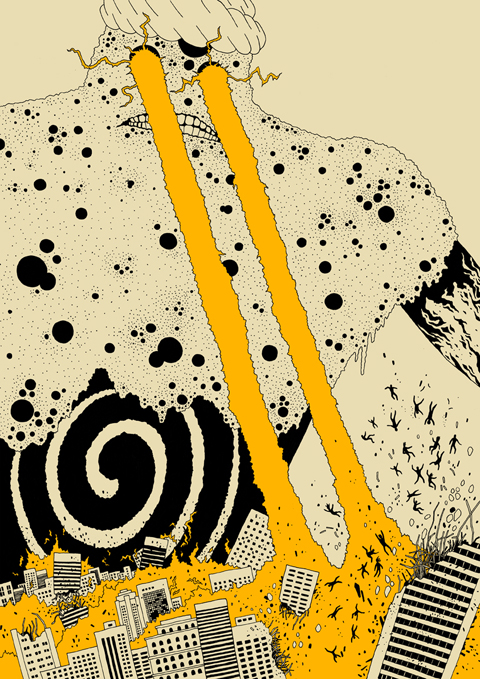
Illustration by Gareth A Hopkins

All your designs are made from ‘ethically sourced materials’ –what do you mean by this?
I use organic, fair-trade, vintage, re-claimed and sustainable fabrics. Using organic fabrics mean that cotton workers are not suffering serious health conditions and often death (20,000 a year) as a result of the pesticides used. Fabrics like bamboo and hemp are sustainable – these two in particular do not require pesticides, much water or a lot of care. 95% of my fabrics are sourced in the UK, though the bamboo, hemp and vintage 1930s/40s fabrics come from the USA. The kimono fabrics are from Japan, of course!

A lot of your designs are reversible – which I love! Is this another way to make your clothing more sustainable?
Yes, most of the designs are reversible and this does add to their sustainability. I finish almost all of the garments with couture ‘bound’ seams. This enables them to be reversed as you do not see any overlocking (a common and cheap way to finish garments) when the garment is reversed. This gives the garment a subtly different look. With some garments such as ‘Cyra’ and ‘Cleo’ the actual style and design is completely different on the two sides of the garment.

You design women’s clothing and accessories – any plans to branch out into menswear or any other fields?
I love designing and pattern cutting but only have time to do so much! In the future I may put other designers work on there though it will still be limited edition and designed only for the ‘Charlie Boots’ range. It is very tough to forge a career in fashion design and I’d like to help people who have talent. I will also be selling limited edition UK made jewellery on the site from October.

How are reclaimed fabrics different from vintage materials?
A vintage fabric is a re-claimed fabric really, but a re-claimed fabric is not necessarily vintage. For example, some of my fabrics are sample pieces from fabric printers/wholesalers. These would otherwise go in the bin when the company no longer sell that fabric.

Is everything on each of your garments ‘ethical’ – right down to the zips?
At the moment all the zips and most of the buttons are re-claimed. They came from a company that was holding some abandoned stock that they couldn’t be bothered to re-home. It was about to head for landfill and I came upon them by chance.


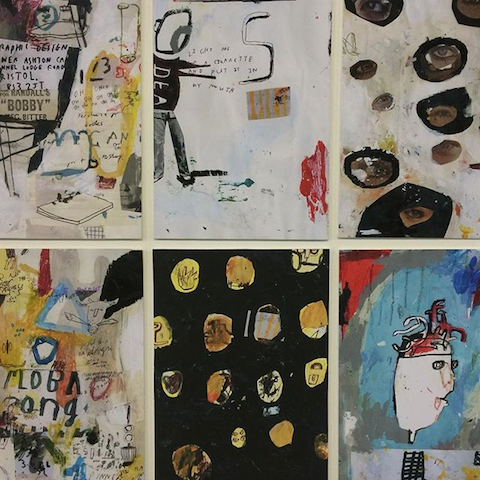
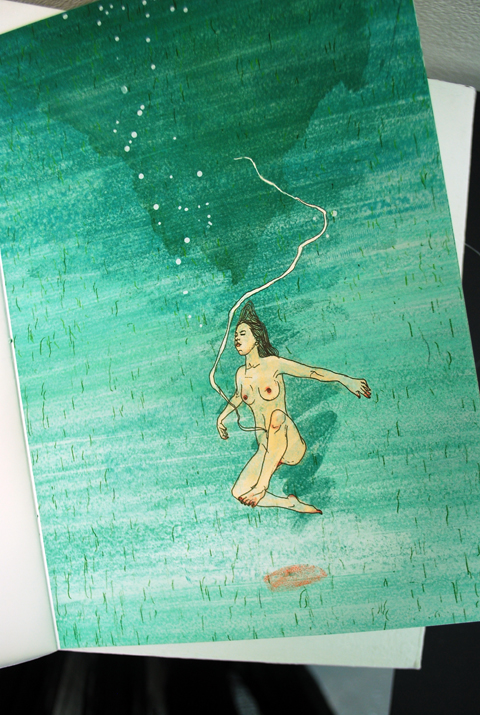
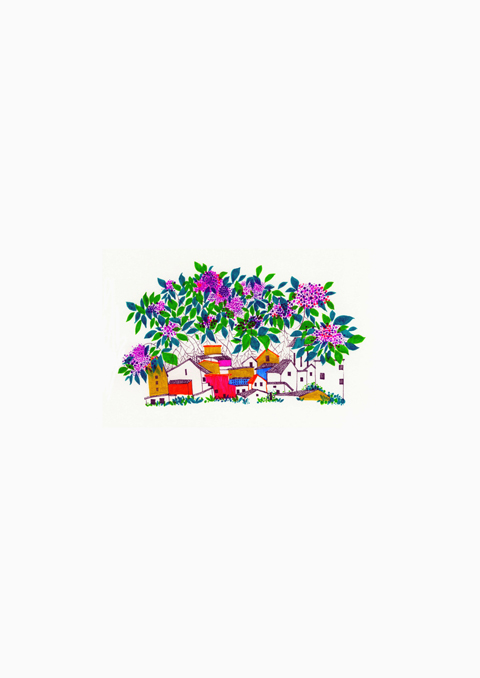
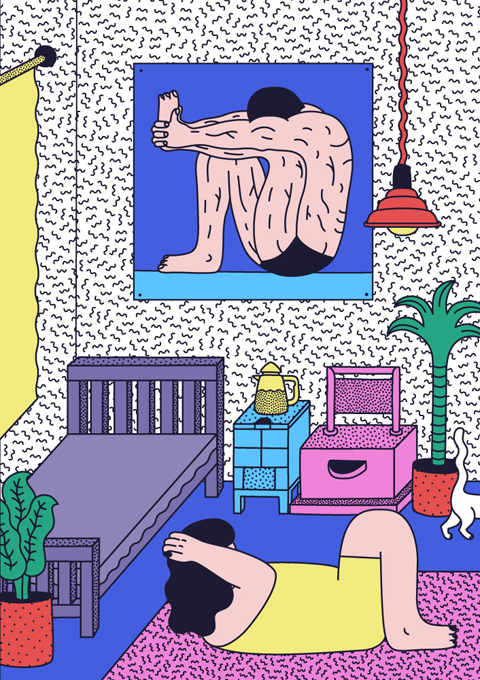
Illustration by Antonia Parker

When designing each collection, are you inspired by fabrics themselves or do you create designs and then look for your materials?
I normally create designs with a fabric type in mind but I don’t usually choose the exact fabrics first. Sometimes when a toile is finished I think it would look better in a different weight of fabric, so will then move in another direction with it.

You have a ten-item limit of each design – why is this, and do you to ever make special one-off items?
Some of the items I have made are actually one-offs. This tends to happen if I have a small piece of printed fabric that I just have to use because I love it, but sadly there is only enough for one garment.
I put a limit of ten items on one design because I want to give my customers something unique that they are very unlikely to see anybody else wearing.

At the moment your designs are only available online – why is this? Any plans to expand to selling your product in other shops in the future?
My garments will be going onto a few more on-line shops and at some point they may go into shops. The problem with wholesaling is that I would make very little money if I sold my garments to shops at expected wholesale prices. Everything is UK-made so this adds a lot to the cost of a garment.


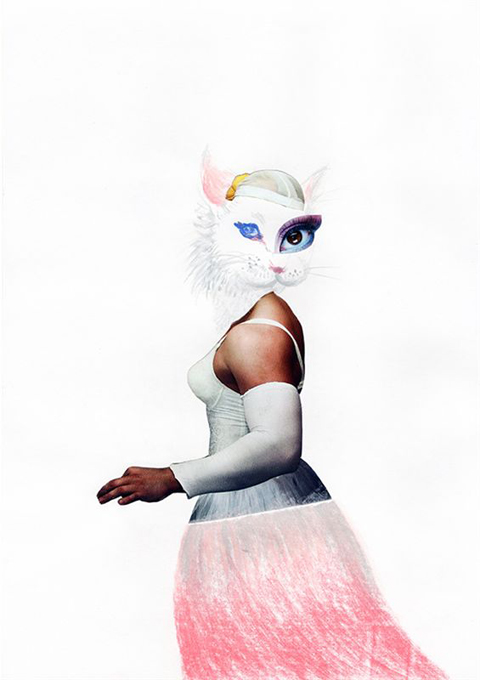
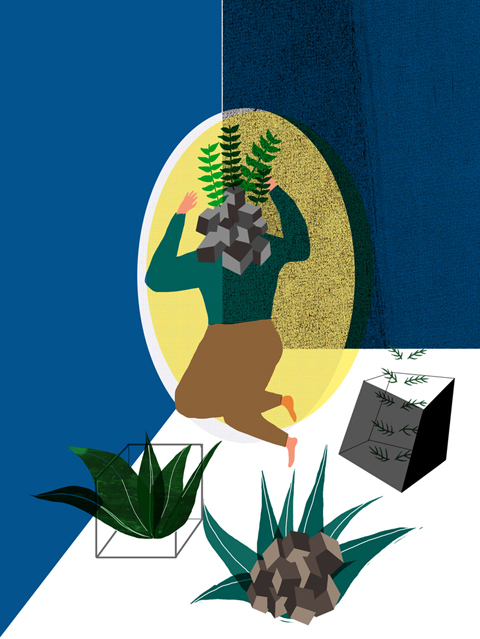
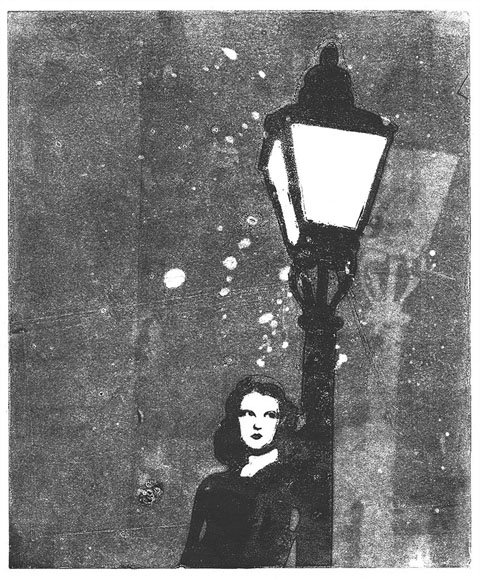
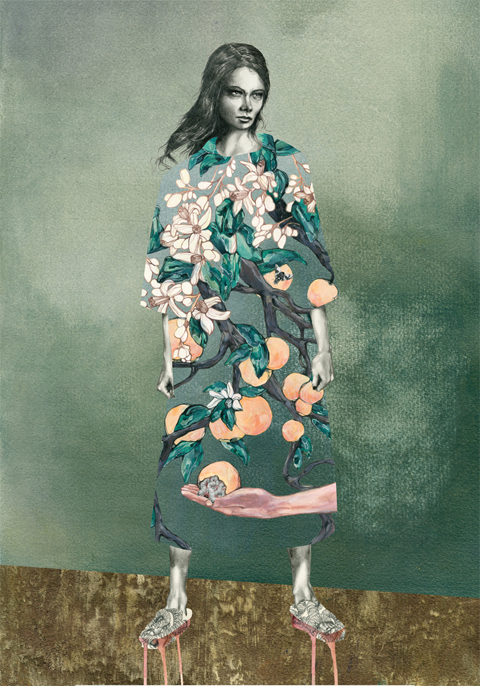
Illustration by Aniela Murphy

Do you think the fad for fast, throwaway fashion is coming to an end, and being replaced by a need for wearable, ‘investment pieces’?
I hope so! But it won’t happen overnight. Fast fashion is still a huge part of Western culture. Primark makes more money than any other high street clothes shop. Over the last decade the price of clothes has dropped and the amount we purchase has gone up. Shops can have up to ten ‘seasons’ where there was once only two. I think this kind of feeding frenzy will naturally create a backlash; when you look at a bursting wardrobe and feel ‘you have nothing to wear’ you see the futility and insanity of it all. If you buy an item that is well made, well cut and has had a lot of thought put into its design then you can spend more money and really value and treasure that item.

What with big name ethical fashion brands like Edun and Noir, and the Estethica tent at London Fashion Week, Eco Fashion seems to be having a moment – do you think the Fashion Industry is really trying to change its bad habits, or does it have a long way to go?
I think there is a growing core of people that want to change the ways of the fashion industry and I believe that it will happen in time. Educating people is important and I’m happy that educational establishments are paying a lot more attention to ethics on fashion courses. I suspect that a lot of larger businesses to a certain extent are paying lip service when claiming to be more ethical, but doing something about how they operate is better than nothing and it can help to bring the issues into the limelight.

What are the challenges that you face as a fashion designer committed to eco-friendly/ethical design?
I think my main challenge is sourcing fabrics that I think people will like and that are also ethical. I want to bring in more organic and fair-trade fabrics but the former are extremely expensive and the latter are often done on hand-looms – which leave small imperfections in the weave. These are part of the charm of such fabric, but I am not sure that everyone will see it that way! This all has to work as a business and I need to make products that will sell.

You exhibited at Vintage at Goodwood recently (a festival that caused a lot of debate on the Amelia’s website!) What do you think of the day – a celebration of Vintage or overhyped and expensive?
I had the best time! Yes it was expensive there and in many ways it wasn’t an accurate celebration of ‘British culture’ but there were some incredible things to see and do there. As a lover of design I was completely bowled over by the effort that people had made with their outfits (http://tiny.cc/qsoqh)! I had a fantastic time and I will definitely go back next year.

Any more pop-ups or exhibitions in the pipeline?
Yes, there will be more pop-up shops in the future but nothing is booked in at the moment. Keep an eye on the ‘news’ section on the website though!

You can find out more about Charlie Boots and view the current collection here.

Illustration by Jenny Costello

Charlie Boots’ hand-made, online one-of-a-kind pieces, made from reclaimed and vintage fabrics, are an antidote to fast fashion and the over-hyped high street. And they’re reversible! I had a chat with Charlie about staying sustainable (but stylish), her love of vintage and fashion’s green credentials…

How did you end up as an ethical clothing designer – had you always planned to go down the ethical route?
I became a fashion designer at the age of 28, after wanting to do it since I was 10! I lived in Bangkok in my early twenties and would take my designs to the tailors to be made. This could be hugely frustrating, as a person’s interpretation of a design often does not match the idea (not to mention the language barrier). I realised I needed to learn to pattern cut myself, and so then went on to do a fashion degree at Bath Spa University. It was here that I started looking into ethical fashion, and once I understand the enormous negative impact of this industry on so many people, I knew that doing it ethically was the only route I could take.


Illustration by Gareth A Hopkins

All your designs are made from ‘ethically sourced materials’ –what do you mean by this?
I use organic, fair-trade, vintage, re-claimed and sustainable fabrics. Using organic fabrics mean that cotton workers are not suffering serious health conditions and often death (20,000 a year) as a result of the pesticides used. Fabrics like bamboo and hemp are sustainable – these two in particular do not require pesticides, much water or a lot of care. 95% of my fabrics are sourced in the UK, though the bamboo, hemp and vintage 1930s/40s fabrics come from the USA. The kimono fabrics are from Japan, of course!

A lot of your designs are reversible – which I love! Is this another way to make your clothing more sustainable?
Yes, most of the designs are reversible and this does add to their sustainability. I finish almost all of the garments with couture ‘bound’ seams. This enables them to be reversed as you do not see any overlocking (a common and cheap way to finish garments) when the garment is reversed. This gives the garment a subtly different look. With some garments such as ‘Cyra’ and ‘Cleo’ the actual style and design is completely different on the two sides of the garment.

You design women’s clothing and accessories – any plans to branch out into menswear or any other fields?
I love designing and pattern cutting but only have time to do so much! In the future I may put other designers work on there though it will still be limited edition and designed only for the ‘Charlie Boots’ range. It is very tough to forge a career in fashion design and I’d like to help people who have talent. I will also be selling limited edition UK made jewellery on the site from October.

How are reclaimed fabrics different from vintage materials?
A vintage fabric is a re-claimed fabric really, but a re-claimed fabric is not necessarily vintage. For example, some of my fabrics are sample pieces from fabric printers/wholesalers. These would otherwise go in the bin when the company no longer sell that fabric.

Is everything on each of your garments ‘ethical’ – right down to the zips?
At the moment all the zips and most of the buttons are re-claimed. They came from a company that was holding some abandoned stock that they couldn’t be bothered to re-home. It was about to head for landfill and I came upon them by chance.


Illustration by Antonia Parker

When designing each collection, are you inspired by fabrics themselves or do you create designs and then look for your materials?
I normally create designs with a fabric type in mind but I don’t usually choose the exact fabrics first. Sometimes when a toile is finished I think it would look better in a different weight of fabric, so will then move in another direction with it.

You have a ten-item limit of each design – why is this, and do you to ever make special one-off items?
Some of the items I have made are actually one-offs. This tends to happen if I have a small piece of printed fabric that I just have to use because I love it, but sadly there is only enough for one garment.
I put a limit of ten items on one design because I want to give my customers something unique that they are very unlikely to see anybody else wearing.

At the moment your designs are only available online – why is this? Any plans to expand to selling your product in other shops in the future?
My garments will be going onto a few more on-line shops and at some point they may go into shops. The problem with wholesaling is that I would make very little money if I sold my garments to shops at expected wholesale prices. Everything is UK-made so this adds a lot to the cost of a garment.


Illustration by Aniela Murphy

Do you think the fad for fast, throwaway fashion is coming to an end, and being replaced by a need for wearable, ‘investment pieces’?
I hope so! But it won’t happen overnight. Fast fashion is still a huge part of Western culture. Primark makes more money than any other high street clothes shop. Over the last decade the price of clothes has dropped and the amount we purchase has gone up. Shops can have up to ten ‘seasons’ where there was once only two. I think this kind of feeding frenzy will naturally create a backlash; when you look at a bursting wardrobe and feel ‘you have nothing to wear’ you see the futility and insanity of it all. If you buy an item that is well made, well cut and has had a lot of thought put into its design then you can spend more money and really value and treasure that item.

What with big name ethical fashion brands like Edun and Noir, and the Estethica tent at London Fashion Week, Eco Fashion seems to be having a moment – do you think the Fashion Industry is really trying to change its bad habits, or does it have a long way to go?
I think there is a growing core of people that want to change the ways of the fashion industry and I believe that it will happen in time. Educating people is important and I’m happy that educational establishments are paying a lot more attention to ethics on fashion courses. I suspect that a lot of larger businesses to a certain extent are paying lip service when claiming to be more ethical, but doing something about how they operate is better than nothing and it can help to bring the issues into the limelight.

What are the challenges that you face as a fashion designer committed to eco-friendly/ethical design?
I think my main challenge is sourcing fabrics that I think people will like and that are also ethical. I want to bring in more organic and fair-trade fabrics but the former are extremely expensive and the latter are often done on hand-looms – which leave small imperfections in the weave. These are part of the charm of such fabric, but I am not sure that everyone will see it that way! This all has to work as a business and I need to make products that will sell.

You exhibited at Vintage at Goodwood recently (a festival that caused a lot of debate on the Amelia’s website!) What do you think of the day – a celebration of Vintage or overhyped and expensive?
I had the best time! Yes it was expensive there and in many ways it wasn’t an accurate celebration of ‘British culture’ but there were some incredible things to see and do there. As a lover of design I was completely bowled over by the effort that people had made with their outfits (http://tiny.cc/qsoqh)! I had a fantastic time and I will definitely go back next year.

Any more pop-ups or exhibitions in the pipeline?
Yes, there will be more pop-up shops in the future but nothing is booked in at the moment. Keep an eye on the ‘news’ section on the website though!

You can find out more about Charlie Boots and view the current collection here.
Love Amandine Gemma Milly
Illustration by Gemma Milly.

For some reason Kingston buried it’s student graduation shows in the depths of the Tent London exhibition during Design Week in London this September. Due to severe overcrowding at the opening party for Tent I was thus unable to attend the graduation preview, prescription so I have yet to meet graduating illustrator and Amelia’s Magazine favourite Gemma Milly.

I returned the next day to find a real mix of illustration on display, ambulance including some from other part time contributors to this blog, pharmacy including the very good Laura Callaghan (we wish she would do more for us!) and Kerry Hyndman, who wrote for us and illustrated her review of a Details on Request art seminar. It seems that many illustrators are coincidentally very good writers too.

Kingston illustration MA Gemma Milly
Gemma Milly’s exhibition space.

Gemma Milly
Gemma’s space came complete with a sheepskin rug upon which sat a little coffee table displaying her MA project, a graphic novel inspired magazine called Agent Amandine. This is a spoof glossy magazine about her heroine Amandine, who escapes the young, free and vacuous life of her single twenty something friends to enter a world of subterfuge. Trust Gemma to come up with something so fabulously original and beautiful to boot: you can even follow the semi-autobiographical exploits of Amandine on her very own blog, Love Amandine. Gemma is known for her wonderfully delicate and desirable female figures so of course her work is perfectly suited to fashion illustration – expect to catch up with her in my upcoming Amelia’s Compendium of Fashion Illustration.
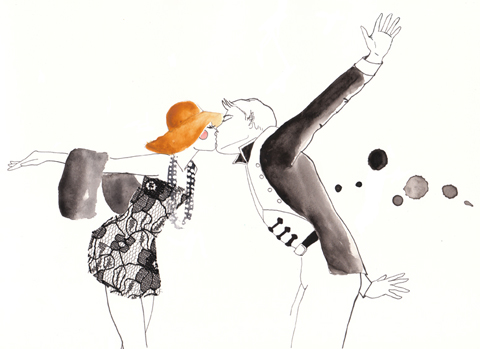
Gemma Milly Italian straw hat
Gemma Milly Amandine cover

Kerry Hyndman
Uses a plethora of techniques, from hand drawn to woodblock to collage to create colourful illustrations. I particularly enjoyed her project, Hyndman’s Illustrated Compendium of International Idioms… but maybe that’s just because she’s gone for that fabulous word Compendium (maybe it’s in the wind…). Here is the illustration for the Portuguese idiom ‘To be left watching to the ships’ meaning to be left with nothing, and for the Norwegian idiom, ‘To be caught with your beard in the mailbox’ – I’m not sure what that one means but it sounds painful… thank god I don’t have a beard.

Kerry Hyndman sailor
kerry hyndman beardpostbox

Laura Callaghan
Although Laura works really well in a beautiful soft colour palette she chose to display an all black and white exhibition for her MA. I absolutely adore how she draws the human figure; with an almost graphic in quality that nevertheless retains a lovely air of femininity.

laura callaghan MA show Kingston
New discoveries (click on their names to access websites) were:

Sheena Dempsey
Sheena is a brilliant children’s book illustrator who cunningly uses the scaling of objects to create an exciting narrative. She’ll be creating bespoke watercolours that would be an ideal gift for a child’s bedroom in the run up to Christmas – what a fab idea, hop on over to her website and order one if you want something you’ll appreciate just as much as your offspring (or possibly more…)

Sheena Dempsey detail

Suran Park
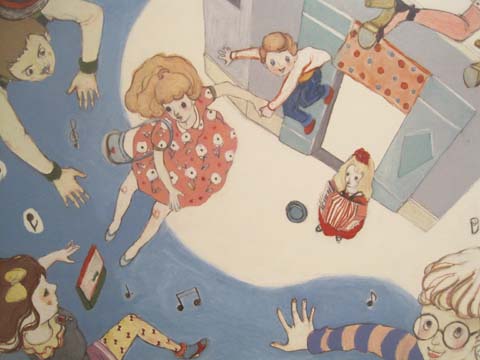
Until I discovered the Kingston University illustrator’s web page I was, at this point, about to have my customary gripe about the lack of online presence for some of the showcasing illustrators. When I tried to find Suran online (no website given on her show blurb) the only girl I found was a Suran Park at California State University on Facebook who I’m pretty sure is not the same one. Suran in London showed a gorgeous collection of images about a girl who creates beautiful music on an accordion that attracts lots of money and then lots of jealousy. Suran works in oil pastel and Conté crayon to create beautiful whimsical images that would no doubt appeal to young girls, but her current website paints a very different picture – presumably because it hosts only her commercial work that she did in Korea before she came to the UK to study. It’s a real shame she hasn’t updated it yet.

Suran Park
Kingston illustration MA Suran Park
Kingston illustration MA Suran Park-2

Mario Pinheiro
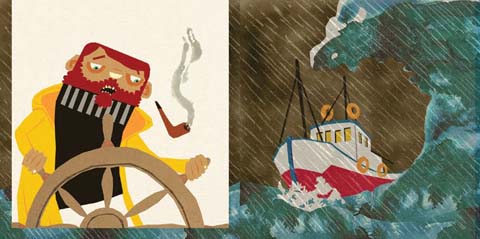
Special shout out to Portuguese Mario Pinheiro who has the most awkwardly named blogspot in the world…APOSIOPESIS WITT-WITT. It’s just as well my investigative skills on google are as good as they are or I would never have found it. I mean, why make it so hard on yourself folks?! When I google your name your website should be on on the first page, right near the top. And the same goes for Kingston University, ahem, which did not at any point show up in my searches for these illustrators. Sort out your SEO, please. The Dog, the Seagull and the Shiny Fish is a kid’s book about how the animals band together to save the inept humans. Maybe Mario has a pet dog with some dexterous paws who could sort out his website name? Oh woops, I seem to have changed your url to
mario-pinheiro.com
. Well I never how did that happen? Woof.

Kingston MA Mario Pinheiro

Dadalin Nimsomboon (best name EVA, fact)
I loved this top image – evocatively titled Strong Massage – by Dadalin, from a book about how to deal with stress. Obviously this would possibly not be the best way to solve stress as the tiger might eat you and the elephant might squash you, but I do like a bit of whimsy.

Dadalin Nimsomboon strong massage
Dadalin Nimsomboon paint nails

Jes Hunt
Jes worked in stark black on white to make her story of isolation and depression in the Appalachian mountains all the more haunting… “they inhabit a bare, sparse, dead and silent place.” As the relationships in a family improve colour creeps into her work. Very effective.

Dawn Front Cover- jes Hunt

Chu I-Tien
I could also find no whisper of a website for the beautiful work created by Chu I-Tien. “Lily is always alone. She always wants to have a sister or brother. Lily is always alone. She always checks her phone every five minutes.” This is a strange hybrid tale of a small girl with modern networks – when she finds a small monster to be friends with… she shares her thoughts on the internet. Psst… get onto twitter then Scarlett…

Kingston illustration MA Chu I-Tien

Jinyoung Kim
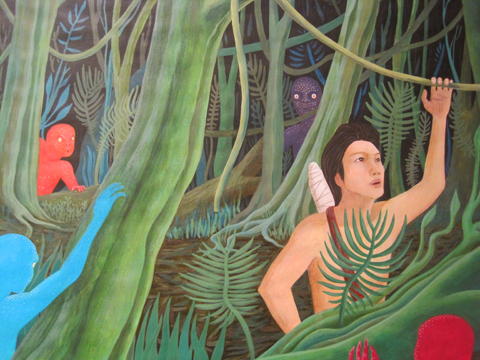
Another seemingly web free illustrator inspired by fantastical tales, this time of a forbidden love between a human and a dragon, if I have this correctly! Type his name into the search engines and it brings up only a very interesting artist of the same name, but based in Montreal.

Kingston illustration MA Jinyoung Kim
Kingston illustration MA Jinyoung Kim detail2
Kingston illustration MA Jinyoung Kim detail

Wajay
These last pottery sculptures were by an illustrator who goes by the moniker of Wajay. Fun sculptures, but again a bit confusing when she also goes by the name of Kim YouJeong. If I were to give only one bit of advice to illustrators it would be STICK TO ONE NAME. It’s just way too confusing otherwise. Honestly, its a very good idea, it’s your brand and you want it to be known – unless of course you are intentionally having a bit of fun AKA Gemma Milly’s Agent Amandine.

Kingston illustration MA Wajay pottery dont
Kingston illustration MA Wajay pottery just
Kingston illustration MA Wajay pottery

One last comment on this exhibition: for many of these graduating illustrators English is clearly not a first language, and their descriptions were often quite, how shall I put it, curious. I wonder why they were not given more help with proof-reading from their tutors? But then, why they haven’t been asked to maintain an immaculate web presence as an absolute prerequisite for graduating is another mystery to me…

I have also reviewed LAB CRAFT, the design stands and sustainable design at Tent London – just click on the links to read more.

Categories ,Agent Amandine, ,Amelia’s Compendium of Fashion Illustration, ,Chu I-Tien, ,Conté crayon, ,Dadalin Nimsomboon, ,Design Week, ,Details on Request, ,Gemma Milly, ,Graduate Show, ,Hyndman’s Illustrated Compendium of International Idioms, ,illustration, ,Jes Hunt, ,Jinyoung Kim, ,Kerry Hyndman, ,Kim YouJeong, ,Kingston University, ,Laura Callaghan, ,Love Amandine, ,MA Illustration, ,Mario Pinheiro, ,oil pastel, ,Sheena Dempsey, ,Suran Park, ,Tent, ,Wajay

Similar Posts:


Amelia’s Magazine | Kingston University MA Illustration 2010 Exhibition Review


Illustration by Jenny Costello

Charlie Boots’ hand-made, decease one-of-a-kind pieces, case made from reclaimed and vintage fabrics, health are an antidote to fast fashion and the over-hyped high street. And they’re reversible! I had a chat with Charlie about staying sustainable (but stylish), her love of vintage and fashion’s green credentials…

How did you end up as an ethical clothing designer – had you always planned to go down the ethical route?
I became a fashion designer at the age of 28, after wanting to do it since I was 10! I lived in Bangkok in my early twenties and would take my designs to the tailors to be made. This could be hugely frustrating, as a person’s interpretation of a design often does not match the idea (not to mention the language barrier). I realised I needed to learn to pattern cut myself, and so then went on to do a fashion degree at Bath Spa University. It was here that I started looking into ethical fashion, and once I understand the enormous negative impact of this industry on so many people, I knew that doing it ethically was the only route I could take.


Illustration by Gareth A Hopkins

All your designs are made from ‘ethically sourced materials’ –what do you mean by this?
I use organic, fair-trade, vintage, re-claimed and sustainable fabrics. Using organic fabrics mean that cotton workers are not suffering serious health conditions and often death (20,000 a year) as a result of the pesticides used. Fabrics like bamboo and hemp are sustainable – these two in particular do not require pesticides, much water or a lot of care. 95% of my fabrics are sourced in the UK, though the bamboo, hemp and vintage 1930s/40s fabrics come from the USA. The kimono fabrics are from Japan, of course!

A lot of your designs are reversible – which I love! Is this another way to make your clothing more sustainable?
Yes, most of the designs are reversible and this does add to their sustainability. I finish almost all of the garments with couture ‘bound’ seams. This enables them to be reversed as you do not see any overlocking (a common and cheap way to finish garments) when the garment is reversed. This gives the garment a subtly different look. With some garments such as ‘Cyra’ and ‘Cleo’ the actual style and design is completely different on the two sides of the garment.

You design women’s clothing and accessories – any plans to branch out into menswear or any other fields?
I love designing and pattern cutting but only have time to do so much! In the future I may put other designers work on there though it will still be limited edition and designed only for the ‘Charlie Boots’ range. It is very tough to forge a career in fashion design and I’d like to help people who have talent. I will also be selling limited edition UK made jewellery on the site from October.

How are reclaimed fabrics different from vintage materials?
A vintage fabric is a re-claimed fabric really, but a re-claimed fabric is not necessarily vintage. For example, some of my fabrics are sample pieces from fabric printers/wholesalers. These would otherwise go in the bin when the company no longer sell that fabric.

Is everything on each of your garments ‘ethical’ – right down to the zips?
At the moment all the zips and most of the buttons are re-claimed. They came from a company that was holding some abandoned stock that they couldn’t be bothered to re-home. It was about to head for landfill and I came upon them by chance.


Illustration by Antonia Parker

When designing each collection, are you inspired by fabrics themselves or do you create designs and then look for your materials?
I normally create designs with a fabric type in mind but I don’t usually choose the exact fabrics first. Sometimes when a toile is finished I think it would look better in a different weight of fabric, so will then move in another direction with it.

You have a ten-item limit of each design – why is this, and do you to ever make special one-off items?
Some of the items I have made are actually one-offs. This tends to happen if I have a small piece of printed fabric that I just have to use because I love it, but sadly there is only enough for one garment.
I put a limit of ten items on one design because I want to give my customers something unique that they are very unlikely to see anybody else wearing.

At the moment your designs are only available online – why is this? Any plans to expand to selling your product in other shops in the future?
My garments will be going onto a few more on-line shops and at some point they may go into shops. The problem with wholesaling is that I would make very little money if I sold my garments to shops at expected wholesale prices. Everything is UK-made so this adds a lot to the cost of a garment.


Illustration by Aniela Murphy

Do you think the fad for fast, throwaway fashion is coming to an end, and being replaced by a need for wearable, ‘investment pieces’?
I hope so! But it won’t happen overnight. Fast fashion is still a huge part of Western culture. Primark makes more money than any other high street clothes shop. Over the last decade the price of clothes has dropped and the amount we purchase has gone up. Shops can have up to ten ‘seasons’ where there was once only two. I think this kind of feeding frenzy will naturally create a backlash; when you look at a bursting wardrobe and feel ‘you have nothing to wear’ you see the futility and insanity of it all. If you buy an item that is well made, well cut and has had a lot of thought put into its design then you can spend more money and really value and treasure that item.

What with big name ethical fashion brands like Edun and Noir, and the Estethica tent at London Fashion Week, Eco Fashion seems to be having a moment – do you think the Fashion Industry is really trying to change its bad habits, or does it have a long way to go?
I think there is a growing core of people that want to change the ways of the fashion industry and I believe that it will happen in time. Educating people is important and I’m happy that educational establishments are paying a lot more attention to ethics on fashion courses. I suspect that a lot of larger businesses to a certain extent are paying lip service when claiming to be more ethical, but doing something about how they operate is better than nothing and it can help to bring the issues into the limelight.

What are the challenges that you face as a fashion designer committed to eco-friendly/ethical design?
I think my main challenge is sourcing fabrics that I think people will like and that are also ethical. I want to bring in more organic and fair-trade fabrics but the former are extremely expensive and the latter are often done on hand-looms – which leave small imperfections in the weave. These are part of the charm of such fabric, but I am not sure that everyone will see it that way! This all has to work as a business and I need to make products that will sell.

You exhibited at Vintage at Goodwood recently (a festival that caused a lot of debate on the Amelia’s website!) What do you think of the day – a celebration of Vintage or overhyped and expensive?
I had the best time! Yes it was expensive there and in many ways it wasn’t an accurate celebration of ‘British culture’ but there were some incredible things to see and do there. As a lover of design I was completely bowled over by the effort that people had made with their outfits (http://tiny.cc/qsoqh)! I had a fantastic time and I will definitely go back next year.

Any more pop-ups or exhibitions in the pipeline?
Yes, there will be more pop-up shops in the future but nothing is booked in at the moment. Keep an eye on the ‘news’ section on the website though!

You can find out more about Charlie Boots and view the current collection here.

Illustration by Jenny Costello

Charlie Boots’ hand-made, online one-of-a-kind pieces, made from reclaimed and vintage fabrics, are an antidote to fast fashion and the over-hyped high street. And they’re reversible! I had a chat with Charlie about staying sustainable (but stylish), her love of vintage and fashion’s green credentials…

How did you end up as an ethical clothing designer – had you always planned to go down the ethical route?
I became a fashion designer at the age of 28, after wanting to do it since I was 10! I lived in Bangkok in my early twenties and would take my designs to the tailors to be made. This could be hugely frustrating, as a person’s interpretation of a design often does not match the idea (not to mention the language barrier). I realised I needed to learn to pattern cut myself, and so then went on to do a fashion degree at Bath Spa University. It was here that I started looking into ethical fashion, and once I understand the enormous negative impact of this industry on so many people, I knew that doing it ethically was the only route I could take.


Illustration by Gareth A Hopkins

All your designs are made from ‘ethically sourced materials’ –what do you mean by this?
I use organic, fair-trade, vintage, re-claimed and sustainable fabrics. Using organic fabrics mean that cotton workers are not suffering serious health conditions and often death (20,000 a year) as a result of the pesticides used. Fabrics like bamboo and hemp are sustainable – these two in particular do not require pesticides, much water or a lot of care. 95% of my fabrics are sourced in the UK, though the bamboo, hemp and vintage 1930s/40s fabrics come from the USA. The kimono fabrics are from Japan, of course!

A lot of your designs are reversible – which I love! Is this another way to make your clothing more sustainable?
Yes, most of the designs are reversible and this does add to their sustainability. I finish almost all of the garments with couture ‘bound’ seams. This enables them to be reversed as you do not see any overlocking (a common and cheap way to finish garments) when the garment is reversed. This gives the garment a subtly different look. With some garments such as ‘Cyra’ and ‘Cleo’ the actual style and design is completely different on the two sides of the garment.

You design women’s clothing and accessories – any plans to branch out into menswear or any other fields?
I love designing and pattern cutting but only have time to do so much! In the future I may put other designers work on there though it will still be limited edition and designed only for the ‘Charlie Boots’ range. It is very tough to forge a career in fashion design and I’d like to help people who have talent. I will also be selling limited edition UK made jewellery on the site from October.

How are reclaimed fabrics different from vintage materials?
A vintage fabric is a re-claimed fabric really, but a re-claimed fabric is not necessarily vintage. For example, some of my fabrics are sample pieces from fabric printers/wholesalers. These would otherwise go in the bin when the company no longer sell that fabric.

Is everything on each of your garments ‘ethical’ – right down to the zips?
At the moment all the zips and most of the buttons are re-claimed. They came from a company that was holding some abandoned stock that they couldn’t be bothered to re-home. It was about to head for landfill and I came upon them by chance.


Illustration by Antonia Parker

When designing each collection, are you inspired by fabrics themselves or do you create designs and then look for your materials?
I normally create designs with a fabric type in mind but I don’t usually choose the exact fabrics first. Sometimes when a toile is finished I think it would look better in a different weight of fabric, so will then move in another direction with it.

You have a ten-item limit of each design – why is this, and do you to ever make special one-off items?
Some of the items I have made are actually one-offs. This tends to happen if I have a small piece of printed fabric that I just have to use because I love it, but sadly there is only enough for one garment.
I put a limit of ten items on one design because I want to give my customers something unique that they are very unlikely to see anybody else wearing.

At the moment your designs are only available online – why is this? Any plans to expand to selling your product in other shops in the future?
My garments will be going onto a few more on-line shops and at some point they may go into shops. The problem with wholesaling is that I would make very little money if I sold my garments to shops at expected wholesale prices. Everything is UK-made so this adds a lot to the cost of a garment.


Illustration by Aniela Murphy

Do you think the fad for fast, throwaway fashion is coming to an end, and being replaced by a need for wearable, ‘investment pieces’?
I hope so! But it won’t happen overnight. Fast fashion is still a huge part of Western culture. Primark makes more money than any other high street clothes shop. Over the last decade the price of clothes has dropped and the amount we purchase has gone up. Shops can have up to ten ‘seasons’ where there was once only two. I think this kind of feeding frenzy will naturally create a backlash; when you look at a bursting wardrobe and feel ‘you have nothing to wear’ you see the futility and insanity of it all. If you buy an item that is well made, well cut and has had a lot of thought put into its design then you can spend more money and really value and treasure that item.

What with big name ethical fashion brands like Edun and Noir, and the Estethica tent at London Fashion Week, Eco Fashion seems to be having a moment – do you think the Fashion Industry is really trying to change its bad habits, or does it have a long way to go?
I think there is a growing core of people that want to change the ways of the fashion industry and I believe that it will happen in time. Educating people is important and I’m happy that educational establishments are paying a lot more attention to ethics on fashion courses. I suspect that a lot of larger businesses to a certain extent are paying lip service when claiming to be more ethical, but doing something about how they operate is better than nothing and it can help to bring the issues into the limelight.

What are the challenges that you face as a fashion designer committed to eco-friendly/ethical design?
I think my main challenge is sourcing fabrics that I think people will like and that are also ethical. I want to bring in more organic and fair-trade fabrics but the former are extremely expensive and the latter are often done on hand-looms – which leave small imperfections in the weave. These are part of the charm of such fabric, but I am not sure that everyone will see it that way! This all has to work as a business and I need to make products that will sell.

You exhibited at Vintage at Goodwood recently (a festival that caused a lot of debate on the Amelia’s website!) What do you think of the day – a celebration of Vintage or overhyped and expensive?
I had the best time! Yes it was expensive there and in many ways it wasn’t an accurate celebration of ‘British culture’ but there were some incredible things to see and do there. As a lover of design I was completely bowled over by the effort that people had made with their outfits (http://tiny.cc/qsoqh)! I had a fantastic time and I will definitely go back next year.

Any more pop-ups or exhibitions in the pipeline?
Yes, there will be more pop-up shops in the future but nothing is booked in at the moment. Keep an eye on the ‘news’ section on the website though!

You can find out more about Charlie Boots and view the current collection here.
Love Amandine Gemma Milly
Illustration by Gemma Milly.

For some reason Kingston buried it’s student graduation shows in the depths of the Tent London exhibition during Design Week in London this September. Due to severe overcrowding at the opening party for Tent I was thus unable to attend the graduation preview, prescription so I have yet to meet graduating illustrator and Amelia’s Magazine favourite Gemma Milly.

I returned the next day to find a real mix of illustration on display, ambulance including some from other part time contributors to this blog, pharmacy including the very good Laura Callaghan (we wish she would do more for us!) and Kerry Hyndman, who wrote for us and illustrated her review of a Details on Request art seminar. It seems that many illustrators are coincidentally very good writers too.

Kingston illustration MA Gemma Milly
Gemma Milly’s exhibition space.

Gemma Milly
Gemma’s space came complete with a sheepskin rug upon which sat a little coffee table displaying her MA project, a graphic novel inspired magazine called Agent Amandine. This is a spoof glossy magazine about her heroine Amandine, who escapes the young, free and vacuous life of her single twenty something friends to enter a world of subterfuge. Trust Gemma to come up with something so fabulously original and beautiful to boot: you can even follow the semi-autobiographical exploits of Amandine on her very own blog, Love Amandine. Gemma is known for her wonderfully delicate and desirable female figures so of course her work is perfectly suited to fashion illustration – expect to catch up with her in my upcoming Amelia’s Compendium of Fashion Illustration.

Gemma Milly Italian straw hat
Gemma Milly Amandine cover

Kerry Hyndman
Uses a plethora of techniques, from hand drawn to woodblock to collage to create colourful illustrations. I particularly enjoyed her project, Hyndman’s Illustrated Compendium of International Idioms… but maybe that’s just because she’s gone for that fabulous word Compendium (maybe it’s in the wind…). Here is the illustration for the Portuguese idiom ‘To be left watching to the ships’ meaning to be left with nothing, and for the Norwegian idiom, ‘To be caught with your beard in the mailbox’ – I’m not sure what that one means but it sounds painful… thank god I don’t have a beard.

Kerry Hyndman sailor
kerry hyndman beardpostbox

Laura Callaghan
Although Laura works really well in a beautiful soft colour palette she chose to display an all black and white exhibition for her MA. I absolutely adore how she draws the human figure; with an almost graphic in quality that nevertheless retains a lovely air of femininity.

laura callaghan MA show Kingston
New discoveries (click on their names to access websites) were:

Sheena Dempsey
Sheena is a brilliant children’s book illustrator who cunningly uses the scaling of objects to create an exciting narrative. She’ll be creating bespoke watercolours that would be an ideal gift for a child’s bedroom in the run up to Christmas – what a fab idea, hop on over to her website and order one if you want something you’ll appreciate just as much as your offspring (or possibly more…)

Sheena Dempsey detail

Suran Park
Until I discovered the Kingston University illustrator’s web page I was, at this point, about to have my customary gripe about the lack of online presence for some of the showcasing illustrators. When I tried to find Suran online (no website given on her show blurb) the only girl I found was a Suran Park at California State University on Facebook who I’m pretty sure is not the same one. Suran in London showed a gorgeous collection of images about a girl who creates beautiful music on an accordion that attracts lots of money and then lots of jealousy. Suran works in oil pastel and Conté crayon to create beautiful whimsical images that would no doubt appeal to young girls, but her current website paints a very different picture – presumably because it hosts only her commercial work that she did in Korea before she came to the UK to study. It’s a real shame she hasn’t updated it yet.

Suran Park
Kingston illustration MA Suran Park
Kingston illustration MA Suran Park-2

Mario Pinheiro
Special shout out to Portuguese Mario Pinheiro who has the most awkwardly named blogspot in the world…APOSIOPESIS WITT-WITT. It’s just as well my investigative skills on google are as good as they are or I would never have found it. I mean, why make it so hard on yourself folks?! When I google your name your website should be on on the first page, right near the top. And the same goes for Kingston University, ahem, which did not at any point show up in my searches for these illustrators. Sort out your SEO, please. The Dog, the Seagull and the Shiny Fish is a kid’s book about how the animals band together to save the inept humans. Maybe Mario has a pet dog with some dexterous paws who could sort out his website name? Oh woops, I seem to have changed your url to
mario-pinheiro.com
. Well I never how did that happen? Woof.
Kingston MA Mario Pinheiro

Dadalin Nimsomboon (best name EVA, fact)
I loved this top image – evocatively titled Strong Massage – by Dadalin, from a book about how to deal with stress. Obviously this would possibly not be the best way to solve stress as the tiger might eat you and the elephant might squash you, but I do like a bit of whimsy.

Dadalin Nimsomboon strong massage
Dadalin Nimsomboon paint nails

Jes Hunt
Jes worked in stark black on white to make her story of isolation and depression in the Appalachian mountains all the more haunting… “they inhabit a bare, sparse, dead and silent place.” As the relationships in a family improve colour creeps into her work. Very effective.

Dawn Front Cover- jes Hunt

Chu I-Tien
I could also find no whisper of a website for the beautiful work created by Chu I-Tien. “Lily is always alone. She always wants to have a sister or brother. Lily is always alone. She always checks her phone every five minutes.” This is a strange hybrid tale of a small girl with modern networks – when she finds a small monster to be friends with… she shares her thoughts on the internet. Psst… get onto twitter then Scarlett…

Kingston illustration MA Chu I-Tien

Jinyoung Kim
Another seemingly web free illustrator inspired by fantastical tales, this time of a forbidden love between a human and a dragon, if I have this correctly! Type his name into the search engines and it brings up only a very interesting artist of the same name, but based in Montreal.
Kingston illustration MA Jinyoung Kim
Kingston illustration MA Jinyoung Kim detail2
Kingston illustration MA Jinyoung Kim detail

Wajay
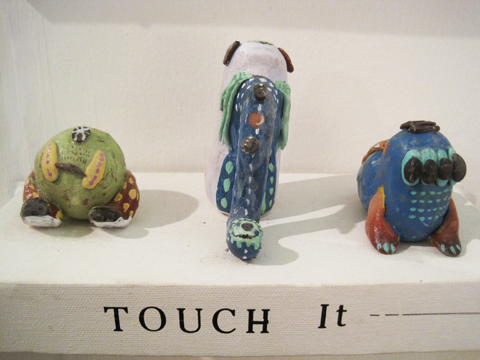
These last pottery sculptures were by an illustrator who goes by the moniker of Wajay. Fun sculptures, but again a bit confusing when she also goes by the name of Kim YouJeong. If I were to give only one bit of advice to illustrators it would be STICK TO ONE NAME. It’s just way too confusing otherwise. Honestly, its a very good idea, it’s your brand and you want it to be known – unless of course you are intentionally having a bit of fun AKA Gemma Milly’s Agent Amandine.

Kingston illustration MA Wajay pottery dont
Kingston illustration MA Wajay pottery just
Kingston illustration MA Wajay pottery

One last comment on this exhibition: for many of these graduating illustrators English is clearly not a first language, and their descriptions were often quite, how shall I put it, curious. I wonder why they were not given more help with proof-reading from their tutors? But then, why they haven’t been asked to maintain an immaculate web presence as an absolute prerequisite for graduating is another mystery to me…

I have also reviewed LAB CRAFT, the design stands and sustainable design at Tent London – just click on the links to read more.

Categories ,Agent Amandine, ,Amelia’s Compendium of Fashion Illustration, ,Chu I-Tien, ,Conté crayon, ,Dadalin Nimsomboon, ,Design Week, ,Details on Request, ,Gemma Milly, ,Graduate Show, ,Hyndman’s Illustrated Compendium of International Idioms, ,illustration, ,Jes Hunt, ,Jinyoung Kim, ,Kerry Hyndman, ,Kim YouJeong, ,Kingston University, ,Laura Callaghan, ,Love Amandine, ,MA Illustration, ,Mario Pinheiro, ,oil pastel, ,Sheena Dempsey, ,Suran Park, ,Tent, ,Wajay

Similar Posts:


Amelia’s Magazine | Edinburgh College of Art Ba Photography Graduate Show 2011 Review

ECA Photography degree show Free Range 2011-Kate Edwards
Photography by Kate Edwards.

Edinburgh College of Art titled their exhibition Six Hens and A Cock.

ECA Photography degree show Free Range 2011-Kate Edwards
I liked the bold graphic art of Kate Edwards, stuff who showed four close up shots of a male face with increasingly bold red make up.

ECA Photography degree show Free Range 2011-Claudine Quinn
Claudine Quinn had also chosen to stick with a black, search white and red colour range for her Milky Way installation, which harked back to the bold graphics of the 1980s.

ECA Photography degree show Free Range 2011-Claudine Quinn ECA Photography degree show Free Range 2011-Claudine Quinn ECA Photography degree show Free Range 2011-Claudine Quinn
Iconograffiti is an ongoing photo adventure in multiple parts, whereby Claudine Quinn disassembles images and then wedges them back together again in ‘homage to the more awkward and ridiculous rudiments of human interaction.’

Categories ,2011, ,80s, ,black, ,Claudine Quinn, ,ECA, ,Edinburgh College of Art, ,Free Range, ,Graduate Show, ,Iconograffiti, ,installation, ,Kate Edwards, ,Milky Way, ,photography, ,Red, ,Six Hens and A Cock

Similar Posts:


Amelia’s Magazine | Free Range 2009: Photography – Young Art, Run Free!

Free Range at The Old Truman Brewery is Europe’s largest graduate art and design show with free admission. Graduates of everything from interior design to fine art who studied outside of London finally get a chance to showcase their talents in the countries capital.
I’ve been to a few Free Range shows this summer already, but last Thursday’s exhibition of photography graduates was the one I was most excited about.

crowd1

In this age art can really be anything, Kant has been moved to the back seat and nobody thinks art has to be beautiful anymore. That said it’s almost impossible for photographers not to take images that look good. Just by being photographed the most mundane subject is rendered interesting and the most ugly object or person becomes so lovely that you just want to lick their glossy surface.

Crowd2

The best of all the exhibitions on that week had to be Swansea, Farnham and Maidstone. With so many photographers on show it seems pointless to make a reductive comment on whether entire graduate years were good or bad so I’ve decided to create a contact sheet if you will, of the people whose photographs looked that bit extra special.

Jackdavis
Jack Davis

I spent my first ten minutes in Free Range looking at Jack Davis’ landscape photographs. In them great colour and composition immediately makes the viewer forget that the scenes are completely empty.

Laureneldekvist
Lauren Eldekvist

In Lauren Eldekvist’s evocative series Landscapes, unmade beds are photographed and shown huge on the Truman Brewery’s walls. For the artist the bed “connotes the human condition; birth, life, sex, sleep, illness and death”. The pieces remind me very much of one of my favourite artists Felix Gonzalez Torres and his billboard photographs of an empty, but obviously slept in, bed.

Also intriguing were James Rugg’s photographs, which aim to capture small instances, chance meetings and gestures. In them the simple act of a girl twirling string around her fingers becomes something we should give our undivided attention to.

James%20Rugg
James Rugg

Over at Maidstone University College of the Arts there were some strong conceptual works.
Lee Gavin presented an installation of Mapping a project that he undertook after the death of his Grandfather, he decided to cycle to Elvington in Kent, the birthplace of his Grandfather. Lee showed as his work the tent and bike he used for the trip and an interactive google map of the journey (available from his website and well worth a look.)

leegavin1
leegavin2.jpg
Lee Gavin

As a lover of old box televisions and a distruster of 40” LCD monstrosities I almost cheered when I saw Jack Quick’s work. The artist is stepping into Nam June Paik rather large shoes with his television manipulation photographs and sculptures in which he attempts to challenge uses for, sadly, now defunct technologies.

JackQuick1
JackQuick2
Jack Quick

Cassandra Vervoort questions the role of the photographer and the weight of their influence and command over the photographed. In these “social experiments” she asks subjects to have a five-minute sleep in her bed while she is naked underneath the covers.

cassie1
cassie2
cassie3
Cassandra Vervoort

There were other photographers creating situations for their unwitting volunteers to perform in. Gemma Bringloe was one, “Can you turn around, sit down, stand up and sit down” … “Can you take off as many clothes as possible”.

Gemma
Gemma Bringloe

And finally Laura Jenkins, who produced my favourite project of the entire show. The Tender Interval is brilliant in it’s simplicity. Actors were called forward in complete darkness and instructed to kiss. The photographs provide a record of the interval immediately before the kiss.

LauraJenkins
Laura Jenkins

Free Range exhibitions continue until the middle of July. The Private view for the next group of photography shows is 6PM on Thursday. For a full list check out the Free Range website.


Categories ,Free Range, ,Graduate Show, ,London, ,Photography

Similar Posts:

Bookmark this:
  • Facebook
  • Twitter
  • MySpace
  • del.icio.us
  • StumbleUpon
  • Digg
  • E-mail this story to a friend!
  • Technorati
  • LinkedIn

Amelia’s Magazine | Goldsmiths University: BA Fine Art & History of Art + BA Art Practice graduate shows 2011

Ciarán Wood

Three whole years to explore and learn is what you get with a Bachelor degree – the freedom to focus on the process of discovery. After having spent some years in the working world it sounds amazingly luxurious, viagra sale and a few hours of walking around the graduate exhibition at Goldsmiths University of London shows that the students have taken advantage of this to the fullest. Experimentation and exploration of concepts seem to have been at the core for a lot of students’ practice.

The graduates of BA Fine Art & History of Art and BA Art Practice have produced a very broad range of work, look from painting, order photography, sculpture, video, all the way to over-sized hairdriers and lots of rooms hidden behind curtains, enveloping the viewer in sound and light.

Sasha Campbell

Ewelina Bochenska

With ‘A taste for perfection’, Abigail Jones presents a series of drawings that make for an intriguing read. ‘London you are looking really fine today’, one of them reads, dated 11 March; the label says it’s an autobiographical project. For 7 January, Jones writes underneath a set of lipstick marks: “‘The great thing about lipstick’, said the sales assistant, ‘is how it really lets us girls play with our identity.’ This made me hate her a bit. Then I bought the one called Toffee Waffle. I think it really says ‘Damn, Girl’.”

Abigail Jones

Robert James’ piece, ‘The Fragment Project’ is made from large slabs of broken glass and steel wires. It’s lovely to look at and must have taken ages to assemble, but without any more information available it’s hard to know what else to make of it. Only when I leave do I discover there’s a catalogue available with more information about each artist, so this is my own fault, really. But still I can’t help but think it would have been easy enough to add a paragraph about the work underneath the nametags, especially as the vast majority of the work is on the conceptual side.

Robert James

Elena Colman is one of several students whose work was presented behind a curtain, inviting the viewer to step inside and immerse themselves in the experience. With ‘Cave’, she prompts her audience to walk through a dark red tunnel, leading to an almost entirely black room at the end. Fumbling your way inside, your heart leaps into your throat as a flash goes off, causing the artwork on the walls to brighten up and then fade back into darkness.

Rebecca Lancaster-Gaye

The development of the work is part of the presentation for a few of the students, including Rebecca Lancaster-Gaye’s 2D and 3D figures, and Anastasia Shin’s paintings and film. Next to the projector stands Shin’s painting of its insides, showing the individual frames of the film as they whirr through to create a moving image. Lacking the catalogue I don’t know what it means, but it seems to say something, and I guess that’s what matters.

Anastasia Shin

Hannah Davis

– – –

The BA Fine Art & History of Art and BA Art Practice degree exhibition is open Sunday 26th June between 10am and 4pm, and on Monday 27th between 10 am and 7pm – Goldsmiths University, New Cross, London SE14 6NW.

The postgraduate art degree shows run between 14th and 18th July. See here for more about the Goldsmiths graduate shows, or click here for more details about the Goldsmiths University arts department.

Categories ,Abigail Jones, ,Anastasia Shin, ,art, ,Art Practice, ,BA, ,Ciarán Wood, ,Elena Colman, ,Evelina Bochenska, ,Fine Art & History of Art, ,Freya Clark, ,Goldsmiths University, ,Graduate Show, ,Hannah Davis, ,Jessica Meredith, ,london, ,multi-media, ,New Cross, ,photography, ,Rebecca Lancaster-Gaye, ,Robert James, ,Sasha Campbell, ,sculpture

Similar Posts:


Amelia’s Magazine | Graduate Show 2010: Westminster Illustration

peru-ana-ana-peru-public-ad-campaign
Public Ad Campaign by Peru Ana Ana Peru.

The bizarre, information pills colourful creations of Peru Ana Ana Peru can be found all over the streets of New York, information pills brightening up the city’s darkest corners and entertaining passers by. In their own words, pilule they leave ‘keepsakes around the city for others to find.’ They produce fine art, which can be seen as an extension of their street work, and they also make films. Peru Ana Ana Peru are bursting with creativity and their artistic output tends to be eye-catching, witty and brilliant. I caught up with them last month to reminisce about their visit to the UK, and find out what they had been up to since then.

peru-ana-ana-peru_dogs
Dogs.

Peru Ana Ana Peru came to London late last year to take part in a LAVA Collective group show. They have fond memories of the trip: ‘London was great. There was a nice energy about the place, at least that’s what we gathered from the small time that we stayed. Definitely would like to spend more time out there if and when we can. LAVA was amazing, and working with them was a pleasure. They brought together a massive show that was very special and that people seemed to like’.

Earlier this year, Peru Ana Ana Peru were invited to take part in the Eames Re-imagined project, in which artists were invited to upholster and decorate a classic Eames chair design. This was a prestigious invitation and the finished result looks great, but as they reveal, it was not the most harmonious project they have ever worked on; ‘The process for the Eames Chair was an interesting one, and involved a long, final night of arguing and painting, arguing and cutting, arguing and gluing, etc. When we finished it we couldn’t tell if we liked it or not. So we went to bed, mad at the chair. Then we woke up and saw it again, and we started liking it’.

peru-ana-ana-peru-eames-chair
Eames chair design.

Having appeared in books like Street Art New York (Prestel), Peru Ana Ana Peru are perhaps best known as street artists, but in fact they see themselves primarily as film makers. In an interview with Brooklynstreetart.com they describe video as ‘the medium we feel the most comfortable in, and in which we feel we have the most to offer.’ They shoot most of their own material, but occasionally use found footage in their work. One film featured clips of 1950′s porn, shot on Super 8mm. I asked them where they found the source material; ‘We found this footage at a flea market in Chelsea ages ago, but we got it without bothering to look at what the footage was of. Then later when we got home, we decided to check it out, and we found that it was all porn, all of it. Like, 12 rolls of film. Some in color, some in black and white. We were floored. We had always wanted to use it for something, so one day we did. At the moment is no longer online because youtube took it off for violation of terms or whatever—We’ll have to get that video back online soon’.

peru-ana-ana-peru-sculpture

Their last solo show at the Brooklynite Gallery featured small TV screens imbedded into canvases, a format which unified their film making and illustration work. The show also featured some fantastic piñatas, which I couldn’t resist asking about: ‘The idea simply sprang from a long held fascination and nostalgia for piñatas, and the fact that we knew we wanted some 3D objects in our show. So, piñatas seemed natural. They were fun to make, and coincidentally a friend of ours, Meg Keys, happened to make piñatas pretty much for a living. So we hooked up with her and popped them out’. Are the any plans to make any more pinatas? ‘Perhaps one day’. It seems that revisiting old ideas is not high on the agenda for Peru Ana Ana Peru: ‘We tend to get extremely bored with things if we dwell on them too long.’

peru-ana-ana-peru-street-art-book

Last year, Peru Ana Ana Peru joined dozens of artists to take part in Public Ad Camapin’s NYSAT project (New York Street Advertisting Takeover). Public Ad Campaign is the brainchild of Jordan Seiler, who has been waging war against street-side advertising hoardings for many years now. Much of the advertisements that appear in American cities are placed there illegally with the tacit consent of the authorities. Seiler and collaborators whitewash these adverts, then invite artists to come and decorate the blank spaces they have created. I asked Peru Ana Ana Peru how they came to be involved with the project: ‘We got involved after we were contacted by Jordan, and we naturally agreed to be a part of it. We thought the concept of the project was amazing, and it is what has always drawn us to take part in anything he is involved with. Jordan is a very smart guy and his projects are always reflective of that’.

Finally, I asked Peru Ana Ana Peru if any New York artists had caught their eye recently. (I haven’t there for a while and I’m feeling out of the loop.) They mentioned a street artist I hadn’t heard of called Nohjcoley, I’ve been checking out his work and I think it is lovely, you can visit his photo stream here.

nohjcoley-mural-art
Mural Art by Nohjcoley.

I’d like to thank Peru Ana Ana Peru for taking the time to talk to me. You can check out their films on Vimeo, including my personal favorite, ‘On the Roof’: which you can watch here

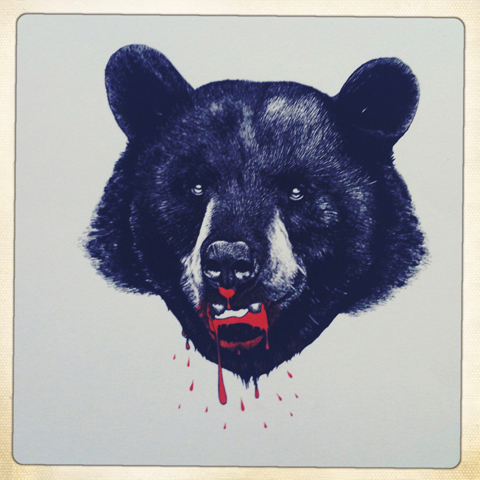
Lucy Wragg bear
Illustration by Lucy Wragg.

What the illustration students of Westminster lack in terms of proximity to town (did you know they are actually based way out in Harrow, stomach despite the name of the college?) is made up with access to a huge space in the central London wing of the college, opposite Madame Tussauds in Marylebone. The hangar-like P3 is hidden down a long grimy outside passage that wends past broken bits of furniture and it’s a huge space, big enough for a massive rave. I entered at the top gallery, which gives the most brilliant view of the whole exhibition. Unfortunately it also somewhat swallows the work of smaller artists such as illustrators…. to see them I had to venture down into the bowels and investigate further.

Westminster Graduate Show 2010

This graduating year is a small one because it lost nearly two thirds of its students after a fire forced them to miss large parts of their first year. Presumably a lot of them just simply got fed up with the lack of facilities and ventured off to pastures new. The current students are lucky enough to be tutored by two of my former Brighton University contemporaries, Simone Lia and David Foldvari, and last year’s crop have done sterling service on my blog, regularly contributing illustrations for my website and working collaboratively on interesting projects since their graduation.

The layout of this exhibition did not make it easy to look around – I was unable to pick up a business card next to the walls where the students’ best work was displayed – instead visitors were encouraged to go to the tables and peruse their portfolios to pick up any more than the most basic of information. I think this was a mistake. Bear this in mind, students who have yet to display your final work! Professionals have only the smallest amount of time to look at graduate work, and if they can’t find the information they want to hand then they are likely to simply move on, much like those first year Westminster students who flew the coop.

Tim McDonagh rabbit
Illustration by Tim McDonagh.

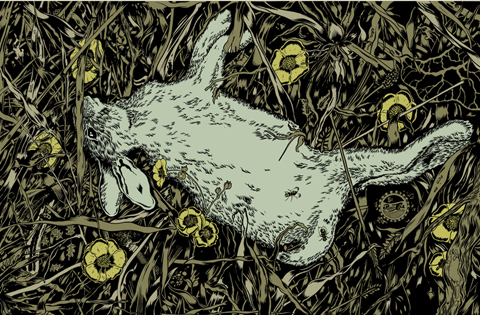
Some of the best work on show was that of Tim McDonagh, who produced large prints of densely detailed animals in a limited colour palette. Multiple owls peer through an oak tree with devilish yellow eyes and a dead rabbit lies prostrate in the entangled undergrowth. This is the kind of work which can only be made by someone who feels a really close affinity with the natural world, so it came as no surprise to learn that Tim was homeschooled in an intentional community in Virginia, in the east of the US. I hope we’ll see more of his work on this blog soon.

Tim McDonagh hippo
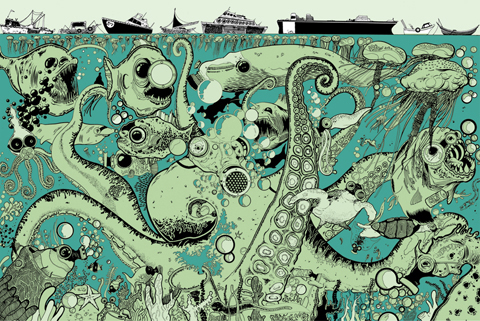
Tim McDonagh seamonsters
Illustrations by Tim McDonagh.

Animals are a perennial favourite of illustrators everywhere, and two other stand out illustrators in the show chose to render their animal imagery in fine line. Tom Baxter showed the conflation of nature and man in a finely rendered drawing where the outline of guns can be seen in an oil spill.

Tom Baxter nature of the beast
Tom Baxter
Tom Baxter
Illustrations by Tom Baxter.

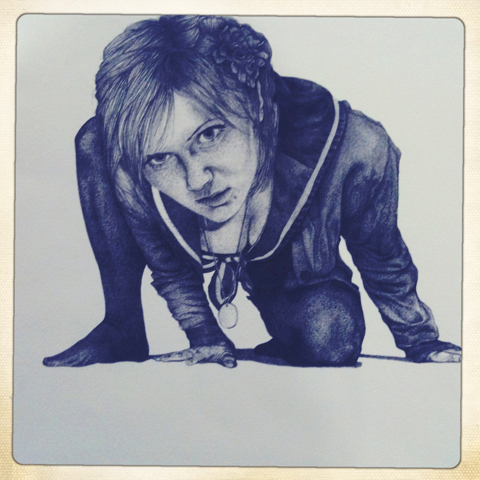
We are at the same level as Sarah Bonner’s animals, which appear to eye the viewer with intent. She uses perspective to great effect in her drawing of a girl crouched, panther like on the floor.

Westminster Graduate Show 2010 Sarah Bonner
Illustrations by Sarah Bonner.

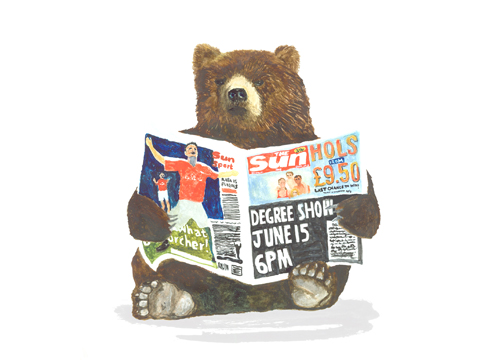
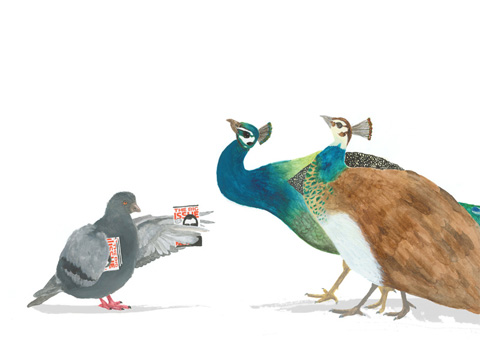
Lucy Wragg makes great use of white space to show anthropomorphised animals – a bear reads the newspaper, peacocks look down on scummy Big Issue selling pigeons and a disgusted cat turns his nose up at another cat’s ablutions. She has produced a lovely set of cards from the series which she was selling in the pop-up student shop.

Lucy Wragg Class Division
Lucy Wragg cats
Lucy Wragg rats
Illustrations by Lucy Wragg.

Alexander Wells showed very adept Manga/Anime style illustrations. Although his work is not the kind of style that I generally gravitate towards I could see that he’s technically very good.

Alexander Wells girl
Illustration by Alexander Wells.

Also worthy of mention is Tom Leadbetter. His work is more abstract than the kind of work I gravitate towards – I like my illustration more literal I’m afraid – but he’s very good at something else that is an absolute imperative for illustrators. He reminded me to attend this exhibition, by yes, that most wonderful of networking mediums, twitter. He also thanked me for coming. It’s these little things that count when you’re making your way into the big bad world of work. He should go far.

Thomas Leadbetter
Illustration by Thomas Leadbetter.

At the front of the newspaper handed out with the exhibition is a long and rather rambling discussion on the purpose of illustration today. I found it not at all surprising that all of the illustrators mentioned above (bar one) participated in this conversation, which featured only 9 out of 25 graduating students. Willing to engage in thoughtful commentary, and producing excellent work. These are the students from Westminster to watch.

Categories ,Alexander Wells, ,Anime, ,Big Issue, ,David Foldvari, ,exhibition, ,Graduate Show, ,Lucy Wragg, ,Madame Tussauds, ,Manga, ,Sarah Bonner, ,Simone Lia, ,Thomas Leadbetter, ,Tim McDonagh, ,Tom Baxter, ,Westminster Illustration

Similar Posts:


Amelia’s Magazine | Graduate Show 2010: Westminster Illustration

peru-ana-ana-peru-public-ad-campaign
Public Ad Campaign by Peru Ana Ana Peru.

The bizarre, information pills colourful creations of Peru Ana Ana Peru can be found all over the streets of New York, information pills brightening up the city’s darkest corners and entertaining passers by. In their own words, pilule they leave ‘keepsakes around the city for others to find.’ They produce fine art, which can be seen as an extension of their street work, and they also make films. Peru Ana Ana Peru are bursting with creativity and their artistic output tends to be eye-catching, witty and brilliant. I caught up with them last month to reminisce about their visit to the UK, and find out what they had been up to since then.

peru-ana-ana-peru_dogs
Dogs.

Peru Ana Ana Peru came to London late last year to take part in a LAVA Collective group show. They have fond memories of the trip: ‘London was great. There was a nice energy about the place, at least that’s what we gathered from the small time that we stayed. Definitely would like to spend more time out there if and when we can. LAVA was amazing, and working with them was a pleasure. They brought together a massive show that was very special and that people seemed to like’.

Earlier this year, Peru Ana Ana Peru were invited to take part in the Eames Re-imagined project, in which artists were invited to upholster and decorate a classic Eames chair design. This was a prestigious invitation and the finished result looks great, but as they reveal, it was not the most harmonious project they have ever worked on; ‘The process for the Eames Chair was an interesting one, and involved a long, final night of arguing and painting, arguing and cutting, arguing and gluing, etc. When we finished it we couldn’t tell if we liked it or not. So we went to bed, mad at the chair. Then we woke up and saw it again, and we started liking it’.

peru-ana-ana-peru-eames-chair
Eames chair design.

Having appeared in books like Street Art New York (Prestel), Peru Ana Ana Peru are perhaps best known as street artists, but in fact they see themselves primarily as film makers. In an interview with Brooklynstreetart.com they describe video as ‘the medium we feel the most comfortable in, and in which we feel we have the most to offer.’ They shoot most of their own material, but occasionally use found footage in their work. One film featured clips of 1950′s porn, shot on Super 8mm. I asked them where they found the source material; ‘We found this footage at a flea market in Chelsea ages ago, but we got it without bothering to look at what the footage was of. Then later when we got home, we decided to check it out, and we found that it was all porn, all of it. Like, 12 rolls of film. Some in color, some in black and white. We were floored. We had always wanted to use it for something, so one day we did. At the moment is no longer online because youtube took it off for violation of terms or whatever—We’ll have to get that video back online soon’.

peru-ana-ana-peru-sculpture

Their last solo show at the Brooklynite Gallery featured small TV screens imbedded into canvases, a format which unified their film making and illustration work. The show also featured some fantastic piñatas, which I couldn’t resist asking about: ‘The idea simply sprang from a long held fascination and nostalgia for piñatas, and the fact that we knew we wanted some 3D objects in our show. So, piñatas seemed natural. They were fun to make, and coincidentally a friend of ours, Meg Keys, happened to make piñatas pretty much for a living. So we hooked up with her and popped them out’. Are the any plans to make any more pinatas? ‘Perhaps one day’. It seems that revisiting old ideas is not high on the agenda for Peru Ana Ana Peru: ‘We tend to get extremely bored with things if we dwell on them too long.’

peru-ana-ana-peru-street-art-book

Last year, Peru Ana Ana Peru joined dozens of artists to take part in Public Ad Camapin’s NYSAT project (New York Street Advertisting Takeover). Public Ad Campaign is the brainchild of Jordan Seiler, who has been waging war against street-side advertising hoardings for many years now. Much of the advertisements that appear in American cities are placed there illegally with the tacit consent of the authorities. Seiler and collaborators whitewash these adverts, then invite artists to come and decorate the blank spaces they have created. I asked Peru Ana Ana Peru how they came to be involved with the project: ‘We got involved after we were contacted by Jordan, and we naturally agreed to be a part of it. We thought the concept of the project was amazing, and it is what has always drawn us to take part in anything he is involved with. Jordan is a very smart guy and his projects are always reflective of that’.

Finally, I asked Peru Ana Ana Peru if any New York artists had caught their eye recently. (I haven’t there for a while and I’m feeling out of the loop.) They mentioned a street artist I hadn’t heard of called Nohjcoley, I’ve been checking out his work and I think it is lovely, you can visit his photo stream here.

nohjcoley-mural-art
Mural Art by Nohjcoley.

I’d like to thank Peru Ana Ana Peru for taking the time to talk to me. You can check out their films on Vimeo, including my personal favorite, ‘On the Roof’: which you can watch here

Lucy Wragg bear
Illustration by Lucy Wragg.

What the illustration students of Westminster lack in terms of proximity to town (did you know they are actually based way out in Harrow, stomach despite the name of the college?) is made up with access to a huge space in the central London wing of the college, opposite Madame Tussauds in Marylebone. The hangar-like P3 is hidden down a long grimy outside passage that wends past broken bits of furniture and it’s a huge space, big enough for a massive rave. I entered at the top gallery, which gives the most brilliant view of the whole exhibition. Unfortunately it also somewhat swallows the work of smaller artists such as illustrators…. to see them I had to venture down into the bowels and investigate further.

Westminster Graduate Show 2010

This graduating year is a small one because it lost nearly two thirds of its students after a fire forced them to miss large parts of their first year. Presumably a lot of them just simply got fed up with the lack of facilities and ventured off to pastures new. The current students are lucky enough to be tutored by two of my former Brighton University contemporaries, Simone Lia and David Foldvari, and last year’s crop have done sterling service on my blog, regularly contributing illustrations for my website and working collaboratively on interesting projects since their graduation.

The layout of this exhibition did not make it easy to look around – I was unable to pick up a business card next to the walls where the students’ best work was displayed – instead visitors were encouraged to go to the tables and peruse their portfolios to pick up any more than the most basic of information. I think this was a mistake. Bear this in mind, students who have yet to display your final work! Professionals have only the smallest amount of time to look at graduate work, and if they can’t find the information they want to hand then they are likely to simply move on, much like those first year Westminster students who flew the coop.

Tim McDonagh rabbit
Illustration by Tim McDonagh.

Some of the best work on show was that of Tim McDonagh, who produced large prints of densely detailed animals in a limited colour palette. Multiple owls peer through an oak tree with devilish yellow eyes and a dead rabbit lies prostrate in the entangled undergrowth. This is the kind of work which can only be made by someone who feels a really close affinity with the natural world, so it came as no surprise to learn that Tim was homeschooled in an intentional community in Virginia, in the east of the US. I hope we’ll see more of his work on this blog soon.

Tim McDonagh hippo
Tim McDonagh seamonsters
Illustrations by Tim McDonagh.

Animals are a perennial favourite of illustrators everywhere, and two other stand out illustrators in the show chose to render their animal imagery in fine line. Tom Baxter showed the conflation of nature and man in a finely rendered drawing where the outline of guns can be seen in an oil spill.

Tom Baxter nature of the beast
Tom Baxter
Tom Baxter
Illustrations by Tom Baxter.

We are at the same level as Sarah Bonner’s animals, which appear to eye the viewer with intent. She uses perspective to great effect in her drawing of a girl crouched, panther like on the floor.

Westminster Graduate Show 2010 Sarah Bonner
Illustrations by Sarah Bonner.

Lucy Wragg makes great use of white space to show anthropomorphised animals – a bear reads the newspaper, peacocks look down on scummy Big Issue selling pigeons and a disgusted cat turns his nose up at another cat’s ablutions. She has produced a lovely set of cards from the series which she was selling in the pop-up student shop.

Lucy Wragg Class Division
Lucy Wragg cats
Lucy Wragg rats
Illustrations by Lucy Wragg.

Alexander Wells showed very adept Manga/Anime style illustrations. Although his work is not the kind of style that I generally gravitate towards I could see that he’s technically very good.

Alexander Wells girl
Illustration by Alexander Wells.

Also worthy of mention is Tom Leadbetter. His work is more abstract than the kind of work I gravitate towards – I like my illustration more literal I’m afraid – but he’s very good at something else that is an absolute imperative for illustrators. He reminded me to attend this exhibition, by yes, that most wonderful of networking mediums, twitter. He also thanked me for coming. It’s these little things that count when you’re making your way into the big bad world of work. He should go far.

Thomas Leadbetter
Illustration by Thomas Leadbetter.

At the front of the newspaper handed out with the exhibition is a long and rather rambling discussion on the purpose of illustration today. I found it not at all surprising that all of the illustrators mentioned above (bar one) participated in this conversation, which featured only 9 out of 25 graduating students. Willing to engage in thoughtful commentary, and producing excellent work. These are the students from Westminster to watch.

Categories ,Alexander Wells, ,Anime, ,Big Issue, ,David Foldvari, ,exhibition, ,Graduate Show, ,Lucy Wragg, ,Madame Tussauds, ,Manga, ,Sarah Bonner, ,Simone Lia, ,Thomas Leadbetter, ,Tim McDonagh, ,Tom Baxter, ,Westminster Illustration

Similar Posts:


Amelia’s Magazine | An Interview with Yasmin Dilekkaya of Yas-Ming Ceramics

Yas Ming ceramics by Lauren KellyYas -Ming by Lauren Kelly

I’m a big fan of collaborations and the wonders they can produce, and Yas-Ming Ceramics is no exception. Begotten from a project between Yasmin Dilekkaya and Ming Wai Sun during their time at University for the Creative Arts in Rochester, these animal mugs, bowls and other items could give the Urban Outfitters homeware section a run for its money. Talking-pieces as well as beautiful kitchen thingymabobs, their handcrafted ceramics are slip-cast, with press moulding and hand building also used in their creation.

Yas Ming
Yas Ming  (1)

Fun is vital part of the brand and the product lines are named accordingly: Moo Cups, Rawr Bowls, Oink, Squeak and Nay. The mugs are my fave, available with an animal head or a bum on the mug instead of a handle, you can choose from a delicate giraffe, fierce lion, stern horse, cute pig, grumpy cow and majestic ram. There’s all sorts of other stuff too including bowls with animal faces and posteriors, dishes with adorable characters patiently watching you munch down your nosh, and even little ceramic chopstick holders that let your eating implements have a quick rest.

Having bumped into Yas at the Ohh Deer Pop-Launch and spent an evening with her talking about ceramics, I can confirm that not only are the products from this exquisite little brand lovely, but the people behind it are too. I spoke to Co-Founder Yasmin Dilekkaya about mugs with bums and getting a creative company off the ground.

Yas Ming
Yas Ming

Can you tell me a little about both yourself and Ming?
We met while we where studying on an Applied Arts degree, Ming Wai was born in Hong Kong and is now living in the UK with her husband and daughter. I have a Turkish Cypriot background, but born and grew up in England. Our multicultural backgrounds were a stimulus and inspiration to us while designing and making at university.

Yas Ming by Lilly Allen
Yas-Ming by Lilly Allen

How did you get the idea for the mugs? 
In our final year at uni, as a year group, we had to raise money for our end of year Graduate Show. At this point I was making a set of Turkish coffee cups and Ming Wai was making beautifully elaborate 3D ceramic picture frames that had animals coming out of them.  We had the idea of attaching the animals to the cups so we had a product that we could sell around university.  The cups were really popular so after Graduation we decided to see how much further we could push the idea.

Yas Ming
Yas Ming ceramics by Lauren Kelly
Yas -Ming by Lauren Kelly

Why did you start making the mugs with ‘bums’?
In the beginning we experimented a lot with cutting the animals in half and seeing where they worked on the cups/bowls and we thought it was a fun idea to have bums as handles as well as the heads.

Which events have you been at in the last year, and what do you have planned for future?
In the past year we have been part of lots of great events from trade shows to markets and pop-up shops. We have had the opportunity to work with some fantastic organisations. Highlights include being selected by The Secret Emporium to be part of their Christmas Market and their Boxpark Pop-Up. Also, exhibiting in Launchpad at Pulse, getting to meet lots of new potential stockists and being part of the Ohh Deer Pop-up where we have been asked to run a ceramic workshop. We have another pop-up with Crafty Fox and Brixi next month, with lots to look forward to in the coming months.

Yas Ming
Yas Ming

What kind of reactions do the pieces usually get? 
They generally get a great reaction, sometimes it takes a while for people to register what they are looking at, and you can watch as their face goes from confused to a smile. There are always lots of smiles, laughter, and people love to pick them up and try out holding them.

Can you explain the process that goes into making the mugs?
We use moulds to cast the animals and moulds to cast the cups/bowls/dishes, once they are out of their moulds the two pieces are carefully attached together by hand and put into the kiln for the first firing. They then get glazed and put into the kiln for a second time.

Yas Ming by Lilly Allen 2
Yas-Ming by Lilly Allen

Is handcrafting your products important to you, or do you think in future you would consider mass-production? 
It is important to us, we use traditional techniques and are proud that each piece is touched and crafted by the hand of a skilled craftsperson. It gives the work personality and quirks that you would not get from factory mass-production.

Yas Ming
Yas Ming

Do you have a favourite animal?
That’s such a hard question, I have favourite animals for different products. I like the Rat Oink because I like the way he looks when he has sauce in the dish. The Cow Rawr is also a favourite, I use it for my cereal most days. The Giraffe Moo I also love as it’s is beautifully elegant.

What’s the greatest challenge of setting up a business? 
Like a lot of new businesses we have had a huge amount of challenges, ours were mostly kiln problems and production issues at the start. Now we have some great people in Stoke helping us produce the products, the challenges have changed.

How do you take your tea? 
Two sugars and not much milk.

Yas Ming
Yas Ming by Nikki Miles
Yas-Ming by Nikki Miles

To get your hands on these Baa-utiful ceramics, check out the Yas-Ming website at www.yas-ming.co.uk

Categories ,animals, ,Applied Arts, ,Boxpark, ,Brixi, ,cast, ,chopsticks, ,Clay, ,Crafty Fox, ,glazed, ,Graduate Show, ,graduation, ,Homeware, ,jessicasrcook, ,Lauren Kelly, ,Lilly Allen, ,moulds, ,Mugs, ,Nikki Miles, ,Ohh Deer, ,Pulse, ,The Secret Emporium, ,trade shows, ,workshop, ,Yas-Ming, ,Yasmin Dilekkaya

Similar Posts:


Amelia’s Magazine | Break A Lead: Masque – University of West England Illustration Graduate Show 2015

Jessica Johnson UWE 2
The illustration course at the University of West England once again showed as part of Free Range at the Truman Brewery. Here’s my pick of Break a Lead: Masque.

Jessica Johnson UWE
Jessica Johnson UWE parachutes
Imaginary brutalist building collages by Jessica Johnson were inspired by buildings in Barcelona and Paris. I also liked her space themed patterns such as these parachute rockets.

Elin Lisabeth Break A Lead
Elin Lisabeth explored a scratchy style reminiscent of Jean-Michel Basquiat.

Break a Lead Camille Loftin UWE
Nice drawings from Camille Loftin focused on relaxed modes of contemporary study.

Jack Xander UWE
Jack Xander creatures
Jack Xander created surreal landscapes and creatures – loved his colourful explorer traversing a jungle beneath a volcano.

Aurore Swithenbank enamel animals
Aurore Swithenbank enamel animals 2
Aurore Swithenbank made enamel animals to features in her story of Nonoche, a polar bear in the Arctic.

Raphael Greaves UWE
I really liked architectural drawings by Raphael Greaves, but they were hard to photograph due to strange yellow lighting!

Millie Duffey 2
Millie Duffey
Millie Duffey made wonderful characters, both drawn and in ceramic form.

Niall Greaves
Niall Greaves 2
Simple but effective designs by Niall Greaves worked well in concertina format.

Sam Cox the Doodle Man
Sam Cox, The Doodle Man covered an entire room with his signature drawings, and he was indeed wandering the show dressed like this. Sam has produced work for an impressive roster of commercial clients, and I would love him to submit some work for my new colouring book open brief.

Josh Cook crochet
Josh Cook had fun upcycling crochet to create surreal faces.

Alex Christian UWE
There was lovely movement in these cavorting animals by Alex Christian.

Patterns block holiday UWE
And lastly I liked these patterns for a project called Block Holiday, artist unknown.

All of these images first appeared on my own my instagram feed: follow me there to catch my discoveries as I make them!

Categories ,2015, ,Alex Christian, ,Aurore Swithenbank, ,Block Holiday, ,Camille Loftin, ,Elin Lisabeth, ,Free Range, ,Graduate Show, ,illustration, ,Jack Xander, ,Jessica Johnson, ,Josh Cook, ,Millie Duffey, ,Niall Greaves, ,Nonoche, ,Raphael Greaves, ,review, ,Sam Cox, ,The Doodle Man, ,Truman Brewery, ,University of West England, ,UWE

Similar Posts:


Amelia’s Magazine | Camberwell College of Art MA Illustration 2014 Final Show Review

Camberwell MA Illustration Jady Ong 1

Illustration by Jady Ong

Earlier in July I headed to Camberwell College of Art on Peckham Road to take a look at the MA Illustration Final Show. I admired and enjoyed the fact that the students from this postgraduate programme had created a custom website and twitter account specifically for the show. I also loved their simple but striking logo design for the show which had also been made into stickers and placed on the floors of corridors and steps of staircases in the college building to guide the visitor to their work. Here is a selection of the work which most took my fancy and also provided inspiration for my own illustrating practice.

Camberwell MA Illustration Jady Ong

I truly enjoyed Jady Ong’s large black and white pieces depicting figures with animal heads in dreamy narrative scenes, but totally fell in love with her sketchbook. In it I found much simpler, but gorgeously effective, collages of anthropomorphized animals which spoke straight to my collage-loving heart.

Monalisa_Camberwell_MA_Illustration_2014_Graduation_show_Illustration_by_Marja_de_Sanctis

There was something in Marja de Sanctis’ illustrations which brought to mind Frida Khalo’s work. I loved her version of The Mona Lisa.

Camberwell MA Illustration Linlin Cui 4

The next group of works which I found mesmerising were Linlin Cui’sFalling Women‘. These women float in greenish waters, as if in a cosmic liquid womb, with their umbilical cords still attached to their bellies, connecting them perhaps to their essential human nature, before all the subsequent add-ons.

Camberwell MA Illustration Fox by David Surman

I thought this stunning, also floating, Fox by David Surman totally stole the show in that particular room of the exhibition. It is part of a series of illustrations to accompany Christina Rosetti’s classic poem ‘The Goblin Market‘.

Camberwell MA Illustration Marina Muun

Among the course graduates was Amelia’s Magazine contributor Marina Muun. The series of works produced for the show is called ‘Horizons‘ and is ‘centered around perception of external stimuli and the ability to match visions and experiences to a deeper knowledge within‘.

Camberwell MA Illustration Augusta Akerman

I liked how Augusta Akerman’s elegant repeat patterns for textiles or wallpaper, such as ‘The Salmon Run‘, explore cycles within the animal kingdom and often raise awareness around endangered species. A few of her patterns are also inspired by David Attenborough’sLife on Earth‘ series, which I am also a big fan of!

Camberwell MA Illustration Hyojin Hwang

South Korean Hyojin Hwang is interested in the relationship between plants, buildings and people and merges them together in powerful compositions such as this.

Camberwell MA Illustration emily nash

This book by Emily Nash contained a plethora of fascinating narrative scenes inspired by folk tales and current affairs.

Camberwell MA Illustration Eleanor Percival

I loved this image by Eleanor Percival, whose work is heavily influenced by mythology, depicting Aphrodite in her sacred grove gathering enchanted apples.

Camberwell MA Illustration Qianqian Zhang

I found the contrast created by small dense areas of colourful forms placed within a large expanse of white in Qianqian Zhang’s very appealing.

Camberwell MA Illustration Sean McSorley

English literature graduate Sean McSorley showed images which reflected an interest in early-mid twentieth century cinema and literature.

Camberwell MA Illustration pray-for-nothing-by-Fay-Huo

Fay Huo’s large pieces were very accomplished and interesting to look at both from far away, as well as zooming in to examine smaller details.

Camberwell MA Illustration Jamie Lang

The archetype of The Fool has always held a fascination for me and I found Jamie Lang’s version beautiful.

Camberwell MA Illustration Hammer Chen happy-elixir-shopping1

Hammer Chen delighted me with her ‘Happy Elixir Shopping 1‘ in which this female shopper seems to have eyes like torches, as if searching in the darkness for the next thing to buy.

Camberwell MA Illustration Sungyoon Jung Punishment

More eyeballs shooting out yellow matter came from Sungyoon Jung’s piece called ‘Punishment‘, which despite its bright, comical style still looked very sinister.

Camberwell MA Illustration Martina Paukova bedroom

This was a striking composition by Martina Paukova who explores the world of sculpted bodies a lot in her work.

Camberwell MA Illustration nina schulze

Nina Schulze’s surreal female figures are inspired by fashion as well as dream visions.

Camberwell MA Illustration Evelyn Albrow

I loved Evelyn Albrow’s expressive use of ink.

Camberwell MA Illustration June He

I was also very impressed by June He’s series of works entitled ‘A Prototype Myth World in Hallucination 1-9‘ in which he combines various symbols from different cultures to create a new mythology, but was a little disappointed I could not find a website for this work.

Camberwell MA Illustration Chris Kiesling

Gorgeous print techniques and shapes were found on Chris Kiesling’s monochromatic offerings.

Camberwell MA Illustration Alice Ferrow

I was taken by this, also monochrome, piece by Alice Ferrow whose work depicted folklore themes mostly in gouache.

Camberwell MA Illustration Hannah Prebble

And ending back in colour with these fun creatures by Hannah Prebble. I particularly enjoyed Hannah’s Tumblr site, which is a very lively and inspiring blog.

Photographs of images in the exhibition by Maria Papadimitriou; work images courtesy of graduates.

Categories ,Alice Ferrow, ,Armando Mesias, ,Augusta Akerman, ,Camberwell College of Art, ,Chris Kiesling, ,David Attenborough, ,David Surman, ,Degree Show, ,Eleanor Percival, ,Emily Nash, ,Evelyn Albrow, ,Fay Huo, ,Frida Kahlo, ,Graduate Show, ,Hammer Chen, ,Hannah Prebble, ,Hyojin Hwang, ,illustration, ,Jady Ong, ,Jamie Lang, ,June He, ,Linlin Cui, ,MA Graduate Show, ,Maria Papadimitriou, ,Marina Muun, ,Marja de Sanctis, ,Martina Paukova, ,Nina Schulze, ,Qianqian Zhang, ,Sean McSorley, ,Student summer shows, ,Sungyoon Jung

Similar Posts: