Such had been the anticipation surrounding Caitlin Rose’s return to the UK, medicalsearch especially after the release of her acclaimed debut album, piluleOwn Side Now, nurse that her shows in the capital soon sold out. Being the smallest of those venues, but organised by such thoughtful fellows, Brixton’s Windmill quickly arranged a special early evening show to cater for any disappointed punters. Needless to say, the tickets flew for that one as well.
I’d been caught out too many times by being lastminute.com when buying tickets in the past, so I’d got in sharpish and, as a result, I drew the straw for the late show. I arrived quite early (well, 9.00pm) and caught the support band, Treetop Flyers, limbering up for their second performance of the evening. A London based band, and purveyors of the finest Americana, tonight they were playing a more stripped back acoustic set. I’d never caught them before, but I liked what I heard. They set the mood nicely for the evening, even throwing in a Townes Van Zandt cover.
By the time Caitlin Rose took to the stage, the Windmill was pretty rammed. I’d seen her live a couple of times before (and all but once at the Windmill), though this was the first time with a full band (apparently they couldn’t afford to fly out the drummer from the US on the last tour). After having obviously enjoyed a few refreshments between sets, Rose cheerfully exclaimed “two of us haven’t slept!”, as the band launched into New York.
Own Side Now has seen Caitlin Rose expand on the fairly traditional country sound of her debut release, the Dead Flowers EP (as hinted at in an interview with Amelia’s Magazine last summer). The intimacy of the Windmill really lent itself to her songs (and especially that voice!), as we sampled such bittersweet treats as For The Rabbits and Learning To Ride.
There was a particularly affecting rendition of Own Side, which brought a lump to the throat of even this old cynic. Answer In One Of These Bottles (from Dead Flowers) sparked a raucous sing-along, before everyone rocked out to Shanghai Cigarettes.
Rose switched from acoustic guitar to electric and back again, there was plenty of banter, and there were all the hallmarks for a special night in place. After a couple more UK dates before a return to the US, and then a trip to the Antipodes, we’re not likely to see Ms Rose on these shores again before some festival appearances in the summer – given her current ascendency, one wonders whether we’ll ever see her play in such a venue as the Windmill again.
Such had been the anticipation surrounding Caitlin Rose’s return to the UK, doctor especially after the release of her acclaimed debut album, patientOwn Side Now, that her shows in the capital soon sold out. Being the smallest of those venues, but organised by such thoughtful fellows, Brixton’s Windmill quickly arranged a special early evening show to cater for any disappointed punters. Needless to say, the tickets flew for that one as well.
I’d been caught out too many times by being lastminute.com when buying tickets in the past, so I’d got in sharpish and, as a result, I drew the straw for the late show. I arrived quite early (well, 9.00pm) and caught the support band, Treetop Flyers, limbering up for their second performance of the evening. A London based band, and purveyors of the finest Americana, tonight they were playing a more stripped back acoustic set. I’d never caught them before, but I liked what I heard. They set the mood nicely for the evening, even throwing in a Townes Van Zandt cover.
By the time Caitlin Rose took to the stage, the Windmill was pretty rammed. I’d seen her live a couple of times before (and all but once at the Windmill), though this was the first time with a full band (apparently they couldn’t afford to fly out the drummer from the US on the last tour). After having obviously enjoyed a few refreshments between sets, Rose cheerfully exclaimed “two of us haven’t slept!”, as the band launched into New York.
Own Side Now has seen Caitlin Rose expand on the fairly traditional country sound of her debut release, the Dead Flowers EP (as hinted at in an interview with Amelia’s Magazine last summer). The intimacy of the Windmill really lent itself to her songs (and especially that voice!), as we sampled such bittersweet treats as For The Rabbits and Learning To Ride.
There was a particularly affecting rendition of Own Side, which brought a lump to the throat of even this old cynic. Answer In One Of These Bottles (from Dead Flowers) sparked a raucous sing-along, before everyone rocked out to Shanghai Cigarettes.
Rose switched from acoustic guitar to electric and back again, there was plenty of banter, and there were all the hallmarks for a special night in place. After a couple more UK dates before a return to the US, and then a trip to the Antipodes, we’re not likely to see Ms Rose on these shores again before some festival appearances in the summer – given her current ascendency, one wonders whether we’ll ever see her play in such a venue as the Windmill again.
I got photographed on my way in to Somerset House (in my jumble sale sheepskin coat belonging to my sister and waistcoat from H&M Kids circa 1999) – expect to see me in Vogue. Not really. The reason I wore the waistcoat was to hide the fact that the little charity shop top I had on underneath with the Peter Pan collar was missing several buttons up the back which continued to pop off as I rushed around London.
Jordan Askill and Felicity Brown in Jenny Robins’ sketchbook.
After sketching away at the Charlotte Eskildsen exhibition (leather gloves, nurse exciting shapes, erectile draw string leg warmers, see the write up by Jemma Crow which includes my sketches here) and drawing like a mad thing from a sideways view at Jasper Conran’s catwalk show (see my write up and illustrations here) I went for a wander through the New Gen, BFC/Elle talent launch pad and Vauxhall Fashion Scout galleries to take in some static displays and meet some nice publicists and designers. Please see here for your viewing pleasure my sketchbook pages from the day and some additional pictures and commentary.
Holly Fulton & Christopher Raeburn in Jenny Robins’ sketchbook.
It’s a funny thing to visit these exhibitions on the Saturday (as I did) because half the stuff on show at New Gen is Spring/Summer as the new things are off being catwalked – as it were – or are secret till they have been, and the designers don’t really want you to write about their Spring/Summer stuff yet so sometimes they talk it down. This didn’t stop me from falling in love with the hand perforated yellow leather cocktail dress and skirt by Holly Fulton which were some of the first things I saw. I’ve had a look at her new collection and it isn’t quite as joyful as these two pieces for me but still typically beautiful with her geometric patterns and increasingly incorporating more sinuous art nouveauesque prints too.
Jordan Askill Ceramic Bird Necklace by Madi.
The next thing to really catch my eye was the stunning sculptural jewellery work of Jordan Askill. Anything with a lot of birds in, or let’s face it, just one bird, is a joy for me and Askill’s white resin and nylon swallows *en masse* was perfection itself.
Opposite was Yang Du’s stall with her fabulously kitsch and chic cashmere dolly dresses and capes. These I love, but Yang Du‘s additional arrangement of knitted toy scarves and finger puppet gloves confused me quite a lot. It’s not that I don’t like them, I just don’t see what about them is different from the crafty equivalent you could pick up in a village jumble for probably a fiver, or from a hobbyist on etsy for a bit more, but they are retailing at Selfridges for hundreds of pounds. This is the paradox of lo-fi high fashion.
Yang Du, Mary Katrantzou, Fannie Schiavoni & Piers Atkinson in Jenny Robins’ sketchbook.
I didn’t see any of Mary Katrantzou’s amazing collection as it was out on show, but the pieces on show from S/S 2011 still caught my eye: high colour interior prints and tasselled house lamp skirts – I highly recommend taking a look at the review of her A/W 2011 collection here.
Piers Atkinson by Jenny Robins.
In the riverside lobby downstairs where the cake is, a display of various hats under the title headonism (get it) was sure to catch my attention with Piers Atkinson’s awesome giant cherry headband – he has a wide array of other more and less absurd head accessories including a beanie with giant mickey mouse ear style pompoms, a glittery and 24 carrot gold aubergine head band and various exuberant ostrich feathered creations. Read a longer review of this here.
Lublu Kira Plastina, George Angelopoulos, Yunus & Eliza & Les Nereides in Jenny Robins’ sketchbook.
At the BFC/Elle Talent Launchpad exhibition space the first thing to pique my curiosity were the jewel like gold plated enamel face crucifixes made by Yunus & Eliza – I say crucifixes, but looking at the website it seems maybe they are not meant to be Christian symbols at all – the ambiguity probably plays to their favour though. While Eliza was wonderfully eloquent about some of their other pieces – which are based on child genius and bird heads (yay, birds) – she didn’t say a lot about what seems to be their signature idea. Good for them I say, spiritual ambiguity should be shiny and beautiful. I was also very impressed by the description the pair gave of their collaborative working – the metamorphosis of their ideas mirroring the themes they play with. I don’t play very well with others so I’m always impressed by successful collaboration. I was also struck by Lublu Kira Plastinina’s novelty oversize zips, as well as her classic mac with giant fur sleeves (boo fur), I drew this to scale (above) to demonstrate the size of the zips.
Les Nereides, image courtesy of N2
I then spent a good amount of time looking at the beautiful and quirky N2 jewellery collection by Les Nereides and chatting to the lovely Rose and Melissa about fashion week snobbery. The work is gorgeous, a cheaper, kitscher spin off from the intricate work of the main label (although still retailing from £30 – cheaper is high end cheaper of course) featuring designer collaborations, fairytales, French patisserie and large characterful animal necklaces. N2 recently opened their own spin off special store in Monmouth Street. I love it all though similarly to with Yang Du I feel the same conflict brought on by the posh/cute dynamic – I’m just not born to be bothered by quality as much as some, if it’s going to look cheerful and basic, why gold plate it?
Teatum Jones and N2 llama in Jenny Robins’ sketchbook.
Upstairs I was struck by Teatum Jones’ amazing printed silk Eva Moore Shirt Dress – super delicate and all lilacs and pinks against the utilitarian shapes of the shirt design. Catherine Teatum (who was wearing an amazing silver leather jacket), shared with me how the piece is inspired by two women who worked on the front line during World War I – there was no female uniform for their position so they wore oversized men’s uniform and the floral looking pattern reflects their mud and blood soaked attire. You would not guess this from looking at the dress. But there is that sense of strength and melancholy in the collection – which also includes high waist trench trousers and a heavy caped trench coat cut short as well as more delicate items – that chimes well at the moment. Let us be stoic and feminine, and pull together. I drew the two designers above with their iconic dress. Read more about Teatum Jones in our emerging talent preview.
Nuerotica by Jenny Robins.
My next love affair was with Neurotica’s A/W 2011 Bright Eyes collection based on Watership Down. Even though the animated film did give me nightmares, especially that bit with the gas in the tunnels, you’ve got to love the foresty, rabbity vibe on show here. I want almost everything in this collection, from the chunky quilted collars to the amazing strapless jumpsuit – all sporting some kind of atmospheric winter branch print. A little bit gothic in sentiment, but so clean and feminine in the shapes. Yeah I super love it actually. Their S/S 2011 stuff is pretty brilliant too. Look out for it.
Little Glass Clementine & Neurotica in Jenny Robins’ sketchbook.
Then I strayed into Estethica and met Little Glass Clementine (as featured in ACOFI!) who puts together all sorts of oddments and icons in her maximalist jewellery, not so much of a collection because each piece is a one off, but there are emerging themes. I especially enjoyed the stop-watch elements and the pieces of blue and white tiles incorporated into some of the necklaces.
Pachacuti by Jenny Robins.
I was also impressed by Pachacuti’s array of colourful ethical panama hats made by women’s collectives in Ecuador. Apparently they were doing it before it was all trendy.
Ginta & Anthony Peto in Jenny Robins’ sketchbook.
Tatty Devine by Jenny Robins.
I also enjoyed a sneak peek at Tatty Devine’s forthcoming new collections, which feature pieces inspired by owls, ivy, foxes, sycamore seeds and chunky oldschool brogues. All very fun, with the organic subtlety of some of these new designs blending softly with their Perspex shapes – perfect in the new matt frosted Perspex used for some of these. I like the foxes and ivy especially, mature yet whimsical showing that Tatty Devine is growing from strength to strength. Also featured were an upcoming footwear collaboration with the Old Curiosity Shop – adding Perspex moustaches to their shoes.
Ginta Siceva Masks by Madi.
Ginta by Jenny Robins
Ginta’s lovely lazer cut intricate accessories layer leather flowers, and were almost as stunning as the designer herself.
Image courtesy of Ginta
Erika Trotzig & Una Burke in Jenny Robins’ sketchbook.
As extensively covered elsewhere on Amelia’s Magazine, I also found myself struck by Una Burke’s prosthetics inspired pieces and wet plate photography at Vauxhall Fashion Scout. High concept bondage, beautifully put together – all by hand because apparently the riveter has not been made that can rivet so many layers of leather, so more art than fashion really. Exploring how people with prosthetics (like disfigurements) find they often lose their identity when all people see is their unusual limbs, the work is successful I think – you certainly would notice a Una Burke outfit more than the person inside it.
In the small amount of time left before I headed into the Vauxhall Fashion Scout exhibition, where I drew two stunning dresses and the designers who created them:
Nicole Murray & Edward Finney in Jenny Robins’ sketchbook.
Edward Finney’s work here is amazingly fluid yet sculptural, the silhouette is so long and sumptuous, and I love the matter of fact shapes of the bodice. Classy yet daring. All that stuff.
Nicole Murray’s dress by comparison is an absolute delight of softness and intricacy. The classic long gown underneath the gorgeous lace shift covers the wearer almost completely, yet seems very naked and unearthly. She was also beautiful.
Of the three shows I enjoyed the vibe at Freemasons Hall the most… it may have been the venue but it just felt far more relaxed and refined. The toilets were also very nice.
The Fashion Mode crowd in Jenny Robins’ sketchbook.
Written by Jenny Robins on Friday March 18th, 2011 2:52 pm
I got photographed on my way in to Somerset House (in my jumble sale sheepskin coat belonging to my sister and waistcoat from H&M Kids circa 1999) – expect to see me in Vogue. Not really. The reason I wore the waistcoat was to hide the fact that the little charity shop top I had on underneath with the Peter Pan collar was missing several buttons up the back which continued to pop off as I rushed around London.
Jordan Askill and Felicity Brown in Jenny Robins’ sketchbook.
After sketching away at the Charlotte Eskildsen exhibition (leather gloves, exciting shapes, draw string leg warmers, see the write up by Jemma Crow which includes my sketches here) and drawing like a mad thing from a sideways view at Jasper Conran’s catwalk show (see my write up and illustrations here) I went for a wander through the New Gen, BFC/Elle talent launch pad and Vauxhall Fashion Scout galleries to take in some static displays and meet some nice publicists and designers. Please see here for your viewing pleasure my sketchbook pages from the day and some additional pictures and commentary.
Holly Fulton & Christopher Raeburn in Jenny Robins’ sketchbook.
It’s a funny thing to visit these exhibitions on the Saturday (as I did) because half the stuff on show at New Gen is Spring/Summer as the new things are off being catwalked – as it were – or are secret till they have been, and the designers don’t really want you to write about their Spring/Summer stuff yet so sometimes they talk it down. This didn’t stop me from falling in love with the hand perforated yellow leather cocktail dress and skirt by Holly Fulton which were some of the first things I saw. I’ve had a look at her new collection and it isn’t quite as joyful as these two pieces for me but still typically beautiful with her geometric patterns and increasingly incorporating more sinuous art nouveauesque prints too.
Jordan Askill Ceramic Bird Necklace by Madi.
The next thing to really catch my eye was the stunning sculptural jewellery work of Jordan Askill. Anything with a lot of birds in, or let’s face it, just one bird, is a joy for me and Askill’s white resin and nylon swallows *en masse* was perfection itself.
Opposite was Yang Du’s stall with her fabulously kitsch and chic cashmere dolly dresses and capes. These I love, but Yang Du’s additional arrangement of knitted toy scarves and finger puppet gloves confused me quite a lot. It’s not that I don’t like them, I just don’t see what about them is different from the crafty equivalent you could pick up in a village jumble for probably a fiver, or from a hobbyist on etsy for a bit more, but they are retailing at Selfridges for hundreds of pounds. This is the paradox of lo-fi high fashion.
Yang Du, Mary Katrantzou, Fannie Schiavoni & Piers Atkinson in Jenny Robins’ sketchbook.
I didn’t see any of Mary Katrantzou’s amazing collection as it was out on show, but the pieces on show from S/S 2011 still caught my eye: high colour interior prints and tasselled house lamp skirts – I highly recommend taking a look at the review of her A/W 2011 collection here.
Piers Atkinson by Jenny Robins.
In the riverside lobby downstairs where the cake is, a display of various hats under the title headonism (get it) was sure to catch my attention with Piers Atkinson’s awesome giant cherry headband – he has a wide array of other more and less absurd head accessories including a beanie with giant mickey mouse ear style pompoms, a glittery and 24 carrot gold aubergine head band and various exuberant ostrich feathered creations. Read a longer review of this here.
Lublu Kira Plastina, George Angelopoulos, Yunus & Eliza & Les Nereides in Jenny Robins’ sketchbook.
At the BFC/Elle Talent Launchpad exhibition space the first thing to pique my curiosity were the jewel like gold plated enamel face crucifixes made by Yunus & Eliza – I say crucifixes, but looking at the website it seems maybe they are not meant to be Christian symbols at all – the ambiguity probably plays to their favour though. While Eliza was wonderfully eloquent about some of their other pieces – which are based on child genius and bird heads (yay, birds) – she didn’t say a lot about what seems to be their signature idea. Good for them I say, spiritual ambiguity should be shiny and beautiful. I was also very impressed by the description the pair gave of their collaborative working – the metamorphosis of their ideas mirroring the themes they play with. I don’t play very well with others so I’m always impressed by successful collaboration. I was also struck by Lublu Kira Plastinina’s novelty oversize zips, as well as her classic mac with giant fur sleeves (boo fur), I drew this to scale (above) to demonstrate the size of the zips.
Les Nereides, image courtesy of N2
I then spent a good amount of time looking at the beautiful and quirky N2 jewellery collection by Les Nereides and chatting to the lovely Rose and Melissa about fashion week snobbery. The work is gorgeous, a cheaper, kitscher spin off from the intricate work of the main label (although still retailing from £30 – cheaper is high end cheaper of course) featuring designer collaborations, fairytales, French patisserie and large characterful animal necklaces. N2 recently opened their own spin off special store in Monmouth Street. I love it all though similarly to with Yang Du I feel the same conflict brought on by the posh/cute dynamic – I’m just not born to be bothered by quality as much as some, if it’s going to look cheerful and basic, why gold plate it?
Teatum Jones and N2 llama in Jenny Robins’ sketchbook.
Upstairs I was struck by Teatum Jones’ amazing printed silk Eva Moore Shirt Dress – super delicate and all lilacs and pinks against the utilitarian shapes of the shirt design. Catherine Teatum (who was wearing an amazing silver leather jacket), shared with me how the piece is inspired by two women who worked on the front line during World War I – there was no female uniform for their position so they wore oversized men’s uniform and the floral looking pattern reflects their mud and blood soaked attire. You would not guess this from looking at the dress. But there is that sense of strength and melancholy in the collection – which also includes high waist trench trousers and a heavy caped trench coat cut short as well as more delicate items – that chimes well at the moment. Let us be stoic and feminine, and pull together. I drew the two designers above with their iconic dress. Read more about Teatum Jones in our emerging talent preview.
Nuerotica by Jenny Robins.
My next love affair was with Neurotica’s A/W 2011 Bright Eyes collection based on Watership Down. Even though the animated film did give me nightmares, especially that bit with the gas in the tunnels, you’ve got to love the foresty, rabbity vibe on show here. I want almost everything in this collection, from the chunky quilted collars to the amazing strapless jumpsuit – all sporting some kind of atmospheric winter branch print. A little bit gothic in sentiment, but so clean and feminine in the shapes. Yeah I super love it actually. Their S/S 2011 stuff is pretty brilliant too. Look out for it.
Little Glass Clementine & Neurotica in Jenny Robins’ sketchbook.
Then I strayed into Estethica and met Little Glass Clementine (as featured in ACOFI!) who puts together all sorts of oddments and icons in her maximalist jewellery, not so much of a collection because each piece is a one off, but there are emerging themes. I especially enjoyed the stop-watch elements and the pieces of blue and white tiles incorporated into some of the necklaces.
Pachacuti by Jenny Robins.
I was also impressed by Pachacuti’s array of colourful ethical panama hats made by women’s collectives in Ecuador. Apparently they were doing it before it was all trendy.
Ginta & Anthony Peto in Jenny Robins’ sketchbook.
Tatty Devine by Jenny Robins.
I also enjoyed a sneak peek at Tatty Devine’s forthcoming new collections, which feature pieces inspired by owls, ivy, foxes, sycamore seeds and chunky oldschool brogues. All very fun, with the organic subtlety of some of these new designs blending softly with their Perspex shapes – perfect in the new matt frosted Perspex used for some of these. I like the foxes and ivy especially, mature yet whimsical showing that Tatty Devine is growing from strength to strength. Also featured were an upcoming footwear collaboration with the Old Curiosity Shop – adding Perspex moustaches to their shoes.
Ginta Siceva Masks by Madi.
Ginta by Jenny Robins
Ginta’s lovely lazer cut intricate accessories layer leather flowers, and were almost as stunning as the designer herself.
Image courtesy of Ginta
Erika Trotzig & Una Burke in Jenny Robins’ sketchbook.
As extensively covered elsewhere on Amelia’s Magazine, I also found myself struck by Una Burke’s prosthetics inspired pieces and wet plate photography at Vauxhall Fashion Scout. High concept bondage, beautifully put together – all by hand because apparently the riveter has not been made that can rivet so many layers of leather, so more art than fashion really. Exploring how people with prosthetics (like disfigurements) find they often lose their identity when all people see is their unusual limbs, the work is successful I think – you certainly would notice a Una Burke outfit more than the person inside it.
In the small amount of time left before I headed into the Vauxhall Fashion Scout exhibition, where I drew two stunning dresses and the designers who created them:
Nicole Murray & Edward Finney in Jenny Robins’ sketchbook.
Edward Finney’s work here is amazingly fluid yet sculptural, the silhouette is so long and sumptuous, and I love the matter of fact shapes of the bodice. Classy yet daring. All that stuff.
Nicole Murray’s dress by comparison is an absolute delight of softness and intricacy. The classic long gown underneath the gorgeous lace shift covers the wearer almost completely, yet seems very naked and unearthly. She was also beautiful.
Of the three shows I enjoyed the vibe at Freemasons Hall the most… it may have been the venue but it just felt far more relaxed and refined. The toilets were also very nice.
The Fashion Mode crowd in Jenny Robins’ sketchbook.
Written by Jenny Robins on Friday March 18th, 2011 2:52 pm
Outside the BFC tent I noticed a strange character wobbling towards the entrance in huge pink platforms. It was only when she de-robed inside that I realised it was in fact Paloma Faith – dressed in a suitably over the top manner. Apparently M.I.A. was there as well, information pillspharm having provided the suitably edgy soundtrack.
I haven’t been to an Ashish catwalk show – this despite him being amongst my very favourite designers of all time. He featured in the first ever issue of Amelia’s Magazine and I always used his clothes when I was working as a stylist. Needless to say I was very excited about attending this show…
Ashish describes this collection as an ode to the “archetypal poor little rich girl”, sickness the kind you might find slumming it in Dalston courtesy of mum and dad, decked out in posh clothes that have seen better days. In practice this meant lots of his signature sequinned garments, oversized tartans, ripped jeans and moth eaten jumpers.
I loved the press release, replete with descriptions of a “layabout laird” who mixes “detritus with deluxe”. Hers is a London punk aesthetic thrown against Scottish Highland heritage. It’s a story that the industry can surely relate to: there’s a reason why so many people working in fashion come from the upper echelons of society. Unless you hit the big time it certainly won’t make you rich, so another source of support is often standard requirement.
Models were expertly cast: lanky girls with greasy dip-dyed hair and bored expressions. Spiderwebs crawled across the knees. Boys wore DMs and girls sported black and white patterned brothel creepers. Statements, Teen Idle and Hard Times, were appliqued on frayed jumpers that had been attacked by killer moths. My favourite pieces were undoubtedly the supremely wearable sequinned jumper dresses, but to be honest I adored it all.
Ashish A/W 2011. All photography by Amelia Gregory.
I am sure my regular readers will not be surprised to hear that it was the print designers who won my heart at the Graduate Fashion Awards Gala Awards. Never be afraid of colour and pattern my friends…
My very favourite had to be Meg Cornwell of Bournemouth University, click who unfortunately went home empty handed. I loved her combinations of flirty bell shaped minis splashed with abstract prints in a gorgeous colour palette of steel, rx maroon and pale blue, all accessorised with ruffled silver crop jackets. I would never have guessed it but her final collection was based on racing car engineering, with the prints inspired by car headlights. Follow Meg Cornwell on twitter.
Christina Economou showed a dashing collection of silky clashing prints in bold purple geometrics and splashy florals. Think high waistlines and high necklines.
Dominque Kral impressed with a confident collection that encompassed digital prints and cable knitwear.
Marrisa Owen by Madi.
Marissa Owen was the worthy Womenswear Award winner, mixing stunning Japanese style prints with gingham and florals in this ambitious collection.
Shirana Chavda Graduate Fashion Week 2011 by Sarah Harman.
Shirana Chavda of De Montfort University went for splashy colour in her loose print collection. I liked the leopard print wide leg pants and the huge beady reptilian eyeball on a crop top.
Written by Amelia Gregory on Friday June 24th, 2011 4:41 pm
Beyond the Brink is young filmmaker’ Ross Harrison’s exploration of the debate on Climate Change. Harrison examines the debate from the angle of a young person being inundated with facts and figures in the lead up to Cop 15, salve when Climate Change was almost inescapably present in the daily news. In Beyond the Brink Ross interviews (to name a few) David Attenbrough, Deepak Rughani, Mark Lynas, Dieter Helm and his Grandparents to find out “What is Climate Change and does it really matter?”
Amelia’s Magazine interviewed Ross about why he decided to make this film, the impact the film has had in schools and what he now thinks needs to be achieved on a personal and governmental level to tackle the impact of Climate Change.
First things first, what inspired you to make a film dealing with the vast and divisive topic that is Climate Change?
Back in 2009, it seemed like an unavoidable issue – what with the media coverage building up to Copenhagen for nearly the whole year and films like The Age of Stupid being released. I also found the subject cropping up more and more in my school work.
What did you feel was missing from the discussion in the media or schools during the lead up to Cop 15 in 2009?
It seemed like a very polarized debate with no middle ground. I was frustrated by hearing the same arguments again and again bouncing between the same groups of people. I didn’t understand why people weren’t cooperating more to work towards a common goal. That hasn’t changed a great deal. Probably and most importantly I wanted to provide a young person’s perspective.
How has the film been received since its release? Have you taken it around schools in the UK?
Since I launched the website at the end of last year there has been a lot of positive feedback, which is encouraging. For the week of screenings I posted about 300 DVDs to schools, universities, community groups and individual volunteers. I’ve been along to some screenings myself, but because they’re all over the country it’s mainly teachers and students using the film themselves, which I’ve tried to make as easy as possible by releasing the film for free.
What -for you- were the most difficult aspects to making this film?
Weighing up the masses of information about climate change – articles, books, blogs, programs, interviews – and trying to filter that down into a documentary that was balanced, accessible and understandable was the first difficulty. The second was trying to think of ways of doing things differently, using different language, presenting the problem in a new way that might make it more inspiring.
Beyond the Brink contains a mixture of talking heads and personal narration, what lead you to construct the film in this way?
The talking heads are in there because I felt that was the best way to convey the experts’ viewpoints. The audience hears what I heard and can draw their own conclusions. I chose to feature myself because it was a very personal project and I wanted to include my slant as a teenager.
Was it particularly important to you that the film was released for free and under a creative commons license?
Definitely. My hope is for the film to get the widest audience possible and I think making it freely available should mean more people watch it that otherwise might.
On reflection, since Cop 16 and the overshadowing of Climate Change in the media by the recession and the arrival of the coalition government, what’s next for the climate movement?
Cancun was not surprising – after such a flop at Copenhagen the officials involved were bound to be desperate to publicize some sort of success. Even so COP16 was a small step rather than the deal people had set their hopes on in 2009. I don’t want to rule out the UN process completely, but I think its limited real impact in the 19 years its been running, is a sign progress needs to be made elsewhere. Those involved in the climate movement need to be pressuring the governments of their own countries to lead by example. The discussion needs to move away from talking about climate catastrophe to selling the benefits of a clean energy infrastructure and low-carbon lifestyles. People are far more likely to be driven by an appealing goal than a danger that could affect them at some point in the future.
What did you learn during the making of the film that surprised you with regards to the debate on Climate Change?
A greater proportion of the scientific community than I realized think that humans are largely causing current climate change. A scientific debate about whether we are contributing to climate change doesn’t really exist anymore, it is widely assumed we are.
Have you plans to follow up the film with further interviews?
No, although it’s something I may come back to at a later date, after I’ve finished working on distributing this film I’ll be looking to take on a new project.
How difficult did you find approaching the range of experts -from Sir David Attenborough to Deepak Rughani and Dr Heike Schroeader- that appear in Beyond the Brink?
It was certainly a challenge. Obviously the people I met know a massive amount about the subject, much more than I do, but you still have to research lots to be able to ask good questions. Thankfully all the interviewees were very approachable and generous with their time. Like many things, you get better at interviews with practice and in the end I was really pleased with the responses I had. That’s not to say there weren’t disappointments. Sometimes technical problems meant some of the best answers couldn’t be used.
How did the animations within the film develop and do you feel they were integral to explain a few of the ideas behind the causes of Climate Change?
Concepts like the greenhouse effect are difficult to explain at all, let alone with a strict time limit and so animations seemed like the best option. The problem is they take a long time to create. I’ve still got 100 paper Earths on my shelf that I traced from my computer screen.
Screengrabs from Beyond the Brink
What fact or possible event as a cause of Climate Change shocked you the most during the making of this film?
I found that the number of species threatened by potential warming was really startling. One in four land animal and plant species could be threatened with extinction this century.
Which five environmental documentaries would you recommend that everybody sees?
What conclusions have you come to since Beyond the Brink was completed?
Being optimistic is important. Working towards a vision of a better world with a reliable renewable energy supply, full employment, smaller bills, and healthier lifestyles, has got a far greater chance of uniting the population than struggling to avoid a catastrophe. You don’t have to be an environmentalist to want those things. And working together is essential. In whatever situation people are taking action, by joining forces with their neighbours, friends, schoolmates or colleagues, they can make their voice much louder.
What policies would you like to see Governments world wide implement?
I’d like to see serious investment in green technologies, stricter regulation of energy industries, and policies that make it easier for individuals to reduce their carbon footprint. Channelling money into developing renewable energy and other green products can create jobs. On the one hand if our current energy system is replaced by a carbon neutral one then individuals will not have to make many changes, on the other, behavioral change is essential because we need to start appreciating almost all the resources we use are finite. One policy I think is especially urgent and needs to be implemented by some south American and Indonesian governments is strong protection of rainforests. The rate of deforestation is mind-blowing and can’t go on.
Finally are we really causing Climate Change and who cares?
It is very likely we are changing the Earth’s climate by changing the composition of its atmosphere and this is a stance that the vast majority of climate scientists and scientific organizations around the world agree on, as far as I can tell. The implications are serious and everybody could be affected, but importantly the poorest people in the world who are less able to defend themselves against potential hazards are likely to be affected first.
Like many problems, climate change is easy to ignore and only a minority are taking action, even if a much larger number might say they are concerned. The next step must be to encourage changes that people want to see and which reduce our impact at the same time, like demanding cheaper, better public transport, or designing more energy efficient products. What really makes me hopeful, though, is education. I’m hopeful people my age will grow up with different attitudes to those of generations before.
After watching the film, what’s the next step for a viewer who would like to be engaged in the Climate Change debate?
Well, for a start the debate has largely moved from are we really causing climate change, to what’s the best way to minimize the impact we are very likely having. If someone wants more information, there are endless books and websites. The Rough Guide to Climate Change is particularly good. But be wary of blogs – it’s very easy for people to write anything they like and pretend to know more than they do.
In terms of getting involved, the best thing to do is join an existing network, of which there are many. There are so many organizations with basically the same aims I sometimes think if they all joined forces then they could really change things. If you’d call yourself young then check out the UK Youth Climate Coalition, some of whose members feature in the film. Other initiatives like 350 and 10:10 are building the movement, making it exciting and making an impact.
Ross Harrison, clinic Director and Writer of Beyond the Brink, Illustration by Francesca Bourne
Beyond the Brink is young filmmaker’ Ross Harrison’s exploration of the debate on Climate Change. Harrison examines the debate from the angle of a young person being inundated with facts and figures in the lead up to Cop 15, when Climate Change was almost inescapably present in the daily news. In Beyond the Brink Ross interviews (to name a few) David Attenbrough, Deepak Rughani, Mark Lynas, Dieter Helm and his Grandparents to find out “What is Climate Change and does it really matter?”
Amelia’s Magazine interviewed Ross about why he decided to make this film, the impact the film has had in schools and what he now thinks needs to be achieved on a personal and governmental level to tackle the impact of Climate Change.
First things first, what inspired you to make a film dealing with the vast and divisive topic that is Climate Change?
Back in 2009, it seemed like an unavoidable issue – what with the media coverage building up to Copenhagen for nearly the whole year and films like The Age of Stupid being released. I also found the subject cropping up more and more in my school work.
What did you feel was missing from the discussion in the media or schools during the lead up to Cop 15 in 2009?
It seemed like a very polarized debate with no middle ground. I was frustrated by hearing the same arguments again and again bouncing between the same groups of people. I didn’t understand why people weren’t cooperating more to work towards a common goal. That hasn’t changed a great deal. Probably and most importantly I wanted to provide a young person’s perspective.
Film Still from Beyond the Brink
How has the film been received since its release? Have you taken it around schools in the UK?
Since I launched the website at the end of last year there has been a lot of positive feedback, which is encouraging. For the week of screenings I posted about 300 DVDs to schools, universities, community groups and individual volunteers. I’ve been along to some screenings myself, but because they’re all over the country it’s mainly teachers and students using the film themselves, which I’ve tried to make as easy as possible by releasing the film for free.
What -for you- were the most difficult aspects to making this film?
Weighing up the masses of information about climate change – articles, books, blogs, programs, interviews – and trying to filter that down into a documentary that was balanced, accessible and understandable was the first difficulty. The second was trying to think of ways of doing things differently, using different language, presenting the problem in a new way that might make it more inspiring.
Beyond the Brink contains a mixture of talking heads and personal narration, what lead you to construct the film in this way?
The talking heads are in there because I felt that was the best way to convey the experts’ viewpoints. The audience hears what I heard and can draw their own conclusions. I chose to feature myself because it was a very personal project and I wanted to include my slant as a teenager.
Was it particularly important to you that the film was released for free and under a creative commons license?
Definitely. My hope is for the film to get the widest audience possible and I think making it freely available should mean more people watch it that otherwise might.
On reflection, since Cop 16 and the overshadowing of Climate Change in the media by the recession and the arrival of the coalition government, what’s next for the climate movement?
Cancun was not surprising – after such a flop at Copenhagen the officials involved were bound to be desperate to publicize some sort of success. Even so COP16 was a small step rather than the deal people had set their hopes on in 2009. I don’t want to rule out the UN process completely, but I think its limited real impact in the 19 years its been running, is a sign progress needs to be made elsewhere. Those involved in the climate movement need to be pressuring the governments of their own countries to lead by example. The discussion needs to move away from talking about climate catastrophe to selling the benefits of a clean energy infrastructure and low-carbon lifestyles. People are far more likely to be driven by an appealing goal than a danger that could affect them at some point in the future.
What did you learn during the making of the film that surprised you with regards to the debate on Climate Change?
A greater proportion of the scientific community than I realized think that humans are largely causing current climate change. A scientific debate about whether we are contributing to climate change doesn’t really exist anymore, it is widely assumed we are.
Have you plans to follow up the film with further interviews?
No, although it’s something I may come back to at a later date, after I’ve finished working on distributing this film I’ll be looking to take on a new project.
How difficult did you find approaching the range of experts -from Sir David Attenborough to Deepak Rughani and Dr Heike Schroeader- that appear in Beyond the Brink?
It was certainly a challenge. Obviously the people I met know a massive amount about the subject, much more than I do, but you still have to research lots to be able to ask good questions. Thankfully all the interviewees were very approachable and generous with their time. Like many things, you get better at interviews with practice and in the end I was really pleased with the responses I had. That’s not to say there weren’t disappointments. Sometimes technical problems meant some of the best answers couldn’t be used.
How did the animations within the film develop and do you feel they were integral to explain a few of the ideas behind the causes of Climate Change?
Concepts like the greenhouse effect are difficult to explain at all, let alone with a strict time limit and so animations seemed like the best option. The problem is they take a long time to create. I’ve still got 100 paper Earths on my shelf that I traced from my computer screen.
Film Stills from Beyond the Brink
What fact or possible event as a cause of Climate Change shocked you the most during the making of this film?
I found that the number of species threatened by potential warming was really startling. One in four land animal and plant species could be threatened with extinction this century.
Which five environmental documentaries would you recommend that everybody sees?
What conclusions have you come to since Beyond the Brink was completed?
Being optimistic is important. Working towards a vision of a better world with a reliable renewable energy supply, full employment, smaller bills, and healthier lifestyles, has got a far greater chance of uniting the population than struggling to avoid a catastrophe. You don’t have to be an environmentalist to want those things. And working together is essential. In whatever situation people are taking action, by joining forces with their neighbours, friends, schoolmates or colleagues, they can make their voice much louder.
What policies would you like to see Governments world wide implement?
I’d like to see serious investment in green technologies, stricter regulation of energy industries, and policies that make it easier for individuals to reduce their carbon footprint. Channelling money into developing renewable energy and other green products can create jobs. On the one hand if our current energy system is replaced by a carbon neutral one then individuals will not have to make many changes, on the other, behavioral change is essential because we need to start appreciating almost all the resources we use are finite. One policy I think is especially urgent and needs to be implemented by some south American and Indonesian governments is strong protection of rainforests. The rate of deforestation is mind-blowing and can’t go on.
To take the provocative question from Beyond the Brink’s website: “Are we really causing Climate Change and who cares?
It is very likely we are changing the Earth’s climate by changing the composition of its atmosphere and this is a stance that the vast majority of climate scientists and scientific organizations around the world agree on, as far as I can tell. The implications are serious and everybody could be affected, but importantly the poorest people in the world who are less able to defend themselves against potential hazards are likely to be affected first.
Like many problems, climate change is easy to ignore and only a minority are taking action, even if a much larger number might say they are concerned. The next step must be to encourage changes that people want to see and which reduce our impact at the same time, like demanding cheaper, better public transport, or designing more energy efficient products. What really makes me hopeful, though, is education. I’m hopeful people my age will grow up with different attitudes to those of generations before.
After watching the film, what’s the next step for a viewer who would like to be engaged in the Climate Change debate?
Well, for a start the debate has largely moved from are we really causing climate change, to what’s the best way to minimize the impact we are very likely having. If someone wants more information, there are endless books and websites. The Rough Guide to Climate Change is particularly good. But be wary of blogs – it’s very easy for people to write anything they like and pretend to know more than they do.
In terms of getting involved, the best thing to do is join an existing network, of which there are many. There are so many organizations with basically the same aims I sometimes think if they all joined forces then they could really change things. If you’d call yourself young then check out the UK Youth Climate Coalition, some of whose members feature in the film. Other initiatives like 350 and 10:10 are building the movement, making it exciting and making an impact.
Beyond the Brink is young filmmaker’ Ross Harrison’s exploration of the debate on Climate Change. Harrison examines the debate from the angle of a young person being inundated with facts and figures in the lead up to Cop 15, ed when Climate Change was almost inescapably present in the daily news. In Beyond the Brink Ross interviews (to name a few) David Attenbrough, Deepak Rughani, Mark Lynas, Dieter Helm and his Grandparents to find out “What is Climate Change and does it really matter?”
Amelia’s Magazine interviewed Ross about why he decided to make this film, the impact the film has had in schools and what he now thinks needs to be achieved on a personal and governmental level to tackle the impact of Climate Change.
First things first, what inspired you to make a film dealing with the vast and divisive topic that is Climate Change?
Back in 2009, it seemed like an unavoidable issue – what with the media coverage building up to Copenhagen for nearly the whole year and films like The Age of Stupid being released. I also found the subject cropping up more and more in my school work.
What did you feel was missing from the discussion in the media or schools during the lead up to Cop 15 in 2009?
It seemed like a very polarized debate with no middle ground. I was frustrated by hearing the same arguments again and again bouncing between the same groups of people. I didn’t understand why people weren’t cooperating more to work towards a common goal. That hasn’t changed a great deal. Probably and most importantly I wanted to provide a young person’s perspective.
Film Still from Beyond the Brink
How has the film been received since its release? Have you taken it around schools in the UK?
Since I launched the website at the end of last year there has been a lot of positive feedback, which is encouraging. For the week of screenings I posted about 300 DVDs to schools, universities, community groups and individual volunteers. I’ve been along to some screenings myself, but because they’re all over the country it’s mainly teachers and students using the film themselves, which I’ve tried to make as easy as possible by releasing the film for free.
What -for you- were the most difficult aspects to making this film?
Weighing up the masses of information about climate change – articles, books, blogs, programs, interviews – and trying to filter that down into a documentary that was balanced, accessible and understandable was the first difficulty. The second was trying to think of ways of doing things differently, using different language, presenting the problem in a new way that might make it more inspiring.
Beyond the Brink contains a mixture of talking heads and personal narration, what lead you to construct the film in this way?
The talking heads are in there because I felt that was the best way to convey the experts’ viewpoints. The audience hears what I heard and can draw their own conclusions. I chose to feature myself because it was a very personal project and I wanted to include my slant as a teenager.
Was it particularly important to you that the film was released for free and under a creative commons license?
Definitely. My hope is for the film to get the widest audience possible and I think making it freely available should mean more people watch it that otherwise might.
On reflection, since Cop 16 and the overshadowing of Climate Change in the media by the recession and the arrival of the coalition government, what’s next for the climate movement?
Cancun was not surprising – after such a flop at Copenhagen the officials involved were bound to be desperate to publicize some sort of success. Even so COP16 was a small step rather than the deal people had set their hopes on in 2009. I don’t want to rule out the UN process completely, but I think its limited real impact in the 19 years its been running, is a sign progress needs to be made elsewhere. Those involved in the climate movement need to be pressuring the governments of their own countries to lead by example. The discussion needs to move away from talking about climate catastrophe to selling the benefits of a clean energy infrastructure and low-carbon lifestyles. People are far more likely to be driven by an appealing goal than a danger that could affect them at some point in the future.
What did you learn during the making of the film that surprised you with regards to the debate on Climate Change?
A greater proportion of the scientific community than I realized think that humans are largely causing current climate change. A scientific debate about whether we are contributing to climate change doesn’t really exist anymore, it is widely assumed we are.
Have you plans to follow up the film with further interviews?
No, although it’s something I may come back to at a later date, after I’ve finished working on distributing this film I’ll be looking to take on a new project.
How difficult did you find approaching the range of experts -from Sir David Attenborough to Deepak Rughani and Dr Heike Schroeader- that appear in Beyond the Brink?
It was certainly a challenge. Obviously the people I met know a massive amount about the subject, much more than I do, but you still have to research lots to be able to ask good questions. Thankfully all the interviewees were very approachable and generous with their time. Like many things, you get better at interviews with practice and in the end I was really pleased with the responses I had. That’s not to say there weren’t disappointments. Sometimes technical problems meant some of the best answers couldn’t be used.
How did the animations within the film develop and do you feel they were integral to explain a few of the ideas behind the causes of Climate Change?
Concepts like the greenhouse effect are difficult to explain at all, let alone with a strict time limit and so animations seemed like the best option. The problem is they take a long time to create. I’ve still got 100 paper Earths on my shelf that I traced from my computer screen.
Film Stills from Beyond the Brink
What fact or possible event as a cause of Climate Change shocked you the most during the making of this film?
I found that the number of species threatened by potential warming was really startling. One in four land animal and plant species could be threatened with extinction this century.
Which five environmental documentaries would you recommend that everybody sees?
What conclusions have you come to since Beyond the Brink was completed?
Being optimistic is important. Working towards a vision of a better world with a reliable renewable energy supply, full employment, smaller bills, and healthier lifestyles, has got a far greater chance of uniting the population than struggling to avoid a catastrophe. You don’t have to be an environmentalist to want those things. And working together is essential. In whatever situation people are taking action, by joining forces with their neighbours, friends, schoolmates or colleagues, they can make their voice much louder.
What policies would you like to see Governments world wide implement?
I’d like to see serious investment in green technologies, stricter regulation of energy industries, and policies that make it easier for individuals to reduce their carbon footprint. Channelling money into developing renewable energy and other green products can create jobs. On the one hand if our current energy system is replaced by a carbon neutral one then individuals will not have to make many changes, on the other, behavioral change is essential because we need to start appreciating almost all the resources we use are finite. One policy I think is especially urgent and needs to be implemented by some south American and Indonesian governments is strong protection of rainforests. The rate of deforestation is mind-blowing and can’t go on.
To take the provocative question from Beyond the Brink’s website: “Are we really causing Climate Change and who cares?
It is very likely we are changing the Earth’s climate by changing the composition of its atmosphere and this is a stance that the vast majority of climate scientists and scientific organizations around the world agree on, as far as I can tell. The implications are serious and everybody could be affected, but importantly the poorest people in the world who are less able to defend themselves against potential hazards are likely to be affected first.
Like many problems, climate change is easy to ignore and only a minority are taking action, even if a much larger number might say they are concerned. The next step must be to encourage changes that people want to see and which reduce our impact at the same time, like demanding cheaper, better public transport, or designing more energy efficient products. What really makes me hopeful, though, is education. I’m hopeful people my age will grow up with different attitudes to those of generations before.
After watching the film, what’s the next step for a viewer who would like to be engaged in the Climate Change debate?
Well, for a start the debate has largely moved from are we really causing climate change, to what’s the best way to minimize the impact we are very likely having. If someone wants more information, there are endless books and websites. The Rough Guide to Climate Change is particularly good. But be wary of blogs – it’s very easy for people to write anything they like and pretend to know more than they do.
In terms of getting involved, the best thing to do is join an existing network, of which there are many. There are so many organizations with basically the same aims I sometimes think if they all joined forces then they could really change things. If you’d call yourself young then check out the UK Youth Climate Coalition, some of whose members feature in the film. Other initiatives like 350 and 10:10 are building the movement, making it exciting and making an impact.
UK Uncut gathers on the South Bank on Saturday 26th March 2011. All photography by Amelia Gregory.
Unless you have been living under a rock you will be aware that there was a huge anti-cuts March for the Alternative on Saturday 26th March 2011. In the days since then the press has been dominated with both outrage from the government that “hooligans” should be allowed to roam the streets, viagra 100mg and on the other side, visit this site shock at the way in which once again the police and media have mistreated protestors. As anyone who was following me on Twitter will know I was involved on the UK Uncut action, which involved an occupation of Fortnum & Mason… yet another large corporation culpable of massive tax avoidance: This action led to by far the largest numbers of arrests and charges on the day: a staggering 138 of the 149.
On my way through London I saw the most enormous amount of creativity, from pound coin shields to a Trojan Horse cunningly installed at the centre of Oxford Circus – and of course plenty of banners bursting with witty one liners: included in this blog post are just a few of the amazing sights from the day. With a march numbering possibly half a million and upwards (something the government has been quick to downplay) there were surely many great ones that I missed – especially the legendary message “I was told there would be biscuits” carried by a small child on someone’s shoulders. I broke away from the march early on to take part in UK Uncut actions on Oxford Street and then at Fortnum & Mason.
Demonised by the press for their behaviour, UK Uncut have been quick to fight back with their version of events: really, the police and media should know better. Both UK Uncut and Green & Black Cross – the support network that provided legal observers and arrestee support – have grown out of Climate Camp networks and ways of organising to take on completely new identities of their own. As a result some of those involved are no strangers to wrongful arrest, police brutality and political policing: remember Heathrow, Kingsnorth, G20 and Ratcliffe anyone? These people know what they are doing; naturally the unfair arrests of UK Uncut was filmed and immediately shared, the footage unsurprisingly making the front page of the Guardian.
Some people might wonder what on earth the links between the anti-cuts movement and Climate Camp are, but Climate Camp has always been rooted in a desire to address the social inequalities of capitalism – for example a breakaway group in London is currently looking at ways to campaign around fuel poverty. One of the favourite slogans at the COP15 Climate conference was System Change not Climate Change – we can’t cure the problem with simple quick fix answers, but rather by tackling the whole global neoliberal system. A brutal plan to cut services such as libraries and the NHS will undermine the fabric of a just society, affecting the poor most. Meanwhile the rich are able to avoid huge tax bills at a time when we desperately need to start building a green economy that is not based on endless profit. Clearly these inequalities are something that green activists are keen to tackle.
Climate Camp has also always been a broad mix of liberalism and radicalism, so it’s no surprise that UK Uncut is as well. The very name Green & Black Cross indicates how the group combines the more autonomous anarchist streaks of activism with the skills, infrastructure and ideologies built up within the green movement. It supports grassroots social struggles in the UK and during the March for the Alternative the Green & Black Cross provided Legal Support, Action Medics and Action Kitchens. They even had a basic compost portaloo roaming the streets in a supermarket trolley – but in the event it was never used: it’s hard to get into a kettle once it is formed. They will be independently advising on all arrests during the day at a defendants’ meeting on Saturday 2nd April and were generally out in force to offer biscuits and legal advice as soon as arrestees were released.
Since the arrests UK Uncut activists have had to field a barrage of commentary from the media, which has been ever quick to notice the anarchic element of their protest. Their sit in at Fortnum & Mason was largely peaceful – protestors ate their own sandwiches and listened to performances and speeches – but on Newsnight a spokesperson was asked to denounce all protestor violence. She did a marvellous job of neither condoning nor condemning it: there were people from all backgrounds in Fortnum & Mason. For some it will have been their first experience of direct action (read this shocking report of the arrest of a 15 year old girl) and others were part of the Black Bloc earlier in the day – the two are not mutually exclusive. UK Uncut has an incredibly loose non-hierarchical structure, and to be successful it must somehow find a place for those of all backgrounds.
Inside Fortnum & Mason. They look super scared don’t they?
Most UK Uncutters recognise that there is more to successful activism than a simplistic black and white damnation of violence, but the more liberal end of the spectrum may well be new to the idea that damage to property is not considered violence by many activists – see here for a definition – so there is going to be a rapid need to redefine and educate as soon as possible. Most of the targets for property damage on Saturday were well thought through – big banks that avoid tax, Topshop, BHS and so on. Who threw paint, and who broke windows? It’s not clear, but the targets were clear enough. Some people, whether you agree with it or not, think it is more effective to inflict damage on a well selected target than to simply march from A-B and then listen to speeches. After all, what did it ever do to stop the Iraq war? Direct action through the ages has proven that targeting property can be highly effective – the Suffragettes were never afraid of inflicting collateral damage. Last year at Climate Camp windows were smashed at the RBS head offices in Edinburgh to demonstrate concern against their continued investment in fossil fuels.
By Trafalgar Square at night some rogue elements (possibly pissed up) were clearly provoked into throwing glass bottles at police, never something I would recommend however bad police brutality gets (and by all accounts it did get REALLY bad) because I personally don’t believe that violence against people is ever acceptable. But I do believe that the Black Bloc as a considered and thoughtful tactic is something that our movement needs: people who are willing to put their bodies and actions on the front line to stop those who are damaging the fabric of our “democratic” society. Many of them were very young, possibly disaffected veterans of kettling at the student demos last year – others were highly organised groups who came to join the march from across the country. Those involved will undoubtedly have slightly different views as to process and outcome but recent online dialogues prove that diverse parts of the movement are keen to work together. Rather than dismiss Black Bloc actions as the nihilistic work of masked “hooligans” we would do well to consider the underlying reasons why this is seen as an appealing tactic utilised by at least a thousand people last weekend. After all, we’re all in this together… and this is just the beginning of our future.
This was apparently the first catwalk show that Junky Styling have staged in two years, cheapest and I’m rather ashamed to say the first that I have ever been to. On this outing I reckon it was well worth the wait. Junky Styling feature in ACOFI and were one of my favourite labels at the recent Find Your Feet ethical fashion show, putting on a strong showing with a gorgeous pink layered maxi dress.
Coming over a month after the official end of London Fashion Week this was more than a catwalk show. Guests were greeted by faux air hostesses and after checking in passed by a ‘Luggage Bar’ constructed from old suitcases. At the far end of the Old Truman Brewery warehouse location there was a free bar laid on by Courvoisier, enamelled tie pins jauntily placed on the rim of a citrusy punch. Despite my lack of a front row invite I managed to duck into an empty seat just as the catwalk lights started flashing as if a jet was about to race down the runway.
Junky Air was purportedly inspired by airports, planes and the such like. Ladies sported beautifully tailored outfits, elegant up dos and fake red lips that made at least one model look more than a little masculine (the only dodgy bit of styling in an otherwise faultless experience). Gents trundled down the catwalk in patchwork jumpers, excitable shirts and shorts, and engineer-ish baggy boiler suits.
But really, this was a Junky style clash on full force, a multitude of ideas thrown together in a dashing devil-may-care way: several collections shown at once, including Ju.St. There were some beautiful all in one striped jumpsuits, some extremely clever ruched suiting and always the clever tailoring. Yes it was way to long and could have done with a major edit, yes the lips scared the hell out of me, the celebrity model passed right over my head (though a quick google reveals her to be Amanda Cazalet, once famous for snogging Madonna in Justify My Love, now staging a comeback) but generally this was a major hit. Junky Styling may eschew everything about the legitimate fashion world, from London Fashion Week dates to general trends – apart from the all important big skirted dress – but hell, this was inspiring. See how imaginative upcycled clothing can be? Yes, it really can.
Junky Styling Junky Air A/W 2011 – all photography by Amelia Gregory.
For a pair of mates who started out creating clothes to go clubbing in Annika Sanders and Kerry Seager have done bloody well. They may still be showing far from the fashion crowd, but make no mistake, Junky Styling have arrived, all engines firing.
Emesha is created by Emese Nagy, who was named after the lead lady in a myth about the creation of the Hungarian kingdom. She grew up between Hungary and the United States before moving to London, all of which has made her very open-minded and observant. My travels have been a great inspiration to me as a designer. She particularly likes the quirky style of places such as Shoreditch in east London.
Being a socially sensitive type who wants to help others it was natural that she took an ethical stance for her brand especially as she began to understand more about the origins and manufacturing of clothing. As a strict vegetarian she doesn’t use fur or leather in her designs, and only natural materials. An internship at Vivienne Westwood taught her about precision in complicated patterns, and at Jasper Conran she was given the confidence to create a collection from start to finish. I was involved in all the stages of production which gave me a good insight into how the final garment comes together…
Read the rest of this interview with Emesha in Amelia’s Compendium of Fashion Illustration, alongside interviews with 44 other ethical fashion designers and 30 fabulous fashion illustrators. You can buy the book here.
Written by Amelia Gregory on Wednesday January 19th, 2011 4:07 pm
What is Ecocide?
Has the formation of laws and legislation had unforeseen and possibly disastrous consequences?
Has the protection of the environment been abandoned by the law?
What can we do?
Polly Higgins is a Barrister, viagra a Human Right’s Lawyer and author of Eradicating Ecocide. On her blog The Lazy EnvironmentalistHiggins defines Ecocide as the “damage, destruction to or loss of ecosystems, whether by human agency or by other causes, to such an extent that peaceful enjoyment by the inhabitants of that territory has been severely diminished.”
Published in 2010 by Shepeard-Walwyn, Eradicating Ecocide, is a carefully considered polemic on the consequences of leaving environmental concerns at the sidelines, (the destruction of the rainforest, tar sands, deep sea drilling, Global Warming) in favour of infinite growth and unregulated capitalism. Higgins believes that the “law as it currently stands is not fit for purpose. It rarely protects the wider earth community interests of both people and planet. Instead, all too often it is the interests of the very the few that are protected, of those with ownership. This causes great injustice at both micro and macro level.” In short, Eradicating Ecocide is a call to arms, an appeal to the protection of the environment in the face of wanton and needless destruction.
Eradicating Ecocide opens with a contemporary reminder about the consequences of runaway ecocide and unregulated industry; the 2010 BP Oil Spill in the Mexican Gulf. Higgins’ arguement implies that as it stands both law making and the planet are being held to ransom by profit-driven corporations.
For Higgins the environment is all too often neglected in favour of short term profit, pointing out that part of the problem lies with “Governments, driven by the obsessive pursuit of economic gain, often undervalue subsequent ecological losses that can arise out of profit making activity… Myopic financial policy takes preeminence over longer term damage and destruction, by keeping the focus firmly on the short-term, problems mouth for others to address at some indeterminate later date.” Not only do we need to fight big business, we need to take the challenge to our own blindfolded Governments.
In her calm and through exploration of the unforeseen consequences of law making,? Eradicating Ecocide takes us through the convoluted changes in law and the pivotal court cases that lead to the development (in law) of corporations being held to account for damages made to the environment as “fictional persons” The example Higgins cites is the Santa Clara County v. Southern Pacific Railroad trial of 1886, where for “the first time that the word ‘person’ in the fourteenth Amendment was presumed to include corporations.” See Eradicating Ecocide for further details on the outcome of this pre-trial statement.
Eradicating Ecocide also focuses on the development of ‘compromise laws’ by big business and the law courts in order to pacify pollution concerns. The subsequently formed ‘compromise legislation’ merely side steps environmental responsibility whilst failing to provide any real deterrence against the destruction of the planet. The biggest failure in compromise recently was at Cop 15 in Copenhagen. Desperate to end the conference with some form of good news, politicians’ delivered the “The Copenhagen Accord“. As this document is not legally binding, nothing within this treaty has yet to be implemented in local or worldwide politics, as of yet there is no binding successor to equally compromised Kyoto Protocol.
For myself, em>Eradicating Ecocide highlights that the problem with placing profit over all else is that monetary worth becomes the barometer against which all ‘worth’ is measured. Subsequently the earth and its ‘resources’ become a mere asset. Once the earth is seen as an asset, it ceases to be alive and once it ‘dies’ it becomes easier for the bio habitat to be seen as singular commodities (a trend which began with the Industrial Revolution). Subsequently we, the citizens of the planet, must fight to save the planet as a living organisim in its entirety, not solely the sections we personally inhabit.
A brave book, Eradicating Ecocide takes the stance that by allowing the “commercial exploration and destruction of resources” to take “precedence over the obligation of the sacred trust”, corporations have become the colonisers of the 21st Century. Within the UN framework, the concept behind the sacred trust is to ask for “community interests to be placed over private and corporate decisions.” (p.57)
Eradicating Ecocide is an inspiring, informative read and an incredible history lesson on the role of law (so often seemingly abstract from our lives) in shaping our society, our business and the way we view the earth. Personally, the book is incredible for its demand that we use that which is already present within the UN – The development of International Criminal Law in the wake of World War Two and the concept of Trusteeship- to implement these necessary changes. Because the framework for Crimes against Peace already exists, Ecocide could be included without the need to create any new organisations.
The book’s brilliance is that it functions as a template for what both citizen and state can do to protect the environment. Eradicating Ecocide contains useful advice on how we, citizens of the world can implement change. For example, by joining existing climate change networks or starting your own, we can apply pressure on Governments to recognizing Ecocide as a breach against peace. We have the power of the multiple and the power of the streets on our side. With an ever-increasing population, we need to accept the earths resources’ are finite and move away from a market driven economy.
For an update on the Climate Change debate in the wake of Cop 15, I recommend reading Higgins’ account of Cancun (Cop 16) and her summery of the RED++ deal; “The commercialisation of forests into the hands of the corporate sector to make money out of supposedly saving forests.”
If middle England can stand up against the Coalition’s plans to sell 15% of British Forests, we can ALL stand up against a destruction on a far wider scale -the loss of “the Earth’s lungs”- too.
For further information please visit the book’s website: This is Ecocide’s.
What is Ecocide?
Has the formation of laws and legislation had unforeseen and possibly disastrous consequences?
Has the protection of the environment been abandoned by the law?
What can we do?
Polly Higgins is a Barrister, shop a Human Right’s Lawyer and author of Eradicating Ecocide. On her blog The Lazy EnvironmentalistHiggins defines Ecocide as the “damage, destruction to or loss of ecosystems, whether by human agency or by other causes, to such an extent that peaceful enjoyment by the inhabitants of that territory has been severely diminished.”
Published in 2010 by Shepeard-Walwyn, Eradicating Ecocide, is a carefully considered polemic on the consequences of leaving environmental concerns at the sidelines, (the destruction of the rainforest, tar sands, Oil, Global Warming) in favour of infinite growth and unregulated capitalism. Higgins believes that the “law as it currently stands is not fit for purpose. It rarely protects the wider earth community interests of both people and planet. Instead, all too often it is the interests of the very the few that are protected, of those with ownership. This causes great injustice at both micro and macro level.” In short, Eradicating Ecocide is a call to arms, an appeal to the protection of the environment in the face of wanton and needless destruction.
Eradicating Ecocide opens with a contemporary reminder about the consequences of runaway ecocide and unregulated industry; the 2010 BP Oil Spill in the Mexican Gulf. Higgins’ arguement implies that as it stands both law making and the planet are being held to ransom by profit-driven corporations.
For Higgins the environment is all too often neglected in favour of short term profit, pointing out that part of the problem lies with “Governments, driven by the obsessive pursuit of economic gain, often undervalue subsequent ecological losses that can arise out of profit making activity… Myopic financial policy takes preeminence over longer term damage and destruction, by keeping the focus firmly on the short-term, problems mouth for others to address at some indeterminate later date.” Not only do we need to fight big business, we need to take the challenge to our own blindfolded Governments.
In her calm and through exploration of the unforeseen consequences of law making,? Eradicating Ecocide takes us through the convoluted changes in law and the pivotal court cases that lead to the development (in law) of corporations being held to account for damages made to the environment as “fictional persons” The example Higgins cites is the Santa Clara County v. Southern Pacific Railroad trial of 1886, where for “the first time that the word ‘person’ in the fourteenth Amendment was presumed to include corporations.” See Eradicating Ecocide for further details on the outcome of this pre-trial statement.
Eradicating Ecocide also focuses on the development of ‘compromise laws’ by big business and the law courts in order to pacify pollution concerns. The subsequently formed ‘compromise legislation’ merely side steps environmental responsibility whilst failing to provide any real deterrence against the destruction of the planet. The biggest failure in compromise recently was at Cop 15 in Copenhagen. Desperate to end the conference with some form of good news, politicians’ delivered the “The Copenhagen Accord“. As this document is not legally binding, nothing within this treaty has yet to be implemented in local or worldwide politics, as of yet there is no binding successor to equally compromised Kyoto Protocol.
For myself, em>Eradicating Ecocide highlights that the problem with placing profit over all else is that monetary worth becomes the barometer against which all ‘worth’ is measured. Subsequently the earth and its ‘resources’ become a mere asset. Once the earth is seen as an asset, it ceases to be alive and once it ‘dies’ it becomes easier for the bio habitat to be seen as singular commodities (a trend which began with the Industrial Revolution). Subsequently we, the citizens of the planet, must fight to save the planet as a living organisim in its entirety, not solely the sections we personally inhabit.
A brave book, Eradicating Ecocide takes the stance that by allowing the “commercial exploration and destruction of resources” to take “precedence over the obligation of the sacred trust”, corporations have become the colonisers of the 21st Century. Within the UN framework, the concept behind the sacred trust is to ask for “community interests to be placed over private and corporate decisions.” (p.57)
Eradicating Ecocide is an inspiring, informative read and an incredible history lesson on the role of law (so often seemingly abstract from our lives) in shaping our society, our business and the way we view the earth. Personally, the book is incredible for its demand that we use that which is already present within the UN – The development of International Criminal Law in the wake of World War Two and the concept of Trusteeship- to implement these necessary changes. Because the framework for Crimes against Peace already exists, Ecocide could be included without the need to create any new organisations.
The book’s brilliance is that it functions as a template for what both citizen and state can do to protect the environment. Eradicating Ecocide contains useful advice on how we, citizens of the world can implement change. For example, by joining existing climate change networks or starting your own, we can apply pressure on Governments to recognizing Ecocide as a breach against peace. We have the power of the multiple and the power of the streets on our side. With an ever-increasing population, we need to accept the earths resources’ are finite and move away from a market driven economy.
For an update on the Climate Change debate in the wake of Cop 15, I recommend reading Higgins’ account of Cancun (Cop 16) and her summery of the RED++ deal; “The commercialisation of forests into the hands of the corporate sector to make money out of supposedly saving forests.”
If middle England can stand up against the Coalition’s plans to sell 15% of British Forests, we can ALL stand up against a destruction on a far wider scale -the loss of “the Earth’s lungs”- too.
For further information please visit the book’s website: This is Ecocide’s.
What is Ecocide?
Has the formation of laws and legislation had unforeseen and possibly disastrous consequences?
Has the protection of the environment been abandoned by the law?
What can we do?
Polly Higgins is a Barrister, link a Human Right’s Lawyer and author of Eradicating Ecocide. On her blog The Lazy EnvironmentalistHiggins defines Ecocide as the “damage, destruction to or loss of ecosystems, whether by human agency or by other causes, to such an extent that peaceful enjoyment by the inhabitants of that territory has been severely diminished.”
Published in 2010 by Shepeard-Walwyn, Eradicating Ecocide, is a carefully considered polemic on the consequences of leaving environmental concerns at the sidelines, (the destruction of the rainforest, tar sands, Oil, Global Warming) in favour of infinite growth and unregulated capitalism. Higgins believes that the “law as it currently stands is not fit for purpose. It rarely protects the wider earth community interests of both people and planet. Instead, all too often it is the interests of the very the few that are protected, of those with ownership. This causes great injustice at both micro and macro level.” In short, Eradicating Ecocide is a call to arms, an appeal to the protection of the environment in the face of wanton and needless destruction.
Eradicating Ecocide opens with a contemporary reminder about the consequences of runaway ecocide and unregulated industry; the 2010 BP Oil Spill in the Mexican Gulf. Higgins’ arguement implies that as it stands both law making and the planet are being held to ransom by profit-driven corporations.
For Higgins the environment is all too often neglected in favour of short term profit, pointing out that part of the problem lies with “Governments, driven by the obsessive pursuit of economic gain, often undervalue subsequent ecological losses that can arise out of profit making activity… Myopic financial policy takes preeminence over longer term damage and destruction, by keeping the focus firmly on the short-term, problems mouth for others to address at some indeterminate later date.” Not only do we need to fight big business, we need to take the challenge to our own blindfolded Governments.
In her calm and through exploration of the unforeseen consequences of law making,? Eradicating Ecocide takes us through the convoluted changes in law and the pivotal court cases that lead to the development (in law) of corporations being held to account for damages made to the environment as “fictional persons” The example Higgins cites is the Santa Clara County v. Southern Pacific Railroad trial of 1886, where for “the first time that the word ‘person’ in the fourteenth Amendment was presumed to include corporations.” See Eradicating Ecocide for further details on the outcome of this pre-trial statement.
Eradicating Ecocide also focuses on the development of ‘compromise laws’ by big business and the law courts in order to pacify pollution concerns. The subsequently formed ‘compromise legislation’ merely side steps environmental responsibility whilst failing to provide any real deterrence against the destruction of the planet. The biggest failure in compromise recently was at Cop 15 in Copenhagen. Desperate to end the conference with some form of good news, politicians’ delivered the “The Copenhagen Accord“. As this document is not legally binding, nothing within this treaty has yet to be implemented in local or worldwide politics, as of yet there is no binding successor to equally compromised Kyoto Protocol.
For myself, em>Eradicating Ecocide highlights that the problem with placing profit over all else is that monetary worth becomes the barometer against which all ‘worth’ is measured. Subsequently the earth and its ‘resources’ become a mere asset. Once the earth is seen as an asset, it ceases to be alive and once it ‘dies’ it becomes easier for the bio habitat to be seen as singular commodities (a trend which began with the Industrial Revolution). Subsequently we, the citizens of the planet, must fight to save the planet as a living organisim in its entirety, not solely the sections we personally inhabit.
A brave book, Eradicating Ecocide takes the stance that by allowing the “commercial exploration and destruction of resources” to take “precedence over the obligation of the sacred trust”, corporations have become the colonisers of the 21st Century. Within the UN framework, the concept behind the sacred trust is to ask for “community interests to be placed over private and corporate decisions.” (p.57)
Eradicating Ecocide is an inspiring, informative read and an incredible history lesson on the role of law (so often seemingly abstract from our lives) in shaping our society, our business and the way we view the earth. Personally, the book is incredible for its demand that we use that which is already present within the UN – The development of International Criminal Law in the wake of World War Two and the concept of Trusteeship– to implement these necessary changes. Because the framework for Crimes against Peace already exists, Ecocide could be included without the need to create any new organisations.
The book’s brilliance is that it functions as a template for what both citizen and state can do to protect the environment. Eradicating Ecocide contains useful advice on how we, citizens of the world can implement change. For example, by joining existing climate change networks or starting your own, we can apply pressure on Governments to recognizing Ecocide as a breach against peace. We have the power of the multiple and the power of the streets on our side. With an ever-increasing population, we need to accept the earths resources’ are finite and move away from a market driven economy.
For an update on the Climate Change debate in the wake of Cop 15, I recommend reading Higgins’ account of Cancun (Cop 16) and her summery of the RED++ deal; “The commercialisation of forests into the hands of the corporate sector to make money out of supposedly saving forests.”
If middle England can stand up against the Coalition’s plans to sell 15% of British Forests, we can ALL stand up against a destruction on a far wider scale -the loss of “the Earth’s lungs”- too.
For further information please visit the book’s website: This is Ecocide’s.
What is Ecocide?
Has the formation of laws and legislation had unforeseen and possibly disastrous consequences?
Has the protection of the environment been abandoned by the law?
What can we do?
Polly Higgins is a Barrister, a Human Right’s Lawyer and author of Eradicating Ecocide. On her blog The Lazy EnvironmentalistHiggins defines Ecocide as the “damage, destruction to or loss of ecosystems, whether by human agency or by other causes, to such an extent that peaceful enjoyment by the inhabitants of that territory has been severely diminished.”
Published in 2010 by Shepeard-Walwyn, Eradicating Ecocide, is a carefully considered polemic on the consequences of leaving environmental concerns at the sidelines, (the destruction of the rainforest, tar sands, Oil, Global Warming) in favour of infinite growth and unregulated capitalism. Higgins believes that the “law as it currently stands is not fit for purpose. It rarely protects the wider earth community interests of both people and planet. Instead, all too often it is the interests of the very the few that are protected, of those with ownership. This causes great injustice at both micro and macro level.” In short, Eradicating Ecocide is a call to arms, an appeal to the protection of the environment in the face of wanton and needless destruction.
Eradicating Ecocide opens with a contemporary reminder about the consequences of runaway ecocide and unregulated industry; the 2010 BP Oil Spill in the Mexican Gulf. Higgins’ arguement implies that as it stands both law making and the planet are being held to ransom by profit-driven corporations.
For Higgins the environment is all too often neglected in favour of short term profit, pointing out that part of the problem lies with “Governments, driven by the obsessive pursuit of economic gain, often undervalue subsequent ecological losses that can arise out of profit making activity… Myopic financial policy takes preeminence over longer term damage and destruction, by keeping the focus firmly on the short-term, problems mouth for others to address at some indeterminate later date.” Not only do we need to fight big business, we need to take the challenge to our own blindfolded Governments.
In her calm and through exploration of the unforeseen consequences of law making,? Eradicating Ecocide takes us through the convoluted changes in law and the pivotal court cases that lead to the development (in law) of corporations being held to account for damages made to the environment as “fictional persons” The example Higgins cites is the Santa Clara County v. Southern Pacific Railroad trial of 1886, where for “the first time that the word ‘person’ in the fourteenth Amendment was presumed to include corporations.” See Eradicating Ecocide for further details on the outcome of this pre-trial statement.
Eradicating Ecocide also focuses on the development of ‘compromise laws’ by big business and the law courts in order to pacify pollution concerns. The subsequently formed ‘compromise legislation’ merely side steps environmental responsibility whilst failing to provide any real deterrence against the destruction of the planet. The biggest failure in compromise recently was at Cop 15 in Copenhagen. Desperate to end the conference with some form of good news, politicians’ delivered the “The Copenhagen Accord“. As this document is not legally binding, nothing within this treaty has yet to be implemented in local or worldwide politics, as of yet there is no binding successor to equally compromised Kyoto Protocol.
For myself, Eradicating Ecocide highlights that the problem with placing profit over all else is that monetary worth becomes the barometer against which all ‘worth’ is measured. Subsequently the earth and its ‘resources’ become a mere asset. Once the earth is seen as an asset, it ceases to be alive and once it ‘dies’ it becomes easier for the bio habitat to be seen as singular commodities (a trend which began with the Industrial Revolution). Subsequently we, the citizens of the planet, must fight to save the planet as a living organisim in its entirety, not solely the sections we personally inhabit.
A brave book, Eradicating Ecocide takes the stance that by allowing the “commercial exploration and destruction of resources” to take “precedence over the obligation of the sacred trust”, corporations have become the colonisers of the 21st Century. Within the UN framework, the concept behind the sacred trust is to ask for “community interests to be placed over private and corporate decisions.” (p.57)
Eradicating Ecocide is an inspiring, informative read and an incredible history lesson on the role of law (so often seemingly abstract from our lives) in shaping our society, our business and the way we view the earth. Personally, the book is incredible for its demand that we use that which is already present within the UN – The development of International Criminal Law in the wake of World War Two and the concept of Trusteeship– to implement these necessary changes. Because the framework for Crimes against Peace already exists, Ecocide could be included without the need to create any new organisations.
The book’s brilliance is that it functions as a template for what both citizen and state can do to protect the environment. Eradicating Ecocide contains useful advice on how we, citizens of the world can implement change. For example, by joining existing climate change networks or starting your own, we can apply pressure on Governments to recognizing Ecocide as a breach against peace. We have the power of the multiple and the power of the streets on our side. With an ever-increasing population, we need to accept the earths resources’ are finite and move away from a market driven economy.
For an update on the Climate Change debate in the wake of Cop 15, I recommend reading Higgins’ account of Cancun (Cop 16) and her summery of the RED++ deal; “The commercialisation of forests into the hands of the corporate sector to make money out of supposedly saving forests.”
If middle England can stand up against the Coalition’s plans to sell 15% of British Forests, we can ALL stand up against a destruction on a far wider scale -the loss of “the Earth’s lungs”- too.
For further information please visit the book’s website: This is Ecocide’s.
It was three minutes past ten, dosage meaning I was three minutes late (as ever…) for my meeting at Camellia’s Teahouse in Soho. As the bus crawled another inch up the Strand, troche I began to wonder if I would ever get there in respectable time (and also if the lady sitting in front of me was wearing a toupee – yes, viagra 60mg people, a toupee – but that’s entirely beside the point).
I hopped off the 23 on Regent Street, sauntered down the ever-charming Carnaby Street and after a few minutes of genuine confusion and cursing myself for not planning ahead better – my general view before visiting somewhere new is ‘hey, I don’t need to look at a map: I know the area, how hard can it be?’ – I finally found Camellia’s, nestled on the top floor of an outdoors shopping precinct.
Photography by Ajit Madan
Before Lubna Madan bought the premises with her brother Ajit in 2007, the shop was a vintage clothing store, and the likes of Amy Winehouse used to pop in to browse. Indeed, Amy came into Camellia’s on the shop’s first day of opening (‘She didn’t buy anything,’ Lubna tells me quickly.) Other famous visitors include actor Jonathan Rhys Meyer and Shizuyo Yamasaki and Chinatsu Wakatsin, two of Japan’s biggest stars who loved it so much that Camellia’s is now featured in Japanese guidebooks of London. Situated near a stone’s throw from the raucous crowds of Regent and Oxford Street, Camellia’s is to the thirsty shopper, I imagine, rather like a waterhole to a lost explorer in the desert. Except cleaner, and with friendly staff and chairs.
If, like me, you are a bit of a tea addict, chances are you will be stunned into silence when you first step into Camellia’s. The bookcases containing around 120 different jars of tea were so impressive that they put me in mind of the library in Beauty and the Beast, and each caddy was neatly labelled, listing the benefits of the tea enclosed.
Alas, I didn’t have the chance to be stunned into silence – although I’m pretty sure there were at least three seconds when I stood motionless with my mouth hanging open – as I was instantly meeted and greeted (well, it sounds better than ‘met and gret’) by Lubna, Ajit and their P.R. chap Ian. Ian left shortly afterwards, and I began to quiz the Madans about their business, starting with the most difficult question first.
‘What’s your favourite tea?’ I asked, with a challenging raise of the eyebrow. Paxman, eat your heart out.
Surprisingly enough, they were both able to answer; Ajit plumped for White Apricot (which I tasted a cup of – trust me, it’s delicious) and Lubna opted for Beautiful Skin tea, a tasty blend of rosebuds, elderflower and a host of other yummy goodies. Lubna and Ajit talked me through some of their most popular teas, some of which are believed to help medical ailments such as stress (Bobby Marley blend), acne (the afore-mentioned Beautiful Skin tea) and a huge range of other problems.
Photography by Katie Byrne
All of the teas are blended by Lubna herself, who, with a background in homeopathy, has an extremely vast knowledge of the health benefits of everything she puts into her teas. ‘All the recipes are my own,’ she tells me. ‘Tea excites me – it’s my passion. Sometimes, I wake up in the middle of the night shaking, as I’ll have just dreamt up a new recipe.’
There are also slabs of cake, slices of pie and quiche, sandwiches and other teatimes favourites available – some of which are made with tea (e.g. green tea muffins). Alas, my steely Lent resolution meant that I restrained myself, but if you visit then please do have some cake on my behalf.
Ajit and Lubna then asked me if I’d like to try making my own blend. I began nodding so enthusiastically that I must have looked like one of those toy dogs that sit in the back of cars.
Armed with a spatula and a dozen or so different teas, I began to concoct my ‘Kay-tea’. A bit of lavender…a scoop of ‘Very Berry’…some lemon peel…a pinch of star anise…a bit of liquorice…a touch of rosehip… Basically I got a little carried away and used a bit of everything. Once I had finished – i.e. there was nothing left for me to use – Ajit took the blend away to brew it. Three minutes later, he returned.
Photography by Ajit Madan
I was a little nervous. What if it tasted awful? Then I could mark tea-making as yet another career that I would never be able to pursue (I am still a little tender after my GCSE Chemistry teacher told me that my ‘dream’ of being a dentist was impossible owing to my scientific ineptitude. And I’ll never forget the time I got rejected following a job interview at Woolworths). Ajit poured us each a cupful and I tentatively took a sip.
I was very pleasantly surprised – it was lovely; or, to use my original verdict of it, ‘Ribena-y’. It was indeed fruity, but I could pick up the other flavours too meaning that it was a real taste-sensation. The cherry on top was that Ajit and Lubna liked it too!
I have to be perfectly honest. I loved the shop, and if I lived closer I would probably become an irritatingly frequent customer. I am 100% behind any company that is brave enough to stick to its own guns and refuse to conform to what the masses dictate (such as The People’s Supermarket), and I think Camellia’s really does make a refreshing change: expertise, personality and affordability, all under one roof.
Whereas I am normally more than happy to swing by Starbucks for a green tea (although Starbucks green tea never really tastes that green…) I really relish the idea of tea being an event rather than just something that comes with a paper cup and a little wooden stick. Camellia’s, with its vintage china, acres of choice and emphasis on health and well-being, is a million miles away from the current chain-coffeehouses. You should definitely visit – I think it would be just your cup of tea.
Camellia’s Teahouse can be found on the Top Floor, 2.12 Kingly Court, Carnaby Street, London ?W1B 5PW
Written by Katie Byrne on Tuesday April 5th, 2011 10:18 pm






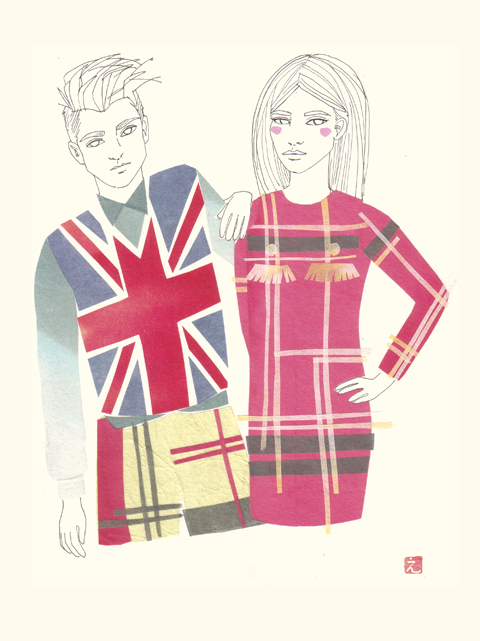


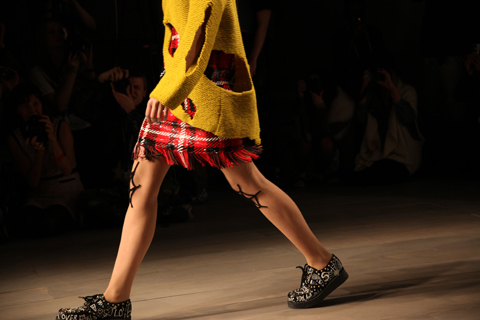

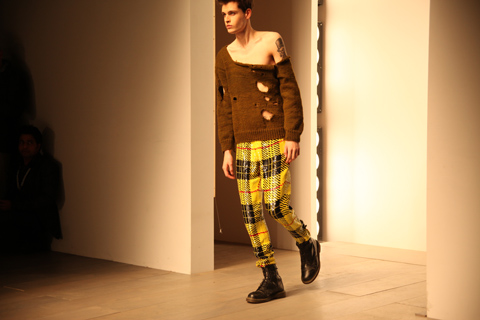


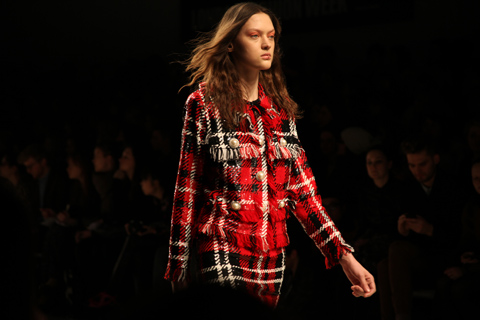


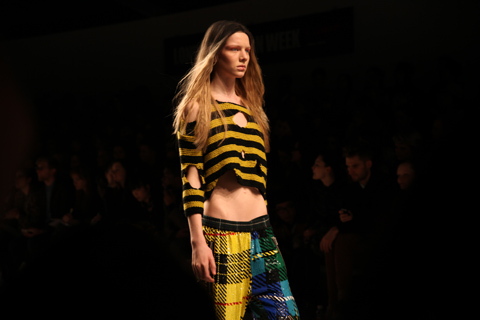

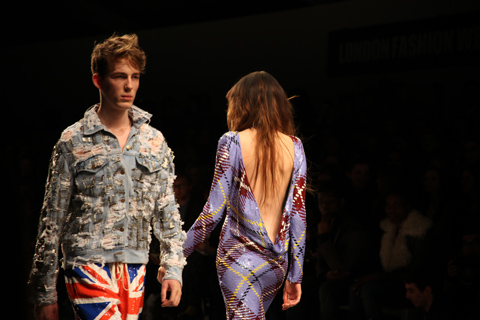


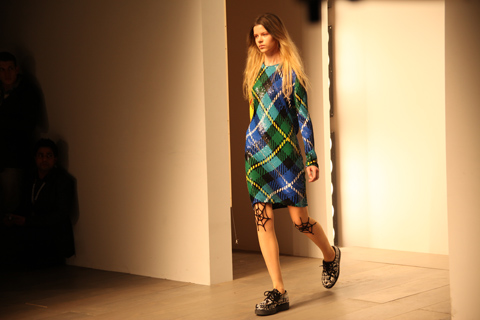

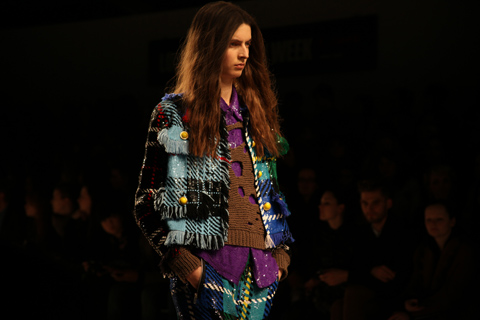

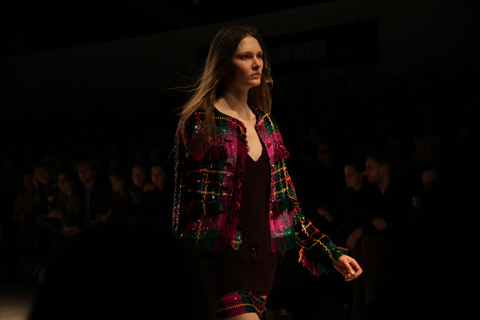




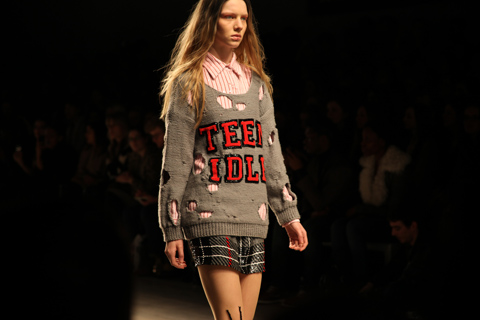
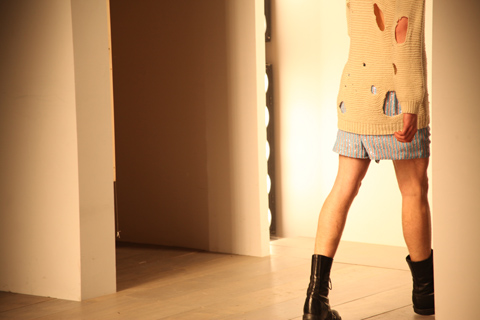


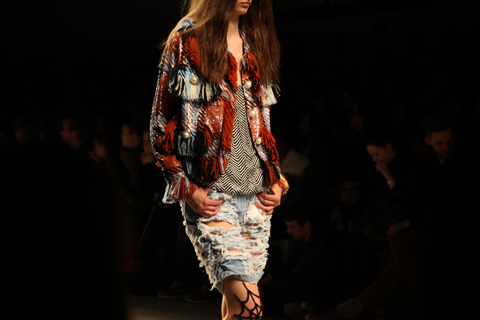



 UK Uncut gathers on the South Bank on Saturday 26th March 2011. All photography by Amelia Gregory.


 Inside Fortnum & Mason. They look super scared don’t they?


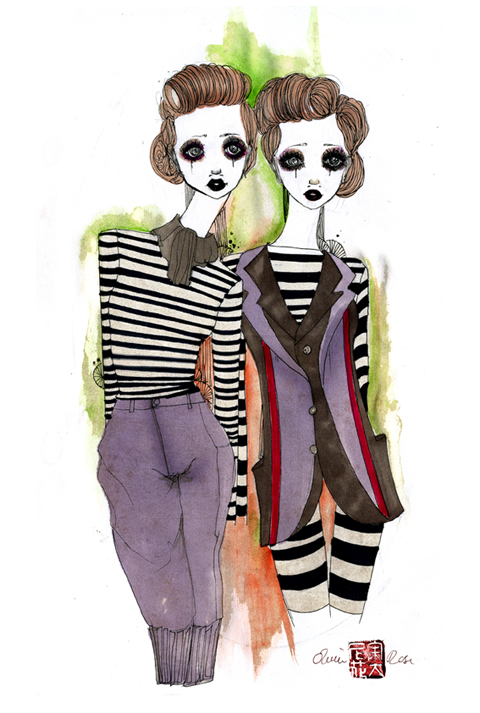


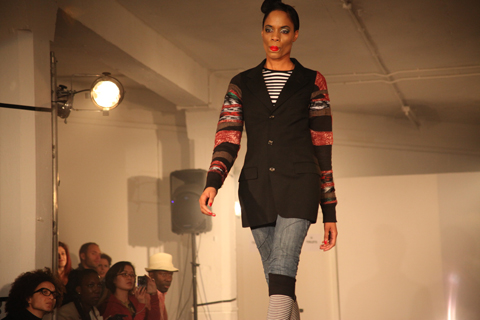

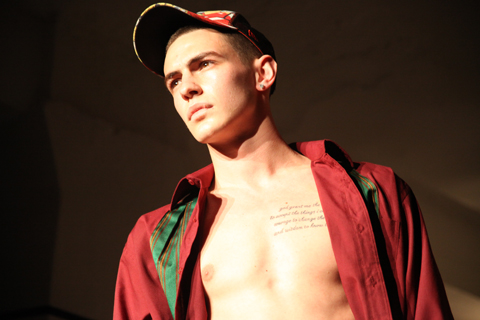



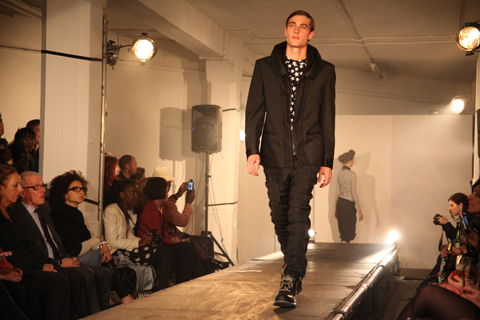
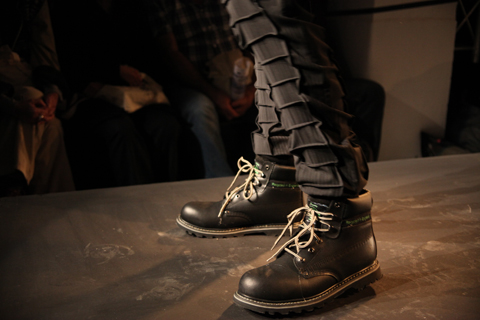

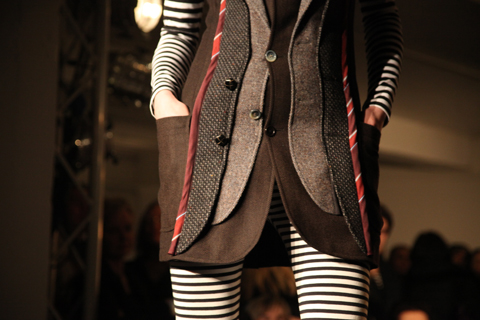
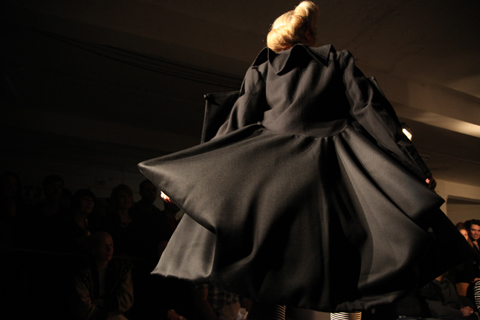


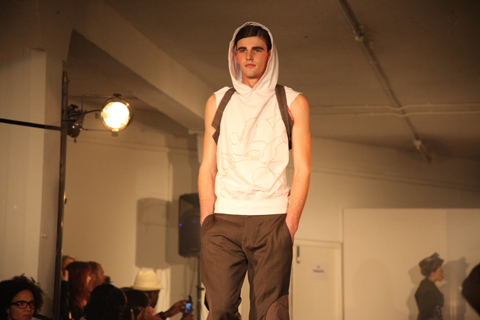






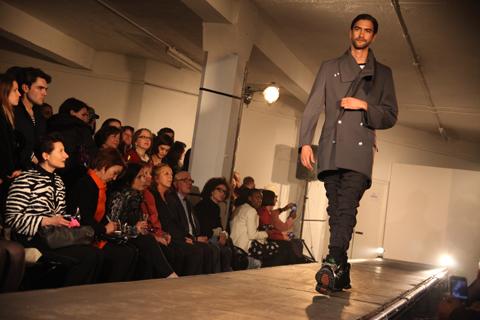

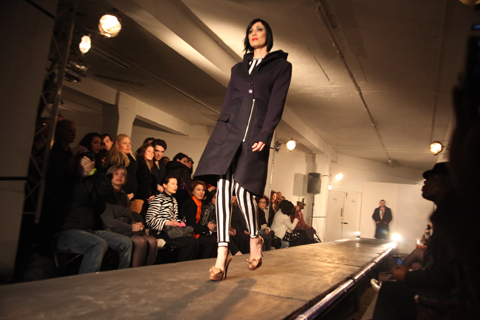




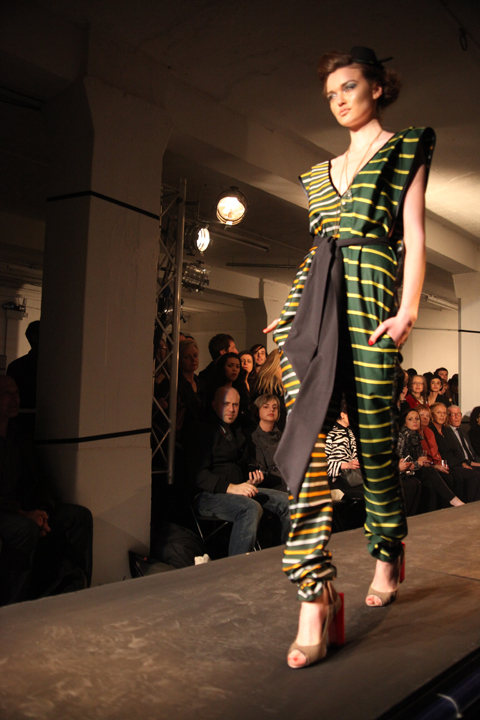


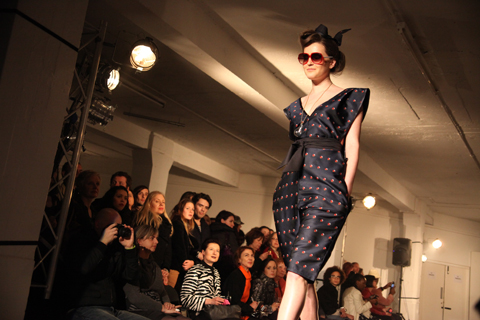


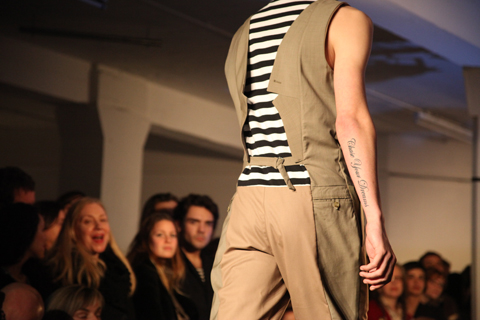
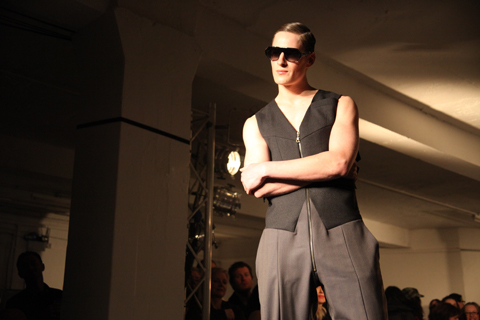



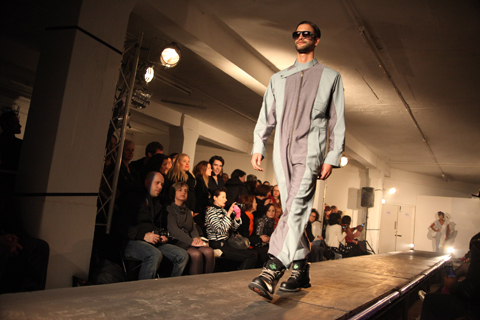

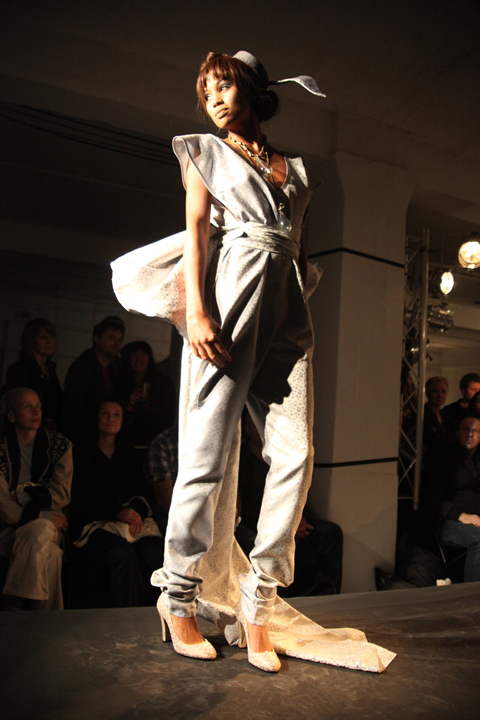
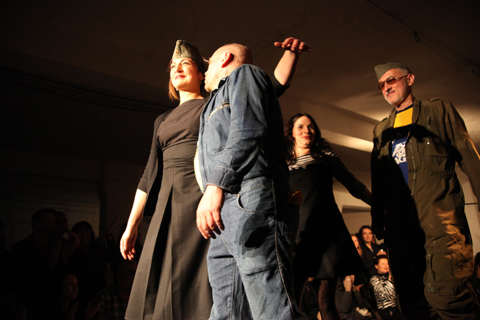
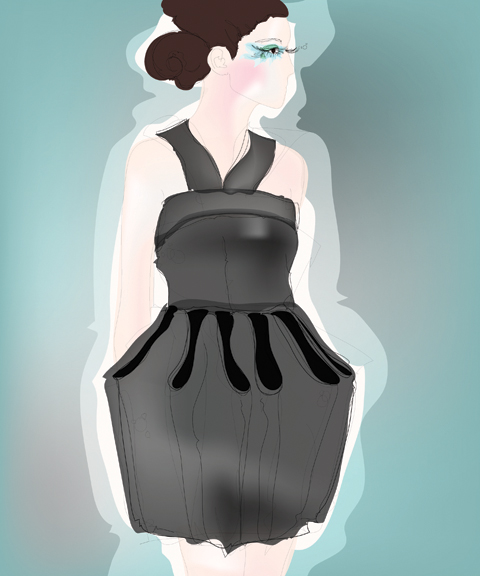 illness