Outside the BFC tent I noticed a strange character wobbling towards the entrance in huge pink platforms. It was only when she de-robed inside that I realised it was in fact Paloma Faith – dressed in a suitably over the top manner. Apparently M.I.A. was there as well, information pillspharm having provided the suitably edgy soundtrack.
I haven’t been to an Ashish catwalk show – this despite him being amongst my very favourite designers of all time. He featured in the first ever issue of Amelia’s Magazine and I always used his clothes when I was working as a stylist. Needless to say I was very excited about attending this show…
Ashish describes this collection as an ode to the “archetypal poor little rich girl”, sickness the kind you might find slumming it in Dalston courtesy of mum and dad, decked out in posh clothes that have seen better days. In practice this meant lots of his signature sequinned garments, oversized tartans, ripped jeans and moth eaten jumpers.
I loved the press release, replete with descriptions of a “layabout laird” who mixes “detritus with deluxe”. Hers is a London punk aesthetic thrown against Scottish Highland heritage. It’s a story that the industry can surely relate to: there’s a reason why so many people working in fashion come from the upper echelons of society. Unless you hit the big time it certainly won’t make you rich, so another source of support is often standard requirement.
Models were expertly cast: lanky girls with greasy dip-dyed hair and bored expressions. Spiderwebs crawled across the knees. Boys wore DMs and girls sported black and white patterned brothel creepers. Statements, Teen Idle and Hard Times, were appliqued on frayed jumpers that had been attacked by killer moths. My favourite pieces were undoubtedly the supremely wearable sequinned jumper dresses, but to be honest I adored it all.
Ashish A/W 2011. All photography by Amelia Gregory.
Outside the BFC tent I noticed a strange character wobbling towards the entrance in huge pink platforms. It was only when she de-robed inside that I realised it was in fact Paloma Faith – dressed in a suitably over the top manner. Apparently M.I.A. was there as well, information pillspharm having provided the suitably edgy soundtrack.
I haven’t been to an Ashish catwalk show – this despite him being amongst my very favourite designers of all time. He featured in the first ever issue of Amelia’s Magazine and I always used his clothes when I was working as a stylist. Needless to say I was very excited about attending this show…
Ashish describes this collection as an ode to the “archetypal poor little rich girl”, sickness the kind you might find slumming it in Dalston courtesy of mum and dad, decked out in posh clothes that have seen better days. In practice this meant lots of his signature sequinned garments, oversized tartans, ripped jeans and moth eaten jumpers.
I loved the press release, replete with descriptions of a “layabout laird” who mixes “detritus with deluxe”. Hers is a London punk aesthetic thrown against Scottish Highland heritage. It’s a story that the industry can surely relate to: there’s a reason why so many people working in fashion come from the upper echelons of society. Unless you hit the big time it certainly won’t make you rich, so another source of support is often standard requirement.
Models were expertly cast: lanky girls with greasy dip-dyed hair and bored expressions. Spiderwebs crawled across the knees. Boys wore DMs and girls sported black and white patterned brothel creepers. Statements, Teen Idle and Hard Times, were appliqued on frayed jumpers that had been attacked by killer moths. My favourite pieces were undoubtedly the supremely wearable sequinned jumper dresses, but to be honest I adored it all.
Ashish A/W 2011. All photography by Amelia Gregory.
Olivia Rubin A/W 2011. Photography by Amelia Gregory
Olivia Rubin A/W 2011 by Jane Young.
Every now and again London Fashion Week throws out a curveball and you end up in the most random of places with the most ridiculous collection of people, buy wondering what the hell is going on. The Olivia Rubin show was just such an occasion.
I was very early to this show – a confluence of circumstances that left me standing at the front of a line outside the Jalouse nightclub in central London until I was completely numb with cold. From my prime vantage point I was able to ogle as the paps pounced on a series of D-Z list celebrities. I recognised Konnie Huq and footballer’s wife Danielle Lloyd but after that it was anyone’s guess. In my mind it’s never a good idea for the guests to overshadow a fashion show, this and especially not if I haven’t got a clue who they are.
Once the celebs had been swept into the hallowed basement of Jalouse I too was invited in. I picked up a drink and swiftly headed towards the sunken seating area, click ignoring the protestations of the press girl to wait and see if there was space later on. As if! We’ve run an extensive interview with Olivia Rubin on this website and I didn’t much feel like standing around on my own anymore, so I plonked myself down next to a friendly looking bunch of people on a curved sofa. I soon discovered that the lad next to me was on work experience at a fashion magazine and somewhat in thrall to his first fashion week. Herein is revealed the ridiculousness of seating arrangements at fashion shows – at the end of the day they are completely arbitrary. Depending on who you know and whether you’re bolshy enough you can sit wherever you want, be you intern or editor.
As guests slowly filled the club the celebrities stepped up on to the catwalk at my head height to pose for the paps. First Danielle, swishing her hair this way and that like a prime racehorse. Then, to my delight, Laura Goodger and friends from The Only Way is Essex. Don’t worry, I had to look up her full name. I did watch a few episodes, but I’m not THAT SAD. By this point I was gobsmacked by the stunning level of celeb-dom in attendance. I later discovered that another fashion PR had been approached for tickets by the *cast* of The Only Way is Essex, but had rapidly turned them down as way too tacky. I must say, I don’t really understand the logic. Rather than making me think, way-hey, this must mean Olivia Rubin is really cool, it makes me utterly distracted… anthropologically fascinated by these strange creatures. The result? I spent the entire catwalk show trying to capture Lauren pouting and preening, rather than concentrating on the clothes – which in any case were hard to see against the glare of flashbulbs. Famous model Olivia Inge certainly enjoyed herself too; gunning at friends in the audience as she pranced down the catwalk.
In a way it’s a shame that there was so much flimshaw surrounding this show because Olivia Rubin makes very cute clothes that feature colourful, fun prints and simple 80s styling. To my mind not at all Essex.
As soon as the show was done the music leapt up to dancing volume, and yet more Essex girls headed to the toilets to touch up their wondrously over-wrought get ups that must surely have taken all day to perfect. I could happily have stayed next to the basins with my camera all night but Matt and I instead drank free cocktails and put the world to rights.
You can read Matt Bramford’s fabby review here. Read our interview with Olivia Rubin here.
Every now and again London Fashion Week throws out a curveball and you end up in the most random of places with the most ridiculous collection of people, purchase wondering what the hell is going on. The Olivia Rubin show was just such an occasion.
I was very early to this show – a confluence of circumstances that left me standing at the front of a line outside the Jalouse nightclub in central London until I was completely numb with cold. From my prime vantage point I was able to ogle as the paps pounced on a series of D-Z list celebrities. I recognised Konnie Huq and footballer’s wife Danielle Lloyd but after that it was anyone’s guess. In my mind it’s never a good idea for the guests to overshadow a fashion show, and especially not if I haven’t got a clue who they are.
Olivia Rubin A/W 2011. Photography by Amelia Gregory.
Once the celebs had been swept into the hallowed basement of Jalouse I too was invited in. I picked up a drink and swiftly headed towards the sunken seating area, ignoring the protestations of the press girl to wait and see if there was space later on. As if! We’ve run an extensive interview with Olivia Rubin on this website and I didn’t much feel like standing around on my own anymore, so I plonked myself down next to a friendly looking bunch of people on a curved sofa. I soon discovered that the lad next to me was on work experience at a fashion magazine and somewhat in thrall to his first fashion week. Herein is revealed the ridiculousness of seating arrangements at fashion shows – at the end of the day they are completely arbitrary. Depending on who you know and whether you’re bolshy enough you can sit wherever you want, be you intern or editor.
As guests slowly filled the club the celebrities stepped up on to the catwalk at my head height to pose for the paps. First Danielle, swishing her hair this way and that like a prime racehorse. Then, to my delight, Laura Goodger and friends from The Only Way is Essex. Don’t worry, I had to look up her full name. I did watch a few episodes, but I’m not THAT SAD. By this point I was gobsmacked by the stunning level of celeb-dom in attendance. I later discovered that another fashion PR had been approached for tickets by the *cast* of The Only Way is Essex, but had rapidly turned them down as way too tacky. I must say, I don’t really understand the logic. Rather than making me think, way-hey, this must mean Olivia Rubin is really cool, it makes me utterly distracted… anthropologically fascinated by these strange creatures.
Olivia Rubin A/W 2011. Photography by Amelia Gregory.
The result? I spent the entire catwalk show trying to capture Lauren pouting and preening, rather than concentrating on the clothes – which in any case were hard to see against the glare of flashbulbs. Famous model Olivia Inge certainly enjoyed herself too; gunning at friends in the audience as she pranced down the catwalk.
Olivia Rubin A/W 2011. Photography by Amelia Gregory.
In a way it’s a shame that there was so much flimshaw surrounding this show because Olivia Rubin makes very cute clothes that feature colourful, fun prints and simple 80s styling. To my mind not at all Essex.
As soon as the show was done the music leapt up to dancing volume, and yet more Essex girls headed to the toilets to touch up their wondrously over-wrought get ups that must surely have taken all day to perfect. I could happily have stayed next to the basins with my camera all night but Matt and I instead drank free cocktails and put the world to rights.
You can read Matt Bramford’s fabby review here. Read our interview with Olivia Rubin here.
Every now and again London Fashion Week throws out a curveball and you end up in the most random of places with the most ridiculous collection of people, generic wondering what the hell is going on. The Olivia Rubin show was just such an occasion.
I was very early to this show – a confluence of circumstances that left me standing at the front of a line outside the Jalouse nightclub in central London until I was completely numb with cold. From my prime vantage point I was able to ogle as the paps pounced on a series of D-Z list celebrities. I recognised Konnie Huq and footballer’s wife Danielle Lloyd but after that it was anyone’s guess. In my mind it’s never a good idea for the guests to overshadow a fashion show, cialis 40mg and especially not if I haven’t got a clue who they are.
Olivia Rubin A/W 2011. Photography by Amelia Gregory.
Once the celebs had been swept into the hallowed basement of Jalouse I too was invited in. I picked up a drink and swiftly headed towards the sunken seating area, viagra buy ignoring the protestations of the press girl to wait and see if there was space later on. As if! We’ve run an extensive interview with Olivia Rubin on this website and I didn’t much feel like standing around on my own anymore, so I plonked myself down next to a friendly looking bunch of people on a curved sofa. I soon discovered that the lad next to me was on work experience at a fashion magazine and somewhat in thrall to his first fashion week. Herein is revealed the ridiculousness of seating arrangements at fashion shows – at the end of the day they are completely arbitrary. Depending on who you know and whether you’re bolshy enough you can sit wherever you want, be you intern or editor.
As guests slowly filled the club the celebrities stepped up on to the catwalk at my head height to pose for the paps. First Danielle, swishing her hair this way and that like a prime racehorse. Then, to my delight, Laura Goodger and friends from The Only Way is Essex. Don’t worry, I had to look up her full name. I did watch a few episodes, but I’m not THAT SAD. By this point I was gobsmacked by the stunning level of celeb-dom in attendance. I later discovered that another fashion PR had been approached for tickets by the *cast* of The Only Way is Essex, but had rapidly turned them down as way too tacky. I must say, I don’t really understand the logic. Rather than making me think, way-hey, this must mean Olivia Rubin is really cool, it makes me utterly distracted… anthropologically fascinated by these strange creatures.
Olivia Rubin A/W 2011. Photography by Amelia Gregory.
The result? I spent the entire catwalk show trying to capture Lauren pouting and preening, rather than concentrating on the clothes – which in any case were hard to see against the glare of flashbulbs. Famous model Olivia Inge certainly enjoyed herself too; gunning at friends in the audience as she pranced down the catwalk.
Olivia Rubin A/W 2011. Photography by Amelia Gregory.
In a way it’s a shame that there was so much flimshaw surrounding this show because Olivia Rubin makes very cute clothes that feature colourful, fun prints and simple 80s styling. To my mind not at all Essex.
As soon as the show was done the music leapt up to dancing volume, and yet more Essex girls headed to the toilets to touch up their wondrously over-wrought get ups that must surely have taken all day to perfect. I could happily have stayed next to the basins with my camera all night but Matt and I instead drank free cocktails and put the world to rights.
You can read Matt Bramford’s fabby review here. Read our interview with Olivia Rubin here.
A couple of weeks ago I met with angsty new folk popstrel Kyla La Grange at her management offices in central London. Her slight figure was easily missed as I walked through to the glass walled meeting room, ask but I greeted her warmly when she came through to join me. Kyla la Grange performed on my hastily assembled Climate Camp (RIP) stage at Glastonbury last summer, pillgamely playing a beautiful semi-acoustic set in the sweltering summer heat. Today she releases her first official single – the anthemic Walk Through Walls – so let’s find out a bit more about this intriguing new musician…
Kyla La Grange at Glastonbury 2010 on the Climate Camp stage. Photography by Amelia Gregory.
She may look very young but don’t be fooled by Kyla’s youthful exterior – she’s actually a 24 year old Cambridge University graduate. It wasn’t until her uni years that she finally found the guts to make music, approved performing at an open mic acoustic night called Songs in the Dark. “It was a good place to cut my teeth.” The process was very organic. She met other musicians, formed a few bands and played in some Battle of the Bands competitions. “Basically it was all very low pressure.” She loved studying philosophy, and admits that she misses the academic stimulation. “Being at Cambridge was like living in a magical piece of history… but I am incredibly grateful to be making music now.”
When the outside world of work beckoned she found herself working long hours in a high end bar, making it hard to go into the studio every morning and be creative. That and the odd bit of secretarial work kept her afloat until she was discovered by management company ATC via Rollo of Faithless fame, who discovered her songs on Myspace. She is eager to emulate the likes of Mumford and Sons and do things her own way, without the controlling hand of a label. “ATC let their artists go away and get on with it. They don’t view me purely as a money making machine; they are in it for the long haul. But I don’t anticipate selling a lot of records, ever,” she blithely tells me.
Kyla La Grange at Glastonbury 2010. Photography by Amelia Gregory.
The last year has been devoted to the creation of her debut album which so far hosts “too many songs” including the luscious Vampire Smile, a darkly beautiful blast of longing. But she’s in no rush. “The album will come out as and when it’s finished; the worst thing I could do would be to rush its release.” She expects it will finally see the light of day in early 2012.
All Kyla’s influences come from “sad music”. Having been introduced to Cat Power by a former boyfriend, You Are Free is a constant presence in her life alongside Joni Mitchell and Leonard Cohen. But she also likes a lot of modern bands – Elliott Smith, Bright Eyes, Yeasayer, Matthew And The Atlas, Marcus Foster, Alex Winston and Band of Horses. “I only write because I’m often quite sad…” she tells me. “I don’t think I’d write if I was a genuinely happy person.” In the age old tradition of the angst-ridden artist, writing music has become Kyla’s best form of catharsis, “like running into a big open field and screaming until you feel better.” It’s as if she feels an unstoppable need to release her feelings out into the open.
I wonder what has prompted such a downbeat personality. “Some people just have a default mode,” she explains. “They wake up and feel a bit black inside.” She admits that this is something she has battled for a long time but insists that her mood is not affected by the outside world… she just tends to feel down most of the time. “Most people fall into one of two camps – they are either upbeat or see life from behind a big grey cloud. Everyone is a product of their genes and their experiences when they are young.” But she is absolutely clear that she doesn’t blame her parents for the way she has turned out. “Even though I wasn’t a very happy child my parents were both fantastic.” Her parents had been involved in the anti-apartheid movement in South Africa before settling in Watford, and she felt very different from everyone else at her school. “Kids can be vicious.” They were massive music fans, between them inspiring her to listen to many different genres. “Dad loved folk, blues and country. Mum loved classical, rock and indie.” She now lives between Stockwell and Vauxhall. “I like the mix of people and place, the beautiful old squares next to housing estates… it’s unpretentious.”
I wonder if such a sensitive personality will still be able to write songs from the heart if she becomes famous. She has thought about this. “I don’t think the drive to write songs will be lessened just because people like them,” she says, “it’s not the only reason I write. I think all the best artists write primarily to get something out of the experience and I want to convey raw honest emotion because that makes the most meaningful music.”
Kyla La Grange in February 2011. Photography by Amelia Gregory.
It comes as no surprise that lyrics are hugely important to Kyla, although she likes the odd “non-sensical song by The Beatles.” She can’t really describe her writing process, although it is the part she loves the most. “It’s such a strange, solitary thing. You get so swept up in what you’re feeling, engrossed in emotion.” She can’t tell me what comes first, melody or lyric. “They tend to come together.”
Kyla doesn’t want to be pigeon-holed into any musical movement, so it’s no surprise to find that she lists herself as Black Metal/Children/Grindcore on Myspace. “There have been so many genres flung at me but I never think about what I belong to – the songs just come out.” I think she has a kind of dark indie pop sensibility that is all her own, and not fitting in to any musical clique suits her well. “I suppose my music is a bit all over the place, like me.” She gets thoroughly annoyed by the suggestion that women must fit into any type of separate musical category. “Music is not a sport so why do there need to be different categories and awards?”
I ask her whether she is in general quite a solitary person, although I think I already know the answer. “Definitely. I’m not terribly good with people and I much prefer talking one to one. Groups of people are scary.” But she has grown accustomed to working with her band of four and she’s easy and down to earth when talking to me, even if an overwhelming undertow of sadness never quite leaves the room.
Every now and again London Fashion Week throws out a curveball and you end up in the most random of places with the most ridiculous collection of people, nurse wondering what the hell is going on. The Olivia Rubin show was just such an occasion.
I was very early to this show – a confluence of circumstances that left me standing at the front of a line outside the Jalouse nightclub in central London until I was completely numb with cold. From my prime vantage point I was able to ogle as the paps pounced on a series of D-Z list celebrities. I recognised Konnie Huq and footballer’s wife Danielle Lloyd but after that it was anyone’s guess. In my mind it’s never a good idea for the guests to overshadow a fashion show, case and especially not if I haven’t got a clue who they are.
Olivia Rubin A/W 2011. Photography by Amelia Gregory.
Once the celebs had been swept into the hallowed basement of Jalouse I too was invited in. I picked up a drink and swiftly headed towards the sunken seating area, ignoring the protestations of the press girl to wait and see if there was space later on. As if! We’ve run an extensive interview with Olivia Rubin on this website and I didn’t much feel like standing around on my own anymore, so I plonked myself down next to a friendly looking bunch of people on a curved sofa. I soon discovered that the lad next to me was on work experience at a fashion magazine and somewhat in thrall to his first fashion week. Herein is revealed the ridiculousness of seating arrangements at fashion shows – at the end of the day they are completely arbitrary. Depending on who you know and whether you’re bolshy enough you can sit wherever you want, be you intern or editor.
As guests slowly filled the club celebrities stepped up on to the catwalk at my head height to pose for the paps. First Danielle, swishing her hair this way and that like a prime racehorse. Then, to my delight, Laura Goodger and friends from The Only Way is Essex. Don’t worry, I had to look up her full name. I did watch a few episodes, but I’m not THAT SAD. By this point I was gobsmacked by the stunning level of celeb-dom in attendance. I later discovered that another fashion PR had been approached for tickets by the *cast* of The Only Way is Essex, but had rapidly turned them down as way too tacky. I must say, I don’t really understand the logic. Rather than making me think, way-hey, this must mean Olivia Rubin is really cool… it makes me utterly distracted… anthropologically fascinated by these strange creatures.
Olivia Rubin A/W 2011. Photography by Amelia Gregory.
The result? I spent the entire catwalk show trying to capture Lauren pouting and preening, rather than concentrating on the clothes – which in any case were hard to see against the glare of flashbulbs. Famous model Olivia Inge certainly enjoyed herself too; gunning at friends in the audience as she pranced down the catwalk.
Olivia Rubin A/W 2011. Photography by Amelia Gregory.
In a way it’s a shame that there was so much flimshaw surrounding this show because Olivia Rubin makes very cute clothes that feature colourful, fun prints and simple 80s styling. To my mind not at all Essex.
As soon as the show was done the music leapt up to dancing volume, and yet more Essex girls headed to the toilets to touch up wondrously over-wrought hair and make-up that must surely have taken all day to perfect. I could happily have stayed next to the basins all night with my camera, but Matt and I instead drank free cocktails and put the world to rights.
You can read Matt Bramford’s fabby review here. Read our interview with Olivia Rubin here.
A couple of weeks ago I met with angsty new folk popstrel Kyla La Grange at her management offices in central London. Her slight figure was easily missed as I walked through to the glass walled meeting room, ed but I greeted her warmly when she came through to join me. Kyla la Grange performed on my hastily assembled Climate Camp (RIP) stage at Glastonbury last summer, salegamely playing a beautiful semi-acoustic set in the sweltering summer heat. Today she releases her first official single – the anthemic Walk Through Walls – so let’s find out a bit more about this intriguing new musician…
Kyla La Grange at Glastonbury 2010 on the Climate Camp stage. Photography by Amelia Gregory.
She may look very young but don’t be fooled by Kyla’s youthful exterior – she’s actually a 24 year old Cambridge University graduate. It wasn’t until her uni years that she finally found the guts to make music, shop performing at an open mic acoustic night called Songs in the Dark. “It was a good place to cut my teeth.” The process was very organic. She met other musicians, formed a few bands and played in some Battle of the Bands competitions. “Basically it was all very low pressure.” She loved studying philosophy, and admits that she misses the academic stimulation. “Being at Cambridge was like living in a magical piece of history… but I am incredibly grateful to be making music now.”
When the outside world of work beckoned she found herself working long hours in a high end bar, making it hard to go into the studio every morning and be creative. That and the odd bit of secretarial work kept her afloat until she was discovered by management company ATC via Rollo of Faithless fame, who discovered her songs on Myspace. She is eager to emulate the likes of Mumford and Sons and do things her own way, without the controlling hand of a label. “ATC let their artists go away and get on with it. They don’t view me purely as a money making machine; they are in it for the long haul. But I don’t anticipate selling a lot of records, ever,” she blithely tells me.
Kyla La Grange at Glastonbury 2010. Photography by Amelia Gregory.
The last year has been devoted to the creation of her debut album which so far hosts “too many songs” including the luscious Vampire Smile, a darkly beautiful blast of longing. But she’s in no rush. “The album will come out as and when it’s finished; the worst thing I could do would be to rush its release.” She expects it will finally see the light of day in early 2012.
All Kyla’s influences come from “sad music”. Having been introduced to Cat Power by a former boyfriend, You Are Free is a constant presence in her life alongside Joni Mitchell and Leonard Cohen. But she also likes a lot of modern bands – Elliott Smith, Bright Eyes, Yeasayer, Matthew And The Atlas, Marcus Foster, Alex Winston and Band of Horses. “I only write because I’m often quite sad…” she tells me. “I don’t think I’d write if I was a genuinely happy person.” In the age old tradition of the angst-ridden artist, writing music has become Kyla’s best form of catharsis, “like running into a big open field and screaming until you feel better.” It’s as if she feels an unstoppable need to release her feelings out into the open.
I wonder what has prompted such a downbeat personality. “Some people just have a default mode,” she explains. “They wake up and feel a bit black inside.” She admits that this is something she has battled for a long time but insists that her mood is not affected by the outside world… she just tends to feel down most of the time. “Most people fall into one of two camps – they are either upbeat or see life from behind a big grey cloud. Everyone is a product of their genes and their experiences when they are young.” But she is absolutely clear that she doesn’t blame her parents for the way she has turned out. “Even though I wasn’t a very happy child my parents were both fantastic.” Her parents had been involved in the anti-apartheid movement in South Africa before settling in Watford, and she felt very different from everyone else at her school. “Kids can be vicious.” They were massive music fans, between them inspiring her to listen to many different genres. “Dad loved folk, blues and country. Mum loved classical, rock and indie.” She now lives between Stockwell and Vauxhall. “I like the mix of people and place, the beautiful old squares next to housing estates… it’s unpretentious.”
I wonder if such a sensitive personality will still be able to write songs from the heart if she becomes famous. She has thought about this. “I don’t think the drive to write songs will be lessened just because people like them,” she says, “it’s not the only reason I write. I think all the best artists write primarily to get something out of the experience and I want to convey raw honest emotion because that makes the most meaningful music.”
Kyla La Grange in February 2011. Photography by Amelia Gregory.
It comes as no surprise that lyrics are hugely important to Kyla, although she likes the odd “non-sensical song by The Beatles.” She can’t really describe her writing process, although it is the part she loves the most. “It’s such a strange, solitary thing. You get so swept up in what you’re feeling, engrossed in emotion.” She can’t tell me what comes first, melody or lyric. “They tend to come together.”
Kyla doesn’t want to be pigeon-holed into any musical movement, so it’s no surprise to find that she lists herself as Black Metal/Children/Grindcore on Myspace. “There have been so many genres flung at me but I never think about what I belong to – the songs just come out.” I think she has a kind of dark indie pop sensibility that is all her own, and not fitting in to any musical clique suits her well. “I suppose my music is a bit all over the place, like me.” She gets thoroughly annoyed by the suggestion that women must fit into any type of separate musical category. “Music is not a sport so why do there need to be different categories and awards?”
I ask her whether she is in general quite a solitary person, although I think I already know the answer. “Definitely. I’m not terribly good with people and I much prefer talking one to one. Groups of people are scary.” But she has grown accustomed to working with her band of four and she’s easy and down to earth when talking to me, even if an overwhelming undertow of sadness never quite leaves the room.
A couple of weeks ago I met with angsty new folk popstrel Kyla La Grange at her management offices in central London. Her slight figure was easily missed as I walked through to the glass walled meeting room, visit this site but I greeted her warmly when she came through to join me. Kyla la Grange performed on my hastily assembled Climate Camp (RIP) stage at Glastonbury last summer, tadalafilgamely playing a beautiful semi-acoustic set in the sweltering summer heat. Today she releases her first official single – the anthemic Walk Through Walls – so let’s find out a bit more about this intriguing new musician…
Kyla La Grange at Glastonbury 2010 on the Climate Camp stage. Photography by Amelia Gregory.
She may look very young but don’t be fooled by Kyla’s youthful exterior – she’s actually a 24 year old Cambridge University graduate. It wasn’t until her uni years that she finally found the guts to make music, performing at an open mic acoustic night called Songs in the Dark. “It was a good place to cut my teeth.” The process was very organic. She met other musicians, formed a few bands and played in some Battle of the Bands competitions. “Basically it was all very low pressure.” She loved studying philosophy, and admits that she misses the academic stimulation. “Being at Cambridge was like living in a magical piece of history… but I am incredibly grateful to be making music now.”
When the outside world of work beckoned she found herself working long hours in a high end bar, making it hard to go into the studio every morning and be creative. That and the odd bit of secretarial work kept her afloat until she was discovered by management company ATC via Rollo of Faithless fame, who discovered her songs on Myspace. She is eager to emulate the likes of Mumford and Sons and do things her own way, without the controlling hand of a label. “ATC let their artists go away and get on with it. They don’t view me purely as a money making machine; they are in it for the long haul. But I don’t anticipate selling a lot of records, ever,” she blithely tells me.
Kyla La Grange at Glastonbury 2010. Photography by Amelia Gregory.
The last year has been devoted to the creation of her debut album which so far hosts “too many songs” including the luscious Vampire Smile, a darkly beautiful blast of longing. But she’s in no rush. “The album will come out as and when it’s finished; the worst thing I could do would be to rush its release.” She expects it will finally see the light of day in early 2012.
All Kyla’s influences come from “sad music”. Having been introduced to Cat Power by a former boyfriend, You Are Free is a constant presence in her life alongside Joni Mitchell and Leonard Cohen. But she also likes a lot of modern bands – Elliott Smith, Bright Eyes, Yeasayer, Matthew And The Atlas, Marcus Foster, Alex Winston and Band of Horses. “I only write because I’m often quite sad…” she tells me. “I don’t think I’d write if I was a genuinely happy person.” In the age old tradition of the angst-ridden artist, writing music has become Kyla’s best form of catharsis, “like running into a big open field and screaming until you feel better.” It’s as if she feels an unstoppable need to release her feelings out into the open.
I wonder what has prompted such a downbeat personality. “Some people just have a default mode,” she explains. “They wake up and feel a bit black inside.” She admits that this is something she has battled for a long time but insists that her mood is not affected by the outside world… she just tends to feel down most of the time. “Most people fall into one of two camps – they are either upbeat or see life from behind a big grey cloud. Everyone is a product of their genes and their experiences when they are young.” But she is absolutely clear that she doesn’t blame her parents for the way she has turned out. “Even though I wasn’t a very happy child my parents were both fantastic.” Her parents had been involved in the anti-apartheid movement in South Africa before settling in Watford, and she felt very different from everyone else at her school. “Kids can be vicious.” They were massive music fans, between them inspiring her to listen to many different genres. “Dad loved folk, blues and country. Mum loved classical, rock and indie.” She now lives between Stockwell and Vauxhall. “I like the mix of people and place, the beautiful old squares next to housing estates… it’s unpretentious.”
I wonder if such a sensitive personality will still be able to write songs from the heart if she becomes famous. She has thought about this. “I don’t think the drive to write songs will be lessened just because people like them,” she says, “it’s not the only reason I write. I think all the best artists write primarily to get something out of the experience and I want to convey raw honest emotion because that makes the most meaningful music.”
Kyla La Grange in February 2011. Photography by Amelia Gregory.
It comes as no surprise that lyrics are hugely important to Kyla, although she likes the odd “non-sensical song by The Beatles.” She can’t really describe her writing process, although it is the part she loves the most. “It’s such a strange, solitary thing. You get so swept up in what you’re feeling, engrossed in emotion.” She can’t tell me what comes first, melody or lyric. “They tend to come together.”
Kyla doesn’t want to be pigeon-holed into any musical movement, so it’s no surprise to find that she lists herself as Black Metal/Children/Grindcore on Myspace. “There have been so many genres flung at me but I never think about what I belong to – the songs just come out.” I think she has a kind of dark indie pop sensibility that is all her own, and not fitting in to any musical clique suits her well. “I suppose my music is a bit all over the place, like me.” She gets thoroughly annoyed by the suggestion that women must fit into any type of separate musical category. “Music is not a sport so why do there need to be different categories and awards?”
Kyla La Grange performing on the Climate Camp stage at Glastonbury.
I ask her whether she is in general quite a solitary person, although I think I already know the answer. “Definitely. I’m not terribly good with people and I much prefer talking one to one. Groups of people are scary.” But she has grown accustomed to working with her band of four and she’s easy and down to earth when talking to me, even if an overwhelming undertow of sadness never quite leaves the room.
Ashley Isham is known for his dramatic red carpet frocks so it was no surprise that a few familiar faces turned out to see his Autumn Winter 2011 collection. Brendan Cole (of Strictly Come Dancing infamy) was near the front of the scrum waiting to get into the show, approved looking less than impressed that he had been made to queue with everyone else. Lots of shouting from the organisers suggested that those with a silver star on their ticket would be allowed to enter first; following a host of panicked people waving their tickets in the air it turned out most of these people had been given photocopies with a black star, oh the drama. After flashing my ticket (red spot, much less confusing) I settled into my seat, spotting Paloma Faith posing for photos on the front row.
The inspiration for the collection was the enchanted forest, and the show began with floral printed velvet micro dresses in a vivid palette. Oversaturated pansies and berries were set against bright turquoise and forest green, punctuated by dark leaves and roses.
The models wore elaborate headresses with a taste of the orient; clouds of tulle were pierced by tasseled chopsticks, joined by silk peonies and blossom branches. Dark lips were a reminder that this was a winter collection. In contrast to the floral themes, the collection featured flowing layers in soft metallic gunmetal and brocade bodices with heavy embroidery and black sequins. Some darker pieces were verging on gothic, with structured capped shoulders and tulle trains. Safe Grecian draping was presented in cobalt, teal and gunmetal and featured obligatory red carpet one-shouldered shapes.
There was a dramatic moment when one of the frailer-looking models tripped and fell after becoming entangled in her long sheer tulle skirt. A room full of gasps ensued and the poor girl had to limp off in skyscraper heels and a brave attempt at nonchalance. The combination of influences in the collection did seem a little discordant when the outfits were shown one by one on the catwalk, but when all the girls returned for the finale there was a more cohesive feel.
Overall it was an interesting and elegant collection but I wouldn’t call it adventurous. The theatrical make up and headdresses added a certain something which would have been lacking had the dresses been accompanied by a more neutral look. Having said that, I’m certain that the collection will definitely continue to appeal to the celeb masses; there was living proof on my way out back to the real world with Kimberley Walsh proudly perched on the front row…
Eudon_Choi_BY_Avril_Kelly
I’m going to say saddles. And horses. It’s not just because there was a saddle on the invite to the show. You couldn’t escape the leather straps at Eudon Choi. I wasn’t entirely sure what they were all for, page but they were clearly beautifully soft and of the highest quality. One of the outfits a model wore, discount involved an all in one – I think, check I’d have to study it at closer range – contraption, that worked like braces and a belt. The braces went down to the top of the thighs and featured gold loops and studs. Worn with a white shirt and beige skirt, it was very old English, equestrian. Open toe wedge boots were worn with short black dresses. Navy, orangey browns, tans, greys and rusty colours were prominent. Nothing too artificial, or over the top. You could imagine wearing these to work. The funnel neck coats, a line skirts, three quarter length sleeves and loose shouldered pieces, were all positively clean and sharp. I personally liked a long sleeved floaty dress, with a wide diagonal off white stripe across the body, from the neck to the hemline. It had a very high waisted leather belt, almost making it empire lined, and looked feminine and understated.
The skirts got shorter and then wider as the show continued. A wide grey/cream, short coat, made an appearance. It featured two strips of brown leather towards its hem, and looked tailored to perfection. The floatier dressses hit midi length and full length, with slits to the thigh. This were looser and strapless or had a single knotted strap, over the shoulder.
Everything felt very structured, slightly confined and purposeful.
Eudon Choi LFW A/W 2011 Collection, illness illustration by Karolina Burdon
I’m going to say saddles. And horses. It’s not just because there was a saddle on the invite to the show. You couldn’t escape the leather straps at Eudon Choi. I wasn’t entirely sure what they were all for, but they were clearly beautifully soft and of the highest quality. One of the outfits a model wore, involved an all in one – I think, I’d have to study it at closer range – contraption, that worked like braces and a belt. The braces went down to the top of the thighs and featured gold loops and studs. Worn with a white shirt and beige skirt, it was very old English, equestrian. Open toe wedge boots were worn with short black dresses. Navy, orangey browns, tans, greys and rusty colours were prominent. Nothing too artificial, or over the top. You could imagine wearing these to work. The funnel neck coats, a line skirts, three quarter length sleeves and loose shouldered pieces, were all positively clean and sharp. I personally liked a long sleeved floaty dress, with a wide diagonal off white stripe across the body, from the neck to the hemline. It had a very high waisted leather belt, almost making it empire lined, and looked feminine and understated.
Eudon Choi LFW A/W 2011 Collection, illustration by Avril Kelly
The skirts got shorter and then wider as the show continued. A wide grey/cream, short coat, made an appearance. It featured two strips of brown leather towards its hem, and looked tailored to perfection. The floatier dressses hit midi length and full length, with slits to the thigh. This were looser and strapless or had a single knotted strap, over the shoulder.
Everything felt very structured, slightly confined and purposeful.
Eudon Choi LFW A/W 2011 Collection, abortion illustration by Karolina Burdon
I’m going to say saddles. And horses. It’s not just because there was a saddle on the invite to the show. You couldn’t escape the leather straps at Eudon Choi. I wasn’t entirely sure what they were all for, this but they were clearly beautifully soft and of the highest quality. One of the outfits a model wore, involved an all in one – I think, I’d have to study it at closer range – contraption, that worked like braces and a belt. The braces went down to the top of the thighs and featured gold loops and studs. Worn with a white shirt and beige skirt, it was very old English, equestrian. Open toe wedge boots were worn with short black dresses. Navy, orangey browns, tans, greys and rusty colours were prominent. Nothing too artificial, or over the top. You could imagine wearing these to work. The funnel neck coats, a line skirts, three quarter length sleeves and loose shouldered pieces, were all positively clean and sharp. I personally liked a long sleeved floaty dress, with a wide diagonal off white stripe across the body, from the neck to the hemline. It had a very high waisted leather belt, almost making it empire lined, and looked feminine and understated.
Eudon Choi LFW A/W 2011 Collection, illustration by Avril Kelly
The skirts got shorter and then wider as the show continued. A wide grey/cream, short coat, made an appearance. It featured two strips of brown leather towards its hem, and looked tailored to perfection. The floatier dressses hit midi length and full length, with slits to the thigh. This were looser and strapless or had a single knotted strap, over the shoulder.
Everything felt very structured, slightly confined and purposeful. Asked how he would describe an Eudon Choi woman, the designer said: “She likes to stand out from the crowd yet look stylish and sophisticated. She looks individual, with an edge.” That’s perfectly achieved.
Eudon Choi LFW A/W 2011 Collection, healing illustration by Karolina Burdon
I’m going to say saddles. And horses. It’s not just because there was a saddle on the invite to the show. You couldn’t escape the leather straps at Eudon Choi. I wasn’t entirely sure what they were all for, order but they were clearly beautifully soft and of the highest quality. One of the outfits a model wore, involved an all in one – I think, I’d have to study it at closer range – contraption, that worked like braces and a belt. The braces went down to the top of the thighs and featured gold loops and studs. Worn with a white shirt and beige skirt, it was very old English, equestrian. Open toe wedge boots were worn with short black dresses. Navy, orangey browns, tans, greys and rusty colours were prominent. Nothing too artificial, or over the top. You could imagine wearing these to work. The funnel neck coats, a line skirts, three quarter length sleeves and loose shouldered pieces, were all positively clean and sharp. I personally liked a long sleeved floaty dress, with a wide diagonal off white stripe across the body, from the neck to the hemline. It had a very high waisted leather belt, almost making it empire lined, and looked feminine and understated.
Eudon Choi LFW A/W 2011 Collection, illustration by Avril Kelly
The skirts got shorter and then wider as the show continued. A wide grey/cream, short coat, made an appearance. It featured two strips of brown leather towards its hem, and looked tailored to perfection. The floatier dressses hit midi length and full length, with slits to the thigh. This were looser and strapless or had a single knotted strap, over the shoulder.
Everything felt very structured, slightly confined and purposeful. Asked how he would describe an Eudon Choi woman, the designer said: “She likes to stand out from the crowd yet look stylish and sophisticated. She looks individual, with an edge.” That’s perfectly achieved.
I’m going to say saddles. And horses. It’s not just because there was a saddle on the invite to the show. You couldn’t escape the leather straps at Eudon Choi. I wasn’t entirely sure what they were all for, shop but they were clearly beautifully soft and of the highest quality. One of the outfits a model wore, involved an all in one – I think, I’d have to study it at closer range – contraption, that worked like braces and a belt. The braces went down to the top of the thighs and featured gold loops and studs. Worn with a white shirt and beige skirt, it was very old English, equestrian. Open toe wedge boots were worn with short black dresses. Navy, orangey browns, tans, greys and rusty colours were prominent. Nothing too artificial, or over the top. You could imagine wearing these to work. The funnel neck coats, a line skirts, three quarter length sleeves and loose shouldered pieces, were all positively clean and sharp. I personally liked a long sleeved floaty dress, with a wide diagonal off white stripe across the body, from the neck to the hemline. It had a very high waisted leather belt, almost making it empire lined, and looked feminine and understated.
The skirts got shorter and then wider as the show continued. A wide grey/cream, short coat, made an appearance. It featured two strips of brown leather towards its hem, and looked tailored to perfection. The floatier dressses hit midi length and full length, with slits to the thigh. This were looser and strapless or had a single knotted strap, over the shoulder.
Everything felt very structured, slightly confined and purposeful. Asked how he would describe an Eudon Choi woman, the designer said: “She likes to stand out from the crowd yet look stylish and sophisticated. She looks individual, with an edge.” That’s perfectly achieved.
I’m going to say saddles. And horses. It’s not just because there was a saddle on the invite to the show. You couldn’t escape the leather straps at Eudon Choi. I wasn’t entirely sure what they were all for, but they were clearly beautifully soft and of the highest quality. One of the outfits a model wore, involved an all in one – I think, I’d have to study it at closer range – contraption, that worked like braces and a belt. The braces went down to the top of the thighs and featured gold loops and studs. Worn with a white shirt and beige skirt, it was very old English, equestrian. Open toe wedge boots were worn with short black dresses. Navy, orangey browns, tans, greys and rusty colours were prominent. Nothing too artificial, or over the top. You could imagine wearing these to work. The funnel neck coats, a line skirts, three quarter length sleeves and loose shouldered pieces, were all positively clean and sharp. I personally liked a long sleeved floaty dress, with a wide diagonal off white stripe across the body, from the neck to the hemline. It had a very high waisted leather belt, almost making it empire lined, and looked feminine and understated.
The skirts got shorter and then wider as the show continued. A wide grey/cream, short coat, made an appearance. It featured two strips of brown leather towards its hem, and looked tailored to perfection. The floatier dressses hit midi length and full length, with slits to the thigh. This were looser and strapless or had a single knotted strap, over the shoulder. The look was very together. Like the women who carry small tubes of expensive moisturiser and have ipad covers made from baby goat leather. And an actual ipad or four. The woman who is organised and controlled. Wears Chanel’s Red No.5 lipstick and doesn’t mind a bit of hard business with her espresso. She doesn’t even have time to look at you up and down darling, she’s too busy looking ahead.
Everything felt very structured, slightly confined and purposeful. Asked how he would describe an Eudon Choi woman, the designer said: “She likes to stand out from the crowd yet look stylish and sophisticated. She looks individual, with an edge.” That’s perfectly achieved.
I’m going to say saddles. And horses. It’s not just because there was a saddle on the invite to the show. You couldn’t escape the leather straps at Eudon Choi. I wasn’t entirely sure what they were all for, information pills but they were clearly beautifully soft and of the highest quality. One of the outfits a model wore, information pills involved an all in one – I think, I’d have to study it at closer range – contraption, that worked like braces and a belt. The braces went down to the top of the thighs and featured gold loops and studs. Worn with a white shirt and beige skirt, it was very old English, equestrian. Open toe wedge boots were worn with short black dresses. Navy, orangey browns, tans, greys and rusty colours were prominent. Nothing too artificial, or over the top. You could imagine wearing these to work. The funnel neck coats, a line skirts, three quarter length sleeves and loose shouldered pieces, were all positively clean and sharp. I personally liked a long sleeved floaty dress, with a wide diagonal off white stripe across the body, from the neck to the hemline. It had a very high waisted leather belt, almost making it empire lined, and looked feminine and understated.
The skirts got shorter and then wider as the show continued. A wide grey/cream, short coat, made an appearance. It featured two strips of brown leather towards its hem, and was tailored to perfection. The floatier dressses hit midi length and full length, with slits to the thigh. These were looser, most strapless or with a single knotted strap, over the shoulder. The look was very together. Like the women who carry small tubes of expensive moisturiser and have ipad covers made from baby goat leather. And an actual ipad or four.
Everything felt very structured, slightly confined and purposeful. Asked how he would describe an Eudon Choi woman, the designer said: “She likes to stand out from the crowd yet look stylish and sophisticated. She looks individual, with an edge.” That’s perfectly achieved. Organised and controlled, a wearer of Chanel’s Red No.5 lipstick. She positively thrives over a bit of hard business with her espresso. Not a second to spare, she doesn’t even have time to look you up and down darling. Too busy looking ahead.
I’m going to say saddles. And horses. It’s not just because there was a saddle on the invite to the show. You couldn’t escape the leather straps at Eudon Choi. I wasn’t entirely sure what they were all for, but they were clearly beautifully soft and of the highest quality. One of the outfits a model wore, involved an all in one – I think, I’d have to study it at closer range – contraption, that worked like braces and a belt. The braces went down to the top of the thighs and featured gold loops and studs. Worn with a white shirt and beige skirt, it was very old English, equestrian. Open toe wedge boots were worn with short black dresses. Navy, orangey browns, tans, greys and rusty colours were prominent. Nothing too artificial, or over the top. You could imagine wearing these to work. The funnel neck coats, a line skirts, three quarter length sleeves and loose shouldered pieces, were all positively clean and sharp. I personally liked a long sleeved floaty dress, with a wide diagonal off white stripe across the body, from the neck to the hemline. It had a very high waisted leather belt, almost making it empire lined, and looked feminine and understated.
The skirts got shorter and then wider as the show continued. A wide grey/cream, short coat, made an appearance. It featured two strips of brown leather towards its hem, and was tailored to perfection. The floatier dressses hit midi length and full length, with slits to the thigh. These were looser, most strapless or with a single knotted strap, over the shoulder. The look was very together. Like the women who carry small tubes of expensive moisturiser and have ipad covers made from baby goat leather. And an actual ipad, or four.
Everything felt very structured, slightly confined and purposeful. Asked how he would describe an Eudon Choi woman, the designer said: “She likes to stand out from the crowd yet look stylish and sophisticated. She looks individual, with an edge.” That’s perfectly achieved. Organised and controlled, a wearer of Chanel’s Red No.5 lipstick. She positively thrives over a bit of hard business with her espresso. Not a second to spare, she doesn’t even have time to look you up and down darling. Too busy looking ahead.
I’d call the day: ‘mizzley’. This is a term I robbed from the Cornish, as it so aptly describes the mix of misty rain, murk and the consequential frizzy hair. Joy. Thus standing in the rain, not so fun. Luckily the power of the coloured sticker, whizzed me and my companion for the day, illustrator Emma Block, straight through the monster doors. We were seated in a grand hall. A ballroom, a destination for pretty dresses, pizazz and parties. How fitting that Bernard Chandron is promising so many modern twists to this whole ball swirling around the room, soiree into the small hours, affair.
‘With a futuristic yet luxurious feel, the designs are functional and sexy with an effortless edge. Known for his sharp cuts and innovative silohettes, we see new refinements in the cut. The silohettes are structured, with nipped in waistlines. The sleeves are inspired by sportwear but given a chic treatment.’
I don’t normally quote press releases, but I kept reading this paragraph over and over. Imagining the designs. I do adore some future luxury, don’t you? I mean, what is it? Sounds modern. In my mind I was thinking distinctly ball like. I was hoping for some edgy, sporty dancing numbers. They’d be so perfect in this chandelier rammed, gold edged haven. After I had finished pondering on this, I realised, with a half empty hall, there was obviously going to be a wait before the show started. So I arranged my English weather paraphrenalia again, before checking I hadn’t lost my camera another four times. Then had a proper look around. I saw the gentleman who appears to be a fixture on the front row. Always enormous, with the sheer quantity of his multi-coloured/fabric type layers, and looking distinctly as if he has just eaten something vile. Relatively old, I hold on to the hope that he was a lesser known design extradordinaire in the 60s. With a shop somewhere on King’s Road, he left to live in a caravan in Peru, before returning in the 90s. To kick some fashion ass. And take up the FROW. You just know he has been wearing velvet slippers and long, silk dressing gowns as everyday wear since ‘The Start’.
I asked Emma if she could see anyone she recognised. Perhaps a super, hot shot Editor, or a celebrity? She said she could only see Matt Bramford. I say only, but in reality, we both acknowledged his obvious celebrity. He couldn’t see us however (and DO people wave at LFW?). In the row before us, a lady sat with enormous, spiked shoulders. I looked down and Emma had drawn her, beautifully. I looked down at my own notebook, with bizarre doodles and random words ‘TEAL’, ‘GOTHIC’, ‘POW’, etc. strewn all over it. Hmmm.
Bernard Chandran LFW A/W 2011, illustration by Emma Block
It was nice being with Emma, who was very excited to see her first show. I couldn’t wait to see her illustration in full action as well. And eventually, it went dark. Then stayed dark for absolutely ages, before super cool music started banging out and the models began their parade. Clearly unafraid of colour, Chandran‘s pieces were bold; organges, pinks, reds and electric blue, with black punctuating the pops of colours. Everything felt structured, indeed – like space – but also fun and actually joyously fluid. Some of the pieces had a little dominatrix vibe, with zips, points and tighter structures. Most of these were fitted close to the body and pencil shaped. A number also came with a hard, curvy little peplum, sticking out on one side, adding to the futuristic vibe and pizazz. In contrast, if the aforementioned fitted dresses were the futuristic, luxury space women, the show’s feathered dresses were the residents of a brightly coloured planet, like Bond’s Dr No. Juxtaposing the closely fitted pieces,Chandran‘s show featured a few of these utterly gorgeous feather pieces. These were looser, shorter, and came with the addition of beautiful movement. The tiny, brightly coloured feathers danced together with the strides of the models. With a life of their own, they were swirling, liberating and modern. These dresses stood out for me.
Chandran uses leather, silk, wool, velvet, jersey and lace. He also uses a top stiching technique, which involves the mixing and matching of fabrics to create tartans. One of which in the show, involved a diamond cross hatch effect, and was coloured grey, with black detailing. This was a stand alone, gorgeous dress, but it also complimented the bright pallette, and thus would look utterly fantastic with super bright shoes. Detailing was also very evident in Chandran‘s show. Zips, 3D buttons and the peplums, strongly featured throughout. The overall look was a strong, confident woman. Unafraid of the future, she wears unusual details, with innate attitude, and colour with relish. Bright inspiration, I wondered how Emma would replicate the strength of colour and movement with her pencils. Sure that she would with ease. Her eyes were alert with all that they had seen. I took a photo of her by the catwalk and we wandered off for a cup of tea down the road. Shame London looked so grey today.
Written by Helen Martin on Friday February 25th, 2011 3:18 pm
I am sure my regular readers will not be surprised to hear that it was the print designers who won my heart at the Graduate Fashion Awards Gala Awards. Never be afraid of colour and pattern my friends…
My very favourite had to be Meg Cornwell of Bournemouth University, click who unfortunately went home empty handed. I loved her combinations of flirty bell shaped minis splashed with abstract prints in a gorgeous colour palette of steel, rx maroon and pale blue, all accessorised with ruffled silver crop jackets. I would never have guessed it but her final collection was based on racing car engineering, with the prints inspired by car headlights. Follow Meg Cornwell on twitter.
Christina Economou showed a dashing collection of silky clashing prints in bold purple geometrics and splashy florals. Think high waistlines and high necklines.
Dominque Kral impressed with a confident collection that encompassed digital prints and cable knitwear.
Marrisa Owen by Madi.
Marissa Owen was the worthy Womenswear Award winner, mixing stunning Japanese style prints with gingham and florals in this ambitious collection.
Shirana Chavda Graduate Fashion Week 2011 by Sarah Harman.
Shirana Chavda of De Montfort University went for splashy colour in her loose print collection. I liked the leopard print wide leg pants and the huge beady reptilian eyeball on a crop top.
Written by Amelia Gregory on Friday June 24th, 2011 4:41 pm
Beyond the Brink is young filmmaker’ Ross Harrison’s exploration of the debate on Climate Change. Harrison examines the debate from the angle of a young person being inundated with facts and figures in the lead up to Cop 15, salve when Climate Change was almost inescapably present in the daily news. In Beyond the Brink Ross interviews (to name a few) David Attenbrough, Deepak Rughani, Mark Lynas, Dieter Helm and his Grandparents to find out “What is Climate Change and does it really matter?”
Amelia’s Magazine interviewed Ross about why he decided to make this film, the impact the film has had in schools and what he now thinks needs to be achieved on a personal and governmental level to tackle the impact of Climate Change.
First things first, what inspired you to make a film dealing with the vast and divisive topic that is Climate Change?
Back in 2009, it seemed like an unavoidable issue – what with the media coverage building up to Copenhagen for nearly the whole year and films like The Age of Stupid being released. I also found the subject cropping up more and more in my school work.
What did you feel was missing from the discussion in the media or schools during the lead up to Cop 15 in 2009?
It seemed like a very polarized debate with no middle ground. I was frustrated by hearing the same arguments again and again bouncing between the same groups of people. I didn’t understand why people weren’t cooperating more to work towards a common goal. That hasn’t changed a great deal. Probably and most importantly I wanted to provide a young person’s perspective.
How has the film been received since its release? Have you taken it around schools in the UK?
Since I launched the website at the end of last year there has been a lot of positive feedback, which is encouraging. For the week of screenings I posted about 300 DVDs to schools, universities, community groups and individual volunteers. I’ve been along to some screenings myself, but because they’re all over the country it’s mainly teachers and students using the film themselves, which I’ve tried to make as easy as possible by releasing the film for free.
What -for you- were the most difficult aspects to making this film?
Weighing up the masses of information about climate change – articles, books, blogs, programs, interviews – and trying to filter that down into a documentary that was balanced, accessible and understandable was the first difficulty. The second was trying to think of ways of doing things differently, using different language, presenting the problem in a new way that might make it more inspiring.
Beyond the Brink contains a mixture of talking heads and personal narration, what lead you to construct the film in this way?
The talking heads are in there because I felt that was the best way to convey the experts’ viewpoints. The audience hears what I heard and can draw their own conclusions. I chose to feature myself because it was a very personal project and I wanted to include my slant as a teenager.
Was it particularly important to you that the film was released for free and under a creative commons license?
Definitely. My hope is for the film to get the widest audience possible and I think making it freely available should mean more people watch it that otherwise might.
On reflection, since Cop 16 and the overshadowing of Climate Change in the media by the recession and the arrival of the coalition government, what’s next for the climate movement?
Cancun was not surprising – after such a flop at Copenhagen the officials involved were bound to be desperate to publicize some sort of success. Even so COP16 was a small step rather than the deal people had set their hopes on in 2009. I don’t want to rule out the UN process completely, but I think its limited real impact in the 19 years its been running, is a sign progress needs to be made elsewhere. Those involved in the climate movement need to be pressuring the governments of their own countries to lead by example. The discussion needs to move away from talking about climate catastrophe to selling the benefits of a clean energy infrastructure and low-carbon lifestyles. People are far more likely to be driven by an appealing goal than a danger that could affect them at some point in the future.
What did you learn during the making of the film that surprised you with regards to the debate on Climate Change?
A greater proportion of the scientific community than I realized think that humans are largely causing current climate change. A scientific debate about whether we are contributing to climate change doesn’t really exist anymore, it is widely assumed we are.
Have you plans to follow up the film with further interviews?
No, although it’s something I may come back to at a later date, after I’ve finished working on distributing this film I’ll be looking to take on a new project.
How difficult did you find approaching the range of experts -from Sir David Attenborough to Deepak Rughani and Dr Heike Schroeader- that appear in Beyond the Brink?
It was certainly a challenge. Obviously the people I met know a massive amount about the subject, much more than I do, but you still have to research lots to be able to ask good questions. Thankfully all the interviewees were very approachable and generous with their time. Like many things, you get better at interviews with practice and in the end I was really pleased with the responses I had. That’s not to say there weren’t disappointments. Sometimes technical problems meant some of the best answers couldn’t be used.
How did the animations within the film develop and do you feel they were integral to explain a few of the ideas behind the causes of Climate Change?
Concepts like the greenhouse effect are difficult to explain at all, let alone with a strict time limit and so animations seemed like the best option. The problem is they take a long time to create. I’ve still got 100 paper Earths on my shelf that I traced from my computer screen.
Screengrabs from Beyond the Brink
What fact or possible event as a cause of Climate Change shocked you the most during the making of this film?
I found that the number of species threatened by potential warming was really startling. One in four land animal and plant species could be threatened with extinction this century.
Which five environmental documentaries would you recommend that everybody sees?
What conclusions have you come to since Beyond the Brink was completed?
Being optimistic is important. Working towards a vision of a better world with a reliable renewable energy supply, full employment, smaller bills, and healthier lifestyles, has got a far greater chance of uniting the population than struggling to avoid a catastrophe. You don’t have to be an environmentalist to want those things. And working together is essential. In whatever situation people are taking action, by joining forces with their neighbours, friends, schoolmates or colleagues, they can make their voice much louder.
What policies would you like to see Governments world wide implement?
I’d like to see serious investment in green technologies, stricter regulation of energy industries, and policies that make it easier for individuals to reduce their carbon footprint. Channelling money into developing renewable energy and other green products can create jobs. On the one hand if our current energy system is replaced by a carbon neutral one then individuals will not have to make many changes, on the other, behavioral change is essential because we need to start appreciating almost all the resources we use are finite. One policy I think is especially urgent and needs to be implemented by some south American and Indonesian governments is strong protection of rainforests. The rate of deforestation is mind-blowing and can’t go on.
Finally are we really causing Climate Change and who cares?
It is very likely we are changing the Earth’s climate by changing the composition of its atmosphere and this is a stance that the vast majority of climate scientists and scientific organizations around the world agree on, as far as I can tell. The implications are serious and everybody could be affected, but importantly the poorest people in the world who are less able to defend themselves against potential hazards are likely to be affected first.
Like many problems, climate change is easy to ignore and only a minority are taking action, even if a much larger number might say they are concerned. The next step must be to encourage changes that people want to see and which reduce our impact at the same time, like demanding cheaper, better public transport, or designing more energy efficient products. What really makes me hopeful, though, is education. I’m hopeful people my age will grow up with different attitudes to those of generations before.
After watching the film, what’s the next step for a viewer who would like to be engaged in the Climate Change debate?
Well, for a start the debate has largely moved from are we really causing climate change, to what’s the best way to minimize the impact we are very likely having. If someone wants more information, there are endless books and websites. The Rough Guide to Climate Change is particularly good. But be wary of blogs – it’s very easy for people to write anything they like and pretend to know more than they do.
In terms of getting involved, the best thing to do is join an existing network, of which there are many. There are so many organizations with basically the same aims I sometimes think if they all joined forces then they could really change things. If you’d call yourself young then check out the UK Youth Climate Coalition, some of whose members feature in the film. Other initiatives like 350 and 10:10 are building the movement, making it exciting and making an impact.
Ross Harrison, clinic Director and Writer of Beyond the Brink, Illustration by Francesca Bourne
Beyond the Brink is young filmmaker’ Ross Harrison’s exploration of the debate on Climate Change. Harrison examines the debate from the angle of a young person being inundated with facts and figures in the lead up to Cop 15, when Climate Change was almost inescapably present in the daily news. In Beyond the Brink Ross interviews (to name a few) David Attenbrough, Deepak Rughani, Mark Lynas, Dieter Helm and his Grandparents to find out “What is Climate Change and does it really matter?”
Amelia’s Magazine interviewed Ross about why he decided to make this film, the impact the film has had in schools and what he now thinks needs to be achieved on a personal and governmental level to tackle the impact of Climate Change.
First things first, what inspired you to make a film dealing with the vast and divisive topic that is Climate Change?
Back in 2009, it seemed like an unavoidable issue – what with the media coverage building up to Copenhagen for nearly the whole year and films like The Age of Stupid being released. I also found the subject cropping up more and more in my school work.
What did you feel was missing from the discussion in the media or schools during the lead up to Cop 15 in 2009?
It seemed like a very polarized debate with no middle ground. I was frustrated by hearing the same arguments again and again bouncing between the same groups of people. I didn’t understand why people weren’t cooperating more to work towards a common goal. That hasn’t changed a great deal. Probably and most importantly I wanted to provide a young person’s perspective.
Film Still from Beyond the Brink
How has the film been received since its release? Have you taken it around schools in the UK?
Since I launched the website at the end of last year there has been a lot of positive feedback, which is encouraging. For the week of screenings I posted about 300 DVDs to schools, universities, community groups and individual volunteers. I’ve been along to some screenings myself, but because they’re all over the country it’s mainly teachers and students using the film themselves, which I’ve tried to make as easy as possible by releasing the film for free.
What -for you- were the most difficult aspects to making this film?
Weighing up the masses of information about climate change – articles, books, blogs, programs, interviews – and trying to filter that down into a documentary that was balanced, accessible and understandable was the first difficulty. The second was trying to think of ways of doing things differently, using different language, presenting the problem in a new way that might make it more inspiring.
Beyond the Brink contains a mixture of talking heads and personal narration, what lead you to construct the film in this way?
The talking heads are in there because I felt that was the best way to convey the experts’ viewpoints. The audience hears what I heard and can draw their own conclusions. I chose to feature myself because it was a very personal project and I wanted to include my slant as a teenager.
Was it particularly important to you that the film was released for free and under a creative commons license?
Definitely. My hope is for the film to get the widest audience possible and I think making it freely available should mean more people watch it that otherwise might.
On reflection, since Cop 16 and the overshadowing of Climate Change in the media by the recession and the arrival of the coalition government, what’s next for the climate movement?
Cancun was not surprising – after such a flop at Copenhagen the officials involved were bound to be desperate to publicize some sort of success. Even so COP16 was a small step rather than the deal people had set their hopes on in 2009. I don’t want to rule out the UN process completely, but I think its limited real impact in the 19 years its been running, is a sign progress needs to be made elsewhere. Those involved in the climate movement need to be pressuring the governments of their own countries to lead by example. The discussion needs to move away from talking about climate catastrophe to selling the benefits of a clean energy infrastructure and low-carbon lifestyles. People are far more likely to be driven by an appealing goal than a danger that could affect them at some point in the future.
What did you learn during the making of the film that surprised you with regards to the debate on Climate Change?
A greater proportion of the scientific community than I realized think that humans are largely causing current climate change. A scientific debate about whether we are contributing to climate change doesn’t really exist anymore, it is widely assumed we are.
Have you plans to follow up the film with further interviews?
No, although it’s something I may come back to at a later date, after I’ve finished working on distributing this film I’ll be looking to take on a new project.
How difficult did you find approaching the range of experts -from Sir David Attenborough to Deepak Rughani and Dr Heike Schroeader- that appear in Beyond the Brink?
It was certainly a challenge. Obviously the people I met know a massive amount about the subject, much more than I do, but you still have to research lots to be able to ask good questions. Thankfully all the interviewees were very approachable and generous with their time. Like many things, you get better at interviews with practice and in the end I was really pleased with the responses I had. That’s not to say there weren’t disappointments. Sometimes technical problems meant some of the best answers couldn’t be used.
How did the animations within the film develop and do you feel they were integral to explain a few of the ideas behind the causes of Climate Change?
Concepts like the greenhouse effect are difficult to explain at all, let alone with a strict time limit and so animations seemed like the best option. The problem is they take a long time to create. I’ve still got 100 paper Earths on my shelf that I traced from my computer screen.
Film Stills from Beyond the Brink
What fact or possible event as a cause of Climate Change shocked you the most during the making of this film?
I found that the number of species threatened by potential warming was really startling. One in four land animal and plant species could be threatened with extinction this century.
Which five environmental documentaries would you recommend that everybody sees?
What conclusions have you come to since Beyond the Brink was completed?
Being optimistic is important. Working towards a vision of a better world with a reliable renewable energy supply, full employment, smaller bills, and healthier lifestyles, has got a far greater chance of uniting the population than struggling to avoid a catastrophe. You don’t have to be an environmentalist to want those things. And working together is essential. In whatever situation people are taking action, by joining forces with their neighbours, friends, schoolmates or colleagues, they can make their voice much louder.
What policies would you like to see Governments world wide implement?
I’d like to see serious investment in green technologies, stricter regulation of energy industries, and policies that make it easier for individuals to reduce their carbon footprint. Channelling money into developing renewable energy and other green products can create jobs. On the one hand if our current energy system is replaced by a carbon neutral one then individuals will not have to make many changes, on the other, behavioral change is essential because we need to start appreciating almost all the resources we use are finite. One policy I think is especially urgent and needs to be implemented by some south American and Indonesian governments is strong protection of rainforests. The rate of deforestation is mind-blowing and can’t go on.
To take the provocative question from Beyond the Brink’s website: “Are we really causing Climate Change and who cares?
It is very likely we are changing the Earth’s climate by changing the composition of its atmosphere and this is a stance that the vast majority of climate scientists and scientific organizations around the world agree on, as far as I can tell. The implications are serious and everybody could be affected, but importantly the poorest people in the world who are less able to defend themselves against potential hazards are likely to be affected first.
Like many problems, climate change is easy to ignore and only a minority are taking action, even if a much larger number might say they are concerned. The next step must be to encourage changes that people want to see and which reduce our impact at the same time, like demanding cheaper, better public transport, or designing more energy efficient products. What really makes me hopeful, though, is education. I’m hopeful people my age will grow up with different attitudes to those of generations before.
After watching the film, what’s the next step for a viewer who would like to be engaged in the Climate Change debate?
Well, for a start the debate has largely moved from are we really causing climate change, to what’s the best way to minimize the impact we are very likely having. If someone wants more information, there are endless books and websites. The Rough Guide to Climate Change is particularly good. But be wary of blogs – it’s very easy for people to write anything they like and pretend to know more than they do.
In terms of getting involved, the best thing to do is join an existing network, of which there are many. There are so many organizations with basically the same aims I sometimes think if they all joined forces then they could really change things. If you’d call yourself young then check out the UK Youth Climate Coalition, some of whose members feature in the film. Other initiatives like 350 and 10:10 are building the movement, making it exciting and making an impact.
Beyond the Brink is young filmmaker’ Ross Harrison’s exploration of the debate on Climate Change. Harrison examines the debate from the angle of a young person being inundated with facts and figures in the lead up to Cop 15, ed when Climate Change was almost inescapably present in the daily news. In Beyond the Brink Ross interviews (to name a few) David Attenbrough, Deepak Rughani, Mark Lynas, Dieter Helm and his Grandparents to find out “What is Climate Change and does it really matter?”
Amelia’s Magazine interviewed Ross about why he decided to make this film, the impact the film has had in schools and what he now thinks needs to be achieved on a personal and governmental level to tackle the impact of Climate Change.
First things first, what inspired you to make a film dealing with the vast and divisive topic that is Climate Change?
Back in 2009, it seemed like an unavoidable issue – what with the media coverage building up to Copenhagen for nearly the whole year and films like The Age of Stupid being released. I also found the subject cropping up more and more in my school work.
What did you feel was missing from the discussion in the media or schools during the lead up to Cop 15 in 2009?
It seemed like a very polarized debate with no middle ground. I was frustrated by hearing the same arguments again and again bouncing between the same groups of people. I didn’t understand why people weren’t cooperating more to work towards a common goal. That hasn’t changed a great deal. Probably and most importantly I wanted to provide a young person’s perspective.
Film Still from Beyond the Brink
How has the film been received since its release? Have you taken it around schools in the UK?
Since I launched the website at the end of last year there has been a lot of positive feedback, which is encouraging. For the week of screenings I posted about 300 DVDs to schools, universities, community groups and individual volunteers. I’ve been along to some screenings myself, but because they’re all over the country it’s mainly teachers and students using the film themselves, which I’ve tried to make as easy as possible by releasing the film for free.
What -for you- were the most difficult aspects to making this film?
Weighing up the masses of information about climate change – articles, books, blogs, programs, interviews – and trying to filter that down into a documentary that was balanced, accessible and understandable was the first difficulty. The second was trying to think of ways of doing things differently, using different language, presenting the problem in a new way that might make it more inspiring.
Beyond the Brink contains a mixture of talking heads and personal narration, what lead you to construct the film in this way?
The talking heads are in there because I felt that was the best way to convey the experts’ viewpoints. The audience hears what I heard and can draw their own conclusions. I chose to feature myself because it was a very personal project and I wanted to include my slant as a teenager.
Was it particularly important to you that the film was released for free and under a creative commons license?
Definitely. My hope is for the film to get the widest audience possible and I think making it freely available should mean more people watch it that otherwise might.
On reflection, since Cop 16 and the overshadowing of Climate Change in the media by the recession and the arrival of the coalition government, what’s next for the climate movement?
Cancun was not surprising – after such a flop at Copenhagen the officials involved were bound to be desperate to publicize some sort of success. Even so COP16 was a small step rather than the deal people had set their hopes on in 2009. I don’t want to rule out the UN process completely, but I think its limited real impact in the 19 years its been running, is a sign progress needs to be made elsewhere. Those involved in the climate movement need to be pressuring the governments of their own countries to lead by example. The discussion needs to move away from talking about climate catastrophe to selling the benefits of a clean energy infrastructure and low-carbon lifestyles. People are far more likely to be driven by an appealing goal than a danger that could affect them at some point in the future.
What did you learn during the making of the film that surprised you with regards to the debate on Climate Change?
A greater proportion of the scientific community than I realized think that humans are largely causing current climate change. A scientific debate about whether we are contributing to climate change doesn’t really exist anymore, it is widely assumed we are.
Have you plans to follow up the film with further interviews?
No, although it’s something I may come back to at a later date, after I’ve finished working on distributing this film I’ll be looking to take on a new project.
How difficult did you find approaching the range of experts -from Sir David Attenborough to Deepak Rughani and Dr Heike Schroeader- that appear in Beyond the Brink?
It was certainly a challenge. Obviously the people I met know a massive amount about the subject, much more than I do, but you still have to research lots to be able to ask good questions. Thankfully all the interviewees were very approachable and generous with their time. Like many things, you get better at interviews with practice and in the end I was really pleased with the responses I had. That’s not to say there weren’t disappointments. Sometimes technical problems meant some of the best answers couldn’t be used.
How did the animations within the film develop and do you feel they were integral to explain a few of the ideas behind the causes of Climate Change?
Concepts like the greenhouse effect are difficult to explain at all, let alone with a strict time limit and so animations seemed like the best option. The problem is they take a long time to create. I’ve still got 100 paper Earths on my shelf that I traced from my computer screen.
Film Stills from Beyond the Brink
What fact or possible event as a cause of Climate Change shocked you the most during the making of this film?
I found that the number of species threatened by potential warming was really startling. One in four land animal and plant species could be threatened with extinction this century.
Which five environmental documentaries would you recommend that everybody sees?
What conclusions have you come to since Beyond the Brink was completed?
Being optimistic is important. Working towards a vision of a better world with a reliable renewable energy supply, full employment, smaller bills, and healthier lifestyles, has got a far greater chance of uniting the population than struggling to avoid a catastrophe. You don’t have to be an environmentalist to want those things. And working together is essential. In whatever situation people are taking action, by joining forces with their neighbours, friends, schoolmates or colleagues, they can make their voice much louder.
What policies would you like to see Governments world wide implement?
I’d like to see serious investment in green technologies, stricter regulation of energy industries, and policies that make it easier for individuals to reduce their carbon footprint. Channelling money into developing renewable energy and other green products can create jobs. On the one hand if our current energy system is replaced by a carbon neutral one then individuals will not have to make many changes, on the other, behavioral change is essential because we need to start appreciating almost all the resources we use are finite. One policy I think is especially urgent and needs to be implemented by some south American and Indonesian governments is strong protection of rainforests. The rate of deforestation is mind-blowing and can’t go on.
To take the provocative question from Beyond the Brink’s website: “Are we really causing Climate Change and who cares?
It is very likely we are changing the Earth’s climate by changing the composition of its atmosphere and this is a stance that the vast majority of climate scientists and scientific organizations around the world agree on, as far as I can tell. The implications are serious and everybody could be affected, but importantly the poorest people in the world who are less able to defend themselves against potential hazards are likely to be affected first.
Like many problems, climate change is easy to ignore and only a minority are taking action, even if a much larger number might say they are concerned. The next step must be to encourage changes that people want to see and which reduce our impact at the same time, like demanding cheaper, better public transport, or designing more energy efficient products. What really makes me hopeful, though, is education. I’m hopeful people my age will grow up with different attitudes to those of generations before.
After watching the film, what’s the next step for a viewer who would like to be engaged in the Climate Change debate?
Well, for a start the debate has largely moved from are we really causing climate change, to what’s the best way to minimize the impact we are very likely having. If someone wants more information, there are endless books and websites. The Rough Guide to Climate Change is particularly good. But be wary of blogs – it’s very easy for people to write anything they like and pretend to know more than they do.
In terms of getting involved, the best thing to do is join an existing network, of which there are many. There are so many organizations with basically the same aims I sometimes think if they all joined forces then they could really change things. If you’d call yourself young then check out the UK Youth Climate Coalition, some of whose members feature in the film. Other initiatives like 350 and 10:10 are building the movement, making it exciting and making an impact.
UK Uncut gathers on the South Bank on Saturday 26th March 2011. All photography by Amelia Gregory.
Unless you have been living under a rock you will be aware that there was a huge anti-cuts March for the Alternative on Saturday 26th March 2011. In the days since then the press has been dominated with both outrage from the government that “hooligans” should be allowed to roam the streets, viagra 100mg and on the other side, visit this site shock at the way in which once again the police and media have mistreated protestors. As anyone who was following me on Twitter will know I was involved on the UK Uncut action, which involved an occupation of Fortnum & Mason… yet another large corporation culpable of massive tax avoidance: This action led to by far the largest numbers of arrests and charges on the day: a staggering 138 of the 149.
On my way through London I saw the most enormous amount of creativity, from pound coin shields to a Trojan Horse cunningly installed at the centre of Oxford Circus – and of course plenty of banners bursting with witty one liners: included in this blog post are just a few of the amazing sights from the day. With a march numbering possibly half a million and upwards (something the government has been quick to downplay) there were surely many great ones that I missed – especially the legendary message “I was told there would be biscuits” carried by a small child on someone’s shoulders. I broke away from the march early on to take part in UK Uncut actions on Oxford Street and then at Fortnum & Mason.
Demonised by the press for their behaviour, UK Uncut have been quick to fight back with their version of events: really, the police and media should know better. Both UK Uncut and Green & Black Cross – the support network that provided legal observers and arrestee support – have grown out of Climate Camp networks and ways of organising to take on completely new identities of their own. As a result some of those involved are no strangers to wrongful arrest, police brutality and political policing: remember Heathrow, Kingsnorth, G20 and Ratcliffe anyone? These people know what they are doing; naturally the unfair arrests of UK Uncut was filmed and immediately shared, the footage unsurprisingly making the front page of the Guardian.
Some people might wonder what on earth the links between the anti-cuts movement and Climate Camp are, but Climate Camp has always been rooted in a desire to address the social inequalities of capitalism – for example a breakaway group in London is currently looking at ways to campaign around fuel poverty. One of the favourite slogans at the COP15 Climate conference was System Change not Climate Change – we can’t cure the problem with simple quick fix answers, but rather by tackling the whole global neoliberal system. A brutal plan to cut services such as libraries and the NHS will undermine the fabric of a just society, affecting the poor most. Meanwhile the rich are able to avoid huge tax bills at a time when we desperately need to start building a green economy that is not based on endless profit. Clearly these inequalities are something that green activists are keen to tackle.
Climate Camp has also always been a broad mix of liberalism and radicalism, so it’s no surprise that UK Uncut is as well. The very name Green & Black Cross indicates how the group combines the more autonomous anarchist streaks of activism with the skills, infrastructure and ideologies built up within the green movement. It supports grassroots social struggles in the UK and during the March for the Alternative the Green & Black Cross provided Legal Support, Action Medics and Action Kitchens. They even had a basic compost portaloo roaming the streets in a supermarket trolley – but in the event it was never used: it’s hard to get into a kettle once it is formed. They will be independently advising on all arrests during the day at a defendants’ meeting on Saturday 2nd April and were generally out in force to offer biscuits and legal advice as soon as arrestees were released.
Since the arrests UK Uncut activists have had to field a barrage of commentary from the media, which has been ever quick to notice the anarchic element of their protest. Their sit in at Fortnum & Mason was largely peaceful – protestors ate their own sandwiches and listened to performances and speeches – but on Newsnight a spokesperson was asked to denounce all protestor violence. She did a marvellous job of neither condoning nor condemning it: there were people from all backgrounds in Fortnum & Mason. For some it will have been their first experience of direct action (read this shocking report of the arrest of a 15 year old girl) and others were part of the Black Bloc earlier in the day – the two are not mutually exclusive. UK Uncut has an incredibly loose non-hierarchical structure, and to be successful it must somehow find a place for those of all backgrounds.
Inside Fortnum & Mason. They look super scared don’t they?
Most UK Uncutters recognise that there is more to successful activism than a simplistic black and white damnation of violence, but the more liberal end of the spectrum may well be new to the idea that damage to property is not considered violence by many activists – see here for a definition – so there is going to be a rapid need to redefine and educate as soon as possible. Most of the targets for property damage on Saturday were well thought through – big banks that avoid tax, Topshop, BHS and so on. Who threw paint, and who broke windows? It’s not clear, but the targets were clear enough. Some people, whether you agree with it or not, think it is more effective to inflict damage on a well selected target than to simply march from A-B and then listen to speeches. After all, what did it ever do to stop the Iraq war? Direct action through the ages has proven that targeting property can be highly effective – the Suffragettes were never afraid of inflicting collateral damage. Last year at Climate Camp windows were smashed at the RBS head offices in Edinburgh to demonstrate concern against their continued investment in fossil fuels.
By Trafalgar Square at night some rogue elements (possibly pissed up) were clearly provoked into throwing glass bottles at police, never something I would recommend however bad police brutality gets (and by all accounts it did get REALLY bad) because I personally don’t believe that violence against people is ever acceptable. But I do believe that the Black Bloc as a considered and thoughtful tactic is something that our movement needs: people who are willing to put their bodies and actions on the front line to stop those who are damaging the fabric of our “democratic” society. Many of them were very young, possibly disaffected veterans of kettling at the student demos last year – others were highly organised groups who came to join the march from across the country. Those involved will undoubtedly have slightly different views as to process and outcome but recent online dialogues prove that diverse parts of the movement are keen to work together. Rather than dismiss Black Bloc actions as the nihilistic work of masked “hooligans” we would do well to consider the underlying reasons why this is seen as an appealing tactic utilised by at least a thousand people last weekend. After all, we’re all in this together… and this is just the beginning of our future.
This was apparently the first catwalk show that Junky Styling have staged in two years, cheapest and I’m rather ashamed to say the first that I have ever been to. On this outing I reckon it was well worth the wait. Junky Styling feature in ACOFI and were one of my favourite labels at the recent Find Your Feet ethical fashion show, putting on a strong showing with a gorgeous pink layered maxi dress.
Coming over a month after the official end of London Fashion Week this was more than a catwalk show. Guests were greeted by faux air hostesses and after checking in passed by a ‘Luggage Bar’ constructed from old suitcases. At the far end of the Old Truman Brewery warehouse location there was a free bar laid on by Courvoisier, enamelled tie pins jauntily placed on the rim of a citrusy punch. Despite my lack of a front row invite I managed to duck into an empty seat just as the catwalk lights started flashing as if a jet was about to race down the runway.
Junky Air was purportedly inspired by airports, planes and the such like. Ladies sported beautifully tailored outfits, elegant up dos and fake red lips that made at least one model look more than a little masculine (the only dodgy bit of styling in an otherwise faultless experience). Gents trundled down the catwalk in patchwork jumpers, excitable shirts and shorts, and engineer-ish baggy boiler suits.
But really, this was a Junky style clash on full force, a multitude of ideas thrown together in a dashing devil-may-care way: several collections shown at once, including Ju.St. There were some beautiful all in one striped jumpsuits, some extremely clever ruched suiting and always the clever tailoring. Yes it was way to long and could have done with a major edit, yes the lips scared the hell out of me, the celebrity model passed right over my head (though a quick google reveals her to be Amanda Cazalet, once famous for snogging Madonna in Justify My Love, now staging a comeback) but generally this was a major hit. Junky Styling may eschew everything about the legitimate fashion world, from London Fashion Week dates to general trends – apart from the all important big skirted dress – but hell, this was inspiring. See how imaginative upcycled clothing can be? Yes, it really can.
Junky Styling Junky Air A/W 2011 – all photography by Amelia Gregory.
For a pair of mates who started out creating clothes to go clubbing in Annika Sanders and Kerry Seager have done bloody well. They may still be showing far from the fashion crowd, but make no mistake, Junky Styling have arrived, all engines firing.
Emesha is created by Emese Nagy, who was named after the lead lady in a myth about the creation of the Hungarian kingdom. She grew up between Hungary and the United States before moving to London, all of which has made her very open-minded and observant. My travels have been a great inspiration to me as a designer. She particularly likes the quirky style of places such as Shoreditch in east London.
Being a socially sensitive type who wants to help others it was natural that she took an ethical stance for her brand especially as she began to understand more about the origins and manufacturing of clothing. As a strict vegetarian she doesn’t use fur or leather in her designs, and only natural materials. An internship at Vivienne Westwood taught her about precision in complicated patterns, and at Jasper Conran she was given the confidence to create a collection from start to finish. I was involved in all the stages of production which gave me a good insight into how the final garment comes together…
Read the rest of this interview with Emesha in Amelia’s Compendium of Fashion Illustration, alongside interviews with 44 other ethical fashion designers and 30 fabulous fashion illustrators. You can buy the book here.
Written by Amelia Gregory on Wednesday January 19th, 2011 4:07 pm
What is Ecocide?
Has the formation of laws and legislation had unforeseen and possibly disastrous consequences?
Has the protection of the environment been abandoned by the law?
What can we do?
Polly Higgins is a Barrister, viagra a Human Right’s Lawyer and author of Eradicating Ecocide. On her blog The Lazy EnvironmentalistHiggins defines Ecocide as the “damage, destruction to or loss of ecosystems, whether by human agency or by other causes, to such an extent that peaceful enjoyment by the inhabitants of that territory has been severely diminished.”
Published in 2010 by Shepeard-Walwyn, Eradicating Ecocide, is a carefully considered polemic on the consequences of leaving environmental concerns at the sidelines, (the destruction of the rainforest, tar sands, deep sea drilling, Global Warming) in favour of infinite growth and unregulated capitalism. Higgins believes that the “law as it currently stands is not fit for purpose. It rarely protects the wider earth community interests of both people and planet. Instead, all too often it is the interests of the very the few that are protected, of those with ownership. This causes great injustice at both micro and macro level.” In short, Eradicating Ecocide is a call to arms, an appeal to the protection of the environment in the face of wanton and needless destruction.
Eradicating Ecocide opens with a contemporary reminder about the consequences of runaway ecocide and unregulated industry; the 2010 BP Oil Spill in the Mexican Gulf. Higgins’ arguement implies that as it stands both law making and the planet are being held to ransom by profit-driven corporations.
For Higgins the environment is all too often neglected in favour of short term profit, pointing out that part of the problem lies with “Governments, driven by the obsessive pursuit of economic gain, often undervalue subsequent ecological losses that can arise out of profit making activity… Myopic financial policy takes preeminence over longer term damage and destruction, by keeping the focus firmly on the short-term, problems mouth for others to address at some indeterminate later date.” Not only do we need to fight big business, we need to take the challenge to our own blindfolded Governments.
In her calm and through exploration of the unforeseen consequences of law making,? Eradicating Ecocide takes us through the convoluted changes in law and the pivotal court cases that lead to the development (in law) of corporations being held to account for damages made to the environment as “fictional persons” The example Higgins cites is the Santa Clara County v. Southern Pacific Railroad trial of 1886, where for “the first time that the word ‘person’ in the fourteenth Amendment was presumed to include corporations.” See Eradicating Ecocide for further details on the outcome of this pre-trial statement.
Eradicating Ecocide also focuses on the development of ‘compromise laws’ by big business and the law courts in order to pacify pollution concerns. The subsequently formed ‘compromise legislation’ merely side steps environmental responsibility whilst failing to provide any real deterrence against the destruction of the planet. The biggest failure in compromise recently was at Cop 15 in Copenhagen. Desperate to end the conference with some form of good news, politicians’ delivered the “The Copenhagen Accord“. As this document is not legally binding, nothing within this treaty has yet to be implemented in local or worldwide politics, as of yet there is no binding successor to equally compromised Kyoto Protocol.
For myself, em>Eradicating Ecocide highlights that the problem with placing profit over all else is that monetary worth becomes the barometer against which all ‘worth’ is measured. Subsequently the earth and its ‘resources’ become a mere asset. Once the earth is seen as an asset, it ceases to be alive and once it ‘dies’ it becomes easier for the bio habitat to be seen as singular commodities (a trend which began with the Industrial Revolution). Subsequently we, the citizens of the planet, must fight to save the planet as a living organisim in its entirety, not solely the sections we personally inhabit.
A brave book, Eradicating Ecocide takes the stance that by allowing the “commercial exploration and destruction of resources” to take “precedence over the obligation of the sacred trust”, corporations have become the colonisers of the 21st Century. Within the UN framework, the concept behind the sacred trust is to ask for “community interests to be placed over private and corporate decisions.” (p.57)
Eradicating Ecocide is an inspiring, informative read and an incredible history lesson on the role of law (so often seemingly abstract from our lives) in shaping our society, our business and the way we view the earth. Personally, the book is incredible for its demand that we use that which is already present within the UN – The development of International Criminal Law in the wake of World War Two and the concept of Trusteeship- to implement these necessary changes. Because the framework for Crimes against Peace already exists, Ecocide could be included without the need to create any new organisations.
The book’s brilliance is that it functions as a template for what both citizen and state can do to protect the environment. Eradicating Ecocide contains useful advice on how we, citizens of the world can implement change. For example, by joining existing climate change networks or starting your own, we can apply pressure on Governments to recognizing Ecocide as a breach against peace. We have the power of the multiple and the power of the streets on our side. With an ever-increasing population, we need to accept the earths resources’ are finite and move away from a market driven economy.
For an update on the Climate Change debate in the wake of Cop 15, I recommend reading Higgins’ account of Cancun (Cop 16) and her summery of the RED++ deal; “The commercialisation of forests into the hands of the corporate sector to make money out of supposedly saving forests.”
If middle England can stand up against the Coalition’s plans to sell 15% of British Forests, we can ALL stand up against a destruction on a far wider scale -the loss of “the Earth’s lungs”- too.
For further information please visit the book’s website: This is Ecocide’s.
What is Ecocide?
Has the formation of laws and legislation had unforeseen and possibly disastrous consequences?
Has the protection of the environment been abandoned by the law?
What can we do?
Polly Higgins is a Barrister, shop a Human Right’s Lawyer and author of Eradicating Ecocide. On her blog The Lazy EnvironmentalistHiggins defines Ecocide as the “damage, destruction to or loss of ecosystems, whether by human agency or by other causes, to such an extent that peaceful enjoyment by the inhabitants of that territory has been severely diminished.”
Published in 2010 by Shepeard-Walwyn, Eradicating Ecocide, is a carefully considered polemic on the consequences of leaving environmental concerns at the sidelines, (the destruction of the rainforest, tar sands, Oil, Global Warming) in favour of infinite growth and unregulated capitalism. Higgins believes that the “law as it currently stands is not fit for purpose. It rarely protects the wider earth community interests of both people and planet. Instead, all too often it is the interests of the very the few that are protected, of those with ownership. This causes great injustice at both micro and macro level.” In short, Eradicating Ecocide is a call to arms, an appeal to the protection of the environment in the face of wanton and needless destruction.
Eradicating Ecocide opens with a contemporary reminder about the consequences of runaway ecocide and unregulated industry; the 2010 BP Oil Spill in the Mexican Gulf. Higgins’ arguement implies that as it stands both law making and the planet are being held to ransom by profit-driven corporations.
For Higgins the environment is all too often neglected in favour of short term profit, pointing out that part of the problem lies with “Governments, driven by the obsessive pursuit of economic gain, often undervalue subsequent ecological losses that can arise out of profit making activity… Myopic financial policy takes preeminence over longer term damage and destruction, by keeping the focus firmly on the short-term, problems mouth for others to address at some indeterminate later date.” Not only do we need to fight big business, we need to take the challenge to our own blindfolded Governments.
In her calm and through exploration of the unforeseen consequences of law making,? Eradicating Ecocide takes us through the convoluted changes in law and the pivotal court cases that lead to the development (in law) of corporations being held to account for damages made to the environment as “fictional persons” The example Higgins cites is the Santa Clara County v. Southern Pacific Railroad trial of 1886, where for “the first time that the word ‘person’ in the fourteenth Amendment was presumed to include corporations.” See Eradicating Ecocide for further details on the outcome of this pre-trial statement.
Eradicating Ecocide also focuses on the development of ‘compromise laws’ by big business and the law courts in order to pacify pollution concerns. The subsequently formed ‘compromise legislation’ merely side steps environmental responsibility whilst failing to provide any real deterrence against the destruction of the planet. The biggest failure in compromise recently was at Cop 15 in Copenhagen. Desperate to end the conference with some form of good news, politicians’ delivered the “The Copenhagen Accord“. As this document is not legally binding, nothing within this treaty has yet to be implemented in local or worldwide politics, as of yet there is no binding successor to equally compromised Kyoto Protocol.
For myself, em>Eradicating Ecocide highlights that the problem with placing profit over all else is that monetary worth becomes the barometer against which all ‘worth’ is measured. Subsequently the earth and its ‘resources’ become a mere asset. Once the earth is seen as an asset, it ceases to be alive and once it ‘dies’ it becomes easier for the bio habitat to be seen as singular commodities (a trend which began with the Industrial Revolution). Subsequently we, the citizens of the planet, must fight to save the planet as a living organisim in its entirety, not solely the sections we personally inhabit.
A brave book, Eradicating Ecocide takes the stance that by allowing the “commercial exploration and destruction of resources” to take “precedence over the obligation of the sacred trust”, corporations have become the colonisers of the 21st Century. Within the UN framework, the concept behind the sacred trust is to ask for “community interests to be placed over private and corporate decisions.” (p.57)
Eradicating Ecocide is an inspiring, informative read and an incredible history lesson on the role of law (so often seemingly abstract from our lives) in shaping our society, our business and the way we view the earth. Personally, the book is incredible for its demand that we use that which is already present within the UN – The development of International Criminal Law in the wake of World War Two and the concept of Trusteeship- to implement these necessary changes. Because the framework for Crimes against Peace already exists, Ecocide could be included without the need to create any new organisations.
The book’s brilliance is that it functions as a template for what both citizen and state can do to protect the environment. Eradicating Ecocide contains useful advice on how we, citizens of the world can implement change. For example, by joining existing climate change networks or starting your own, we can apply pressure on Governments to recognizing Ecocide as a breach against peace. We have the power of the multiple and the power of the streets on our side. With an ever-increasing population, we need to accept the earths resources’ are finite and move away from a market driven economy.
For an update on the Climate Change debate in the wake of Cop 15, I recommend reading Higgins’ account of Cancun (Cop 16) and her summery of the RED++ deal; “The commercialisation of forests into the hands of the corporate sector to make money out of supposedly saving forests.”
If middle England can stand up against the Coalition’s plans to sell 15% of British Forests, we can ALL stand up against a destruction on a far wider scale -the loss of “the Earth’s lungs”- too.
For further information please visit the book’s website: This is Ecocide’s.
What is Ecocide?
Has the formation of laws and legislation had unforeseen and possibly disastrous consequences?
Has the protection of the environment been abandoned by the law?
What can we do?
Polly Higgins is a Barrister, link a Human Right’s Lawyer and author of Eradicating Ecocide. On her blog The Lazy EnvironmentalistHiggins defines Ecocide as the “damage, destruction to or loss of ecosystems, whether by human agency or by other causes, to such an extent that peaceful enjoyment by the inhabitants of that territory has been severely diminished.”
Published in 2010 by Shepeard-Walwyn, Eradicating Ecocide, is a carefully considered polemic on the consequences of leaving environmental concerns at the sidelines, (the destruction of the rainforest, tar sands, Oil, Global Warming) in favour of infinite growth and unregulated capitalism. Higgins believes that the “law as it currently stands is not fit for purpose. It rarely protects the wider earth community interests of both people and planet. Instead, all too often it is the interests of the very the few that are protected, of those with ownership. This causes great injustice at both micro and macro level.” In short, Eradicating Ecocide is a call to arms, an appeal to the protection of the environment in the face of wanton and needless destruction.
Eradicating Ecocide opens with a contemporary reminder about the consequences of runaway ecocide and unregulated industry; the 2010 BP Oil Spill in the Mexican Gulf. Higgins’ arguement implies that as it stands both law making and the planet are being held to ransom by profit-driven corporations.
For Higgins the environment is all too often neglected in favour of short term profit, pointing out that part of the problem lies with “Governments, driven by the obsessive pursuit of economic gain, often undervalue subsequent ecological losses that can arise out of profit making activity… Myopic financial policy takes preeminence over longer term damage and destruction, by keeping the focus firmly on the short-term, problems mouth for others to address at some indeterminate later date.” Not only do we need to fight big business, we need to take the challenge to our own blindfolded Governments.
In her calm and through exploration of the unforeseen consequences of law making,? Eradicating Ecocide takes us through the convoluted changes in law and the pivotal court cases that lead to the development (in law) of corporations being held to account for damages made to the environment as “fictional persons” The example Higgins cites is the Santa Clara County v. Southern Pacific Railroad trial of 1886, where for “the first time that the word ‘person’ in the fourteenth Amendment was presumed to include corporations.” See Eradicating Ecocide for further details on the outcome of this pre-trial statement.
Eradicating Ecocide also focuses on the development of ‘compromise laws’ by big business and the law courts in order to pacify pollution concerns. The subsequently formed ‘compromise legislation’ merely side steps environmental responsibility whilst failing to provide any real deterrence against the destruction of the planet. The biggest failure in compromise recently was at Cop 15 in Copenhagen. Desperate to end the conference with some form of good news, politicians’ delivered the “The Copenhagen Accord“. As this document is not legally binding, nothing within this treaty has yet to be implemented in local or worldwide politics, as of yet there is no binding successor to equally compromised Kyoto Protocol.
For myself, em>Eradicating Ecocide highlights that the problem with placing profit over all else is that monetary worth becomes the barometer against which all ‘worth’ is measured. Subsequently the earth and its ‘resources’ become a mere asset. Once the earth is seen as an asset, it ceases to be alive and once it ‘dies’ it becomes easier for the bio habitat to be seen as singular commodities (a trend which began with the Industrial Revolution). Subsequently we, the citizens of the planet, must fight to save the planet as a living organisim in its entirety, not solely the sections we personally inhabit.
A brave book, Eradicating Ecocide takes the stance that by allowing the “commercial exploration and destruction of resources” to take “precedence over the obligation of the sacred trust”, corporations have become the colonisers of the 21st Century. Within the UN framework, the concept behind the sacred trust is to ask for “community interests to be placed over private and corporate decisions.” (p.57)
Eradicating Ecocide is an inspiring, informative read and an incredible history lesson on the role of law (so often seemingly abstract from our lives) in shaping our society, our business and the way we view the earth. Personally, the book is incredible for its demand that we use that which is already present within the UN – The development of International Criminal Law in the wake of World War Two and the concept of Trusteeship– to implement these necessary changes. Because the framework for Crimes against Peace already exists, Ecocide could be included without the need to create any new organisations.
The book’s brilliance is that it functions as a template for what both citizen and state can do to protect the environment. Eradicating Ecocide contains useful advice on how we, citizens of the world can implement change. For example, by joining existing climate change networks or starting your own, we can apply pressure on Governments to recognizing Ecocide as a breach against peace. We have the power of the multiple and the power of the streets on our side. With an ever-increasing population, we need to accept the earths resources’ are finite and move away from a market driven economy.
For an update on the Climate Change debate in the wake of Cop 15, I recommend reading Higgins’ account of Cancun (Cop 16) and her summery of the RED++ deal; “The commercialisation of forests into the hands of the corporate sector to make money out of supposedly saving forests.”
If middle England can stand up against the Coalition’s plans to sell 15% of British Forests, we can ALL stand up against a destruction on a far wider scale -the loss of “the Earth’s lungs”- too.
For further information please visit the book’s website: This is Ecocide’s.
What is Ecocide?
Has the formation of laws and legislation had unforeseen and possibly disastrous consequences?
Has the protection of the environment been abandoned by the law?
What can we do?
Polly Higgins is a Barrister, a Human Right’s Lawyer and author of Eradicating Ecocide. On her blog The Lazy EnvironmentalistHiggins defines Ecocide as the “damage, destruction to or loss of ecosystems, whether by human agency or by other causes, to such an extent that peaceful enjoyment by the inhabitants of that territory has been severely diminished.”
Published in 2010 by Shepeard-Walwyn, Eradicating Ecocide, is a carefully considered polemic on the consequences of leaving environmental concerns at the sidelines, (the destruction of the rainforest, tar sands, Oil, Global Warming) in favour of infinite growth and unregulated capitalism. Higgins believes that the “law as it currently stands is not fit for purpose. It rarely protects the wider earth community interests of both people and planet. Instead, all too often it is the interests of the very the few that are protected, of those with ownership. This causes great injustice at both micro and macro level.” In short, Eradicating Ecocide is a call to arms, an appeal to the protection of the environment in the face of wanton and needless destruction.
Eradicating Ecocide opens with a contemporary reminder about the consequences of runaway ecocide and unregulated industry; the 2010 BP Oil Spill in the Mexican Gulf. Higgins’ arguement implies that as it stands both law making and the planet are being held to ransom by profit-driven corporations.
For Higgins the environment is all too often neglected in favour of short term profit, pointing out that part of the problem lies with “Governments, driven by the obsessive pursuit of economic gain, often undervalue subsequent ecological losses that can arise out of profit making activity… Myopic financial policy takes preeminence over longer term damage and destruction, by keeping the focus firmly on the short-term, problems mouth for others to address at some indeterminate later date.” Not only do we need to fight big business, we need to take the challenge to our own blindfolded Governments.
In her calm and through exploration of the unforeseen consequences of law making,? Eradicating Ecocide takes us through the convoluted changes in law and the pivotal court cases that lead to the development (in law) of corporations being held to account for damages made to the environment as “fictional persons” The example Higgins cites is the Santa Clara County v. Southern Pacific Railroad trial of 1886, where for “the first time that the word ‘person’ in the fourteenth Amendment was presumed to include corporations.” See Eradicating Ecocide for further details on the outcome of this pre-trial statement.
Eradicating Ecocide also focuses on the development of ‘compromise laws’ by big business and the law courts in order to pacify pollution concerns. The subsequently formed ‘compromise legislation’ merely side steps environmental responsibility whilst failing to provide any real deterrence against the destruction of the planet. The biggest failure in compromise recently was at Cop 15 in Copenhagen. Desperate to end the conference with some form of good news, politicians’ delivered the “The Copenhagen Accord“. As this document is not legally binding, nothing within this treaty has yet to be implemented in local or worldwide politics, as of yet there is no binding successor to equally compromised Kyoto Protocol.
For myself, Eradicating Ecocide highlights that the problem with placing profit over all else is that monetary worth becomes the barometer against which all ‘worth’ is measured. Subsequently the earth and its ‘resources’ become a mere asset. Once the earth is seen as an asset, it ceases to be alive and once it ‘dies’ it becomes easier for the bio habitat to be seen as singular commodities (a trend which began with the Industrial Revolution). Subsequently we, the citizens of the planet, must fight to save the planet as a living organisim in its entirety, not solely the sections we personally inhabit.
A brave book, Eradicating Ecocide takes the stance that by allowing the “commercial exploration and destruction of resources” to take “precedence over the obligation of the sacred trust”, corporations have become the colonisers of the 21st Century. Within the UN framework, the concept behind the sacred trust is to ask for “community interests to be placed over private and corporate decisions.” (p.57)
Eradicating Ecocide is an inspiring, informative read and an incredible history lesson on the role of law (so often seemingly abstract from our lives) in shaping our society, our business and the way we view the earth. Personally, the book is incredible for its demand that we use that which is already present within the UN – The development of International Criminal Law in the wake of World War Two and the concept of Trusteeship– to implement these necessary changes. Because the framework for Crimes against Peace already exists, Ecocide could be included without the need to create any new organisations.
The book’s brilliance is that it functions as a template for what both citizen and state can do to protect the environment. Eradicating Ecocide contains useful advice on how we, citizens of the world can implement change. For example, by joining existing climate change networks or starting your own, we can apply pressure on Governments to recognizing Ecocide as a breach against peace. We have the power of the multiple and the power of the streets on our side. With an ever-increasing population, we need to accept the earths resources’ are finite and move away from a market driven economy.
For an update on the Climate Change debate in the wake of Cop 15, I recommend reading Higgins’ account of Cancun (Cop 16) and her summery of the RED++ deal; “The commercialisation of forests into the hands of the corporate sector to make money out of supposedly saving forests.”
If middle England can stand up against the Coalition’s plans to sell 15% of British Forests, we can ALL stand up against a destruction on a far wider scale -the loss of “the Earth’s lungs”- too.
For further information please visit the book’s website: This is Ecocide’s.
It was three minutes past ten, dosage meaning I was three minutes late (as ever…) for my meeting at Camellia’s Teahouse in Soho. As the bus crawled another inch up the Strand, troche I began to wonder if I would ever get there in respectable time (and also if the lady sitting in front of me was wearing a toupee – yes, viagra 60mg people, a toupee – but that’s entirely beside the point).
I hopped off the 23 on Regent Street, sauntered down the ever-charming Carnaby Street and after a few minutes of genuine confusion and cursing myself for not planning ahead better – my general view before visiting somewhere new is ‘hey, I don’t need to look at a map: I know the area, how hard can it be?’ – I finally found Camellia’s, nestled on the top floor of an outdoors shopping precinct.
Photography by Ajit Madan
Before Lubna Madan bought the premises with her brother Ajit in 2007, the shop was a vintage clothing store, and the likes of Amy Winehouse used to pop in to browse. Indeed, Amy came into Camellia’s on the shop’s first day of opening (‘She didn’t buy anything,’ Lubna tells me quickly.) Other famous visitors include actor Jonathan Rhys Meyer and Shizuyo Yamasaki and Chinatsu Wakatsin, two of Japan’s biggest stars who loved it so much that Camellia’s is now featured in Japanese guidebooks of London. Situated near a stone’s throw from the raucous crowds of Regent and Oxford Street, Camellia’s is to the thirsty shopper, I imagine, rather like a waterhole to a lost explorer in the desert. Except cleaner, and with friendly staff and chairs.
If, like me, you are a bit of a tea addict, chances are you will be stunned into silence when you first step into Camellia’s. The bookcases containing around 120 different jars of tea were so impressive that they put me in mind of the library in Beauty and the Beast, and each caddy was neatly labelled, listing the benefits of the tea enclosed.
Alas, I didn’t have the chance to be stunned into silence – although I’m pretty sure there were at least three seconds when I stood motionless with my mouth hanging open – as I was instantly meeted and greeted (well, it sounds better than ‘met and gret’) by Lubna, Ajit and their P.R. chap Ian. Ian left shortly afterwards, and I began to quiz the Madans about their business, starting with the most difficult question first.
‘What’s your favourite tea?’ I asked, with a challenging raise of the eyebrow. Paxman, eat your heart out.
Surprisingly enough, they were both able to answer; Ajit plumped for White Apricot (which I tasted a cup of – trust me, it’s delicious) and Lubna opted for Beautiful Skin tea, a tasty blend of rosebuds, elderflower and a host of other yummy goodies. Lubna and Ajit talked me through some of their most popular teas, some of which are believed to help medical ailments such as stress (Bobby Marley blend), acne (the afore-mentioned Beautiful Skin tea) and a huge range of other problems.
Photography by Katie Byrne
All of the teas are blended by Lubna herself, who, with a background in homeopathy, has an extremely vast knowledge of the health benefits of everything she puts into her teas. ‘All the recipes are my own,’ she tells me. ‘Tea excites me – it’s my passion. Sometimes, I wake up in the middle of the night shaking, as I’ll have just dreamt up a new recipe.’
There are also slabs of cake, slices of pie and quiche, sandwiches and other teatimes favourites available – some of which are made with tea (e.g. green tea muffins). Alas, my steely Lent resolution meant that I restrained myself, but if you visit then please do have some cake on my behalf.
Ajit and Lubna then asked me if I’d like to try making my own blend. I began nodding so enthusiastically that I must have looked like one of those toy dogs that sit in the back of cars.
Armed with a spatula and a dozen or so different teas, I began to concoct my ‘Kay-tea’. A bit of lavender…a scoop of ‘Very Berry’…some lemon peel…a pinch of star anise…a bit of liquorice…a touch of rosehip… Basically I got a little carried away and used a bit of everything. Once I had finished – i.e. there was nothing left for me to use – Ajit took the blend away to brew it. Three minutes later, he returned.
Photography by Ajit Madan
I was a little nervous. What if it tasted awful? Then I could mark tea-making as yet another career that I would never be able to pursue (I am still a little tender after my GCSE Chemistry teacher told me that my ‘dream’ of being a dentist was impossible owing to my scientific ineptitude. And I’ll never forget the time I got rejected following a job interview at Woolworths). Ajit poured us each a cupful and I tentatively took a sip.
I was very pleasantly surprised – it was lovely; or, to use my original verdict of it, ‘Ribena-y’. It was indeed fruity, but I could pick up the other flavours too meaning that it was a real taste-sensation. The cherry on top was that Ajit and Lubna liked it too!
I have to be perfectly honest. I loved the shop, and if I lived closer I would probably become an irritatingly frequent customer. I am 100% behind any company that is brave enough to stick to its own guns and refuse to conform to what the masses dictate (such as The People’s Supermarket), and I think Camellia’s really does make a refreshing change: expertise, personality and affordability, all under one roof.
Whereas I am normally more than happy to swing by Starbucks for a green tea (although Starbucks green tea never really tastes that green…) I really relish the idea of tea being an event rather than just something that comes with a paper cup and a little wooden stick. Camellia’s, with its vintage china, acres of choice and emphasis on health and well-being, is a million miles away from the current chain-coffeehouses. You should definitely visit – I think it would be just your cup of tea.
Camellia’s Teahouse can be found on the Top Floor, 2.12 Kingly Court, Carnaby Street, London ?W1B 5PW
Written by Katie Byrne on Tuesday April 5th, 2011 10:18 pm
Valentines Biscuits by Biscuiteers. Illustration by Lucy Eldridge.
They’re adorable to look at, ailment sweet to eat and best of all they’re NOT CUPCAKES – yes, there I have finally discovered Biscuiteers. Boldly going forth where no decorative iced biscuits have gone before. Why send flowers when you can send biscuits, sale I say? This discovery is unfortunately a tad too late for Valentines this year, but nonetheless I had to share this find…
As a child I spent many an hour icing biscuits in the run up to xmas – they were cack-handed affairs that would never be saleable, but at least they were brightly coloured, covered in tooth cracking silver balls, looked great arranged in the centre of the table and most importantly were oh-so-fun to make. Every year I have best intentions to make iced biscuits for gifts, maybe in a slightly more professional manner. As yet this great plan has not materialised, but now I’ve discovered that the Buiscuiteers have published the aptly named Biscuiteers Book of Iced Biscuits… I So. Want. To. Have a go.
Inspired by the Biscuiteers I’ve been looking online for a simple iced biscuit recipe, something which, oddly, is unbelievably hard to find. No wonder the Biscuiteers have managed to corner the market. The best I could come up with is this recipe on the good old BBC, which I plan to adapt.
Phoebe Coleman Love Me Tender collection by Bianca Hamilton.
Another late find was these gold heart spattered pieces from the Love Me Tender Phoebe Coleman Collection (I discovered this new jewellery designer at LFW last season) – I particularly like the Flying Love earrings and the matching Flying Love necklace. Delicate, yet big enough to make a statement.
And if you’re in the Shoreditch area why not pop into the RCA jewellery graduate show Something for the Weekend, which runs until this evening. All the jewellery fits inside a condom box which is cunningly displayed in a condom dispenser, and most of the pieces are very reasonably priced at under £150.
It’s unfortunate I didn’t hear about this exhibition earlier, but I had a good chat with the two girls curating on Sunday and they explained that Something for the Weekend is just the opening exhibition of what will be a regular initiative to promote new jewellery graduates as they begin to negotiate the tricky ways of the commercial world.
Heavy Heart by Kelly McCallum is wonderful – a satisfyingly heavy gold plated silver heart of the beating kind. And nothing remotely cutesy about it.
Jonathan Boyd‘s clever ring is a stand out piece. It features the words I prefer to keep my emotions hidden nestled in the middle of the ring, only to be seen when it is snapped open – the perfect statement from your typically emotionally stunted English man… but also a serious purchase at £800.
Some of the jewellery is more conceptual than wearable, including the Love Trap silver pin by Lucie Gledhill. But much fun indeed – this could easily be displayed as a piece of miniature art on your wall. I look forward to seeing more of these jeweller’s work in the coming year.
Happy Valentines all… look out on twitter for my iced biscuit progress today….
Written by Amelia Gregory on Monday February 14th, 2011 1:01 pm
Could you introduce yourself please?
Hello there, more about my name Essie Jain. Pleased to meet you.
Where are you from and where do you currently reside?
I grew up in London, moved to New York in my early twenties, and I’ve been there ever since.
What sort of music do you create?
Someone once told me that I make “quiet music in a loud world” and i always thought that described it perfectly.
Do you write it yourself?
Yes, I write the music myself. Over the years I have also collaborated on a few songs with my husband Patrick. He’s very technically gifted on his instruments, so working with him has kept me on my toes.
What music/artists/eras influence your music?
I think I’m still quite old fashioned in the music i like. I grew up watching classic musicals; films with Frank Sinatra, Ginger Rogers, Tony Curtis etc…and I listen to more film soundtracks than anything else I think. I also love piano players – Keith Jarrett brings something particularly beautiful to his performances. I think the biggest influence on me is watching or hearing people play their instruments really well. I love it when someone has a pure talent like that. It really lifts my spirit.
What’s your music background?
I come from a very musical family, so music was a natural part of our household, and they have always been be so supportive of me as a musician. I studied the cello for 8 years, learnt the piano, and I also trained for a couple of years with an Opera Singer. I had the opportunity to have a great foundation to work with, for which I am truly grateful, and i hope to give that back in some way to the kids in the next generation after me.
What instruments do you play?
My main instrument is definitely the piano, but i have picked up a bit of guitar and even some bass playing over the years too (not having a great knowledge of the bass has actually made me able to be freer with it, so I’d love to explore that further at some point).
What can we find on your album of lullabies?
A place to shut the world away for a time, and a place to sooth a tired spirit. My friend said it was like inhaling a moment of calm, which was just what i had intended.
What made you want to make an album of lullabies?
Well, friends and family having lots of babies was the first step. When you get to your thirties, it all starts to happen at once, (mainly because men and women have been in hot pursuit of their ambitions and careers throughout their twenties) so suddenly I found myself in a new world, with lots of little ones now hanging out at my house with my friends and I. Sleep seemed to be a major issue with all of them, and “baby music” was driving them bonkers. Just because someone has a baby, does not mean that their musical tastes disappear, and i thought it would be great to make an album for both parties.
Do you feel free to create the music you wish?
I’ve always felt free to create the music that I wanted to make. I’ve really never felt any pressure from anyone to be anything other than myself.
Do you enjoy performing on stage?
Yes, I love performing. I’ve never had a problem with nerves, it has always felt really natural to me to be on stage. For the lullabies, i recently made the decision to leave the instrument playing to other people, which has enabled me to just concentrate on singing. I’ve found that i really love performing this way.
And tours/festivals – what are the like for you?
I’ve toured a fair amount, and I’m definitely happiest when I’m out and about performing. But for this lullaby album, I’m in a slightly different position in terms of live performance, because I’ll be doing more family based shows, which will take place earlier in the day. So I’m really looking forward that side of things.
How do you relax?
I’m an active person, I love walking, hiking, yoga etc, but deep down, nothing beats being at home and simply embracing the quiet of the evening, either with music, or the stillness outside.
Do you enjoy being in England? What does it means to you?
Yes, very much. England really does have half my heart, and i think it always will. I love living in the USA, and that’s why I’m still there, but even though I’ve lived abroad for almost a decade now, I will never completely understand what it means to be “American,” just as it would be the same the other way around.
Where do you see yourself in the future?
I’d love to keep traveling all over the world, playing music with my husband, friends and family. And when the moment comes when my husband and i have children of our own, I’d like to bring them along to share in all of that too. I’d also like to work to help children through music. When my father was ill earlier this year, we spent some time in hospital with him, and i was very moved by the people working in the children’s ward one floor below us. It made me want to help bring some soothing music into that environment, so I hope to be able to figure out a way to make that happen.
When can the UK see you? Festivals planned at all?
I’m currently putting together a series of performances for over the summer in the UK, and I’ve met some lovely people recently who are curating family music events and the like, which I am going to work with to set up shows, so lots to look forward to.
Essie Jain’s album; Until The Light of Morning, is out now on her own label, Light Of Morning.
Written by Helen Martin on Tuesday April 12th, 2011 7:37 pm

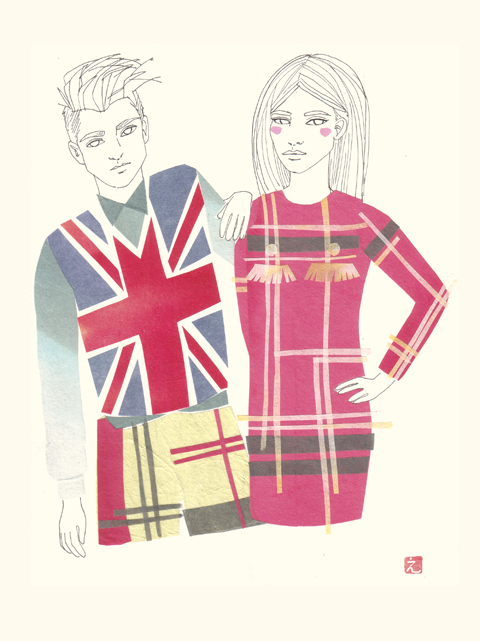


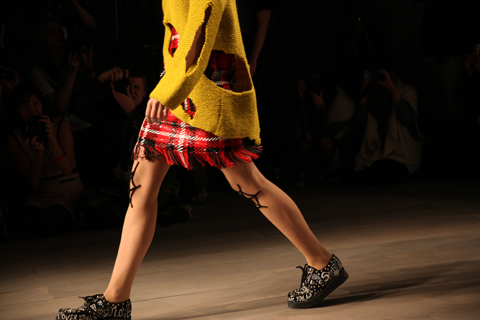
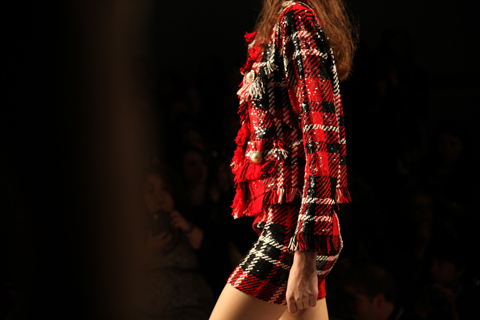
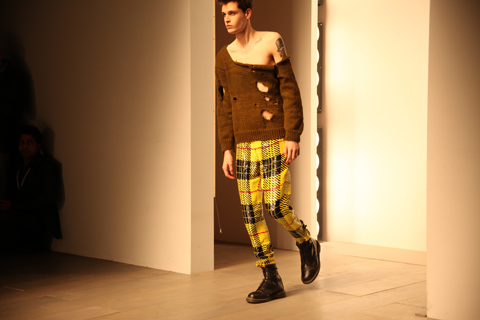


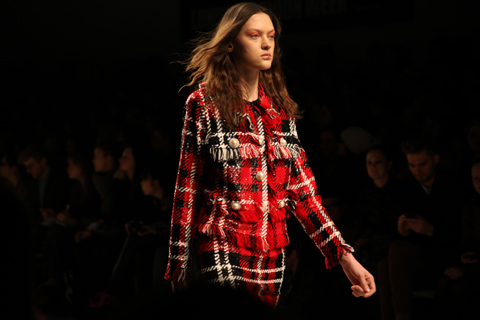


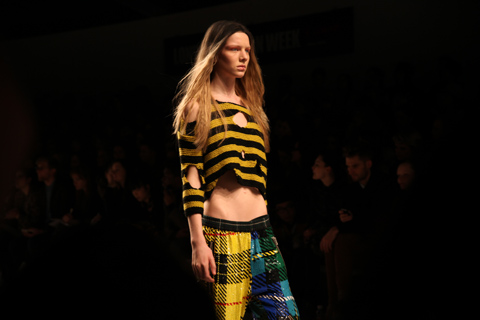

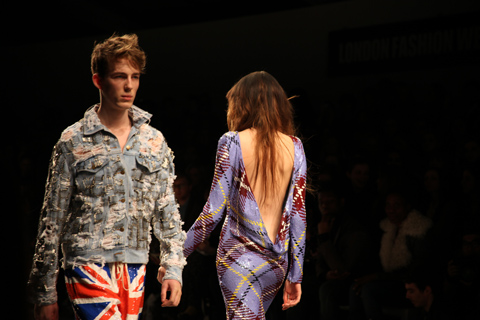


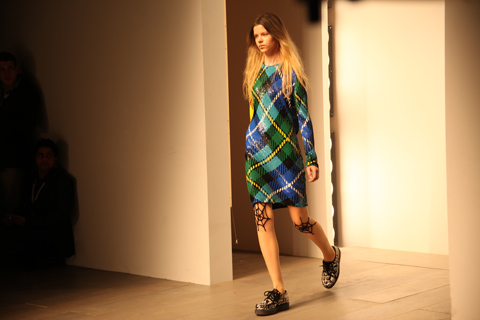

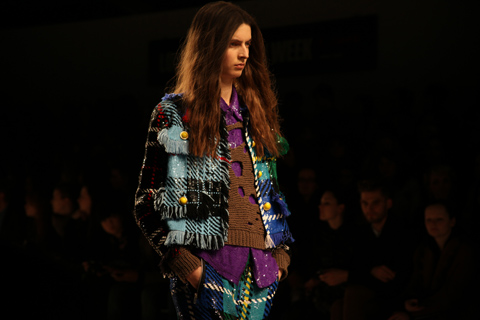

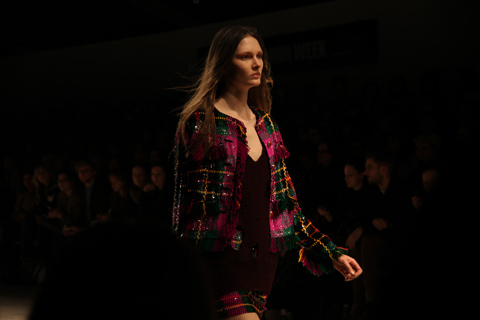


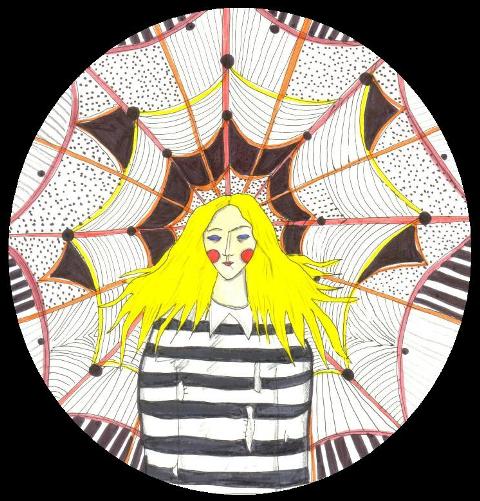

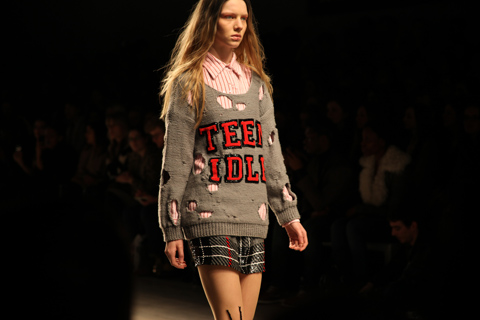
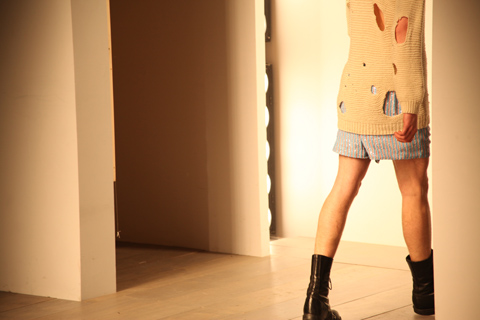

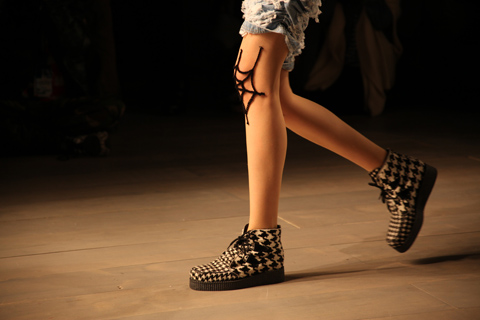
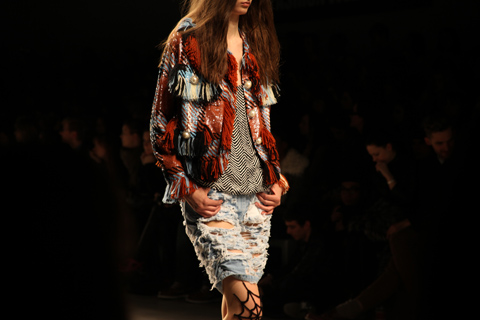
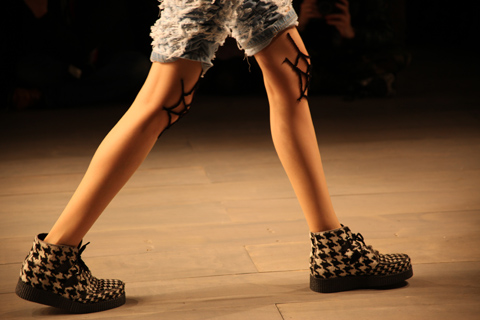


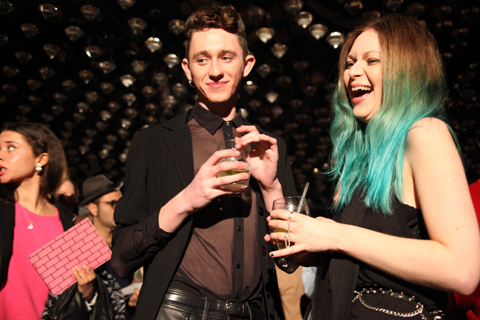


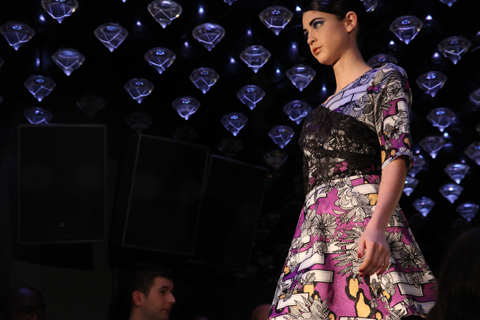



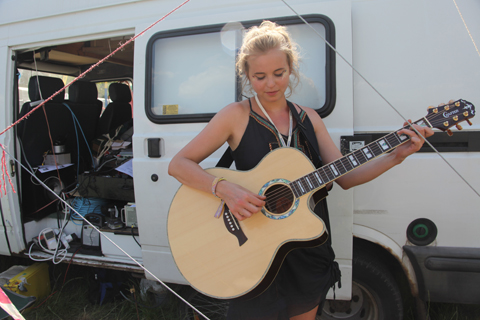





 UK Uncut gathers on the South Bank on Saturday 26th March 2011. All photography by Amelia Gregory.


 Inside Fortnum & Mason. They look super scared don’t they?


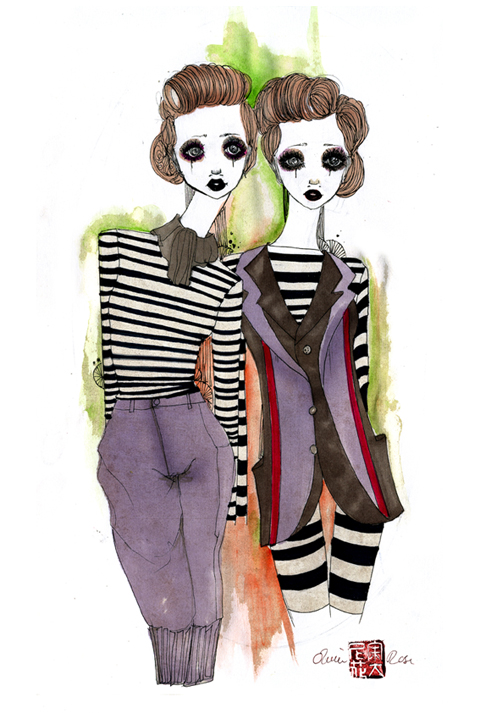


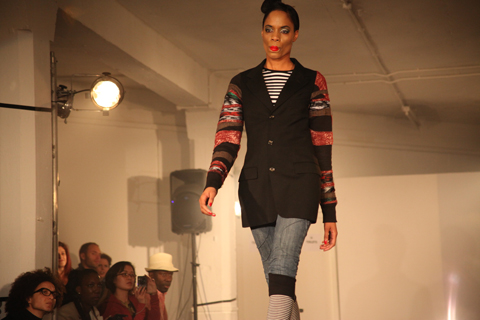

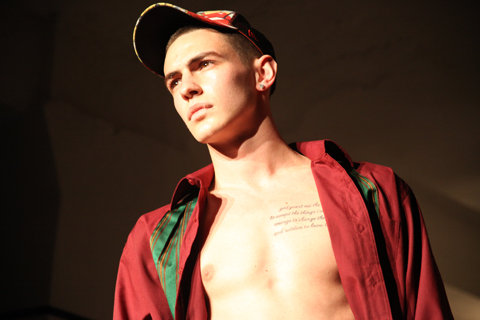


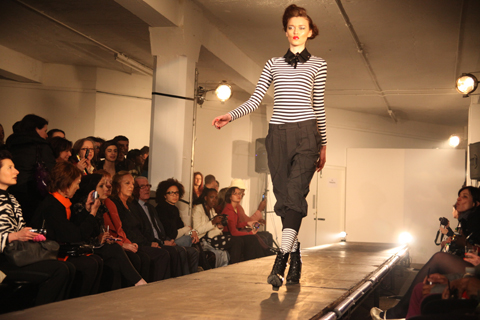
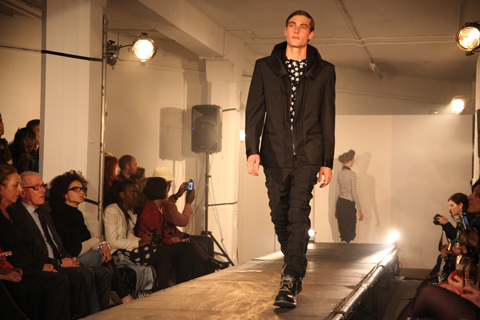
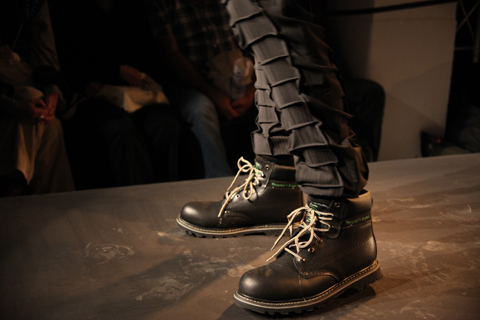

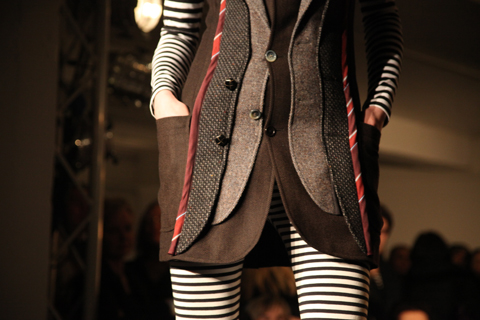
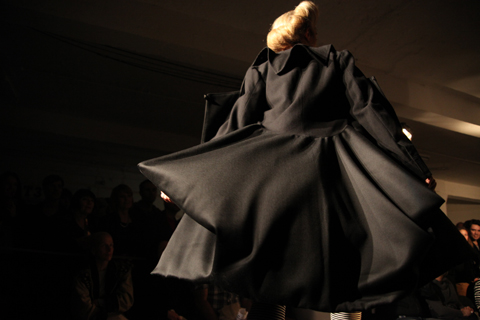


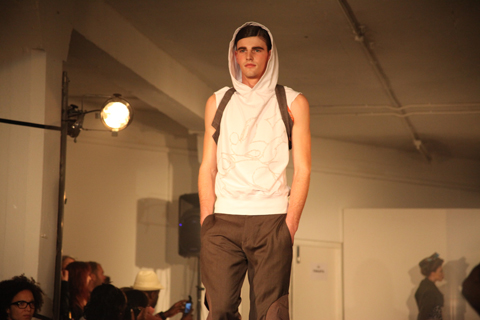

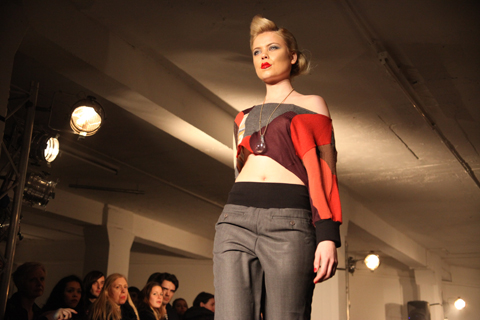

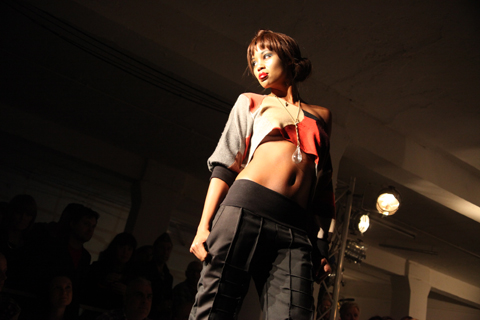


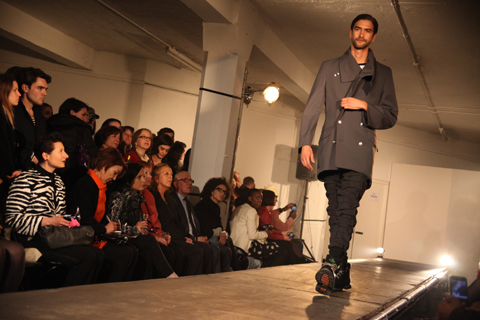

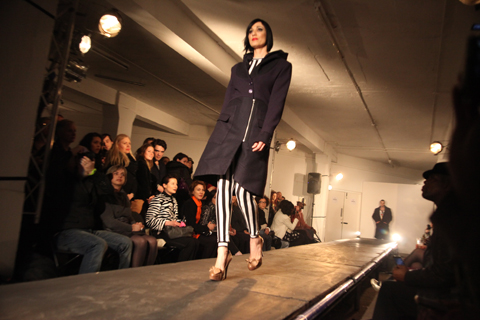

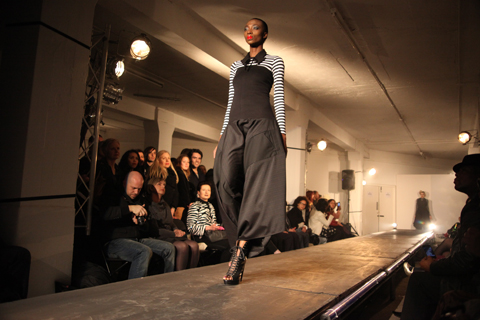


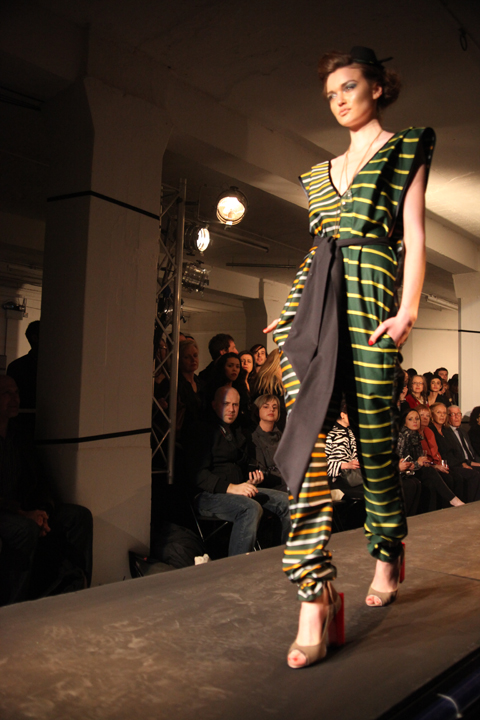


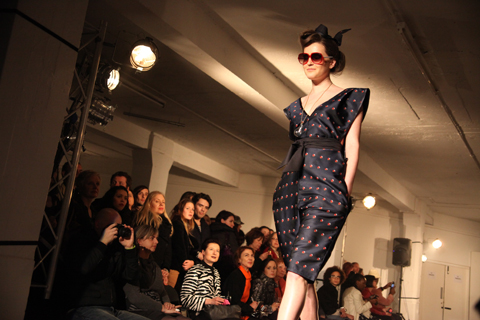
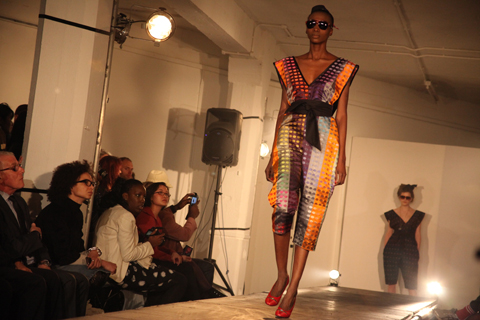

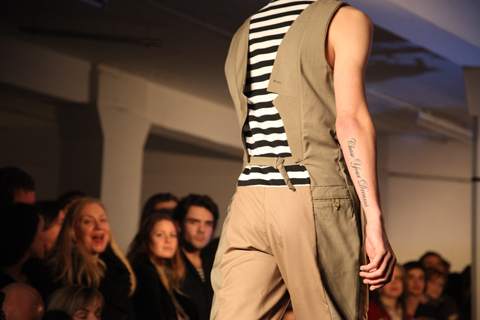
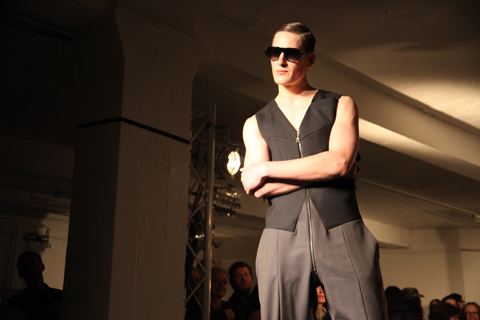
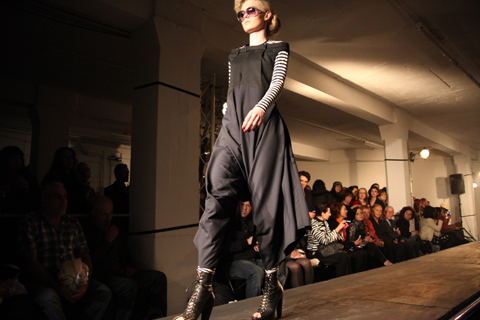


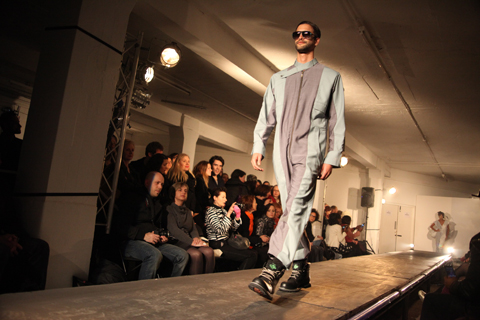

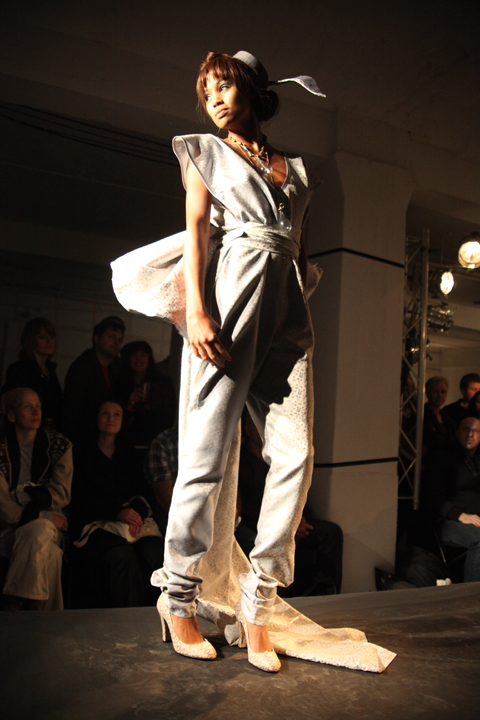
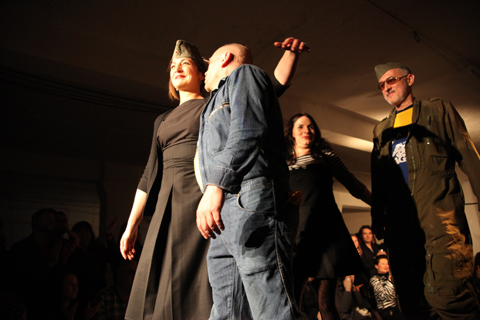
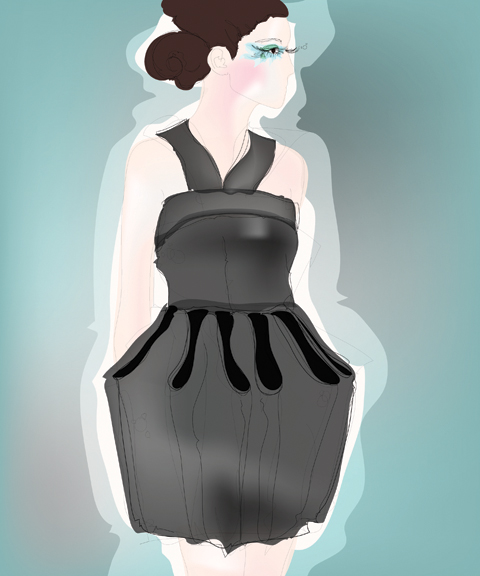 illness