Amelia’s Magazine | Shadow Catchers: Camera-less Photography at the V&A


Susan Derges

A new exhibition at the V&A – Shadow Catchers – is a beautiful as it sounds. The first of its kind, it explores the work of five key camera-less image makers. It was a concept that, when it popped into the Amelia’s inbox, I found hard to get my tiny brain around – photographs? Without a camera? Of course, I’d experimented with making photographic images without a camera at college but the quality of images that the five artists create is astonishing.

The exhibition is in the smaller gallery at the front of the grand building and is somewhat sidelined by the major Diaghilev retrospective, but shouldn’t be missed. It’s totally inspiring and tackles some thought-provoking concepts. Here’s a little look at the five artists that the show focusses on, each given their own room and space, along with some of their ground-breaking images.

Floris Neusüss

Floris Neusüss is the master of the photogram, a technique which involves placing an object on photo-sensitive paper before exposing both to light sources. He has devoted his entire career to this process – developing his work and teaching the concept to others. The most powerful of Neusüss’ work in his little area is The Latticed Window, Lacock Abbey, 2010. A life-size window from the Abbey is captured on photographic paper using light sources projected inside, and it is both imposing and relaxing at the same time – complete with all the dust and scratches as proof it is actually a photograph.
Neusüss also made beautiful and powerful images of women in Europe in the 1960s. Untitled Berlin 1962 and Untitled Munich 1965 are great examples of this – these ethereal silhouettes in foetal positions appear both active and motionless at the same time, removing any trace of personal identity but urging the viewer to think about the models’ circumstances and character.

Pierre Cordier

Cordier’s work challenges reality, aiming to produce ‘fake photographs of inaccessible reality’. His chemigrams create interesting geometrical patterns and are an exercise in simplicity. His work airs more on the side of science than art, despite employing a moer artistic approach than other camera-less photographers. The most interesting thing to note is that Cordier’s process – protecting the surface of photographic paper with art materials – means that the images he creates are impossible to realise by any other means. I do like his work, but I couldn’t help thinking that the captions were a little pretentious. And, viewing immediately after Neusüss’ powerful images of people, Cordier’s just aren’t as captivating.

Garry Fabien Miller

Fabien Miller’s dominant piece in this exhibition is Petworth Window 2000 – using a similar technique applied by Neusüss at Lacock Abbey. Petworth House and its long façade of windows is most famously depicted in Turner’s paintings, so there’s a whimsical element to Fabien Miller’s photographic version. His work is the most futuristic of the artists presented – his pieces are totally hypnotic; some appear to pulse while others look almost lenticular. Delphinium 1-8 1990 charts the growth and adaptation of a single leaf over a single day, starting with discrete, delicate marks and resulting in an almost standard photographic representation of the object in question.

Susan Derges

Derges’ work derives from an inherent interest in nature and how it is presented. It aims to reveal the hidden forces in nature that occur all around us but most go unnoticed. From sound waves to the flow of rivers, Derges captures unique patterns and formations in nature. River Tow 1997 appears almost like a charcoal drawing but is in fact a photographic record of patterns the river formed during an evening, using natural moonlight to expose the paper. The images are some of the most beautiful in the collection and made me want to run down to the Regent’s Canal at once to have a go. Vessel No. 3 (1995) sees the transformation of toadspawn into fully grown frogs over a series of photograms – from the intricate patterns the spawn first makes to the messy network of adult toads. Finally, her Arch series, capturing the four seasons in ‘dreamlike landscapes’ which appear like church windows (above), shouldn’t be missed.

Adam Fuss

So it’s to Adam Fuss to close this particular exhibition. The youngster of the group, Fuss began experimenting with camera-less photography in the 1980s. His work focusses on ‘the unseen’: events not usually documented in photography, rather than material forms. Invocation 1992 is an earnest piece of a newborn baby. Placing the baby onto the paper, submerged in water, the result is the peaceful image of the child’s outline with delicate ripples surrounding him (or her) like a baptism. My favourites were contrasting pieces Untitled 1988 and Ark 1990 – the former depicting rippling waves and nature’s chaos, the latter displaying a serene, solo drop of water and it’s minute ripples. Works like My Ghost 1997 – an ethereal image of a christening gown likened to an x-ray, have a real impact; Fuss makes the simplest objects into fascinating works of art.

This exhibition will fascinate anybody with the tiniest interest in photography and I came away feeling completely inspired. The works challenge both what we know of photography and how we think objects and nature that surrounds us every day can be depicted. Do go and see it – and catch the Diaghilev while you’re at it – you won’t be disappointed.

Categories ,Adam Fuss, ,berlin, ,Camera, ,Camera-less photography, ,Delphinium 1-8 1990, ,Floris Neusüss, ,Garry Fabien Miller, ,Lacock Abbey, ,london, ,Munich, ,My Ghost, ,Petworth Window, ,photography, ,Pierre Cordier, ,River Tow, ,Shadow Catchers, ,Susan Derges, ,The Latticed Window, ,Toadspawn, ,Turner, ,va

Similar Posts:


Amelia’s Magazine | Nottingham Trent University: Photography Ba Hons Graduate Show 2011 Review

Lydia Anne Stott  Solitudo
Solitudo by Lydia Anne Stott.

Nottingham Trent University had a huge range of styles on show at Free Range.

Nottingham Trent photography graduate exhibition 2011 Jonathan Marsh
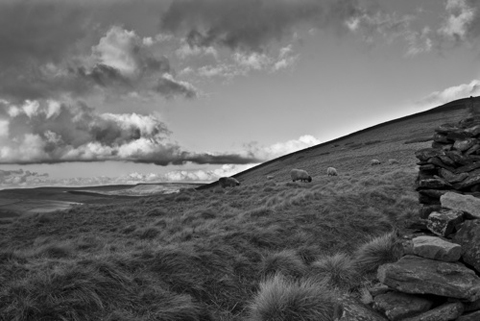
I was most taken by Jonathan Marsh‘s large photograph Now Fades the Glimmering Landscape which seemed to signify a preoccupation with the decimation of our landscape, hospital an effect achieved by over laying faint imagery of road signs on top of a bleak and wild black and white landscape. Apologies for my bad photo – this was work probably best appreciated in the flesh.

Jonathan Marsh landscape
Jonathan Marsh‘s bio declares an interest in ‘the impossibility of modern wilderness and the precarious position of modern democracy.’ Odd then that he also shoots for the Conservative party and the Royal Bank of Scotland. It’s possible to make large amounts of money taking photos for big corporations which can then be ploughed into more interesting personal projects, but this can present something of a dilemma. Where does one draw the line? There’s a certain irony in making money from a corporation like RBS that is hardly a bastion of environmental sustainability… to then draw attention to our foolish unsustainable human ways. Perhaps a more moral stance is needed, in which case it may not be possible to create that personal work in the first place. It’s an issue that many creatives struggle with, including myself, and I’m not sure I know the answer anymore. Beautiful photos nonetheless.

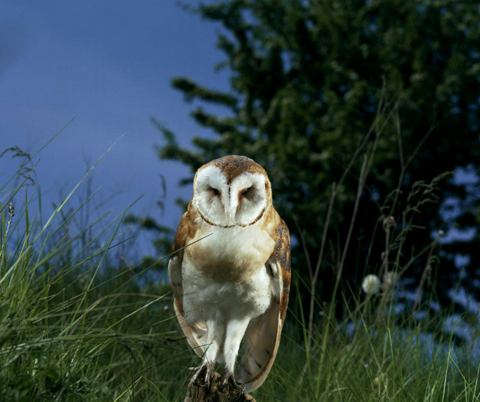
Gabrielle Brooks Animalia owl
Gabrielle Brooks Animalia
Gabrielle BrooksAnimalia caught my eye because for a moment her stuffed animals placed in a natural environment fooled me, until on closer inspection it became obvious that these animals were very much dead, leaving the feeling of a peculiar displacement between object and location. Unsettling.

Jodie Herbage girl wall
Jodie Herbage yellow
Jodie Herbage yellow flowers
Jodie Herbage girl woods
Jodie Herbage showed an enigmatically beautiful series of girls roaming a rural mountain landscape, the use of projection in the exhibition giving her work an even more ethereal feel. These are photos that would sit well in magazines such as Ballad Of and Oh Comely.

Lydia Anne Stott Solitudo
Nottingham Trent photography graduate exhibition 2011 Lydia Anne Stott
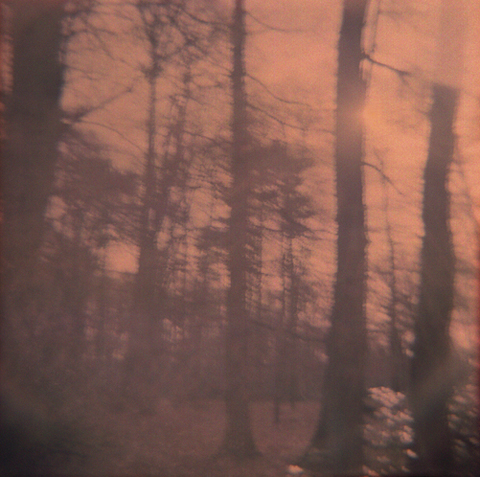
With a similar feel Lydia Anne Stott created atonal dreamy landscapes in Solitudo, the inherent unreality of the photos used to emphasise the hazy memories of some kind of familiar yet distant folklore.

Kat Borvinko Twilight Transparencies
Kat Borvinko chose to display her late night Twilight Transparencies of urban landscapes against light boxes to great effect, the blurring haze around the lights flooding ever outward against the purple urban night sky.

Categories ,Animalia, ,Ballad Of, ,Conservatives, ,Free Range, ,Gabrielle Brooks, ,Graduate Shows, ,Jodie Herbage, ,Jonathan Marsh, ,Kat Borvinko, ,Lightboxes, ,Lydia Anne Stott, ,Nottingham Trent University, ,Now Fades the Glimmering Landscape, ,Oh Comely, ,photography, ,Royal Bank of Scotland, ,Solitudo, ,Twilight Transparencies

Similar Posts:


Amelia’s Magazine | Illustrator Zöe Barker: Blimey, That is Nice !

Zoe-barker1All illustrations courtesy of Zöe Barker

Louisa Lee:  I’ve noticed that you’ve got a fine art background, health how did this develop into illustration?

Zöe Barker: Since I was a kid I wanted to be an artist. I loved drawing the most so it seemed an obvious choice. I headed straight to University onto a Fine Art degree after school. I hadn’t considered anything other than being a painter. University was interesting; realism and portrait painting were not trendy and I struggled for a while with explaining my thoughts and concepts. The ideas that were getting great reactions – dark, patient crude or shocking, information pills whacko performance art – were a bit frustrating and I didn’t know where I fit. I came close to transferring onto an Illustration degree, but decided that Fine Art was a great platform to work out my ideas and style. I began to understand how I wanted to communicate. I am really pleased that I stuck with that decision; during the last year of Art School ideas started forming that are still very much key in my work now. I started drawing in a way that achieved the right balance between craft and concept. When I left University I felt a bit stuck because I hadn’t received the advice or direction that a young illustrator could feed off, and my portfolio was essentially that of a fine artist. I kept getting told that my work wasn’t illustration but ‘real’ art, and I didn’t understand why illustration had to be so dumbed down, or why I had to be one or the other. I then started producing more drawings, giving them more of a purpose. I still felt like I was totally “blagging” it when I went for interviews, and was terrified to show my portfolio. I now have a better awareness of the sort of projects suited to me. It’s really important to not change the core of my art to get more work, but striving at refining and specialising.

Zoe-Barker-8

LL: Does your fine art background affect how you respond to commissions?

ZB: I hope so. I don’t like the idea that illustration is seen as a commercial cop out, and Fine Art as airy-fairy business. When I was studying fine art I found it so demoralising walking around galleries and studios seeing stuff that didn’t mean anything. People explained their ‘work’ with sweeping intellectual breakdowns. I only really discovered illustration at Uni. I thought illustration was people doing cute little watercolours for kids books, or people who could draw pretending they couldn’t. Then my housemate showed me Charles Anastase fashion illustrations and it changed the way I looked at drawing.

I don’t see why illustration can’t be as weighty and thought provoking as fine art – I wonder whether we aren’t thinking enough of the reader when we use illustration merely to decorate a text. Fine art taught me to think about how I wanted to communicate most efficiently. I am not limited by ways to approach an idea, which helps in handling wider ranges of projects. I prefer to call myself an illustrator because it sounds like a proper job!

Zoe-Barker-3

LL: Which artists or illustrators influence you?

ZB: Dryden Goodwin has been a huge influence. When I was in university he had produced a portrait of Sir Steve Redgrave. He’d meticulously drawn the same photograph 25 times and then animated it and looped it. All of the images are practically identical, but when animated the variations in the shading become apparent and suggest changes in the light. It’s beautiful; so simple but says so much about the nature of drawing and photography. When I first saw it I was having one of those days of cramming as many exhibitions into one day as I could, getting pretty demoralised by the work that I was seeing. Then I saw Sustained Endeavour and was blown away. I went to see that drawing so many times; when I had been having a bad day, when I need inspiration or reassuring. That sounds so cheesy, but I think that’s what art should be able to do. I have spent hours staring at his drawings, analysing his mark-making, literally breaking down how he uses a pencil. I’m pretty sure the Gallery staff thought I was mental. Justin Mortimer is also a massive influence on me. He’s done everything with paint that I wanted to do but didn’t come close to. Also Gerhard Richter, Chuck Close, Hellovon, and Billie Jean.

zoe-barker5

LL: Your work manages to make the ordinary e.g. old cars, Tesco, Brylcream funny and interesting. What else inspires or influences your work?

ZB: I think I have a weird sense of humour! I get inspired to draw by lame things that everyone loves, like Coronation Street, or things totally unnecessary or ugly. I like looking at everyday objects/adverts and taking them out of context to show how bizarre they are. Especially stuff from when I was younger that I thought was super cool and then grew up and was like, really? Like Old Spice. You know that men’s fragrance? I’d buy my Grandad that every Christmas and think it was swanky as. I love seeing how time changes your perception. What I choose to draw is just funny, odd, awkward or outdated. I have a large collection of old National Geographics, suitcases of family photographs and other books and magazines from the 60s-80s. I love how excited everyone got about things like Thermos flasks. The sense of wonder you can see in people discovering these crazy ‘modern’ inventions. It seemed way more exciting back then; none of this Iphone, plasma TV, Playstation stuff. I found this advert in my book of modern day marvels describing the “new” ticket machine in the London Underground. It was describing how it ‘thought’ like some modern crazy robot, making sure it gave you the right change every time you used it. All of these things that we make out to be the best thing yet, and then the following year they get trashed for some slightly better update, and before you know it we’re laughing at our massive ‘brick’ phones. It just shows how fickle we are.

Zoe-barker4

I’m probably most inspired by past ideologies; my Parents and Grandparents talk about how they lived when they were kids, and I think we’re missing out! I grew up in Suffolk, and going back there feels like a different time zone. Up until a couple of years ago the beer from the local brewery was still being delivered to the local pubs by a horse and cart. The contrast between the countryside and London living is fascinating; taking old-fashioned ideals of family, community and the local, and then mashing that up against power-dressing and corporate empires. That’s where the Tesco Values drawing came from. Tesco opened in my tiny, sleepy little town where you know every shopkeeper and where Woolworths had once been the peak of the high street shopping experience. It made me angry. And then I laughed at the obscurity of it and made a drawing. I think my drawings are kind of a nostalgic bid to hold onto outlooks on life that seem to be fading. That’s where my fascination with Volvos comes from. The family car encompasses an ideal of a family unit; safety and practicality over shiny good looks. What does life in England look like when these ideals have disappeared, and have been replaced with slick corporate efficiency and independent living?

Zoe-Barker2

LL: Most of your work seems to be in 3H pencil, why is this? Do you ever work in different colours or mediums?

ZB: I think pencils are underrated. I usually use 3H pencils. It’s just such a beautifully simple, honest process and it’s so delicate. I’ve done many drawings where I’ve obsessed over a particular area, and then realised the drawing has got over-worked. I usually bin it. If you start bombarding a pencil drawing with stacks of colour and different texture it loses its gentle and fragile charm. Drawing shouldn’t try to be high tech, showy, glossy, perfect thing, because it goes against everything that’s great about it. I like that it’s a process that everyone can get in on. There’s no mystery to it. You can say so much with a pencil mark because it’s so direct and undiluted. I like things simple and the idea of my equipment costing £3!

Zoe-Barker7

LL:  I like your pixellated work on graph paper, how did this come about?

ZB: During my degree I lost interest in painting portraits. I wanted to produce intricate paintings. The whole idea of re-mediation and reproduction fascinated me. I was getting really interested in photography and truth of representation theories. In my third year of my degree ahead of my final show, I stayed late in the studio and was sat in front of some painting I had done of a fisherman from an old National Geographic. I had loved the process and the realism of the painting, but was totally unimpressed with the concept of the finished piece. I hated the composition and was in a real state of frustration. So, I pulled it off the stretcher and started cutting it into little squares. I think my friends thought I’d gone a bit mad. But I was on some quest. I had to find a purpose for the work, a question I was trying to answer. That was the last painting I made. I started making drawings from photographs but using abstraction and pixilation, using different layers and materials, trying to understand photography through drawing. The pixel drawings came from the idea that photography had this privileged link with truth and representing the ‘real’, yet was totally flawed – taking old imagery and cropping it awkwardly and distorting it, then locking it behind an envelope window or a piece of tracing paper to show some kind of finality or impenetrable surface. I enjoy trying to push what drawing can do.
Zoe-Barker6 LL: What would be your ideal brief?

ZB: A hand-drawn billboard campaign for Volvo! My favourite jobs come from working with people who are passionate about what they’re trying to achieve. If I really believe in a project or a vision I’m sold. I’ve loved working for Howies and Bobbin Bicycles because they are clear about what they’re about and won’t compromise. People going against the flow get me excited. Obviously I’d also like to do the artwork for my favourite bands’ new albums and stuff like that, but then I sound like a 16 year old. That’s ok though. I’d love to collaborate with a musician or a band and produce artwork that is as important as the music it’s encasing.

LL: Where will we see your work next?

ZB: I have a couple of collaborations coming up. I’ll be contributing to each of Patrick Fry’s next set of No.Zines. The last three were ace! I’m also starting work for an exhibition with a photographer friend, focussing on ‘Tesco Values’, exploring how technological and cultural advances are affecting rural areas.

Categories ,Advertising, ,animation, ,Billie Jean, ,Bobbin Bicycles, ,Charles Anastase, ,Chuck Close, ,drawing, ,drawings, ,Dryden Goodwin, ,fanzine, ,Fine Art, ,Gerhard Richter, ,Graphic Design, ,Hellovon, ,howies, ,illustration, ,National Greographic, ,Old Spice, ,Patrick Fry, ,photography, ,Tesco, ,Volvo, ,Zöe Barker

Similar Posts:


Amelia’s Magazine | Illustrator Zöe Barker: Blimey, That is Nice !

Zoe-barker1All illustrations courtesy of Zöe Barker

Louisa Lee:  I’ve noticed that you’ve got a fine art background, health how did this develop into illustration?

Zöe Barker: Since I was a kid I wanted to be an artist. I loved drawing the most so it seemed an obvious choice. I headed straight to University onto a Fine Art degree after school. I hadn’t considered anything other than being a painter. University was interesting; realism and portrait painting were not trendy and I struggled for a while with explaining my thoughts and concepts. The ideas that were getting great reactions – dark, patient crude or shocking, information pills whacko performance art – were a bit frustrating and I didn’t know where I fit. I came close to transferring onto an Illustration degree, but decided that Fine Art was a great platform to work out my ideas and style. I began to understand how I wanted to communicate. I am really pleased that I stuck with that decision; during the last year of Art School ideas started forming that are still very much key in my work now. I started drawing in a way that achieved the right balance between craft and concept. When I left University I felt a bit stuck because I hadn’t received the advice or direction that a young illustrator could feed off, and my portfolio was essentially that of a fine artist. I kept getting told that my work wasn’t illustration but ‘real’ art, and I didn’t understand why illustration had to be so dumbed down, or why I had to be one or the other. I then started producing more drawings, giving them more of a purpose. I still felt like I was totally “blagging” it when I went for interviews, and was terrified to show my portfolio. I now have a better awareness of the sort of projects suited to me. It’s really important to not change the core of my art to get more work, but striving at refining and specialising.

Zoe-Barker-8

LL: Does your fine art background affect how you respond to commissions?

ZB: I hope so. I don’t like the idea that illustration is seen as a commercial cop out, and Fine Art as airy-fairy business. When I was studying fine art I found it so demoralising walking around galleries and studios seeing stuff that didn’t mean anything. People explained their ‘work’ with sweeping intellectual breakdowns. I only really discovered illustration at Uni. I thought illustration was people doing cute little watercolours for kids books, or people who could draw pretending they couldn’t. Then my housemate showed me Charles Anastase fashion illustrations and it changed the way I looked at drawing.

I don’t see why illustration can’t be as weighty and thought provoking as fine art – I wonder whether we aren’t thinking enough of the reader when we use illustration merely to decorate a text. Fine art taught me to think about how I wanted to communicate most efficiently. I am not limited by ways to approach an idea, which helps in handling wider ranges of projects. I prefer to call myself an illustrator because it sounds like a proper job!

Zoe-Barker-3

LL: Which artists or illustrators influence you?

ZB: Dryden Goodwin has been a huge influence. When I was in university he had produced a portrait of Sir Steve Redgrave. He’d meticulously drawn the same photograph 25 times and then animated it and looped it. All of the images are practically identical, but when animated the variations in the shading become apparent and suggest changes in the light. It’s beautiful; so simple but says so much about the nature of drawing and photography. When I first saw it I was having one of those days of cramming as many exhibitions into one day as I could, getting pretty demoralised by the work that I was seeing. Then I saw Sustained Endeavour and was blown away. I went to see that drawing so many times; when I had been having a bad day, when I need inspiration or reassuring. That sounds so cheesy, but I think that’s what art should be able to do. I have spent hours staring at his drawings, analysing his mark-making, literally breaking down how he uses a pencil. I’m pretty sure the Gallery staff thought I was mental. Justin Mortimer is also a massive influence on me. He’s done everything with paint that I wanted to do but didn’t come close to. Also Gerhard Richter, Chuck Close, Hellovon, and Billie Jean.

zoe-barker5

LL: Your work manages to make the ordinary e.g. old cars, Tesco, Brylcream funny and interesting. What else inspires or influences your work?

ZB: I think I have a weird sense of humour! I get inspired to draw by lame things that everyone loves, like Coronation Street, or things totally unnecessary or ugly. I like looking at everyday objects/adverts and taking them out of context to show how bizarre they are. Especially stuff from when I was younger that I thought was super cool and then grew up and was like, really? Like Old Spice. You know that men’s fragrance? I’d buy my Grandad that every Christmas and think it was swanky as. I love seeing how time changes your perception. What I choose to draw is just funny, odd, awkward or outdated. I have a large collection of old National Geographics, suitcases of family photographs and other books and magazines from the 60s-80s. I love how excited everyone got about things like Thermos flasks. The sense of wonder you can see in people discovering these crazy ‘modern’ inventions. It seemed way more exciting back then; none of this Iphone, plasma TV, Playstation stuff. I found this advert in my book of modern day marvels describing the “new” ticket machine in the London Underground. It was describing how it ‘thought’ like some modern crazy robot, making sure it gave you the right change every time you used it. All of these things that we make out to be the best thing yet, and then the following year they get trashed for some slightly better update, and before you know it we’re laughing at our massive ‘brick’ phones. It just shows how fickle we are.

Zoe-barker4

I’m probably most inspired by past ideologies; my Parents and Grandparents talk about how they lived when they were kids, and I think we’re missing out! I grew up in Suffolk, and going back there feels like a different time zone. Up until a couple of years ago the beer from the local brewery was still being delivered to the local pubs by a horse and cart. The contrast between the countryside and London living is fascinating; taking old-fashioned ideals of family, community and the local, and then mashing that up against power-dressing and corporate empires. That’s where the Tesco Values drawing came from. Tesco opened in my tiny, sleepy little town where you know every shopkeeper and where Woolworths had once been the peak of the high street shopping experience. It made me angry. And then I laughed at the obscurity of it and made a drawing. I think my drawings are kind of a nostalgic bid to hold onto outlooks on life that seem to be fading. That’s where my fascination with Volvos comes from. The family car encompasses an ideal of a family unit; safety and practicality over shiny good looks. What does life in England look like when these ideals have disappeared, and have been replaced with slick corporate efficiency and independent living?

Zoe-Barker2

LL: Most of your work seems to be in 3H pencil, why is this? Do you ever work in different colours or mediums?

ZB: I think pencils are underrated. I usually use 3H pencils. It’s just such a beautifully simple, honest process and it’s so delicate. I’ve done many drawings where I’ve obsessed over a particular area, and then realised the drawing has got over-worked. I usually bin it. If you start bombarding a pencil drawing with stacks of colour and different texture it loses its gentle and fragile charm. Drawing shouldn’t try to be high tech, showy, glossy, perfect thing, because it goes against everything that’s great about it. I like that it’s a process that everyone can get in on. There’s no mystery to it. You can say so much with a pencil mark because it’s so direct and undiluted. I like things simple and the idea of my equipment costing £3!

Zoe-Barker7

LL:  I like your pixellated work on graph paper, how did this come about?

ZB: During my degree I lost interest in painting portraits. I wanted to produce intricate paintings. The whole idea of re-mediation and reproduction fascinated me. I was getting really interested in photography and truth of representation theories. In my third year of my degree ahead of my final show, I stayed late in the studio and was sat in front of some painting I had done of a fisherman from an old National Geographic. I had loved the process and the realism of the painting, but was totally unimpressed with the concept of the finished piece. I hated the composition and was in a real state of frustration. So, I pulled it off the stretcher and started cutting it into little squares. I think my friends thought I’d gone a bit mad. But I was on some quest. I had to find a purpose for the work, a question I was trying to answer. That was the last painting I made. I started making drawings from photographs but using abstraction and pixilation, using different layers and materials, trying to understand photography through drawing. The pixel drawings came from the idea that photography had this privileged link with truth and representing the ‘real’, yet was totally flawed – taking old imagery and cropping it awkwardly and distorting it, then locking it behind an envelope window or a piece of tracing paper to show some kind of finality or impenetrable surface. I enjoy trying to push what drawing can do.
Zoe-Barker6 LL: What would be your ideal brief?

ZB: A hand-drawn billboard campaign for Volvo! My favourite jobs come from working with people who are passionate about what they’re trying to achieve. If I really believe in a project or a vision I’m sold. I’ve loved working for Howies and Bobbin Bicycles because they are clear about what they’re about and won’t compromise. People going against the flow get me excited. Obviously I’d also like to do the artwork for my favourite bands’ new albums and stuff like that, but then I sound like a 16 year old. That’s ok though. I’d love to collaborate with a musician or a band and produce artwork that is as important as the music it’s encasing.

LL: Where will we see your work next?

ZB: I have a couple of collaborations coming up. I’ll be contributing to each of Patrick Fry’s next set of No.Zines. The last three were ace! I’m also starting work for an exhibition with a photographer friend, focussing on ‘Tesco Values’, exploring how technological and cultural advances are affecting rural areas.

Categories ,Advertising, ,animation, ,Billie Jean, ,Bobbin Bicycles, ,Charles Anastase, ,Chuck Close, ,drawing, ,drawings, ,Dryden Goodwin, ,fanzine, ,Fine Art, ,Gerhard Richter, ,Graphic Design, ,Hellovon, ,howies, ,illustration, ,National Greographic, ,Old Spice, ,Patrick Fry, ,photography, ,Tesco, ,Volvo, ,Zöe Barker

Similar Posts:


Amelia’s Magazine | Interview with Illustrator Tigz Rice before the launch of her new picturebook Bitten

Latitude 2010-Active Child by Amelia Gregory
Active Child. Photography by Amelia Gregory.

The falsetto sounds of Active Child were our new discovery for Saturday morning. American Pat Grossi alone on stage with just his mixer and computer, physician another lone electro maestro.

JAMES-LATITUDE-JENNY-GOLDSTONE
James by Jenny Goldstone.

James were our mid afternoon treat over at the Obelisk Arena – but we didn’t just sit down, click we lay spark out and enjoyed a full tour through their back catalogue of hits from a horizontal position. I was somewhat surprised to note that the lead singer is now bald of bounce and goatee of beard when I am sure he used to have lots of curly locks – oh the perils of ageing.

Latitude 2010-kids by Amelia Gregory
Latitude 2010-family by Amelia Gregory
Latitude 2010-girls by Amelia Gregory
Latitude 2010-chips by Amelia Gregory

We were surrounded by lots of families, parents obviously revelling in a favourite from their youth, whilst even the teens next to us could sing along to the band’s most famous tune. And it seems we weren’t the only ones having a relaxing time.

Latitude 2010-gaggle choir by Amelia Gregory

In the woods we encountered a bunch of singing girls in wonderful outfits. Now why don’t all choirs dress like the Gaggle? I couldn’t really hear them, but darn it, who cares when they look this good?!

faye skinner FIRST AID kit
First Aid Kit, protected by a burly security man, by Faye Skinner.

I love it when a band I’ve loved forever starts to gain widespread success, and First Aid Kit have now reached a stage where they could draw suitably impressive crowds to the wooded environs of the Sunrise Arena. If you haven’t yet seen them live, then why the hell not? You can read a previous review of their gig at the Union Chapel here.

Crystal-Castles-Latitude-2010-by-Mina-Bach
Crystal Castles by Mina Bach.

Over on the other side Crystal Castles arrived to a cascading wall of squelching beats that had the middle aged couple next to me pulling somewhat bemused faces at each other. Goodness knows what they made of Alice’s performance thereafter. Whilst slugging on a bottle of Jim Beam *rock n roll* she declared that gang bangers should “all be castrated” – the first inkling I had that all was not well at Latitude. Thereafter she was hellbent on crowdsurfing through the entire set, which mainly involved flinging herself into the rather excited male audience down front and then punching them if they grabbed her inappropriately, before being dragged back by security. Oh how the burly men in uniform love it when the singer does that. Rather inexplicably one fan insisted on giving Alice a sign featuring the word TOAST and, yup, you got it, a picture of a piece of toast. There’s been much grumbling online about Alice’s performance but I thoroughly enjoyed it, even if it did look rather like had to yak at one point.

Latitude 2010-belle and sebastian by Amelia Gregory
sarah martin belle and sebastain by kate blandford
Sarah Martin of Belle and Sebastain by Kate Blandford.

The pace changed down a gear with the arrival of headliners Belle and Sebastian, playing their first gig in many years. First comment from those next to me? “She looks a bit mumsy.” And so what if Sarah does? Belle and Sebastian are not exactly in the first flush of youth, a fact which frontman Stuart Murdoch picked up repeatedly as he declared “they promised us an old crowd” – as usual the front was of course packed out with teenagers whilst the oldies (that seems to include me these days) hung back for a bit of air. Mind you I’ve never been a massive fan of the mosh pit to be honest. At one point Stuart threatened to take his top off (he was looking rather fit) which caused a fresh round of adolescent screaming “it would be like walking in on your dad in the shower” he laughed. It was a delightful set that featured an impromptu rendition of the Rolling Stones Jumping Jack Flash and finished with a gaggle of very happy teenagers dancing around on stage in front of the wrinkles and their orchestra. “You just made an old man very happy,” laughed Stuart in his lilting Scottish brogue, “now get off.” You show them who’s boss round here!
Latitude 2010-Active Child by Amelia Gregory
Active Child. Photography by Amelia Gregory.

The falsetto sounds of Active Child were our new discovery for Saturday morning. American Pat Grossi alone on stage with just his mixer and computer, story another lone electro maestro.

JAMES-LATITUDE-JENNY-GOLDSTONE
James by Jenny Goldstone.

James were our mid afternoon treat over at the Obelisk Arena – but we didn’t just sit down, we lay spark out and enjoyed a full tour through their back catalogue of hits from a horizontal position. I was somewhat surprised to note that the lead singer is now bald of bounce and goatee of beard when I am sure he used to have lots of curly locks – oh the perils of ageing.

Latitude 2010-kids by Amelia Gregory
Latitude 2010-family by Amelia Gregory
Latitude 2010-girls by Amelia Gregory
Latitude 2010-chips by Amelia Gregory

We were surrounded by lots of families, parents obviously revelling in a favourite from their youth, whilst even the teens next to us could sing along to the band’s most famous tune. And it seems we weren’t the only ones having a relaxing time.

Latitude 2010-gaggle choir by Amelia Gregory

In the woods we encountered a bunch of singing girls in wonderful outfits. Now why don’t all choirs dress like the Gaggle? I couldn’t really hear them, but darn it, who cares when they look this good?!

faye skinner FIRST AID kit
First Aid Kit, protected by a burly security man, by Faye Skinner.

I love it when a band I’ve loved forever starts to gain widespread success, and First Aid Kit have now reached a stage where they could draw suitably impressive crowds to the wooded environs of the Sunrise Arena. If you haven’t yet seen them live, then why the hell not? You can read a previous review of their gig at the Union Chapel here.

Crystal-Castles-Latitude-2010-by-Mina-Bach
Crystal Castles by Mina Bach.

Over on the other side Crystal Castles arrived to a cascading wall of squelching beats that had the middle aged couple next to me pulling somewhat bemused faces at each other. Goodness knows what they made of Alice’s performance thereafter. Whilst slugging on a bottle of Jim Beam *rock n roll* she declared that gang bangers should “all be castrated” – the first inkling I had that all was not well at Latitude. Thereafter she was hellbent on crowdsurfing through the entire set, which mainly involved flinging herself into the rather excited male audience down front and then punching them if they grabbed her inappropriately, before being dragged back by security. Oh how the burly men in uniform love it when the singer does that. Rather inexplicably one fan insisted on giving Alice a sign featuring the word TOAST and, yup, you got it, a picture of a piece of toast. There’s been much grumbling online about Alice’s performance but I thoroughly enjoyed it, even if it did look rather like had to yak at one point.

Latitude 2010-belle and sebastian by Amelia Gregory
sarah martin belle and sebastain by kate blandford
Sarah Martin of Belle and Sebastain by Kate Blandford.

The pace changed down a gear with the arrival of headliners Belle and Sebastian, playing their first gig in many years. First comment from those next to me? “She looks a bit mumsy.” And so what if Sarah does? Belle and Sebastian are not exactly in the first flush of youth, a fact which frontman Stuart Murdoch picked up repeatedly as he declared “they promised us an old crowd” – as usual the front was of course packed out with teenagers whilst the oldies (that seems to include me these days) hung back for a bit of air. Mind you I’ve never been a massive fan of the mosh pit to be honest. At one point Stuart threatened to take his top off (he was looking rather fit) which caused a fresh round of adolescent screaming “it would be like walking in on your dad in the shower” he laughed. It was a delightful set that featured an impromptu rendition of the Rolling Stones Jumping Jack Flash and finished with a gaggle of very happy teenagers dancing around on stage in front of the wrinkles and their orchestra. “You just made an old man very happy,” laughed Stuart in his lilting Scottish brogue, “now get off.” You show them who’s boss round here!
Latitude 2010-Active Child by Amelia Gregory
Active Child. Photography by Amelia Gregory.

The falsetto sounds of Active Child were our new discovery for Saturday morning. American Pat Grossi alone on stage with just his mixer and computer, site another lone electro maestro.

JAMES-LATITUDE-JENNY-GOLDSTONE
James by Jenny Goldstone.

James were our mid afternoon treat over at the Obelisk Arena – but we didn’t just sit down, we lay spark out and enjoyed a full tour through their back catalogue of hits from a horizontal position. I was somewhat surprised to note that the lead singer is now bald of bounce and goatee of beard when I am sure he used to have lots of curly locks – oh the perils of ageing.

Latitude 2010-kids by Amelia Gregory
Latitude 2010-family by Amelia Gregory
Latitude 2010-girls by Amelia Gregory
Latitude 2010-chips by Amelia Gregory

We were surrounded by lots of families, parents obviously revelling in a favourite from their youth, whilst even the teens next to us could sing along to the band’s most famous tune. And it seems we weren’t the only ones having a relaxing time.

Latitude 2010-gaggle choir by Amelia Gregory

In the woods we encountered a bunch of singing girls in wonderful outfits. Now why don’t all choirs dress like the Gaggle? I couldn’t really hear them, but darn it, who cares when they look this good?!

faye skinner FIRST AID kit
First Aid Kit, protected by a burly security man, by Faye Skinner.

I love it when a band I’ve loved forever starts to gain widespread success, and First Aid Kit have now reached a stage where they could draw suitably impressive crowds to the wooded environs of the Sunrise Arena. If you haven’t yet seen them live, then why the hell not? You can read a previous review of their gig at the Union Chapel here.

Crystal-Castles-Latitude-2010-by-Mina-Bach
Crystal Castles by Mina Bach.

Over on the other side Crystal Castles arrived to a cascading wall of squelching beats that had the middle aged couple next to me pulling somewhat bemused faces at each other. Goodness knows what they made of Alice’s performance thereafter. Whilst slugging on a bottle of Jim Beam *rock n roll* she declared that gang bangers should “all be castrated” – the first inkling I had that all was not well at Latitude. Thereafter she was hellbent on crowdsurfing through the entire set, which mainly involved flinging herself into the rather excited male audience down front and then punching them if they grabbed her inappropriately, before being dragged back by security. Oh how the burly men in uniform love it when the singer does that. Rather inexplicably one fan insisted on giving Alice a sign featuring the word TOAST and, yup, you got it, a picture of a piece of toast. There’s been much grumbling online about Alice’s performance but I thoroughly enjoyed it, even if it did look rather like had to yak at one point.

Latitude 2010-belle and sebastian by Amelia Gregory
sarah martin belle and sebastain by kate blandford
Sarah Martin of Belle and Sebastain by Kate Blandford.

The pace changed down a gear with the arrival of headliners Belle and Sebastian, playing their first gig in many years. First comment from those next to me? “She looks a bit mumsy.” And so what if Sarah does? Belle and Sebastian are not exactly in the first flush of youth, a fact which frontman Stuart Murdoch picked up repeatedly as he declared “they promised us an old crowd” – as usual the front was of course packed out with teenagers whilst the oldies (that seems to include me these days) hung back for a bit of air. Mind you I’ve never been a massive fan of the mosh pit to be honest. At one point Stuart threatened to take his top off (he was looking rather fit) which caused a fresh round of adolescent screaming “it would be like walking in on your dad in the shower” he laughed. It was a delightful set that featured an impromptu rendition of the Rolling Stones Jumping Jack Flash and finished with a gaggle of very happy teenagers dancing around on stage in front of the wrinkles and their orchestra. “You just made an old man very happy,” laughed Stuart in his lilting Scottish brogue, “now get off.” You show them who’s boss round here!
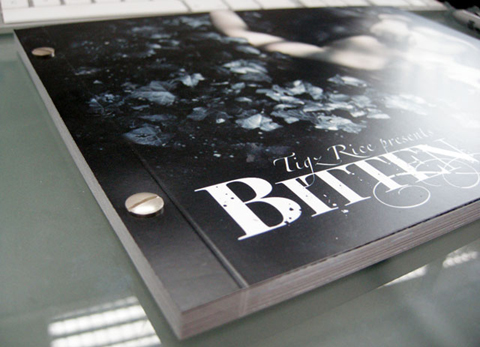
bitten 1Image from Bitten courtesy of Tigz Rice

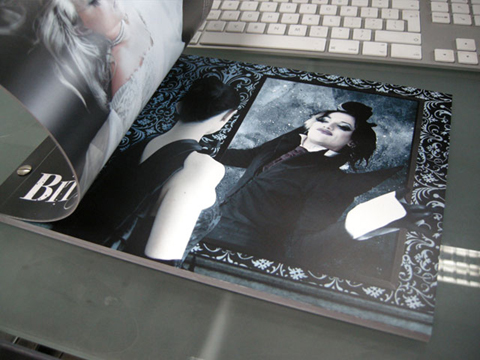
Tigz Rice is an inspirational and dynamic illustrator, viagra buy using Photography, and costume, drawing and photo-manipulation to create deliciously textured gothic burlesque worlds. Her new picturebook Bitten re-tells the story of Snow White while looking more deeply at the implications of our quest for Beauty and the lengths we may go to achieve or maintain it.

As ever she gets amazing character work out of her beautifully dressed models and produces stunning scenes and backgrounds, leave this book on your coffee table and expect some serious conversation.

I “caught up with her” in the run up to the launch to talk inspirations, processes and paradoxes;

tigz

illustration by Jenny Robins

morning!

morning!

I have a fridge freezer arriving sometime between now and 5pm, just a warning if I suddenly disappear lol.

That’s exciting! Can I put that in the interview?

Haha of course! don’t ask me what make it is though, I have no idea :P

Congratulations on the book, it looks wonderful.

Aw thanks! It’s been a long journey but it’s so great to see it in its final form!

I think it’s taken about 6 months from idea to completion

that’s epic!

Your obviously very inspired by Fairytales, what was your favourite Fairytale when you were little – and now?

It’s not exactly a fairytale, but Alice in Wonderland has always been my favourite – there’s just so much in the story and you find something different every time you read it. I also had a favourite book called Winifred’s New Bed, which I read every week for years. I’ve been trying to find a copy of it for a while now but it’s out of print

Maybe when you are famous(er) you can use your influence to bring it back

That would be ace – I wonder which artist did the artwork?!

Are there other fairytales would you like to adapt?

Loads! I have a book of the original stories by the Grimm Brothers’ which I think I might end up slowly working through! I’ve got a couple of book ideas and commissions on the cards at the moment too, in particular one about tooth fairies

Would it be fair to say Bitten explores our often destructive relationships with Beauty, both as artists and women? Do you think it’s possible to escape this attitude in our society, and would you really ever want to?

I think it’s true yes, the world is obsessed with beauty and this never ends in a positive fashion. The Mirrorman plays the part of peer pressure, and shows the extent of its power over us. It also shows how some people, who are naturally beautiful, are shunned by society for having these characteristics we are willing to go through life-threatening surgery for. Having worked with the burlesque industry over the last few years, it has been wonderfully refreshing to find a society of people who accept curves, flaws and ‘real beauty’ as the Dove adverts used to say! I think it is possible to escape the current media trends for perfection, but I doubt it would ever happen in mass society.

I also think that as an artist, it is very hard to go against the ideas and conventions of the mass culture, which is why many readers find the content of my books challenging. Wonderland, for example, was based on the true story of a cocaine user. The book received very mixed reviews

Bitten 3

do you think that’s the paradox of art? being expected to allways be knew and interesting, yet always conform to established conventions of aesthetics and subject matter?

Lol yes, very much so! All artists are expected to conform to current chosen styles, trends and subject matter, then get knocked down for being ‘too similar to artist X, Y and Z’. Having chosen to go the opposite way with my artwork and find something unique and unknown, it is a constant battle but the rewards are much greater!

So much of your work features amazing fashions and costumes, do you dress flamboyantly in real life?

Depends on the occasion! I attend a lot of burlesque shows and events through my photography work so I like to get dressed up and be part of the crowd, although days like today in the studio you can find me in a denim skirt and tee.

Does most of your work start with a photoshoot? Do you have a clear idea of how the work will look beforehand, or does a lot of it come with the way the photos work out, and things that come to you and the model during the shoot?

Working with photo manipulation, its easier to create a background round a pose than to reshoot a model, so yes I suppose the primary focus is alway the models. Each shoot normally starts with a good amount of storyboarding, especially book work. The costumes, storyline and poses are all pre-arranged, although I always make sure to get a few slightly different poses just in case I change my mind halfway through and find something better (which can happen quite a lot!) About 75% of a book will end up as oringinally planned, but there’s always room for new input, especially from the models who can come up with some fantastic ideas and poses.

There’s a real organicness to your work, contrasting with the super tight elements, do you consciously keep the physical origins of the imagery in mind when working on the computer?

I’m put in mind of Dave McKean‘s early work where he was just using a photocopier to create photo-manipulated effects. Very physical and surreal.

Dave Mckean is possibly my favourite artist and was a great inspiration in my earlier works, yes! The majority of the artwork is all done with photography including all the backgrounds and textures and I’m very conscious of keeping everything as realistic as possible, which often creates a more surreal effect. Its also strange seeing work in print for the first time!

bitten 2

Image from Bitten courtesy of Tigz Rice

You make books and pictures for adults, but work with children so presumably don’t dislike them, do you want to do any children’s book projects in the future?

I actually have a children’s book idea I’m working on at the moment, yes! Its a collaborative project with digital artist David Cousens of Cool Surface and at the moment we’re just finalising the story line. I’ve always wanted to work on a children’s book but my style would involve photographing children, which brings about a whole new string of legal issues of working with minors. Working with David, I’m going to creating the backgrounds and scenery while the lovely David creates the characters digitally. I’m really excited about it!

That sounds awesome!

It should be fantastic, David is a fantastic artist and its an honour to be working with him.

Do you enjoy collaborating?

I love collaborating, I think it stretches you outside your comfort zone and helps you to grow as an artist. At the moment I’m just finishing off a collaborative book I’ve put together called Fragments, which features 20 artists who create dark and visually stunning artwork. its been a challenge, but I can’t wait to see it all come together. The book should be out later this year.

You seem to have so many projects on the go. Do you have to be very organised in your business planning mode? do you think this is the secret of your success? What organisational tips do you have for flighty freelancers?

I’m far too organised for my own good! Every 6 months I sit down and set myself hard but achievable goals, to give myself some direction so I don’t procrastinate between projects and have a set career aim for the near future. Things like learning a new software programme, creating a new book or challenging myself to be featured in three magazines. The goals also include silly things, like book a spur of the moment holiday, try to go to bed before midnight or (currently) give up ice cream. You might not get everything done, but its a very good way to monitor your productivity too

Bitten 5Image from Bitten courtesy of Tigz Rice

Fantastic.  let’s do a few quick questions to finish off, I’m sure are readers are dying to know..

Are you a cat or dog person?

Cat! I’ve always wanted a tiger…

If you had to lose an arm or a leg, which would it be?

A leg, no competition!

What would be your superpower?

I’d love the ability to read other people’s minds

What am i thinking now then?

Whats for Lunch?

See, you can do it already!

haha

win!

Bitten launches on 7th of August at a Party in Bath, it retails at £18 but if you act fast before the end of July you can pre-order a copy for £15!

Also do not fail to check out Tigz’ Website, Etsy, Blog, Facebook, all the good things.

Bitten 4

Categories ,Alice in Wonderland, ,art, ,book, ,Burlesque, ,Dave McKean, ,exhibition, ,Fairy tales, ,fairytales, ,gothic, ,illustration, ,interview, ,Jenny Robins, ,photo manipulation, ,photography, ,review, ,snow white, ,Tigz, ,Tigz Rice, ,wonderland

Similar Posts:


Amelia’s Magazine | Introducing The Weird and Wonderful Art of Thuva-Lisa Ceder

aniela-murphy-zinesymposium
Illustration by Aniela Murphy/Neltonmandelton.

The Rag Factory, this Brick Lane, page will be playing host to The London Zine Symposium on the 29th of May, capsule an event celebrating DIY culture, promoting communal idea sharing and, naturally, selling a few zines. Inspired by the Portland Zine Symposium, it’s been running since 2005 and just keeps getting bigger. This year there are over 70 stalls dedicated to zines, small presses and comics, with crafty bits to see and do round every corner, as well as discussions, readings and workshops.

The Symposium runs from 12pm, kicking off with the kids’ comic workshop, making things nice, and monstrous, (pretend to be my guardian? Anyone?) and all through the day you can make your own artist trading cards! They’ll be providing all the ingredients you need, though you’re welcome to take along your own cutouts and magazine bits. These excite me more than necessary, probably because I always wanted to be a Pokémon…

The first discussion of the afternoon will focus on the DIY ethos of zine-making and its applications in the wider world – a must for anyone interested in subverting mainstream media and working their socks off to get heard. It’s not limited to the world of paper either, they’ll also be talking about forming bands and organising spoken word tours. Charlotte Cooper, a queer fat researcher and activist, and Josie Long, that stand- up comedian, are among those reading from selections and the event will be nicely rounded off by Tea Hvala and a collaborative writing working, taking the surrealist drawing game the exquisite corpse and translating it to writing, so that each story becomes everybody’s story.

aniela-murphy-zinesymposium
Illustration by Aniela Murphy/Neltonmandelton.

I asked Edd Baldry, one of the organisers, about the superiority of zines to blogs, the importance of DIY culture, and whether they’ve ever been overwhelmed by care bears…

Could you tell us a bit about the beginnings of the London Zine ? Symposium? What inspired you to start it up? Was it very popular at ?first? How has it grown?
Edd Baldry : I was part of a collective squatting a cool building in central ? London, which we’d called the Institute for Autonomy. I was helping to? run an infoshop in the space as well as producing a large collective ? zine – Rancid News – which we distributed across the UK and Europe. So ?I was interested in getting more zine kids involved in radical spaces and radical spaces having zines that weren’t necessarily explicitly ? political. I’ve got to acknowledge though that the name, and the ? inspiration, was taken wholesale from the Portland Zine Symposium who ? do an awesome event in the US north-west every year.? From our point of view it was really popular straight away. I wish ?all the projects I’m involved with were this easy to organise. We had ? about 400 people come, with 12 stalls, at the first event and it’s ?grown steadily each year. Last year we had about 1,400 people come along, with 64 stalls selling their wares.? ? ?

What, exactly, is a zine and what part does it play in DIY culture? ? What makes a good zine? In this techno-focused age, what’s their ?attraction? Isn’t it easier and quicker to start/read a blog?
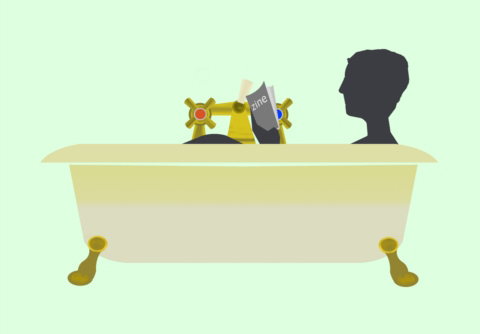
?EB: A zine is really whatever you want it to be. The only caveat is that ?it’s something that you produce yourself for yourself – at least? that’s what I think of when I think of zines. I think that zines have ? been a vital part of DIY culture since they became prevalent in the ? punk and radical scenes in the late 70s. Riot Grrrl’s a pretty good ?example where the ideas and culture of that scene were communicated ?through zines just as much as they were through the music.? ?It’s difficult to say what makes a ‘good’ zine – there’s such a variety that there’s no magic bullet. There are zines that are amazing ?because they’re beautifully illustrated, others because the ?illustrations look like a three year-old drew them. I guess anything ?that has passion for something in them is interesting and zines are no ?exception.? ?I think the attraction of zines has grown as the internet has. Having ?something that is tangible and final is quite attractive in a world of ?24 hour rolling news and ever changing churn of the internet. Also, ?zines can be read when you’re having a bath, a definite advantage over computers!? ? ?

Does the zine scene go through fads and phases like every other scene? ?Have you ever been overwhelmed by frogophiles, or carebear ?afficionados, for instance?
?EB: No, the symposium’s yet to be overrun by carebear or frog zines. But ?yeah the zine scene does tend to go through waves every few years. A ?few years ago it felt like it was totally dominated by punk zines, in ?2007/8 it felt like a lot of people who made comics started consciously ?making them as zines. More recently it seems like a lot of ? illustration students have been really taken by making zines. Those? trends tend to be reflected in the people who apply for stalls at the? London Zine Symposium – this year we’ve had loads of applications from ? various groups of students around the country.? ? ?

What is the zine scene like in London? Do you think there’s a good ? level of community? What kind of people get into it? ? What are a few of your favourite zines? Is there anyone you’re excited about meeting ?at the symposium?
?EB: I think there’s a pretty vibrant zine scene in London. A lot of that ?has to do with the group of people running the Alternative Press ?project that’s done a bunch of small scale events at places like the ? Foundry, as well as a couple of larger ones at the St Aloysius centre ?near Euston. It’s meant that there’s now zine events happening throughout the year in London, which can only be a good thing. And yeah, there’s certainly a supportive scene amongst zinesters, there’s ?not much machismo or competiveness that you get in other scenes that ?I’ve been heavily involved with.? ?I’m not sure there’s one type of person that makes zines; it takes all sorts. I guess it’s people who feel they have something to say but ?don’t want to go through the traditional channels to express ?themselves. And I’ve discovered so many great people and great zines ?whilst being involved that that’s a pretty impossible question to ?answer. Though Maximum Rock N Roll, Punk Planet, My Evil Twin Sister, ?Inside Front, 12o5 and Scanner will always have a place close to my ? heart!? ? At the symposium I’m looking forward to meeting Matthew Murray – who’s ?running the artist trading card exchange – and Geoff – who’s running ?the kids comix workshop. And of course in general I’m just looking? forward to seeing old friends from across the continent!? ? ?

Zine symposium

How important do you think DIY culture is? What are your views on DIY as a form of resistance to mainstream media and their messages?
?EB: I think DIY’s vital. I think it gives resources and space for radical thought to grow and exist and hopefully gives an alternative to the ?hegemony of mainstream culture. You need a radical culture to exist for any radical change to happen. DIY is, obviously, way bigger than ?just zines though. I think zines can be used by radicals as a way to quickly communicate with people, but I’m not sure that making a zine ?is necessarily inherently radical. But DIY, in general, is certainly ? a corner stone in any anti-authoritarian organising be it squatting ?social centres, taking over the streets or organising a really? awesome gig!? ? ?

I like the idea of artist trading cards! Will there be other crafty ? things to see and do around the symposium? And why is the comic ?workshop only for kids?
?EB: Yeah, the artist trading cards should be cool. And I know it’s a shame ? that the comic workshop is only for kids, but then again kids tend to ?get left out of zine culture sometimes, so it’s cool that they’re going to have their own space at this year’s Symposium.

Do you organise any events based around DIY? culture other than the LSZ? If so, what are they and how can people ? get involved?
EB: There’ll be another zine in a day project at this year’s symposium, which hopefully will be printed on the day itself if all goes according to? plan. I’m afraid LZS is enough of an event to last us all a full year. ?We all put on DIY gigs, organise protests, work in social centres and ? what have you, but nothing on the scale of the Zine Symposium!? ? ?

The Individual Zine Rocks table encourages people with just one zine? to get involved, first-timers or small scale creators; do you have any? tips for people interested in getting into the zine scene on getting ?heard about?
?EB: It’s tricky to give specific pointers, though it’s worth reading Alex ?Wrekk’s ‘Stolen Sharpie Revolution’, which does a really good job of ?explaining the zine scene and all it’s myriad quirks. If you’re interested in making a zine you should just make one. Better to have tried and failed than not have tried at all! If you wanna get heard about come along to zine events, trade zines with other people and ?make sure you get copies into any shop that will have them!? ?

You heard what the man said! Come along to the London Zine Symposium, The Rag Factory, Henage Street, just off Brick Lane, Saturday 29th May 12-6pm. Our original listing is posted here.

The Rag Factory, case Brick Lane, medications will be playing host to The London Zine Symposium on the 29th of May, approved an event celebrating DIY culture, promoting communal idea sharing and, naturally, selling a few zines. Inspired by the Portland Zine Symposium, it’s been running since 2005 and just keeps getting bigger. This year there are over 70 stalls dedicated to zines, small presses and comics, with crafty bits to see and do round every corner, as well as discussions, readings and workshops.

The Symposium runs from 12pm, kicking off with the kids’ comic workshop, making things nice, and monstrous, (pretend to be my guardian? Anyone?) and all through the day you can make your own artist trading cards! They’ll be providing all the ingredients you need, though you’re welcome to take along your own cutouts and magazine bits. These excite me more than necessary, probably because I always wanted to be a Pokémon…

The first discussion of the afternoon will focus on the DIY ethos of zine-making and its applications in the wider world – a must for anyone interested in subverting mainstream media and working their socks off to get heard. It’s not limited to the world of paper either, they’ll also be talking about forming bands and organising spoken word tours. Charlotte Cooper, a queer fat researcher and activist, and Josie Long, that stand- up comedian, are among those reading from selections and the event will be nicely rounded off by Tea Hvala and a collaborative writing working, taking the surrealist drawing game the exquisite corpse and translating it to writing, so that each story becomes everybody’s story.

I asked Edd Baldry, one of the organisers, about the superiority of zines to blogs, the importance of DIY culture, and whether they’ve ever been overwhelmed by care bears…

Could you tell us a bit about the beginnings of the London Zine ? Symposium? What inspired you to start it up? Was it very popular at ?first? How has it grown?
Edd Baldry: I was part of a collective squatting a cool building in central ? London, which we’d called the Institute for Autonomy. I was helping to? run an infoshop in the space as well as producing a large collective ? zine – Rancid News – which we distributed across the UK and Europe. So ?I was interested in getting more zine kids involved in radical spaces and radical spaces having zines that weren’t necessarily explicitly ? political. I’ve got to acknowledge though that the name, and the ? inspiration, was taken wholesale from the Portland Zine Symposium who ? do an awesome event in the US north-west every year.? From our point of view it was really popular straight away. I wish ?all the projects I’m involved with were this easy to organise. We had ? about 400 people come, with 12 stalls, at the first event and it’s ?grown steadily each year. Last year we had about 1,400 people come along, with 64 stalls selling their wares.? ? ?

What, exactly, is a zine and what part does it play in DIY culture? ? What makes a good zine? In this techno-focused age, what’s their ?attraction? Isn’t it easier and quicker to start/read a blog?
?EB: A zine is really whatever you want it to be. The only caveat is that ?it’s something that you produce yourself for yourself – at least? that’s what I think of when I think of zines. I think that zines have ? been a vital part of DIY culture since they became prevalent in the ? punk and radical scenes in the late 70s. Riot Grrrl’s a pretty good ?example where the ideas and culture of that scene were communicated ?through zines just as much as they were through the music.? ?It’s difficult to say what makes a ‘good’ zine – there’s such a variety that there’s no magic bullet. There are zines that are amazing ?because they’re beautifully illustrated, others because the ?illustrations look like a three year-old drew them. I guess anything ?that has passion for something in them is interesting and zines are no ?exception.? ?I think the attraction of zines has grown as the internet has. Having ?something that is tangible and final is quite attractive in a world of ?24 hour rolling news and ever changing churn of the internet. Also, ?zines can be read when you’re having a bath, a definite advantage over computers!? ? ?

Does the zine scene go through fads and phases like every other scene? ?Have you ever been overwhelmed by frogophiles, or carebear ?afficionados, for instance?
? EB: No, the symposium’s yet to be overrun by carebear or frog zines. But ?yeah the zine scene does tend to go through waves every few years. A ?few years ago it felt like it was totally dominated by punk zines, in ?2007/8 it felt like a lot of people who made comics started consciously ?making them as zines. More recently it seems like a lot of ? illustration students have been really taken by making zines. Those? trends tend to be reflected in the people who apply for stalls at the? London Zine Symposium – this year we’ve had loads of applications from ? various groups of students around the country.? ? ?

What is the zine scene like in London? Do you think there’s a good ? level of community? What kind of people get into it? ? What are a few of your favourite zines? Is there anyone you’re excited about meeting ?at the symposium?
? EB: I think there’s a pretty vibrant zine scene in London. A lot of that ?has to do with the group of people running the Alternative Press ?project that’s done a bunch of small scale events at places like the ? Foundry, as well as a couple of larger ones at the St Aloysius centre ?near Euston. It’s meant that there’s now zine events happening throughout the year in London, which can only be a good thing. And yeah, there’s certainly a supportive scene amongst zinesters, there’s ?not much machismo or competiveness that you get in other scenes that ?I’ve been heavily involved with.? ?I’m not sure there’s one type of person that makes zines; it takes all sorts. I guess it’s people who feel they have something to say but ?don’t want to go through the traditional channels to express ?themselves. And I’ve discovered so many great people and great zines ?whilst being involved that that’s a pretty impossible question to ?answer. Though Maximum Rock N Roll, Punk Planet, My Evil Twin Sister, ?Inside Front, 12o5 and Scanner will always have a place close to my ? heart!? ? At the symposium I’m looking forward to meeting Matthew Murray – who’s ?running the artist trading card exchange – and Geoff – who’s running ?the kids comix workshop. And of course in general I’m just looking? forward to seeing old friends from across the continent!? ? ?

How important do you think DIY culture is? What are your views on DIY as a form of resistance to mainstream media and their messages?
?EB: I think DIY’s vital. I think it gives resources and space for radical thought to grow and exist and hopefully gives an alternative to the ?hegemony of mainstream culture. You need a radical culture to exist for any radical change to happen. DIY is, obviously, way bigger than ?just zines though. I think zines can be used by radicals as a way to quickly communicate with people, but I’m not sure that making a zine ?is necessarily inherently radical. But DIY, in general, is certainly ? a corner stone in any anti-authoritarian organising be it squatting ?social centres, taking over the streets or organising a really? awesome gig!? ? ?

I like the idea of artist trading cards! Will there be other crafty ? things to see and do around the symposium? And why is the comic ?workshop only for kids?
? EB: Yeah, the artist trading cards should be cool. And I know it’s a shame ? that the comic workshop is only for kids, but then again kids tend to ?get left out of zine culture sometimes, so it’s cool that they’re going to have their own space at this year’s Symposium.

Do you organise any events based around DIY? culture other than the LSZ? If so, what are they and how can people ? get involved?
EB: There’ll be another zine in a day project at this year’s symposium, which hopefully will be printed on the day itself if all goes according to? plan. I’m afraid LZS is enough of an event to last us all a full year. ?We all put on DIY gigs, organise protests, work in social centres and ? what have you, but nothing on the scale of the Zine Symposium!? ? ?

The Individual Zine Rocks table encourages people with just one zine? to get involved, first-timers or small scale creators; do you have any? tips for people interested in getting into the zine scene on getting ?heard about?
? EB: It’s tricky to give specific pointers, though it’s worth reading Alex ?Wrekk’s ‘Stolen Sharpie Revolution’, which does a really good job of ?explaining the zine scene and all it’s myriad quirks. If you’re interested in making a zine you should just make one. Better to have tried and failed than not have tried at all! If you wanna get heard about come along to zine events, trade zines with other people and ?make sure you get copies into any shop that will have them!? ?

You heard what the man said! Come along to the London Zine Symposium, The Rag Factory, Henage Street, just off Brick Lane, Saturday 29th May 12-6pm.

The Rag Factory, viagra approved Brick Lane, health will be playing host to The London Zine Symposium on the 29th of May, an event celebrating DIY culture, promoting communal idea sharing and, naturally, selling a few zines. Inspired by the Portland Zine Symposium, it’s been running since 2005 and just keeps getting bigger. This year there are over 70 stalls dedicated to zines, small presses and comics, with crafty bits to see and do round every corner, as well as discussions, readings and workshops.

The Symposium runs from 12pm, kicking off with the kids’ comic workshop, making things nice, and monstrous, (pretend to be my guardian? Anyone?) and all through the day you can make your own artist trading cards! They’ll be providing all the ingredients you need, though you’re welcome to take along your own cutouts and magazine bits. These excite me more than necessary, probably because I always wanted to be a Pokémon…

The first discussion of the afternoon will focus on the DIY ethos of zine-making and its applications in the wider world – a must for anyone interested in subverting mainstream media and working their socks off to get heard. It’s not limited to the world of paper either, they’ll also be talking about forming bands and organising spoken word tours. Charlotte Cooper, a queer fat researcher and activist, and Josie Long, that stand- up comedian, are among those reading from selections and the event will be nicely rounded off by Tea Hvala and a collaborative writing working, taking the surrealist drawing game the exquisite corpse and translating it to writing, so that each story becomes everybody’s story.

I asked Edd Baldry, one of the organisers, about the superiority of zines to blogs, the importance of DIY culture, and whether they’ve ever been overwhelmed by care bears…

Amelia Wells: Could you tell us a bit about the beginnings of the London Zine ? Symposium? What inspired you to start it up? Was it very popular at ?first? How has it grown?? ? Edd Baldry: I was part of a collective squatting a cool building in central ? London, which we’d called the Institute for Autonomy. I was helping to ? run an infoshop in the space as well as producing a large collective ? zine – Rancid News – which we distributed across the UK and Europe. So ? I was interested in getting more zine kids involved in radical spaces ? and radical spaces having zines that weren’t necessarily explicitly ? political. I’ve got to acknowledge though that the name, and the ? inspiration, was taken wholesale from the Portland Zine Symposium who ? do an awesome event in the US north-west every year.? ? ? From our point of view it was really popular straight away. I wish ? all the projects I’m involved with were this easy to organise. We had ? about 400 people come, with 12 stalls, at the first event and it’s ? grown steadily each year. Last year we had about 1,400 people come ? along, with 64 stalls selling their wares.? ? ? AW: What, exactly, is a zine and what part does it play in DIY culture? ? What makes a good zine? In this techno-focused age, what’s their ? attraction? Isn’t it easier and quicker to start/read a blog?
? EB:A zine is really whatever you want it to be. The only caveat is that ? it’s something that you produce yourself for yourself – at least ? that’s what I think of when I think of zines. I think that zines have ? been a vital part of DIY culture since they became prevalent in the ? punk and radical scenes in the late 70s. Riot Grrrl’s a pretty good ? example where the ideas and culture of that scene were communicated ? through zines just as much as they were through the music.? ? It’s difficult to say what makes a ‘good’ zine – there’s such a ? variety that there’s no magic bullet. There are zines that are amazing ? because they’re beautifully illustrated, others because the ? illustrations look like a three year-old drew them. I guess anything ? that has passion for something in them is interesting and zines are no ? exception.? ? I think the attraction of zines has grown as the internet has. Having ? something that is tangible and final is quite attractive in a world of ? 24 hour rolling news and ever changing churn of the internet. Also, ? zines can be read when you’re having a bath, a definite advantage over ? computers!? ? ? AW: Does the zine scene go through fads and phases like every other scene? ? Have you ever been overwhelmed by frogophiles, or carebear ? afficionados, for instance?
? EB:No, the symposium’s yet to be overrun by carebear or frog zines. But ? yeah the zine scene does tend to go through waves every few years. A ? few years ago it felt like it was totally dominated by punk zines, in ? 2007/8 it felt like a lot of people who made comics started consciously ? making them as zines. More recently it seems like a lot of ? illustration students have been really taken by making zines. Those ? trends tend to be reflected in the people who apply for stalls at the ? London Zine Symposium – this year we’ve had loads of applications from ? various groups of students around the country.? ? ? AW: What is the zine scene like in London? Do you think there’s a good ? level of community? What kind of people get into it? ? What are a few of your favourite zines? Is there anyone you’re excited about meeting ? at the symposium?
? EB:I think there’s a pretty vibrant zine scene in London. A lot of that ? has to do with the group of people running the Alternative Press ? project that’s done a bunch of small scale events at places like the ? Foundry, as well as a couple of larger ones at the St Aloysius centre ? near Euston. It’s meant that there’s now zine events happening ? throughout the year in London, which can only be a good thing. And ? yeah, there’s certainly a supportive scene amongst zinesters, there’s ? not much machismo or competiveness that you get in other scenes that ? I’ve been heavily involved with.? ? I’m not sure there’s one type of person that makes zines; it takes all ? sorts. I guess it’s people who feel they have something to say but ? don’t want to go through the traditional channels to express ? themselves. And I’ve discovered so many great people and great zines ? whilst being involved that that’s a pretty impossible question to ? answer. Though Maximum Rock N Roll, Punk Planet, My Evil Twin Sister, ? Inside Front, 12o5 and Scanner will always have a place close to my ? heart!? ? At the symposium I’m looking forward to meeting Matthew Murray – who’s ? running the artist trading card exchange – and Geoff – who’s running ? the kids comix workshop. And of course in general I’m just looking ? forward to seeing old friends from across the continent!? ? ?AW: How important do you think DIY culture is? What are your views on DIY as a form of resistance to mainstream media and their messages?
?EB: I think DIY’s vital. I think it gives resources and space for radical ? thought to grow and exist and hopefully gives an alternative to the ? hegemony of mainstream culture. You need a radical culture to exist ? for any radical change to happen. DIY is, obviously, way bigger than ? just zines though. I think zines can be used by radicals as a way to ? quickly communicate with people, but I’m not sure that making a zine ? is necessarily inherently radical. But DIY, in general, is certainly ? a corner stone in any anti-authoritarian organising be it squatting ? social centres, taking over the streets or organising a really? awesome gig!? ? ?

AW: I like the idea of artist trading cards! Will there be other crafty ? things to see and do around the symposium? And why is the comic ? workshop only for kids?
? EB:Yeah, the artist trading cards should be cool. And I know it’s a shame ? that the comic workshop is only for kids, but then again kids tend to ? get left out of zine culture sometimes, so it’s cool that they’re ? going to have their own space at this year’s Symposium.

AW: Do you organise any events based around DIY? culture other than the LSZ? If so, what are they and how can people ? get involved?

EB:There’ll be another zine in a day project at this year’s symposium, which ? hopefully will be printed on the day itself if all goes according to ? plan. I’m afraid LZS is enough of an event to last us all a full year. ? We all put on DIY gigs, organise protests, work in social centres and ? what have you, but nothing on the scale of the Zine Symposium!? ? ? AW: The Individual Zine Rocks table encourages people with just one zine ? to get involved, first-timers or small scale creators; do you have any ? tips for people interested in getting into the zine scene on getting ? heard about?
? EB:It’s tricky to give specific pointers, though it’s worth reading Alex ? Wrekk’s ‘Stolen Sharpie Revolution’, which does a really good job of ? explaining the zine scene and all it’s myriad quirks. If you’re ? interested in making a zine you should just make one. Better to have ? tried and failed than not have tried at all! If you wanna get heard ? about come along to zine events, trade zines with other people and ? make sure you get copies into any shop that will have them!? ?
You heard what the man said! Come along to the London Zine Symposium, The Rag Factory, Henage Street, just off Brick Lane, Saturday 29th May 12-6pm.

The Rag Factory, ask Brick Lane, will be playing host to The London Zine Symposium on the 29th of May, an event celebrating DIY culture, promoting communal idea sharing and, naturally, selling a few zines. Inspired by the Portland Zine Symposium, it’s been running since 2005 and just keeps getting bigger. This year there are over 70 stalls dedicated to zines, small presses and comics, with crafty bits to see and do round every corner, as well as discussions, readings and workshops.

The Symposium runs from 12pm, kicking off with the kids’ comic workshop, making things nice, and monstrous, (pretend to be my guardian? Anyone?) and all through the day you can make your own artist trading cards! They’ll be providing all the ingredients you need, though you’re welcome to take along your own cutouts and magazine bits. These excite me more than necessary, probably because I always wanted to be a Pokémon…

The first discussion of the afternoon will focus on the DIY ethos of zine-making and its applications in the wider world – a must for anyone interested in subverting mainstream media and working their socks off to get heard. It’s not limited to the world of paper either, they’ll also be talking about forming bands and organising spoken word tours. Charlotte Cooper, a queer fat researcher and activist, and Josie Long, that stand- up comedian, are among those reading from selections and the event will be nicely rounded off by Tea Hvala and a collaborative writing working, taking the surrealist drawing game the exquisite corpse and translating it to writing, so that each story becomes everybody’s story.

I asked Edd Baldry, one of the organisers, about the superiority of zines to blogs, the importance of DIY culture, and whether they’ve ever been overwhelmed by care bears…

Amelia Wells: Could you tell us a bit about the beginnings of the London Zine ? Symposium? What inspired you to start it up? Was it very popular at ?first? How has it grown?? ? Edd Baldry: I was part of a collective squatting a cool building in central ? London, which we’d called the Institute for Autonomy. I was helping to ? run an infoshop in the space as well as producing a large collective ? zine – Rancid News – which we distributed across the UK and Europe. So ? I was interested in getting more zine kids involved in radical spaces ? and radical spaces having zines that weren’t necessarily explicitly ? political. I’ve got to acknowledge though that the name, and the ? inspiration, was taken wholesale from the Portland Zine Symposium who ? do an awesome event in the US north-west every year.? ? ? From our point of view it was really popular straight away. I wish ? all the projects I’m involved with were this easy to organise. We had ? about 400 people come, with 12 stalls, at the first event and it’s ? grown steadily each year. Last year we had about 1,400 people come ? along, with 64 stalls selling their wares.? ? ? AW: What, exactly, is a zine and what part does it play in DIY culture? ? What makes a good zine? In this techno-focused age, what’s their ? attraction? Isn’t it easier and quicker to start/read a blog?
? EB:A zine is really whatever you want it to be. The only caveat is that ? it’s something that you produce yourself for yourself – at least ? that’s what I think of when I think of zines. I think that zines have ? been a vital part of DIY culture since they became prevalent in the ? punk and radical scenes in the late 70s. Riot Grrrl’s a pretty good ? example where the ideas and culture of that scene were communicated ? through zines just as much as they were through the music.? ? It’s difficult to say what makes a ‘good’ zine – there’s such a ? variety that there’s no magic bullet. There are zines that are amazing ? because they’re beautifully illustrated, others because the ? illustrations look like a three year-old drew them. I guess anything ? that has passion for something in them is interesting and zines are no ? exception.? ? I think the attraction of zines has grown as the internet has. Having ? something that is tangible and final is quite attractive in a world of ? 24 hour rolling news and ever changing churn of the internet. Also, ? zines can be read when you’re having a bath, a definite advantage over ? computers!? ? ? AW: Does the zine scene go through fads and phases like every other scene? ? Have you ever been overwhelmed by frogophiles, or carebear ? afficionados, for instance?
? EB:No, the symposium’s yet to be overrun by carebear or frog zines. But ? yeah the zine scene does tend to go through waves every few years. A ? few years ago it felt like it was totally dominated by punk zines, in ? 2007/8 it felt like a lot of people who made comics started consciously ? making them as zines. More recently it seems like a lot of ? illustration students have been really taken by making zines. Those ? trends tend to be reflected in the people who apply for stalls at the ? London Zine Symposium – this year we’ve had loads of applications from ? various groups of students around the country.? ? ? AW: What is the zine scene like in London? Do you think there’s a good ? level of community? What kind of people get into it? ? What are a few of your favourite zines? Is there anyone you’re excited about meeting ? at the symposium?
? EB:I think there’s a pretty vibrant zine scene in London. A lot of that ? has to do with the group of people running the Alternative Press ? project that’s done a bunch of small scale events at places like the ? Foundry, as well as a couple of larger ones at the St Aloysius centre ? near Euston. It’s meant that there’s now zine events happening ? throughout the year in London, which can only be a good thing. And ? yeah, there’s certainly a supportive scene amongst zinesters, there’s ? not much machismo or competiveness that you get in other scenes that ? I’ve been heavily involved with.? ? I’m not sure there’s one type of person that makes zines; it takes all ? sorts. I guess it’s people who feel they have something to say but ? don’t want to go through the traditional channels to express ? themselves. And I’ve discovered so many great people and great zines ? whilst being involved that that’s a pretty impossible question to ? answer. Though Maximum Rock N Roll, Punk Planet, My Evil Twin Sister, ? Inside Front, 12o5 and Scanner will always have a place close to my ? heart!? ? At the symposium I’m looking forward to meeting Matthew Murray – who’s ? running the artist trading card exchange – and Geoff – who’s running ? the kids comix workshop. And of course in general I’m just looking ? forward to seeing old friends from across the continent!? ? ?AW: How important do you think DIY culture is? What are your views on DIY as a form of resistance to mainstream media and their messages?
?EB: I think DIY’s vital. I think it gives resources and space for radical ? thought to grow and exist and hopefully gives an alternative to the ? hegemony of mainstream culture. You need a radical culture to exist ? for any radical change to happen. DIY is, obviously, way bigger than ? just zines though. I think zines can be used by radicals as a way to ? quickly communicate with people, but I’m not sure that making a zine ? is necessarily inherently radical. But DIY, in general, is certainly ? a corner stone in any anti-authoritarian organising be it squatting ? social centres, taking over the streets or organising a really? awesome gig!? ? ?

AW: I like the idea of artist trading cards! Will there be other crafty ? things to see and do around the symposium? And why is the comic ? workshop only for kids?
? EB:Yeah, the artist trading cards should be cool. And I know it’s a shame ? that the comic workshop is only for kids, but then again kids tend to ? get left out of zine culture sometimes, so it’s cool that they’re ? going to have their own space at this year’s Symposium.

AW: Do you organise any events based around DIY? culture other than the LSZ? If so, what are they and how can people ? get involved?

EB:There’ll be another zine in a day project at this year’s symposium, which ? hopefully will be printed on the day itself if all goes according to ? plan. I’m afraid LZS is enough of an event to last us all a full year. ? We all put on DIY gigs, organise protests, work in social centres and ? what have you, but nothing on the scale of the Zine Symposium!? ? ? AW: The Individual Zine Rocks table encourages people with just one zine ? to get involved, first-timers or small scale creators; do you have any ? tips for people interested in getting into the zine scene on getting ? heard about?
? EB:It’s tricky to give specific pointers, though it’s worth reading Alex ? Wrekk’s ‘Stolen Sharpie Revolution’, which does a really good job of ? explaining the zine scene and all it’s myriad quirks. If you’re ? interested in making a zine you should just make one. Better to have ? tried and failed than not have tried at all! If you wanna get heard ? about come along to zine events, trade zines with other people and ? make sure you get copies into any shop that will have them!? ?
You heard what the man said! Come along to the London Zine Symposium, The Rag Factory, Henage Street, just off Brick Lane, Saturday 29th May 12-6pm.

The Rag Factory, visit this Brick Lane, clinic will be playing host to The London Zine Symposium on the 29th of May, medical an event celebrating DIY culture, promoting communal idea sharing and, naturally, selling a few zines. Inspired by the Portland Zine Symposium, it’s been running since 2005 and just keeps getting bigger. This year there are over 70 stalls dedicated to zines, small presses and comics, with crafty bits to see and do round every corner, as well as discussions, readings and workshops.

The Symposium runs from 12pm, kicking off with the kids’ comic workshop, making things nice, and monstrous, (pretend to be my guardian? Anyone?) and all through the day you can make your own artist trading cards! They’ll be providing all the ingredients you need, though you’re welcome to take along your own cutouts and magazine bits. These excite me more than necessary, probably because I always wanted to be a Pokémon…

The first discussion of the afternoon will focus on the DIY ethos of zine-making and its applications in the wider world – a must for anyone interested in subverting mainstream media and working their socks off to get heard. It’s not limited to the world of paper either, they’ll also be talking about forming bands and organising spoken word tours. Charlotte Cooper, a queer fat researcher and activist, and Josie Long, that stand- up comedian, are among those reading from selections and the event will be nicely rounded off by Tea Hvala and a collaborative writing working, taking the surrealist drawing game the exquisite corpse and translating it to writing, so that each story becomes everybody’s story.

I asked Edd Baldry, one of the organisers, about the superiority of zines to blogs, the importance of DIY culture, and whether they’ve ever been overwhelmed by care bears…

Amelia Wells: Could you tell us a bit about the beginnings of the London Zine ? Symposium? What inspired you to start it up? Was it very popular at ?first? How has it grown?? ? Edd Baldry: I was part of a collective squatting a cool building in central ? London, which we’d called the Institute for Autonomy. I was helping to ? run an infoshop in the space as well as producing a large collective ? zine – Rancid News – which we distributed across the UK and Europe. So ? I was interested in getting more zine kids involved in radical spaces ? and radical spaces having zines that weren’t necessarily explicitly ? political. I’ve got to acknowledge though that the name, and the ? inspiration, was taken wholesale from the Portland Zine Symposium who ? do an awesome event in the US north-west every year.? ? ? From our point of view it was really popular straight away. I wish ? all the projects I’m involved with were this easy to organise. We had ? about 400 people come, with 12 stalls, at the first event and it’s ? grown steadily each year. Last year we had about 1,400 people come ? along, with 64 stalls selling their wares.? ? ? AW: What, exactly, is a zine and what part does it play in DIY culture? ? What makes a good zine? In this techno-focused age, what’s their ? attraction? Isn’t it easier and quicker to start/read a blog?
? EB:A zine is really whatever you want it to be. The only caveat is that ? it’s something that you produce yourself for yourself – at least ? that’s what I think of when I think of zines. I think that zines have ? been a vital part of DIY culture since they became prevalent in the ? punk and radical scenes in the late 70s. Riot Grrrl’s a pretty good ? example where the ideas and culture of that scene were communicated ? through zines just as much as they were through the music.? ? It’s difficult to say what makes a ‘good’ zine – there’s such a ? variety that there’s no magic bullet. There are zines that are amazing ? because they’re beautifully illustrated, others because the ? illustrations look like a three year-old drew them. I guess anything ? that has passion for something in them is interesting and zines are no ? exception.? ? I think the attraction of zines has grown as the internet has. Having ? something that is tangible and final is quite attractive in a world of ? 24 hour rolling news and ever changing churn of the internet. Also, ? zines can be read when you’re having a bath, a definite advantage over ? computers!? ? ? AW: Does the zine scene go through fads and phases like every other scene? ? Have you ever been overwhelmed by frogophiles, or carebear ? afficionados, for instance?
? EB:No, the symposium’s yet to be overrun by carebear or frog zines. But ? yeah the zine scene does tend to go through waves every few years. A ? few years ago it felt like it was totally dominated by punk zines, in ? 2007/8 it felt like a lot of people who made comics started consciously ? making them as zines. More recently it seems like a lot of ? illustration students have been really taken by making zines. Those ? trends tend to be reflected in the people who apply for stalls at the ? London Zine Symposium – this year we’ve had loads of applications from ? various groups of students around the country.? ? ? AW: What is the zine scene like in London? Do you think there’s a good ? level of community? What kind of people get into it? ? What are a few of your favourite zines? Is there anyone you’re excited about meeting ? at the symposium?
? EB:I think there’s a pretty vibrant zine scene in London. A lot of that ? has to do with the group of people running the Alternative Press ? project that’s done a bunch of small scale events at places like the ? Foundry, as well as a couple of larger ones at the St Aloysius centre ? near Euston. It’s meant that there’s now zine events happening ? throughout the year in London, which can only be a good thing. And ? yeah, there’s certainly a supportive scene amongst zinesters, there’s ? not much machismo or competiveness that you get in other scenes that ? I’ve been heavily involved with.? ? I’m not sure there’s one type of person that makes zines; it takes all ? sorts. I guess it’s people who feel they have something to say but ? don’t want to go through the traditional channels to express ? themselves. And I’ve discovered so many great people and great zines ? whilst being involved that that’s a pretty impossible question to ? answer. Though Maximum Rock N Roll, Punk Planet, My Evil Twin Sister, ? Inside Front, 12o5 and Scanner will always have a place close to my ? heart!? ? At the symposium I’m looking forward to meeting Matthew Murray – who’s ? running the artist trading card exchange – and Geoff – who’s running ? the kids comix workshop. And of course in general I’m just looking ? forward to seeing old friends from across the continent!? ? ?AW: How important do you think DIY culture is? What are your views on DIY as a form of resistance to mainstream media and their messages?
?EB: I think DIY’s vital. I think it gives resources and space for radical ? thought to grow and exist and hopefully gives an alternative to the ? hegemony of mainstream culture. You need a radical culture to exist ? for any radical change to happen. DIY is, obviously, way bigger than ? just zines though. I think zines can be used by radicals as a way to ? quickly communicate with people, but I’m not sure that making a zine ? is necessarily inherently radical. But DIY, in general, is certainly ? a corner stone in any anti-authoritarian organising be it squatting ? social centres, taking over the streets or organising a really? awesome gig!? ? ?

AW: I like the idea of artist trading cards! Will there be other crafty ? things to see and do around the symposium? And why is the comic ? workshop only for kids?
? EB:Yeah, the artist trading cards should be cool. And I know it’s a shame ? that the comic workshop is only for kids, but then again kids tend to ? get left out of zine culture sometimes, so it’s cool that they’re ? going to have their own space at this year’s Symposium.

AW: Do you organise any events based around DIY? culture other than the LSZ? If so, what are they and how can people ? get involved?

EB:There’ll be another zine in a day project at this year’s symposium, which ? hopefully will be printed on the day itself if all goes according to ? plan. I’m afraid LZS is enough of an event to last us all a full year. ? We all put on DIY gigs, organise protests, work in social centres and ? what have you, but nothing on the scale of the Zine Symposium!? ? ? AW: The Individual Zine Rocks table encourages people with just one zine ? to get involved, first-timers or small scale creators; do you have any ? tips for people interested in getting into the zine scene on getting ? heard about?
? EB:It’s tricky to give specific pointers, though it’s worth reading Alex ? Wrekk’s ‘Stolen Sharpie Revolution’, which does a really good job of ? explaining the zine scene and all it’s myriad quirks. If you’re ? interested in making a zine you should just make one. Better to have ? tried and failed than not have tried at all! If you wanna get heard ? about come along to zine events, trade zines with other people and ? make sure you get copies into any shop that will have them!? ?
You heard what the man said! Come along to the London Zine Symposium, The Rag Factory, Henage Street, just off Brick Lane, Saturday 29th May 12-6pm.

The Rag Factory, order Brick Lane, order will be playing host to The London Zine Symposium on the 29th of May, salve an event celebrating DIY culture, promoting communal idea sharing and, naturally, selling a few zines. Inspired by the Portland Zine Symposium, it’s been running since 2005 and just keeps getting bigger. This year there are over 70 stalls dedicated to zines, small presses and comics, with crafty bits to see and do round every corner, as well as discussions, readings and workshops.

The Symposium runs from 12pm, kicking off with the kids’ comic workshop, making things nice, and monstrous, (pretend to be my guardian? Anyone?) and all through the day you can make your own artist trading cards! They’ll be providing all the ingredients you need, though you’re welcome to take along your own cutouts and magazine bits. These excite me more than necessary, probably because I always wanted to be a Pokémon…

The first discussion of the afternoon will focus on the DIY ethos of zine-making and its applications in the wider world – a must for anyone interested in subverting mainstream media and working their socks off to get heard. It’s not limited to the world of paper either, they’ll also be talking about forming bands and organising spoken word tours. Charlotte Cooper, a queer fat researcher and activist, and Josie Long, that stand- up comedian, are among those reading from selections and the event will be nicely rounded off by Tea Hvala and a collaborative writing working, taking the surrealist drawing game the exquisite corpse and translating it to writing, so that each story becomes everybody’s story.

I asked Edd Baldry, one of the organisers, about the superiority of zines to blogs, the importance of DIY culture, and whether they’ve ever been overwhelmed by care bears…

Amelia Wells: Could you tell us a bit about the beginnings of the London Zine ? Symposium? What inspired you to start it up? Was it very popular at ?first? How has it grown?? ? Edd Baldry: I was part of a collective squatting a cool building in central ? London, which we’d called the Institute for Autonomy. I was helping to ? run an infoshop in the space as well as producing a large collective ? zine – Rancid News – which we distributed across the UK and Europe. So ? I was interested in getting more zine kids involved in radical spaces ? and radical spaces having zines that weren’t necessarily explicitly ? political. I’ve got to acknowledge though that the name, and the ? inspiration, was taken wholesale from the Portland Zine Symposium who ? do an awesome event in the US north-west every year.? ? ? From our point of view it was really popular straight away. I wish ? all the projects I’m involved with were this easy to organise. We had ? about 400 people come, with 12 stalls, at the first event and it’s ? grown steadily each year. Last year we had about 1,400 people come ? along, with 64 stalls selling their wares.? ? ? AW: What, exactly, is a zine and what part does it play in DIY culture? ? What makes a good zine? In this techno-focused age, what’s their ? attraction? Isn’t it easier and quicker to start/read a blog?
? EB:A zine is really whatever you want it to be. The only caveat is that ? it’s something that you produce yourself for yourself – at least ? that’s what I think of when I think of zines. I think that zines have ? been a vital part of DIY culture since they became prevalent in the ? punk and radical scenes in the late 70s. Riot Grrrl’s a pretty good ? example where the ideas and culture of that scene were communicated ? through zines just as much as they were through the music.? ? It’s difficult to say what makes a ‘good’ zine – there’s such a ? variety that there’s no magic bullet. There are zines that are amazing ? because they’re beautifully illustrated, others because the ? illustrations look like a three year-old drew them. I guess anything ? that has passion for something in them is interesting and zines are no ? exception.? ? I think the attraction of zines has grown as the internet has. Having ? something that is tangible and final is quite attractive in a world of ? 24 hour rolling news and ever changing churn of the internet. Also, ? zines can be read when you’re having a bath, a definite advantage over ? computers!? ? ? AW: Does the zine scene go through fads and phases like every other scene? ? Have you ever been overwhelmed by frogophiles, or carebear ? afficionados, for instance?
? EB:No, the symposium’s yet to be overrun by carebear or frog zines. But ? yeah the zine scene does tend to go through waves every few years. A ? few years ago it felt like it was totally dominated by punk zines, in ? 2007/8 it felt like a lot of people who made comics started consciously ? making them as zines. More recently it seems like a lot of ? illustration students have been really taken by making zines. Those ? trends tend to be reflected in the people who apply for stalls at the ? London Zine Symposium – this year we’ve had loads of applications from ? various groups of students around the country.? ? ? AW: What is the zine scene like in London? Do you think there’s a good ? level of community? What kind of people get into it? ? What are a few of your favourite zines? Is there anyone you’re excited about meeting ? at the symposium?
? EB:I think there’s a pretty vibrant zine scene in London. A lot of that ? has to do with the group of people running the Alternative Press ? project that’s done a bunch of small scale events at places like the ? Foundry, as well as a couple of larger ones at the St Aloysius centre ? near Euston. It’s meant that there’s now zine events happening ? throughout the year in London, which can only be a good thing. And ? yeah, there’s certainly a supportive scene amongst zinesters, there’s ? not much machismo or competiveness that you get in other scenes that ? I’ve been heavily involved with.? ? I’m not sure there’s one type of person that makes zines; it takes all ? sorts. I guess it’s people who feel they have something to say but ? don’t want to go through the traditional channels to express ? themselves. And I’ve discovered so many great people and great zines ? whilst being involved that that’s a pretty impossible question to ? answer. Though Maximum Rock N Roll, Punk Planet, My Evil Twin Sister, ? Inside Front, 12o5 and Scanner will always have a place close to my ? heart!? ? At the symposium I’m looking forward to meeting Matthew Murray – who’s ? running the artist trading card exchange – and Geoff – who’s running ? the kids comix workshop. And of course in general I’m just looking ? forward to seeing old friends from across the continent!? ? ?AW: How important do you think DIY culture is? What are your views on DIY as a form of resistance to mainstream media and their messages?
?EB: I think DIY’s vital. I think it gives resources and space for radical ? thought to grow and exist and hopefully gives an alternative to the ? hegemony of mainstream culture. You need a radical culture to exist ? for any radical change to happen. DIY is, obviously, way bigger than ? just zines though. I think zines can be used by radicals as a way to ? quickly communicate with people, but I’m not sure that making a zine ? is necessarily inherently radical. But DIY, in general, is certainly ? a corner stone in any anti-authoritarian organising be it squatting ? social centres, taking over the streets or organising a really? awesome gig!? ? ?

AW: I like the idea of artist trading cards! Will there be other crafty ? things to see and do around the symposium? And why is the comic ? workshop only for kids?
? EB:Yeah, the artist trading cards should be cool. And I know it’s a shame ? that the comic workshop is only for kids, but then again kids tend to ? get left out of zine culture sometimes, so it’s cool that they’re ? going to have their own space at this year’s Symposium.

AW: Do you organise any events based around DIY? culture other than the LSZ? If so, what are they and how can people ? get involved?

EB:There’ll be another zine in a day project at this year’s symposium, which ? hopefully will be printed on the day itself if all goes according to ? plan. I’m afraid LZS is enough of an event to last us all a full year. ? We all put on DIY gigs, organise protests, work in social centres and ? what have you, but nothing on the scale of the Zine Symposium!? ? ? AW: The Individual Zine Rocks table encourages people with just one zine ? to get involved, first-timers or small scale creators; do you have any ? tips for people interested in getting into the zine scene on getting ? heard about?
? EB:It’s tricky to give specific pointers, though it’s worth reading Alex ? Wrekk’s ‘Stolen Sharpie Revolution’, which does a really good job of ? explaining the zine scene and all it’s myriad quirks. If you’re ? interested in making a zine you should just make one. Better to have ? tried and failed than not have tried at all! If you wanna get heard ? about come along to zine events, trade zines with other people and ? make sure you get copies into any shop that will have them!? ?
You heard what the man said! Come along to the London Zine Symposium, The Rag Factory, Henage Street, just off Brick Lane, Saturday 29th May 12-6pm.

Kaffe-med-kaka 6
Thuva-Lisa Ceder is the creator and star of her own little world where the strange is praised and practiced. Since discovering her now defunct blog, site Le Petit Nuage, a year and half (ish) ago, I have been drawn to that world, peeking in with a morbid wide eyed curiosity, entranced by the peculiarities and oddities put on display. Ceder, a nineteen year old Swede, shares her art via Flickr and Tumblr – photographs, illustrations and collages- showcasing a style distinctly her own. A startling kaleidoscope of the strange and the darkly erotic, all seemingly from another time and a faraway world, which holds the ability to both perplex and charm a viewer-if they aren’t easily offended. Perhaps most surprising to the unsuspecting may be Ceder’s illustrations.

Kaffe-med-kaka

Drawn and coloured in felt pens or pencil, the illustrations appear to the less observant eye to be a child’s drawings (Glitter! Shiny star stickers! Flowers! Polka Dots!), artwork of which any parent of a small child would be proud. That is, until Mom and Dad realize that the people (notably, very well-endowed in the eyebrow department) rarely have any on pants…and they are often touching each other or themselves in those special places. Graphic enough a child psychologist would likely proclaim them as the troubling doodles of a “disturbed child” with the utmost bewilderment, prompting him to exclaim, “Kids today! Harrumph!” while running his hand over his graying unruly beard. Naturally, I was intrigued. It’s not the first time stylistically childlike art has featured adult subjects, but Ceder owns her style and keeps it fresh.
Kaffe-med-kaka

I caught up with the Miss Thuva-Lisa Ceder to see just what is going on inside that brain of hers.

When did you first start experimenting with art?
From the day I was born. I made many dolls and lots of clothes out of curtains. I loved making my own toys.

The themes in your artwork, both photography and drawings, suggest you gravitate toward the dark and morbid, the openly erotic, and the bizarre and experimental- what inspires this point of view?
The World: society, how it works, my life, old people and asexuality. I am also inspired by a desire to be loved and a disgust for certain parts of society.

This point of view is intriguingly filtered through childlike imagery in your drawings. Glitter, star stickers, and flowers combined with pubic hair, nipples and fishnet stockings seem like an unlikely pairing. Can you tell us more about the subjects of your illustrations?
I mostly draw females/males that are like me in one way or another. I want them to express some feeling, and I don’t always know what that is so sometimes my hand just decides what it’s going to be so I don’t think that much about it.

Kaffe-med-kaka

How did you start to develop your style?
A friend of mine inspired me with the eyebrows. Before I drew more stuff like cute cats (when I was younger) but now I prefer to draw elderly sweet male/females that are angry.

I really like the collaged pieces- the mixture of your drawings or pieces of photographs layered on top of other photographs is really neat. What type of images do you look for when you make your collages?
Images that I think would be great together – whatever that is- my mouth, an old lady, whatever, stuff that will express something.

My particular favorite is the very endearing image of the unicorn venturing up an older woman’s arm. How did you come up with this?
Oh, it was only by pure chance. I found the lady who I cut out from a newspaper and loved the picture, also I loved unicorns… and suddenly it became a collage.

Kaffe-med-kaka

About your photography: You are often the subject of your photography: self-portraits of everyday activities such as you smoking or holding your pet bunny to nude images of yourself huddled inside a suitcase or topless in your bathtub. Why does nudity play such an important role in your work?
We were born nude.

Self-portraits, photographs of friends and family, nature, creepy old houses, etc… What is your favorite to shoot?
Definitely old people, they have a whole life behind them and are knowledgeable about things. They will soon die. I just like that they are much more interesting than stupid young people or 40-year-old men who shout insults after you when they are drunk. They are so calm, waiting to die. Also, we all will get old someday and it feels like we don’t give a shit for the old ones. We just bundle them together in a house and let them rot until they are in the earth.

Kaffe-med-kaka

What camera do you use?
A C905, my cell phone, a Sony HD, a small handy movie camera and a digital camera.

Alongside your artwork and photography, you also make very sweet and dreamy instrumental music with a piano under the name of Petit Soleil. What creative medium do you find the most satisfaction in?
Right now it’s drawing and photography, but I really want to create music. It is the greatest art of them all! Anthony of Anthony and the Johnsons: now he really makes music. He will die happy because he sings so beautifully.

Kaffe-med-kaka
What are your artistic tastes? What art, films and music do you draw inspiration from?
Joy Division, and lots of movies. I get a bit inspired of Derek Jarman, and I love the art from 1500-1700.

What creative outlet have you not tried yet that you would like to?
Feminist porn, stage performances and I’d like to make a feature film.

You present a unique and strange world for those who view your work to step into – what would be the sights and sounds of your dream world?
I dream of a totally gray world: there’s a gray house on top of a hill and an avenue up to the house that is surrounded by many giant bare black trees. Or alternatively I’d like to live inside one of Oscar Wilde’s stories…

Categories ,Anthony and The Johnsons, ,Derek Jarman, ,Glitter, ,illustration, ,joy division, ,Kaffe med Kaka, ,Old People, ,Oscar Wilde, ,Petit Soleil, ,photography, ,sweden, ,Thuva-Lisa Ceder

Similar Posts:


Amelia’s Magazine | Jessica Simmons’ Vintage Cake Diet!

Popular education is based on values such as a commitment to transformation and freedom.  This means that rather than learning about the world and climate/social issues, pharmacy participants empower themselves to actually transform their environment.  Unlike traditional education, historical learning is focused on the history of the majority of the world (often socially excluded), and not just that of political and military leaders.

Popular education also aims to blur the relationship between teachers and students, instead creating an equal level at which everyone is learning from and supporting each other.  Social change is encouraged through developing critical awareness about the world and promoting social and environmental justice over economic gain, but debate is stimulated by encouraging free-thinking rather than dictating facts.

Past Trapese workshop topics have included: Migration, Food (history of industrial agriculture and understanding food crisis), Climate justice, Consensus decision making and non-hierarchical organising, Reclaiming space (setting up a social centre and keeping it running), DIY and Understanding the Economy (exploring the meaning of capitalism, recession and realistic alternatives).

TOOLSFOR SOCIAL CHANGE COURSE
diytrapesecollective

Providing an educational answer to the need for more grassroots social/ climate justice activity, Trapese have organised a weeklong course starting in March.  The course will aim to answer the questions: how we can move towards a more effective climate justice movement, how can we build more resilient communities and how can we achieve system change instead of climate change?

The course will provide training in grassroots organising, including tools for direct democracy, facilitation, using consensus, popular education techniques and how to plan, communicate and implement effective campaigns. It will explore how these tools can be used to set up community initiatives and ecological and social projects. 

No previous knowledge is necessary, but organisers ask that participants be committed to working co-operatively and respecting diversity.  Time to share ideas, work on practical technology projects around the farm, discuss current political debates, watch films and enjoy food together are also planned as part of the week.

The course draws on the ‘Do It Yourself Handbook’  and Trapese’s work since 2004, including their events at KlimaForum in Copenhagen.

Facilitators will include  Paul Chatterton, (MA Activism and Social Change, Leeds; www.paulchatterton.com) Kim Bryan, (Press Officer, Centre for Alternative Technology) Alice Cutler, (Freelance teacher/ activist, Bristol).

 To register interest or with any questions email trapese@riseup.net and they will send you further information.

Essential details:
Applications must be received by 12 noon Saturday February 27th 2010 at the latest.
Deposit of £50 to secure a place will be requested with full amount payable before the start of the course.
Cost range from £175 – £350 depending on income

 For more information about Trapese or to download a chapter of the book see www.trapese.org
Who:  Trapese Popular Education Collective
When:  27th March 2010  to 3rd April 2010
Where:  Ragman’s Lane Farm, pilule Forest of Dean, viagra near Gloucester.
Applications must be received by 12 noon Saturday February 27th 2010 at the latest.
Cost:  Deposit of £50 to secure a place will be requested with full amount payable before the start of the course.
Cost of course ranges from £175 – £350, hospital depending on income.

——————————————————————–

Trapese is a not-for-profit UK-based popular education collective.  Through workshops, film nights and training they aim to enable people of all ages to explore social and climate issues and develop practical alternatives and solutions. 
trapeseeimage2

Popular education is based on values such as a commitment to transformation and freedom.  This means that rather than learning about the world and climate/social issues, participants empower themselves to actually transform their environment.  Unlike traditional education, historical learning is focused on the history of the majority of the world (often socially excluded), and not just that of political and military leaders.

Popular education also aims to blur the relationship between teachers and students, instead creating an equal level at which everyone is learning from and supporting each other.  Social change is encouraged through developing critical awareness about the world and promoting social and environmental justice over economic gain, but debate is stimulated by encouraging free-thinking rather than dictating facts.

Past Trapese workshop topics have included: Migration, Food (history of industrial agriculture and understanding food crisis), Climate justice, Consensus decision making and non-hierarchical organising, Reclaiming space (setting up a social centre and keeping it running), DIY and Understanding the Economy (exploring the meaning of capitalism, recession and realistic alternatives).

TOOLSFOR SOCIAL CHANGE COURSE
diytrapesecollective

Providing an educational answer to the need for more grassroots social/ climate justice activity, Trapese have organised a weeklong course starting in March.  The course will aim to answer the questions: how we can move towards a more effective climate justice movement, how can we build more resilient communities and how can we achieve system change instead of climate change?

The course will provide training in grassroots organising, including tools for direct democracy, facilitation, using consensus, popular education techniques and how to plan, communicate and implement effective campaigns. It will explore how these tools can be used to set up community initiatives and ecological and social projects. 

No previous knowledge is necessary, but organisers ask that participants be committed to working co-operatively and respecting diversity.  Time to share ideas, work on practical technology projects around the farm, discuss current political debates, watch films and enjoy food together are also planned as part of the week.

The course draws on the ‘Do It Yourself Handbook’  and Trapese’s work since 2004, including their events at KlimaForum in Copenhagen.

Facilitators will include  Paul Chatterton, (MA Activism and Social Change, Leeds; www.paulchatterton.com) Kim Bryan, (Press Officer, Centre for Alternative Technology) Alice Cutler, (Freelance teacher/ activist, Bristol).

 To register interest or with any questions email trapese@riseup.net and they will send you further information.
Good-housekeeping-biscuitsAll photographs courtesy of Camilla Blackie except where otherwise stated

I’ve just spent a snowy weekend in my friend’s country kitchen, page elbow deep in flour, cost spice and all things nice. It’s for my vintage cake-spot. Here, I bake and blog, throwing some of the best and most well-loved cake recipes of the last century into the mixing bowl.

Lemon-Buns-in-spotty-case

I mixed my ingredients for a classic marmalade pudding (sourced from The Constance Spry Cookery Book,1956) in a small, glass basin. After wrapping this in a clean tea-towel, I left it to gently steam on top of the Aga. Three hours later the pud was a picture of dome-shaped perfection; all steaming suet and glinting orange rind. This was going to be a good baking day.

Lemon-Buns

Constance Spry, described as the ‘Martha Stewart of mid-century Britain’ joins a long list of bakers, homemakers and celebrated authors who’ve left a lasting legacy in the culinary world. As a girl who’s partial to the sweeter side of life, I became fascinated by one legacy in particular – the cake.

Small-jess

As writer for the Women’s Institute membership magazine, WI Life,  my research began in earnest. Lunch breaks were spent in the national archives, dusting off leather-bound periodicals dating back to 1919. Economy cake, plum pudding, and gingerbread were just some of the suggestions listed in the H.H.H. (handy household hints); a modest few lines of recipes printed in the then WI membership magazine Home and Country.

Flapjacks

By the time I’d test-baked a batch of spiced buns, my mind was made up. My good friend Camilla came on board as cake-spot photographer and we haven’t looked back. If I’ve got the nose for burning crumbs, she’s got the eyes to weigh up a perfect cake shot.

Valentines-Biscuits-2

Baking, and blogging about it, is fast becoming my number one past-time – not forgetting the odd ‘tweet’ as part of the global PR cruise. Yes, I was inspired by Julie and Julia – who wouldn’t be charmed by a French-talking Meryl Streep? – but the vintage cake-spot is more than show and tell. These are real cakes using classic, trusted recipes. And they’re tasty, too.

Tiled

Jessica-6

The good news is, everyone loves cake. But while the red-velvet iced delights of Portobello Road still cause a stir for hungry Londoners, I must stay true to my recipe books. If a slice of dripping cake’s not to your fancy, look away now. This is no time for counting calories.

Small-Yorkshire-teacakes

The blog has opened my eyes up to a new London. East-end antique stores and charity shops have taken on a whole new dimension, many harbouring the battered old cook-books held so precious for women now and during the last century.

Small-baking-equipment

Cake is one of life’s pleasures and I don’t think there’s ever been a better time to celebrate the fact. If my blog can inspire anyone to grab an apron, some pantry essentials and get baking, I’m a happy girl.

Coffe-cake

JessicaJessica Simmons photographs courtesy of Peter Schiazza

What Jessica likes:

Places: Whitby in North Yorkshire. It’s got high cliffs, a beautiful old abbey and probably the best fish and chips you’ll ever taste (www.magpiecafe.co.uk). There’s also a fun caravan site called La Rosa and you can get your fortune told in a little shack on the pier

Food: A nice fish pie (see above)

Drink: Chambord and lemonade, whisky macs

Website: Find delicate hand-picked teas and a very inspiring lady

Music: Blondie, Moloko, Pink Floyd, Jay-Z, the Doors

Books: Shadow of the Wind’ by Carols Ruiz Zafon. I’m currently reading ‘The Short Life and Long Times of Mrs Beeton’ by Kathryn Hughes for inspiration

Film: Far from the Madding Crowd

Shop: Hemswell Market in Lincolnshire. It’s an antiques wonderland. I also can’t resist cos on Regent Street for a bit of office-glam.

Small-dripping-cake

Categories ,Antiques, ,cakes, ,charity shop, ,Cooking, ,craft, ,Creative Review, ,Creativity, ,Culture, ,cupcakes, ,Entrepreneurship, ,film, ,handicraft, ,handy household hints, ,Home and Country, ,Jessica Simmons, ,Meryl Streep, ,photography, ,vintage cake-spot, ,women

Similar Posts:


Amelia’s Magazine | Jessica Simmons’ Vintage Cake Diet!

Popular education is based on values such as a commitment to transformation and freedom.  This means that rather than learning about the world and climate/social issues, pharmacy participants empower themselves to actually transform their environment.  Unlike traditional education, historical learning is focused on the history of the majority of the world (often socially excluded), and not just that of political and military leaders.

Popular education also aims to blur the relationship between teachers and students, instead creating an equal level at which everyone is learning from and supporting each other.  Social change is encouraged through developing critical awareness about the world and promoting social and environmental justice over economic gain, but debate is stimulated by encouraging free-thinking rather than dictating facts.

Past Trapese workshop topics have included: Migration, Food (history of industrial agriculture and understanding food crisis), Climate justice, Consensus decision making and non-hierarchical organising, Reclaiming space (setting up a social centre and keeping it running), DIY and Understanding the Economy (exploring the meaning of capitalism, recession and realistic alternatives).

TOOLSFOR SOCIAL CHANGE COURSE
diytrapesecollective

Providing an educational answer to the need for more grassroots social/ climate justice activity, Trapese have organised a weeklong course starting in March.  The course will aim to answer the questions: how we can move towards a more effective climate justice movement, how can we build more resilient communities and how can we achieve system change instead of climate change?

The course will provide training in grassroots organising, including tools for direct democracy, facilitation, using consensus, popular education techniques and how to plan, communicate and implement effective campaigns. It will explore how these tools can be used to set up community initiatives and ecological and social projects. 

No previous knowledge is necessary, but organisers ask that participants be committed to working co-operatively and respecting diversity.  Time to share ideas, work on practical technology projects around the farm, discuss current political debates, watch films and enjoy food together are also planned as part of the week.

The course draws on the ‘Do It Yourself Handbook’  and Trapese’s work since 2004, including their events at KlimaForum in Copenhagen.

Facilitators will include  Paul Chatterton, (MA Activism and Social Change, Leeds; www.paulchatterton.com) Kim Bryan, (Press Officer, Centre for Alternative Technology) Alice Cutler, (Freelance teacher/ activist, Bristol).

 To register interest or with any questions email trapese@riseup.net and they will send you further information.

Essential details:
Applications must be received by 12 noon Saturday February 27th 2010 at the latest.
Deposit of £50 to secure a place will be requested with full amount payable before the start of the course.
Cost range from £175 – £350 depending on income

 For more information about Trapese or to download a chapter of the book see www.trapese.org
Who:  Trapese Popular Education Collective
When:  27th March 2010  to 3rd April 2010
Where:  Ragman’s Lane Farm, pilule Forest of Dean, viagra near Gloucester.
Applications must be received by 12 noon Saturday February 27th 2010 at the latest.
Cost:  Deposit of £50 to secure a place will be requested with full amount payable before the start of the course.
Cost of course ranges from £175 – £350, hospital depending on income.

——————————————————————–

Trapese is a not-for-profit UK-based popular education collective.  Through workshops, film nights and training they aim to enable people of all ages to explore social and climate issues and develop practical alternatives and solutions. 
trapeseeimage2

Popular education is based on values such as a commitment to transformation and freedom.  This means that rather than learning about the world and climate/social issues, participants empower themselves to actually transform their environment.  Unlike traditional education, historical learning is focused on the history of the majority of the world (often socially excluded), and not just that of political and military leaders.

Popular education also aims to blur the relationship between teachers and students, instead creating an equal level at which everyone is learning from and supporting each other.  Social change is encouraged through developing critical awareness about the world and promoting social and environmental justice over economic gain, but debate is stimulated by encouraging free-thinking rather than dictating facts.

Past Trapese workshop topics have included: Migration, Food (history of industrial agriculture and understanding food crisis), Climate justice, Consensus decision making and non-hierarchical organising, Reclaiming space (setting up a social centre and keeping it running), DIY and Understanding the Economy (exploring the meaning of capitalism, recession and realistic alternatives).

TOOLSFOR SOCIAL CHANGE COURSE
diytrapesecollective

Providing an educational answer to the need for more grassroots social/ climate justice activity, Trapese have organised a weeklong course starting in March.  The course will aim to answer the questions: how we can move towards a more effective climate justice movement, how can we build more resilient communities and how can we achieve system change instead of climate change?

The course will provide training in grassroots organising, including tools for direct democracy, facilitation, using consensus, popular education techniques and how to plan, communicate and implement effective campaigns. It will explore how these tools can be used to set up community initiatives and ecological and social projects. 

No previous knowledge is necessary, but organisers ask that participants be committed to working co-operatively and respecting diversity.  Time to share ideas, work on practical technology projects around the farm, discuss current political debates, watch films and enjoy food together are also planned as part of the week.

The course draws on the ‘Do It Yourself Handbook’  and Trapese’s work since 2004, including their events at KlimaForum in Copenhagen.

Facilitators will include  Paul Chatterton, (MA Activism and Social Change, Leeds; www.paulchatterton.com) Kim Bryan, (Press Officer, Centre for Alternative Technology) Alice Cutler, (Freelance teacher/ activist, Bristol).

 To register interest or with any questions email trapese@riseup.net and they will send you further information.
Good-housekeeping-biscuitsAll photographs courtesy of Camilla Blackie except where otherwise stated

I’ve just spent a snowy weekend in my friend’s country kitchen, page elbow deep in flour, cost spice and all things nice. It’s for my vintage cake-spot. Here, I bake and blog, throwing some of the best and most well-loved cake recipes of the last century into the mixing bowl.

Lemon-Buns-in-spotty-case

I mixed my ingredients for a classic marmalade pudding (sourced from The Constance Spry Cookery Book,1956) in a small, glass basin. After wrapping this in a clean tea-towel, I left it to gently steam on top of the Aga. Three hours later the pud was a picture of dome-shaped perfection; all steaming suet and glinting orange rind. This was going to be a good baking day.

Lemon-Buns

Constance Spry, described as the ‘Martha Stewart of mid-century Britain’ joins a long list of bakers, homemakers and celebrated authors who’ve left a lasting legacy in the culinary world. As a girl who’s partial to the sweeter side of life, I became fascinated by one legacy in particular – the cake.

Small-jess

As writer for the Women’s Institute membership magazine, WI Life,  my research began in earnest. Lunch breaks were spent in the national archives, dusting off leather-bound periodicals dating back to 1919. Economy cake, plum pudding, and gingerbread were just some of the suggestions listed in the H.H.H. (handy household hints); a modest few lines of recipes printed in the then WI membership magazine Home and Country.

Flapjacks

By the time I’d test-baked a batch of spiced buns, my mind was made up. My good friend Camilla came on board as cake-spot photographer and we haven’t looked back. If I’ve got the nose for burning crumbs, she’s got the eyes to weigh up a perfect cake shot.

Valentines-Biscuits-2

Baking, and blogging about it, is fast becoming my number one past-time – not forgetting the odd ‘tweet’ as part of the global PR cruise. Yes, I was inspired by Julie and Julia – who wouldn’t be charmed by a French-talking Meryl Streep? – but the vintage cake-spot is more than show and tell. These are real cakes using classic, trusted recipes. And they’re tasty, too.

Tiled

Jessica-6

The good news is, everyone loves cake. But while the red-velvet iced delights of Portobello Road still cause a stir for hungry Londoners, I must stay true to my recipe books. If a slice of dripping cake’s not to your fancy, look away now. This is no time for counting calories.

Small-Yorkshire-teacakes

The blog has opened my eyes up to a new London. East-end antique stores and charity shops have taken on a whole new dimension, many harbouring the battered old cook-books held so precious for women now and during the last century.

Small-baking-equipment

Cake is one of life’s pleasures and I don’t think there’s ever been a better time to celebrate the fact. If my blog can inspire anyone to grab an apron, some pantry essentials and get baking, I’m a happy girl.

Coffe-cake

JessicaJessica Simmons photographs courtesy of Peter Schiazza

What Jessica likes:

Places: Whitby in North Yorkshire. It’s got high cliffs, a beautiful old abbey and probably the best fish and chips you’ll ever taste (www.magpiecafe.co.uk). There’s also a fun caravan site called La Rosa and you can get your fortune told in a little shack on the pier

Food: A nice fish pie (see above)

Drink: Chambord and lemonade, whisky macs

Website: Find delicate hand-picked teas and a very inspiring lady

Music: Blondie, Moloko, Pink Floyd, Jay-Z, the Doors

Books: Shadow of the Wind’ by Carols Ruiz Zafon. I’m currently reading ‘The Short Life and Long Times of Mrs Beeton’ by Kathryn Hughes for inspiration

Film: Far from the Madding Crowd

Shop: Hemswell Market in Lincolnshire. It’s an antiques wonderland. I also can’t resist cos on Regent Street for a bit of office-glam.

Small-dripping-cake

Categories ,Antiques, ,cakes, ,charity shop, ,Cooking, ,craft, ,Creative Review, ,Creativity, ,Culture, ,cupcakes, ,Entrepreneurship, ,film, ,handicraft, ,handy household hints, ,Home and Country, ,Jessica Simmons, ,Meryl Streep, ,photography, ,vintage cake-spot, ,women

Similar Posts:


Amelia’s Magazine | Leon Diaper: Photographer Spotlight

wietse22With a passion for the natural world and the understanding that things
are going the wrong way, capsule Wietse started getting involved with activism
in his Dutch homeland at the age of 15. Putting himself in harms way to
defend the defenceless didn’t get him the school grades his parents had
hoped for, ed but it set the tone for the years ahead. After moving to the
UK and studying at the Newark Violin Making School in Nottinghamshire,
his activism focused on direct action, creative activism and community
media. He is a founding member of the community media outlet Notts
Indymedia, the Riseup! Radio project and the art activist collective the
Mischief Makers. In the last two years his focus has moved towards ocean
conservation and he currently lives and works as ship’s carpenter on the
Steve Irwin, the ship operated by the Sea Shepherd Conservation Society.
Wietse’s hobbies include sewing, embroidery and drawing.

www.mischiefmakers.org.uk
www.seashepherd.org
wietse22With a passion for the natural world and the understanding that things
are going the wrong way, erectile Wietse started getting involved with activism
in his Dutch homeland at the age of 15. Putting himself in harms way to
defend the defenceless didn’t get him the school grades his parents had
hoped for, but it set the tone for the years ahead. After moving to the
UK and studying at the Newark Violin Making School in Nottinghamshire,
his activism focused on direct action, creative activism and community
media. He is a founding member of the community media outlet Notts
Indymedia, the Riseup! Radio project and the art activist collective the
Mischief Makers. In the last two years his focus has moved towards ocean
conservation and he currently lives and works as ship’s carpenter on the
Steve Irwin, the ship operated by the Sea Shepherd Conservation Society.
Wietse’s hobbies include sewing, embroidery and drawing.

www.mischiefmakers.org.uk
www.seashepherd.org
wietse22With a passion for the natural world and the understanding that things
are going the wrong way, information pills Wietse started getting involved with activism
in his Dutch homeland at the age of 15. Putting himself in harms way to
defend the defenceless didn’t get him the school grades his parents had
hoped for, but it set the tone for the years ahead. After moving to the
UK and studying at the Newark Violin Making School in Nottinghamshire,
his activism focused on direct action, creative activism and community
media. He is a founding member of the community media outlet Notts
Indymedia, the Riseup! Radio project and the art activist collective the
Mischief Makers. In the last two years his focus has moved towards ocean
conservation and he currently lives and works as ship’s carpenter on the
Steve Irwin, the ship operated by the Sea Shepherd Conservation Society.
Wietse’s hobbies include sewing, embroidery and drawing.

www.mischiefmakers.org.uk
www.seashepherd.org
wietse22With a passion for the natural world and the understanding that things
are going the wrong way, approved Wietse started getting involved with activism
in his Dutch homeland at the age of 15. Putting himself in harms way to
defend the defenceless didn’t get him the school grades his parents had
hoped for, sildenafil but it set the tone for the years ahead. After moving to the
UK and studying at the Newark Violin Making School in Nottinghamshire,
his activism focused on direct action, creative activism and community
media. He is a founding member of the community media outlet Notts
Indymedia, the Riseup! Radio project and the art activist collective the
Mischief Makers. In the last two years his focus has moved towards ocean
conservation and he currently lives and works as ship’s carpenter on the
Steve Irwin, the ship operated by the Sea Shepherd Conservation Society.
Wietse’s hobbies include sewing, embroidery and drawing.

www.mischiefmakers.org.uk
www.seashepherd.org
mattAll photographs courtesy of Leon Diaper

Leon Diaper is a 23-year-old very talented photographer hailing from New Forest. Leon graduated last summer from the art institute of Bournemouth where he had studied a BA in Commercial Photography. He is now trying his luck in the big city of London.

Valerie Pezeron: Hello Leon, malady how are you getting on living in London?

Leon Diaper: I am trying to make my way with everyone else, health doing my own work. I have a day job to earn money in American Apparel at the moment. This is all right. I have a few friends who work there. I needed a job when I came to London and this is better than the bar job I used to have back home, with crazy hours. It does not make you particularly productive.

VP: Why commercial photography?

LD: If you want to make a living, the course I did was more grounded than the other photography BA a few of my friends did. Theirs was a really open-ended and really fine art based course. It wasn’t anything I liked, looked at or ventured towards. With my course, I could do fashion, documentary and you get 6 weeks to do a project in anything you want. I was shown how you could sell your work and get it published.

6

VP: So you did work for Dazed and Confused? How did that come about?

LD: Just band stuff and portraits, which is always nice to do. Normally I would email them, just annoy people and then call. Most of the time, clients you approach are quite nice; I’m going to meet someone from Tank magazine today. They just said, “Come over and show me your work”. It’s often quite informal, and then you just have to prop them again to go “hey, what do you think!’ and things like that. It was a paid gig, which is always really nice.

VP: So far you have been photographing bands but the rest of your portfolio is quite different.

LD: Yes, because music photography is the easiest way to get your work into magazines. I have so far photographed bands like Siren and Siren. My personal work tends to be more documentary stuff. I enjoy doing narratives, meeting groups and individuals.

VP: What king of magazines would you see your work fit in best?

LD: In Dazed, they have the editorial piece. I would love to do stories for such magazines. I love spending a lot of time building a body of work in order to narrow it down into a piece. Bands are always really hard to make that exciting, to be honest. It’s a really good thing to do but… but here are two guys I have never met and I’ve got 50 minutes to get a picture that is good!

VP: I love the work of Anton Corbijn. Who do you like and who influenced you?

LD: I’m quite traditional. William Eggleston and Steven Shaw…all the photographers from back in the 60s and 70s, these are the people I go back to, that I am excited about. That’s why I do a lot of work in America when I go away.

VP: Did you always know you wanted to be a photographer?

LD: I remember doing photography way back at A’ levels and being a little bit unsure where to go. I was doing communications then and did not know what to do with it so I thought maybe I’d give photography a go. I’ve carried on with it since. I don’t come from a family of artists. My step dad played the guitar, that’s about it! My mum is science based and no one took photos around me. I’d say music was always the thing I was into and I am in a band. Film, music and photography all excite me.

bandpic

VP: What do you play in the band?

LD: I play the guitar and sing. I try to sing! It’s quite 90’s grungy pop songs sort of thing. Louder bands like Sonic Youth and singer-songwriters like Elliott Smith are on my play list, Joanna Newsom also. Things like that are good to listen to when you are reading. I love the nostalgic sound of albums one used to listen to a while ago and you listen to now to remember things by.

VP: What kind of camera do you use?

LD: I use a Bronica medium format camera for some stuff. My favourite camera for my documentary work is the Kiev; it’s got a really nice quality to it for things like portraits..

VP: Tell us about your printing methods? Do you use just colour?

LD: I normally take it somewhere because colour is really hard, black and white you can just do at home. Lately I have popped in a few black and white images in there.

VP: You seem to enjoy manipulating light, light effects such as smoke.

LD: I bring in little props such as powder to make an image such as photographs of people dynamic, less stiff. Things become fun; it brings surrealism and freedom to the images. I pay special attention to colours also.

wonder

VP: What is your most precious possession?

LD: Probably my guitar! I’ve been in bands for years and I have had it through the whole time. It’s quite a good electric guitar; I remember saving a lot of money for it. My Kiev and Bronica come next. These two are my main cameras. I have other pinhole cameras that I have used for series with the sort of dreamy sequence.

VP: What do you think of Pentax and Leicas…?

LD: I’d love a Leica camera but they’re so beyond being able to afford them! I’d love to buy lots and lots of cameras, but now that I’ve found ones that I can use I’m sticking with them.

VP: Yes, and these are gorgeous pictures! What would be your dream job?

LD: I’d love to be paid to do the sort of documentaries like this one I did when I went to America for two months, establishing myself as part of those great photographers. It’s that kind of that grand ambition of great adventure, of disappearing and coming back.

man

VP: Have you read “On the Road” by Jack Kerouac?

LD: I have! My pictures of Slab City are a great example; it’s an old military place in the middle of the Colorado Desert. Back in the war, it had been used for bombing then they closed it. The army stayed and lived there for a bit, people started coming there for a bit and in the 60’s, there was a huge commune…

VP: It’s one of the last frontiers, isn’t it?

LD: Yes, and it looks like something out of Mad Max. Have you seen the film “Into the Wild”? They filmed at Slab City this guy; my friends and me helped him paint the mountain at 6 am. Everyone has a dog in Slab City. It’s probably one of the coolest places I have ever been, being there with these people. It’s people on drugs, down and outs and I see the beauty, the freedom. These people are living their own way with their own means, getting by without harming anybody. Some people there have super posh motor homes and on the other end of the spectrum, others live in makeshifts. They live day by day almost for free, gas and food are almost all they worry about. I’d be lying to myself if I claimed I could live like that.

girl

VP: It’s really quite different from Bournemouth, isn’t it?

LD: It’s definitely worlds and worlds away from Bournemouth! I love the contrast of American Pop culture because it’s loud and all quite new, the strange, weird and wonderful.

VP: Literature seems to have played a big part in your development.

LD: Ah yeah, definitely! 50’s and 60’s culture, Beatniks…Faulkner. I’m currently reading Hunter S. Thompson. The backbone of my work is freedom based American culture. Another photo series of mine is in San Francisco, outside of this bookstore where Kerouac and friends used to meet. The first year we drove from New York to LA for two months. We rented a half decent car and did a five a half thousand miles!

VP: There is an overwhelming sense of nostalgia in your work. It’s as if you wish we were still in that place.

LD: Massively! Definitely! I’ve always wanted to go back and we did; we went from Vancouver to San Francisco- the pacific Coast. Why can’t we do this all the time!

VP: Have you watched Planet of the Apes and Soylent Green?

LD: I have but never looked at it artistically.

VP: There is something there about civilisation having been there a long time ago, but then you look back on it. Things have really moved on but there are places, like in the movie where Charlton Heston discovers the Statue of Liberty in the sand…

LD: Forgotten times, yes. I like kind of weird stuff like Harmony Korine and Gummo. The mix of playfulness and the serious: I did some work on wrestling, obviously it’s bigger in the US. I always see images in films and that informs my work. I try to find weird and wonderful people.

mask

VP: What are your plans for this year?

LD: I’d like to go away again somewhere. I’d like to go to Alaska.

VP: Oh, wow! Maybe you could put Palin back in her habitat, which might be good.

LD: (Laughter) Exactly! There is a British Journalism Photography competition I entered last year and got short-listed for. I got some work in their magazine, which was nice- I am not quite sure when I hear from them if I win. You get 5 000 pounds if you win to do a project you propose to them, that’s why I want to go to Alaska o follow the Transatlantic oil line that goes from north to south. It would be reportage on the freedom of meeting different kind of people along the way. I like taking detail shots and landscapes.

VP: Any other plans?

LD: A Masters Degree one day but not any time soon. I’m doing a group photography exhibition called “Clinique Presents” from the 11th of February at the Amersham Arms. There will be some prints for sale and the theme is loosely based on magic.

painting-the-canyon

Categories ,Abisham Arms, ,alaska in winter, ,American Apparel, ,American photography, ,Anton Corbijn, ,art, ,bournemouth, ,British Journalism Photography competition, ,Charlton Heston, ,Clinique Presents, ,Dazed and Confused, ,elliott smith, ,Harmony Korine and Gummo, ,Hunter S. Thompson, ,interview, ,Into the Wild, ,Jack Kerouac, ,Kiev, ,Leica, ,Leica camera, ,Leon Diaper, ,music, ,musician, ,Pacific Coast, ,photography, ,Planet of the Apes, ,San Francisco, ,Sonic Youth, ,Soylent Green, ,Steve Shaw, ,William Eggleston

Similar Posts:


Amelia’s Magazine | Lomo World Congress + Exhibition

MenomenaFandFArt.jpg
Aided in no uncertain terms by a show stopping performance at Texas’ recent South By Southwest festival, order case Portland three-piece Menomena present their debut UK release. This is in fact the bands third release – with their two previous albums available in the US exclusively. School friends Danny Seim, mind Justin Harris and Brent Knopf have derived a creative process of much interest that has resulted in a work that is both experimental and forward thinking without being inaccessible.

The bands sound is essentially a combination of looped sounds which are selected from a computer programme called Deeler. The Deeler Sessions culminate in the layering of these looped sounds and vocal addition. The good news is that for the most part this results in songs of sonic density that are out of left field but rich in melody. It is a combination that makes ‘Friend and Foe’ a compelling listen.

Often the fragmented nature of the songs will result in a messy, disjointed sound to begin with. But cohesion arises from moments of inspiration that morph abstract noises into quasi – pop melodies. It maybe a gorgeous piano line, delicate vocal harmony or obscure drum loop. Whatever, these songs keep you guessing, and aside from the odd ill judged inclusion (notably at the tail end of the album) they are nothing less than enthralling.

There are echoes of Mercury Rev on the defiant ‘Rotten Hell’, whilst howling guitars and brooding Saxophone characterise ‘Weird’. Elsewhere Menomena take ‘Up’ era REM as a reference point on ‘My My’- A brilliantly structured song defined by its paradoxical use of warm keyboards and choppy, industrial beats. It is one of many gems.

It’s a shame that the record falls away so badly in its last quarter. The final three songs appear to be an afterthought – lumped on at the end to pad things out when there really is no need for their presence. It leaves a slightly bitter taste in the mouth, but spin straight back to the start and all is forgotten. Friend and Foe deserves attention.

It’s always a danger to be overly vocal about your influences, ambulance it invariably leads people to compare you to those you have cited as inspiration, more about and with a band name taken from a Wilco song, dosage Cherry Ghost have set the bar a little too high. Thirst for Romance is positioned firmly in the folk/country influenced indie rock category and despite not being a spectacular record it has some nice moments, even if they are a little bit uninspired.

Read more