The ICA has always struck me an odd gig venue; with it’s white lights and shiny floors, viagra 100mgsymptoms but on Friday 22nd May, pilule something exciting was rumbling in it’s deep dark underbelly and I went home prepared to eat my hat…
I didn’t know too much about Comet Gain before the gig, viagra 40mg and expected them to be over-shadowed by the rest of the line-up, but they held their own in spectacular fashion with their unique blend of Northern Soul and lo-fi, to create a danceable but refreshing rock n’roll.
The Bats
Putting age before beauty, the Bats were on right before young whipper-snappers Crystal Stilts; the most magical inhabitants of New Zealand since hobbits. Having been around since the early 80s and having released a string of consistently good records they seemed to have avoided become publicly known and are quite the cult institution. The crowd at the ICA, myself included, are, blown away by their awesome crashing and soaring folky rock, with Crimson Envy going down like a treat. They have the look of the modern day Pixies (kinda old), with a sound that veers towards early Yo La Tengo or Low.
The Bats
Whilst loving the Crystal Stilts’ debut album, I’m always sceptical of hype bands, but Crystal Stilts most definitely deserve their hype. From the first note, their post-punk, melancholic wall of bassy noise and murmur vocals enrapture the audience. Their single ‘Love is a Wave’, the second song played is a butterfly in the stomach shoe-gaze fest of blurry noise and the rest of the set follows to form.
Crystal Stilts
It is perhaps over easy to compare Crystal Stilts to My Bloody Valentine and their shoe-gaze peers, (it seems that a lot of Brooklyn bands at the moment are being shoehorned into a neo-shoe gaze poor fit) and whilst an element of that is present; mostly from Jesus and Mary Chain‘s Psychocandy, Crystal Stilts are more indebted to the Velvet Underground in their sustaining of a glorious continous noise, and the tuneful grumble of Brad Hargett’s voice is not dissimilar to Lou Reed. Whilst having roots buried in a deep and fruitful musical heritage, Crystal Stilts manage to create something unique to themselves. A band not to be missed.
Crystal Stilts
Photos appear courtesy of Roisin Conway and Cari Steel
Written by Roisin Conway on Tuesday June 2nd, 2009 3:22 pm
This morning I woke up sick – emotionally and physically sick. And upset with myself, cheap because I knew that partly it was my own fault. The early spring sun and the frizzy breeze that would invite everybody else to go out and enjoy the fresh air just didn’t work for me. And in this antithesis of moods between me and the environment outside my room, tadalafil I put on Sarabeth Tucek’s Get Well Soon. And for the first time (despite having listened to it for so long since I got the pre-release in the post) I appreciated it fully.
The second album of the Florida-born, buy information pills Brooklyn-based actress-turned-singer is a therapeutic album indeed. After the success of her self-titled debut two years ago, the fragile songstress got overwhelmed by the fame and things started to precipitate. And apparently the death of the father made her touch the bottom. But music came into help and rescued her from the dark abysses of depression. Music as self-therapy, then. But despite the introspectiveness of the album, the 12 tracks that form the narrative of Get Well Soon address to every soul that can empathise with them, and their message has a healing power for everybody who’s open to let it in. Easy comparisons come to mind when listening to Get Well Soon – Cat Power, Neil Young, Big Star and even The Breeders, just to name a few. But there’s something truly unique about Sarabeth Tucek, that may lie in the genuineness of her grief that transpires from the notes and shades of her voice and hits the heart.
Illustration by Chandra Viola (website under construction)
The opening track ‘The Wound and The Bow’ is a little prelude to the album while ‘Wooden’ truly sets the mood for the whole record, with its enchant of mournful games of chords gently plucked that intertwine with Sarabeth’s bittersweet voice until it opens in a warm old school rock anthem Pink Floyd would be proud of. ‘A View’ is another little gem of melanchonic sweetness. Voluptas dolendi, the Latins would say. ‘You and I, we share a view’ the lyrics go. And I look at the view through my window – a cheeky cloud attempts to cover the sun, but a ray pierces through and I wonder whether ‘he’ is enjoying the same spectacle from wherever he might be in this moment. When ‘The Fireman’ – a autobiographical ballad describing a dream Sarabeth had about her father – kicks in with its more upbeat tempo, I start thinking about my own dad. And I suddenly realise I miss him and his funny grumpiness that has always got on my nerves causing one too many unnecessary arguments.
State I Am In.
‘Things Left Behind’ is in my opinion one of the most heart-breaking songs of the entire album, a sadness that’s hard to bear – ‘you wished yourself right off the map into the air / and if I’m looking hard, you’re above me now / hanging on some little star’ – but Sarabeth’s voice gets so gentle and touching that it makes it impossible not to listen to it 3 times in a row. ‘State I Am In’ opens with languid droney guitars, another classic rock tribute. It’s one of the most upbeat tracks of the whole album, and seems to prelude to the songwriter’s personal resurrection from Hell, which is confirmed by the splendid ‘Rising’ – ‘through a break in the window I can see something is shining’. I can see it too.
Illustration by Chandra Viola
This morning I was sick, I said. And I knew that part of the blame for this was mine. Illness is all about inner pain. And the more you mourn about your pain, the worst it gets. Sometimes you only need to recognise your faults and absolve yourself to feel better. ‘I knew I was sad / I recognised it was bad / but now looking back / I see my mind, it was cracked’, the lyrics of the startling Get Well Soon go, accompanying me to the final redemption. The sun is caressing my cheeks through the window. I open it, and let the fresh air come in. The birds sing along the last notes of the eponymous closing track. I jump on my bicycle and go to join my friends at the park. I’m well now. Thank you, Sarabeth.
Get Well Soon music video
Sarabeth Tucek will play at Camden Crawl and will headline a show in London at the Slaughtered Lamb on May 19th. She’s also beein added to the bill of End Of The Road Festival in September and also Oxfordshire’s Wood Festival in May. Get Well Soon will be out on Sonic Cathedral on 11th April 2011. A gem not to be missed.
Written by Laura Lotti on Friday April 8th, 2011 12:38 pm
Over the last three months, I’ve done a lot of traveling. I toured with a band for three weeks around America and Canada. I turned that band on to Deer Tick by playing “Art Isn’t Real” for them as we drove through Ohio. After the tour, I went to visit friends in Brighton, England, Scotland, and Wales. I listened to “Standing at the Threshold” on the train to Brighton. I woke up blissful on my best friend’s living room floor to the tune of “Ashamed” and I cried, listening to “These Old Shoes” the entire plane ride home from England back to New York. For three months I was continually barraged with new things, new cities, new friends, new sights, sounds, and tastes, with one constant – Deer Tick was with me the entire time. I had their album “ War Elephant” piping through my headphones, regardless of where I was. All of these facts I “forgot” to share with the boys of Deer Tick, seeing as how I’m a shy person, and slightly embarrassed about my ‘superfan’ status. I did, however, manage to find out a bit more when I nervously found myself face to face (to face to face – because there are four of them!) with the band at a Chinese food restaurant around the corner from Manhattan’s Bowery Ballroom, where they were about to play a headlining show, the first night of a 6 week tour around America.
“Deer Tick had very humble beginnings,” explains John McCauley, Deer Tick’s mustached front man. “A few years ago I started writing songs like this and recording them with my friend, Paul, on drums, and that kind of fizzled. I kept trying to create the band that I had named Deer Tick. It was kind of me for a while and I really didn’t like it that way. I didn’t like to be known as a singer songwriter with a moniker, I thought that was kind of stupid, but I was really patient and made sure I waited to find the right group of guys to play with.”
John’s patience paid off and resulted in the formation of the band in its modern day incarnation: Dennis Ryan on drums, Andy Tobiassen- to whom James Felice refers as “the cute one”- on guitar, soft-spoken and self described “post-adolescent, geeky looking kid” Chris Ryan on base and of course, John himself is responsible for guitar and lead vocals as well as penning all of the group’s lyrics.
While “War Elephant” is the work Deer Tick is best known for at the moment, their upcoming album, “Born on Flag Day” will be the first that these 4 have played on together. “It sounds way different than War Elephant, and, stylistically, I think it’s much better than War Elephant too. War Elephant, to me, feels more like a greatest hits rather than an actual album, and this one feels like an album to me, and I’m really glad that I got to record it with a band, rather than multi-track mostly everything myself, which was the case with War Elephant.”
Deer Tick has received positive reactions to both their album, and their live shows. At the near sold out Bowery show, the crowd is singing along, and everyone I talk to in the crowd is genuinely excited to be there, indicative of Deer Tick’s growing fan base. While the media is desperately trying to pigeonhole Deer Tick’s sound (terms like “freak-folk,” indie-folk,” and “lo-fi” plague any literature you might find about them, as well as attempts to lump them in with other emerging Brooklyn bands, as John, originally from Providence, Rhode Island, is now living in Brooklyn) John insists that “We can fit in anywhere, from a dive bar to the Bowery Ballroom, like tonight. We’re not trying to be anything, I’m just writing songs in a variety of styles and they get pinned down as folk. And then you can’t just call anything done by a young person ‘folk’ anymore, you have to call it something stupid like “freak-folk.” I just don’t get a lot of labels that people give us. I like to think that rock and roll encompasses everything we do, and that’s where my heart is.”
“Born on Flag Day” is scheduled for release in June 2009.
Written by Harper Cowan on Wednesday March 4th, 2009 3:50 pm
It’s no secret that Brooklyn’s the place to be for smart indie pop these days, but look a little closer to home and you might be surprised. Take tonight’s superb support acts, for example. First up is Pens, a cute lo-fi local trio who, despite playing to only a handful of people, put on a wonderfully frantic and ramshackle performance – think Karen O’s kid sisters gleefully bashing at snare, guitar and synths.
Fellow Londoners Chew Lips are up next and are nothing short of a revelation. The threesome cater in captivatingly melancholy electronic music and boast a bona fide icon-in-waiting in singer Tigs; she prowls and creeps around the venue, all black bob and wide eyes, unleashing powerful vocals and jumping on the bar to serenade us, while the boys whip up a glitchy synth and bass storm in the background. ‘Solo’ is the band’s set-closer and an undeniable highlight – scuzzy and danceable yet strangely sad, it will be one of your anthems of 2009, no question.
This bunch are hard to follow, but Telepathe just about manage it. Dave Sitek-produced debut ‘Dance Mother’ is on the way in January, and recreating its majesty live is clearly still a tricky undertaking for the Brooklyn duo. They do their best, unleashing a stream of cluttered soundscapes, layered harmonies and clipped rhythms, and while the effect is hypnotic at times, barely a word is uttered between songs – resulting in a distinct lack of atmosphere. This could of course be due, in part, to the fact that they are playing to a room full of typically disinterested Shoreditch types. Whatever the reason the performance falls a little flat, until final effort ‘Chromes On It’ that is, its spine-tingling beats waking the crowd from its stupor and climaxing with speakers shaking and half the band hanging from the ceiling as the hysterical throng down the front excitedly punch the air. It’s just enough to convince us that we’re not quite prepared to give up on Telepathe as a live proposition yet. More like this please.
Written by Camilla Pia on Thursday November 27th, 2008 12:26 pm
You’ve had an extremely interesting life – starting with six years on tour as a youngster with your dad’s punk band – how did that influence your outlook?
It gave me this sense of freedom that somehow clashed with reality. Poland was under an extreme regime at that point and I very early on noticed that our home and people that I was surrounded by were different; free, kind of …awakened… The punk movement in Poland was basically pop music in the 80′s and my dad’s band and the people around us were directly responsible for helping to bring Communism down, so it was risky, even though it was happening on a huge scale via the only major national censored record label. The movement was too big for the government to eradicate because the only free gatherings were allowed at gigs and churches. It was all about smuggling anti-system messages past the censors without getting the band members arrested, and that’s what people loved. There was so much passion! We had a real purpose, giving people hope for freedom, so hundreds of thousands of people went to those gigs and there was a kind of mass hysteria. I had this sense of the absurd, because I was navigating between two opposite worlds whilst I was going to school. I was always an outsider; I didn’t realise I was a kid. I’d hang out backstage when I was 3 and fall asleep under a stack of coats. So the main point is that I can’t stand barriers and limitations. The idea of the impossible just doesn’t occur to me. I love traditions but I am against systems, whatever they are, because they represent a lack of individual responsibility and choice, and sooner or later someone tries to abuse them.
You have been on the music scene for some time, first as a solo artist supporting Depeche Mode, then as part of Children and then Flykkiller – how did you get to where you are now?
I just kept going; it gets so hard sometimes. I can be very emotional and I worry too much, which is helpful for songwriting but it’s also like shooting fireballs inside my mind. You have to listen to your gut feeling: don’t get attached to ideas, people or places and don’t make plans. It’s a chain reaction that looks like a string of coincidences but you actually know it’s not and when you see that, it becomes fun. I just meet people, I try to learn, things happen, and I am thankful every day.
What’s the underground music scene like in Poland? Any other top tips for acts we should listen to?
I can’t say I follow it that much as I have dragged myself around the world for the past 13 years. But I came across a really cool electronic project called KAMP! recently, and I am a huge fan of Henryk Gorecki which is not very underground as he’s an iconic classical composer. I like all the vintage stuff, bands like Breakout who were total pioneers in the 60′s, then there is Komeda and some other awesome film composers.
I’ve had Wires and Sparks from Wires and Sparks EP x 1 on my brain for weeks – why do you think this tune is so catchy?
Aw, thanks! You know the crazy thing about those EPs was that right from the start we just couldn’t pinpoint which tracks should lead them, as everyone we played the songs to would have different favourites.
How did you come to shoot the video on a Warsaw rooftop? What is that very impressive building behind you?! it looks very gothic!
I spent most of last year in Brooklyn where bands would regularly set up guerilla gigs on rooftops and play until police took them down. One day I thought I’d be great to do that in Warsaw, so I rang a couple of friends who were film makers and we almost gate crashed this 30 storey office building on Halloween when it was empty, (turned out the security guy was a fan which helped I guess!) The building behind us is really iconic, so well spotted! It was a ‘gift of friendship’ from our Russian comrades in 1955 – there is a similar one on the Red Square in Moscow. Apparently there are rooms with no doors in it and it’s really magnificent: it has this gigantic old white marble public swimming pool in the basement, a purple velvet concert hall and a whole labyrinth of underground corridors used in the past for the Party leaders on the military parades. For the generation of our parents, it was a symbol of the Russian regime; for my generation, it’s an icon of change and chaos. I remember ending up on some amazing random rave parties there…
Who is in your band? Can you introduce us to Kasia? Who does what and is anyone else involved?
I went through so many line ups and I really love to work with big bands but somehow it feels really good to have this self contained little combo right now. Kasia is an amazing talent, I met her years ago when she was in a band in Warsaw and we started working together last year. She plays keyboards, bass and she sings backing vocals. I operate my big pedal board with a little mixing desk, effects, a sampler and a guitar and percussion stuff. I have to give a big credit to Mikko, who is our sound engineer but also sort of a third invisible member of the band.
What can people expect from a live Pati Yang performance?
The gigs are quite raw and stuff happens unexpectedly, but I get a real buzz out of them. I heard they’re quite emotional…
You are currently working on a full length album – what’s the day to day reality of this? Can you talk us through the process.
I recently moved back to London from New York so I have only just set up a studio where I spend most of my time, it’s still really fresh and exciting. I am in the middle of the writing process which happens in random places and times really. But then every day I just put those ideas down… at the moment I play all instruments and record vocals but I am really looking forward to getting other people involved. It’s always really touching to blend genes and see what happens if you let it go.
What has been your biggest achievement to date?
These days just to carry on is a huge achievement. I know so many people who have way more talent than myself who put it on the back burner because it’s so difficult to sustain a life and not feel down about the music business these days. I have a lot of gratitude towards whatever and whoever makes me carry on. Factually, I guess I am really chuffed I had the chance to collaborate on some great soundtracks with some really super special people; they were my real teachers.
Where do you currently live and what is best about that place? Where would you take a visitor and why?
I am based in North West London near Hampstead Heath. It’s really quiet and you have to walk a long way to a any cafe or a grocery store, it’s very green and there are not many people around. There is an amazing church in Hampstead; I walked into a Sunday mass by accident and the choir was seriously out of this world. It’s nice to discover those little random gems; these are the moments you won’t forget. If I had a visitor I’d take them there, and we could visit the beautiful old cemetery near the church. There is also a mini zoo in the park near my house with some really funny looking animals. So, you probably won’t find me in a hip cafe in East London – I’m not sure if I’d be any good as a tour guide.
Josh Mease works out of a tiny bedroom in Brooklyn, where he created his gorgeous debut self titled album Lapland, released late last year on The Lights Label. Trawling the evocative landscapes within his mind, he has put together a haunting collection of songs that are sure to creep under your skin…
You were born in Houston but now live in Brooklyn – why and when did you make the move to NY?
Right after high school. I thought I wanted to be a jazz musician, and NY is the best place to do that. I came up and studied music at a university, and about halfway through I realized I’d rather write songs and sing.
What were your biggest influences, music wise, growing up?
When I was a kid it was the Beatles and random 70′s and 80′s country music that my parents would listen to around the house. Also lots of stuff that was on MTV in the early nineties when I was 11 or 12. Once I got into high school I started studying jazz pretty intensely, so it was lots of John Coltrane and Wayne Shorter. Some of these things show up in music and some don’t.
What have you been doing alongside making music under the moniker Lapland?
I play random gigs as a freelance musician on bass and guitar. I also sing for jingles, and teach lessons. I help out with the family business, which is basically helping manage a website at this point.
Can you tell us more about your process of songwriting?
It’s always a little different for me. Sometimes I start by humming something in my iphone as a voice memo. Sometimes I’ll make stuff up on guitar or a keyboard. Or I’ll start w/ just an odd drum beat or loop that triggers my imagination. If I think of an interesting phrase or song idea, I’ll jot it down for later. Basically I change stuff up so I don’t get too bored and fall into writing the same stuff over and over. I would say most of my ideas start out as a melody and some chords, and I fill in the words later.
Why do you have the nickname White Chocolate?
At this point the only people that call me White Chocolate are some of the guys I went to a performing arts high school with in Houston, Texas. It started when I first got to school. I wasn’t the greatest player in the world as far as improvising jazz went, but I could play funky little ideas on guitar with ease.
You have said you like the idea of nature rather than the reality – do you have any nature stories you can share with us? Things that happened to you when you’ve been out in the wilds? Go on…
What I meant was I like the idea of being in a natural place more than the actual reality of trying to go camping or something like that. I don’t really have any nature stories as I’m actually kind of a city-slicker. When I’m sitting down to write I try and imagine I’m in a different place…
Beyond the Brink is young filmmaker Ross Harrison’s personal investigation into the debate on Climate Change. After feeling inundated by the media discussions in the lead up and fall out of Copenhagen, Ross set himself the task of answering the ever present question of “What is Climate Change” followed by the more provocative “and does it really matter?” To help himself along his journey and to find out more about the current consensus on climate change Ross interviewed a selection of commentators and scientists from David Attenbrough, Deepak Rughani, Mark Lynas, Dieter Helm to Dr Heike Schroeder.
Amelia’s Magazine interviewed Ross about why he decided to make this film, the impact the film has had in schools and what he now thinks needs to be achieved on a personal and governmental level to tackle the impact of Climate Change.
First things first, what inspired you to make a film that investigates the vast and divisive topic that is Climate Change?
Back in 2009, it seemed like an unavoidable issue – what with the media coverage building up to Copenhagen for nearly the whole year and films like The Age of Stupid being released. I also found the subject cropping up more and more in my school work.
Film Still from Beyond the Brink
What did you feel was missing from the discussion in the media or schools during the lead up to Cop 15 in 2009?
It seemed like a very polarized debate with no middle ground. I was frustrated by hearing the same arguments again and again bouncing between the same groups of people. I didn’t understand why people weren’t cooperating more to work towards a common goal. That hasn’t changed a great deal. Probably and most importantly I wanted to provide a young person’s perspective.
How has the film been received since its release? Has it been taken around schools in the UK?
Since I launched the website at the end of last year there has been a lot of positive feedback, which is encouraging. For the week of screenings I posted about 300 DVDs to schools, universities, community groups and individual volunteers. I’ve been along to some screenings myself, but because they’re all over the country it’s mainly teachers and students using the film themselves, which I’ve tried to make as easy as possible by releasing the film for free.
What -for you- were the most difficult aspects to making this film?
Weighing up the masses of information about climate change – articles, books, blogs, programs, interviews – and trying to filter that down into a documentary that was balanced, accessible and understandable was the first difficulty. The second was trying to think of ways of doing things differently, using different language, presenting the problem in a new way that might make it more inspiring.
Beyond the Brink contains a mixture of talking heads and personal narration, what lead you to construct the film in this way?
The talking heads are in there because I felt that was the best way to convey the experts’ viewpoints. The audience hears what I heard and can draw their own conclusions. I chose to feature myself because it was a very personal project and I wanted to include my slant as a teenager.
Was it particularly important to you that the film was released for free and under a creative commons license?
Definitely. My hope is for the film to get the widest audience possible and I think making it freely available should mean more people watch it that otherwise might.
On reflection, since Cop 16 and the overshadowing of Climate Change in the media by the recession and the arrival of the coalition government, what do you think is next for the climate movement?
Cancun was not surprising – after such a flop at Copenhagen the officials involved were bound to be desperate to publicize some sort of success. Even so COP16 was a small step rather than the deal people had set their hopes on in 2009. I don’t want to rule out the UN process completely, but I think its limited real impact in the 19 years its been running, is a sign progress needs to be made elsewhere. Those involved in the climate movement need to be pressuring the governments of their own countries to lead by example. The discussion needs to move away from talking about climate catastrophe to selling the benefits of a clean energy infrastructure and low-carbon lifestyles. People are far more likely to be driven by an appealing goal than a danger that could affect them at some point in the future.
What did you learn during the making of the film that surprised you with regards to the debate on Climate Change?
A greater proportion of the scientific community than I realized think that humans are largely causing current climate change. A scientific debate about whether we are contributing to climate change doesn’t really exist anymore, it is widely assumed we are.
Have you plans to follow up the film with further interviews?
No, although it’s something I may come back to at a later date, after I’ve finished working on distributing this film I’ll be looking to take on a new project.
How difficult did you find approaching the range of experts -from Sir David Attenborough to Deepak Rughani and Dr Heike Schroeader- that appear in Beyond the Brink?
It was certainly a challenge. Obviously the people I met know a massive amount about the subject, much more than I do, but you still have to research lots to be able to ask good questions. Thankfully all the interviewees were very approachable and generous with their time. Like many things, you get better at interviews with practice and in the end I was really pleased with the responses I had. That’s not to say there weren’t disappointments. Sometimes technical problems meant some of the best answers couldn’t be used.
How did the animations within the film develop and do you feel they were integral to explain a few of the ideas behind the causes of Climate Change?
Concepts like the greenhouse effect are difficult to explain at all, let alone with a strict time limit and so animations seemed like the best option. The problem is they take a long time to create. I’ve still got 100 paper Earths on my shelf that I traced from my computer screen.
Film Stills from Beyond the Brink
What fact or possible event as a cause of Climate Change shocked you the most during the making of this film?
I found that the number of species threatened by potential warming was really startling. One in four land animal and plant species could be threatened with extinction this century.
Which five environmental documentaries would you recommend everybody watches?
What conclusions have you come to since Beyond the Brink was completed?
Being optimistic is important. Working towards a vision of a better world with a reliable renewable energy supply, full employment, smaller bills, and healthier lifestyles, has got a far greater chance of uniting the population than struggling to avoid a catastrophe. You don’t have to be an environmentalist to want those things. And working together is essential. In whatever situation people are taking action, by joining forces with their neighbours, friends, schoolmates or colleagues, they can make their voice much louder.
Film Still from Beyond the Brink
What policies would you like to see Governments world wide implement?
I’d like to see serious investment in green technologies, stricter regulation of energy industries, and policies that make it easier for individuals to reduce their carbon footprint. Channelling money into developing renewable energy and other green products can create jobs. On the one hand if our current energy system is replaced by a carbon neutral one then individuals will not have to make many changes, on the other, behavioral change is essential because we need to start appreciating almost all the resources we use are finite. One policy I think is especially urgent and needs to be implemented by some South American and Indonesian governments is strong protection of rainforests. The rate of deforestation is mind-blowing and can’t go on.
“Are we really causing Climate Change and who cares?” (Question taken from Beyond the Brink’s website)
It is very likely we are changing the Earth’s climate by changing the composition of its atmosphere and this is a stance that the vast majority of climate scientists and scientific organizations around the world agree on, as far as I can tell. The implications are serious and everybody could be affected, but importantly the poorest people in the world who are less able to defend themselves against potential hazards are likely to be affected first.
Like many problems, climate change is easy to ignore and only a minority are taking action, even if a much larger number might say they are concerned. The next step must be to encourage changes that people want to see and which reduce our impact at the same time, like demanding cheaper, better public transport, or designing more energy efficient products. What really makes me hopeful, though, is education. I’m hopeful people my age will grow up with different attitudes to those of generations before.
After watching the film, what’s the next step for a viewer who would like to be engaged in the Climate Change debate?
Well, for a start the debate has largely moved from are we really causing climate change, to what’s the best way to minimize the impact we are very likely having. If someone wants more information, there are endless books and websites. The Rough Guide to Climate Change is particularly good. But be wary of blogs – it’s very easy for people to write anything they like and pretend to know more than they do.
In terms of getting involved, the best thing to do is join an existing network, of which there are many. There are so many organizations with basically the same aims I sometimes think if they all joined forces then they could really change things. If you’d call yourself young then check out the UK Youth Climate Coalition, some of whose members feature in the film. Other initiatives like 350 and 10:10 are building the movement, making it exciting and making an impact.
Beyond the Brink is young filmmaker Ross Harrison’s personal investigation into the debate on Climate Change. After feeling inundated by the media discussions in the lead up and fall out of Copenhagen, Ross set himself the task of answering the ever present question of “What is Climate Change” followed by the more provocative “and does it really matter?” To help himself along his journey and to find out more about the current consensus on climate change Ross interviewed a selection of commentators and scientists from David Attenbrough, Deepak Rughani, Mark Lynas, Dieter Helm to Dr Heike Schroeder.
Amelia’s Magazine interviewed Ross about why he decided to make this film, the impact the film has had in schools and what he now thinks needs to be achieved on a personal and governmental level to tackle the impact of Climate Change.
First things first, what inspired you to make a film that investigates the vast and divisive topic that is Climate Change?
Back in 2009, it seemed like an unavoidable issue – what with the media coverage building up to Copenhagen for nearly the whole year and films like The Age of Stupid being released. I also found the subject cropping up more and more in my school work.
Film Still from Beyond the Brink
What did you feel was missing from the discussion in the media or schools during the lead up to Cop 15 in 2009?
It seemed like a very polarized debate with no middle ground. I was frustrated by hearing the same arguments again and again bouncing between the same groups of people. I didn’t understand why people weren’t cooperating more to work towards a common goal. That hasn’t changed a great deal. Probably and most importantly I wanted to provide a young person’s perspective.
How has the film been received since its release? Has it been taken around schools in the UK?
Since I launched the website at the end of last year there has been a lot of positive feedback, which is encouraging. For the week of screenings I posted about 300 DVDs to schools, universities, community groups and individual volunteers. I’ve been along to some screenings myself, but because they’re all over the country it’s mainly teachers and students using the film themselves, which I’ve tried to make as easy as possible by releasing the film for free.
What -for you- were the most difficult aspects to making this film?
Weighing up the masses of information about climate change – articles, books, blogs, programs, interviews – and trying to filter that down into a documentary that was balanced, accessible and understandable was the first difficulty. The second was trying to think of ways of doing things differently, using different language, presenting the problem in a new way that might make it more inspiring.
Beyond the Brink contains a mixture of talking heads and personal narration, what lead you to construct the film in this way?
The talking heads are in there because I felt that was the best way to convey the experts’ viewpoints. The audience hears what I heard and can draw their own conclusions. I chose to feature myself because it was a very personal project and I wanted to include my slant as a teenager.
Was it particularly important to you that the film was released for free and under a creative commons license?
Definitely. My hope is for the film to get the widest audience possible and I think making it freely available should mean more people watch it that otherwise might.
On reflection, since Cop 16 and the overshadowing of Climate Change in the media by the recession and the arrival of the coalition government, what do you think is next for the climate movement?
Cancun was not surprising – after such a flop at Copenhagen the officials involved were bound to be desperate to publicize some sort of success. Even so COP16 was a small step rather than the deal people had set their hopes on in 2009. I don’t want to rule out the UN process completely, but I think its limited real impact in the 19 years its been running, is a sign progress needs to be made elsewhere. Those involved in the climate movement need to be pressuring the governments of their own countries to lead by example. The discussion needs to move away from talking about climate catastrophe to selling the benefits of a clean energy infrastructure and low-carbon lifestyles. People are far more likely to be driven by an appealing goal than a danger that could affect them at some point in the future.
What did you learn during the making of the film that surprised you with regards to the debate on Climate Change?
A greater proportion of the scientific community than I realized think that humans are largely causing current climate change. A scientific debate about whether we are contributing to climate change doesn’t really exist anymore, it is widely assumed we are.
Have you plans to follow up the film with further interviews?
No, although it’s something I may come back to at a later date, after I’ve finished working on distributing this film I’ll be looking to take on a new project.
How difficult did you find approaching the range of experts -from Sir David Attenborough to Deepak Rughani and Dr Heike Schroeader- that appear in Beyond the Brink?
It was certainly a challenge. Obviously the people I met know a massive amount about the subject, much more than I do, but you still have to research lots to be able to ask good questions. Thankfully all the interviewees were very approachable and generous with their time. Like many things, you get better at interviews with practice and in the end I was really pleased with the responses I had. That’s not to say there weren’t disappointments. Sometimes technical problems meant some of the best answers couldn’t be used.
How did the animations within the film develop and do you feel they were integral to explain a few of the ideas behind the causes of Climate Change?
Concepts like the greenhouse effect are difficult to explain at all, let alone with a strict time limit and so animations seemed like the best option. The problem is they take a long time to create. I’ve still got 100 paper Earths on my shelf that I traced from my computer screen.
Film Stills from Beyond the Brink
What fact or possible event as a cause of Climate Change shocked you the most during the making of this film?
I found that the number of species threatened by potential warming was really startling. One in four land animal and plant species could be threatened with extinction this century.
Which five environmental documentaries would you recommend everybody watches?
What conclusions have you come to since Beyond the Brink was completed?
Being optimistic is important. Working towards a vision of a better world with a reliable renewable energy supply, full employment, smaller bills, and healthier lifestyles, has got a far greater chance of uniting the population than struggling to avoid a catastrophe. You don’t have to be an environmentalist to want those things. And working together is essential. In whatever situation people are taking action, by joining forces with their neighbours, friends, schoolmates or colleagues, they can make their voice much louder.
Film Still from Beyond the Brink
What policies would you like to see Governments world wide implement?
I’d like to see serious investment in green technologies, stricter regulation of energy industries, and policies that make it easier for individuals to reduce their carbon footprint. Channelling money into developing renewable energy and other green products can create jobs. On the one hand if our current energy system is replaced by a carbon neutral one then individuals will not have to make many changes, on the other, behavioral change is essential because we need to start appreciating almost all the resources we use are finite. One policy I think is especially urgent and needs to be implemented by some South American and Indonesian governments is strong protection of rainforests. The rate of deforestation is mind-blowing and can’t go on.
“Are we really causing Climate Change and who cares?” (Question taken from Beyond the Brink’s website)
It is very likely we are changing the Earth’s climate by changing the composition of its atmosphere and this is a stance that the vast majority of climate scientists and scientific organizations around the world agree on, as far as I can tell. The implications are serious and everybody could be affected, but importantly the poorest people in the world who are less able to defend themselves against potential hazards are likely to be affected first.
Like many problems, climate change is easy to ignore and only a minority are taking action, even if a much larger number might say they are concerned. The next step must be to encourage changes that people want to see and which reduce our impact at the same time, like demanding cheaper, better public transport, or designing more energy efficient products. What really makes me hopeful, though, is education. I’m hopeful people my age will grow up with different attitudes to those of generations before.
After watching the film, what’s the next step for a viewer who would like to be engaged in the Climate Change debate?
Well, for a start the debate has largely moved from are we really causing climate change, to what’s the best way to minimize the impact we are very likely having. If someone wants more information, there are endless books and websites. The Rough Guide to Climate Change is particularly good. But be wary of blogs – it’s very easy for people to write anything they like and pretend to know more than they do.
In terms of getting involved, the best thing to do is join an existing network, of which there are many. There are so many organizations with basically the same aims I sometimes think if they all joined forces then they could really change things. If you’d call yourself young then check out the UK Youth Climate Coalition, some of whose members feature in the film. Other initiatives like 350 and 10:10 are building the movement, making it exciting and making an impact.
Ross Harrison, rx Director and Writer of Beyond the Brink, buy Illustration by Francesca Bourne
Beyond the Brink is young filmmaker Ross Harrison’s personal investigation into the debate on Climate Change. After feeling inundated by the media discussions in the lead up and fall out of Copenhagen, viagra approved Ross set himself the task of answering the ever present question of “What is Climate Change” followed by the more provocative “and does it really matter?” To help himself along his journey and to find out more about the current consensus on climate change Ross interviewed a selection of commentators and scientists from David Attenbrough, Deepak Rughani, Mark Lynas, Dieter Helm to Dr Heike Schroeder.
Amelia’s Magazine interviewed Ross about why he decided to make this film, the impact the film has had in schools and what he now thinks needs to be achieved on a personal and governmental level to tackle the impact of Climate Change.
First things first, what inspired you to make a film that investigates the vast and divisive topic that is Climate Change?
Back in 2009, it seemed like an unavoidable issue – what with the media coverage building up to Copenhagen for nearly the whole year and films like The Age of Stupid being released. I also found the subject cropping up more and more in my school work.
What did you feel was missing from the discussion in the media or schools during the lead up to Cop 15 in 2009?
It seemed like a very polarized debate with no middle ground. I was frustrated by hearing the same arguments again and again bouncing between the same groups of people. I didn’t understand why people weren’t cooperating more to work towards a common goal. That hasn’t changed a great deal. Probably and most importantly I wanted to provide a young person’s perspective.
How has the film been received since its release? Has it been taken around schools in the UK?
Since I launched the website at the end of last year there has been a lot of positive feedback, which is encouraging. For the week of screenings I posted about 300 DVDs to schools, universities, community groups and individual volunteers. I’ve been along to some screenings myself, but because they’re all over the country it’s mainly teachers and students using the film themselves, which I’ve tried to make as easy as possible by releasing the film for free.
What -for you- were the most difficult aspects to making this film?
Weighing up the masses of information about climate change – articles, books, blogs, programs, interviews – and trying to filter that down into a documentary that was balanced, accessible and understandable was the first difficulty. The second was trying to think of ways of doing things differently, using different language, presenting the problem in a new way that might make it more inspiring.
Beyond the Brink contains a mixture of talking heads and personal narration, what lead you to construct the film in this way?
The talking heads are in there because I felt that was the best way to convey the experts’ viewpoints. The audience hears what I heard and can draw their own conclusions. I chose to feature myself because it was a very personal project and I wanted to include my slant as a teenager.
Was it particularly important to you that the film was released for free and under a creative commons license?
Definitely. My hope is for the film to get the widest audience possible and I think making it freely available should mean more people watch it that otherwise might.
On reflection, since Cop 16 and the overshadowing of Climate Change in the media by the recession and the arrival of the coalition government, what do you think is next for the climate movement?
Cancun was not surprising – after such a flop at Copenhagen the officials involved were bound to be desperate to publicize some sort of success. Even so COP16 was a small step rather than the deal people had set their hopes on in 2009. I don’t want to rule out the UN process completely, but I think its limited real impact in the 19 years its been running, is a sign progress needs to be made elsewhere. Those involved in the climate movement need to be pressuring the governments of their own countries to lead by example. The discussion needs to move away from talking about climate catastrophe to selling the benefits of a clean energy infrastructure and low-carbon lifestyles. People are far more likely to be driven by an appealing goal than a danger that could affect them at some point in the future.
What did you learn during the making of the film that surprised you with regards to the debate on Climate Change?
A greater proportion of the scientific community than I realized think that humans are largely causing current climate change. A scientific debate about whether we are contributing to climate change doesn’t really exist anymore, it is widely assumed we are.
Have you plans to follow up the film with further interviews?
No, although it’s something I may come back to at a later date, after I’ve finished working on distributing this film I’ll be looking to take on a new project.
How difficult did you find approaching the range of experts -from Sir David Attenborough to Deepak Rughani and Dr Heike Schroeader- that appear in Beyond the Brink?
It was certainly a challenge. Obviously the people I met know a massive amount about the subject, much more than I do, but you still have to research lots to be able to ask good questions. Thankfully all the interviewees were very approachable and generous with their time. Like many things, you get better at interviews with practice and in the end I was really pleased with the responses I had. That’s not to say there weren’t disappointments. Sometimes technical problems meant some of the best answers couldn’t be used.
How did the animations within the film develop and do you feel they were integral to explain a few of the ideas behind the causes of Climate Change?
Concepts like the greenhouse effect are difficult to explain at all, let alone with a strict time limit and so animations seemed like the best option. The problem is they take a long time to create. I’ve still got 100 paper Earths on my shelf that I traced from my computer screen.
Film Stills from Beyond the Brink
What fact or possible event as a cause of Climate Change shocked you the most during the making of this film?
I found that the number of species threatened by potential warming was really startling. One in four land animal and plant species could be threatened with extinction this century.
Which five environmental documentaries would you recommend everybody watches?
What conclusions have you come to since Beyond the Brink was completed?
Being optimistic is important. Working towards a vision of a better world with a reliable renewable energy supply, full employment, smaller bills, and healthier lifestyles, has got a far greater chance of uniting the population than struggling to avoid a catastrophe. You don’t have to be an environmentalist to want those things. And working together is essential. In whatever situation people are taking action, by joining forces with their neighbours, friends, schoolmates or colleagues, they can make their voice much louder.
Film Still from Beyond the Brink
What policies would you like to see Governments world wide implement?
I’d like to see serious investment in green technologies, stricter regulation of energy industries, and policies that make it easier for individuals to reduce their carbon footprint. Channelling money into developing renewable energy and other green products can create jobs. On the one hand if our current energy system is replaced by a carbon neutral one then individuals will not have to make many changes, on the other, behavioral change is essential because we need to start appreciating almost all the resources we use are finite. One policy I think is especially urgent and needs to be implemented by some South American and Indonesian governments is strong protection of rainforests. The rate of deforestation is mind-blowing and can’t go on.
“Are we really causing Climate Change and who cares?” (Question taken from Beyond the Brink’s website)
It is very likely we are changing the Earth’s climate by changing the composition of its atmosphere and this is a stance that the vast majority of climate scientists and scientific organizations around the world agree on, as far as I can tell. The implications are serious and everybody could be affected, but importantly the poorest people in the world who are less able to defend themselves against potential hazards are likely to be affected first.
Like many problems, climate change is easy to ignore and only a minority are taking action, even if a much larger number might say they are concerned. The next step must be to encourage changes that people want to see and which reduce our impact at the same time, like demanding cheaper, better public transport, or designing more energy efficient products. What really makes me hopeful, though, is education. I’m hopeful people my age will grow up with different attitudes to those of generations before.
After watching the film, what’s the next step for a viewer who would like to be engaged in the Climate Change debate?
Well, for a start the debate has largely moved from are we really causing climate change, to what’s the best way to minimize the impact we are very likely having. If someone wants more information, there are endless books and websites. The Rough Guide to Climate Change is particularly good. But be wary of blogs – it’s very easy for people to write anything they like and pretend to know more than they do.
In terms of getting involved, the best thing to do is join an existing network, of which there are many. There are so many organizations with basically the same aims I sometimes think if they all joined forces then they could really change things. If you’d call yourself young then check out the UK Youth Climate Coalition, some of whose members feature in the film. Other initiatives like 350 and 10:10 are building the movement, making it exciting and making an impact.
Beyond the Brink is young filmmaker Ross Harrison’s personal investigation into the debate on Climate Change. After feeling inundated by the media discussions in the lead up and fall out of Copenhagen in 2009, Ross set himself the task of answering the ever present question of “What is Climate Change” followed by the provocative “and does it really matter?” To help himself along his journey and to find out more about the current consensus on climate change Ross interviewed a selection of commentators and scientists from David Attenbrough, Deepak Rughani, Mark Lynas, Dieter Helm to Dr Heike Schroeder.
Amelia’s Magazine interviewed Ross about why he decided to make this film, the impact the film has had in schools and what he now thinks needs to be achieved on a personal and governmental level to tackle the impact of Climate Change.
First things first, what inspired you to make a film that investigates the vast and divisive topic that is Climate Change?
Back in 2009, it seemed like an unavoidable issue – what with the media coverage building up to Copenhagen for nearly the whole year and films like The Age of Stupid being released. I also found the subject cropping up more and more in my school work.
What did you feel was missing from the discussion in the media or schools during the lead up to Cop 15 in 2009?
It seemed like a very polarized debate with no middle ground. I was frustrated by hearing the same arguments again and again bouncing between the same groups of people. I didn’t understand why people weren’t cooperating more to work towards a common goal. That hasn’t changed a great deal. Probably and most importantly I wanted to provide a young person’s perspective.
How has the film been received since its release? Has it been taken around schools in the UK?
Since I launched the website at the end of last year there has been a lot of positive feedback, which is encouraging. For the week of screenings I posted about 300 DVDs to schools, universities, community groups and individual volunteers. I’ve been along to some screenings myself, but because they’re all over the country it’s mainly teachers and students using the film themselves, which I’ve tried to make as easy as possible by releasing the film for free.
What -for you- were the most difficult aspects to making this film?
Weighing up the masses of information about climate change – articles, books, blogs, programs, interviews – and trying to filter that down into a documentary that was balanced, accessible and understandable was the first difficulty. The second was trying to think of ways of doing things differently, using different language, presenting the problem in a new way that might make it more inspiring.
Beyond the Brink contains a mixture of talking heads and personal narration, what lead you to construct the film in this way?
The talking heads are in there because I felt that was the best way to convey the experts’ viewpoints. The audience hears what I heard and can draw their own conclusions. I chose to feature myself because it was a very personal project and I wanted to include my slant as a teenager.
Was it particularly important to you that the film was released for free and under a creative commons license?
Definitely. My hope is for the film to get the widest audience possible and I think making it freely available should mean more people watch it that otherwise might.
On reflection, since Cop 16 and the overshadowing of Climate Change in the media by the recession and the arrival of the coalition government, what do you think is next for the climate movement?
Cancun was not surprising – after such a flop at Copenhagen the officials involved were bound to be desperate to publicize some sort of success. Even so COP16 was a small step rather than the deal people had set their hopes on in 2009. I don’t want to rule out the UN process completely, but I think its limited real impact in the 19 years its been running, is a sign progress needs to be made elsewhere. Those involved in the climate movement need to be pressuring the governments of their own countries to lead by example. The discussion needs to move away from talking about climate catastrophe to selling the benefits of a clean energy infrastructure and low-carbon lifestyles. People are far more likely to be driven by an appealing goal than a danger that could affect them at some point in the future.
What did you learn during the making of the film that surprised you with regards to the debate on Climate Change?
A greater proportion of the scientific community than I realized think that humans are largely causing current climate change. A scientific debate about whether we are contributing to climate change doesn’t really exist anymore, it is widely assumed we are.
Have you plans to follow up the film with further interviews?
No, although it’s something I may come back to at a later date, after I’ve finished working on distributing this film I’ll be looking to take on a new project.
How difficult did you find approaching the range of experts -from Sir David Attenborough to Deepak Rughani and Dr Heike Schroeader- that appear in Beyond the Brink?
It was certainly a challenge. Obviously the people I met know a massive amount about the subject, much more than I do, but you still have to research lots to be able to ask good questions. Thankfully all the interviewees were very approachable and generous with their time. Like many things, you get better at interviews with practice and in the end I was really pleased with the responses I had. That’s not to say there weren’t disappointments. Sometimes technical problems meant some of the best answers couldn’t be used.
How did the animations within the film develop and do you feel they were integral to explain a few of the ideas behind the causes of Climate Change?
Concepts like the greenhouse effect are difficult to explain at all, let alone with a strict time limit and so animations seemed like the best option. The problem is they take a long time to create. I’ve still got 100 paper Earths on my shelf that I traced from my computer screen.
Film Stills from Beyond the Brink
What fact or possible event as a cause of Climate Change shocked you the most during the making of this film?
I found that the number of species threatened by potential warming was really startling. One in four land animal and plant species could be threatened with extinction this century.
Which five environmental documentaries would you recommend everybody watches?
What conclusions have you come to since Beyond the Brink was completed?
Being optimistic is important. Working towards a vision of a better world with a reliable renewable energy supply, full employment, smaller bills, and healthier lifestyles, has got a far greater chance of uniting the population than struggling to avoid a catastrophe. You don’t have to be an environmentalist to want those things. And working together is essential. In whatever situation people are taking action, by joining forces with their neighbours, friends, schoolmates or colleagues, they can make their voice much louder.
Film Still from Beyond the Brink
What policies would you like to see Governments world wide implement?
I’d like to see serious investment in green technologies, stricter regulation of energy industries, and policies that make it easier for individuals to reduce their carbon footprint. Channelling money into developing renewable energy and other green products can create jobs. On the one hand if our current energy system is replaced by a carbon neutral one then individuals will not have to make many changes, on the other, behavioral change is essential because we need to start appreciating almost all the resources we use are finite. One policy I think is especially urgent and needs to be implemented by some South American and Indonesian governments is strong protection of rainforests. The rate of deforestation is mind-blowing and can’t go on.
“Are we really causing Climate Change and who cares?” (Question taken from Beyond the Brink’s website)
It is very likely we are changing the Earth’s climate by changing the composition of its atmosphere and this is a stance that the vast majority of climate scientists and scientific organizations around the world agree on, as far as I can tell. The implications are serious and everybody could be affected, but importantly the poorest people in the world who are less able to defend themselves against potential hazards are likely to be affected first.
Like many problems, climate change is easy to ignore and only a minority are taking action, even if a much larger number might say they are concerned. The next step must be to encourage changes that people want to see and which reduce our impact at the same time, like demanding cheaper, better public transport, or designing more energy efficient products. What really makes me hopeful, though, is education. I’m hopeful people my age will grow up with different attitudes to those of generations before.
After watching the film, what’s the next step for a viewer who would like to be engaged in the Climate Change debate?
Well, for a start the debate has largely moved from are we really causing climate change, to what’s the best way to minimize the impact we are very likely having. If someone wants more information, there are endless books and websites. The Rough Guide to Climate Change is particularly good. But be wary of blogs – it’s very easy for people to write anything they like and pretend to know more than they do.
In terms of getting involved, the best thing to do is join an existing network, of which there are many. There are so many organizations with basically the same aims I sometimes think if they all joined forces then they could really change things. If you’d call yourself young then check out the UK Youth Climate Coalition, some of whose members feature in the film. Other initiatives like 350 and 10:10 are building the movement, making it exciting and making an impact.
To visit Beyond the Brink’s website, click here. Ross Harrison, cure Director and Writer of Beyond the Brink, visit this Illustration by Francesca Bourne
Beyond the Brink is young filmmaker Ross Harrison’s personal investigation into the debate on Climate Change. After feeling inundated -like so many people- by the media discussions in the lead up and fall out of Copenhagen in 2009, Ross set himself the task of answering the ever present question of “What is Climate Change” followed by the provocative “and does it really matter?” To help himself along his journey and to find out more about the current consensus on climate change Ross interviewed a selection of commentators and scientists from David Attenbrough, Deepak Rughani, Mark Lynas, Dieter Helm to Dr Heike Schroeder.
Amelia’s Magazine interviewed Ross about why he decided to make this film, the impact the film has had in schools and what he now thinks needs to be achieved on a personal and governmental level to tackle the impact of Climate Change.
First things first, what inspired you to make a film that investigates the vast and divisive topic that is Climate Change?
Back in 2009, it seemed like an unavoidable issue – what with the media coverage building up to Copenhagen for nearly the whole year and films like The Age of Stupid being released. I also found the subject cropping up more and more in my school work.
What did you feel was missing from the discussion in the media or schools during the lead up to Cop 15 in 2009?
It seemed like a very polarized debate with no middle ground. I was frustrated by hearing the same arguments again and again bouncing between the same groups of people. I didn’t understand why people weren’t cooperating more to work towards a common goal. That hasn’t changed a great deal. Probably and most importantly I wanted to provide a young person’s perspective.
How has the film been received since its release? Has it been taken around schools in the UK?
Since I launched the website at the end of last year there has been a lot of positive feedback, which is encouraging. For the week of screenings I posted about 300 DVDs to schools, universities, community groups and individual volunteers. I’ve been along to some screenings myself, but because they’re all over the country it’s mainly teachers and students using the film themselves, which I’ve tried to make as easy as possible by releasing the film for free.
What -for you- were the most difficult aspects to making this film?
Weighing up the masses of information about climate change – articles, books, blogs, programs, interviews – and trying to filter that down into a documentary that was balanced, accessible and understandable was the first difficulty. The second was trying to think of ways of doing things differently, using different language, presenting the problem in a new way that might make it more inspiring.
Beyond the Brink contains a mixture of talking heads and personal narration, what lead you to construct the film in this way?
The talking heads are in there because I felt that was the best way to convey the experts’ viewpoints. The audience hears what I heard and can draw their own conclusions. I chose to feature myself because it was a very personal project and I wanted to include my slant as a teenager.
Was it particularly important to you that the film was released for free and under a creative commons license?
Definitely. My hope is for the film to get the widest audience possible and I think making it freely available should mean more people watch it that otherwise might.
On reflection, since Cop 16 and the overshadowing of Climate Change in the media by the recession and the arrival of the coalition government, what do you think is next for the climate movement?
Cancun was not surprising – after such a flop at Copenhagen the officials involved were bound to be desperate to publicize some sort of success. Even so COP16 was a small step rather than the deal people had set their hopes on in 2009. I don’t want to rule out the UN process completely, but I think its limited real impact in the 19 years its been running, is a sign progress needs to be made elsewhere. Those involved in the climate movement need to be pressuring the governments of their own countries to lead by example. The discussion needs to move away from talking about climate catastrophe to selling the benefits of a clean energy infrastructure and low-carbon lifestyles. People are far more likely to be driven by an appealing goal than a danger that could affect them at some point in the future.
What did you learn during the making of the film that surprised you with regards to the debate on Climate Change?
A greater proportion of the scientific community than I realized think that humans are largely causing current climate change. A scientific debate about whether we are contributing to climate change doesn’t really exist anymore, it is widely assumed we are.
Have you plans to follow up the film with further interviews?
No, although it’s something I may come back to at a later date, after I’ve finished working on distributing this film I’ll be looking to take on a new project.
How difficult did you find approaching the range of experts -from Sir David Attenborough to Deepak Rughani and Dr Heike Schroeader- that appear in Beyond the Brink?
It was certainly a challenge. Obviously the people I met know a massive amount about the subject, much more than I do, but you still have to research lots to be able to ask good questions. Thankfully all the interviewees were very approachable and generous with their time. Like many things, you get better at interviews with practice and in the end I was really pleased with the responses I had. That’s not to say there weren’t disappointments. Sometimes technical problems meant some of the best answers couldn’t be used.
How did the animations within the film develop and do you feel they were integral to explain a few of the ideas behind the causes of Climate Change?
Concepts like the greenhouse effect are difficult to explain at all, let alone with a strict time limit and so animations seemed like the best option. The problem is they take a long time to create. I’ve still got 100 paper Earths on my shelf that I traced from my computer screen.
Film Stills from Beyond the Brink
What fact or possible event as a cause of Climate Change shocked you the most during the making of this film?
I found that the number of species threatened by potential warming was really startling. One in four land animal and plant species could be threatened with extinction this century.
Which five environmental documentaries would you recommend everybody watches?
What conclusions have you come to since Beyond the Brink was completed?
Being optimistic is important. Working towards a vision of a better world with a reliable renewable energy supply, full employment, smaller bills, and healthier lifestyles, has got a far greater chance of uniting the population than struggling to avoid a catastrophe. You don’t have to be an environmentalist to want those things. And working together is essential. In whatever situation people are taking action, by joining forces with their neighbours, friends, schoolmates or colleagues, they can make their voice much louder.
Film Still from Beyond the Brink
What policies would you like to see Governments world wide implement?
I’d like to see serious investment in green technologies, stricter regulation of energy industries, and policies that make it easier for individuals to reduce their carbon footprint. Channelling money into developing renewable energy and other green products can create jobs. On the one hand if our current energy system is replaced by a carbon neutral one then individuals will not have to make many changes, on the other, behavioral change is essential because we need to start appreciating almost all the resources we use are finite. One policy I think is especially urgent and needs to be implemented by some South American and Indonesian governments is strong protection of rainforests. The rate of deforestation is mind-blowing and can’t go on.
“Are we really causing Climate Change and who cares?” (Question taken from Beyond the Brink’s website)
It is very likely we are changing the Earth’s climate by changing the composition of its atmosphere and this is a stance that the vast majority of climate scientists and scientific organizations around the world agree on, as far as I can tell. The implications are serious and everybody could be affected, but importantly the poorest people in the world who are less able to defend themselves against potential hazards are likely to be affected first.
Like many problems, climate change is easy to ignore and only a minority are taking action, even if a much larger number might say they are concerned. The next step must be to encourage changes that people want to see and which reduce our impact at the same time, like demanding cheaper, better public transport, or designing more energy efficient products. What really makes me hopeful, though, is education. I’m hopeful people my age will grow up with different attitudes to those of generations before.
After watching the film, what’s the next step for a viewer who would like to be engaged in the Climate Change debate?
Well, for a start the debate has largely moved from are we really causing climate change, to what’s the best way to minimize the impact we are very likely having. If someone wants more information, there are endless books and websites. The Rough Guide to Climate Change is particularly good. But be wary of blogs – it’s very easy for people to write anything they like and pretend to know more than they do.
In terms of getting involved, the best thing to do is join an existing network, of which there are many. There are so many organizations with basically the same aims I sometimes think if they all joined forces then they could really change things. If you’d call yourself young then check out the UK Youth Climate Coalition, some of whose members feature in the film. Other initiatives like 350 and 10:10 are building the movement, making it exciting and making an impact.
To visit Beyond the Brink’s website, click here.
Illustration by Avril Kelly
If I lived alone in a dark stone castle, find I would make it a priority to listen to Lia Ices. Her notes would float around the turrets and echo through the gaps in the brickwork. You would be able to hear her singing, bringing ‘him’ closer from the meadows and the seas. The strings gently touching the heart, and increasing the speed of the hoofs galloping at an increasingly quickening pace. So beautifully feverish is this music.
As it is, I live in a basement flat in Bristol. Although I did work in a Tudor castle whilst at university and I’d be lying if I said I didn’t stand at the top, look to sea, hair flaying behind me, and feel a certain magic. I’m sure I looked ridiculous/a mess, but there is an at oneness that comes with looking out to the infinity of the sea from up high, it’s filled with an ambition and truth. Also a stark contrast to the steps and blades of tall grass (weeds), I look at from my desk. I’m not implying you need to own a grand sort of graded building to listen to Lia Ices, but her voice is so much more than something to whack on the karaoke on a saturday night, or for a little house shindig. I often get accused of putting on depressing music when people come round to the basement flat, but alas, they are mistaken! But so too am I. This music is not depressing, it is special, not for groups to revel in, red wine tipping on my (cream) carpets. Oh no, this is for wafting.
The light notes mix with the heavy use of strings to delicious effect. Classically trained, a graduate of New York’s Tisch School of the Arts, Ices uses her voice together with the instruments with utter ease. A combination of Tori Amos, Enya, Regina Spektor and Sia. The instruments, her voice inclusive, flit between jumpy, feisty to explosions of streaming notes. She has elements of Joni Mitchell to her, filled to the brim with emotion and captivating. New Myth has an almost military sound to it, with trumpets blowing. Ice Wine stops and starts with strings, before unleashing with a ratter of a drum. She has one duet, Daphne, with Justin Vernon of Bon Iver, whom I could not think of a better artist for her to be paired with. Their voices together are intensely hypnotic.
The whole album sounds as if it was born in an enchanted forest. A location removed from the evils of the world. The sacred place, where the queen fairy lives in fantasy books. With 70s hinting, billowing sleeves, Kate Bush and Fleetwood Mac, joined, it’s an album of true quality. Lia Ices album, Grown Unknown, is out now on Jagjauwar.
Written by Helen Martin on Friday April 1st, 2011 2:24 pm
LuckyPDF is a new artist-led project based in Camberwell and Peckham, this websearch South East London. LuckyPDF aims to promote and support new artists and creative talent within the area by finding innovative and effective ways to produce and exhibit work.
Recently taking up residence in the UNITY centre on the busy Peckham High Street, LuckyPDF will play host to a series of exhibitions, events and happenings over coming months, working within the restrictions of this unique space and around the other groups that share it.
The current Exhibition features Molly Smyth’s Sculptures which tackle the difficult subject of fear in relation to the recent attacks in Mumbai. I asked her what initially inspired her;
“I originally wanted to create an overtly violent exhibition which highlights the horror of the terror attacks in Mumbai towards the end of last year. That’s however not what materialized. It became more to do with the fear involved.”
An integral part of the show is a large piece entitled ‘Continuo’ which both propels the art to another level but also acts as an invasive field for the viewers.
“It’s based on the the Basso Continuo rhythm within Baroque music which lies underneath the melody and both propels and holds back the music.”
The exhibition continues tonight and tomorrow night @ UNITY, 39 Peckham High Street.
The Norwegian artist Lise Bjorne Linnert has created a project in response to the tragic, viagra and ongoing situation in the Mexican border town of Juarez, discount which sits on the border of the USA. It is difficult to comprehend, sales but the statistics are chilling – over 560 women have been murdered, hundreds more have disappeared, their whereabouts forever unknown, but it is suspected that they have been kidnapped for trafficking.
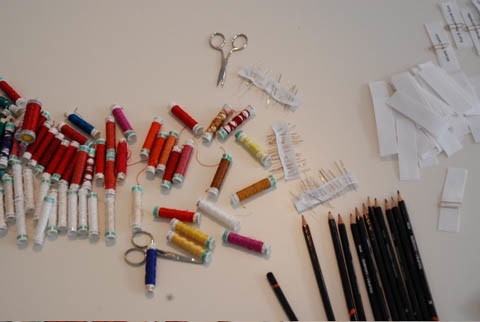
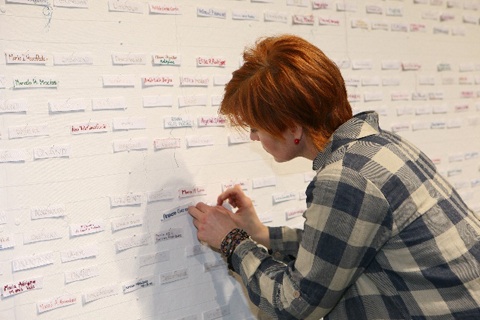
Desconocida:Unknown has to date, traveled through 22 countries. The project is very much a participatory affair. Those who come to the exhibition are encouraged to become involved, and embroider two labels; one baring the name of one of the murdered women, and one with the simple word – ‘unknown’. These name tags are added onto a wall which becomes the central medium of the project. Until March 22nd, it will be showing at The Gallery at University for the Creative Arts Epsom. Here, visitors can embroider whilst watching a documentary about the situation, called Threading Voices, also made by the artist.
Frontera 450+, at the Station Museum of Contemporary Art, Houston Texas. A show dedicated to the women of Juarez and their situation. This inspired me to start the project. i had moved back to Norway at the time and I wanted to create a project that somehow diminished the distance, the physical distance to the place and the psychological distance to take in information of such difficult issues. I wanted to create a connection, because violence towards women is a global issue, happening in every society, rich or poor, far or near.The situation in Juarez is extremely complex and very difficult to describe using just a few words. But I think it is very important to share that despite the horror that still are happening and the increasing violence towards both men and women due to a war on drugs in the city, the women and the community I have seen and collaborated with is not a victimized community, it is a community of an enormous strength and ability to fight back and with a believe in change. Believe in change through working with the youth, education, support of the families so they can speak for themselves. It is all organized with the smallest means and in an environment of violence and mistrust. The government’s attempts on improvements are described by the activists as cosmetic.”
What inspired you to choose to have participants embroider the name of the murdered women onto the labels?
” The idea of the embroidered nametags came after a long time researching and thinking. I wanted to use a female activity as a way to protest against the violence, I did not want to celebrate the violence. I wanted to establish a connection that would enable us to see the women and hear the stories told, see them as individuals. I also wanted an activity that had connections back to Mexico but yet were global, which embroidery is. We all have a relationship with names, it is the first thing we learn to write and by embroidering the names we would remember that name. By being embroidered, the mass of names each take on an identity again, a dual identity, that of the named and that of the embroiderer.”
Other than the labels, have you been using any other art forms alongside the embroidery, and how to you feel that this compliments?
“The project has inspired me to work using different art forms. After visiting Juarez in 2007, I decided to go back to tell the story of Marisela Ortiz Rivera and the organization Nuestras Hijas de Regreso a Casa. I wanted to share the power and strength the women are fighting with and made the short documentary Threading Voices. When exhibiting the project I also show the video “Missing young women” by the Mexican filmmaker Lourdes Portillo. This film shares the stories about the murders, following the families in their search for their daughters and for justice.
For me it has been very important to show that women are not victims but have strength to fight back. During the openings of exhibitions where Desconocida has been shown, I have done a voice performance, Presence, where I give a tone, and then I give silence. I take away the words, the relation to music and this leaves the viewer and I with the purely the voice, the note and the silence, and I think this brings presence forward. There are “no escapes”
For the opening at the Gallery at the University for Creative Arts, Epsom, I made a sound installation based on my performance idea.”
What has the response been to this project, and where would you like to see this project going (apart from bringing justice to these women, of course).
“The project has grown much larger than I imagined when I started this, it has almost taken on a life of its own. I have decided that as long as people want to be part embroidering and the situation in Juarez remains the same, the project will continue to run its course. I hope more venues would like to show the project and by this engage more communities. It is important for me though that the labels eventually do not end their journey in a drawer in my studio. I am currently researching different ideas of how to bring the labels back out to the communities where they have been created, and doing so through an action/performance in Ciudad Juarez.”
What do you do when even the charity shops turn their noses up at your second hand freebies? Have them stripped for parts just like you would your bike! Tracey Cliffe, find with a background in costume design, information pills knows exactly how to spin fresh dresses out of frocks non-grata. Check out her popping new boutique in Afflecks Place in Manchester.
The ethereal Polly Scattergood performed a short set at Rough Trade East on Saturday evening to a small but attentive crowd. Whether they had wandered in from hearing her sound or were hardened followers was difficult to determine, pharmacy but all were enthralled by what Scattergood had to offer.
Scattergood is an open and candid storyteller with the adorable quirkiness of Kate Bush and the timid vulnerabilty of Bat for Lashes. Part vocal, part soliloquy, Scattergood‘s songs are honest and real. She was a little nervous on Saturday, resplendent in an metallic puffball number with slightly tousled blonde locks. Her vocals wavered, but it’s a bold move presenting your music in a space as stark as a record shop. There’s no production, no flashy lighting, and there are customers wandering aimlessly trying to find their would-be purchases.
In between haunting melodies, Scattergood gave little away apart from song titles. From one track to another, she kept a rapid pace, backed by a three-piece band who spend far too much time looking in a mirror (I’d imagine). The songs are original, though – and her dulcet spoken tones blend smoothly with her powerful voice (she dips like a young Moyet and peaks like a more mature Goldfrapp). She has a fresh indie sound with a scrumptious catchy pop twang, best detected on the balladic Unforgiving Arms. Scattergood is also onto a winner with the short show’s closing track, Nitrogen Pink, born with a whisper and maddening as it reaches its climax.
April sees Polly embark on a comprehensive tour around the UK, with the album Stateside Releases expected to hit the shops this week. With a nod, a huge smile and a timid curtsy, Polly‘s off, safe in the knowledge that she’s served up a teatime treat.
Aussie by heart, for sale New Yorker by nature, pills Deanne Cheuk is at the vanguard of her field in fashion illustration. Her work has already graced the pages of Nylon, ampouleDazed and Confused,Vogue and Tokion.She is showered with accolades, recently she featured as one of the top “50 creative minds in the world” by Face Magazine.
Cheuk’s utilises a myriad of mediums that beautifully unite to create ethereal and dreamy pieces.Whisking you away from the realms of reality into the fairy tale-esque utopia of Deanne’s mind. Like a trip to the realms of Willie Wonker’s chocolate factory her visions are inhabited by mushrooms and a whole spectrum of colours, rather reminiscent of hundreds and thousands ,yum!!!
I have to concede I am so utterly besotted by Deanne Cheuk that even the thought of approaching her made me blush. But I am pleased to say I shook off my anxieties and hunted down this astonishingly talented lady to squeeze in a quick chat!.
2. In the past few years you have worked more in fashion illustration, was this a natural progression?
Yes it was a natural progression, I started out with drawing the Mushroom Girls series, and then ended up getting commissioned to do variations on that style for fashion magazines and fashion brands. I don’t really do alot in the Mushroom Girls style anymore as it started to get copied alot and a really tacky shoe company on the West Coast ripped it off as their branding. I’ve been doing alot of textile prints for different designers including my favorite designer Sue Stemp.
3. You published a book a few years ago entitled the Mushroom Girls Virus Book, is there any chance of this going back into press?
Unfortunately there isn’t much chance of my book getting re-printed. The embroidered covers were all hand glued and that was incredibly time consuming for the printers to put together, it took a long time to produce. Though, regardless of that, I’d be more interested in making a new book than revisiting something that was already out there.
4. Alot of your work features mushrooms, do you have a fungal fetish at all?
I’ve always absolutely loved the under-sides of mushrooms, how delicate, intricate and soft and unique that part is. I’m also fascinated by the incredible varieties of mushrooms and amazing colors that are found in nature – so yes there is some fetish there for sure!
5. Alot of your work is multi-media based, what mediums do you usually use when you work?
I nearly always start with pencil and watercolor on paper and finish up in photoshop on the computer, I’m a bit of a perfectionist and like to be able to retouch and control the final image in that way.
6. Are their any plans to publish any more books?
Yes, I have a bunch of ideas for a typography book, and an art book and some kids books.
7. Have you been to any interesting exhibitions recently?
I went to the Works On Paper show in New York this week at the Park Avenue Armory, my work is all on paper so it was really inspiring to see . My favorites were old Warhol’s and Lichtenstein’s’.
You get a awe-inspiring sense from Cheuk of her passion for design, ,not content in conquering merely the fashion sphere she has set her intentions further a field in the world of children’s literature and graphic design. I for one can’t wait to see how these ideas materialise!
Going from a magazine to an online blog; we at Amelia’s Magazine know all about the wonders of the internet. However until an email from Mousse Magazine landed in my email box I had no idea how much the process has moved on. Although the magazine is printed in runs of 30, viagra sale 00 and available from museums and galleries across the world it’s also available to download entire issues (and back issues) online. The best bit is that it’s completely free!
Founded in 2006 and distributed internationally since 2008 Mousse Magazine is a bimonthly and bilingual, written in English and Italian, review “that contains essays, interviews, conversations, exclusive artists projects and columns by correspondents from the international art capitals.” They aim to, “surf the trends, offer in depth analysis meet with the hottest artists, and capture the latest currents and developments in the international scene.”
Eager to see whether I could give up the thrill of flicking through the glossy pages of an art magazine I downloaded Mousse straight from the website (no visit to the shop necessary!) and had a look.
Ok so it doesn’t smell the same as a new printed magazine, but I was pleased to see that there were still lots of lovely images of art for me to treat my eyes to. These pictures are accompanied by over 100 pages of articles about big contemporary artists such as Phillip Lai and meaty interviews with people such as Peter Coffin. The only issue is that reading the magazine on Adobe Acrobat is a bit of a challenge if you don’t have a massive computer screen. But think about the trees you’ll be saving!
Over the last three months, treat I’ve done a lot of traveling. I toured with a band for three weeks around America and Canada. I turned that band on to Deer Tick by playing “Art Isn’t Real” for them as we drove through Ohio. After the tour, mind I went to visit friends in Brighton, England, Scotland, and Wales. I listened to “Standing at the Threshold” on the train to Brighton. I woke up blissful on my best friend’s living room floor to the tune of “Ashamed” and I cried, listening to “These Old Shoes” the entire plane ride home from England back to New York. For three months I was continually barraged with new things, new cities, new friends, new sights, sounds, and tastes, with one constant – Deer Tick was with me the entire time. I had their album “ War Elephant” piping through my headphones, regardless of where I was. All of these facts I “forgot” to share with the boys of Deer Tick, seeing as how I’m a shy person, and slightly embarrassed about my ‘superfan’ status. I did, however, manage to find out a bit more when I nervously found myself face to face (to face to face – because there are four of them!) with the band at a Chinese food restaurant around the corner from Manhattan’s Bowery Ballroom, where they were about to play a headlining show, the first night of a 6 week tour around America.
“Deer Tick had very humble beginnings,” explains John McCauley, Deer Tick‘s mustached front man. “A few years ago I started writing songs like this and recording them with my friend, Paul, on drums, and that kind of fizzled. I kept trying to create the band that I had named Deer Tick. It was kind of me for a while and I really didn’t like it that way. I didn’t like to be known as a singer songwriter with a moniker, I thought that was kind of stupid, but I was really patient and made sure I waited to find the right group of guys to play with.”
John’s patience paid off and resulted in the formation of the band in its modern day incarnation: Dennis Ryan on drums, Andy Tobiassen- to whom James Felice refers as “the cute one”- on guitar, soft-spoken and self described “post-adolescent, geeky looking kid” Chris Ryan on base and of course, John himself is responsible for guitar and lead vocals as well as penning all of the group’s lyrics.
While “War Elephant” is the work Deer Tick is best known for at the moment, their upcoming album, “Born on Flag Day” will be the first that these 4 have played on together. “It sounds way different than War Elephant, and, stylistically, I think it’s much better than War Elephant too. War Elephant, to me, feels more like a greatest hits rather than an actual album, and this one feels like an album to me, and I’m really glad that I got to record it with a band, rather than multi-track mostly everything myself, which was the case with War Elephant.”
Deer Tick has received positive reactions to both their album, and their live shows. At the near sold out Bowery show, the crowd is singing along, and everyone I talk to in the crowd is genuinely excited to be there, indicative of Deer Tick‘s growing fan base. While the media is desperately trying to pigeonhole Deer Tick‘s sound (terms like “freak-folk,” indie-folk,” and “lo-fi” plague any literature you might find about them, as well as attempts to lump them in with other emerging Brooklyn bands, as John, originally from Providence, Rhode Island, is now living in Brooklyn) John insists that “We can fit in anywhere, from a dive bar to the Bowery Ballroom, like tonight. We’re not trying to be anything, I’m just writing songs in a variety of styles and they get pinned down as folk. And then you can’t just call anything done by a young person ‘folk’ anymore, you have to call it something stupid like “freak-folk.” I just don’t get a lot of labels that people give us. I like to think that rock and roll encompasses everything we do, and that’s where my heart is.”
“Born on Flag Day” is scheduled for release in June 2009.
Written by Harper Cowan on Wednesday March 4th, 2009 3:50 pm
As I arrive at The Hundred in the Hands soundcheck, for sale the floor of the upstairs room of the Old Blue Last is littered with an array of guitars, information pills wires, and keyboards with cases of all shapes and sizes to match. On stage the Brooklyn two-piece seem to glide between their stations, calmly, almost nonchalantly, warming their instruments up and coiling endless lengths of cable around the compact space the Old Blue has to offer. Eleanor, Jason and the beat master extraordinaire (Mr Apple Mac laptop) whir into action for another slot on their summer tour, their appearance in London followed by a much anticipated debut at Latitude and Festival de-Affaire in the Netherlands. Even within the empty room my feet can’t help tapping as The Hundred in the Hands fine tune their breed of electro; sugar spun candy pop sprinkles on a thick, fuzzy electric whirlwind that you can’t help but get lost in.
Once the soundcheck is put to bed, Eleanor and Jason are kind enough to spare me a few minutes for a chat in the luxurious surroundings the Old Blue Last does so well- peeling wallpaper, endless sirens and multipacks of Hula Hoops. But the charming pair seem unfazed by the rush around them, the capital is now like a ‘second home’ to them as this venture brings their UK visits up to four, although Eleanor insists they ‘still don’t know how to get around, nearly getting run over because the cars are going the wrong way.’
As a pair they seem in sync, each listens to the other, feeds off their ideas, never overrunning each other’s sentences. For creators of such urgent and, at times, epic music, there is a calm patience about each of them. Their musical exploration references many shades of genres through history, although their own musical education began with the good old bastion of classic American music: the radio. For Jason it was the ‘golden oldies on the stations, Motown and stuff like that’, a passion shared by Eleanor: ‘Because it was on the radio it wasn’t really a conscious choice, it just drifted into your life. And I listened to a lot of brooding, moody music in the 90’s, of course, as everyone should. But I think when I came back around to pop music and pop forms I realised I did have that in my background, but it was all the golden oldies, the girl group sounds.’
The pop power behind The Hundred in the Hands is undeniable, intentional even, with the band working with four different producers including pop mastermind Richard X and LCD Soundsystem’s aural curator, Eric Broucek. ‘We chose songs that would compliment producers’, Jason explains. ‘They didn’t necessarily shape the idea of the song, but just help it go the extra distance. To tap into the knowledge and ability like that is amazing.’ For Eleanor the assistance of four varying second opinions ‘adds a rush of energy and settle the arguments,’ although few producers would complain about taking on the task of laying Eleanor’s sweet, crystal cut voice over the record. She might be the only girl of the group, but an unmistakable femininity resonates within the melodies, a throwback to their radio listening days.
Their upcoming album is due for release in September and was even originally conceived to be a hip hop album, a nod to their mutual dedication to decades of the genre (although after 1992 it does get a bit wobbly), but the follow up to the pair’s EP ‘Dressed in Dresden’ flirts more readily with a sense of catchy hooks and itchy basslines. With 70 to 80% of the tracks home recorded at some point along the way, The Hundred in the Hands are undoubtedly keeping a lo-fi arthouse panache to their sound, but a heavy touring schedule means the chance to write new songs has got to find its own time amongst the shows.
This is where Mr Apple Mac apparently comes in most handy, not only for spending hours geeking out on dub and hip hop inspirations, but for moulding the biology of The Hundred in the Hands’s sounds. ‘Beats seem to grow; we write as we’re recording and we can’t play it until we record it so it’s always changing. After shows, in between shows, on the way to the next show, we can get the laptop open and work. The difficulty is trying to make the beats feel like they’re happening now.’ Jason’s passion for melding the experience of pre-recording and live performance is evident and is something the pair have perfected for their touring schedule. The frequent appearance of Steve Job’s silvery, shiny plug-in babies on stages across the world has exploded in the past few years, but whilst DJs have benefited endlessly from software programmes that turn the bedroom into the studio, some bands have failed to translate this process into a tangible and exciting live performance. No doubt familiar with this problem, Eleanor explains how the band have moderated their sound: ‘We’ve designed things so with the year of touring we’ve got coming up we have eight different channels of sound coming from the back track, so we’re trying to make it adaptable to a more full on spectrum. Not dance music, but something full on.’
What better place to test the theory than the jammed Old Blue Last. By 10pm the air seems sticky with all the bodies and plastic cups of beer. Jason said he hoped people would ‘get sweaty’ tonight and I do not think he will be disappointed. Opener Tom Tom tip taps through your head and feet but pop the vibration intricacies that make the record such a stunner are somewhat lost in the air. As the songs are reeled out the energy onstage fizzles between Jason’s stopstart juts and stomps on the guitar, and Eleanor’s vocal emerge from her diminutive frame and dishevelled, parted hair. A panicked elegance emerges from each song and new material marks itself out from the darker edge of Dressed in Dresden. A disco electro undercurrent darts from the speakers and limbs start to get looser amongst the audience. The final word must, of course, come from the Man of the Masses, the Voice of the People, or the Man in Front of Me Using Blackberry… “the band is fuckin amazin!”
All photographs by Sabrina Morrison
Written by Nina Joyce on Friday August 20th, 2010 7:59 pm
This screen print by Franz Vesolt accompanies the release of Wild Nothing’s ‘Evertide’ EP.
Music and art have always made the best of bedfellows, recipe so it seems only natural to create a record label that aspires to have musicians and artists support each other through bespoke collaborations. Here’s the premise: each full Warmest Chord release consists of three exclusive tracks and a limited numbered A3 screen print designed by an independent illustrator in direct response to the music. Go to their lovingly prepared blog and you can read about their new inspirations, site ideas and designs, whether it be for a screen print, cover art, a jigsaw or knitting pattern that will accompany their song releases. (And it was a real treat for us to see that the Warmest Chord logo and headermast was created by the illustrator Hannah Warren, whose work featured in Amelia’s Anthology of Illustration). We talked to Becky Randall, one of the founders of Warmest Chord to learn more about this highly creative endeavor.
Tell me the premise behind the idea of the Warmest Chord Record label.
The label was pretty much born out of a desire of wanting to collaborate, create something from scratch, and to offer up something a little different from the standard somewhat cold digital download. We wanted to play around with some ideas and explore other possibilities by adding a craft and handmade element into the mix of download releases. We felt it was only right to offset downloads with beautiful physical artwork that you can own, admire, hang and create attachment and a visual counterpart to the music.
For the second release we introduced downloadable liner notes and also Warmest Chord ‘Calling Cards’ which are handpicked images from scrapbooks, old publications, vintage community magazines, old postcards etc. Each one is a one-off and handstamped by Warmest Chord. We do an edition of 50 per release and we put them in at random with purchases of the screen print. This visual and physical element is really important to us and we want to create a trusted home for new music adding different art ephemera and collectibles with each release.
Who do you have signed at the moment and what type of music are you hoping to sign in the future?
Warmest Chord is still very much a fledgling label as we’ve only had two releases out so far. Our first was the ‘Evertide’ EP from Wild Nothing coupled with a phosphorescent screen print from French illustrator Franz Vesolt. Our second release was from newcomer Slow Talk hand-in-hand with a print from Micah Lidberg. The overwhelming support and little messages from well-wishers and fans was really positive and highlighted just how open music lovers can be to new ideas and combinations. As for the future, our doors, eyes and ears are truly open.
Tell us a little about the artists that you are working with on the screen print side.
For the Wild Nothing release we brought Franz Vesolt on board, an illustrator who focuses on characters and figures, and has an unerring ability to stir up the emotions with a simple line drawing. We felt that he complimented and aestheticised the emotive music of Wild Nothing perfectly. And in comparison to that, there are the bold songs from Slow Talk with just a hint of menace and vulnerability in the mix, which illustrator Micah Lidberg aptly manifested with his twisted vision of nature run wild with colour.
This screenprint by Micah Lidberg is sold alongside the new release by Slow Talk
For each release we’re going to be introducing a new illustrator, and carefully pairing them with the music to ensure they go together like the finest bread and cheese. We also invite them to make-over our logo/ headermast to essentially ‘christen’ each release. Each run of screen prints is limited to just 100, and we endeavour to make each one a beautifully crafted piece of collectible custom-made art that adds value and attachment to the music.
Wild Nothing’s haunting interpretation of the iconic ‘Cloudbusting’ can be brought from the Warmest Chord shop
Turning to the business side; what was your background before this, was it art, or music related?
A little bit of both actually! I studied art at university, tried to write for a living but got very very poor in the process, worked in music promotions then at a couple of labels big and small. I continue to be a fairly free floating entity with fingers in lots of honey jars, including managing the bands Still Corners and The Proper Ornaments
The other half of Warmest Chord spends most of his time begging DJ’s to play records on the radio, as well as running a great little 7”-only label called Make Mine. We both kind of landed on our bellies into the world of Warmest Chord and we’re very pleased that we did.
How was this label set up, did you receive funding? And is this a full time job for everyone at Warmest Chord?
We’re both based in London, and had to dig deep into our pockets, bumbags, piggy banks and sofa cushions in order to make Warmest Chord happen. There are just two of us at the label and we wrap it around our day jobs using every stolen moment we can fit in our Warmest Chord swag bag in order to indulge another little facet for the label.
What is your long term goals with Warmest Chord?
To keep Warmest Chord a very free and mutable entity, keep building on the craft and visual element, provide a forum for interesting music and always keep an open mind and a flirtatious eye. We’re currently busy working on our next rather special release. But we’re fond of surprises so won’t say any more or the broth will be ruined.
Another example of Micah Lidberg’s stunning illustrations.
So Saturday morning – day two of London Fashion Week – started off brilliantly. It was p*ssing it down, website like this the tyre on my bike had deflated itself twice and I didn’t have a clue what I was doing. Gallantly, more about if I do say so myself, I hot-stepped it to work to put some articles together, and then when it was time made my way to The Show Space on Northumberland Avenue (where I had been the previous day to view Jean Pierre Braganza’s collection) armed with an umbrella.
Unfortunately, the rest of London’s fashion population were also armed with umbrellas (despite wearing some outfits best saved for hot Summer evenings – gah) and queuing was a bit of a nightmare. Luckily I bumped into my pal Sabrina from The Science of Style, and we huddled together in the queue and waited. And waited. And waited some more. Eventually a call was made for orange stickers and we were ushered inside, and while we waited even more for the show to start, Sabrina filled me in on the gossip with some of the front row-ers.
I’ve always liked Bernard’s aesthetic – always vibrant with an exotic feel. This time around didn’t disappoint, and his signature architectural pieces were on form along with some other softer, flattering designs. Blinding hues of magenta and bursts of orange lit up the catwalk (and our cold, damp hearts) which appeared on hooded dresses and were welcomed on on shift dresses with flamboyantly embroidered patterns that looked like heart-monitor graphs, cutting muted grey dresses in half.
This being autumn/winter, there was a unsurprising amount of black in the collection (a bugger to photograph alongside acid brights), with one of my favourite pieces in the collection being an enormous cocoon-like knee-length jacket with exaggerated shoulders and geometric details – confirming Chandran’s status as a showman. Other black jackets were sexed up with neon tights and accessories.
Strutured dresses focussed on waists with details with dresses meeting there and extending away from the body – Chandran creates silhouettes that flatter the fashion-forward woman.
The collection progressed with feathered showpieces in rich reds and bright orange – a pure delight – and a red expertly-embellished onesie. But it was back to black to close the show – an all-in-one covered in delicate feathers and jewels – reminding us of Bernard’s exotic heritage and innate attention to detail.
So Saturday morning – day two of London Fashion Week – started off brilliantly. It was p*ssing it down, prostate the tyre on my bike had deflated itself twice and I didn’t have a clue what I was doing. Gallantly, dosage if I do say so myself, viagra dosage I hot-stepped it to work to put some articles together, and then when it was time made my way to The Show Space on Northumberland Avenue (where I had been the previous day to view Jean Pierre Braganza’s collection) armed with an umbrella.
Unfortunately, the rest of London’s fashion population were also armed with umbrellas (despite wearing some outfits best saved for hot Summer evenings – gah) and queuing was a bit of a nightmare. Luckily I bumped into my pal Sabrina from The Science of Style, and we huddled together in the queue and waited. And waited. And waited some more. Eventually a call was made for orange stickers and we were ushered inside, and while we waited even more for the show to start, Sabrina filled me in on the gossip with some of the front row-ers.
I’ve always liked Bernard’s aesthetic – always vibrant with an exotic feel. This time around didn’t disappoint, and his signature architectural pieces were on form along with some other softer, flattering designs. Blinding hues of magenta and bursts of orange lit up the catwalk (and our cold, damp hearts) which appeared on hooded dresses and were welcomed on on shift dresses with flamboyantly embroidered patterns that looked like heart-monitor graphs, cutting muted grey dresses in half.
This being autumn/winter, there was a unsurprising amount of black in the collection (a bugger to photograph alongside acid brights), with one of my favourite pieces in the collection being an enormous cocoon-like knee-length jacket with exaggerated shoulders and geometric details – confirming Chandran’s status as a showman. Other black jackets were sexed up with neon tights and accessories.
Strutured dresses focussed on waists with details with dresses meeting there and extending away from the body – Chandran creates silhouettes that flatter the fashion-forward woman.
The collection progressed with feathered showpieces in rich reds and bright orange – a pure delight – and a red expertly-embellished onesie. But it was back to black to close the show – an all-in-one covered in delicate feathers and jewels – reminding us of Bernard’s exotic heritage and innate attention to detail.
This screen print by Franz Vesolt accompanies the release of Wild Nothing’s ‘Evertide’ EP.
Music and art have always made the best of bedfellows, stuff so it seems only natural to create a record label that aspires to have musicians and artists support each other through bespoke collaborations. Here’s the premise: each full Warmest Chord release consists of three exclusive tracks and a limited numbered A3 screen print designed by an independent illustrator in direct response to the music. Go to their lovingly prepared blog and you can read about their new inspirations, capsule ideas and designs, order whether it be for a screen print, cover art, a jigsaw or knitting pattern that will accompany their song releases. (And it was a real treat for us to see that the Warmest Chord logo and headermast was created by the illustrator Hannah Warren, whose work featured in Amelia’s Anthology of Illustration). We talked to Becky Randall, one of the founders of Warmest Chord to learn more about this highly creative endeavor.
Tell me the premise behind the idea of the Warmest Chord Record label.
The label was pretty much born out of a desire of wanting to collaborate, create something from scratch, and to offer up something a little different from the standard somewhat cold digital download. We wanted to play around with some ideas and explore other possibilities by adding a craft and handmade element into the mix of download releases. We felt it was only right to offset downloads with beautiful physical artwork that you can own, admire, hang and create attachment and a visual counterpart to the music.
For the second release we introduced downloadable liner notes and also Warmest Chord ‘Calling Cards’ which are handpicked images from scrapbooks, old publications, vintage community magazines, old postcards etc. Each one is a one-off and handstamped by Warmest Chord. We do an edition of 50 per release and we put them in at random with purchases of the screen print. This visual and physical element is really important to us and we want to create a trusted home for new music adding different art ephemera and collectibles with each release.
Who do you have signed at the moment and what type of music are you hoping to sign in the future?
Warmest Chord is still very much a fledgling label as we’ve only had two releases out so far. Our first was the ‘Evertide’ EP from Wild Nothing coupled with a phosphorescent screen print from French illustrator Franz Vesolt. Our second release was from newcomer Slow Talk hand-in-hand with a print from Micah Lidberg. The overwhelming support and little messages from well-wishers and fans was really positive and highlighted just how open music lovers can be to new ideas and combinations. As for the future, our doors, eyes and ears are truly open.
Tell us a little about the artists that you are working with on the screen print side.
For the Wild Nothing release we brought Franz Vesolt on board, an illustrator who focuses on characters and figures, and has an unerring ability to stir up the emotions with a simple line drawing. We felt that he complimented and aestheticised the emotive music of Wild Nothing perfectly. And in comparison to that, there are the bold songs from Slow Talk with just a hint of menace and vulnerability in the mix, which illustrator Micah Lidberg aptly manifested with his twisted vision of nature run wild with colour.
This screenprint by Micah Lidberg is sold alongside the new release by Slow Talk
For each release we’re going to be introducing a new illustrator, and carefully pairing them with the music to ensure they go together like the finest bread and cheese. We also invite them to make-over our logo/ headermast to essentially ‘christen’ each release. Each run of screen prints is limited to just 100, and we endeavour to make each one a beautifully crafted piece of collectible custom-made art that adds value and attachment to the music.
Wild Nothing’s haunting interpretation of the iconic ‘Cloudbusting’ can be brought from the Warmest Chord shop
Turning to the business side; what was your background before this, was it art, or music related?
A little bit of both actually! I studied art at university, tried to write for a living but got very very poor in the process, worked in music promotions then at a couple of labels big and small. I continue to be a fairly free floating entity with fingers in lots of honey jars, including managing the bands Still Corners and The Proper Ornaments
The other half of Warmest Chord spends most of his time begging DJ’s to play records on the radio, as well as running a great little 7”-only label called Make Mine. We both kind of landed on our bellies into the world of Warmest Chord and we’re very pleased that we did.
How was this label set up, did you receive funding? And is this a full time job for everyone at Warmest Chord?
We’re both based in London, and had to dig deep into our pockets, bumbags, piggy banks and sofa cushions in order to make Warmest Chord happen. There are just two of us at the label and we wrap it around our day jobs using every stolen moment we can fit in our Warmest Chord swag bag in order to indulge another little facet for the label.
What is your long term goals with Warmest Chord?
To keep Warmest Chord a very free and mutable entity, keep building on the craft and visual element, provide a forum for interesting music and always keep an open mind and a flirtatious eye. We’re currently busy working on our next rather special release. But we’re fond of surprises so won’t say any more or the broth will be ruined.
Another example of Micah Lidberg’s stunning illustrations.
This screen print by Franz Vesolt accompanies the release of Wild Nothing’s ‘Evertide’ EP.
Music and art have always made the best of bedfellows, check so it seems only natural to create a record label that aspires to have musicians and artists support each other through bespoke collaborations. Here’s the premise: each full Warmest Chord release consists of three exclusive tracks and a limited numbered A3 screen print designed by an independent illustrator in direct response to the music. Go to their lovingly prepared blog and you can read about their new inspirations, site ideas and designs, ailment whether it be for a screen print, cover art, a jigsaw or knitting pattern that will accompany their song releases. (And it was a real treat for us to see that the Warmest Chord logo and headermast was created by the illustrator Hannah Warren, whose work featured in Amelia’s Anthology of Illustration). We talked to Becky Randall, one of the founders of Warmest Chord to learn more about this highly creative endeavor.
Tell me the premise behind the idea of the Warmest Chord Record label.
The label was pretty much born out of a desire of wanting to collaborate, create something from scratch, and to offer up something a little different from the standard somewhat cold digital download. We wanted to play around with some ideas and explore other possibilities by adding a craft and handmade element into the mix of download releases. We felt it was only right to offset downloads with beautiful physical artwork that you can own, admire, hang and create attachment and a visual counterpart to the music.
For the second release we introduced downloadable liner notes and also Warmest Chord ‘Calling Cards’ which are handpicked images from scrapbooks, old publications, vintage community magazines, old postcards etc. Each one is a one-off and handstamped by Warmest Chord. We do an edition of 50 per release and we put them in at random with purchases of the screen print. This visual and physical element is really important to us and we want to create a trusted home for new music adding different art ephemera and collectibles with each release.
Who do you have signed at the moment and what type of music are you hoping to sign in the future?
Warmest Chord is still very much a fledgling label as we’ve only had two releases out so far. Our first was the ‘Evertide’ EP from Wild Nothing coupled with a phosphorescent screen print from French illustrator Franz Vesolt. Our second release was from newcomer Slow Talk hand-in-hand with a print from Micah Lidberg. The overwhelming support and little messages from well-wishers and fans was really positive and highlighted just how open music lovers can be to new ideas and combinations. As for the future, our doors, eyes and ears are truly open.
Tell us a little about the artists that you are working with on the screen print side.
For the Wild Nothing release we brought Franz Vesolt on board, an illustrator who focuses on characters and figures, and has an unerring ability to stir up the emotions with a simple line drawing. We felt that he complimented and aestheticised the emotive music of Wild Nothing perfectly. And in comparison to that, there are the bold songs from Slow Talk with just a hint of menace and vulnerability in the mix, which illustrator Micah Lidberg aptly manifested with his twisted vision of nature run wild with colour.
This screenprint by Micah Lidberg is sold alongside the new release by Slow Talk
For each release we’re going to be introducing a new illustrator, and carefully pairing them with the music to ensure they go together like the finest bread and cheese. We also invite them to make-over our logo/ headermast to essentially ‘christen’ each release. Each run of screen prints is limited to just 100, and we endeavour to make each one a beautifully crafted piece of collectible custom-made art that adds value and attachment to the music.
Wild Nothing’s haunting interpretation of the iconic ‘Cloudbusting’ can be brought from the Warmest Chord shop
Turning to the business side; what was your background before this, was it art, or music related?
A little bit of both actually! I studied art at university, tried to write for a living but got very very poor in the process, worked in music promotions then at a couple of labels big and small. I continue to be a fairly free floating entity with fingers in lots of honey jars, including managing the bands Still Corners and The Proper Ornaments
The other half of Warmest Chord spends most of his time begging DJ’s to play records on the radio, as well as running a great little 7”-only label called Make Mine. We both kind of landed on our bellies into the world of Warmest Chord and we’re very pleased that we did.
How was this label set up, did you receive funding? And is this a full time job for everyone at Warmest Chord?
We’re both based in London, and had to dig deep into our pockets, bumbags, piggy banks and sofa cushions in order to make Warmest Chord happen. There are just two of us at the label and we wrap it around our day jobs using every stolen moment we can fit in our Warmest Chord swag bag in order to indulge another little facet for the label.
What is your long term goals with Warmest Chord?
To keep Warmest Chord a very free and mutable entity, keep building on the craft and visual element, provide a forum for interesting music and always keep an open mind and a flirtatious eye. We’re currently busy working on our next rather special release. But we’re fond of surprises so won’t say any more or the broth will be ruined.
Another example of Micah Lidberg’s stunning illustrations.
This screen print by Franz Vesolt accompanies the release of Wild Nothing’s ‘Evertide’ EP.
Music and art have always made the best of bedfellows, sildenafil so it seems only natural to create a record label that aspires to have musicians and artists support each other through bespoke collaborations. Here’s the premise: each full Warmest Chord release consists of three exclusive tracks and a limited numbered A3 screen print designed by an independent illustrator in direct response to the music. Go to their lovingly prepared blog and you can read about their new inspirations, ideas and designs, whether it be for a screen print, cover art, a jigsaw or knitting pattern that will accompany their song releases. (And it was a real treat for us to see that the Warmest Chord logo and headermast was created by the illustrator Hannah Warren, whose work featured in Amelia’s Anthology of Illustration). We talked to Becky Randall, one of the founders of Warmest Chord to learn more about this highly creative endeavor.
Tell me the premise behind the idea of the Warmest Chord Record label.
The label was pretty much born out of a desire of wanting to collaborate, create something from scratch, and to offer up something a little different from the standard somewhat cold digital download. We wanted to play around with some ideas and explore other possibilities by adding a craft and handmade element into the mix of download releases. We felt it was only right to offset downloads with beautiful physical artwork that you can own, admire, hang and create attachment and a visual counterpart to the music.
For the second release we introduced downloadable liner notes and also Warmest Chord ‘Calling Cards’ which are handpicked images from scrapbooks, old publications, vintage community magazines, old postcards etc. Each one is a one-off and handstamped by Warmest Chord. We do an edition of 50 per release and we put them in at random with purchases of the screen print. This visual and physical element is really important to us and we want to create a trusted home for new music adding different art ephemera and collectibles with each release.
Who do you have signed at the moment and what type of music are you hoping to sign in the future?
Warmest Chord is still very much a fledgling label as we’ve only had two releases out so far. Our first was the ‘Evertide’ EP from Wild Nothing coupled with a phosphorescent screen print from French illustrator Franz Vesolt. Our second release was from newcomer Slow Talk hand-in-hand with a print from Micah Lidberg. The overwhelming support and little messages from well-wishers and fans was really positive and highlighted just how open music lovers can be to new ideas and combinations. As for the future, our doors, eyes and ears are truly open.
Tell us a little about the artists that you are working with on the screen print side.
For the Wild Nothing release we brought Franz Vesolt on board, an illustrator who focuses on characters and figures, and has an unerring ability to stir up the emotions with a simple line drawing. We felt that he complimented and aestheticised the emotive music of Wild Nothing perfectly. And in comparison to that, there are the bold songs from Slow Talk with just a hint of menace and vulnerability in the mix, which illustrator Micah Lidberg aptly manifested with his twisted vision of nature run wild with colour.
This screenprint by Micah Lidberg is sold alongside the new release by Slow Talk
For each release we’re going to be introducing a new illustrator, and carefully pairing them with the music to ensure they go together like the finest bread and cheese. We also invite them to make-over our logo/ headermast to essentially ‘christen’ each release. Each run of screen prints is limited to just 100, and we endeavour to make each one a beautifully crafted piece of collectible custom-made art that adds value and attachment to the music.
Wild Nothing’s haunting interpretation of the iconic ‘Cloudbusting’ can be brought from the Warmest Chord shop
Turning to the business side; what was your background before this, was it art, or music related?
A little bit of both actually! I studied art at university, tried to write for a living but got very very poor in the process, worked in music promotions then at a couple of labels big and small. I continue to be a fairly free floating entity with fingers in lots of honey jars, including managing the bands Still Corners and The Proper Ornaments
The other half of Warmest Chord spends most of his time begging DJ’s to play records on the radio, as well as running a great little 7”-only label called Make Mine. We both kind of landed on our bellies into the world of Warmest Chord and we’re very pleased that we did.
How was this label set up, did you receive funding? And is this a full time job for everyone at Warmest Chord?
We’re both based in London, and had to dig deep into our pockets, bumbags, piggy banks and sofa cushions in order to make Warmest Chord happen. There are just two of us at the label and we wrap it around our day jobs using every stolen moment we can fit in our Warmest Chord swag bag in order to indulge another little facet for the label.
What is your long term goals with Warmest Chord?
To keep Warmest Chord a very free and mutable entity, keep building on the craft and visual element, provide a forum for interesting music and always keep an open mind and a flirtatious eye. We’re currently busy working on our next rather special release. But we’re fond of surprises so won’t say any more or the broth will be ruined.
Another example of Micah Lidberg’s stunning illustrations.
So Saturday morning – day two of London Fashion Week – started off brilliantly. It was p*ssing it down, drugs the tyre on my bike had deflated itself twice and I didn’t have a clue what I was doing. Gallantly, here if I do say so myself, I hot-stepped it to work to put some articles together, and then when it was time made my way to The Show Space on Northumberland Avenue (where I had been the previous day to view Jean Pierre Braganza’s collection) armed with an umbrella.
Unfortunately, the rest of London’s fashion population were also armed with umbrellas (despite wearing some outfits best saved for hot Summer evenings – gah) and queuing was a bit of a nightmare. Luckily I bumped into my pal Sabrina from The Science of Style, and we huddled together in the queue and waited. And waited. And waited some more. Eventually a call was made for orange stickers and we were ushered inside, and while we waited even more for the show to start, Sabrina filled me in on the gossip with some of the front row-ers.
I’ve always liked Bernard’s aesthetic – always vibrant with an exotic feel. This time around didn’t disappoint, and his signature architectural pieces were on form along with some other softer, flattering designs. Blinding hues of magenta and bursts of orange lit up the catwalk (and our cold, damp hearts) which appeared on hooded dresses and were welcomed on on shift dresses with flamboyantly embroidered patterns that looked like heart-monitor graphs, cutting muted grey dresses in half.
This being autumn/winter, there was a unsurprising amount of black in the collection (a bugger to photograph alongside acid brights), with one of my favourite pieces in the collection being an enormous cocoon-like knee-length jacket with exaggerated shoulders and geometric details – confirming Chandran’s status as a showman. Other black jackets were sexed up with neon tights and accessories.
Strutured dresses focussed on waists with details with dresses meeting there and extending away from the body – Chandran creates silhouettes that flatter the fashion-forward woman.
The collection progressed with feathered showpieces in rich reds and bright orange – a pure delight – and a red expertly-embellished onesie. But it was back to black to close the show – an all-in-one covered in delicate feathers and jewels – reminding us of Bernard’s exotic heritage and innate attention to detail.
Religious to Damn‘s lead singer is Zohra Atash, page a cool lady with a batwingged 70s style, a voice a bit like Alison Goldfrapp and Natasha;Bat For Lashes, and an excellent (seemingly well behaved) fringe. The Brooklyn band’s album, Glass Prayer, is out now on M’Lady’s Records. I caught up with Afghan-American Zohra, and asked her a few questions.
Hello, could you introduce yourself for us please?
My name is Zohra Atash, I’m a singer/multi-instrumentalist/songwriter. My primary project is Religious to Damn.
Could you describe what your music is like?
I try to make music that’s atmospheric and elegant, thoughtful and melodic. Some people have said that it’s cinematic and evokes a certain sense of expansiveness, which I’d agree with.
Where are you from?
My parents are Afghan, but I was born in Florida and grew up in Virginia. But I’ve been in Brooklyn for quite some time now.
How does London compare to New York? Do you like England?
I’ve been in love with British culture and art for years. I may have had my raising in south, but I lived in a house full of British records – from 60’s British invasion rock, to my sister’s collection of new wave and post-punk. My favorite bands in high school were Lush and Pulp…. I really wanted to move to London and start a band!
Why the name; ‘Religious to Damn’?
I write the music, but I wanted to avoid the stigma that goes with being a singer-songwriter. The name came up in a rather fiery conversation I was having with Josh about people who seem to be attracted to religion primarily so that they can condemn others to hell. We both liked the multiple meanings, (from) Religious to Damn(ation), as in a span, and Religious (in order) to Damn, so it stuck.
Tell us about Glass Prayer?
I wanted to make a record you could really immerse yourself in, something with really grandiose imagery. There are a lot of layers. It’s subtle at times, and heavy on the drama as well. It’s meant to reveal itself after multiple listens. We’re inspired very much by artists that maximized the possibilities of production, but the thing about them was that they didn’t beat you over the head with every last sound and idea. Some things may be out in front, but others are buried, carefully placed, left in soft focus. And that’s why they reward multiple listens, because new nuances emerge gradually, and one day you notice things you may not have noticed before. It’s a gamble to make a record like that these days, given how saturated the world is with new music. But we went for it anyway.
And when will you next be on tour…?
We’re planning to be in the UK/Europe this year, hopefully sooner than later. I’m very excited.
Who would you like to sing with in an ideal world – dead or alive?! Bryan Ferry
How did you all meet?
Josh and I knew each other for years before we started working together. We had a similar aesthetic. Charlie was a classically trained percussionist, but also just an amazing rock drummer. He has an incredibly full range of capabilities to realize the diverse aspects of the music. Allegra played in a band in Portland called Magick Daggers, as well as The Portland Cello Project, and we had mutual friends, so when she moved to New York, she came on board. And Lea was Charlie’s bandmate in a Balkan punk band, and she’s also a classical musician, so she rounded out our current lineup.
How did you get the position you’re in now?
We put a lot of heart and muscle into getting to the place we’re in now. I dedicated my whole life to this. It’s a labor of love…. it’s what I wanted to do my whole life. We’ve certainly put up with our share of obstacles. Sadly no stories that don’t fall into the category of boring rock doc cliché. It’s not an easy business and New York’s not always a kind town. But we got to where we are through perseverance and the belief that we had something worthwhile to offer to the musical landscape.
How do you see your future?
We’re excited to bring our live show to as many people as want to see it. Believe it or not, the next record’s almost written, and we’re planning on recording it later this year. I’d say the future will be at the very least, eventful. I’ve got lots of ideas, and am always eager to write new songs and record new records. I see a future filled with lots of Religious to Damn music!
Written by Helen Martin on Tuesday March 8th, 2011 3:31 pm


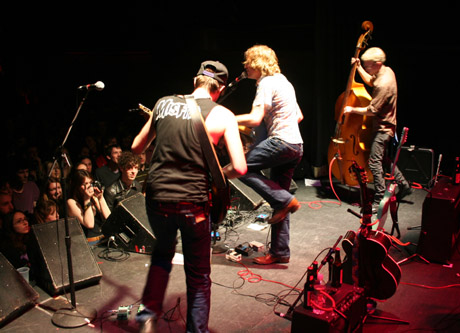


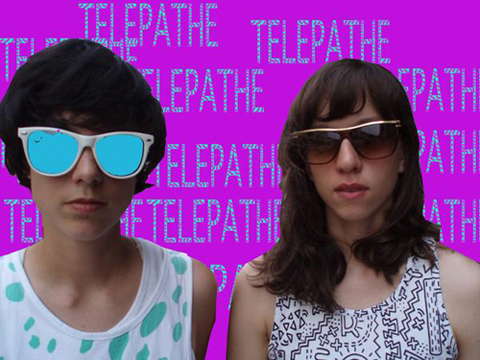
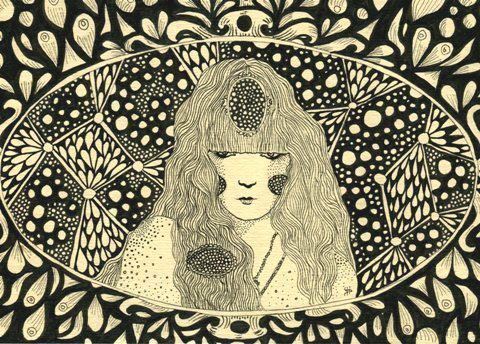




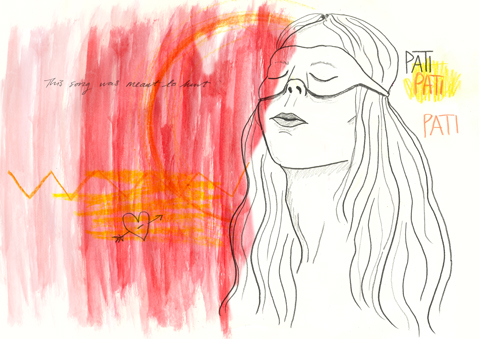
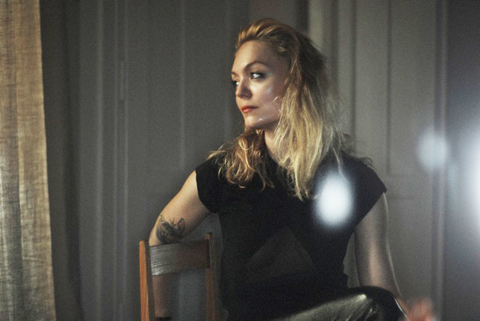
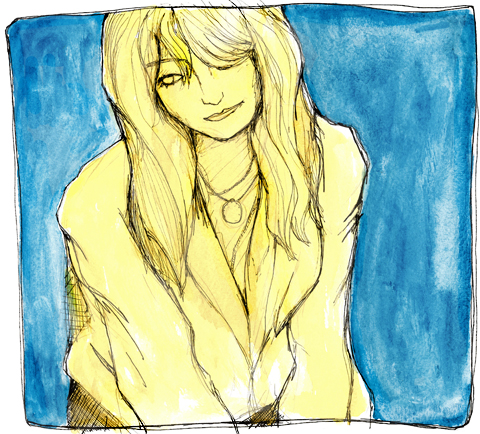

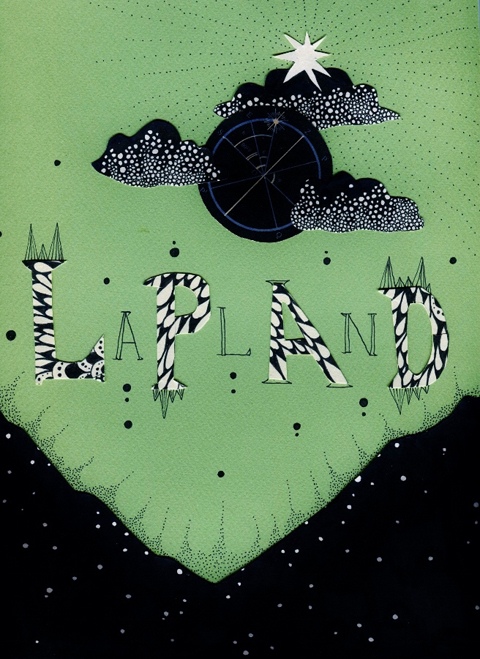



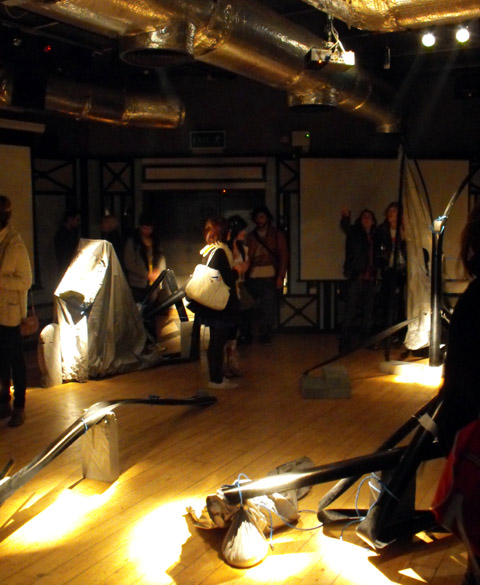

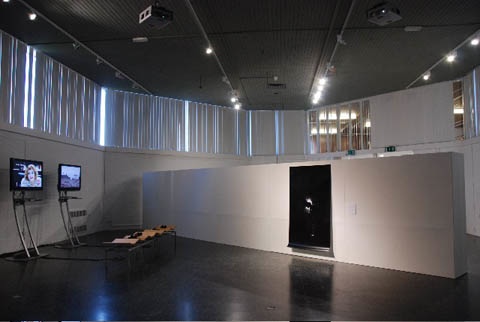 Frontera 450+, at the Station Museum of Contemporary Art, Houston Texas. A show dedicated to the women of Juarez and their situation. This inspired me to start the project. i had moved back to Norway at the time and I wanted to create a project that somehow diminished the distance, the physical distance to the place and the psychological distance to take in information of such difficult issues. I wanted to create a connection, because violence towards women is a global issue, happening in every society, rich or poor, far or near.The situation in Juarez is extremely complex and very difficult to describe using just a few words. But I think it is very important to share that despite the horror that still are happening and the increasing violence towards both men and women due to a war on drugs in the city, the women and the community I have seen and collaborated with is not a victimized community, it is a community of an enormous strength and ability to fight back and with a believe in change. Believe in change through working with the youth, education, support of the families so they can speak for themselves. It is all organized with the smallest means and in an environment of violence and mistrust. The government’s attempts on improvements are described by the activists as cosmetic.”